
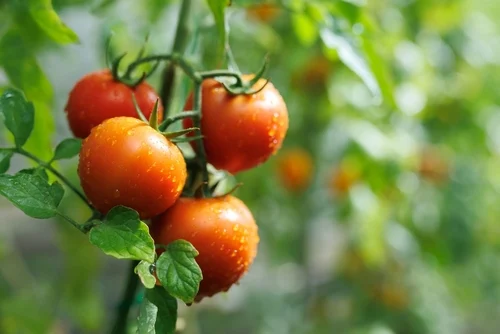
The dietary management of backyard poultry has become a subject of increasing scientific and practical scrutiny as the global trend toward domestic egg production continues to rise. Among the various supplemental foods provided to chickens, the tomato (Solanum lycopersicum) remains one of the most debated topics among poultry enthusiasts and agricultural experts. While tomatoes offer a robust profile of vitamins and antioxidants, they belong to the Solanaceae family, commonly known as nightshades, which produce specific alkaloids that can be toxic to avian species under certain conditions. Understanding the balance between the nutritional benefits of the ripe fruit and the physiological risks posed by the plant’s vegetative components is essential for maintaining flock health and productivity.
The Biological Context of the Solanaceae Family
To understand why tomatoes are a point of concern for poultry keepers, one must examine the evolutionary biology of the nightshade family. This diverse group of plants includes not only tomatoes but also potatoes, peppers, and eggplants. These plants have evolved a chemical defense mechanism to deter herbivores and insect pests: the production of glycoalkaloids. In tomatoes, the primary toxins of concern are solanine and tomatine.

Solanine is a bitter-tasting steroidal alkaloid that acts as a natural pesticide. In chickens, as in many other animals, solanine functions as a cholinesterase inhibitor. By disrupting the normal breakdown of acetylcholine, a neurotransmitter, the toxin can cause a range of neurological and gastrointestinal issues. Tomatine, while similar, is specifically found in tomato plants and is particularly concentrated in the green, unripe portions of the fruit and the leafy greens of the plant. While generally considered less toxic than the solanine found in nightshades like deadly nightshade (Atropa belladonna), it still poses a significant risk to small livestock when ingested in sufficient quantities.
The Distribution of Toxins Across the Plant Life Cycle
The concentration of glycoalkaloids within a tomato plant is not uniform; rather, it fluctuates based on the part of the plant and its stage of maturity. This variance is the most critical factor for poultry owners to understand. The stems and leaves of the tomato plant contain the highest concentrations of solanine. For a foraging chicken, these parts of the plant represent a high-risk ingestion hazard.
As the fruit develops, the levels of tomatine are initially high in the small, hard, green stage. This serves as an evolutionary safeguard to prevent the seeds from being consumed before they are viable. However, as the fruit undergoes the ripening process, the plant naturally metabolizes these alkaloids. By the time a tomato reaches full ripeness—characterized by its deep red, yellow, or orange hue and softened texture—the levels of solanine and tomatine have decreased to negligible amounts that are generally safe for consumption by healthy adult birds.

Agricultural data suggests that the chemical shift during ripening is dramatic. This is why a chicken might suffer no ill effects from eating a fallen, overripe tomato but could face severe distress after raiding a garden bed and consuming the vines or unripe green fruit. This distinction also applies to other nightshades; for instance, the green skins of potatoes or the leaves of pepper plants carry similar risks and should be strictly excluded from a chicken’s diet.
Clinical Symptoms of Alkaloid Poisoning in Avian Subjects
When a chicken ingests toxic levels of solanine or tomatine, the physiological response is often rapid. Because chickens have a high metabolic rate and relatively small body mass, toxins can enter the bloodstream and affect organ systems quickly.
Symptoms of solanine poisoning in poultry are multifaceted. Owners should monitor for a slowed pulse, which indicates cardiovascular distress. Gastrointestinal symptoms are common, including severe diarrhea and abdominal pain. In advanced cases, the bird may experience a drop in body temperature (hypothermia) and exhibit signs of lethargy or paralysis. Vomiting, though less common in birds than in mammals, can also occur as the body attempts to expel the irritant.

Tomatine poisoning presents with slightly different emphasis, often focusing on the digestive tract. Nausea, significant cramping, and watery diarrhea are the primary markers. Because these symptoms can mimic other common poultry ailments, such as coccidiosis or general enteritis, it is vital for keepers to cross-reference symptoms with recent access to garden waste or nightshade plants.
Nutritional Advantages of Ripe Tomato Consumption
Despite the risks associated with the green parts of the plant, ripe tomatoes are recognized by avian nutritionists as a valuable supplemental treat when managed correctly. Tomatoes are a powerhouse of essential nutrients that can bolster a flock’s immune system and improve egg quality.
- Antioxidants and Lycopene: Tomatoes are the primary dietary source of lycopene, a powerful antioxidant linked to reduced oxidative stress. In chickens, antioxidants help protect cells from damage and can contribute to more vibrant yolk color.
- Vitamin Profile: They are rich in Vitamin C, which aids in stress management (particularly heat stress), and Vitamin K, which is essential for bone health and blood clotting. Vitamin A, also present in high amounts, supports respiratory health and vision.
- Potassium and Minerals: The potassium content in tomatoes helps maintain electrolyte balance and proper muscle function, which is critical for active, egg-laying hens.
- Hydration: With a water content exceeding 90%, tomatoes are an excellent hydration tool during summer months, providing moisture alongside nutrients.
Established Feeding Guidelines and the 10% Rule
To maximize the benefits of tomatoes while eliminating the risks, experts recommend a strict protocol for inclusion in the diet. The "10% Rule" is the gold standard in poultry management: treats, including fruits, vegetables, and grains, should never exceed 10% of a bird’s total daily caloric intake. For an average hen, this equates to approximately one to two tablespoons of supplemental food per day.

The primary diet of a chicken must remain a high-quality, nutritionally balanced commercial feed. This ensures they receive the correct ratio of protein, calcium, and phosphorus required for eggshell production and feather growth. Overfeeding tomatoes can lead to a dilution of these essential nutrients, potentially causing soft-shelled eggs or protein deficiencies.
Furthermore, the age and health status of the bird are paramount. Baby chicks should never be fed tomatoes or any nightshade products. Their developing digestive systems and small body sizes make them hyper-sensitive to even trace amounts of alkaloids. Similarly, elderly birds or those recovering from illness should be kept on a strict professional diet to avoid putting undue stress on their kidneys and livers.
Chronology of Scientific Understanding in Poultry Husbandry
The evolution of knowledge regarding nightshades and poultry has shifted significantly over the last century. In the early 20th century, "scratch" and kitchen scraps were the primary sources of nutrition for farm flocks, and losses to "mysterious illnesses" were often undocumented. As the poultry industry moved toward intensive farming in the mid-1900s, nutritional research focused heavily on standardized corn and soy diets.

However, the resurgence of backyard homesteading in the 21st century has brought these specific dietary questions back to the forefront. Modern veterinary toxicology has since mapped the specific pathways of glycoalkaloids in avian biology, leading to the current consensus: while the fruit is a viable treat, the plant itself is a biohazard. This timeline of understanding has moved from anecdotal "old-timers" wisdom to lab-verified safety standards that protect the modern hobbyist’s flock.
Broader Implications for Sustainable Gardening and Waste Management
The intersection of gardening and chicken keeping is a cornerstone of sustainable homesteading. Chickens are often used as "garden tractors" to clear beds and provide fertilizer. However, the toxicity of tomato plants necessitates a strategic approach to garden design and waste management.
Agricultural extensions suggest that tomato vines and green fruit should be composted in a contained bin that is inaccessible to poultry, rather than being tossed into the chicken run. The implications of this are two-fold: it prevents accidental poisoning and ensures that the toxins break down during the composting process before the resulting soil is reused.

For the modern consumer, this highlights the importance of "controlled foraging." While allowing chickens to roam free in a garden can reduce pest populations, it requires the fencing off of nightshade crops. This management strategy reflects a broader move toward "integrated pest and nutrition management" (IPNM) in small-scale agriculture, where the safety of the livestock is balanced against the productivity of the land.
Expert Consensus and Final Analysis
Veterinary experts and experienced poultry breeders agree that tomatoes are neither a "superfood" nor a "poison" in isolation; rather, their safety is entirely dependent on the part of the plant used and the quantity provided. The consensus is clear: feed only the red, ripe fruit; never feed the greenery; and always prioritize the primary layer feed.
As the backyard poultry movement continues to expand, the dissemination of this factual, science-based information is vital. By respecting the chemical defenses of the Solanaceae family, poultry keepers can safely utilize the nutritional bounty of the tomato harvest to support the health, longevity, and productivity of their flocks. The responsibility lies with the keeper to act as a gatekeeper, ensuring that the bounty of the summer garden provides only health-giving nutrients rather than hazardous toxins.
