

Across the vast sweep of the Amazon Basin, an intricate and immense network of thousands of rivers, streams, and floodplain lakes forms a singular, interconnected waterscape. This thriving aquatic labyrinth serves as home to an unparalleled diversity of freshwater fishes, representing one of the planet’s most critical yet overlooked biological treasures. To date, scientists have formally recorded more than 2,700 distinct fish species within the basin, with dozens of additional species cataloged annually through ongoing exploratory expeditions. However, this staggering biodiversity faces escalating threats from human activity and climate change, prompting conservationists and researchers to sound the alarm regarding the future of the region’s aquatic life.
A comprehensive new report, titled Amazon Forgotten Fishes, dives deep beneath the surface of the basin’s waterways to illuminate the complex life histories, spatial ranges, ecological niches, and evolutionary adaptations of these aquatic organisms. Beyond detailing biological traits, the report explores the profound socioeconomic and cultural dimensions of freshwater fish in human society. Millions of people living throughout the Amazon depend directly on these species for their daily sustenance, nutrition, and economic livelihoods. Furthermore, these fishes hold a sacred, irreplaceable place within the sociocultural heritage, oral histories, and identities of Indigenous Peoples and local communities who have stewarded the basin for generations.
Notably, scientific assessments indicate that approximately two-thirds of all freshwater fish species found in the Amazon Basin are endemic—meaning they exist nowhere else on Earth. This high degree of endemism underscores the global ecological significance of the region, elevating the protection of Amazonian waterways from a regional conservation priority to an international imperative.
Ecological Importance and Socioeconomic Value
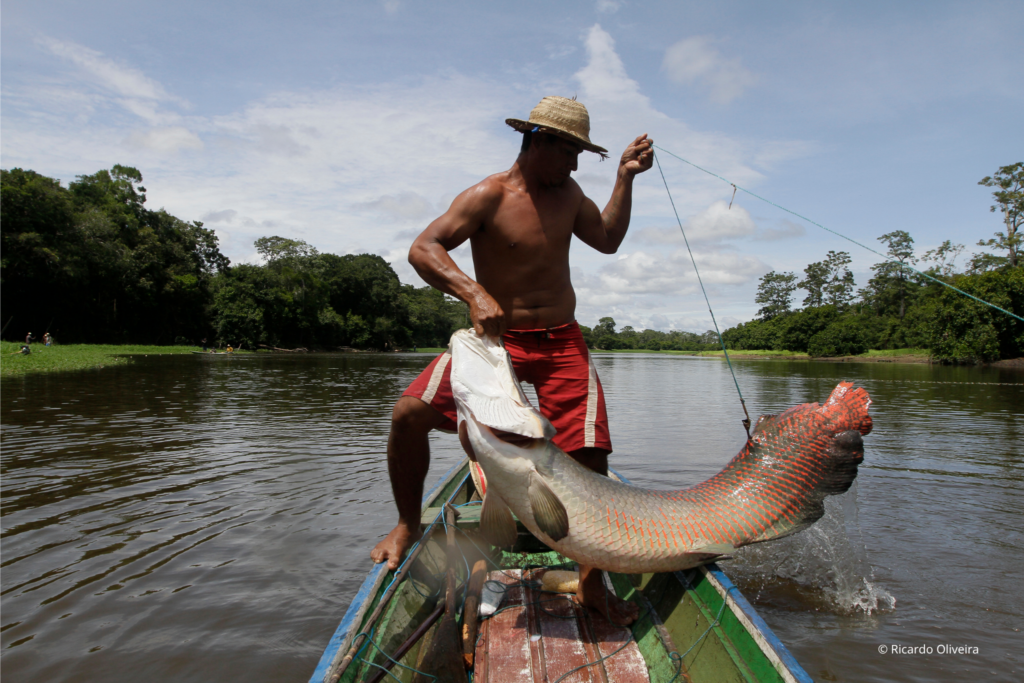
The fishes of the Amazon Basin act as the literal lifeblood of their ecosystems, driving critical biological processes that maintain the health of both aquatic and terrestrial environments. A prime example of this ecological interconnectedness occurs during seasonal floods, when various fish species migrate into inundated forests to feed on fallen fruits and seeds. As they digest and excrete or travel across the landscape, these fish disperse seeds over vast geographic areas, playing an indispensable role in forest regeneration and the maintenance of canopy cover. Other species function as mobile nutrient pumps, regulating primary aquatic production and supporting the entire food web, from macroinvertebrates to apex predators such as giant river otters and caimans.

These foundational ecological functions directly support human well-being and economic stability across the basin. For millions of low-income households, fish represent the most affordable, accessible, and reliable source of high-quality animal protein and essential micronutrients required for healthy human development, growth, and cognitive function.
In addition to subsistence fisheries, commercial and recreational fishing drive local economies. Sustainable sport fishing, particularly catch-and-release tourism, has demonstrated a remarkable economic capacity. Well-managed tourism packages can generate more revenue for local riverine communities in a single week than traditional commercial fishing operations might yield over an entire year in the same waters. Consequently, a primary objective for regional planners in the coming years is to manage the expansion of these sectors carefully, ensuring that local communities are actively involved in governance and secure a fair share of the economic benefits.
Escalating Threats to Amazonian Freshwater Biodiversity
Despite their immense ecological and cultural value, the freshwater ecosystems of the Amazon Basin have faced decades of mounting degradation. The International Union for Conservation of Nature (IUCN) currently lists 144 Amazonian fish species on its Red List of Threatened Species, while an additional 334 species are classified as Data Deficient due to a lack of comprehensive scientific surveys. Conservation experts warn that the true number of threatened species is likely significantly higher. Significant geographic blind spots, a lack of standardized institutional records, and historical deficiencies in cross-border scientific collaboration have hindered accurate tracking and proactive management.
The primary drivers behind this biodiversity crisis are direct consequences of anthropogenic activities. The proliferation of hydropower dams, water diversion projects, and river channelization has fundamentally disrupted freshwater connectivity. These infrastructure projects alter the natural hydrological flow regimes, blocking migration routes that are physiologically and behaviorally vital for fish reproduction and survival.
Simultaneously, widespread deforestation—driven by expanding agriculture, cattle ranching, infrastructure development, and illegal mining—has severed the reciprocal relationships between forest trees and fruit-eating fish species. Furthermore, land clearing introduces heavy sediment loads into rivers, muddying the waters, reducing light penetration, and clogging the respiratory gills of sensitive fish species. Chemical pollution from industrial sources, unregulated gold mining (garimpo), and oil extraction introduces toxic heavy metals and hydrocarbons into the water column. These contaminants impair fish growth, feeding, and reproductive success while bioaccumulating through the food chain, ultimately threatening human health in downstream communities.
Compounding these localized pressures, global climate change is intensifying stress across the basin. Climatological projections through 2050 indicate sustained regional warming and drastic shifts in seasonal precipitation and river discharge patterns. As global temperatures rise, prolonged droughts and reduced dry-season water volumes will severely impact floodplain-dependent species and the human populations reliant on them.
A Chronology of Growing Concern and Scientific Assessment
The release of the Amazon Forgotten Fishes report represents the latest milestone in a decades-long effort by international conservation bodies, research institutions, and Indigenous federations to focus global attention on neglected freshwater ecosystems.
During the 1970s and 1980s, commercial fishing in the Amazon began to industrialize rapidly, sparking early warnings from fisheries biologists regarding the absence of catch limits, monitoring frameworks, and regulatory enforcement. By the late 1990s and early 2000s, the acceleration of large-scale dam construction in the eastern and southern Amazon—such as the massive hydroelectric projects on the Madeira and Xingu rivers—drew intense scrutiny from environmental scientists who documented catastrophic blockages of migratory fish pathways.
Throughout the 2010s, conservation organizations increasingly emphasized that global conservation funding and policy discussions disproportionately favored terrestrial forests, such as the Amazon rainforest canopy, while largely ignoring the aquatic systems flowing beneath them. This oversight galvanized a coalition of researchers, culminating in the 2021 launch of the Emergency Recovery Plan for Freshwater Ecosystems—a global framework designed to reverse the catastrophic decline of freshwater biodiversity worldwide. The newly published Amazon Forgotten Fishes report adapts these global recovery principles directly to the unique geopolitical and hydrological realities of the Amazon Basin, establishing a modern roadmap for regional conservation.
Path Forward: Transboundary Governance and Indigenous Stewardship
Confronted with such formidable and interconnected challenges, policymakers and environmental advocates stress that the situation is far from hopeless. Effective conservation strategies already exist, but their implementation requires a fundamental shift in political will. Specifically, Amazonian nations must operationalize the principles of the Emergency Recovery Plan for Freshwater Ecosystems, committing to six core, coordinated actions tailored to the basin.
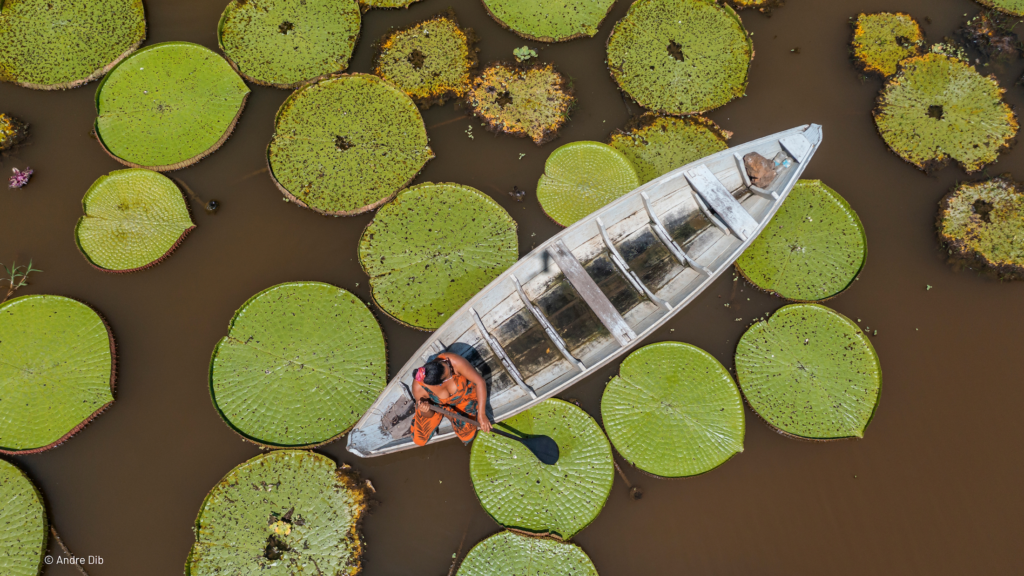
Because water, sediments, nutrients, and migratory fish species naturally transcend international borders, traditional, fragmented national conservation strategies are insufficient. Safeguarding the Amazon’s freshwater ecosystems requires a paradigm shift toward unified, transboundary governance frameworks. Governments must collaborate across borders, engaging academia, the private sector, civil society, and—most crucially—Indigenous Peoples and local communities whose daily lives and ancestral traditions are intimately tied to the river cycles.
The formal recognition of Indigenous land stewardship and the integration of traditional ecological knowledge with modern fisheries science are vital for achieving sustainable management. As emphasized by the report’s authors, the ultimate survival of the Amazon’s forgotten fishes depends entirely on humanity’s ability to perceive the basin as the fish themselves experience it: as a single, indivisible, and continuously flowing entity. Through concerted international cooperation, rigorous science-based management, and the elevation of ancestral wisdom, stakeholders can ensure that the Amazon remains a resilient and thriving freshwater ecosystem for generations to come.
