
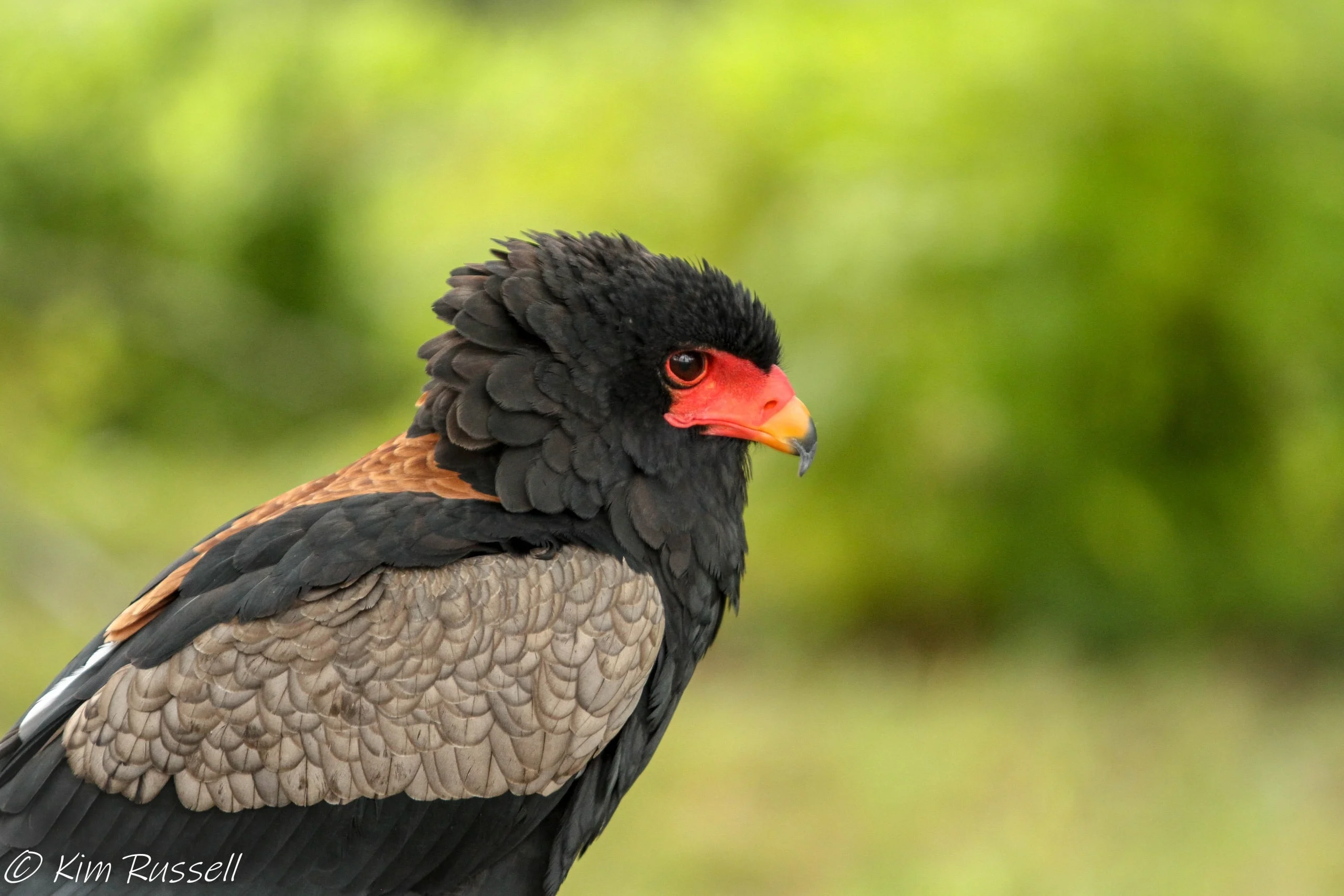
The intersection of indigenous tradition and modern biological science has found a unique focal point in the work of Waha Thuweeka, also known as William “Two-Raven” Voelker. As the founder and director of Sia: The Comanche Nation Ethno-Ornithological Initiative, Voelker has spent more than four decades pioneering a holistic approach to raptor conservation that honors the cultural significance of the eagle while adhering to the rigorous scientific standards of modern ornithology. His work, which began in the early 1970s, represents a significant evolution in the relationship between federal wildlife agencies and Native American tribes, culminating in the establishment of the first tribally administered feather repository in the United States.
A Life Dedicated to Raptors and Heritage
Born to a full-blooded Comanche mother and a father specialized in raptor research, Voelker’s life has been defined by a dual commitment to the Numunuh (Comanche) people and the avian species that hold profound spiritual importance within their culture. A member of the Ohnononuh band, Voelker’s career is marked by unprecedented achievements in captive breeding. He holds the distinction of being the first Native American to secure United States Fish and Wildlife Service (USFWS) permits for the care and breeding of Bald and Golden Eagles.
His technical prowess is evidenced by his status as the only individual in the United States to have successfully propagated both species through artificial insemination. Since 1974, Voelker has produced over four hundred native eagles in captivity, the vast majority of which have been rehabilitated and released back into the wild. Beyond his work with North American raptors, Voelker has conducted extensive field studies, behavioral research, and propagation projects involving sixty-eight species of birds of prey spanning five continents. This global perspective on raptor biology informs his localized work with the Comanche Nation, allowing him to integrate international conservation best practices into tribal policy.
Chronology of a Four-Decade Mission
The trajectory of Voelker’s work began in the early 1970s, a period when the legal framework governing the interaction between Native Americans and migratory bird feathers was strictly centralized under federal control.
- 1973: The initial proposal to establish a tribal feather repository is submitted to the U.S. Fish & Wildlife Service. This proposal laid the groundwork for what would eventually become the Sia Essential Species Repository.
- 1974: Voelker initiates his captive breeding program, marking the beginning of four decades of continuous effort in raptor propagation.
- 1999: A pivotal moment occurs when Voelker incorporates his life’s work under the Comanche Nation, officially founding Sia: The Comanche Nation Ethno-Ornithological Initiative as a formal tribal program.
- Early 2000s–Present: Sia expands its mandate, moving from purely scientific propagation to the management of cultural archives, research libraries, and historical documentation related to the Numunuh people.
This timeline reflects a persistent effort to institutionalize tribal authority over resources that are not only biological in nature but are also fundamental to the religious and cultural identity of the Comanche Nation.
The Sia Essential Species Repository: A Regulatory Milestone
One of the most significant outcomes of Voelker’s advocacy is the establishment of the Sia Essential Species Repository. Historically, Native Americans seeking eagle feathers for traditional ceremonies have had to navigate a complex, often lengthy federal permitting process. The creation of a tribally administered repository represents a paradigm shift in the management of these resources.
The repository serves as a legal and ethical framework for the acquisition and dispersal of non-eagle migratory bird feathers for members of federally recognized tribes. By operating in partnership with the USFWS, the initiative ensures that tribal members can access the materials necessary for their cultural practices while adhering to established conservation protocols. This arrangement is widely regarded as a successful model for "co-management," where federal agencies recognize tribal expertise and jurisdictional capacity in wildlife conservation.
Preservation of Numunuh Material Culture
Beyond his biological research, Voelker has positioned Sia as a guardian of Comanche history. The initiative maintains an expansive archive that documents over 300 years of Numunuh knowledge and experience. This collection is housed in an environmentally controlled, state-of-the-art facility, ensuring the longevity of artifacts and records that might otherwise be lost to time or decay.
The archive includes:
- A Research Library: Containing over 28,000 volumes focused on ornithology, ethnology, and indigenous history.
- Photographic Archive: A collection of 4,600 images capturing the life of the Numunuh people prior to the era of forced confinement.
- Documentary Archive: A massive collection of over 500,000 pages of unpublished letters, diaries, field notes, and other primary source documents that provide an intimate look into the history of the Comanche people.
These archives are essential for the preservation of cultural knowledge, allowing current and future generations of the Comanche Nation to access their history through a lens that values both academic rigor and ancestral memory.
Scientific and Cultural Implications
The work led by Waha Thuweeka carries significant implications for the broader field of conservation biology. By merging ethnology with ornithology, Voelker challenges the traditional Western scientific view that often separates human culture from environmental management. The success of his artificial insemination programs, particularly with Bald and Golden Eagles, provides a tangible contribution to the recovery of these species, which have faced significant pressures from habitat loss and environmental contaminants.
Furthermore, the Sia initiative serves as a blueprint for other indigenous nations seeking to exercise sovereignty over their biological and cultural resources. The successful negotiation of the Sia Essential Species Repository demonstrates that federal policy is capable of evolving to accommodate tribal expertise. Experts in tribal law note that such programs effectively utilize the concept of "Traditional Ecological Knowledge" (TEK), an approach that recognizes the depth of indigenous understanding of local ecosystems.
Challenges and Future Outlook
Despite the successes of the past forty years, the challenges facing raptor conservation remain significant. Climate change, the encroachment of industrial development into nesting grounds, and the ongoing need for funding for tribal programs continue to test the resilience of initiatives like Sia.
From an administrative perspective, the ongoing collaboration with the U.S. Fish & Wildlife Service remains a delicate balance. Maintaining the repository requires consistent compliance with federal law, yet the program must also remain responsive to the needs of the tribal community. The longevity of Sia—surviving across multiple presidential administrations and shifts in federal policy—speaks to the stability of the program’s foundation and the strength of the relationships Voelker has cultivated.
As the Comanche Nation continues to look toward the future, the integration of scientific research and historical preservation appears to be a sustainable path forward. By providing a structure where biological science serves the needs of cultural survival, Waha Thuweeka has established a legacy that transcends the laboratory. The ongoing work at Sia ensures that the eagle remains not just a symbol of the past, but a living, protected component of the Comanche future.
The dual role of Voelker as both a scientist and a representative of the Numunuh people highlights a critical trend in contemporary natural resource management: the empowerment of those who have the deepest historical and cultural ties to the land and its creatures. As Sia: The Comanche Nation Ethno-Ornithological Initiative moves forward, it continues to prove that rigorous, science-based conservation is most effective when it is grounded in the lived experience and cultural identity of the people it serves. Whether through the successful propagation of an endangered raptor or the cataloging of a diary entry from the nineteenth century, the initiative serves as a vital bridge, connecting the past, the present, and the biological future of the Comanche Nation.
