
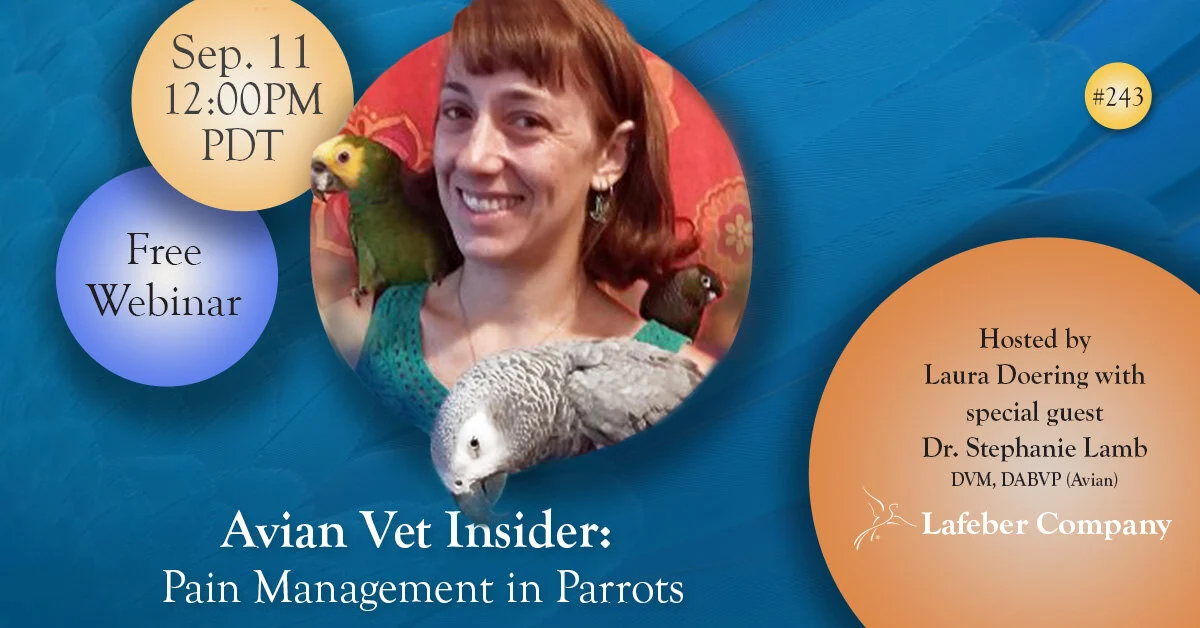
September is recognized globally as Animal Pain Awareness Month, an initiative dedicated to educating pet owners and veterinary professionals about the identification, assessment, and treatment of pain in non-human animals. As part of this annual observance, the veterinary community is turning its focus toward the complex and often overlooked subject of avian pain management. On Friday, September 11, 2026, at 12:00 p.m. PDT, Dr. Lamb will host an educational webinar titled "Avian Vet Insider — Pain Management in Parrots," aimed at bridging the gap between clinical avian medicine and home-based care.
The upcoming session is designed to address the specific biological challenges inherent in managing pain for psittacines—a group of birds known for their stoicism. Because parrots are prey species, they have evolved to mask physical illness or injury to avoid appearing vulnerable to predators. This evolutionary trait often leads to delayed diagnoses, as pet owners may not recognize subtle behavioral changes until a condition has progressed to a critical stage. The webinar will serve as a comprehensive guide for avian enthusiasts to decode these elusive signals.
The Clinical Challenge of Identifying Avian Pain
In the field of veterinary science, pain assessment in birds remains one of the most difficult clinical tasks. Unlike dogs or cats, which may vocalize or exhibit clear lethargy, parrots often maintain a facade of normalcy. Dr. Lamb’s presentation will delve into the physiological markers and behavioral shifts that indicate internal or external distress.
Common signs of pain in parrots include changes in posture, such as ruffled feathers or a hunched appearance; decreased activity levels; social withdrawal; and changes in vocalization patterns. In some cases, localized pain may manifest as self-mutilation or feather destructive behavior, though these symptoms can also be rooted in psychological issues. Distinguishing between pain-induced behavioral changes and psychological distress is a critical component of the diagnostic process. Attendees of the webinar will learn to identify the "ethogram of pain," a specialized framework used to categorize these subtle changes in daily habits.
A Chronology of Advancements in Avian Analgesia
The evolution of avian pain management has seen significant progress over the last two decades. Historically, birds were frequently excluded from aggressive pain management protocols due to concerns over drug metabolism and the lack of species-specific pharmacokinetics data. However, the early 2000s marked a shift in academic and clinical literature, as avian medicine moved toward a more proactive approach.
The timeline of this shift began with the broader adoption of non-steroidal anti-inflammatory drugs (NSAIDs) specifically tailored for avian use. Researchers established that birds possess a unique metabolic capacity, requiring different dosage calculations than mammals. By 2015, the introduction of multimodal analgesia—using a combination of drugs to target different pain pathways—became the gold standard in avian surgical procedures. The 2026 webinar represents the latest stage in this timeline, focusing on the integration of pharmacological treatments with integrative and alternative therapies, such as acupuncture and specialized environmental modifications.
Pharmacological and Alternative Treatment Modalities
A central theme of the upcoming webinar is the breakdown of current pharmacological options. Dr. Lamb is expected to categorize pain medications into three primary tiers: local anesthetics, non-steroidal anti-inflammatory drugs (NSAIDs), and opioids. Each class carries specific risks and benefits, particularly regarding renal and hepatic health in avian patients.
The discussion will extend beyond pharmaceuticals to include alternative therapies that have gained traction in recent years. These include:

- Environmental Modification: Altering cage ergonomics to minimize physical strain.
- Nutritional Support: Incorporating anti-inflammatory supplements that support joint and tissue health.
- Integrative Medicine: Exploring the efficacy of low-level laser therapy and physical rehabilitation for older parrots suffering from chronic conditions like arthritis.
Data suggests that birds with chronic pain often suffer from secondary health complications, including immunosuppression and muscle atrophy. By providing owners with the tools to implement effective pain management strategies early, the veterinary community hopes to improve both the longevity and the quality of life for domestic parrots.
Expert Perspectives and Industry Implications
The veterinary community, including organizations such as the Association of Avian Veterinarians (AAV), has long advocated for better education regarding pain in exotic pets. The implications of this webinar are broad; as the human-animal bond deepens, owners are increasingly seeking advanced medical care for their birds.
"The shift in how we approach pain in birds is reflective of a wider trend in veterinary medicine—a transition from reactive treatment to proactive wellness management," says an industry analyst familiar with avian care protocols. "By hosting this session, Dr. Lamb is addressing a vital demand for accurate, science-backed information. The more that owners understand how to interpret their bird’s behavior, the more effective their collaboration with veterinary professionals becomes."
From a diagnostic standpoint, this webinar is expected to emphasize the importance of home monitoring logs. Encouraging owners to keep structured records of their bird’s weight, intake, and behavior allows veterinarians to identify trends that would otherwise remain hidden during a brief office visit. This data-driven approach is essential for identifying the onset of chronic pain, particularly in geriatric parrots.
Broader Impact on Pet Bird Welfare
The ripple effect of increased awareness regarding avian pain is likely to impact how avian-specialized clinics operate. If owners become more adept at identifying pain, clinics may see an increase in early-stage consultations, which generally carry higher success rates for treatment.
Furthermore, the session will touch upon the importance of "pain-proofing" a home environment. This involves evaluating perches, cage floor surfaces, and flight opportunities to reduce the likelihood of chronic physical strain. As the understanding of avian pain matures, the industry anticipates a shift in product development, with more focus on orthopedic support and comfort-focused housing for aging birds.
Final Preparations for the Webinar
The webinar is scheduled for September 11, 2026, at 12:00 p.m. PDT. Interested participants are encouraged to utilize the provided time zone converter to ensure they do not miss the live presentation. Given the specialized nature of the topic, the event is expected to attract a diverse audience, ranging from first-time parrot owners to avian hobbyists and junior veterinary staff.
Registration for the event is currently open via the official webinar link. Following the presentation, participants will likely have the opportunity to engage in a Q&A session, providing a platform to discuss specific case studies and clarify the nuances of the protocols presented by Dr. Lamb. As Animal Pain Awareness Month progresses, this webinar stands as a definitive educational resource, reinforcing the commitment of the avian medical community to the humane and sophisticated treatment of all bird species under human care.
For those unable to attend the live broadcast, the importance of these clinical insights cannot be overstated. Recognizing pain is not merely a matter of comfort; it is a fundamental pillar of avian health and welfare, ensuring that these complex animals thrive in domestic environments. By participating in these discussions, owners take a proactive step in the long-term stewardship of their pets, contributing to a higher standard of care across the avian veterinary landscape.
