
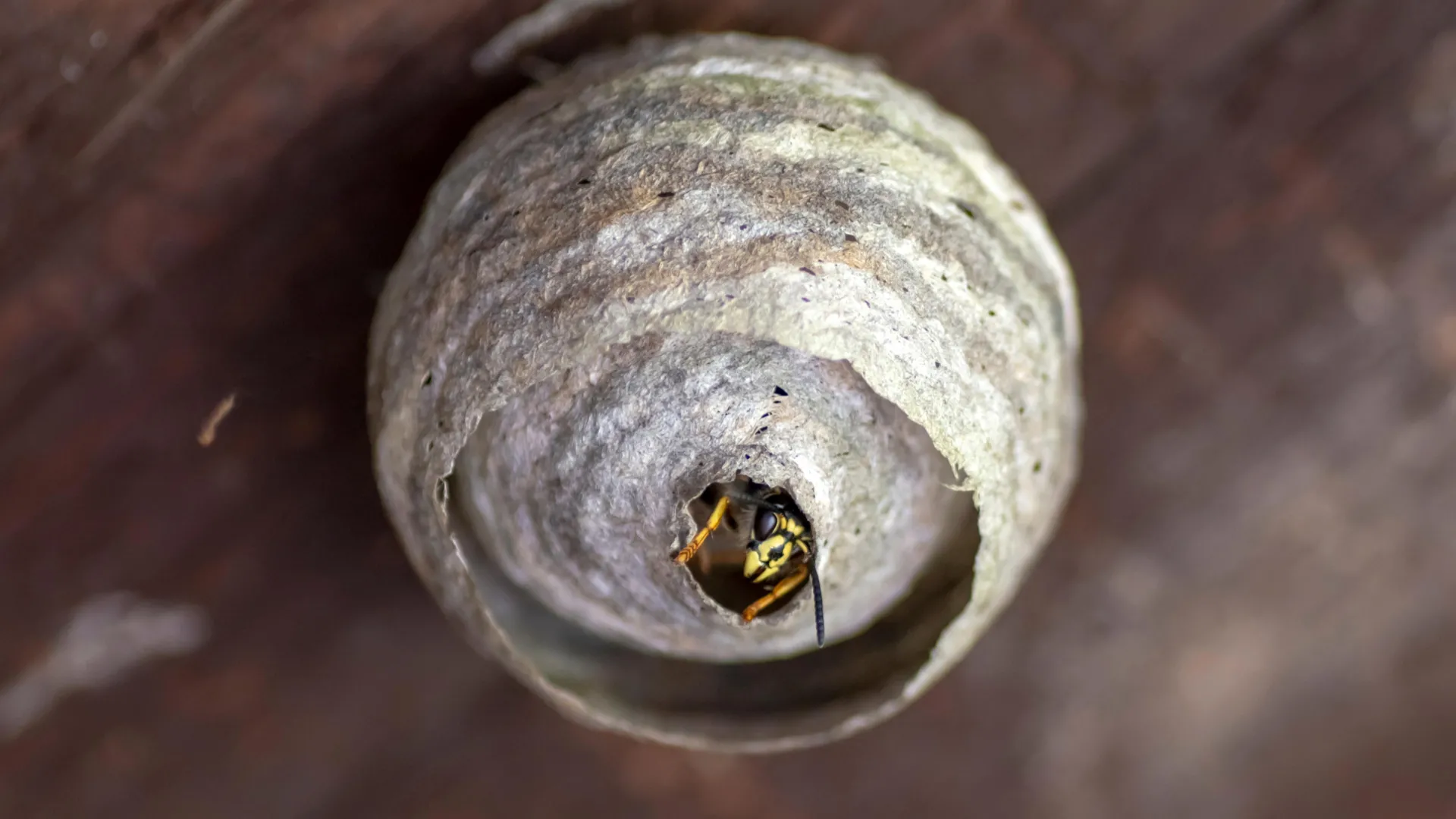
The familiar buzz of the common social wasp, long considered a ubiquitous soundtrack to the summer months, has been conspicuously absent across many regions in 2026. While backyard barbecues, outdoor festivals, and family picnics usually play host to these uninvited striped guests, this year has brought a startling quiet. Pest control agencies, researchers, and citizens alike are noting a dramatic downward shift in wasp encounters, upending the traditional seasonal narrative of late-summer "wasp plagues" that typically dominate headlines during warm weather.
For wasp biologists and entomologists attempting to study these social insects, the sudden scarcity presents both a logistical hurdle and a compelling ecological puzzle. Laboratory experiments requiring live specimens have stalled as researchers find themselves unable to source adequate populations in the wild. Meanwhile, professional pest-management services report a significant drop-off in callouts for nest removals. Although comprehensive nationwide monitoring initiatives, such as the Big Wasp Survey, are still compiling their seasonal datasets, preliminary observations strongly suggest that 2026 is an unprecedented anomalous year for Vespula populations.
A Chronology of Climatic Extremes: From Promising Spring to Thermal Crisis
The trajectory of the 2026 wasp season began with atypical conditions that initially pointed toward a robust population boom. As winter receded, the early arrival of a warm, dry spring coaxed a high volume of foundresses—newly fertilized queens—out of hibernation. Emerging from diapause, these solitary queens faced a seemingly favorable environment. Spring warmth traditionally accelerates nest-founding success by ensuring a steady supply of early nectar for queen nourishment and an abundance of prey insects required to rear the foundational brood of workers.
However, the meteorological stability quickly disintegrated. The initial warmth gave way to sharp weather anomalies characterized by unprecedented ambient heat spikes interspersed with unseasonably cold, damp days and unexpectedly freezing nights. This erratic volatility created a high-stress environment during the most precarious window of the colony lifecycle. Entomological data indicates that when emerging queens are forced to endure severe thermal shocks and drastic temperature drops while simultaneously foraging alone, the physiological toll often leads to nest abandonment or outright mortality. Consequently, the initial bounty of spring queens was severely thinned before the first generation of workers could even emerge.
The situation worsened considerably as summer settled in, marked by a relentless succession of severe heatwaves. While certain lepidopteran species, such as butterflies, reportedly thrived under conditions that facilitated uninterrupted foraging and mating, social wasps faced a distinct physiological threshold known as the critical thermal maximum, or CTmax.
Thermal Tolerances and Physiological Stress
Insects operate within strict physiological boundaries regarding temperature. When ambient and ground-level temperatures exceed an insect’s CTmax, individuals frequently succumb to desiccation, neurological distress, muscle spasms, and eventual stupor. While honeybees and certain bumblebee species possess high thermal tolerances—though still vulnerable to heatwaves that impair cognitive function and foraging efficiency—social wasps have a critical thermal maximum estimated at approximately 45°C (113°F).
During the peak heatwaves of summer 2026, ground-surface temperatures in several affected regions routinely surpassed 50°C. Although social insects utilize sophisticated thermoregulation behaviors—such as wing fanning to circulate air and cool developing larvae—and rely on complex nest architectures featuring insulating paper envelopes, the sheer intensity of prolonged extreme heat strained these defenses. Furthermore, physiological adaptations like cuticular hydrocarbons, the waxy molecules coating insect exoskeletons to prevent moisture loss, can only offer so much protection against sustained, record-breaking thermal events.

Compounding the environmental stress, the few wasps that successfully navigated the extreme weather events of 2026 have displayed a striking physical trait: they are noticeably smaller than expected for the time of year. Adult insect size is permanently fixed during larval development, dictated strictly by the volume and quality of nutrition provided by workers. Typically, while the earliest spring workers are diminutive due to the queen’s solitary foraging limitations, colonies by August should feature robust, well-fed workers emerging from fully scaled operations.
The persistence of "spring-sized" wasps deep into the summer suggests two primary environmental pressures. First, the restricted diversity and abundance of prey populations during the heatwaves likely resulted in nutritional deficits for the developing brood. Second, direct thermal stress accelerates metabolic rates in insect larvae, causing them to pupate prematurely at a reduced body size. This real-time observation mirrors broader ecological trends noted over the past century, wherein global warming has correlated with a gradual reduction in the physical size of social wasp populations.
Ecological Implications of Wasp Decline
Despite their unpopular reputation among picnickers, the potential collapse or severe reduction of wasp populations carries profound ecological consequences. Far from being merely pestiferous nuisances, social wasps perform critical ecosystem services that maintain environmental balance. As apex invertebrate predators, they act as natural pest-controllers, consuming vast quantities of flies, aphids, caterpillars, and other agricultural pests that would otherwise damage crops and gardens.
Furthermore, wasps are vital secondary pollinators. While they lack the specialized pollen-carrying structures of bees, their frequent visits to flowers in search of nectar result in significant cross-pollination for a wide variety of plant species. Additionally, as effective decomposers, they contribute to nutrient cycling within local food webs. The sudden depletion of these populations risks creating a trophic imbalance, potentially leading to unchecked surges in lesser pest species and depriving various birds, amphibians, and mammalian predators of a reliable food source.
Public Engagement and Ongoing Research
As researchers race to quantify the full extent of the 2026 population anomaly, scientific institutions are calling for public participation to gather grassroots data. Entomologists emphasize that public perceptions of wasps—often colored by negative encounters over sugary foods and picnic meats—frequently overlook their ecological necessity.
In the absence of natural prey during extreme weather events, foraging wasps frequently approach human environments out of nutritional desperation, seeking protein sources like meat to feed their brood or simple sugars for their own metabolic maintenance. Experts suggest that rather than swatting or panicking when a wasp approaches an outdoor meal, observers can contribute to citizen science initiatives by documenting these interactions. Projects such as the Wasp Picnic Survey invite members of the public to photograph foraging wasps and submit behavioral data to help academic teams map population distributions and health metrics.
Ultimately, the unusual quiet of the 2026 wasp season serves as a stark reminder of the delicate equilibrium governing insect populations. As climate volatility increases the frequency of extreme weather events, understanding the survival limits and ecological responses of resilient species like the common social wasp will be vital for anticipating wider shifts in global biodiversity.
