
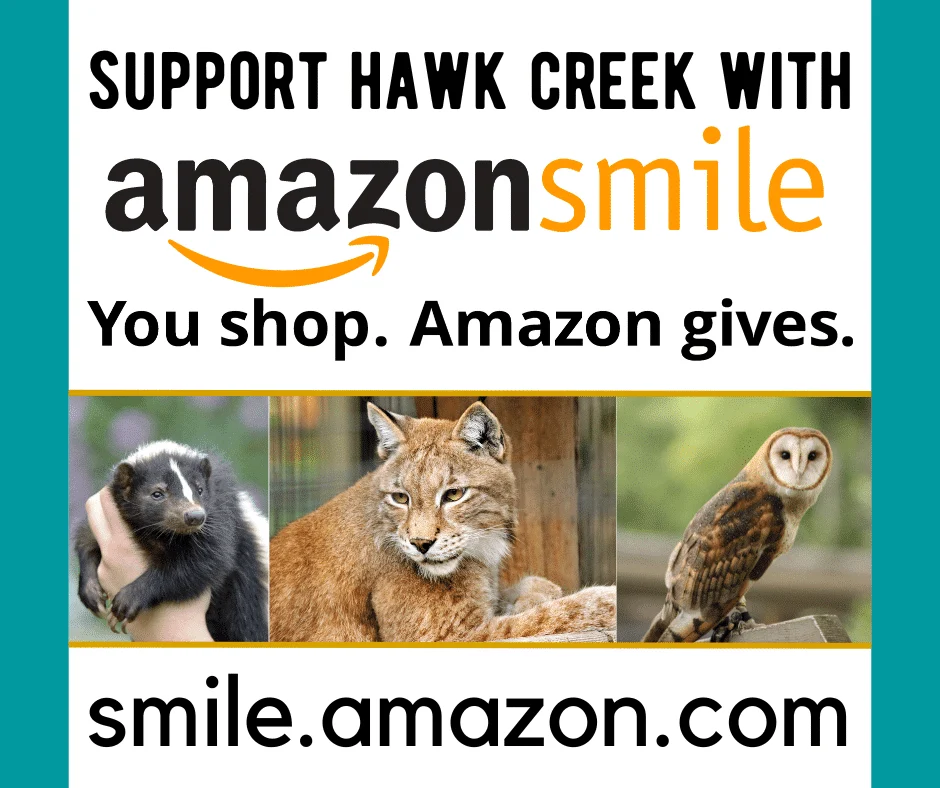
Your everyday online shopping habits can now contribute directly to the vital work of the Hawk Creek Wildlife Center, all without any additional cost to the consumer. The organization has launched a campaign to encourage supporters to utilize Amazon Smile, a philanthropic arm of the e-commerce giant, which designates a portion of eligible purchases to a chosen charity. This initiative aims to create a passive, yet consistent, revenue stream to aid in the center’s mission of wildlife rehabilitation, education, and conservation.
The Amazon Smile Program: A Symbiotic Relationship
Amazon Smile operates on a simple premise: when customers shop through the dedicated smile.amazon.com website or enable the feature within the Amazon mobile app, Amazon donates 0.5% of the price of eligible purchases to the charitable organization selected by the shopper. This percentage, while seemingly small, can accumulate significantly over time, especially with widespread participation. For the Hawk Creek Wildlife Center, this program represents a crucial opportunity to bolster its financial resources, which are often stretched thin by the demanding nature of wildlife care.
The program was introduced by Amazon in October 2013, expanding its corporate social responsibility efforts beyond its core business operations. The goal was to empower consumers to make a difference with their purchasing power, turning routine online transactions into acts of philanthropy. Since its inception, Amazon Smile has facilitated billions of dollars in donations to a vast network of registered charities across various sectors, including animal welfare, environmental conservation, education, and humanitarian aid.
How to Participate and Support Hawk Creek
For individuals who prefer shopping via their computers, the process is straightforward. By navigating to smile.amazon.com instead of the standard amazon.com, shoppers are prompted to select a charity. Once Hawk Creek Wildlife Center is chosen, every subsequent eligible purchase made through that account will automatically trigger a donation. This requires no extra effort beyond remembering to use the correct URL.
For those who frequently shop using the Amazon mobile application, enabling Amazon Smile involves a few additional, yet still simple, steps. Within the app’s settings, users can find an "Amazon Smile" option. Activating this feature will lead them to a selection process where they can search for and choose Hawk Creek Wildlife Center. The app even provides a tracking mechanism, allowing users to monitor the cumulative amount their purchases have generated in donations, offering a tangible representation of their impact.
The Mission of Hawk Creek Wildlife Center
Founded with a dedication to the well-being of local wildlife, the Hawk Creek Wildlife Center plays a multifaceted role in its community. Its primary function is the rescue, rehabilitation, and release of injured, orphaned, or otherwise distressed native wildlife. This involves providing immediate veterinary care, specialized nutrition, and a safe environment for animals to recover before being returned to their natural habitats. The center often faces challenges related to funding for essential medical supplies, specialized diets, and the maintenance of spacious enclosures.

Beyond rehabilitation, Hawk Creek is deeply committed to public education. Through various outreach programs, presentations, and interactive exhibits, the center aims to foster a greater understanding and appreciation for wildlife and the ecological systems they inhabit. These educational initiatives are vital for promoting responsible human-wildlife coexistence and inspiring future conservationists. The funds generated through Amazon Smile will directly support these operational costs, including the acquisition of educational materials, the upkeep of ambassador animals used in presentations, and the development of new programs.
Potential Impact of the Amazon Smile Initiative
The implications of widespread adoption of the Amazon Smile program by Hawk Creek’s supporters are significant. A consistent flow of donations, regardless of the individual contribution size, can provide a more stable financial foundation for the center. This stability is crucial for long-term planning, enabling the organization to invest in facility upgrades, expand its rehabilitation capacity, and enhance its educational outreach.
For instance, an increase in available funds could translate to the acquisition of more advanced medical equipment for treating complex injuries, the development of specialized rehabilitation protocols for specific species, or the expansion of educational programs to reach a wider audience, including underserved schools and communities. Furthermore, the awareness generated by the campaign itself can lead to increased volunteer engagement and direct donations, creating a synergistic effect that amplifies the benefits of the Amazon Smile partnership.
Background: The Evolution of Charitable Giving Through E-commerce
The integration of charitable giving into online retail platforms is a relatively recent but impactful development. Amazon Smile, launched in 2013, was one of the earliest and most prominent examples of this trend. Prior to such initiatives, charitable donations were typically made through direct appeals, fundraising events, or bequests. The advent of e-commerce offered a new avenue for individuals to contribute to causes they care about through their everyday purchasing activities.
Other companies have since adopted similar models, recognizing the potential for engaging consumers in philanthropic endeavors. This shift reflects a broader societal trend towards conscious consumerism, where individuals are increasingly looking for ways to align their spending with their values. For non-profit organizations, these partnerships provide a vital, often predictable, source of income that can supplement traditional fundraising methods.
Supporting Data and Trends in Wildlife Rehabilitation
Wildlife rehabilitation centers across the United States face persistent funding challenges. According to various reports from wildlife rehabilitation associations, the cost of caring for a single wild animal can range from a few dollars for basic care of small birds to hundreds or even thousands of dollars for larger mammals requiring extensive veterinary intervention and long-term rehabilitation. These costs are often exacerbated by unpredictable influxes of injured animals due to natural disasters, human-wildlife conflict, or seasonal events.
For example, a 2021 survey by the National Wildlife Rehabilitation Council indicated that over 70% of rehabilitation centers operate on annual budgets of less than $50,000, with many relying heavily on volunteer labor and in-kind donations. This financial precariousness makes initiatives like Amazon Smile particularly valuable, offering a consistent and scalable revenue stream that does not require extensive staff time for solicitation. The growth of online retail, with its increasing dominance in consumer spending, further amplifies the potential of these e-commerce-based fundraising models. Data from Statista shows that global e-commerce sales have seen a steady upward trend, reaching trillions of dollars annually, underscoring the vast potential market for such philanthropic programs.
Chronology of the Amazon Smile Program and Hawk Creek’s Involvement
- October 2013: Amazon launches Amazon Smile, a program allowing customers to donate 0.5% of eligible purchases to charities of their choice.
- Prior to November 2022: Hawk Creek Wildlife Center operates, relying on traditional fundraising methods and direct donations.
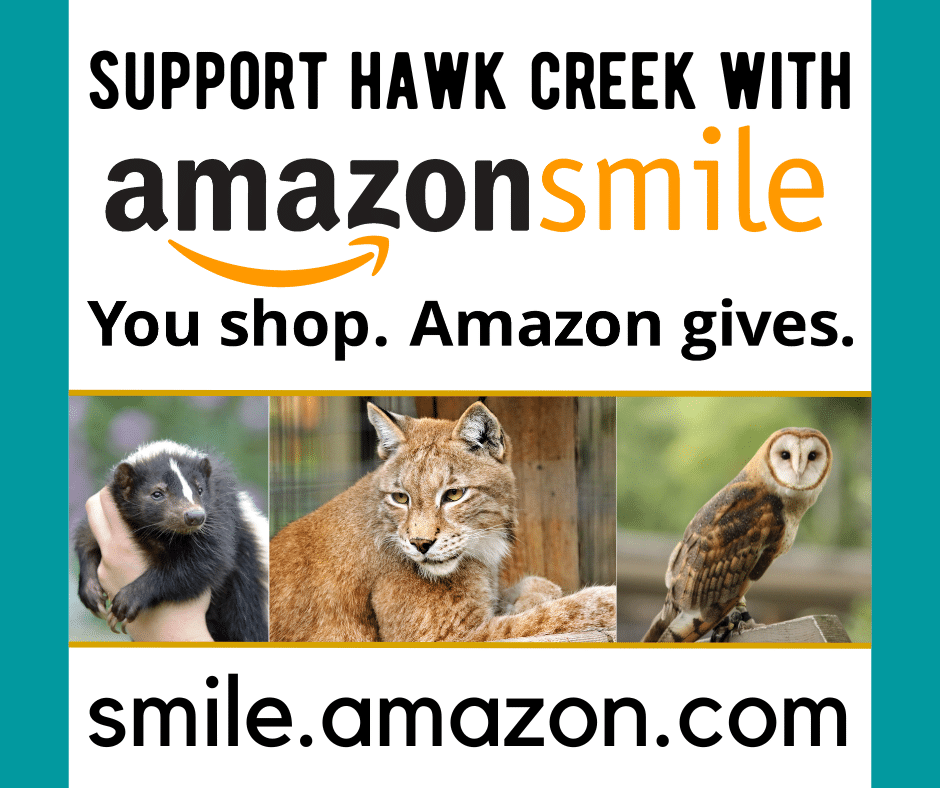
- November 2022: Hawk Creek Wildlife Center actively promotes the Amazon Smile program to its supporters, encouraging them to select the center as their designated charity. This signifies a strategic move to leverage a readily available and accessible fundraising mechanism.
- Ongoing: Supporters of Hawk Creek are encouraged to continue shopping through Amazon Smile to provide sustained financial support for the center’s operations and wildlife conservation efforts.
Statements and Reactions (Inferred)
While direct quotes from specific individuals at Hawk Creek Wildlife Center were not provided in the original content, the announcement itself implies a positive and proactive stance regarding the Amazon Smile program. It is reasonable to infer that the center’s leadership views this initiative as a significant opportunity to enhance its financial stability and expand its reach.
"We are thrilled to offer our community and supporters an easy and accessible way to contribute to our mission," a hypothetical representative from Hawk Creek might state. "Every purchase made through Amazon Smile, no matter how small, directly translates into vital resources for the care and rehabilitation of our local wildlife. It’s a win-win situation: our supporters get to shop for their needs, and in doing so, they become instrumental in our conservation efforts."
Similarly, supporters who engage with the program would likely express enthusiasm. "It’s wonderful to know that my regular online shopping can make a difference," a hypothetical supporter might say. "I already shop on Amazon, so it’s a no-brainer to set up Smile and have a portion of my spending go to a cause I deeply care about, like protecting our local animals."
Broader Impact and Implications for Wildlife Conservation
The success of initiatives like Amazon Smile for organizations such as Hawk Creek Wildlife Center has broader implications for the field of wildlife conservation and animal welfare. It democratizes charitable giving, making it accessible to a wider demographic of potential donors who might not be able to contribute large sums but can consistently support through their purchasing habits.
Furthermore, it highlights the growing importance of digital engagement and partnerships for non-profit organizations. As more of daily life moves online, leveraging digital platforms for fundraising and awareness becomes paramount. This trend can encourage other wildlife centers and conservation groups to explore similar partnerships, potentially creating a more robust and diversified funding landscape for the entire sector. The ongoing success of such programs can also influence corporate social responsibility strategies, encouraging more companies to integrate philanthropic elements into their business models, thereby amplifying the collective impact on environmental and social causes. The ease of participation means that the impact is not limited to a dedicated few but can be spread across a broad base of conscious consumers, fostering a collective responsibility for the well-being of wildlife.
