

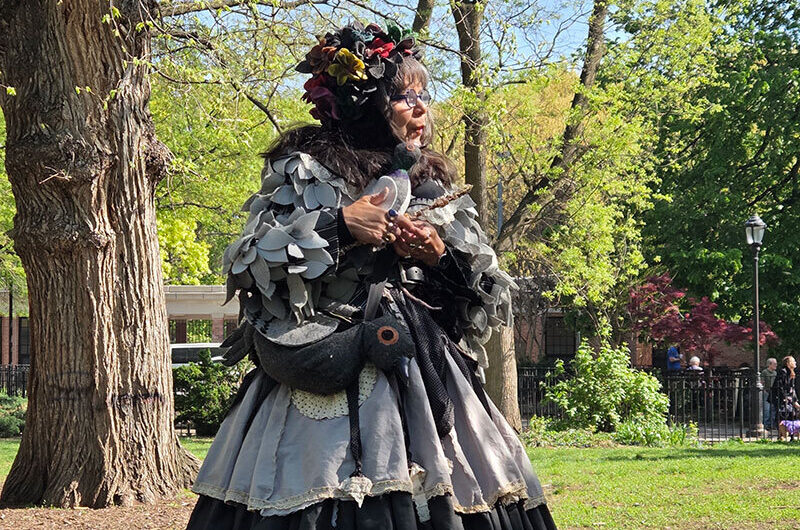
The art world, in its boundless diversity, continually offers novel forms of expression that captivate and inspire. While familiar styles can sometimes lead to a sense of repetition, the multifaceted nature of human observation and interpretation ensures that art can transcend conventional boundaries, unveiling new meanings and innovative presentations. New York City, a global nexus of culture and creativity, serves as a fertile ground for individuals who embody artistic distinctiveness in compelling ways. Among these is Tina Piña Trachtenburg, known to many as "Mother Pigeon," a recognized artistic talent and a passionate advocate for the city’s often-maligned pigeon population. Trachtenburg’s work extends beyond the canvas, encompassing street performance, digital media, and active campaigning against practices she deems inhumane.
A Dual Role: Artist and Activist
At the core of the "Mother Pigeon" persona is Tina Piña Trachtenburg, a New York City resident whose life is a testament to the interwoven nature of art and activism. Trachtenburg is both a seasoned street performer and a dedicated animal rights activist. Her current focus of protest is the capture of New York City’s pigeons, a practice she vehemently opposes due to their subsequent resale and transportation to Pennsylvania for live pigeon shoots. These events involve releasing pigeons from mechanical traps to serve as targets for participants in trap and block shooting competitions. In an effort to gather evidence and raise awareness, Trachtenburg has offered a $300 reward for individuals who can provide photographic and video documentation, with clear identification, of anyone capturing pigeons in Maria Hernandez Park, a well-known public space in Brooklyn.
The Legal and Ethical Landscape of Live Pigeon Shoots
The controversy surrounding live pigeon shoots is not a new one, and Trachtenburg’s activism aligns with broader concerns within the legal and animal welfare communities. The New York City Bar Association’s Animal Law Committee, for instance, has also voiced its opposition to practices involving the release of feral and domesticated pigeons from traps for the purpose of being shot. This stance is underscored by their support for H.B. 1097 (2025–2026) legislation. This proposed bill aims to prohibit the use of live pigeons as targets in trap and block shooting events within the state of Pennsylvania, directly addressing the practice that Trachtenburg is actively campaigning against. The existence of such legislative efforts indicates a growing awareness and formal opposition to these types of events.
A Creative Campaign: The "Mother Pigeon’s Impeckable Musical Puppet Show"
Trachtenburg has channeled her advocacy into a unique and engaging artistic medium: a YouTube channel titled "Mother Pigeon’s Impeckable Musical Puppet Show." Over the past year, she has produced a series of ten videos that feature hand puppets, notably Frankie the Pigeon and Max the Rat. This creative endeavor has also resulted in the release of nine original songs, further expanding her artistic output. A bonus offering includes a reading of her published book, all of which are accessible for listening and purchase on Bandcamp. This multi-faceted approach allows her to reach a diverse audience, blending entertainment with a clear message of animal welfare.
Digital Footprint and Community Engagement
In the digital age, a strong online presence is crucial for amplifying messages and building communities. Trachtenburg has cultivated a significant following across various social media platforms. Her Instagram account, @motherpigeonbrooklyn, boasts over 38,000 followers and features more than a thousand posts documenting her work, advocacy, and observations of the city’s pigeons. She also maintains a Facebook page, further extending her reach. Her most active platform, Instagram, serves as a visual diary of her efforts, offering followers a direct look into her daily activities and the issues she champions. To provide a more personal insight into her motivations, Trachtenburg has also shared a short YouTube video detailing what inspires and drives her passionate work.
The Pigeon: An Urban Icon Under Scrutiny
Pigeons, scientifically known as Columba livia, are ubiquitous in urban environments worldwide, and New York City is no exception. Often dismissed as "rats with wings," these birds have a complex relationship with humans. Their presence in cities is a result of both natural adaptability and historical human interaction, dating back to their domestication for food and messenger services. In New York City, pigeons are an integral part of the urban landscape, inhabiting parks, plazas, and building ledges. However, their widespread presence has also led to perceptions of them as pests, contributing to negative attitudes and, in some cases, calls for their eradication or control through methods like live pigeon shoots.
Trachtenburg’s advocacy challenges these negative perceptions by highlighting the intelligence, resilience, and inherent worth of pigeons. Her artistic persona, "Mother Pigeon," serves as a powerful symbol, anthropomorphizing the bird and imbuing it with a maternal, protective quality that resonates with audiences. This artistic framing encourages empathy and a re-evaluation of how urban wildlife is viewed and treated.
The Historical Context of Pigeon Shoots
Live pigeon shoots, while seemingly archaic to many today, have a historical precedent. They were once a popular sport and form of entertainment, particularly in the late 19th and early 20th centuries. These events were often associated with gambling and social gatherings. However, as societal attitudes towards animal welfare evolved and scientific understanding of animal sentience grew, the practice began to face increasing scrutiny and opposition. Many jurisdictions have since banned or severely restricted live pigeon shoots due to ethical concerns. The continued existence of such events in some areas highlights a lingering tension between traditional practices and modern ethical standards.
The specific practice of capturing city pigeons for these shoots raises additional ethical questions. It involves removing animals from their natural urban habitat, where they have adapted and formed social structures, and subjecting them to a dangerous and often fatal activity. The capture process itself can be stressful for the birds, and their subsequent use as targets, regardless of their perceived status as "vermin," is a point of contention for animal welfare advocates.
Trachtenburg’s Campaign: Methods and Objectives
Trachtenburg’s multifaceted approach to advocacy is designed to achieve several key objectives:
- Raising Public Awareness: Through her art, online presence, and public statements, she aims to bring attention to the issue of live pigeon shoots and the specific practice of capturing pigeons in New York City.
- Gathering Evidence: The reward for photographic and video evidence is a direct effort to document and expose the individuals involved in pigeon capture, potentially leading to further action or public pressure.
- Promoting Empathy: Her artistic persona and creative content aim to foster a more compassionate view of pigeons, shifting public perception from one of disdain to one of understanding and respect.
- Supporting Legislative Action: By aligning with organizations like the NYC Bar Association’s Animal Law Committee, she contributes to broader efforts to enact legal protections for pigeons.
The success of her campaign can be measured not only by the immediate impact of her actions but also by the ripple effect her message has on public discourse and policy.
Supporting Data and Broader Implications
While specific data on the number of pigeons captured annually in New York City for such purposes is not readily available, the fact that the practice continues, and that legislative efforts are underway to combat it, suggests a persistent issue. The economic motivations behind such practices often involve the resale of captured birds to shooting clubs or individuals who participate in these events. The cost of live pigeons for shooting can vary, but the demand, however small, perpetuates the cycle of capture.
The implications of Trachtenburg’s activism extend beyond the welfare of pigeons. Her work exemplifies how art can be a powerful tool for social change. By using creative expression, she engages audiences on an emotional level, making complex issues more accessible and relatable. Her dedication to advocating for a species often overlooked or reviled highlights the broader principle of animal advocacy: that all sentient beings deserve consideration and protection from unnecessary suffering.
Furthermore, her efforts contribute to the ongoing conversation about urban wildlife management and the ethical responsibilities humans have towards the animals with whom they share urban spaces. As cities continue to grow and human populations expand, finding humane and sustainable ways to coexist with urban wildlife becomes increasingly important. Trachtenburg’s work, in its unique and artistic way, prompts critical reflection on these relationships and challenges established norms.
Conclusion: A Persistent Voice for the Unheard
Tina Piña Trachtenburg, operating under the evocative moniker "Mother Pigeon," represents a compelling fusion of artistic innovation and unwavering advocacy. Her commitment to protecting New York City’s pigeons from the cruel practice of live pigeon shoots is not merely a personal crusade but a broader statement about empathy, ethical responsibility, and the transformative power of art. Through her puppet shows, music, and extensive social media presence, she has carved out a unique niche in the activism landscape, effectively challenging public indifference and fostering a more compassionate perspective towards one of the city’s most misunderstood inhabitants. As the debate over animal welfare in urban environments continues, Trachtenburg’s persistent voice and creative approach serve as a vital reminder that even the most common creatures have stories worth telling and lives worth protecting. Her efforts, bolstered by support from legal bodies like the New York City Bar Association’s Animal Law Committee, signal a growing momentum towards a more humane future for urban wildlife.
