

An international delegation of naturalists and ornithologists recently concluded a comprehensive ten-day survey of avian biodiversity and mammalian health across a transect of Western and Northern Canada. Moving from the temperate wetlands of Central Alberta through the boreal transition zones of the Northwest Territories and terminating in the High Arctic of Victoria Island, Nunavut, the expedition documented over 100 species of birds and several key mammalian indicators. This journey provided critical insights into the nesting success, migratory timing, and ecological health of some of North America’s most remote habitats during the peak of the summer breeding season.
The Alberta Wetlands: A Gateway to the Central Flyway
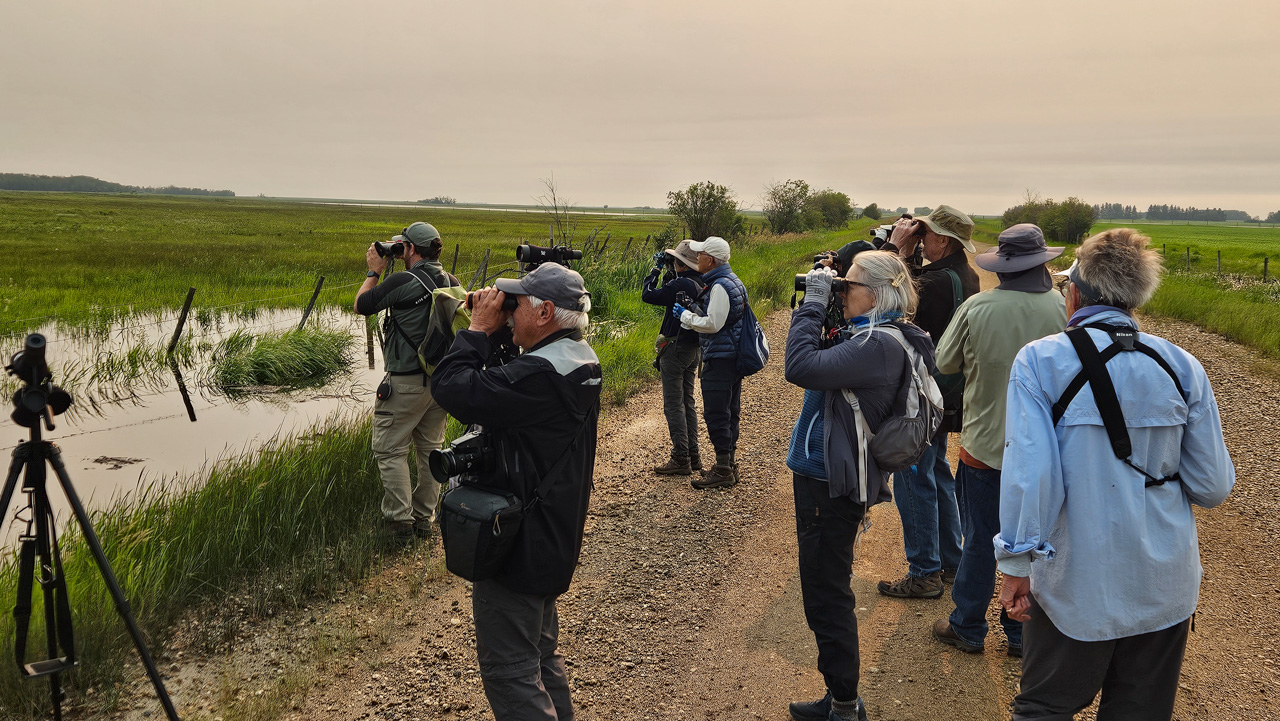
The expedition commenced in Edmonton, Alberta, a region characterized by its "pothole" lakes and extensive slough systems which serve as vital stopover and breeding grounds for millions of waterfowl. The initial survey focused on the flooded agricultural lands near Dodds and the internationally recognized Beaverhill Lake area. Beaverhill Lake, a designated RAMSAR site and a Western Hemisphere Shorebird Reserve Network (WHSRN) site, has long been a focal point for monitoring the Central Flyway.
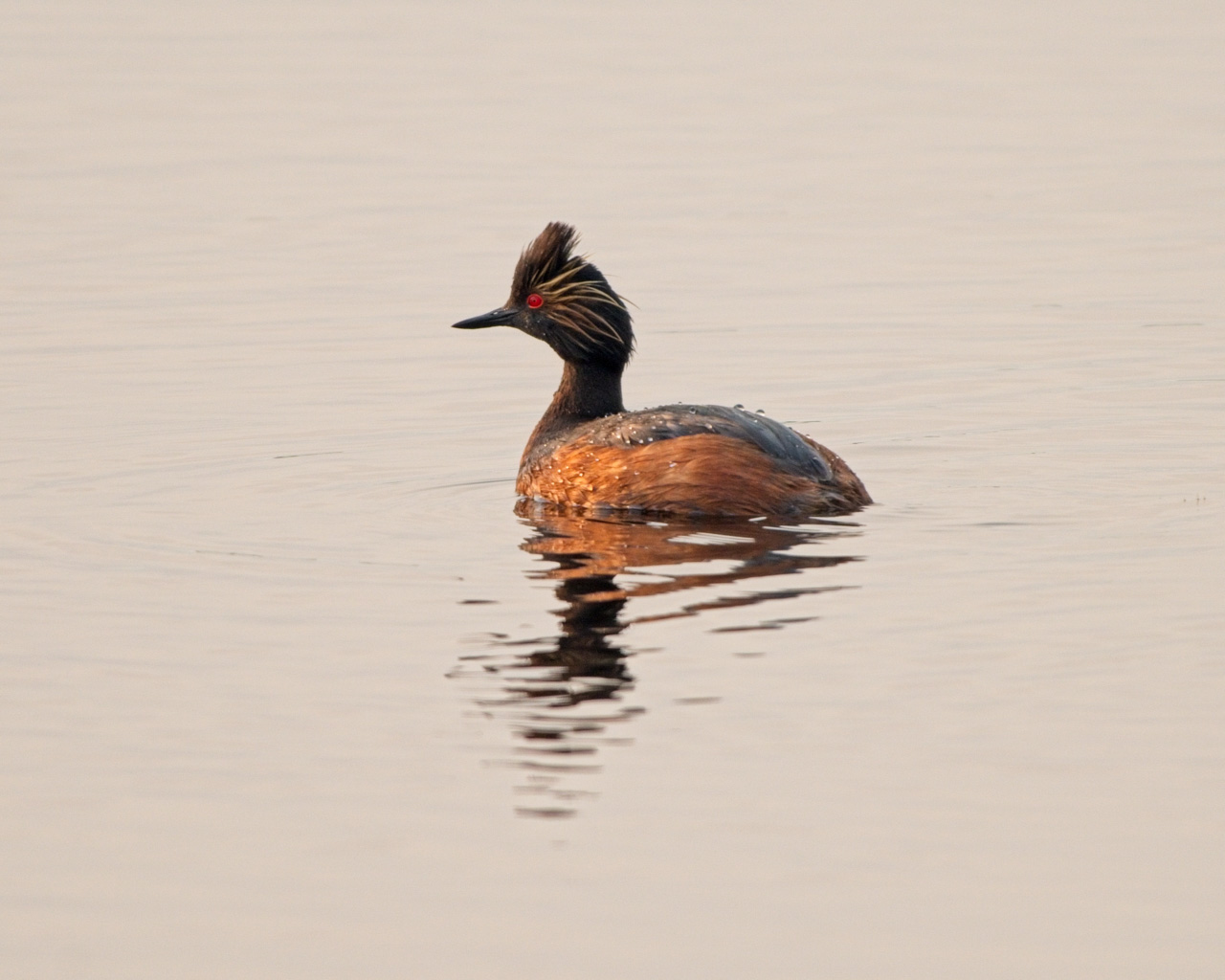
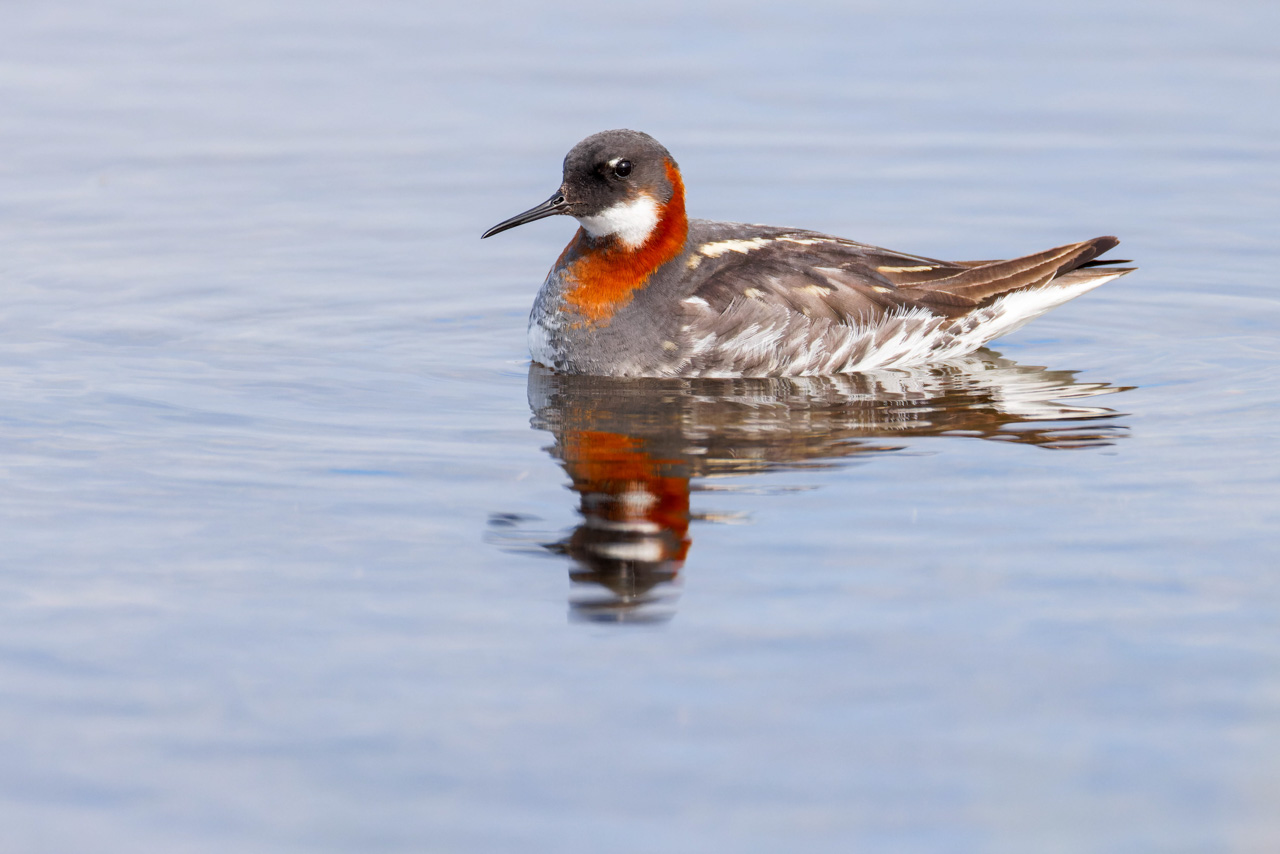
In the flooded lands near Dodds, the team observed significant courtship displays among Eared Grebes (Podiceps nigricollis). These birds are known for their synchronized "rushing" ceremonies, though at this stage of the season, the focus had shifted to nesting within the emergent vegetation. Ornithological records from the site noted an abundance of Wilson’s Phalaropes (Phalaropus tricolor), a species unique among shorebirds for its reversed sexual dimorphism and polyandrous mating system.
The presence of Hudsonian Godwits (Limosa haemastica) was a notable highlight of the Alberta segment. These large shorebirds are famous for their long-distance migrations from South American wintering grounds to the Arctic. Seeing a flock of twelve in the Edmonton vicinity suggests a synchronized movement of late-migrating individuals or non-breeding sub-adults utilizing the Alberta wetlands as a critical refueling station.
Boreal Transition and the Ingraham Trail
On the third day, the expedition shifted its focus north to Yellowknife, Northwest Territories. This region represents the transition from the Great Plains to the Taiga Shield, a landscape dominated by Precambrian rock outcrops, black spruce bogs, and thousands of glaciated lakes. Yellowknife serves as a unique ecological crossroads where boreal species meet subarctic specialists.
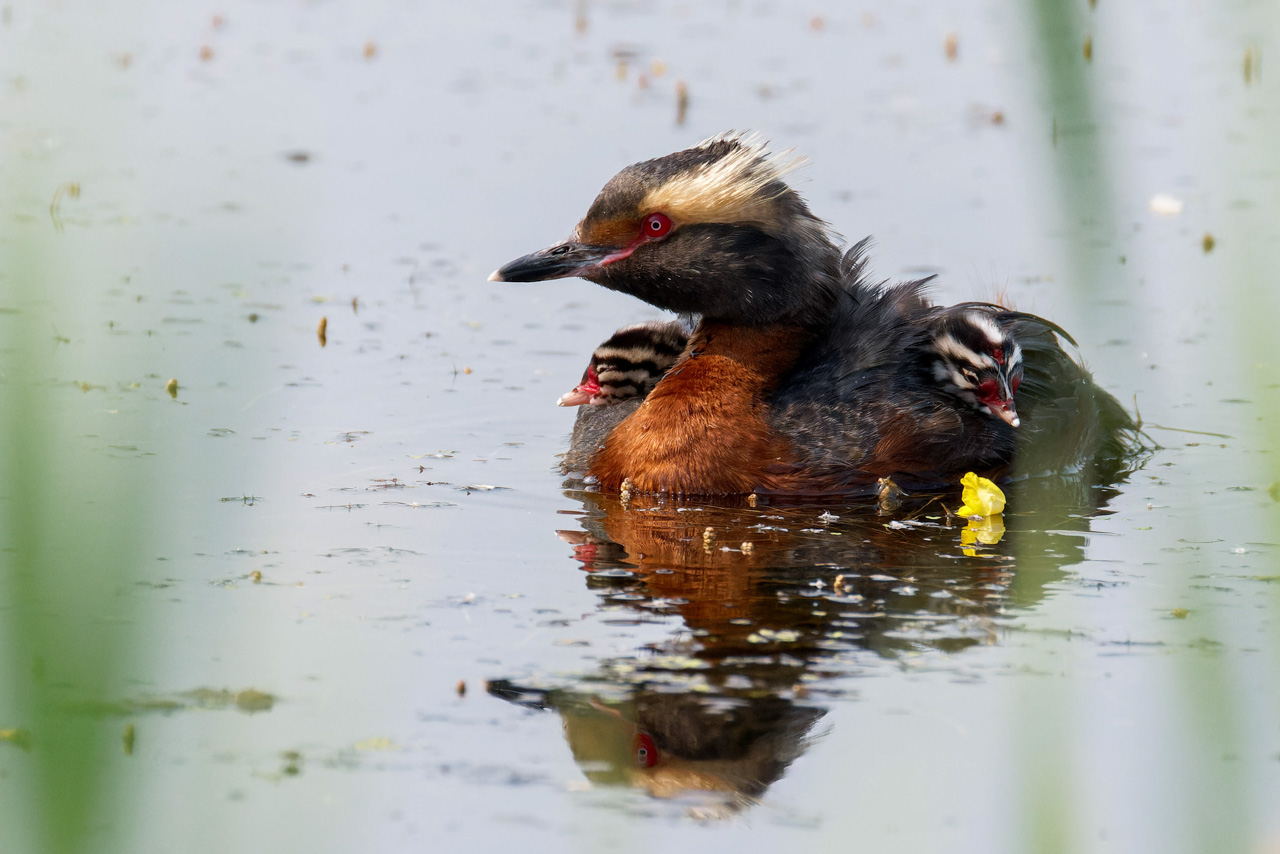
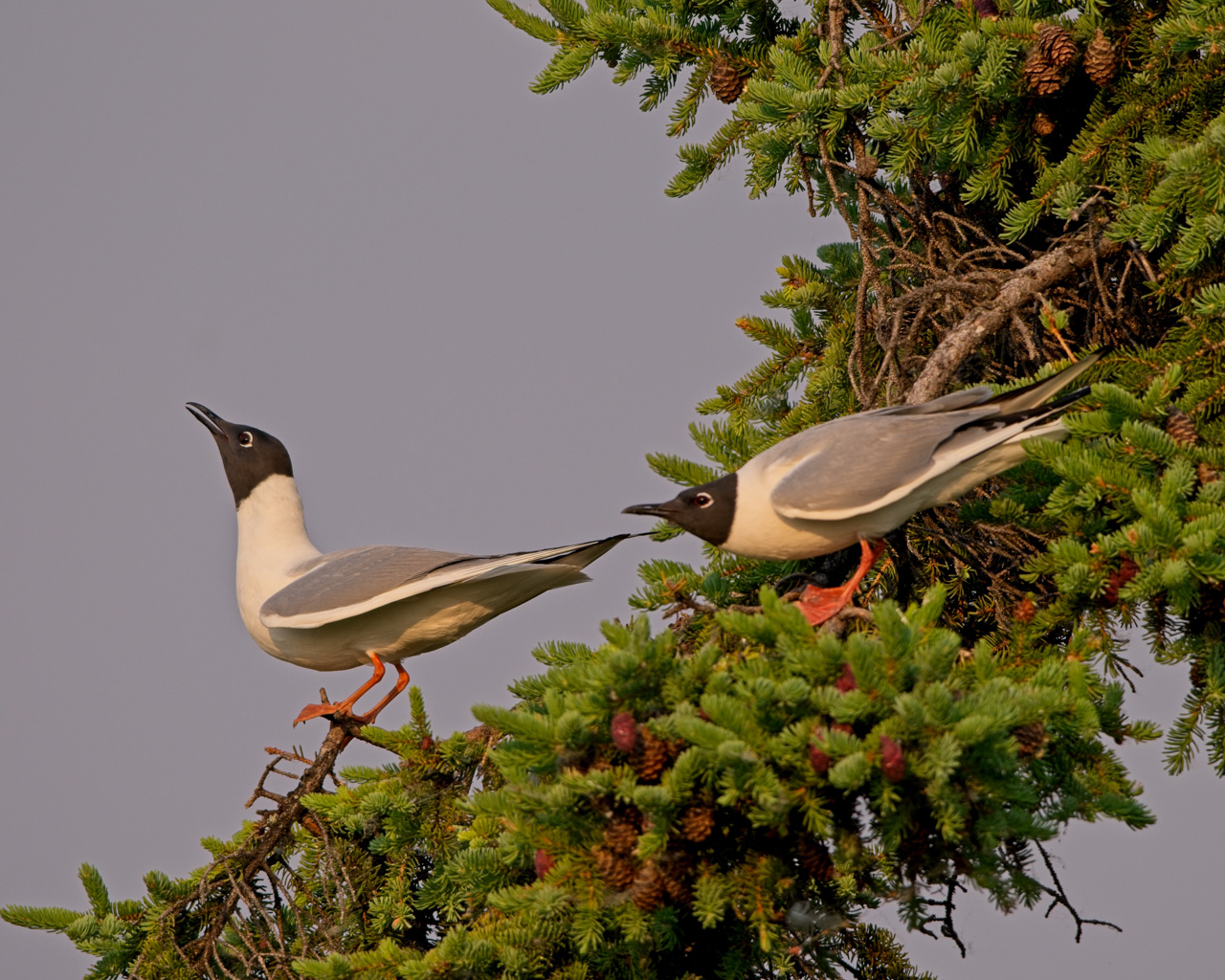
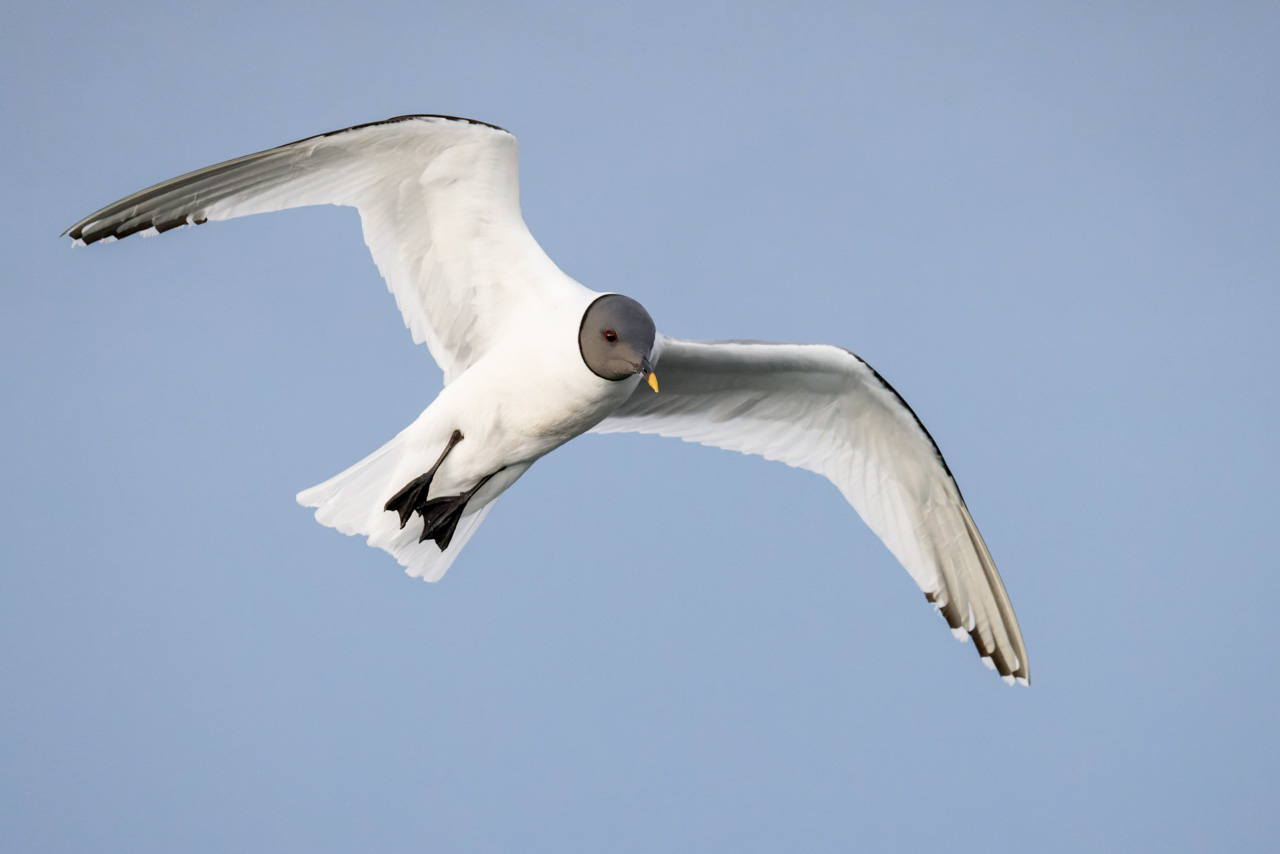
Surveys at Niven Lake and Fred Henne Territorial Park revealed a high density of Horned Grebes (Podiceps auritus) and Bonaparte’s Gulls (Chroicocephalus philadelphia). The latter species is of particular interest to boreal researchers as it is one of the few gull species globally that nests in trees, typically utilizing black spruce or tamarack. The observation of tree-nesting behaviors and recently hatched chicks confirms the continued productivity of the Niven Lake ecosystem despite its proximity to urban Yellowknife.
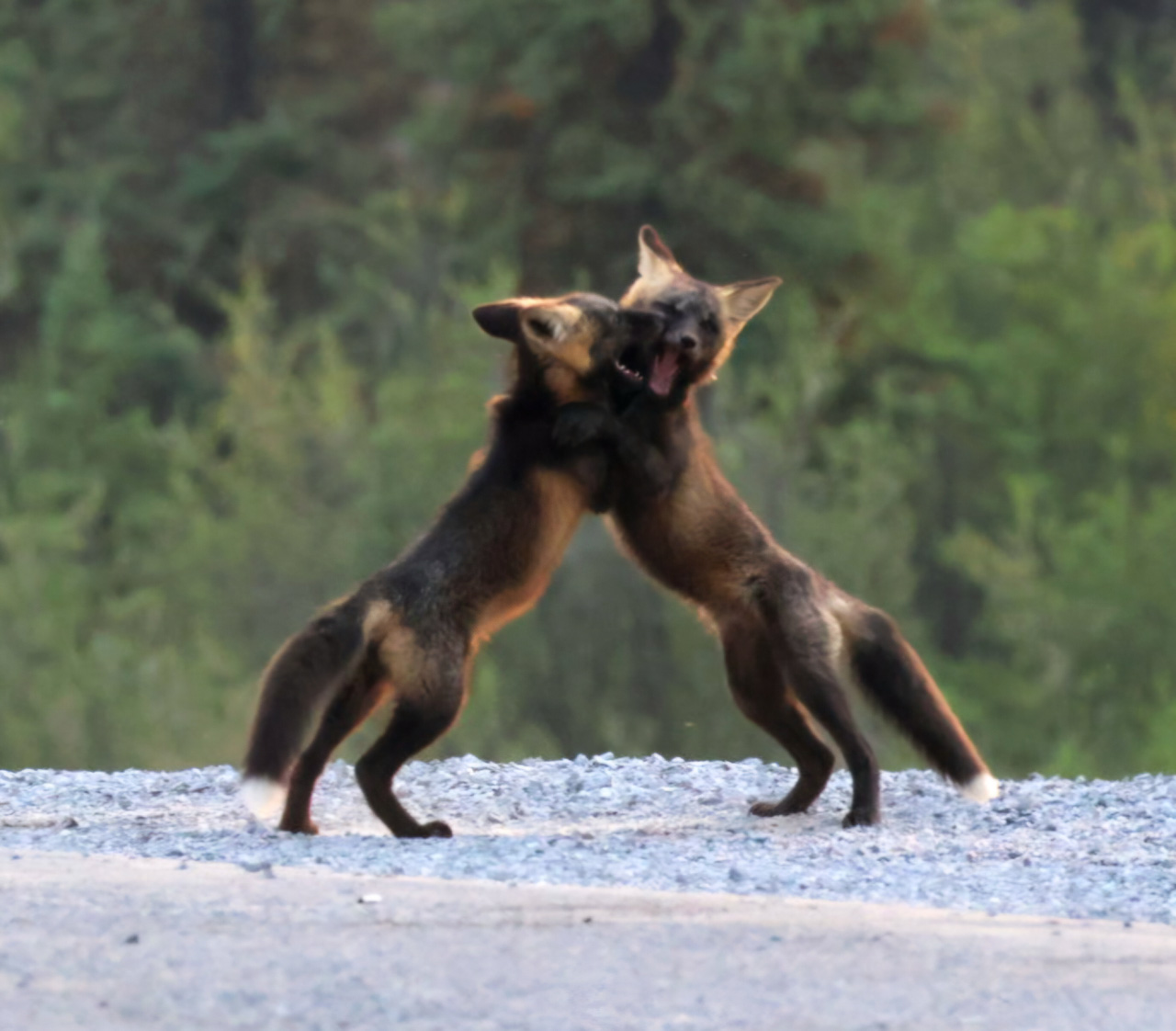
The Ingraham Trail, a 70-kilometer route extending east from Yellowknife, provided the backdrop for mammalian observations. The team documented a significant litter of Red Fox (Vulpes vulpes) kits exhibiting a range of genetic color phases, including the "cross fox"—a melanistic variant characterized by a dark stripe running down the back and across the shoulders. Such genetic diversity is a positive indicator of a robust local predator population.
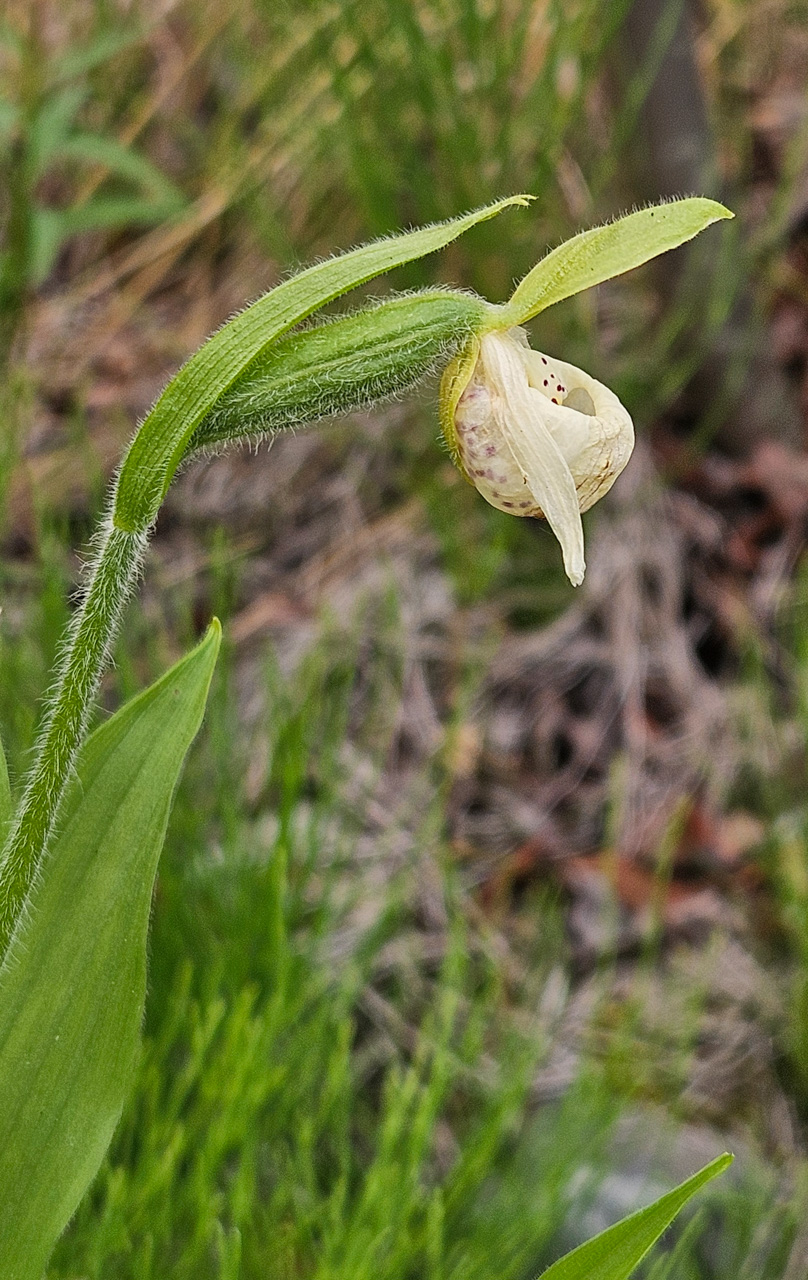
Botanical surveys in the Yellowknife area also yielded sightings of the Sparrow’s-egg Lady’s Slipper (Cypripedium passerinum). This rare orchid thrives in the cool, moist coniferous forests of the north and is considered a sensitive species in many jurisdictions. Its presence indicates a lack of significant soil disturbance and the maintenance of specific mycorrhizal fungal networks required for its growth.
The High Arctic: Victoria Island and the Northwest Passage
The final and most intensive phase of the expedition took place in Cambridge Bay (Ikaluktutiak), located on the southern tip of Victoria Island in Nunavut. Positioned north of the Arctic Circle at 69°N, this region is a primary breeding ground for High Arctic specialists. The ecology here is defined by permafrost, tundra polygons, and a brief but explosive growing season fueled by 24-hour daylight.
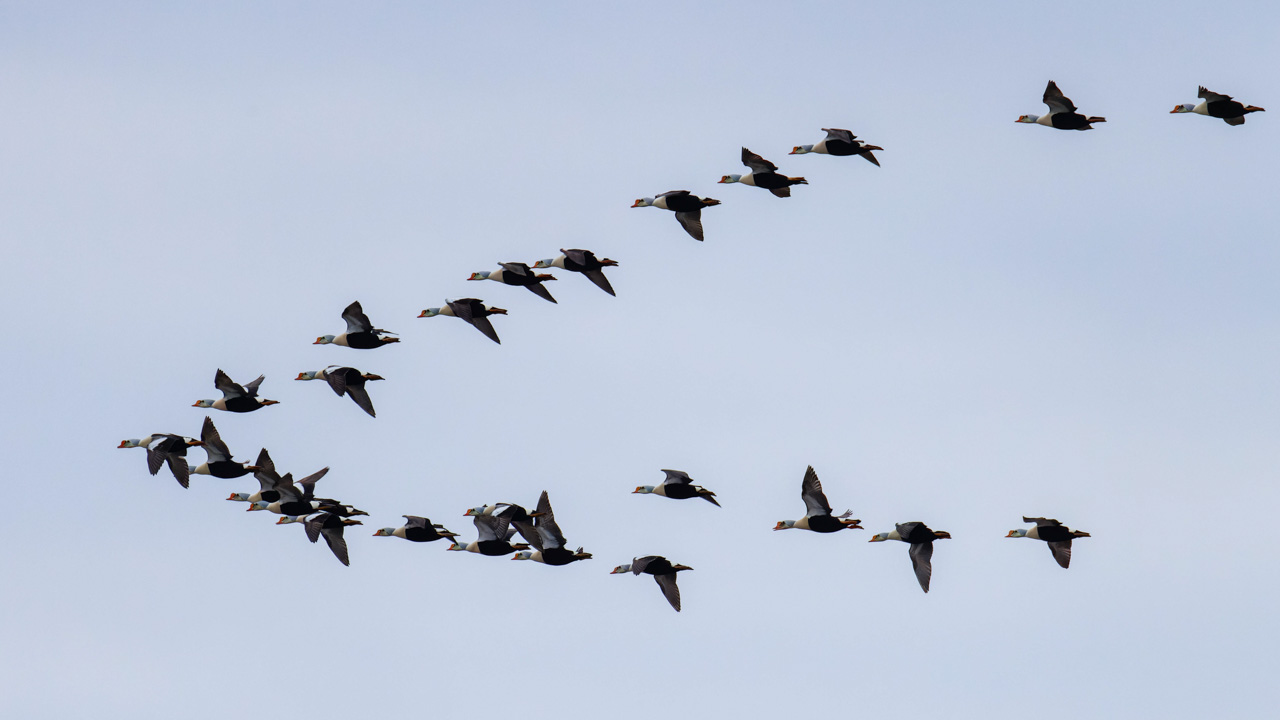
Upon arrival, the team noted the immediate presence of King Eiders (Somateria spectabilis) in the freshwater ponds adjacent to the community. The King Eider is a flagship species of the Arctic, and the presence of males in full breeding plumage suggests a successful transition from the sea ice to the inland nesting sites. In contrast, Common Eiders (Somateria mollissima) were observed primarily along the marine coastlines of Dease Strait, highlighting the niche differentiation between these two closely related species.
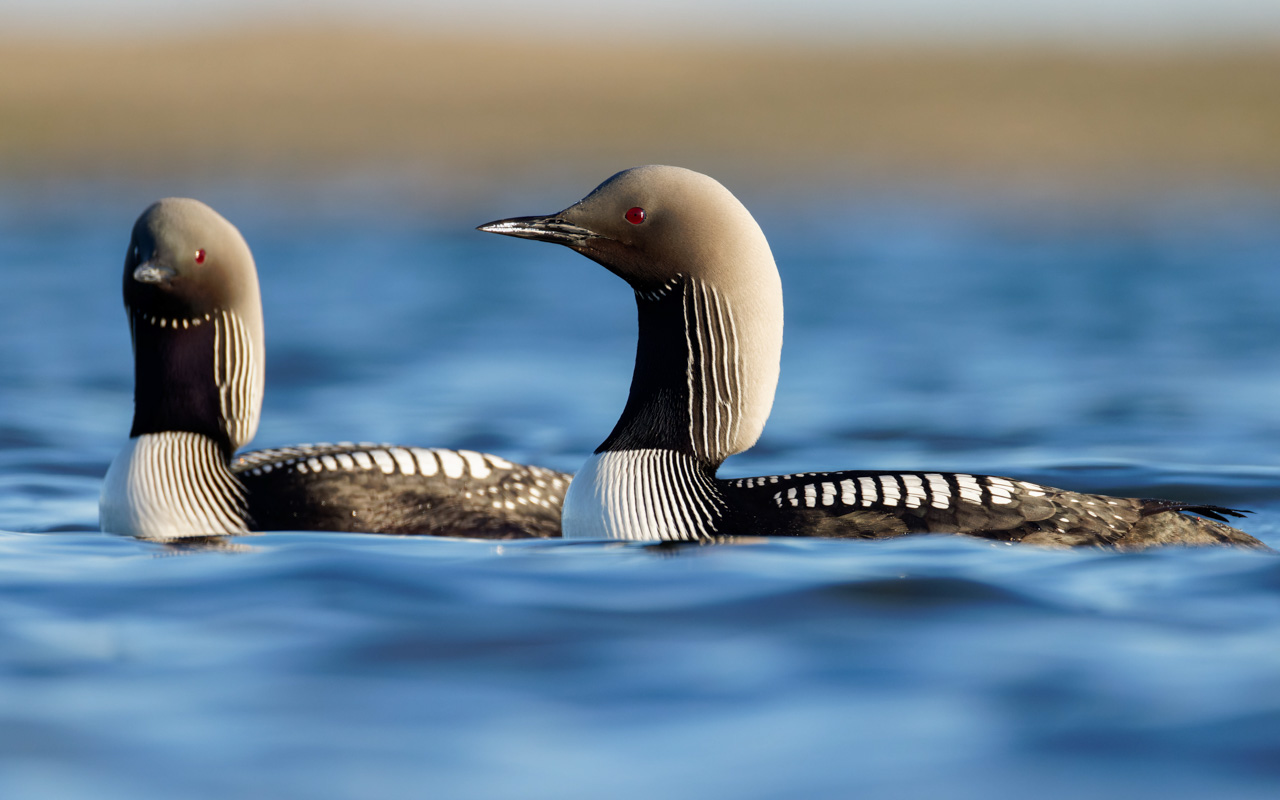
One of the most significant avian sightings was the Yellow-billed Loon (Gavia adamsii), observed at the town’s reservoir. As one of the rarest and most localized loon species in the world, the Yellow-billed Loon is a key indicator of Arctic environmental health. Their yodeling calls, recorded by the team, are an essential component of the Arctic soundscape and signify territorial establishment.
Shorebird Productivity and Tundra Health
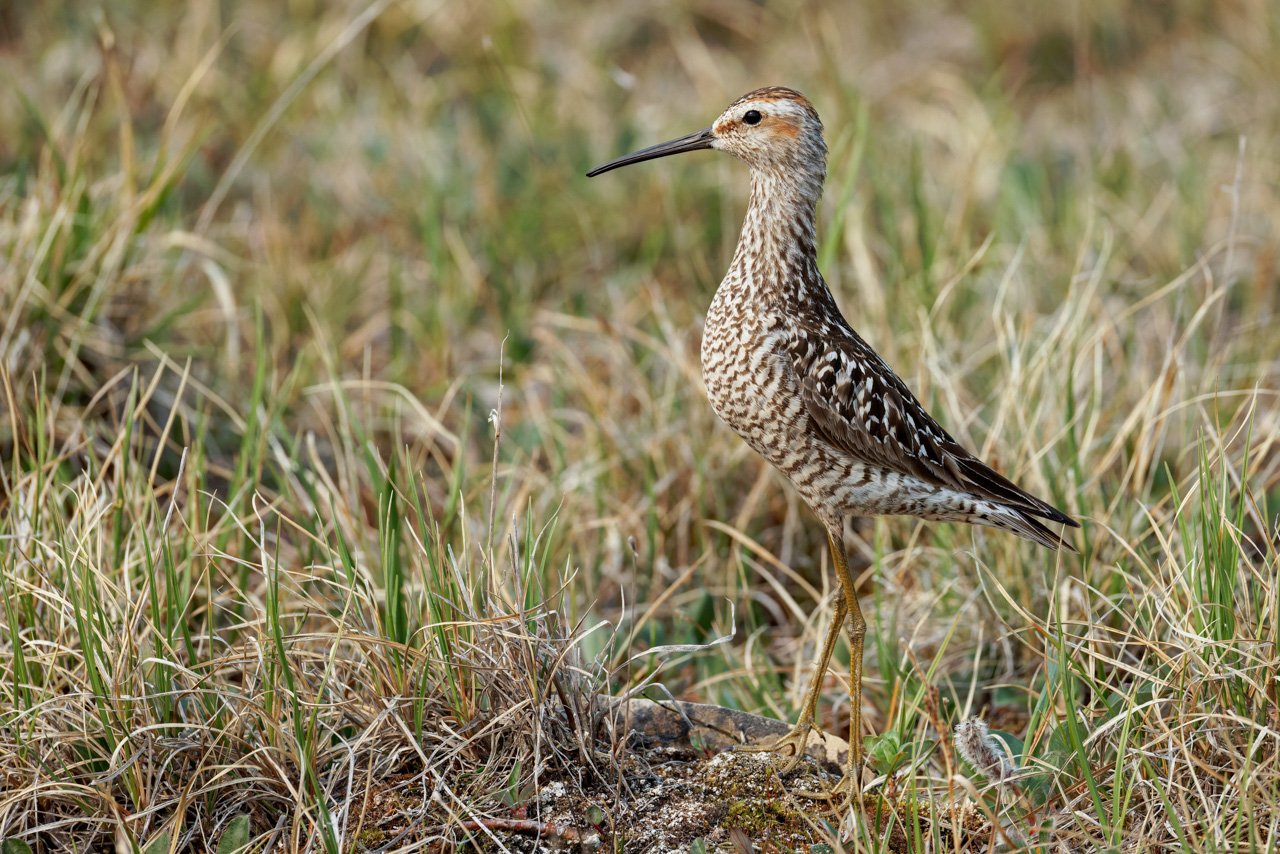
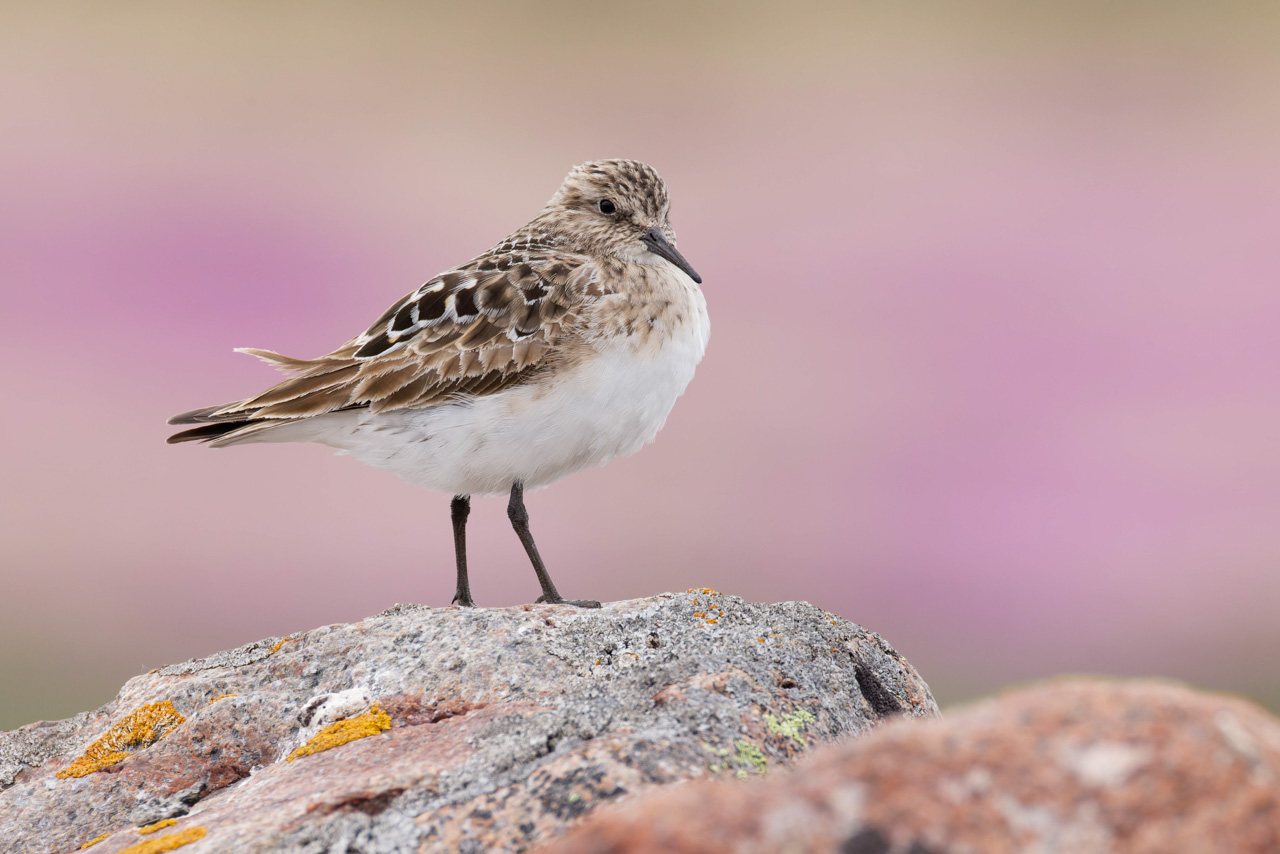
A major objective of the Cambridge Bay segment was to assess the nesting success of shorebirds. The "DEW-line" road (Distant Early Warning line), a relic of Cold War infrastructure, now provides researchers and naturalists with rare access to the interior tundra. Along this route, the team documented a high frequency of Semipalmated Sandpipers (Calidris pusilla), Baird’s Sandpipers (Calidris bairdii), and Stilt Sandpipers (Calidris himantopus).
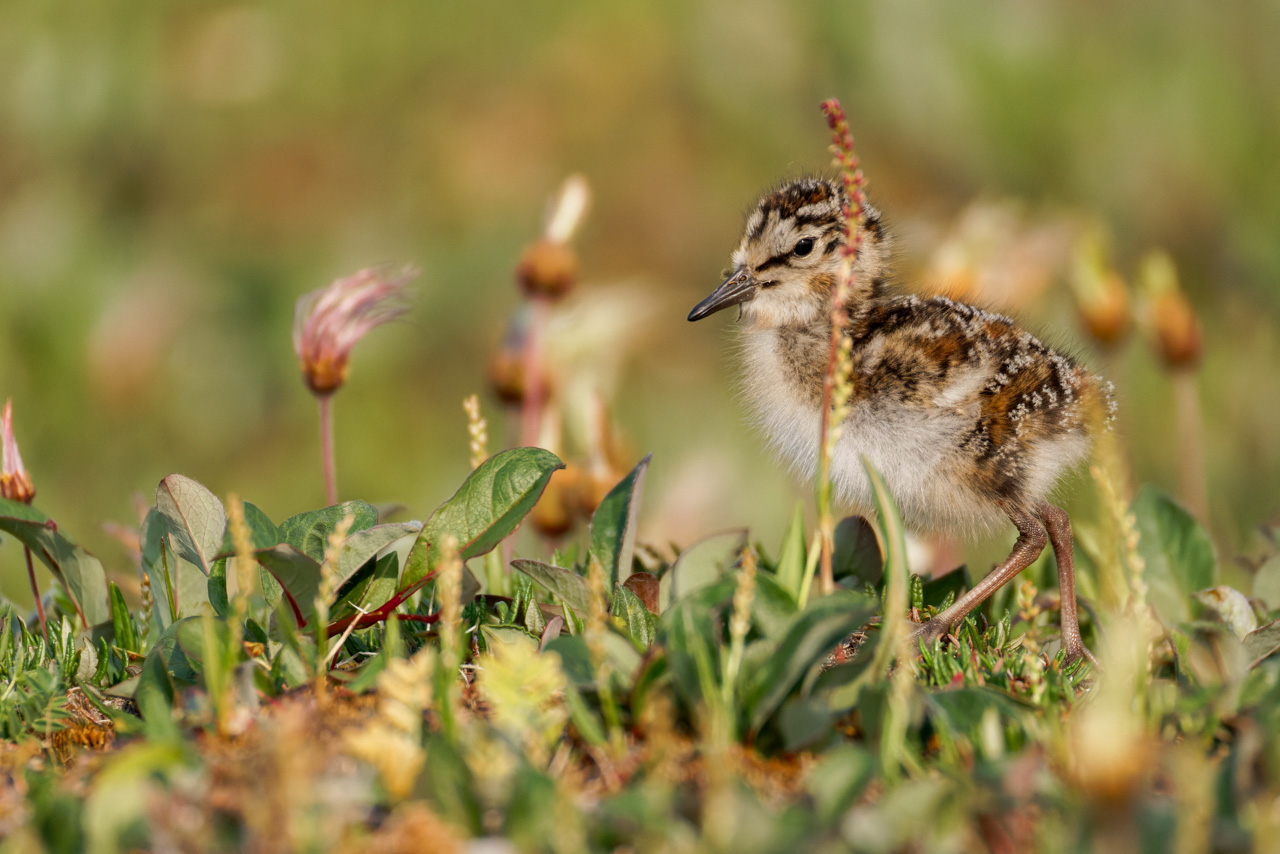
The observation of "precocious little fluffball chicks" indicates that the hatching period was well-synchronized with the peak emergence of Arctic midges and mosquitoes—the primary food source for developing shorebird young. This synchronization, known as phenological matching, is a critical factor in the survival of Arctic-nesting birds and is currently a major area of study regarding the impacts of climate change in the north.
A rare occurrence was the sighting of a Hudsonian Whimbrel (Numenius hudsonicus) passing overhead. Standard ornithological literature does not typically include Victoria Island within the breeding range of this species, which usually nests further west in the Yukon or Alaska. This sighting may suggest a range expansion or a wandering individual exploring new territories as the Arctic climate warms.
Geological and Botanical Vistas: Mount Pelly
The expedition also conducted surveys at Ovayok (Mount Pelly) Territorial Park. Ovayok is a massive esker—a ridge of gravel and sand deposited by glacial meltwater—rising 200 meters above the surrounding tundra. This site offers a unique microclimate that supports a high diversity of Arctic flora.
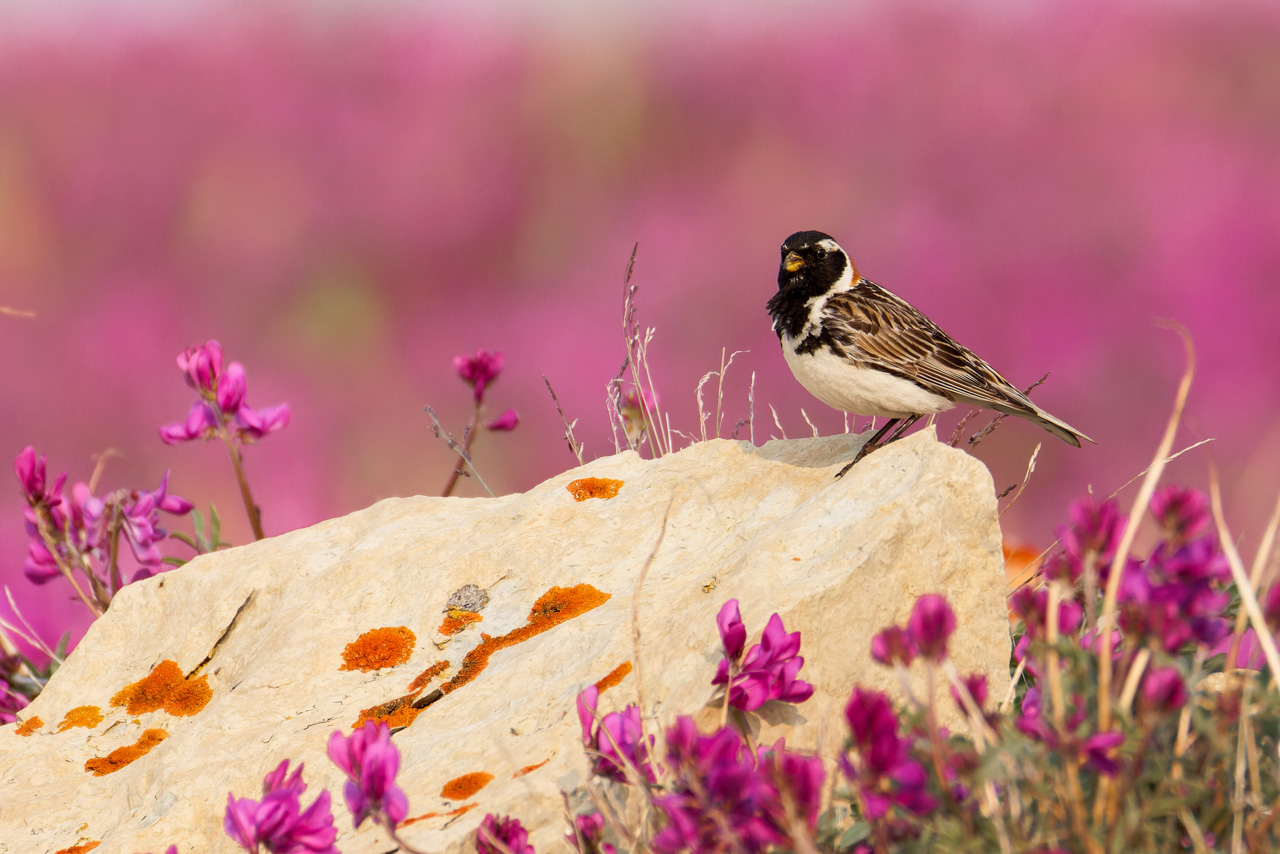
The team reported extensive "purple patches" of Dwarf Fireweed (Chamerion latifolium), the territorial flower of the Northwest Territories, though it is equally iconic in Nunavut. The abundance of blooms in the 2026 season was noted by lead guides Blair Dudeck and Paul Prior as being exceptionally vibrant compared to previous years. This floral abundance supports a variety of Arctic lepidoptera, including the Polaris Fritillary and the Hecla Sulphur butterflies, both of which were documented during the trek.
Mammalian Encounters and Conservation Implications
The expedition concluded with a series of high-quality mammalian sightings that underscore the complexity of the Arctic food web. On the final day, the team observed an Arctic Fox (Vulpes lagopus) family, including two adults and two kits, near the Cambridge Bay airport. The Arctic fox is a resilient predator, but its populations are increasingly pressured by the northward expansion of the larger Red Fox, a phenomenon linked to rising temperatures.
Additionally, the team observed Ringed Seals (Pusa hispida) on the sea ice of Dease Strait. The Ringed Seal is a vital species for the Inuit and the primary prey of the Polar Bear. Monitoring their presence on the receding sea ice is essential for understanding the broader health of the Northwest Passage marine ecosystem.
Conclusion and Broader Impact
The data gathered during this ten-day expedition provides a snapshot of a vibrant but fragile ecosystem. The high counts of nesting waterfowl in Alberta, the successful rearing of fox kits in the Northwest Territories, and the productive shorebird colonies on Victoria Island all point to a successful 2026 breeding season.
However, the observers also noted the omnipresence of environmental stressors. The reliance on man-made infrastructure, such as the DEW-line roads, for access highlights the challenges of monitoring such vast areas. Furthermore, the predation of a Pacific Loon nest near the Cambridge Bay airport served as a reminder of the high stakes of Arctic nesting, where a single lapse in concealment can lead to reproductive failure.
As ecotourism continues to grow in the Canadian North, expeditions like this serve a dual purpose. They provide essential data for citizen science platforms like eBird and iNaturalist, while simultaneously fostering a global constituency for Arctic conservation. The participants, many of whom were visiting the High Arctic for the first time, returned to their respective regions as ambassadors for the protection of these "pristine" yet vulnerable landscapes. The integration of avian, mammalian, and botanical surveys ensures a holistic understanding of how these northern regions function as the planet’s early warning system for ecological change.
