

Newfoundland and Labrador, a province often referred to as "The Rock," recently played host to an extensive ecological expedition that traversed the island’s most significant biological and geological landmarks. A group of twelve international adventurers, led by two expert naturalist guides, concluded a 12-day survey of the island’s diverse ecosystems, ranging from the glacier-carved fjords of the west coast to the subarctic barrens of the Avalon Peninsula. The expedition, which took place from June 23 to July 3, provided a comprehensive look at the intersection of boreal forests, maritime tundra, and the rich marine environments that define the North Atlantic.
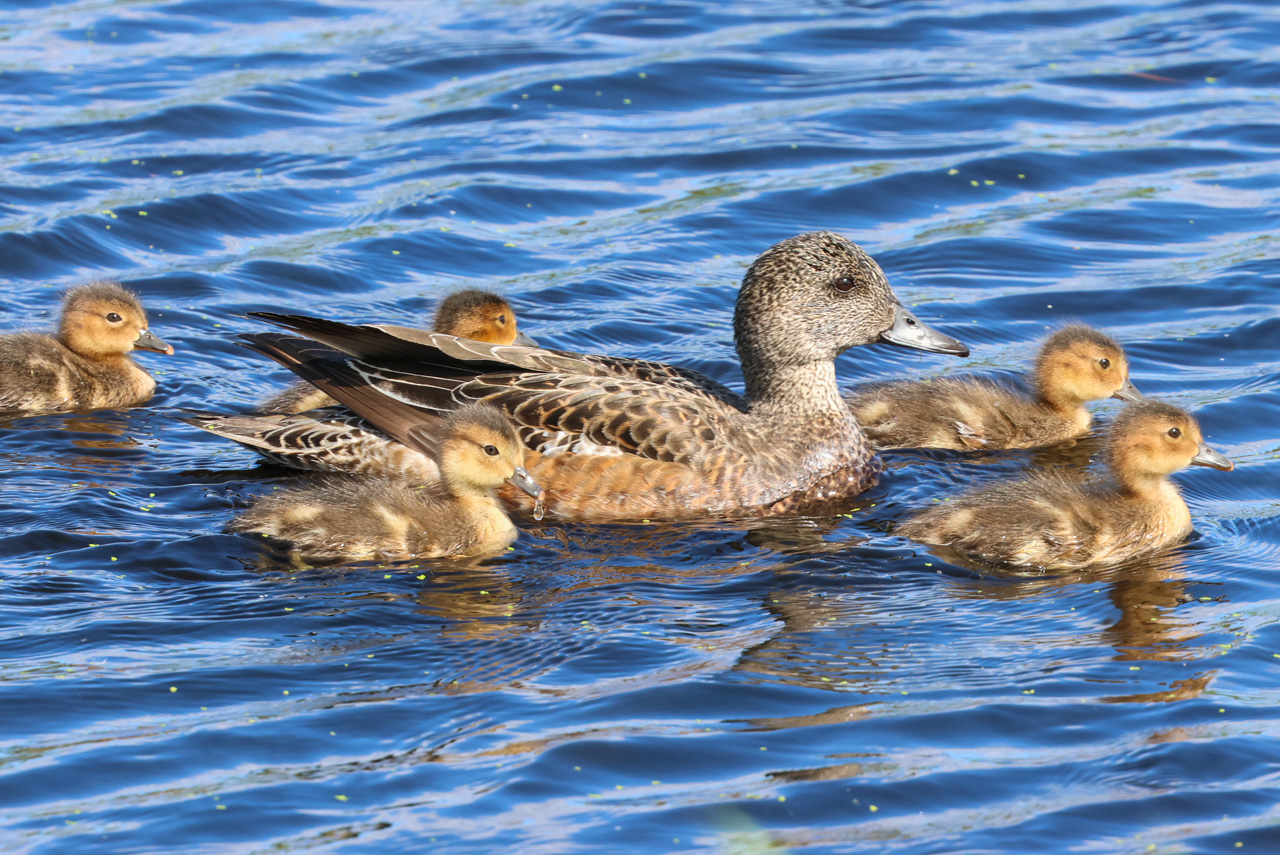
The tour’s primary objective was to document the mid-summer biodiversity of the region, focusing on migratory bird patterns, rare botanical species, and the geological anomalies that have earned the island international scientific acclaim. As the most easterly point in North America, Newfoundland serves as a critical corridor for various species, many of which are found nowhere else on the continent.
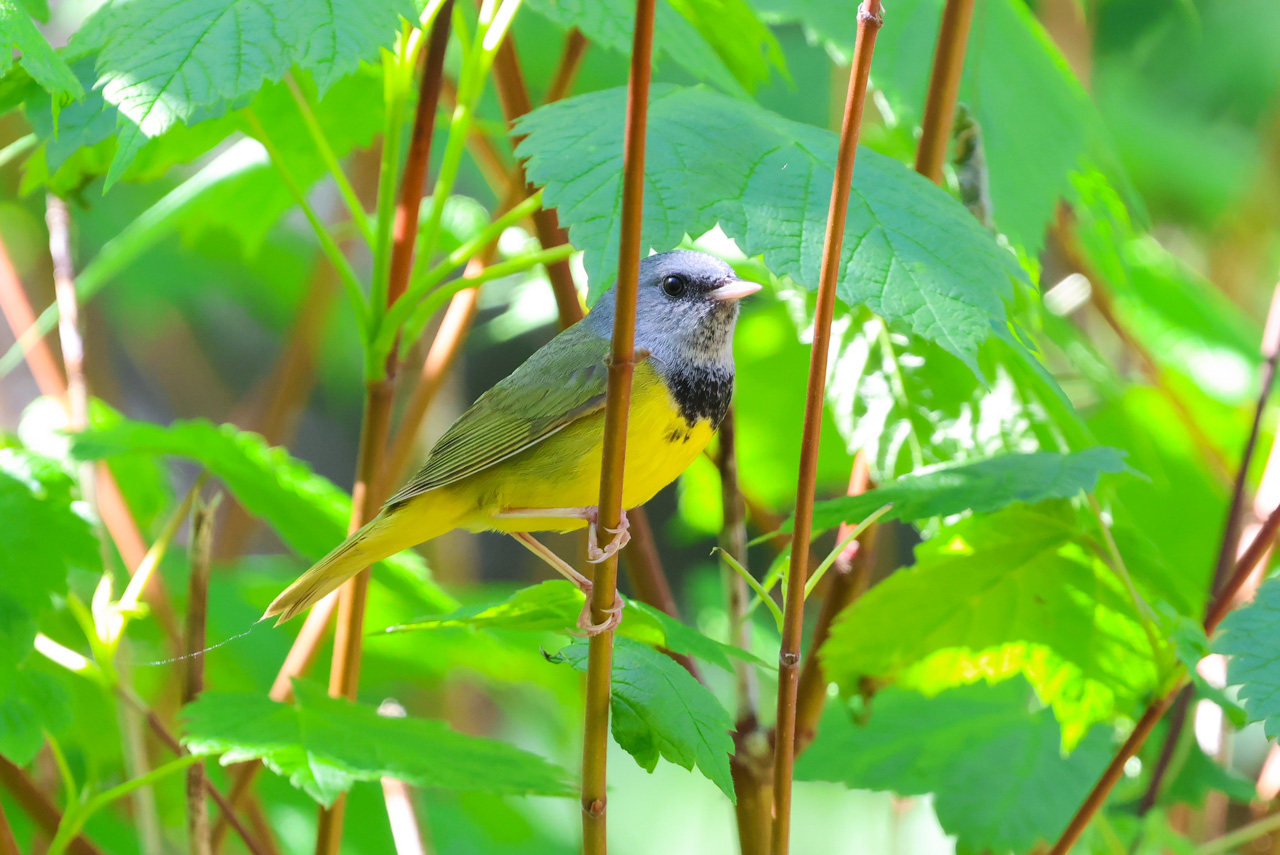
The Western Gateway: Geology and Boreal Biodiversity
The expedition commenced in Deer Lake, situated along the Humber River, where the group immediately encountered the lush mixed forests typical of the region’s interior. Early observations along the Humber River trail revealed a high density of avian life, including ten species of warbler identified within the first few hours of the survey. Notably, the presence of the Tennessee, Black-throated Green, and the elusive Bay-breasted Warbler underscored the health of the local riparian habitats.
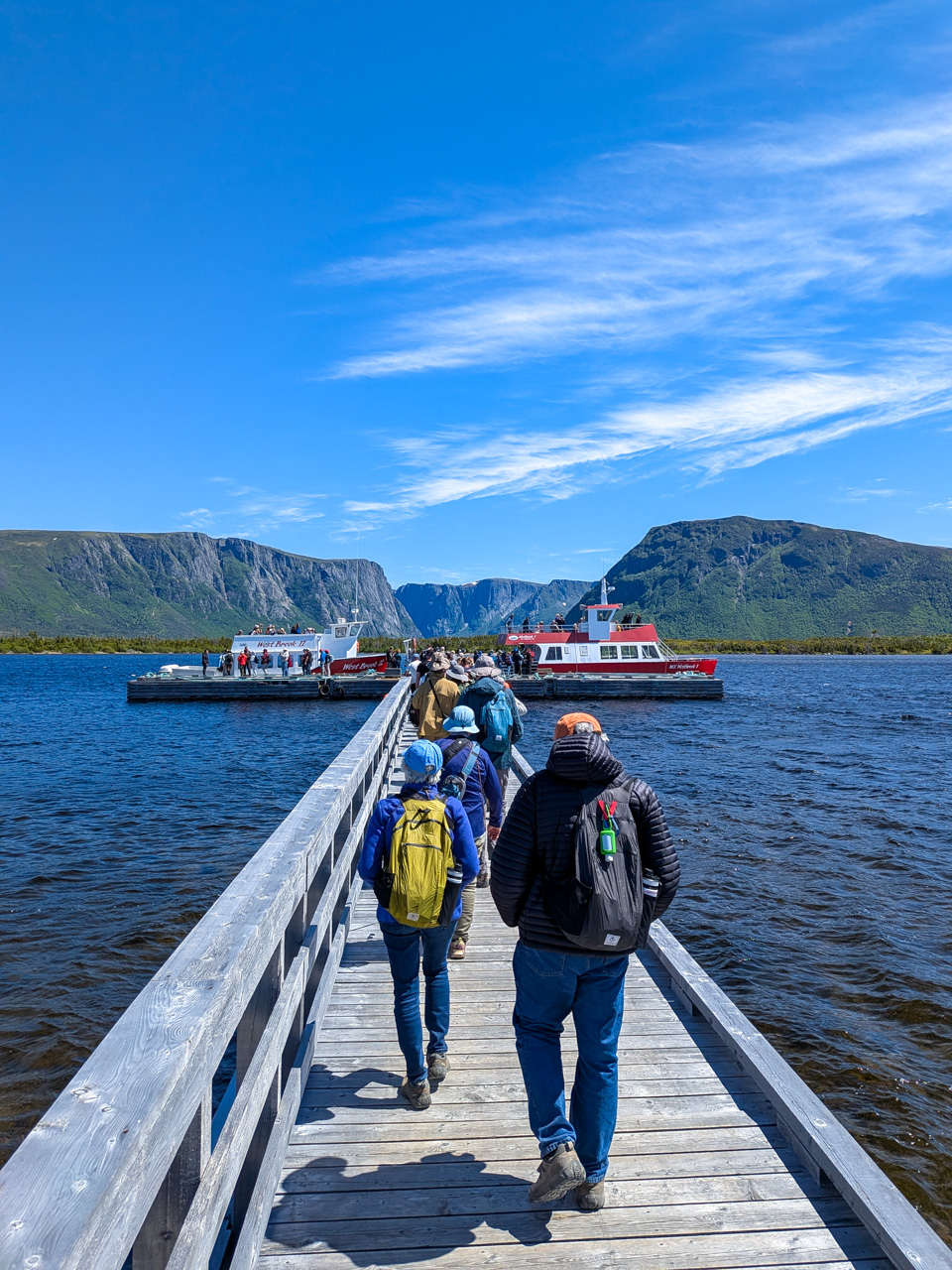
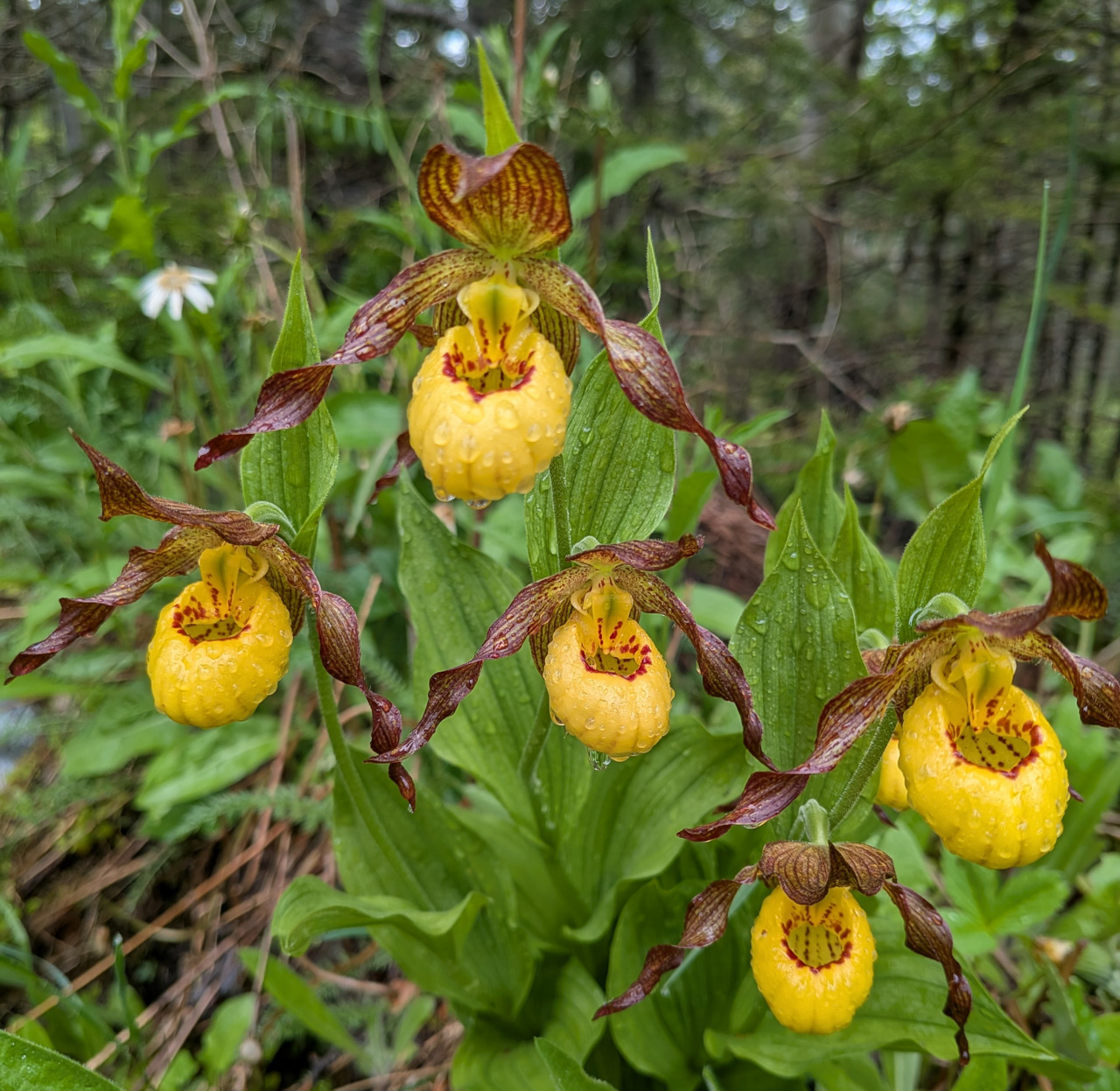
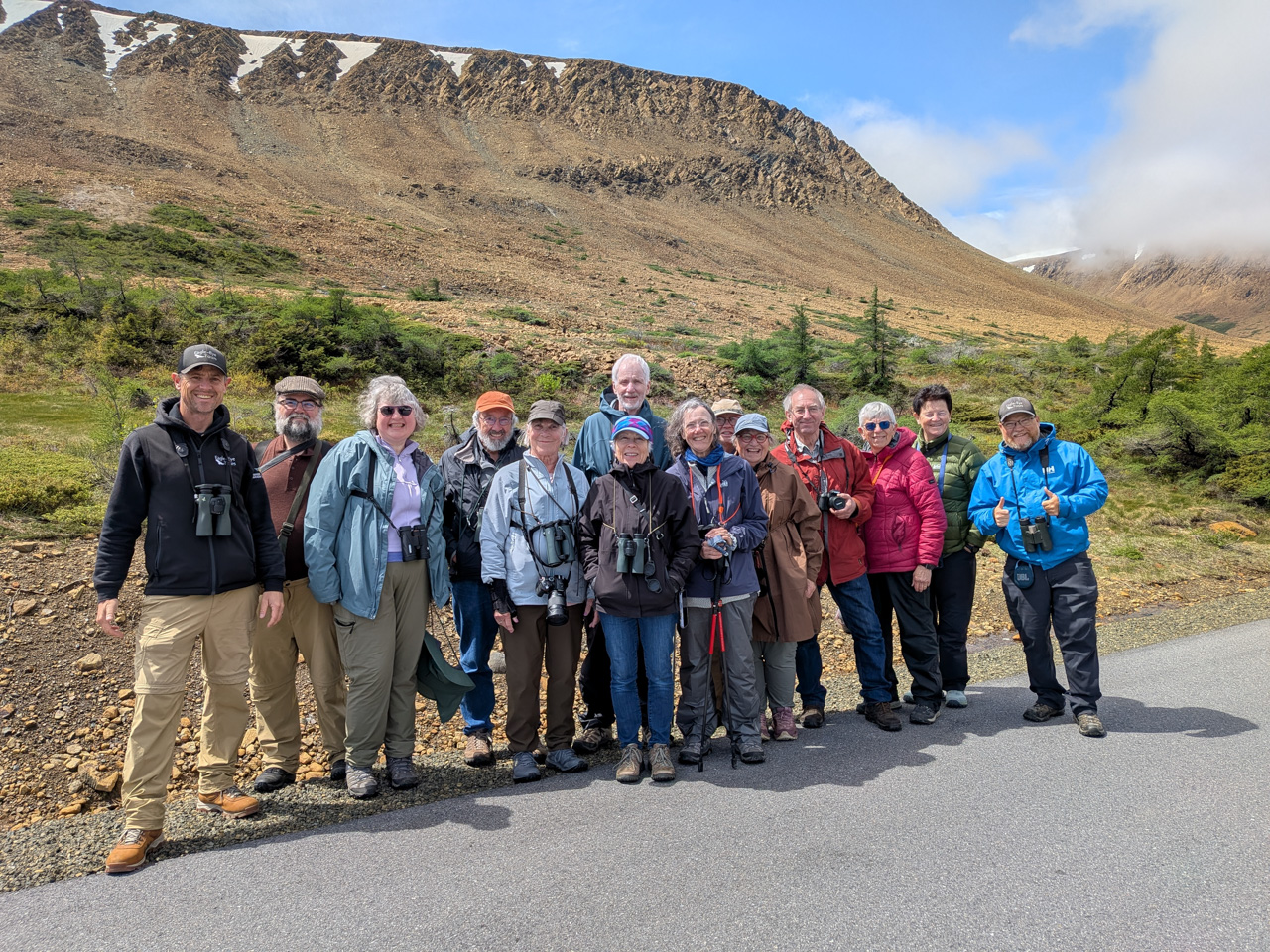
The focus soon shifted to Gros Morne National Park, a UNESCO World Heritage Site renowned for its illustrative geological history. The park serves as a primary example of plate tectonics, where the Earth’s mantle has been exposed through the process of continental drift. A central highlight of the western leg was the exploration of the Tablelands, a massive block of peridotite—rock typically found deep within the Earth’s crust. This "alien" landscape, devoid of traditional vegetation due to its high heavy-metal content, supports a unique array of carnivorous plants. The expedition documented several species, including the Purple Pitcher Plant (the provincial flower), Common Butterwort, and Round-leaf Sundew, all of which have adapted to the nutrient-poor environment by consuming insects.
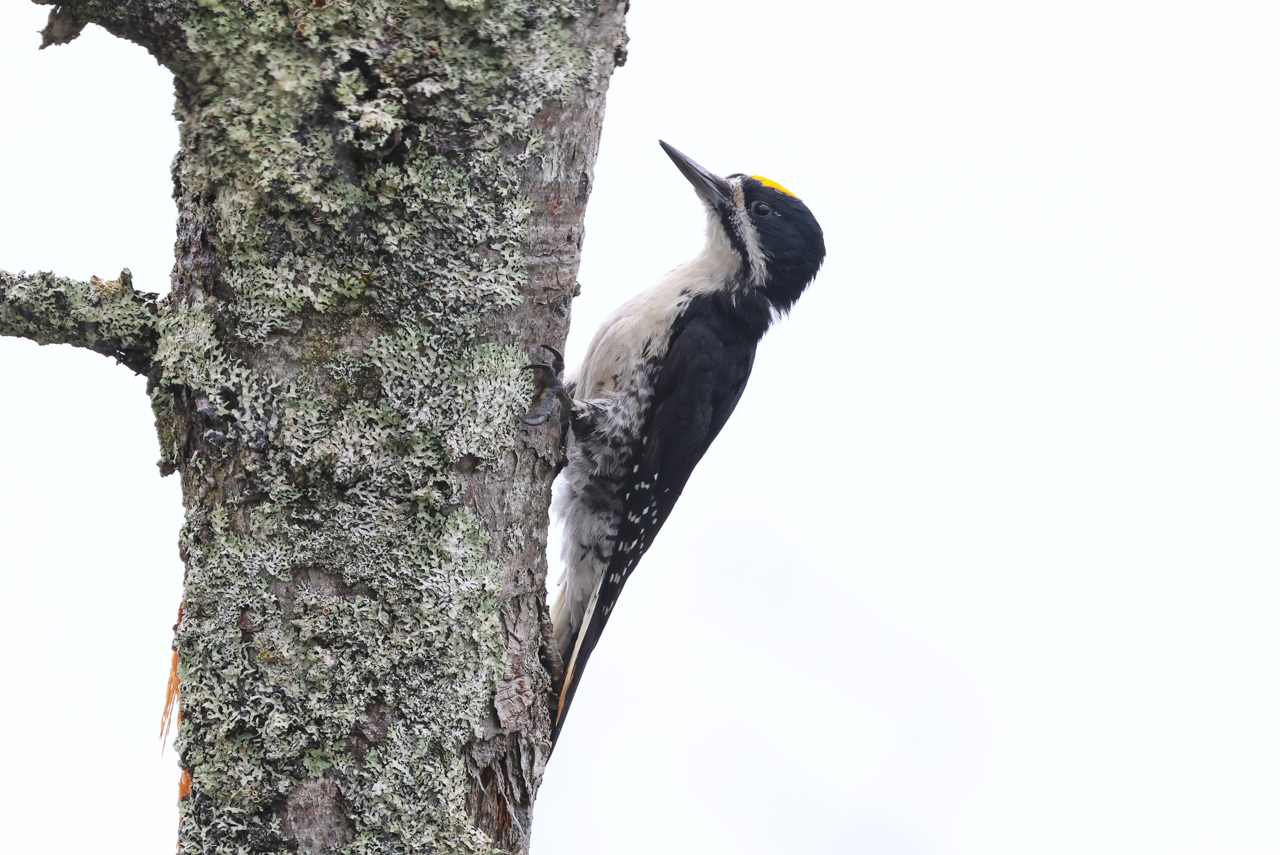
In addition to its geological significance, Gros Morne provided a sanctuary for diverse fauna. Observations included the Boreal Chickadee, Pine Grosbeak, and a Black-backed Woodpecker, the latter of which is often difficult to spot due to its preference for burned or disturbed forest areas. The coastal segments of the park, including the land-locked fjord of Western Brook Pond, showcased the dramatic impact of glacial activity, with 2,000-foot cliffs rising vertically from the water’s edge.
Central Newfoundland: The Salmonid Corridor and Boreal Bogs
Moving eastward, the expedition entered the central region of the island, focusing on the ecosystems surrounding Grand Falls-Windsor and the Exploits River. The Exploits River is the longest river on the island, flowing approximately 246 kilometers, and serves as a vital artery for Atlantic Salmon. At the Exploits Valley Salmonid Interpretation Centre, the group observed the power of the river’s falls and the resilience of the salmon navigating fish ladders to reach their spawning grounds.
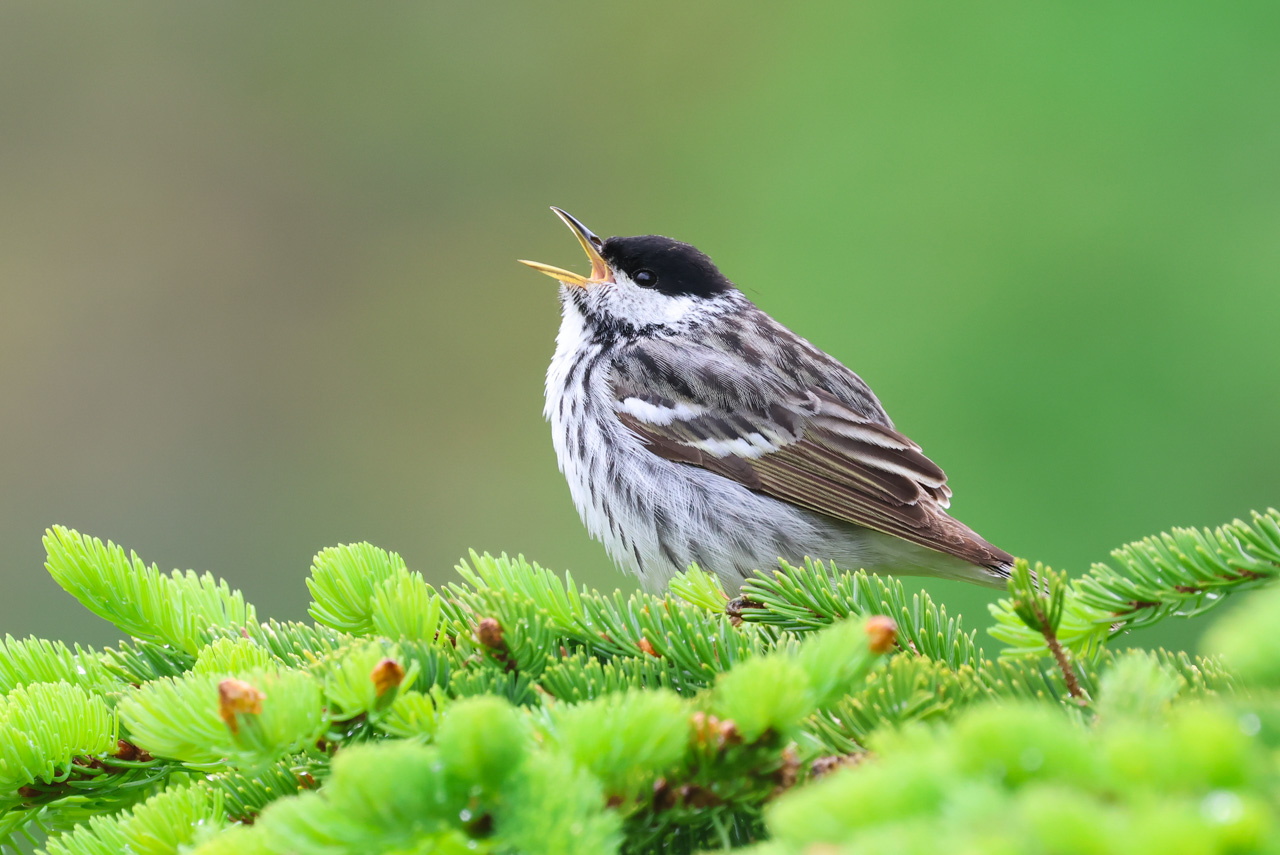
The survey continued through the Corduroy Brook Nature Trail, where the group noted a high frequency of songbirds feeding fledged young, indicating a successful breeding season. Species such as the American Redstart and Wilson’s Warbler were prominently featured. The central leg concluded at Terra Nova National Park, Canada’s most easterly national park. Terra Nova represents a transition zone where the boreal forest meets the Atlantic Ocean.
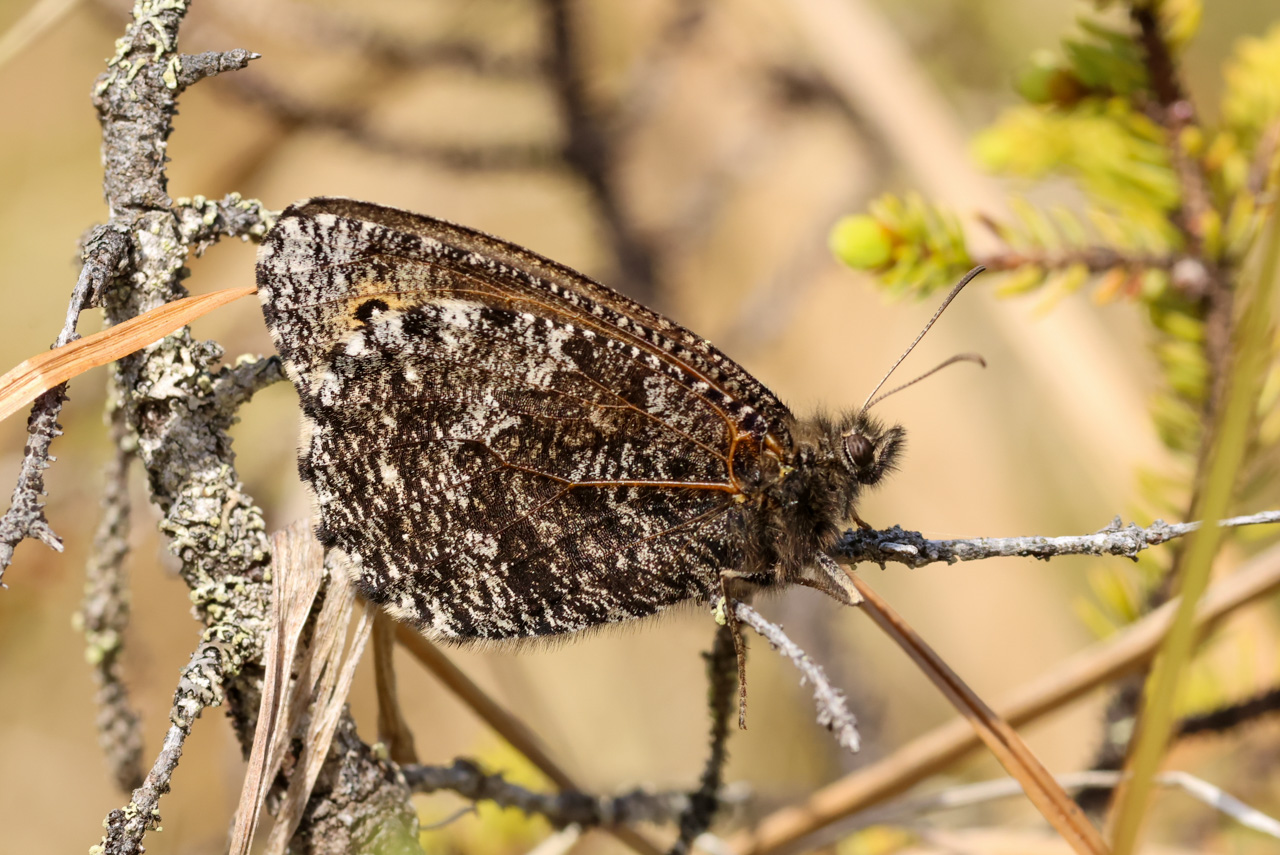
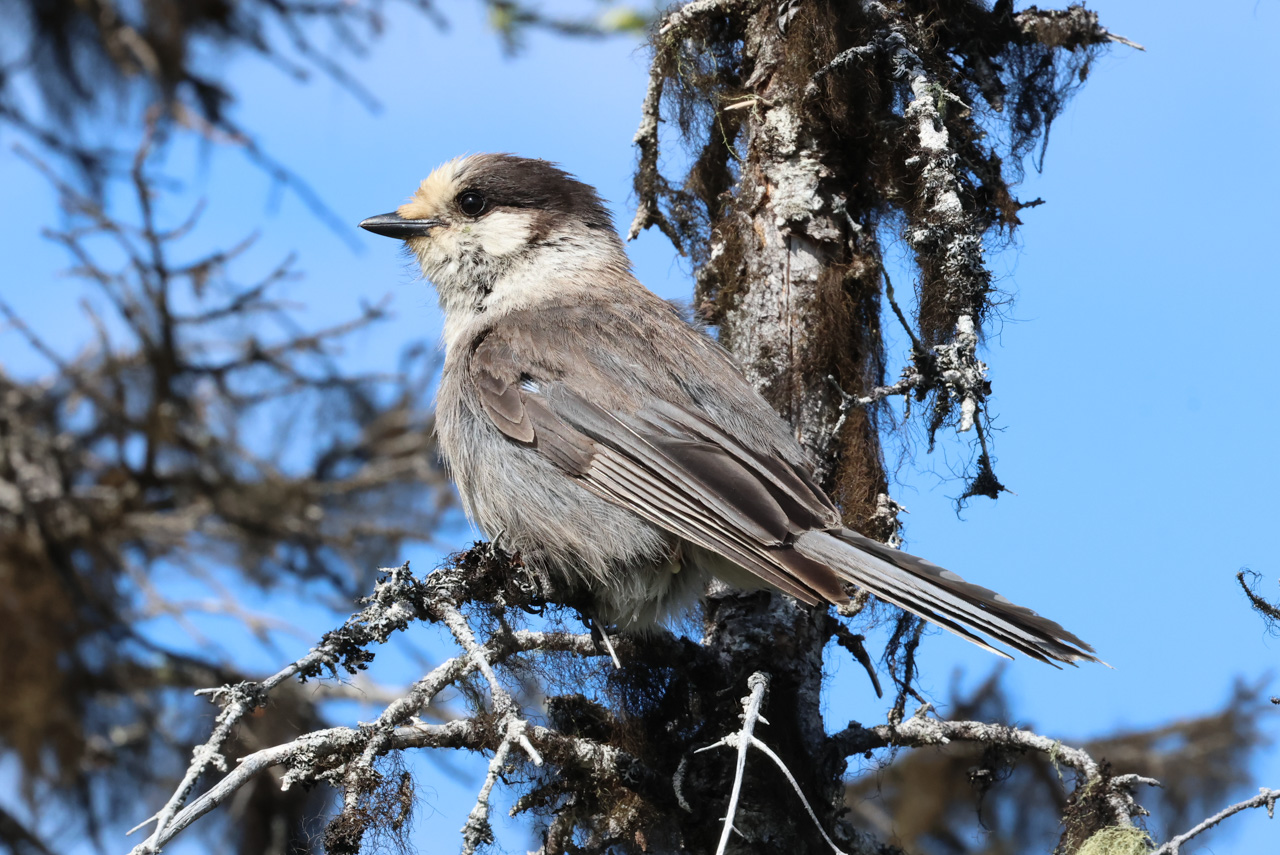
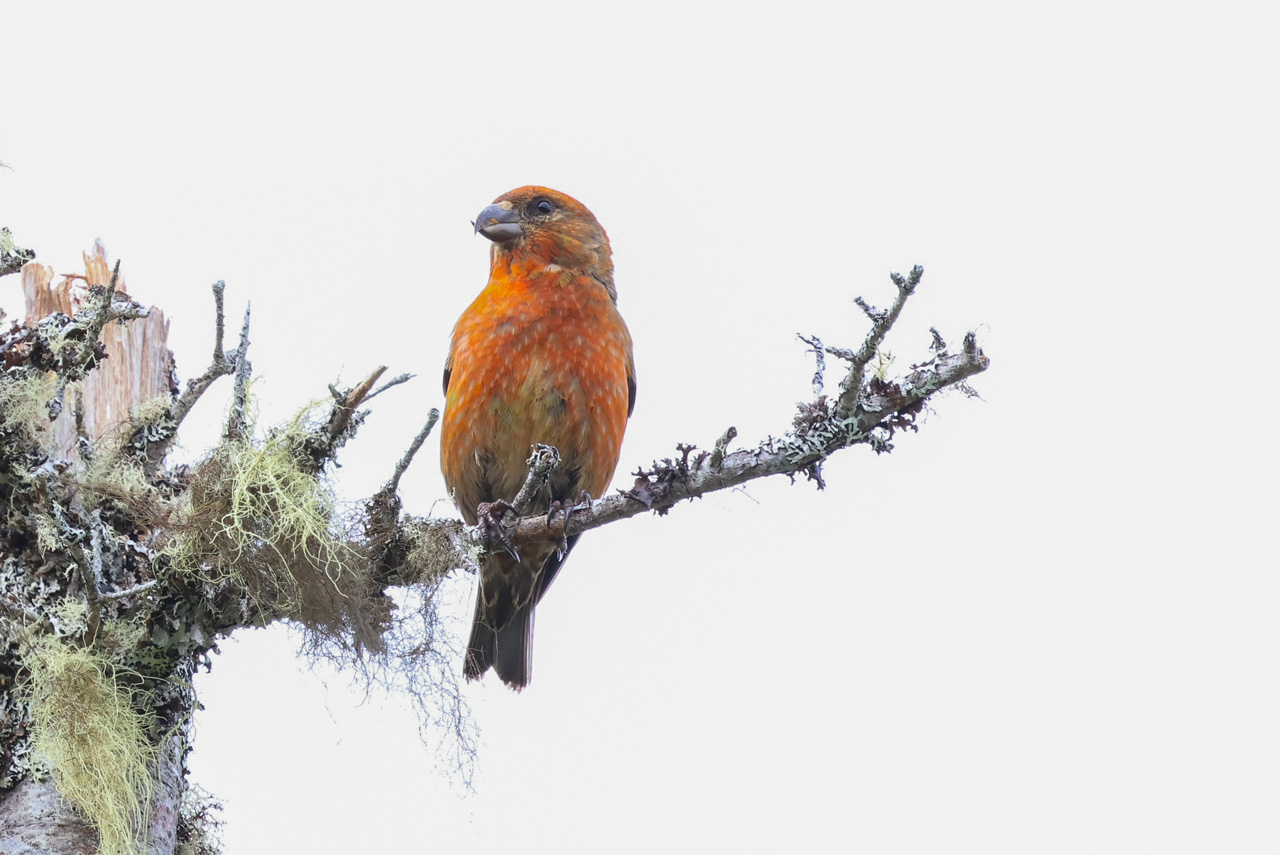
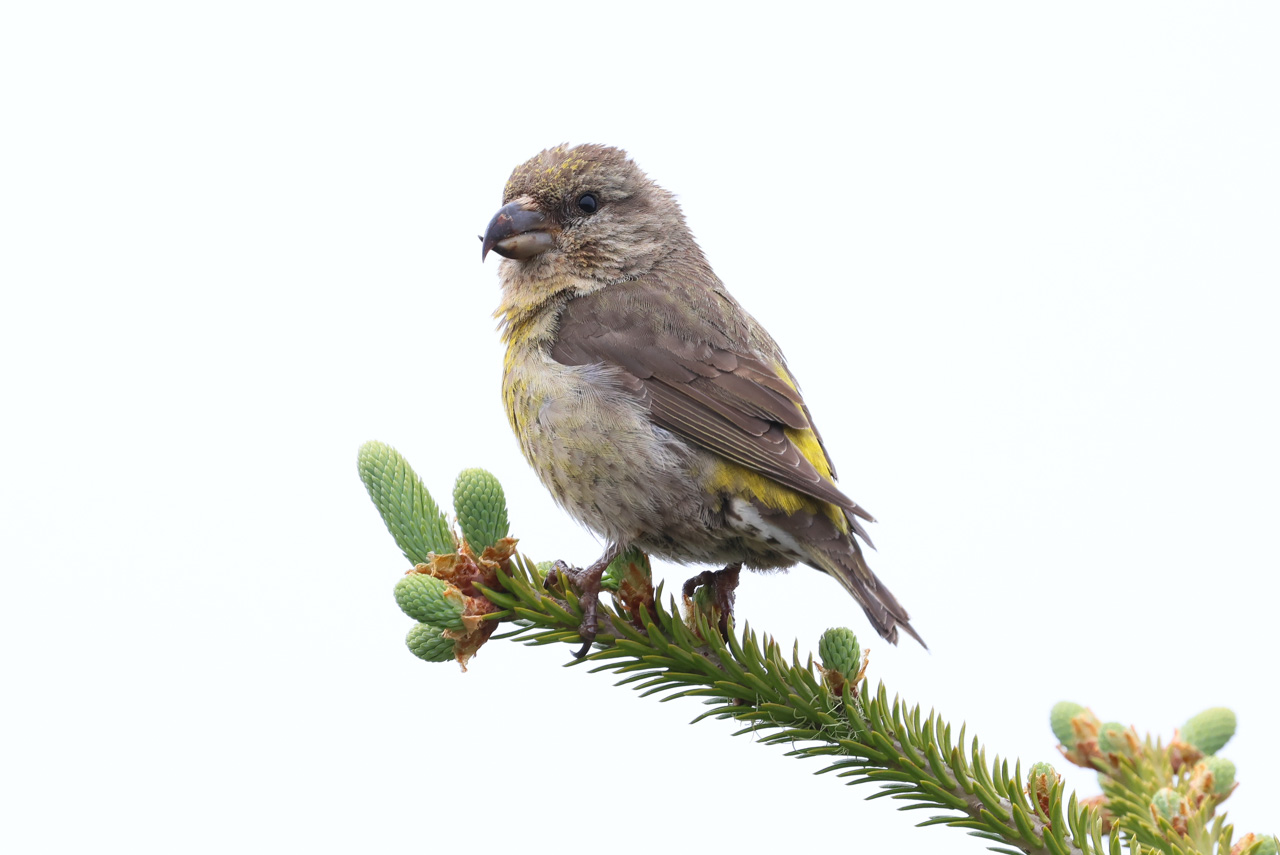
In this region, the expedition documented the Arctic Jutta, a rare butterfly species of the northern boreal region. The park’s old-growth forests and spruce bogs also provided sightings of the Canada Jay and the Olive-sided Flycatcher. A significant finding at the nearby Castle Hill National Historic Site was the Red Crossbill. Audio recordings confirmed these birds belonged to the percna subspecies, a race endemic to Newfoundland that is currently listed as a species at risk under the federal Species at Risk Act (SARA).
The Avalon Peninsula: Seabird Colonies and Oceanic Barrens
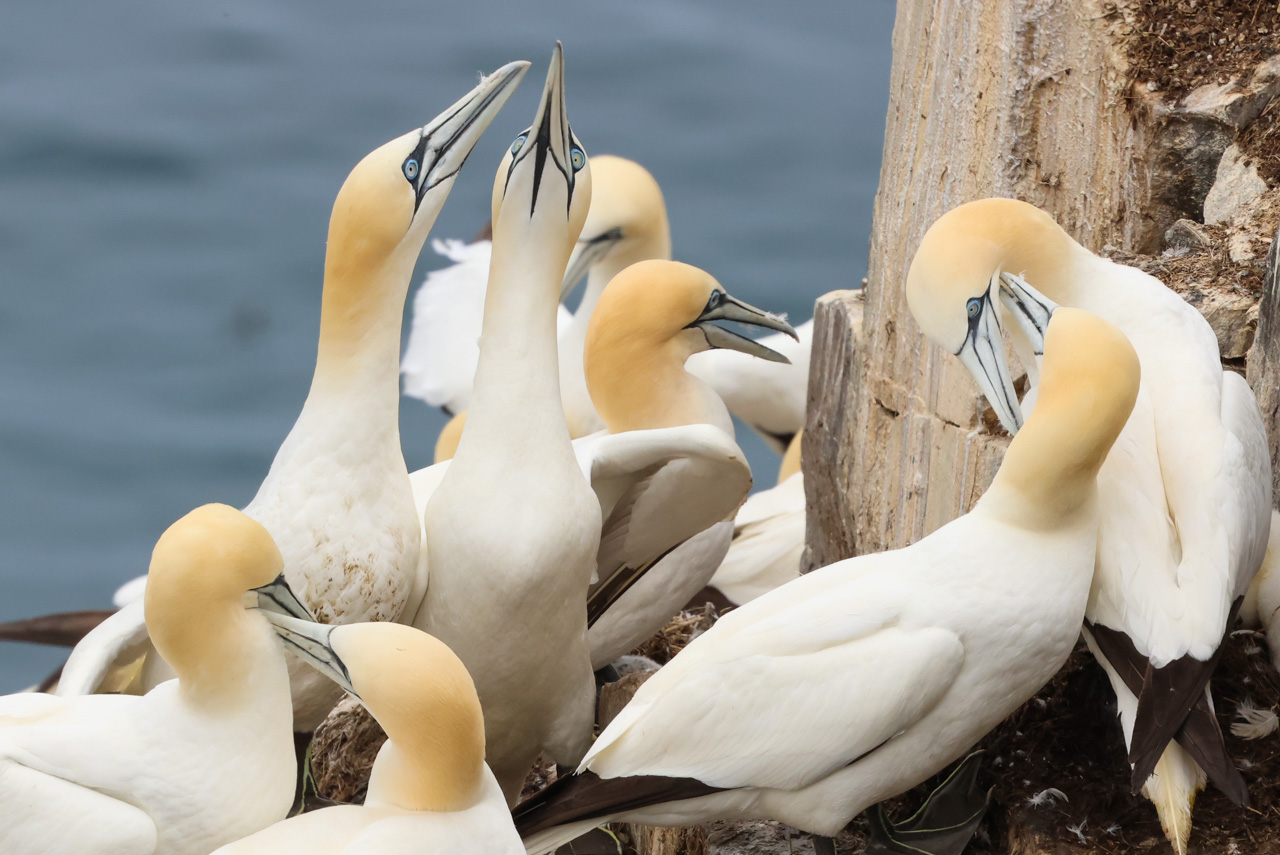
The final stage of the journey focused on the Avalon Peninsula, home to some of the most productive marine environments in the world. On June 29, the group visited the Cape St. Mary’s Ecological Reserve, often described as one of the most spectacular seabird colonies in the North Atlantic. The reserve is home to "Bird Rock," a towering sea stack that supports a massive colony of Northern Gannets.
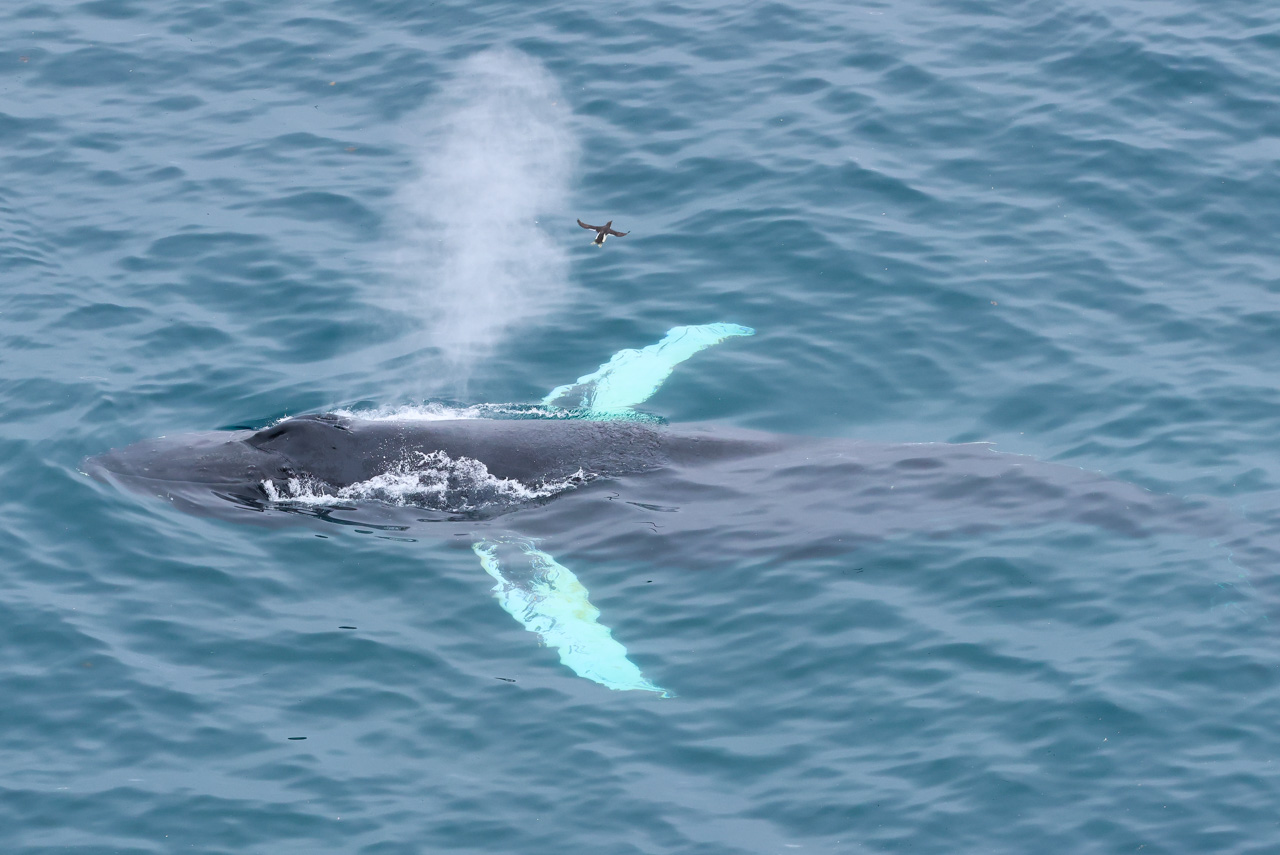
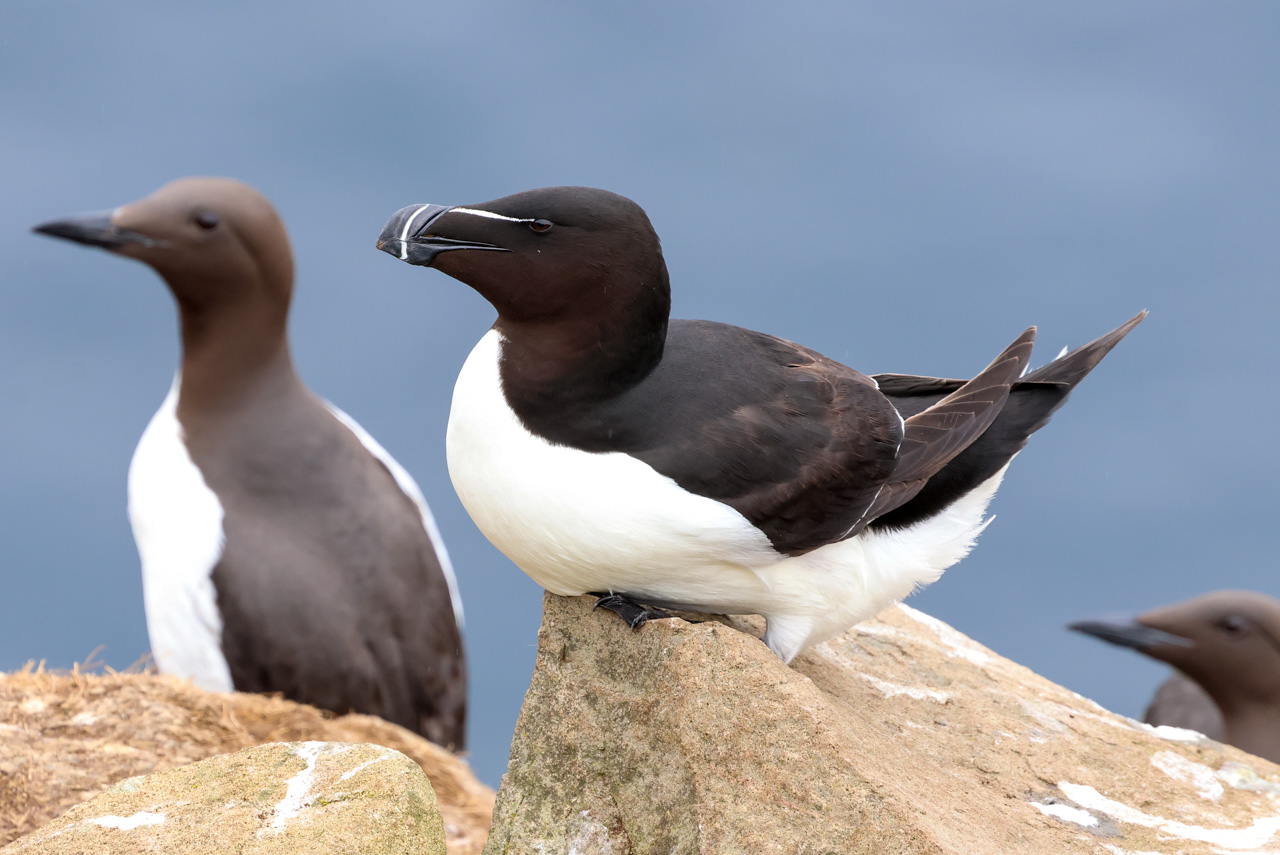
Current data suggests that Cape St. Mary’s hosts approximately 24,000 Northern Gannets, making it the third-largest colony in North America. The expedition observed thousands of these birds alongside Black-legged Kittiwakes and Common Murres. A rare sighting of a Thick-billed Murre, which typically breeds further north in the Arctic, was also recorded. Beneath the cliffs, the group witnessed a Humpback Whale feeding in the clear waters, highlighting the abundance of capelin—a small forage fish that serves as the foundation of the North Atlantic food web.
The southeastern corner of the Avalon Peninsula, specifically Cape Race, offered a glimpse into the "eastern hyperoceanic barrens." This globally rare habitat consists of subarctic tundra located at a southern latitude, maintained by the cooling influence of the Labrador Current. Here, the expedition identified the Short-tailed Swallowtail, a butterfly with a highly restricted range. The presence of Willow Ptarmigan, including a family of 14 chicks, further emphasized the subarctic nature of this coastal environment.
Marine Spectacles and the Witless Bay Ecosystem
The expedition reached its climax with a maritime survey of the Witless Bay Ecological Reserve. This protected area consists of four islands—Gull, Green, Great, and Pee Pee—which collectively host more than 4.5 million breeding seabirds during the summer months.
The reserve contains the largest Atlantic Puffin colony in North America, with an estimated 260,000 pairs nesting in burrows across the islands. The group observed the puffins alongside tens of thousands of Common Murres and Razorbills. The timing of the visit coincided with the "capelin roll," a natural phenomenon where millions of small fish arrive on the beaches to spawn. This event triggers a massive feeding frenzy among whales and seabirds, a spectacle that was observed firsthand at Witless Bay.
The tour concluded in St. John’s, the provincial capital. Final observations at Cape Spear National Historic Site, the easternmost point of the continent, included the Gray-cheeked Thrush. This species has seen a significant population decline in Newfoundland, and its presence remains a subject of concern for local conservationists. The expedition finished with a visit to The Rooms, the province’s cultural hub, to contextualize the natural findings within the historical and artistic framework of the region.
Environmental Implications and Conservation Status
The findings of the 12-day expedition provide a snapshot of a region currently facing significant environmental shifts. While the abundance of seabirds and marine mammals remains impressive, the decline of certain species like the Gray-cheeked Thrush and the threatened status of the Bank Swallow (observed nesting in coastal cliffs) highlight the fragility of these ecosystems.
The observation of the percna Red Crossbill is particularly relevant for ongoing conservation efforts. As an endemic subspecies, its survival is entirely dependent on the health of Newfoundland’s boreal forests. Furthermore, the reliance of the entire marine ecosystem on the capelin highlights the importance of sustainable fisheries management. If capelin stocks fluctuate due to climate change or overfishing, the impact on puffin and gannet populations could be catastrophic.
Chronology of the Expedition
- June 23-25: Arrival in Deer Lake; survey of the Humber River; extensive exploration of Gros Morne National Park, including Western Brook Pond and the Tablelands.
- June 26: Transit to central Newfoundland; survey of Grand Falls-Windsor, Corduroy Brook, and the Exploits River salmonid populations.
- June 27-28: Exploration of Terra Nova National Park; documentation of boreal butterfly species and endemic Red Crossbills at Castle Hill.
- June 29: Visit to Cape St. Mary’s Ecological Reserve; observation of Northern Gannet colonies and Humpback Whale activity.
- June 30: Survey of the southeastern Avalon Peninsula; exploration of Cape Race and the hyperoceanic barrens; documentation of the Short-tailed Swallowtail.
- July 1-3: Arrival in St. John’s; maritime survey of the Witless Bay Ecological Reserve; final observations at Cape Spear and the provincial museum.
Conclusion
The 12-day trek across Newfoundland serves as a reminder of the province’s unique position as a biological crossroads. From the ancient mantle rocks of the Tablelands to the teeming bird islands of Witless Bay, the region offers unparalleled opportunities for scientific observation and eco-tourism. As climate change continues to alter migratory patterns and ocean temperatures, the data collected by such expeditions becomes increasingly vital for understanding the long-term viability of North America’s easternmost wilderness. The successful documentation of rare species and the witnessing of major ecological events like the capelin roll confirm that Newfoundland remains a critical stronghold for North Atlantic biodiversity.
