

The 2024 Alaska Birding Tour, a comprehensive 13-day biological survey spanning from the Southcentral coast to the High Arctic, concluded on June 22 after documenting a vast array of migratory and resident species. Led by expert guides Ben Stephens and Benny Jacobs-Schwartz, the expedition traversed three distinct ecological regions: the Seward Peninsula, the Kenai Peninsula, and the North Slope. The journey provided critical observations of rare Arctic specialists, including the elusive Ivory Gull and the endangered Spectacled Eider, while recording the health and presence of iconic megafauna such as the Muskox and the Grizzly Bear. This expedition serves as a vital snapshot of Alaskan biodiversity during the peak of the breeding season, offering insights into the current state of avian populations in a rapidly changing northern climate.
Phase I: The Seward Peninsula and the Nome Frontier
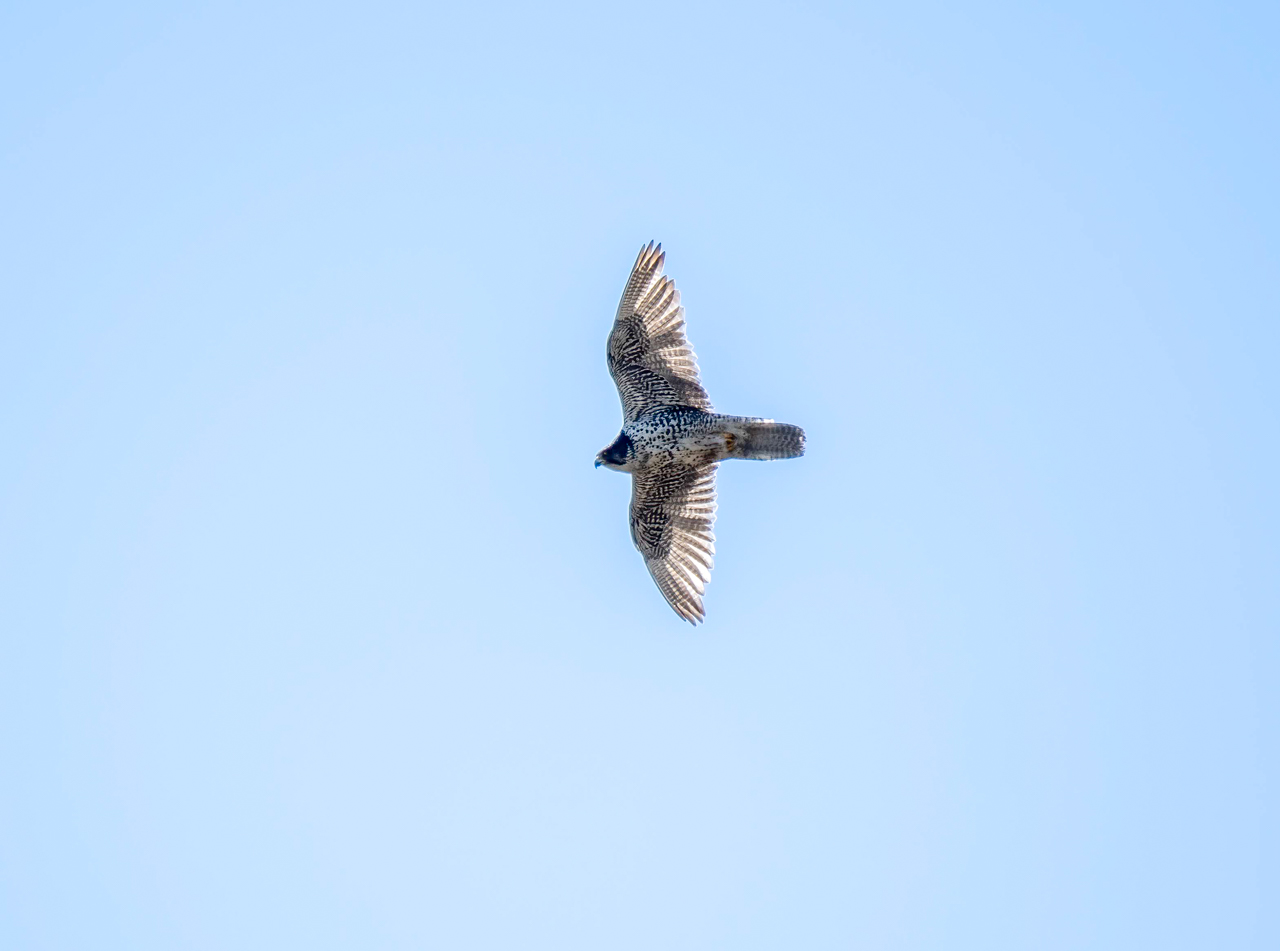
The expedition commenced in Anchorage on June 10, serving as a logistical hub before the group moved north to Nome. Nome, situated on the edge of the Bering Sea, represents one of the most significant birding locations in North America due to its proximity to Russia and its unique "Beringian" habitat. On June 11, the team arrived in Nome and immediately began field observations. Despite the cool temperatures and light winds characteristic of the region’s early summer, the group successfully located a breeding pair of Gyrfalcons—the largest falcon species in the world—nesting on a rocky outcrop.
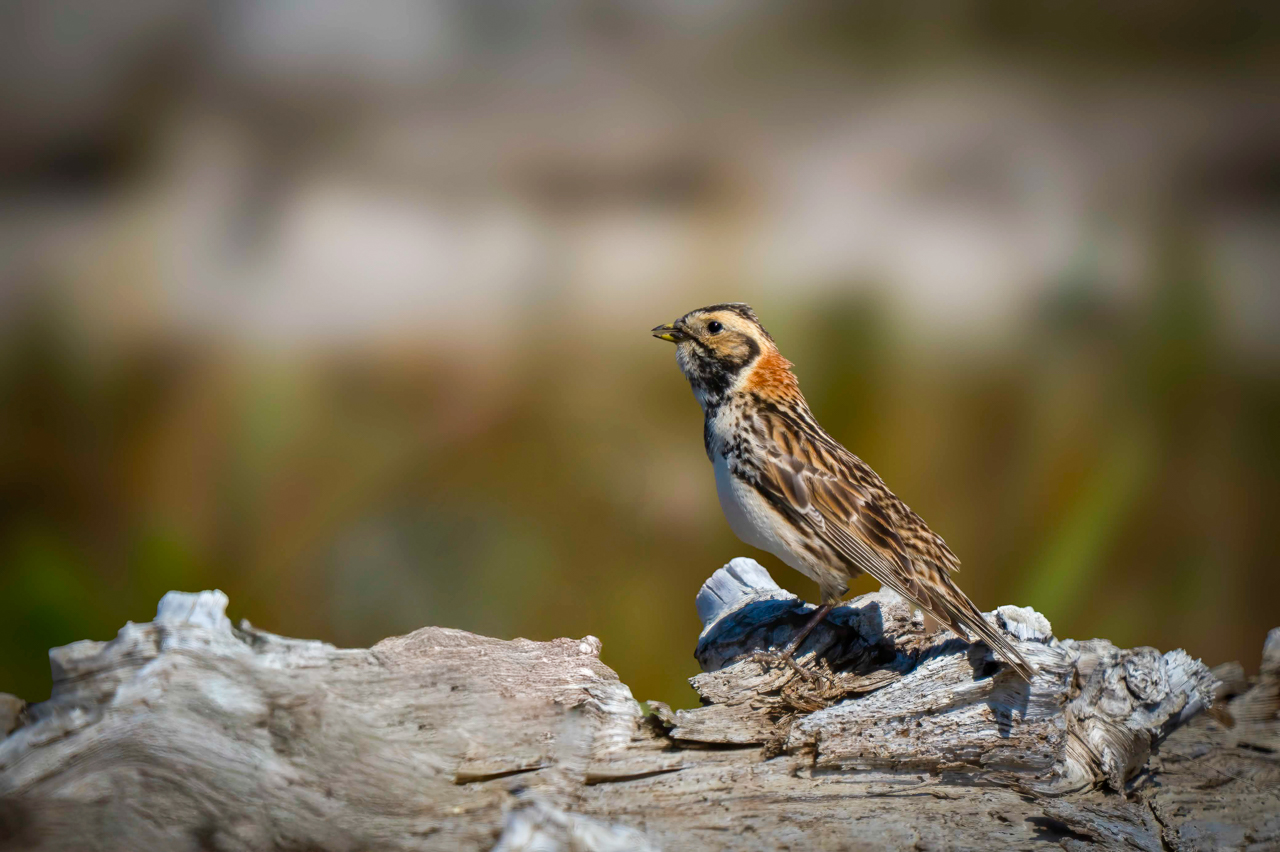
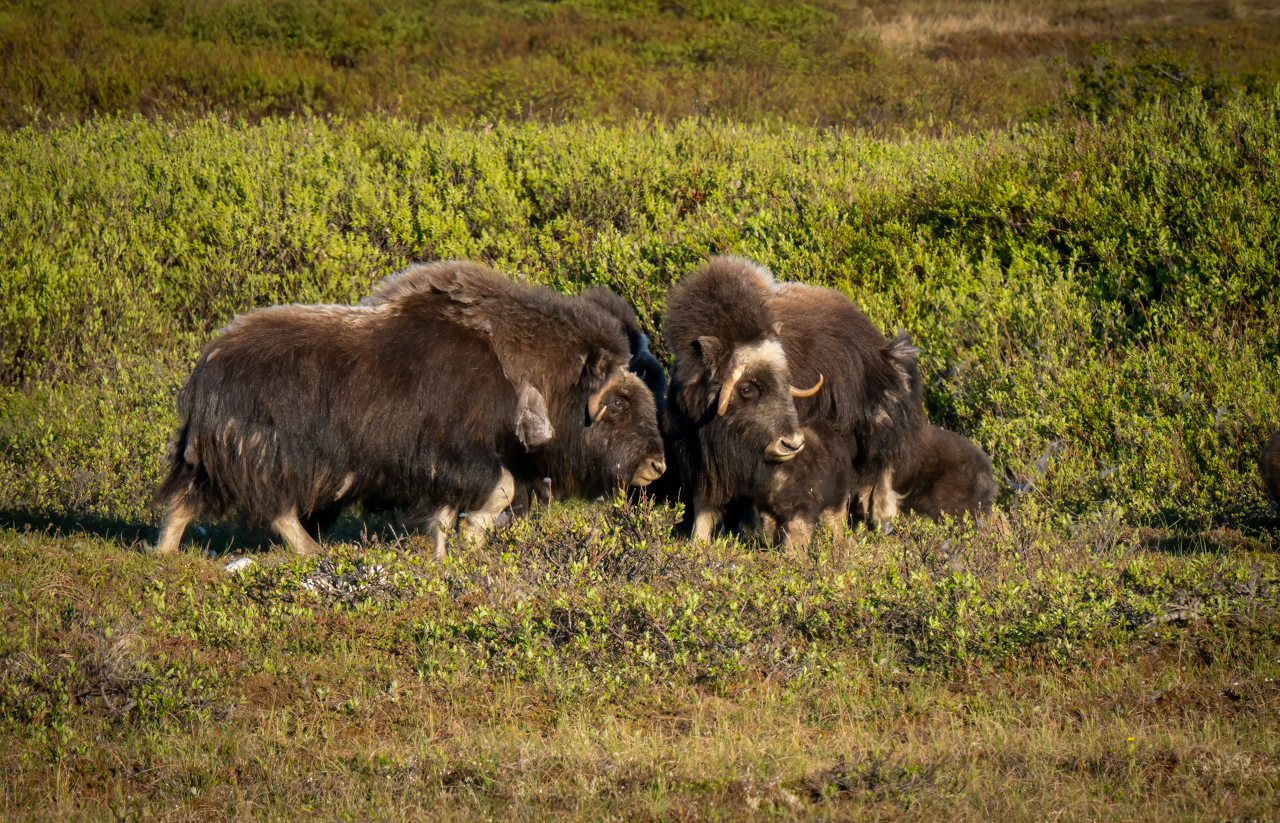
Over the subsequent three days, the expedition utilized Nome’s three primary road systems—the Kougarok, Teller, and Council Roads—to access various tundra and riparian habitats. On June 12, the group encountered a significant herd of Muskoxen, a relic of the Pleistocene era, grazing near the roadside. This was followed by a series of high-value avian sightings, including the Bluethroat, a stunning chat-like bird that migrates from Southeast Asia to breed in the Alaskan willow thickets.
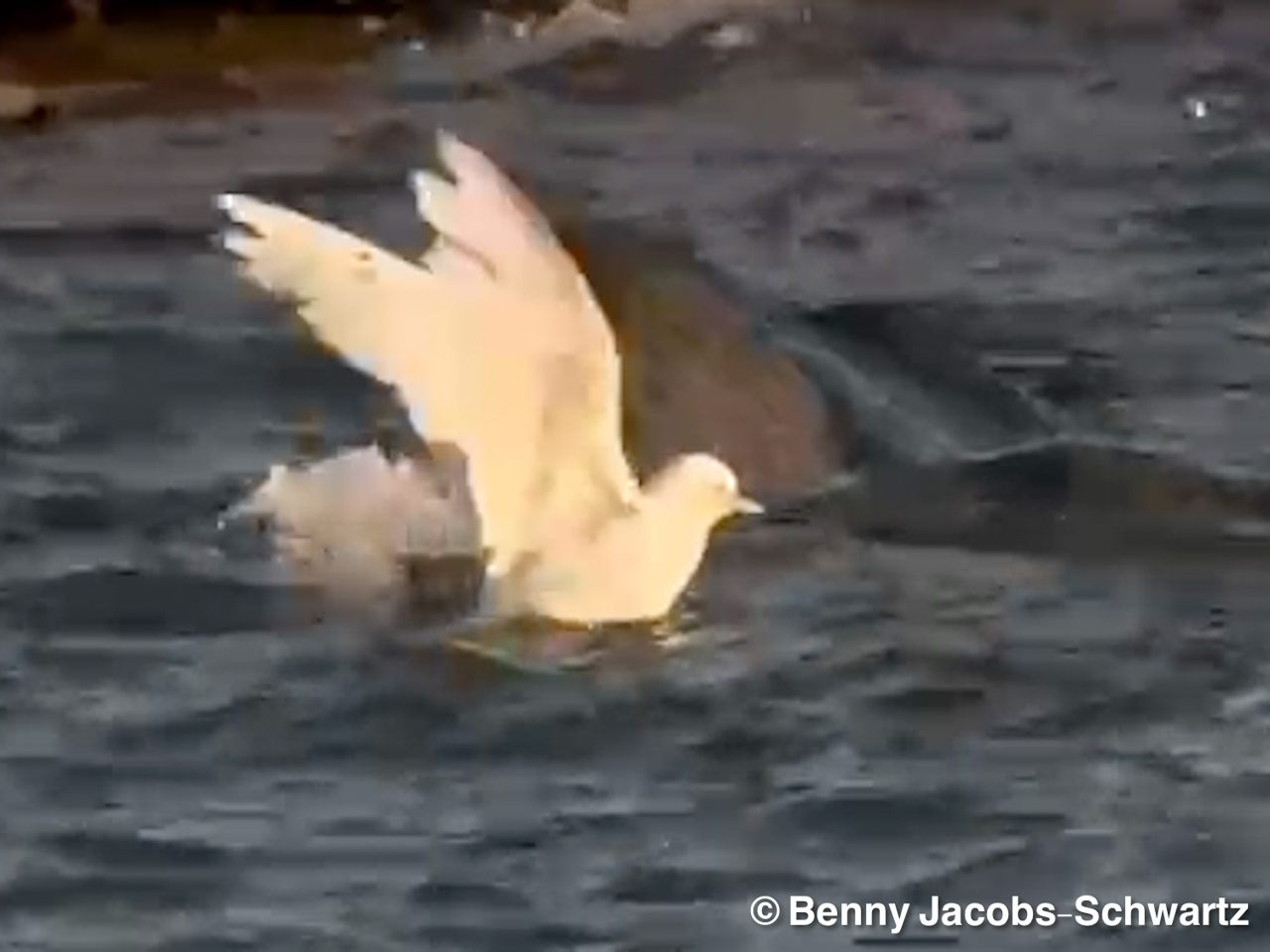
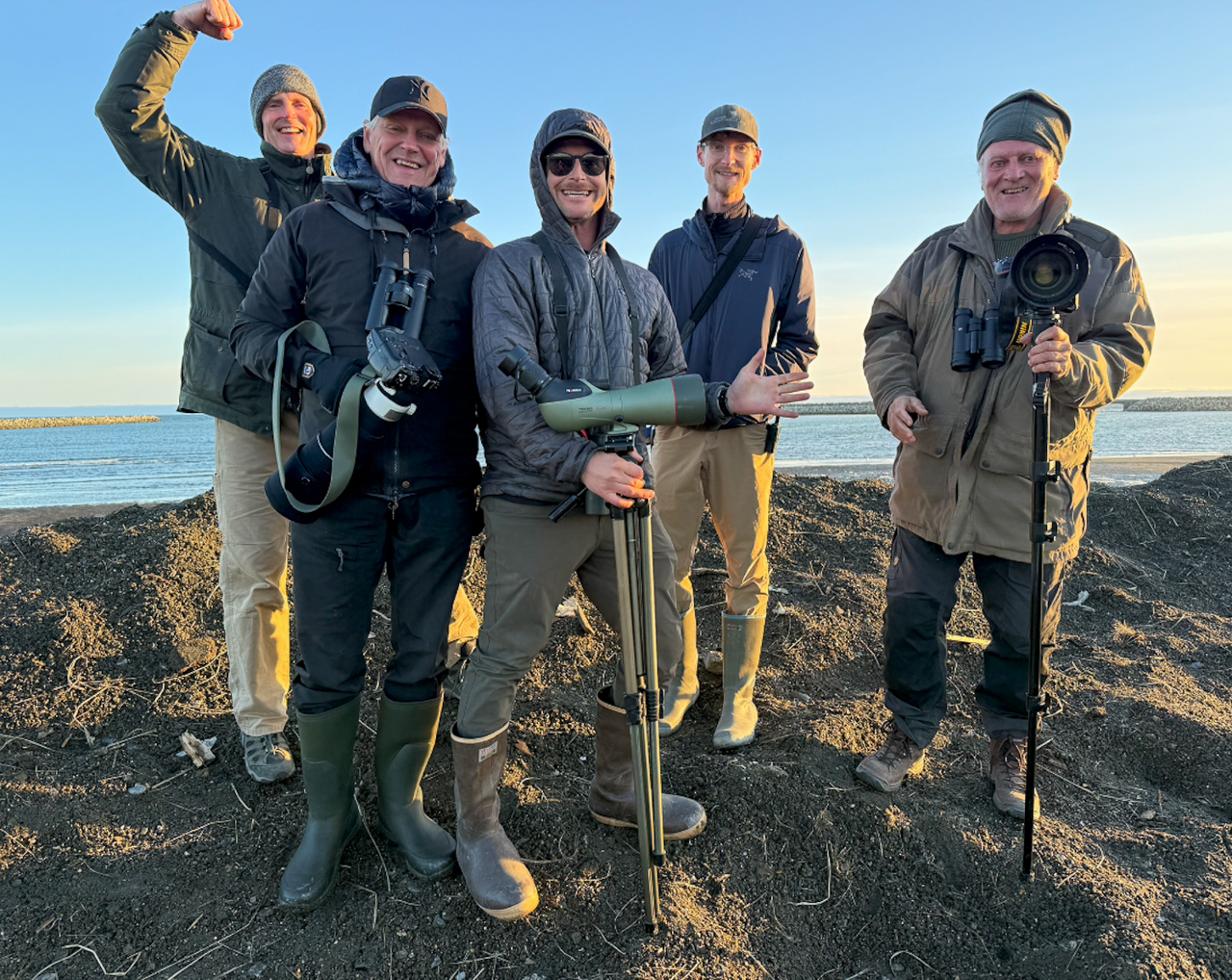
The most significant event of the Nome leg occurred on the evening of June 12. Following a tip regarding a rare bird at the local harbor, a small contingent of the group executed a "twitch"—a birding term for traveling to see a specific rarity—and successfully identified an Ivory Gull. This species is an extreme Arctic specialist, typically found near the pack ice. Its presence in Nome so late in the season was described by participants as a "memorable end to an outstanding day" and highlights the unpredictable nature of Arctic migration patterns.
Phase II: The Kenai Peninsula and Marine Ecosystems
On June 15, the expedition transitioned south to the Kenai Peninsula, moving from the treeless tundra of the north to the lush boreal forests and dramatic fjords of the south. This shift in geography allowed the team to document species that rely on the maritime climate of the Gulf of Alaska. In the forests surrounding Anchorage and Seward, the team recorded the American Three-toed Woodpecker and a large flock of White-winged Crossbills, species that are highly dependent on the health of the spruce and hemlock canopies.
The highlight of the Kenai leg was a dedicated wildlife cruise into Kenai Fjords National Park on June 16. The maritime survey took advantage of exceptionally calm weather to document the "alcid" family—auks, puffins, and murres. Observations included both Horned and Tufted Puffins, as well as the Kittlitz’s Murrelet, a species of global conservation concern due to its reliance on retreating tidewater glaciers.
The marine survey was bolstered by sightings of significant marine mammals, which play a crucial role in the nutrient cycling that supports the region’s bird life. The team documented Fin Whales, Humpback Whales, and Steller’s Sea Lions. The presence of these predators indicates a robust forage fish population, which in turn supports the massive seabird colonies found on the park’s rugged islands.
Phase III: The High Arctic and the North Slope
The final leg of the tour, beginning on June 18, saw the expedition fly to Utqiaġvik (formerly Barrow), the northernmost city in the United States. This region, characterized by permafrost and coastal lagoons, is the primary breeding ground for several of the world’s most sought-after waterfowl. Upon arrival, the group immediately documented three of the four eider species: the King Eider, the Spectacled Eider, and the Steller’s Eider.
The Spectacled Eider is currently listed as threatened under the Endangered Species Act, and the observations made during this tour contribute to the ongoing monitoring of their breeding success on the North Slope. On June 19 and 20, the team explored the tundra surrounding Utqiaġvik, recording the unique display flights of Pectoral Sandpipers and the aggressive territorial behavior of Pomarine Jaegers.
A notable discovery during the Barrow leg was the sighting of several Ruffs—a shorebird species that primarily breeds in Northern Europe and Russia. The presence of multiple Ruffs in Alaska suggests a potential expansion or shift in their migratory range, a phenomenon that ornithologists are increasingly monitoring. The expedition concluded its field operations on June 21 with a seawatch at Point Barrow, the geographical tip where the Chukchi and Beaufort Seas meet. While the target Yellow-billed Loon remained elusive, the team recorded high numbers of Glaucous Gulls and Black-legged Kittiwakes.
Chronological Summary of the 13-Day Expedition
- June 10: Orientation and welcome in Anchorage.
- June 11: Flight to Nome; initial sightings of Redpoll and Gyrfalcon.
- June 12: Exploration of Nome’s inland tundra; sighting of the Ivory Gull rarity at 11:30 p.m.
- June 13: Survey of riparian habitats; observations of Arctic Warbler and Northern Waterthrush.
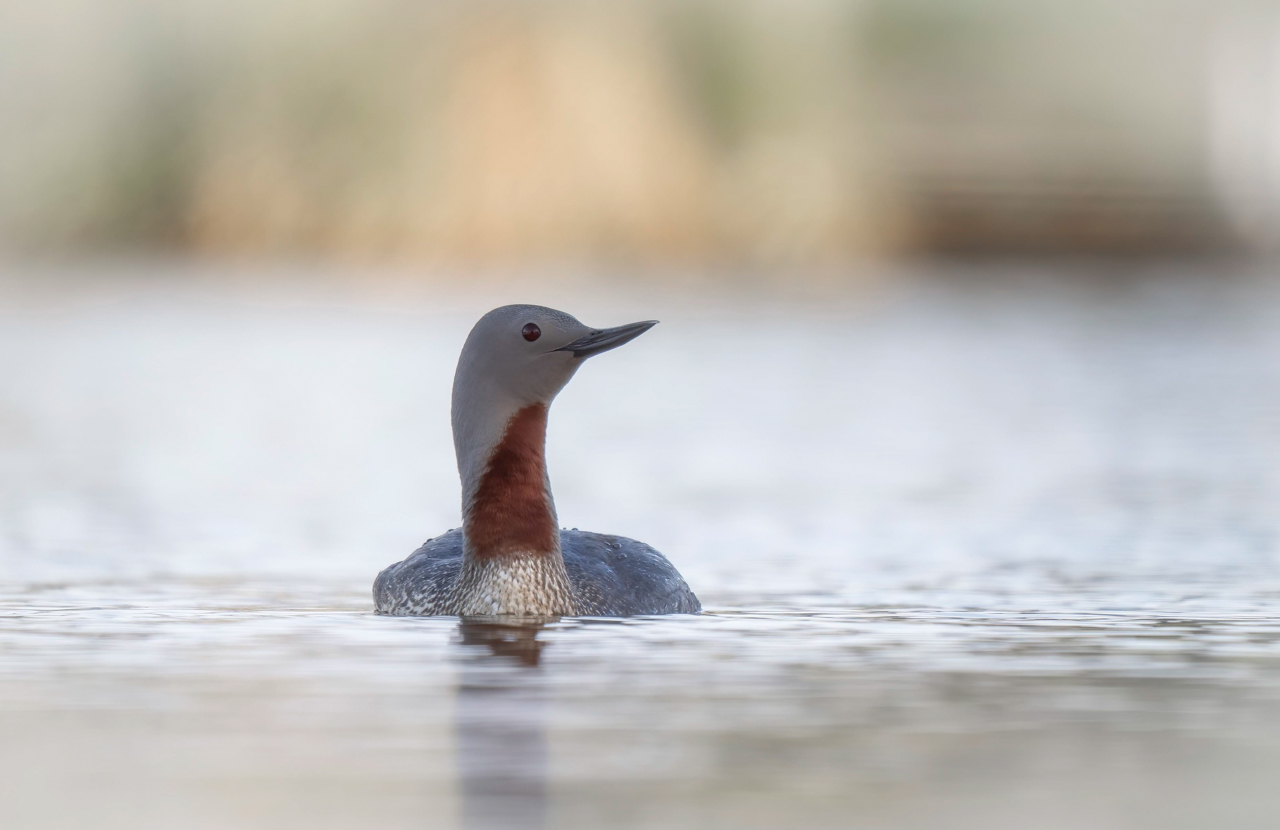
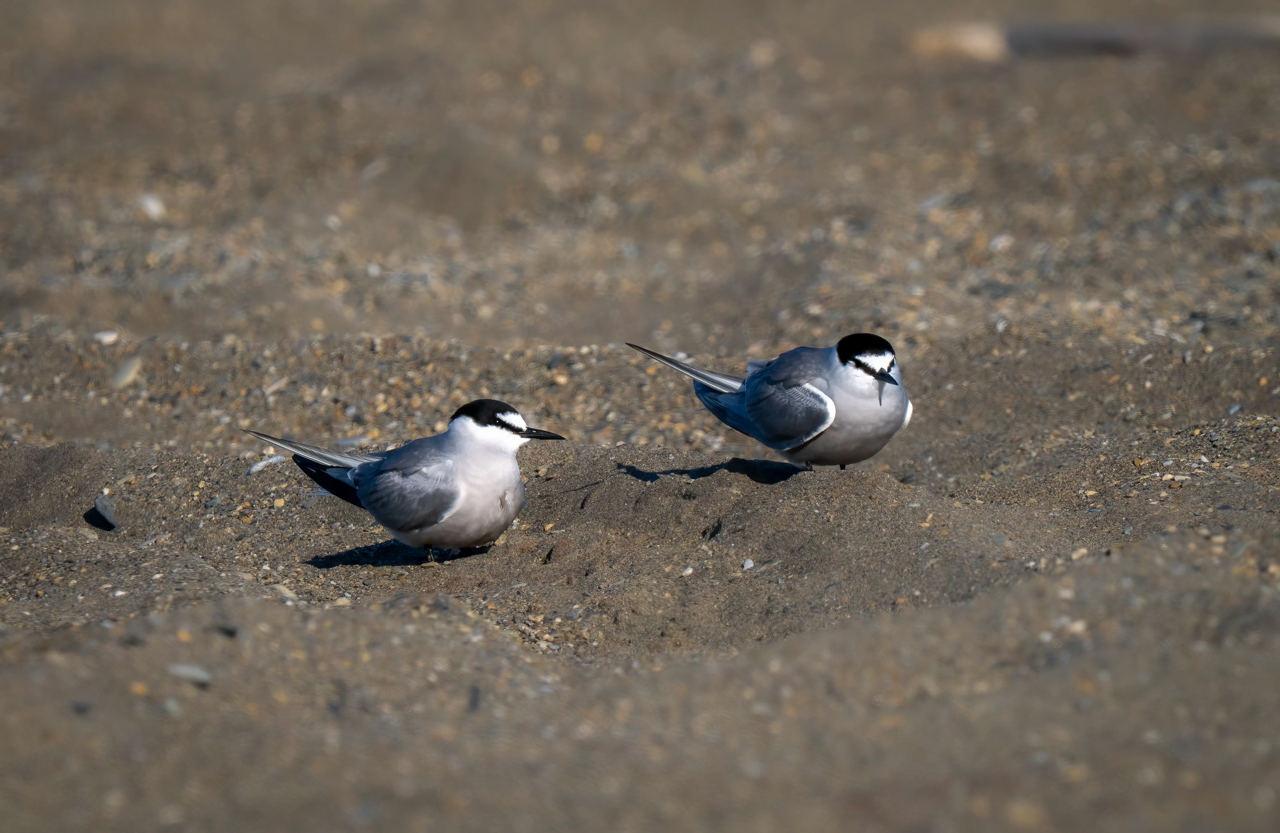
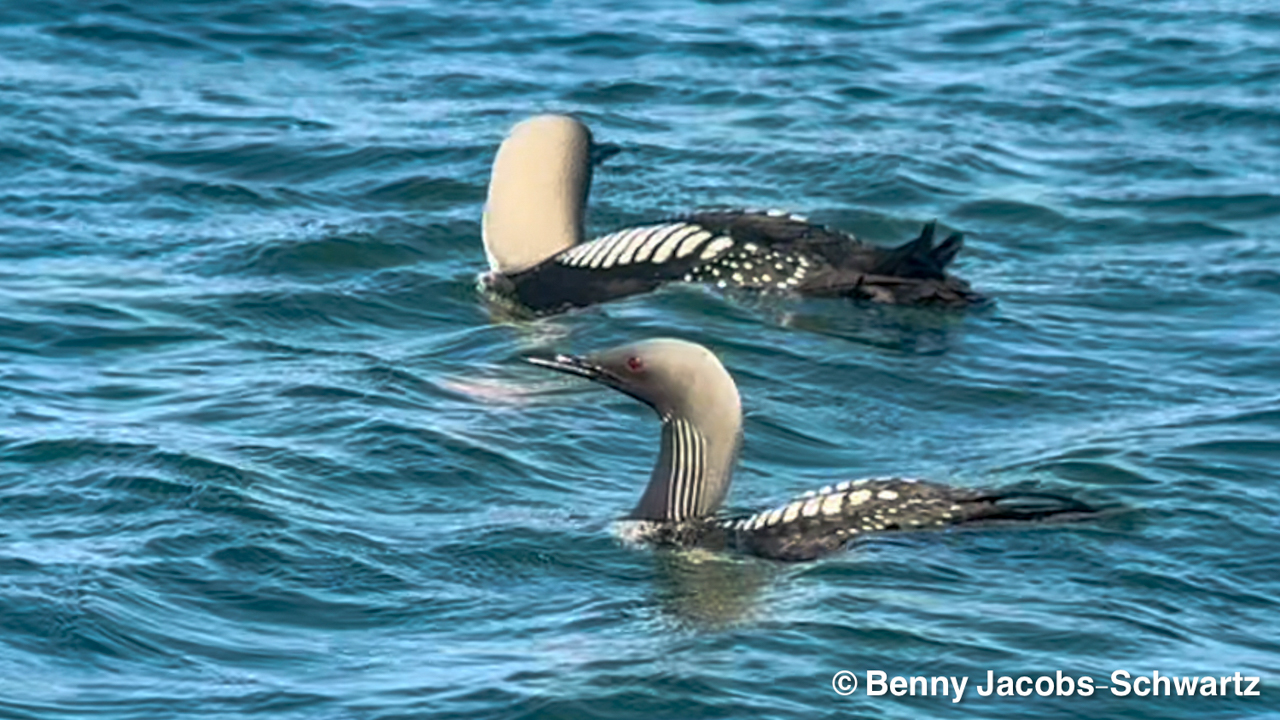
- June 14: Coastal birding in Nome; recording of Aleutian Terns and Pacific Loons before returning to Anchorage.
- June 15: Journey to the Kenai Peninsula; forest birding for Three-toed Woodpeckers and Varied Thrush.
- June 16: Kenai Fjords National Park cruise; extensive alcid and marine mammal documentation.
- June 17: Seward target species including Rufous Hummingbird; return to Anchorage via Lake Hood.
- June 18: Flight to Utqiaġvik; immediate documentation of King and Spectacled Eiders.
- June 19: Tundra survey in Utqiaġvik; discovery of the Ruff and sightings of Snowy Owls.
- June 20: Extended observations of Steller’s Eiders and Baird’s Sandpipers.
- June 21: Final seawatch at Point Barrow; return flight to Anchorage for the farewell dinner.
- June 22: Expedition conclusion and participant departures.
Environmental Context and Scientific Significance
The data gathered during this 13-day expedition provides more than just a list of sightings for enthusiasts; it offers a qualitative assessment of the Alaskan ecosystem. The timing of the tour—mid-June—coincides with the peak of the Arctic "green-up," a period of intense biological activity.
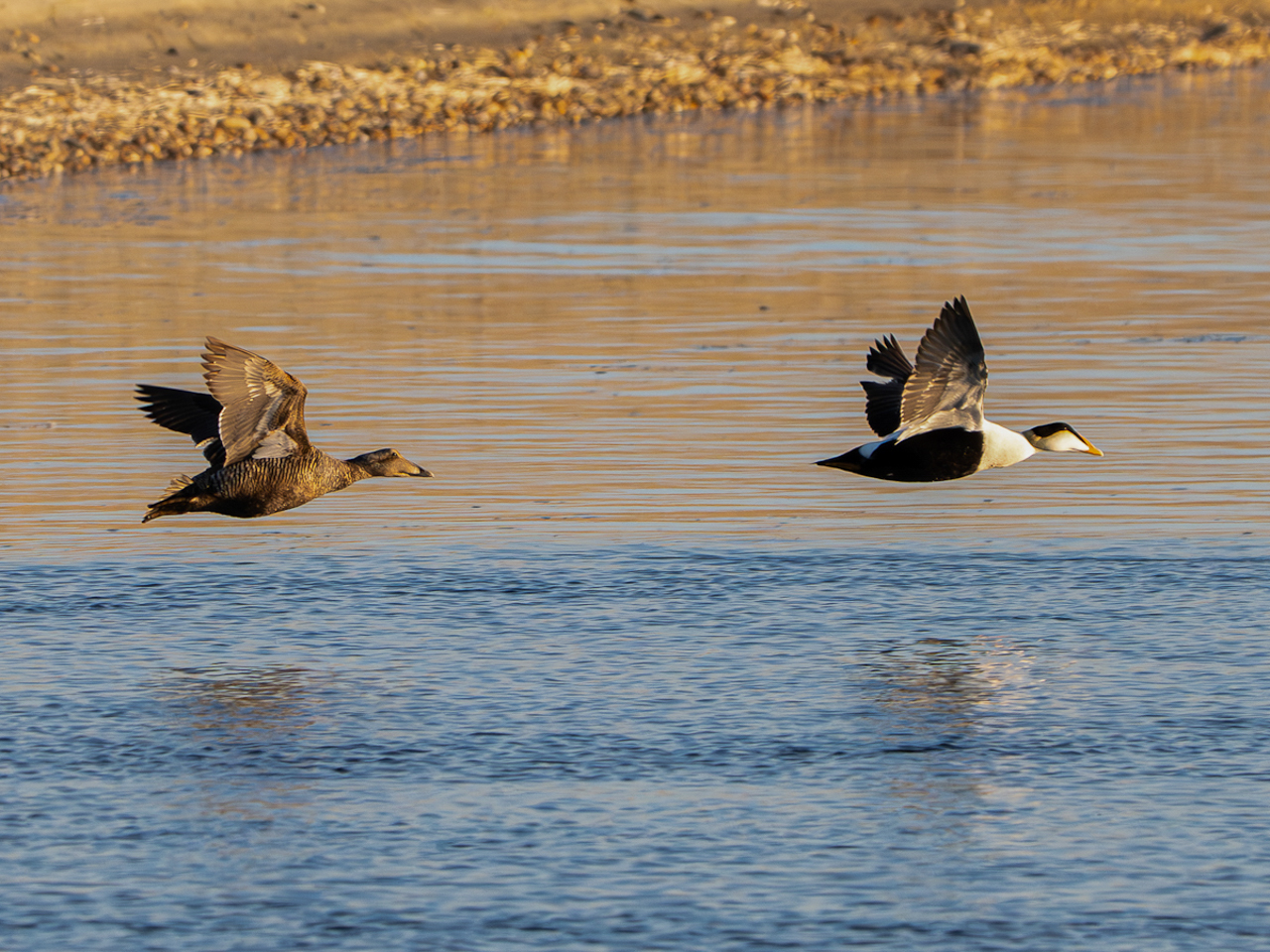
The observation of the Ivory Gull in Nome is particularly significant. As sea ice continues to decline in the Arctic, the Ivory Gull faces habitat loss, as it rarely ventures far from the ice edge. Sightings south of its traditional range can indicate shifts in ice distribution or changes in the availability of carrion and small fish upon which the birds scavenge. Similarly, the successful documentation of all four eider species (with Common Eider seen earlier) highlights the importance of the North Slope as a critical refuge for waterfowl that spend the rest of the year in the hazardous waters of the Bering Sea.
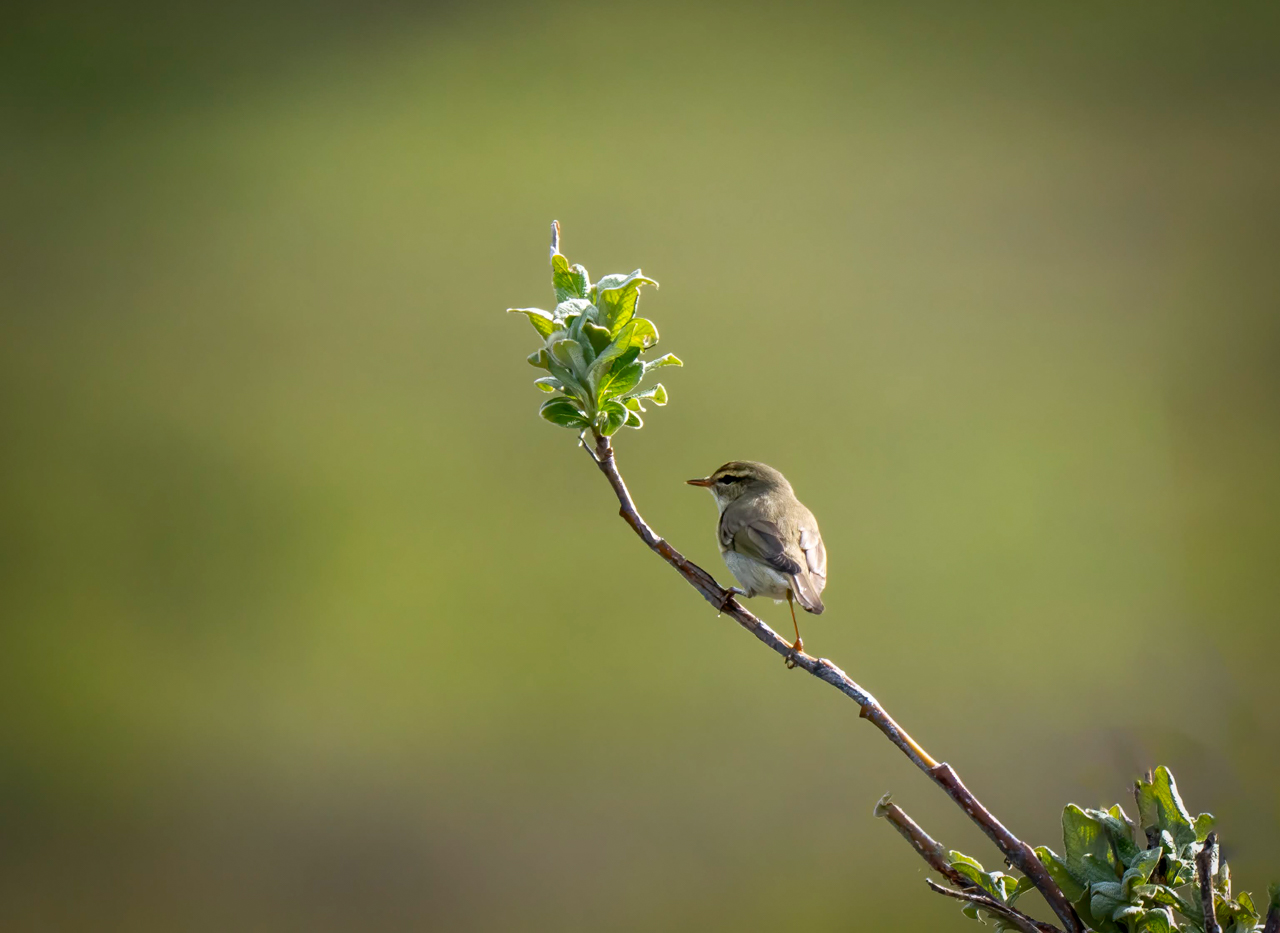
The expedition also noted the presence of the Arctic Warbler and the Eastern Yellow Wagtail in Nome. These species represent a group of birds that breed in North America but migrate to Asia for the winter. Monitoring their arrival times and population densities helps scientists understand the connectivity between the two continents and the potential impact of environmental changes along their trans-Pacific migratory routes.
Broader Implications for Alaskan Conservation
The success of the 2024 Alaska Birding Tour underscores the growing importance of ecotourism in the state’s economy and its role in conservation. Professional tours of this nature often provide "citizen science" data through platforms like eBird, which are used by researchers to track population trends.
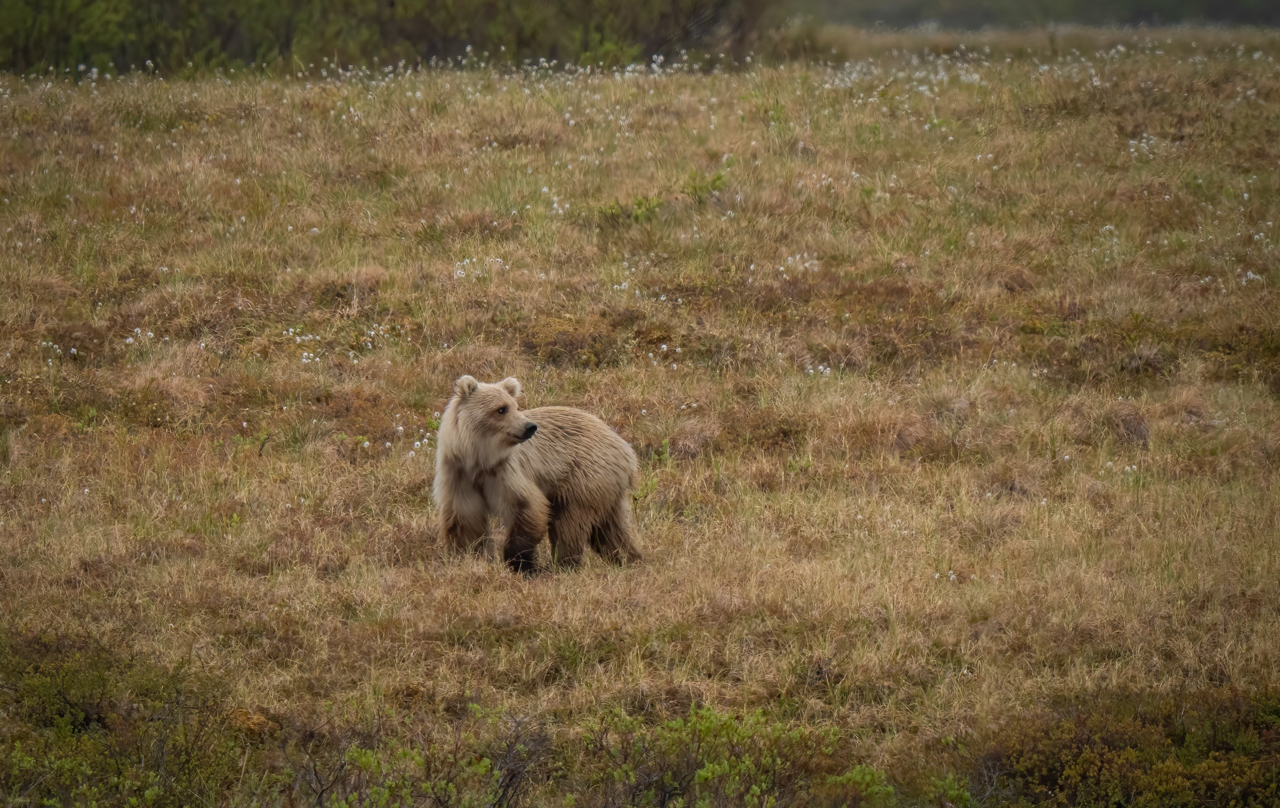
Inferred reactions from the participants and guides suggest a high level of concern for the preservation of these habitats. The sighting of the Brown Bear on the tundra and the Muskoxen near Nome highlights the need for balanced land management that allows for both resource extraction and the protection of wildlife corridors. The Kenai Fjords leg of the trip demonstrated the direct link between glacial health and avian biodiversity, as the meltwater from glaciers creates the specific nutrient-rich environments required by Kittlitz’s Murrelets.
As the expedition concluded on June 22, the organizers emphasized that while the primary goal was observation, the secondary goal was education. By witnessing the complexities of the Alaskan environment firsthand, participants become advocates for the protection of these remote regions. The 2024 tour stands as a testament to the resilience of Arctic life while serving as a reminder of the fragility of the ecosystems that support some of the world’s most spectacular avian migrations.
