

The conclusion of an extensive 13-day ornithological survey across the state of Alaska has provided critical data on the arrival and breeding status of numerous avian species, including several rare "Old World" vagrants and threatened Arctic residents. Spanning from the temperate boreal forests of the Kenai Peninsula to the high Arctic tundra of Utqiaġvik, the expedition documented the presence of over 150 species, offering a snapshot of the current health and migratory patterns of one of the world’s most vital avian breeding grounds. The survey, which commenced in late May and concluded in early June, highlights the ecological significance of Alaska as a biological crossroads where species from both the Americas and Eurasia converge during the brief but intense northern summer.
The Western Frontier: Avian Diversity in Nome
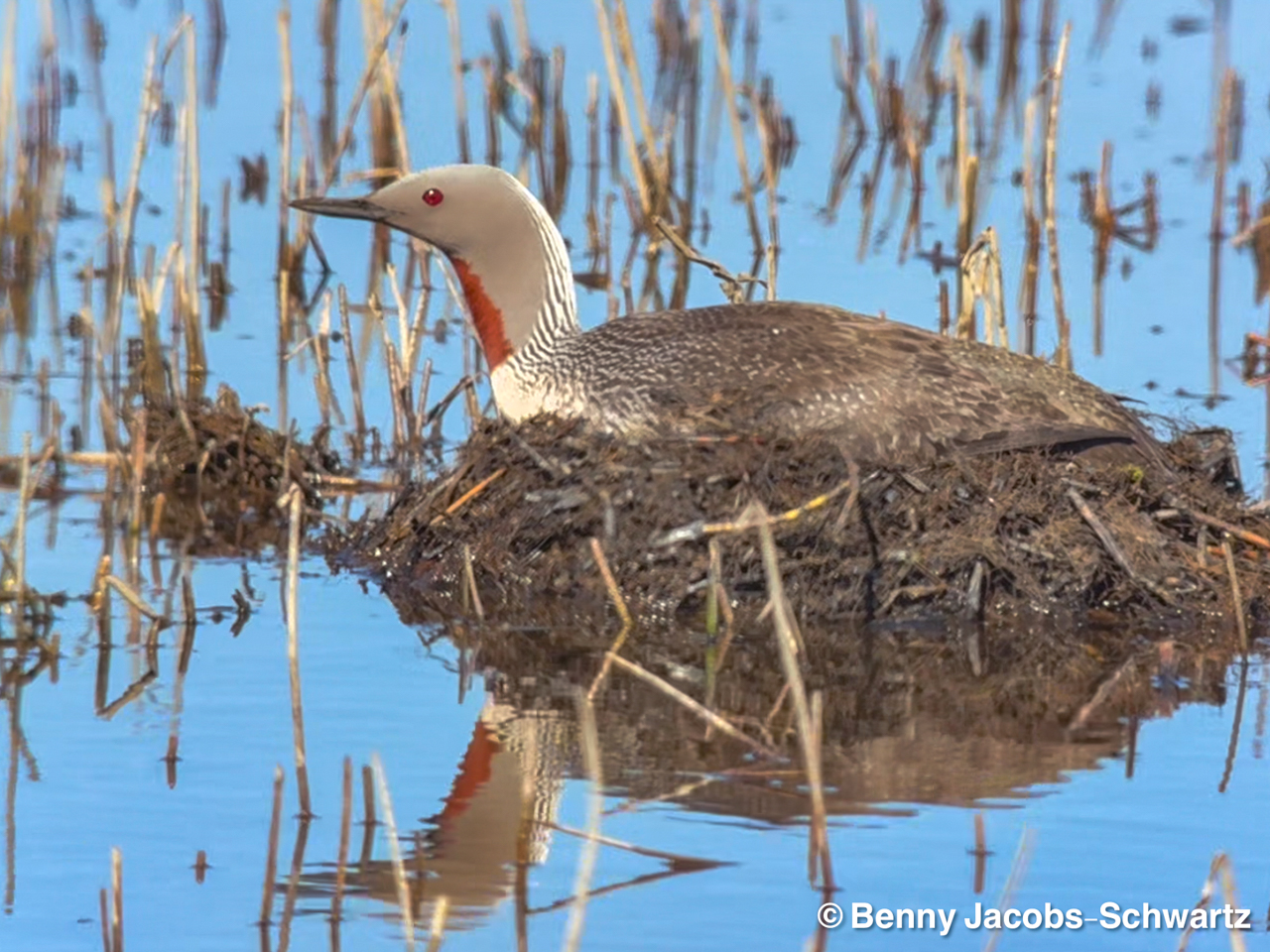
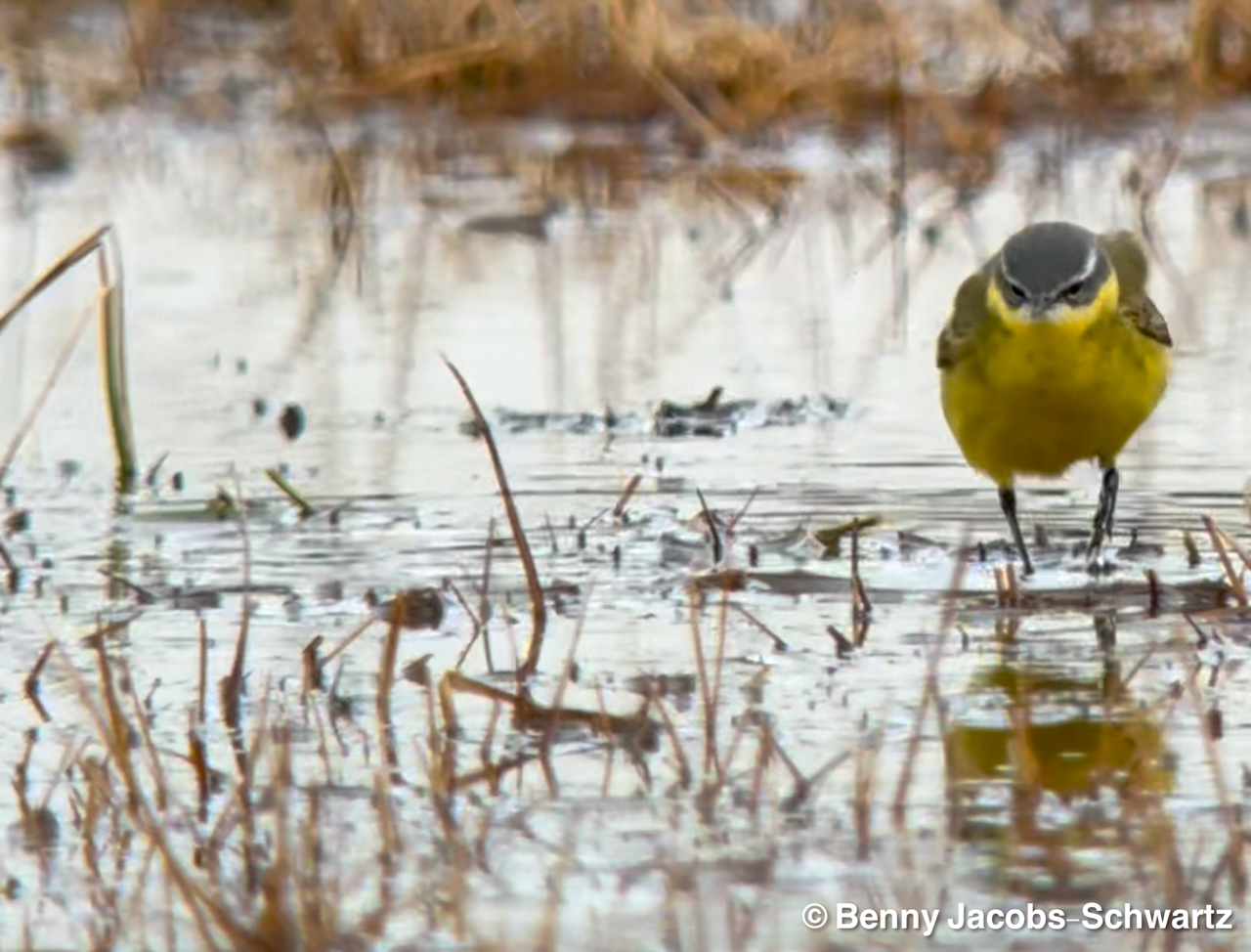
The expedition’s first primary focus was the Seward Peninsula, specifically the region surrounding Nome, which serves as a critical entry point for migratory birds crossing the Bering Strait. Upon arrival on May 28, the survey team initiated observations along Council Road, a key transect for monitoring coastal and tundra species. Early data points included the Sabine’s Gull and the Arctic Tern, species known for their extraordinary migratory journeys. The presence of Aleutian Terns feeding offshore—approximately 20 individuals—indicated a healthy early-season concentration of this restricted-range species.
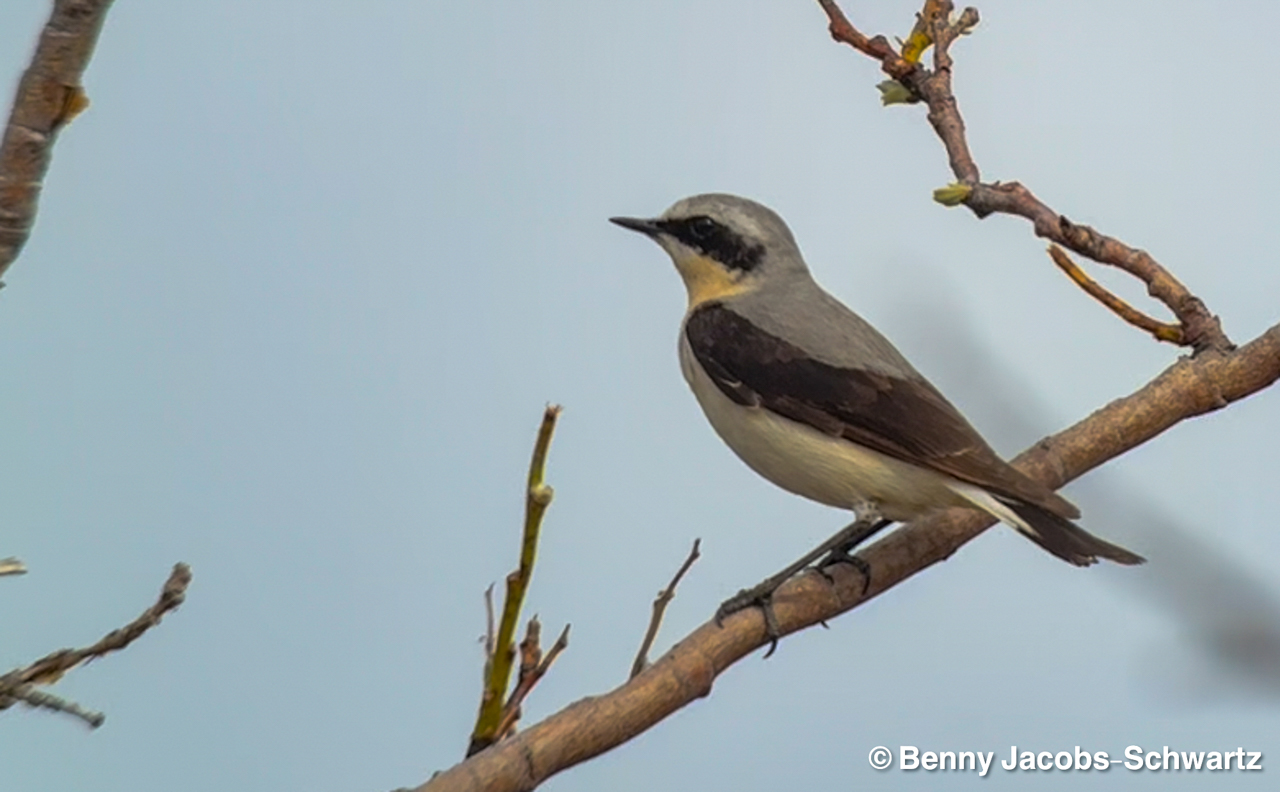
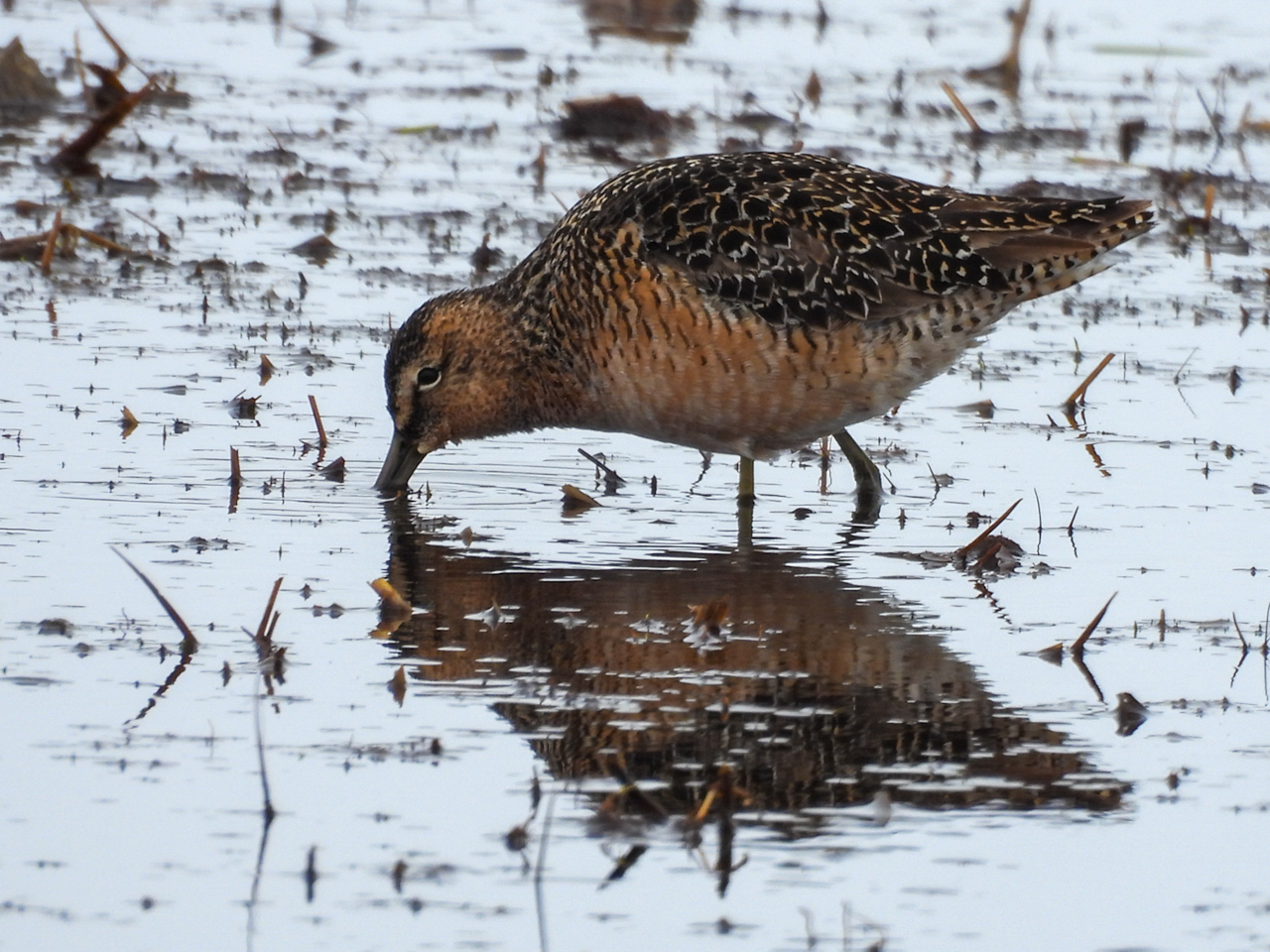
As the survey progressed along the Nome River Mouth and Safety Sound, researchers recorded a high density of waterfowl and shorebirds. Notable observations included the Bar-tailed Godwit, a species renowned for its record-breaking non-stop trans-Pacific flights. The sighting of two individuals confirms the continued use of the Seward Peninsula as a vital staging and breeding area for these long-distance migrants. Other shorebirds documented included the Pacific Golden-Plover, Hudsonian Whimbrel, and various sandpipers, such as the Western and Semipalmated varieties. The abundance of Willow Ptarmigan, the state bird of Alaska, across the tundra landscape suggested a stable population for the current breeding cycle.
Seeking the Specialists of the Kougarok Road
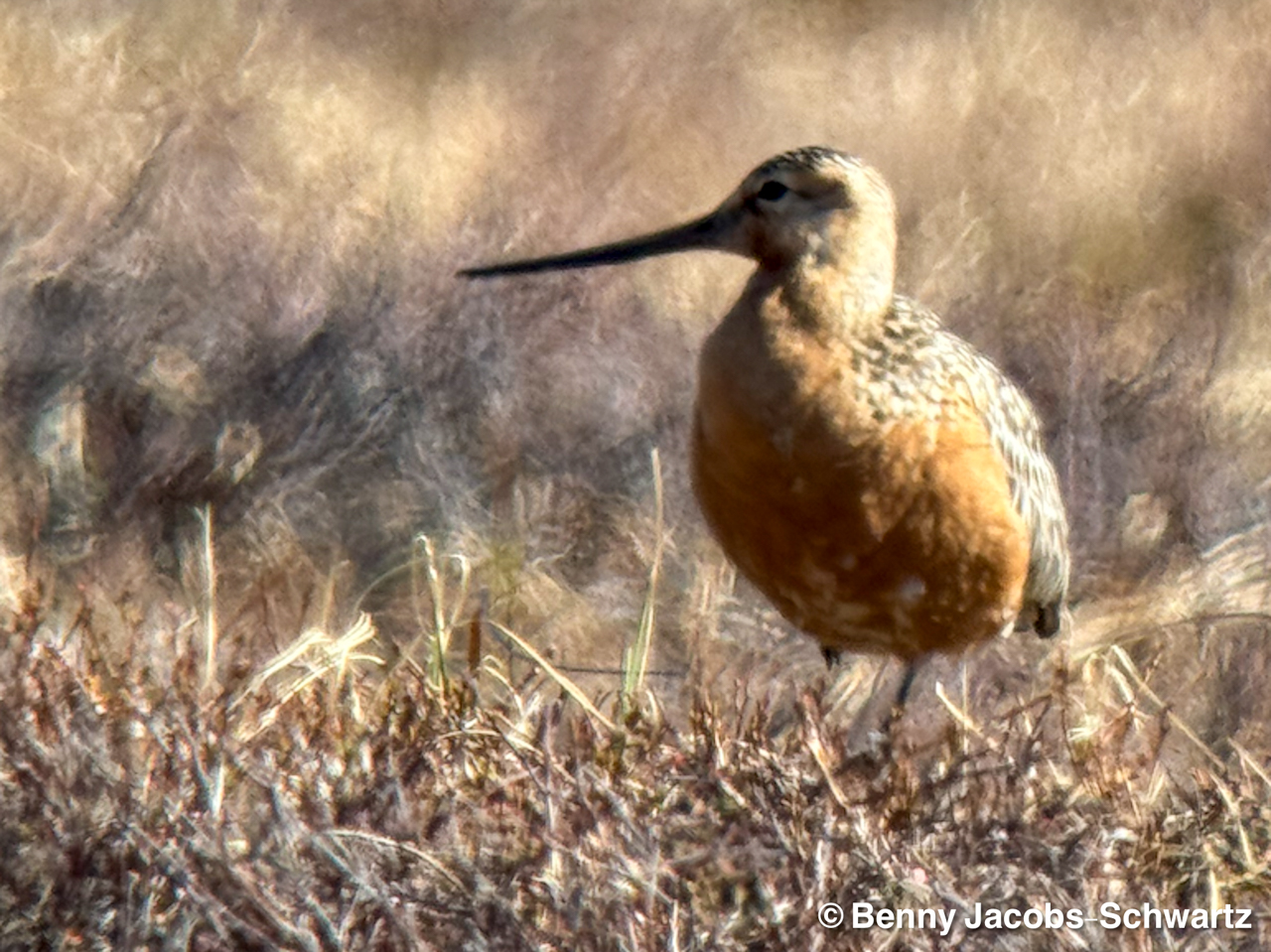
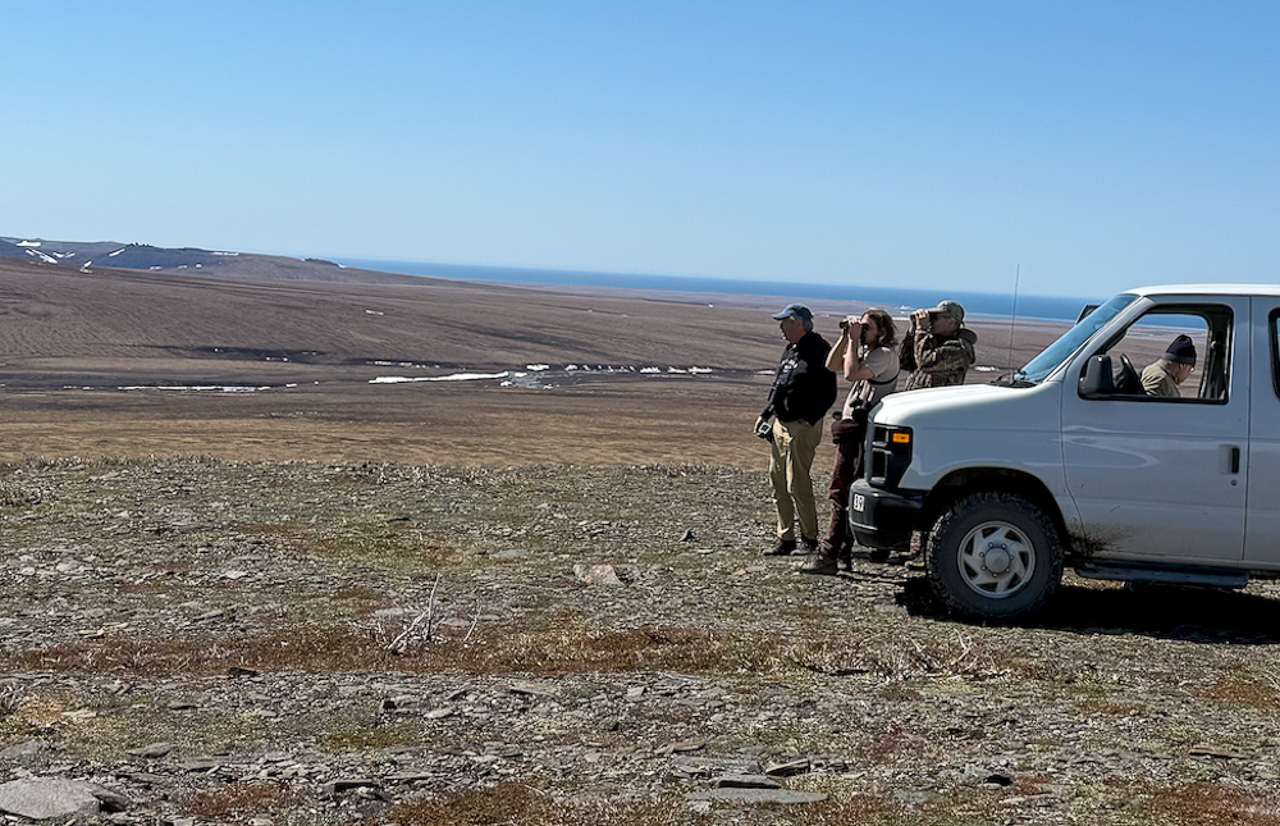
On May 29, the focus shifted to the interior of the Seward Peninsula via Kougarok Road. This region is geographically significant as one of the few accessible breeding sites for the Bristle-thighed Curlew. This species is of particular conservation concern due to its highly restricted breeding range in the remote Alaskan tundra and its vulnerable wintering grounds on South Pacific islands. Following a rigorous hike across the tundra, the team successfully documented two Bristle-thighed Curlews, allowing for direct comparison with the more common Hudsonian Whimbrel.
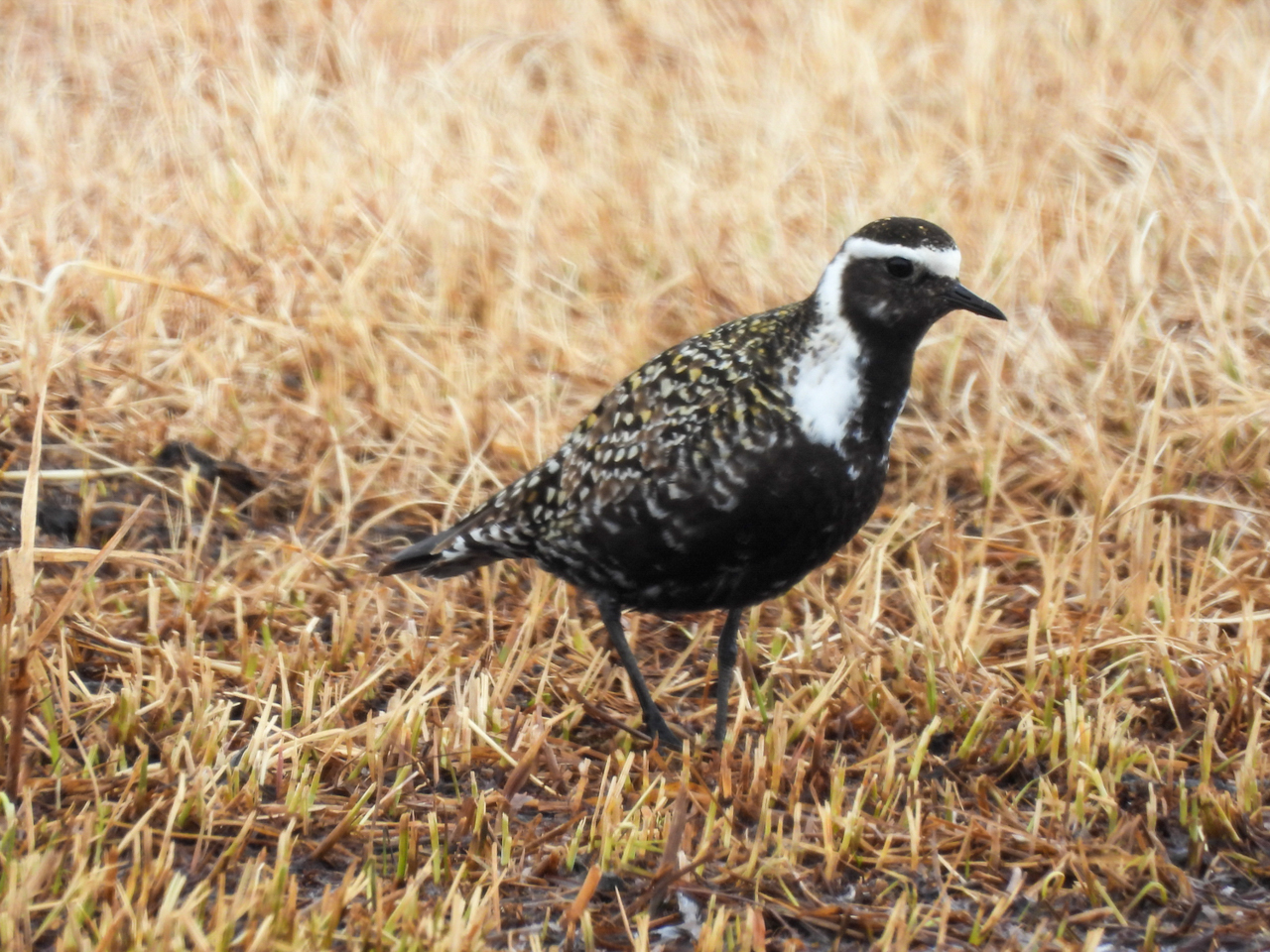
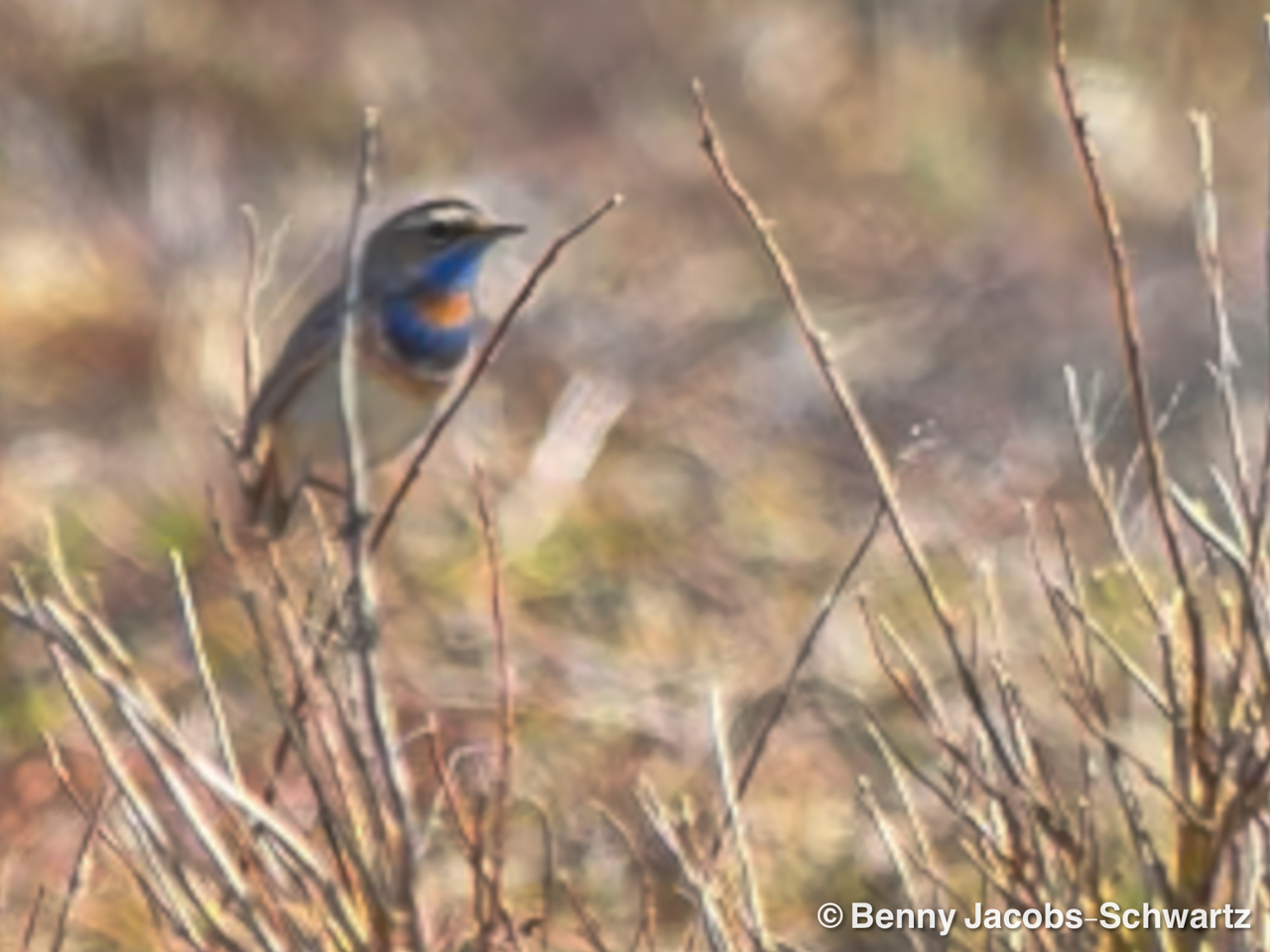
In addition to the curlews, the survey recorded the presence of the Bluethroat, an "Old World" species that maintains a small breeding foothold in western Alaska. The timing of the observation was critical, as the species is known for its brief and elusive display period. The recording of a nesting Golden Eagle and several Long-tailed Jaegers further underscored the predatory health of the Kougarok region. The jaegers, which rely heavily on lemming populations, serve as an indicator species for the overall productivity of the tundra ecosystem.
Transition to the Boreal Forest and Kenai Fjords
Following the survey of the Seward Peninsula, the expedition relocated to Anchorage and the Kenai Peninsula to assess species diversity in boreal and marine environments. On June 1, observations at Kincaid Park and Potter Marsh identified several boreal specialists, including the Canada Jay and Boreal Chickadee. The presence of the Varied Thrush and Townsend’s Warbler highlighted the complexity of the old-growth Sitka Spruce and hemlock forests. These species are highly dependent on intact forest structures, making them sensitive indicators of habitat fragmentation.
The marine component of the survey took place on June 2 within Kenai Fjords National Park. Utilizing a specialized vessel, researchers navigated Resurrection Bay and Northwestern Fjord. This segment of the tour was crucial for documenting the Kittlitz’s Murrelet, a rare seabird associated with receding glaciers. Approximately six individuals were observed near the Northwestern Glacier, a significant finding given the species’ declining population trends linked to climate-induced glacial retreat. Other marine highlights included both Horned and Tufted Puffins, Rhinoceros Auklets, and Marbled Murrelets, the latter of which is a species of significant conservation interest due to its unique habit of nesting in old-growth trees.
The High Arctic: Utqiaġvik and the Frozen Frontier
The final and perhaps most challenging phase of the survey occurred in Utqiaġvik (formerly Barrow), located 300 miles north of the Arctic Circle. Arriving on June 4, the team encountered environmental conditions that remained largely wintry, with widespread snow cover and temperatures hovering near freezing. Despite these conditions, the arrival of migratory birds was in full swing.

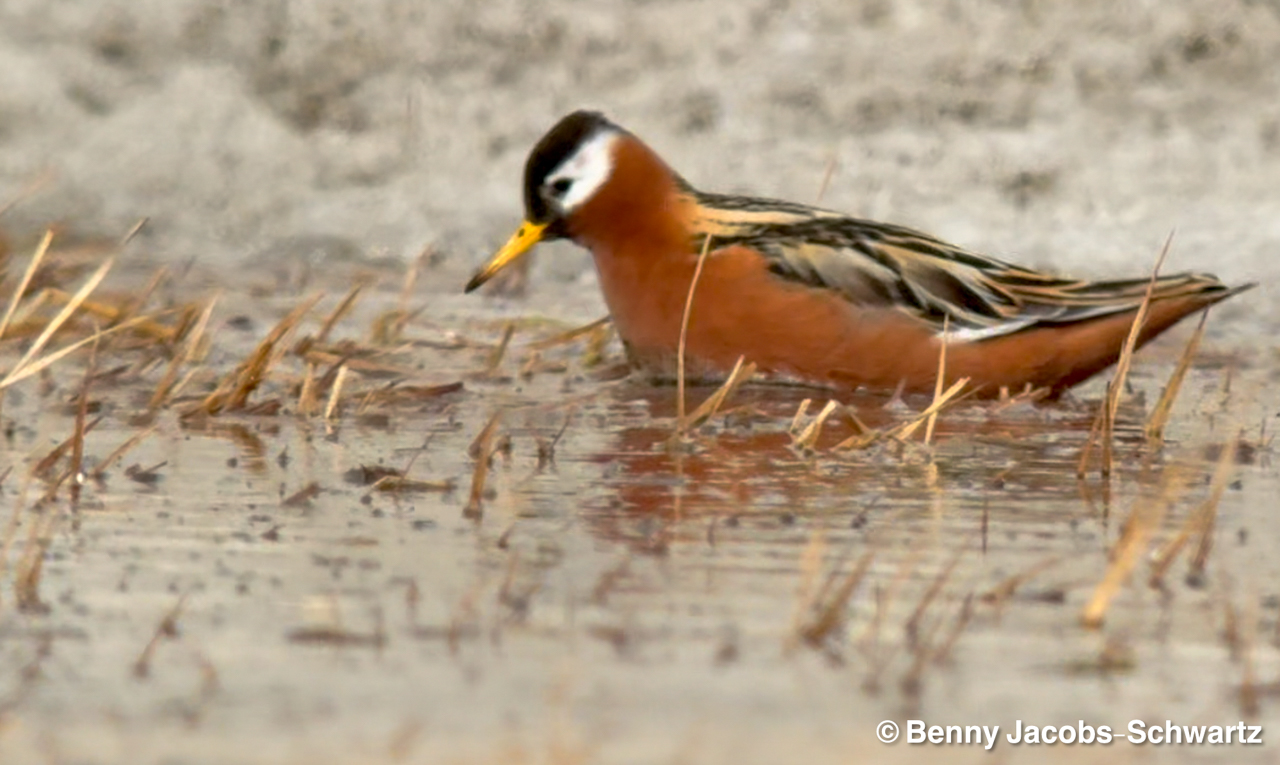
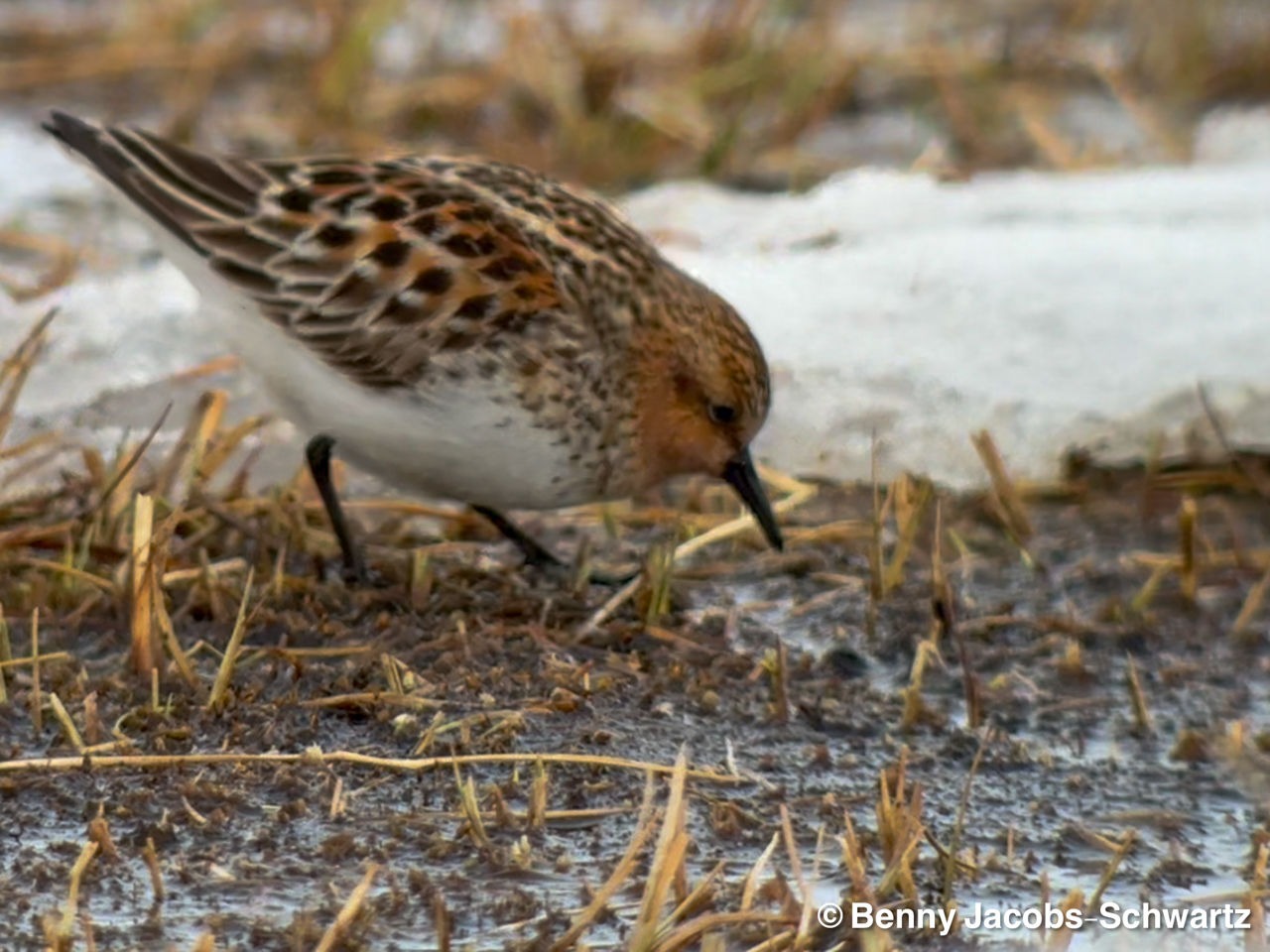
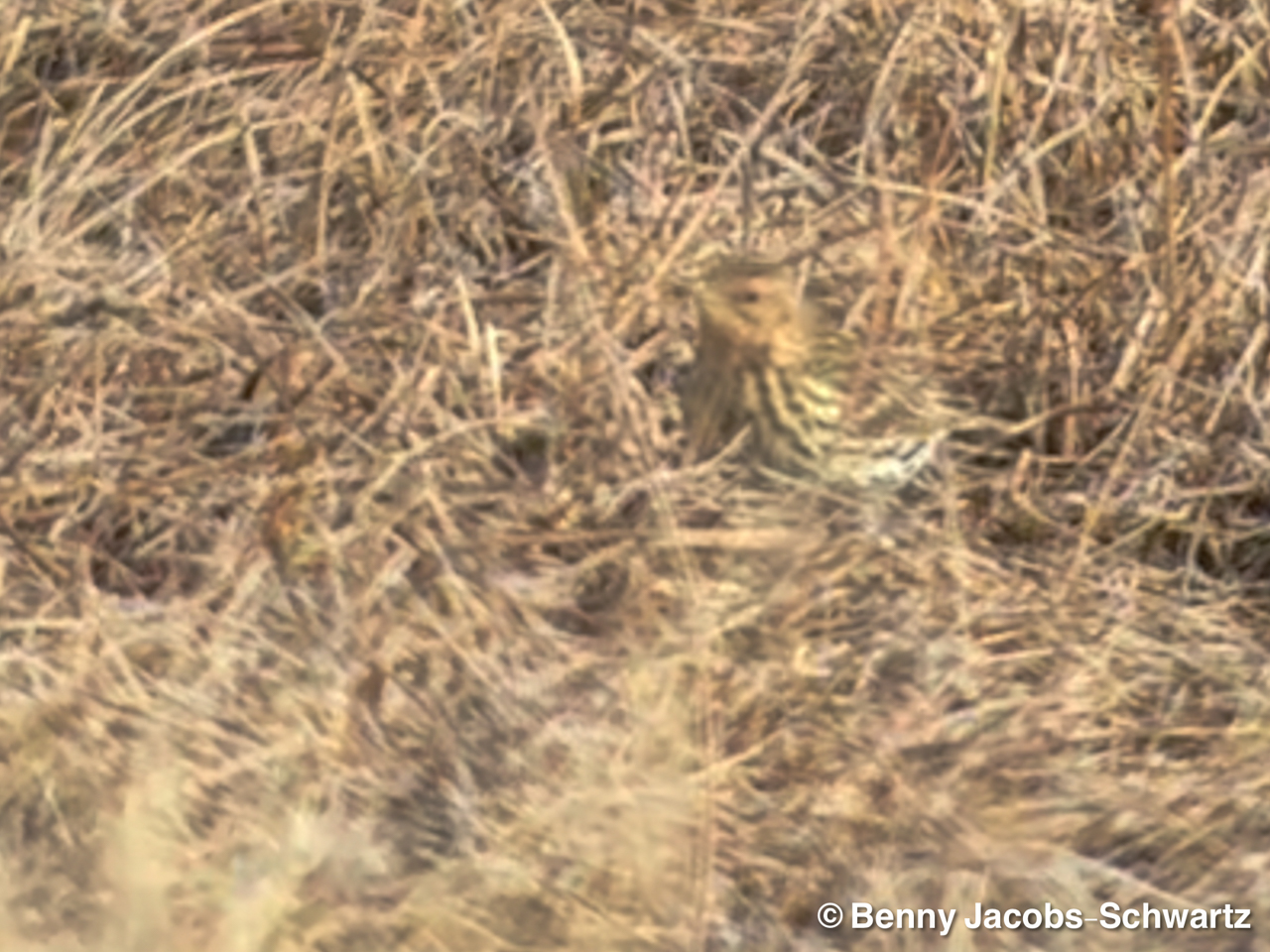
Utqiaġvik is globally recognized as a premier location for observing rare avian vagrants from Asia, and this survey corroborated that reputation. The team documented a Red-throated Pipit and a Red-necked Stint, both of which are rare visitors to North America. Perhaps most notably, the discovery of a Eurasian Skylark provided a rare opportunity to study this species on the American continent. These sightings suggest that the "Beringia" corridor remains a highly active route for trans-continental avian movement, potentially influenced by shifting weather patterns and wind currents.

Threatened Species and Iconic Arctic Residents
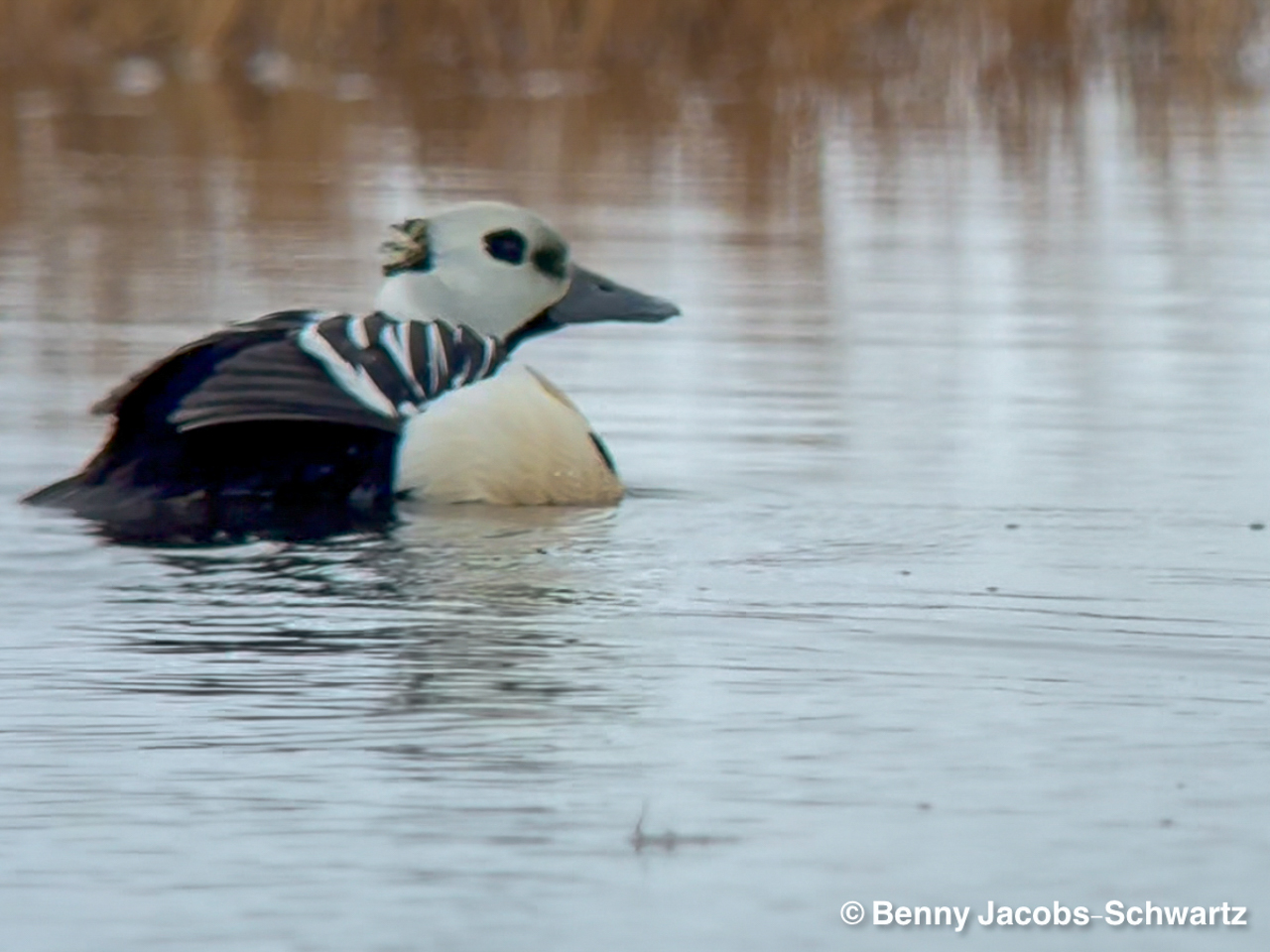
A primary objective in the high Arctic was the documentation of the Steller’s Eider, a species listed as threatened under the Endangered Species Act. On June 5, two Steller’s Eiders were observed in a roadside pond, providing essential data on their arrival and habitat use. The survey also recorded King Eiders migrating north in significant numbers, with one flock exceeding 20 individuals. These sea ducks are highly sensitive to changes in sea ice and the availability of open water (polynyas) for foraging.
The presence of the Snowy Owl, a flagship species of the Arctic, was confirmed on June 6. A male owl was observed on the tundra, appearing relaxed and in good health. As a top predator, the Snowy Owl’s presence is a vital indicator of the local rodent population, particularly lemmings, which form the base of the Arctic food web. The documentation of all three jaeger species—Pomarine, Parasitic, and Long-tailed—further supported the assessment of a high-functioning predatory environment in the Utqiaġvik region.
Scientific and Economic Implications of Avian Surveys
The data collected during this 13-day expedition serves several purposes. Ornithologically, the recording of arrival dates and species counts contributes to long-term datasets used to track the impacts of climate change on migration phenology. In Alaska, where the Arctic is warming at a rate significantly faster than the global average, these observations are critical for understanding how species are adapting to changing snowmelt patterns and food availability.
Furthermore, the survey highlights the economic importance of birding tourism to the state of Alaska. Regions like Nome and Utqiaġvik rely on the annual influx of birdwatchers and researchers who contribute to the local economy through the use of lodging, transportation, and guiding services. The presence of rare species, such as the Yellow-billed Loon or the Bristle-thighed Curlew, acts as a significant draw for international visitors, underscoring the need for continued habitat protection and conservation efforts.
Conclusion and Future Outlook
The 13-day Alaska Birding Tour successfully documented the arrival of a diverse array of species across multiple ecosystems. From the rare "Old World" visitors in Utqiaġvik to the specialized breeders of the Seward Peninsula and the marine residents of the Kenai Fjords, the survey confirms that Alaska remains a critical stronghold for global avian populations. However, the reliance of many of these species on specific, sensitive habitats—such as receding glaciers for the Kittlitz’s Murrelet or the thawing tundra for the Steller’s Eider—highlights the ongoing challenges posed by environmental shifts.
As the birds settle into their brief breeding season, the data gathered provides a baseline for future monitoring. The success of the season will ultimately be determined by the nesting success and fledgling survival rates in the coming months. Continued observation and scientific rigor remain essential to ensuring that Alaska’s vast wilderness continues to support the remarkable migratory journeys that define the avian world. The expedition concluded on June 8, with participants departing from Anchorage, having contributed to a significant effort in documenting the current state of Alaska’s incomparable natural heritage.
