

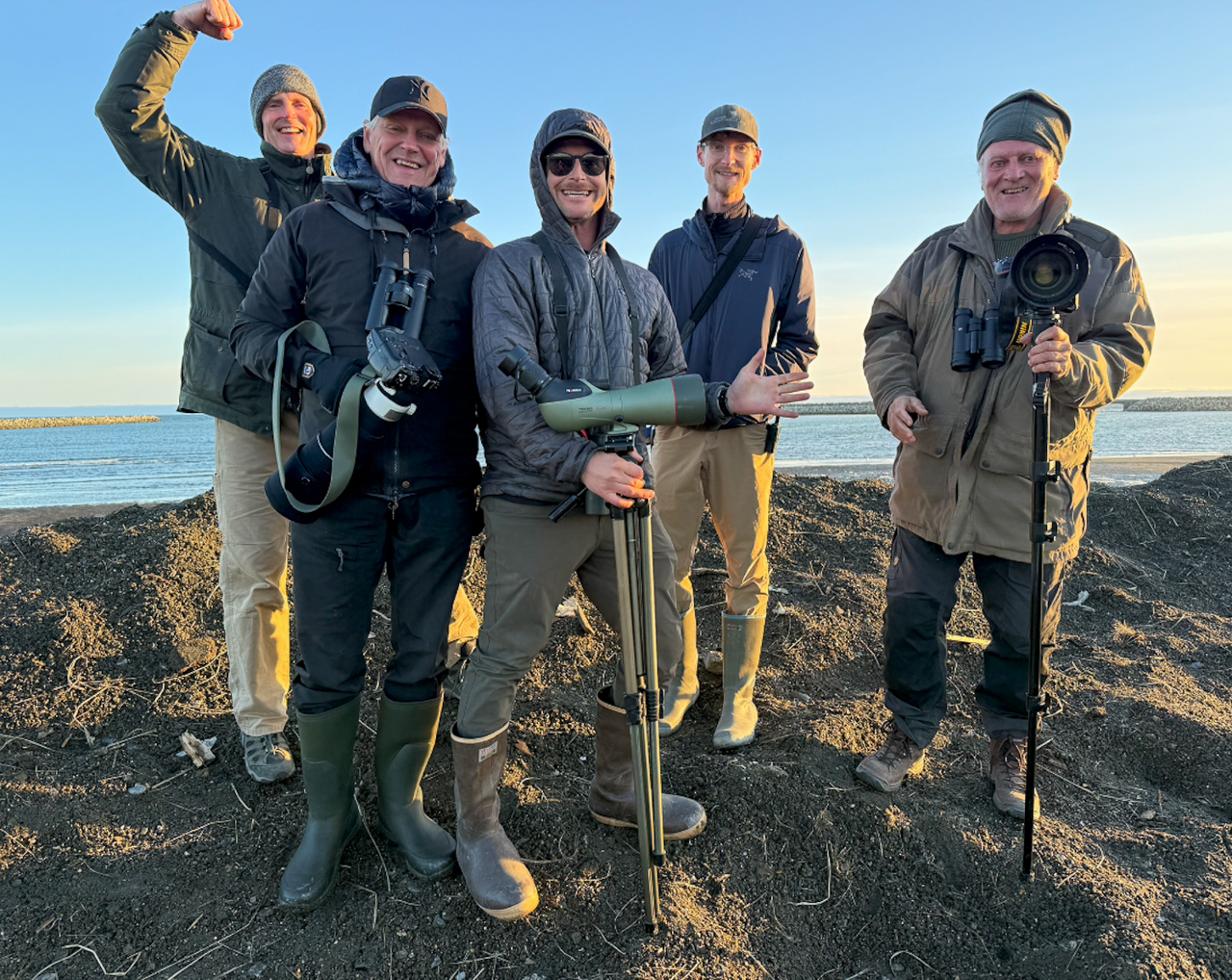
The vast and varied landscapes of Alaska served as the backdrop for a specialized 13-day ornithological expedition that concluded this June, providing a comprehensive survey of the state’s most elusive and iconic wildlife. Spanning from the subarctic forests of Anchorage to the windswept tundra of Nome and the extreme latitudes of Utqiaġvik (Barrow), the tour documented over 100 species of birds and several rare marine and terrestrial mammals. This expedition, led by expert guides including Benny Jacobs-Schwartz and Ben Stephens, highlighted the critical role of the Pacific Flyway and the unique Beringian ecosystems in supporting global avian populations during the peak of the breeding season.
The Geographic Scope and Ecological Significance of the Expedition
Alaska represents one of the most significant breeding grounds in the Northern Hemisphere. During the month of June, the region experiences nearly 24 hours of daylight, triggering a massive influx of migratory birds from as far away as South America, Asia, and Africa. The expedition was strategically designed to cover three distinct ecological zones: the Bering Sea coast and tundra of Nome, the temperate rainforests and marine fjords of the Kenai Peninsula, and the high Arctic environment of the North Slope.
The tour began in Anchorage, the state’s logistical hub, which sits at the confluence of the boreal forest and coastal marshlands. From there, the group traveled to Nome, a region famous among birders for its "Beringian" specialties—birds that are more common in Siberia than in the contiguous United States. The journey continued to the Kenai Peninsula, focusing on pelagic species and forest-dwelling passerines, before concluding in Utqiaġvik, the northernmost city in the United States, where the focus shifted to high Arctic sea ducks and shorebirds.
Phase I: Nome and the Beringian Tundra (June 10–14)
The expedition officially commenced on June 10 with a briefing in Anchorage before a morning flight to Nome on June 11. Nome is unique because it is not connected to the rest of Alaska by road; however, it features three distinct gravel roads—the Council, Teller, and Kougarok roads—that extend roughly 70 miles into the wilderness, offering unparalleled access to the tundra.
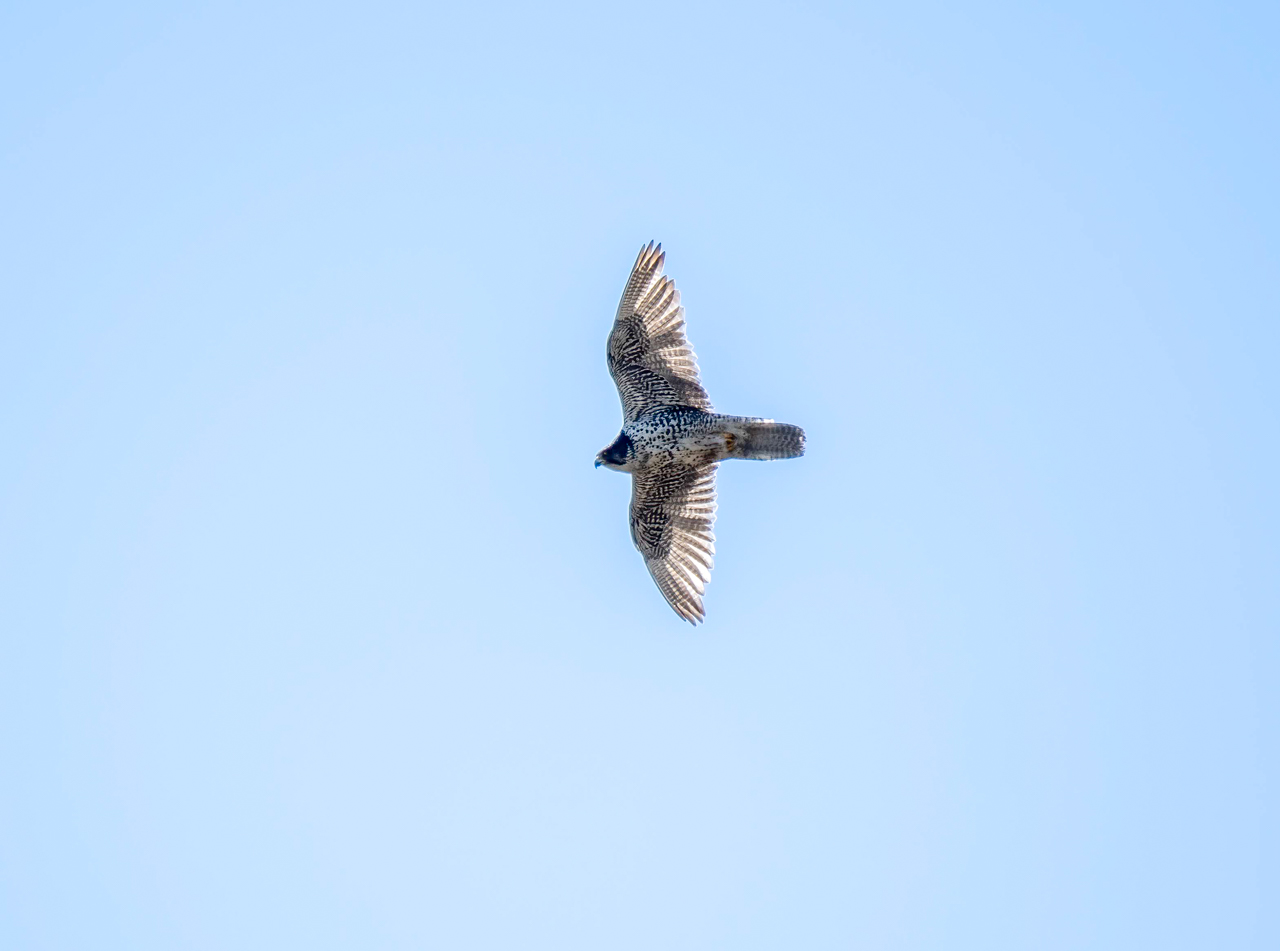
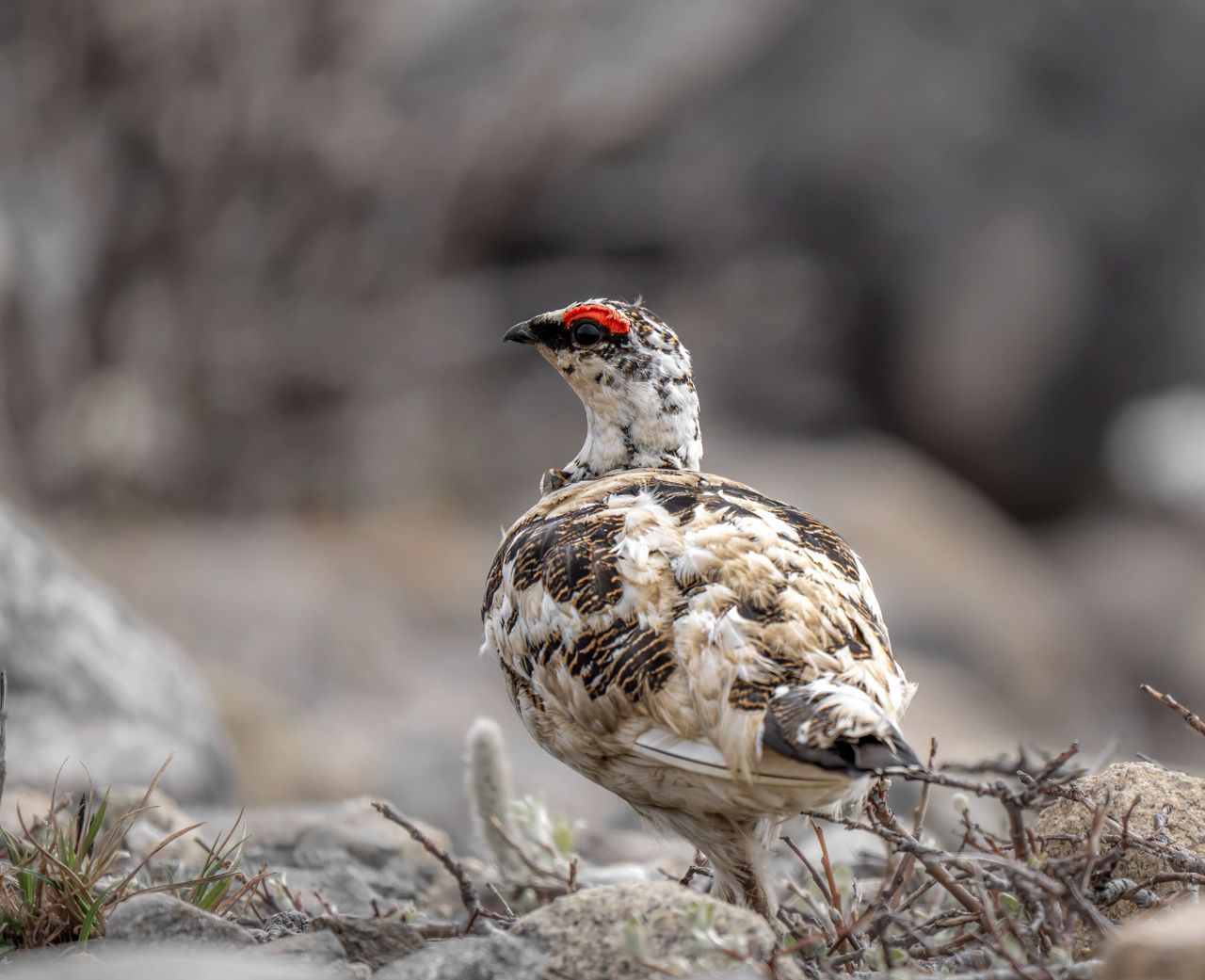
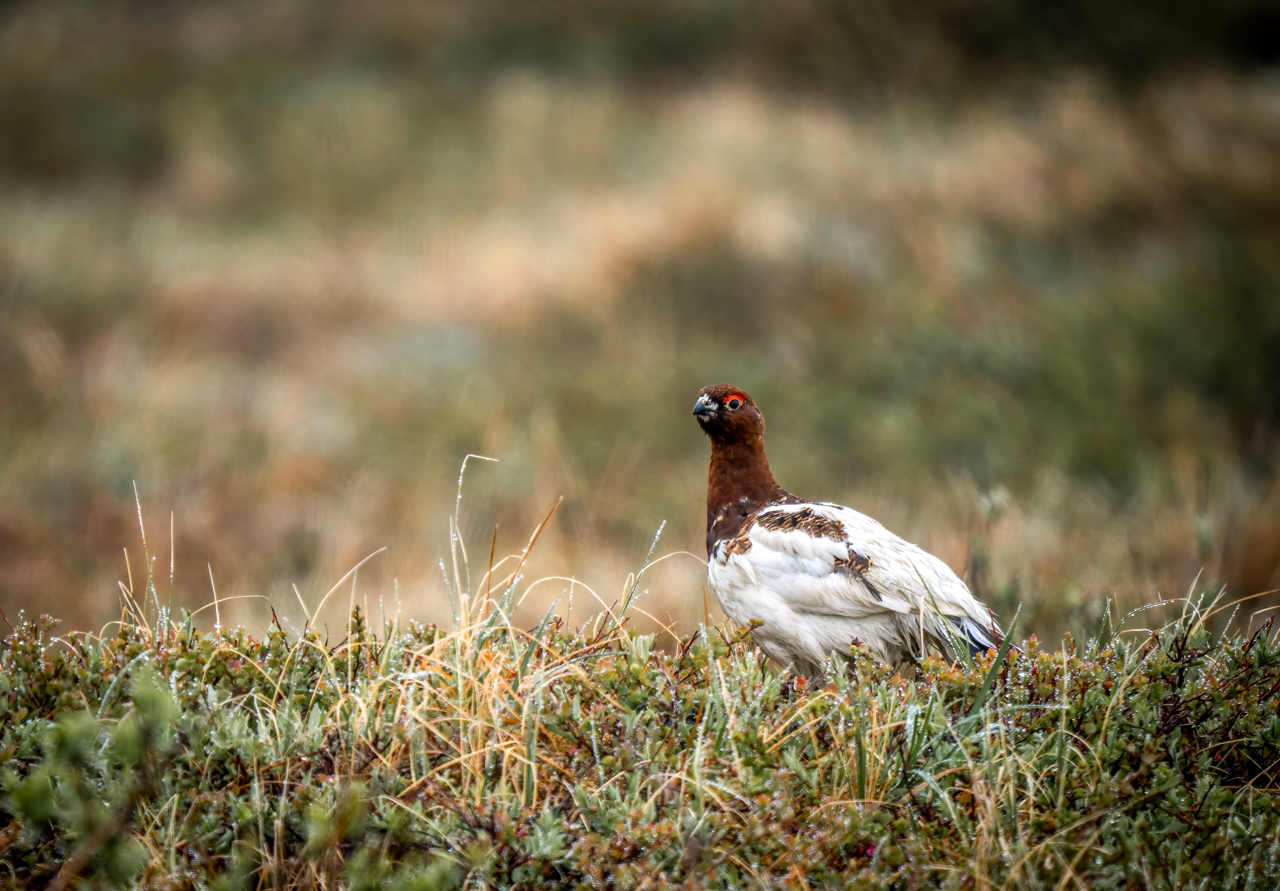
Upon arrival, the group immediately encountered Gray-cheeked Thrushes and Redpolls, species that utilize the utility wires of the town as singing perches. Moving inland to avoid coastal winds, the team visited a known breeding territory for the Gyrfalcon, the world’s largest falcon. Observations of this apex predator are a high priority for any Arctic expedition, as the species is a sensitive indicator of the health of local ptarmigan populations.
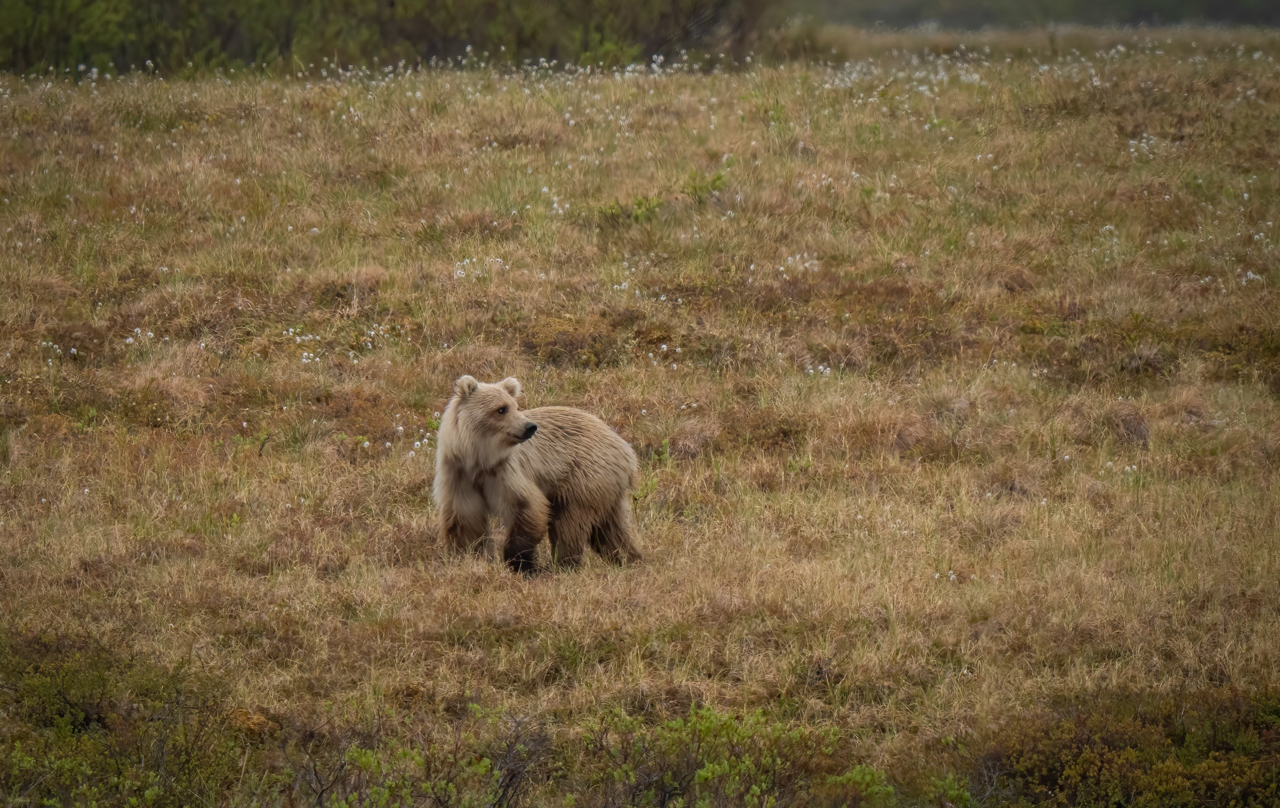
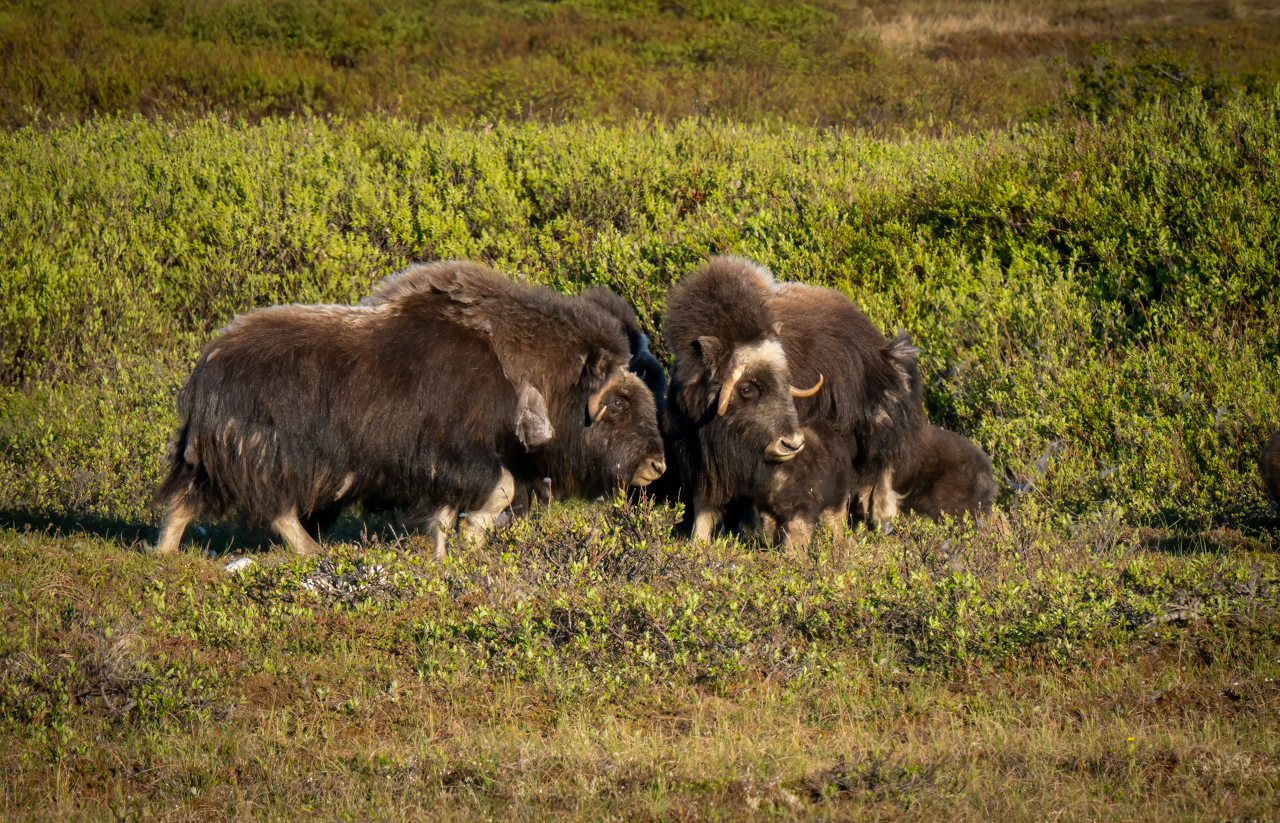
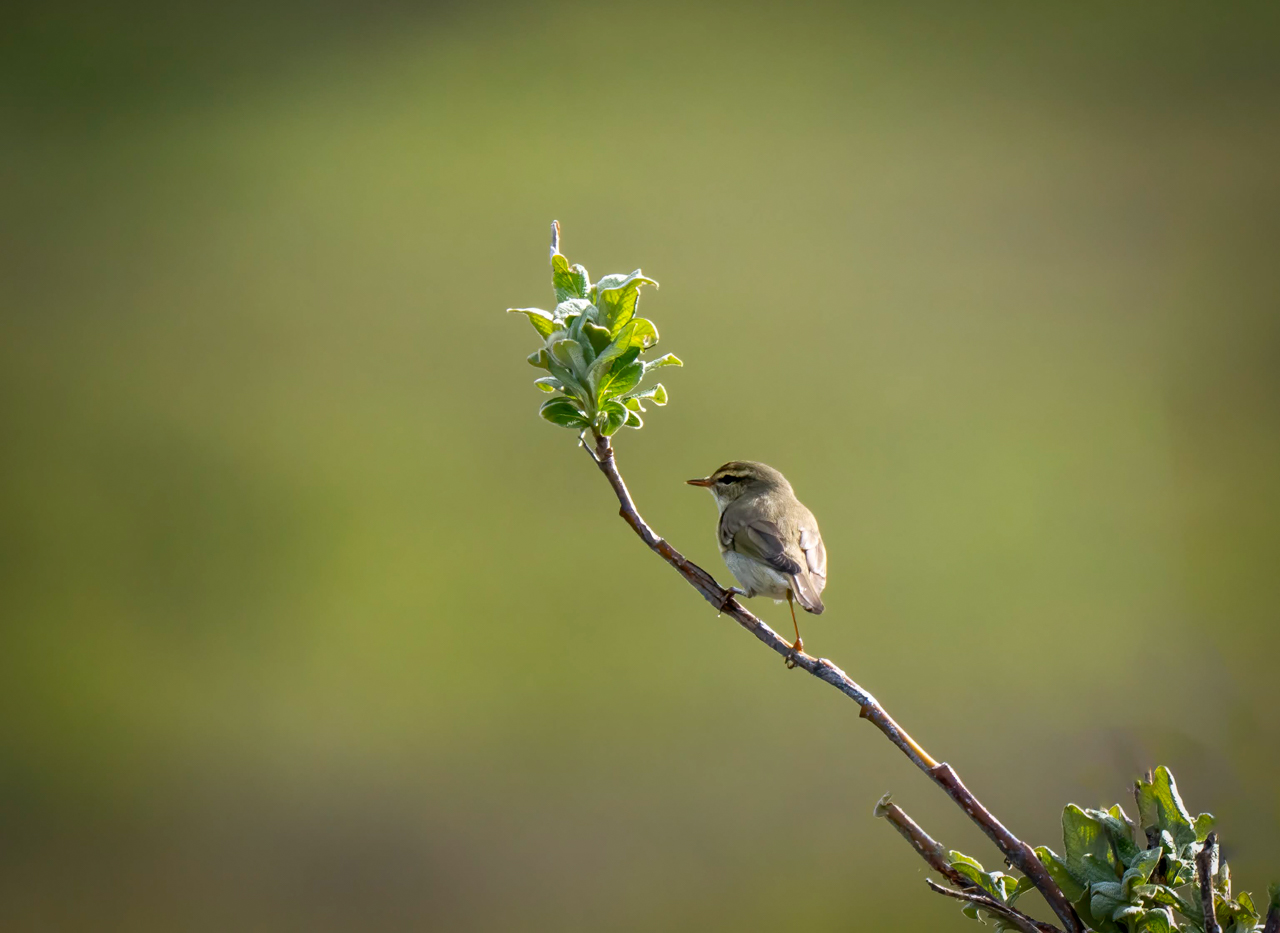
On June 12, the team explored the Kougarok Road, which traverses diverse habitats from willow thickets to rocky ridges. The day was marked by a significant encounter with a herd of Muskoxen, an Ice Age survivor that has successfully been reintroduced to the Seward Peninsula. Ornithological highlights included the Bluethroat, a stunning chat that migrates from Southeast Asia to breed in the Alaskan willow draws. The group also documented the Northern Waterthrush and five species of warblers: Blackpoll, Yellow, Orange-crowned, Wilson’s, and the Arctic Warbler.
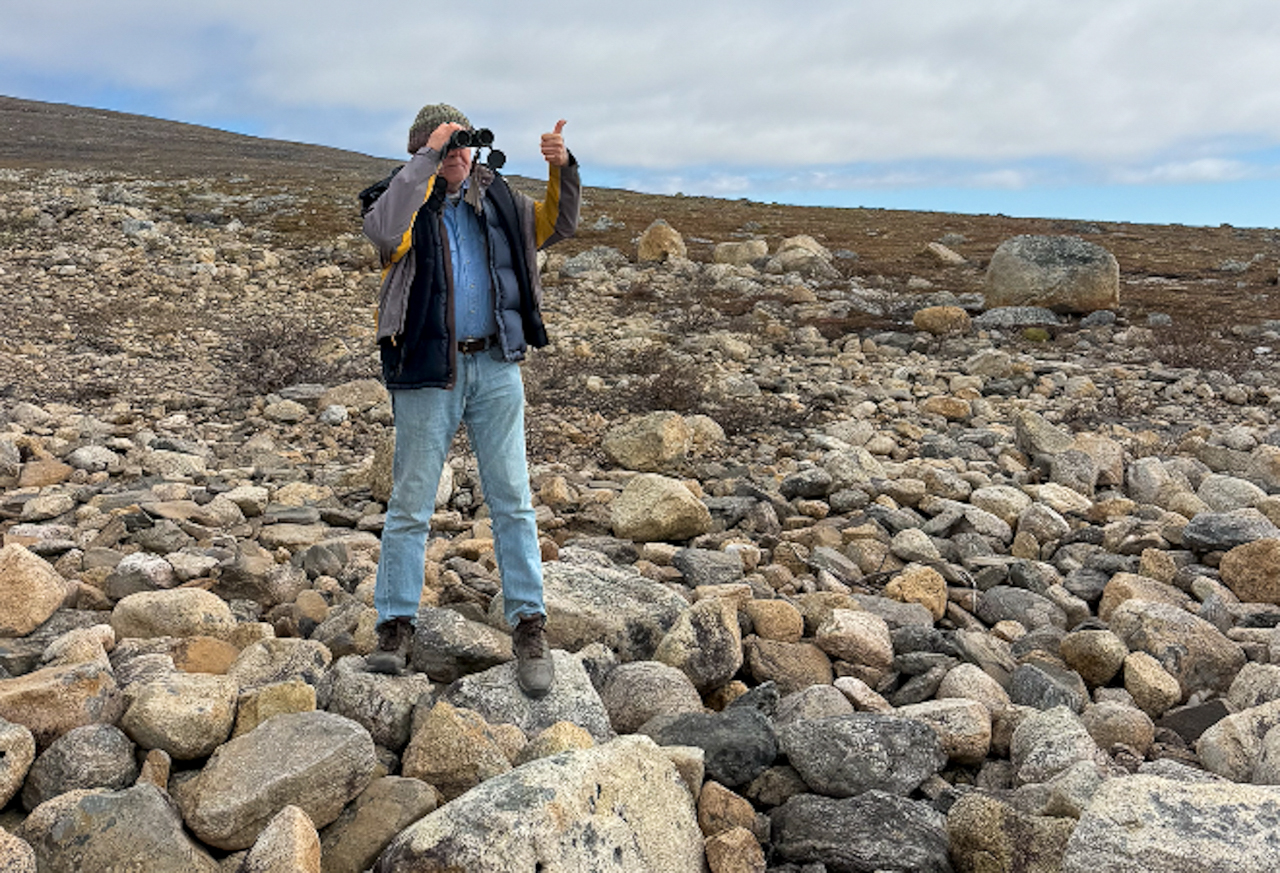
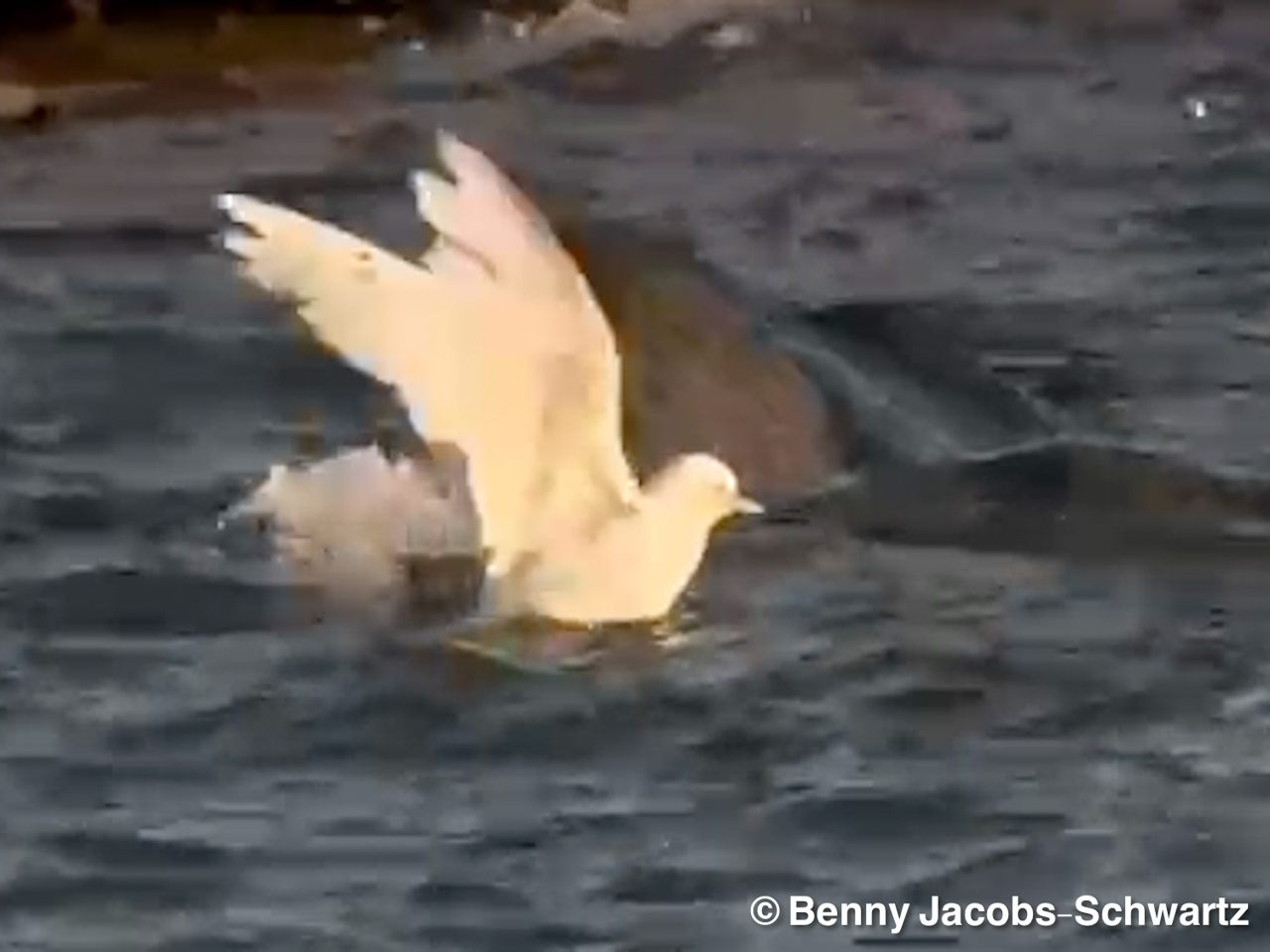
The most notable event of the Nome leg occurred late on the evening of June 12. Reports surfaced of an Ivory Gull—a legendary high-Arctic rarity—at the Nome harbor. Despite the late hour, a small contingent of the group successfully "twitched" the bird at 11:30 p.m. under the midnight sun. The Ivory Gull is rarely seen south of the pack ice, making this sighting a significant highlight of the entire tour.
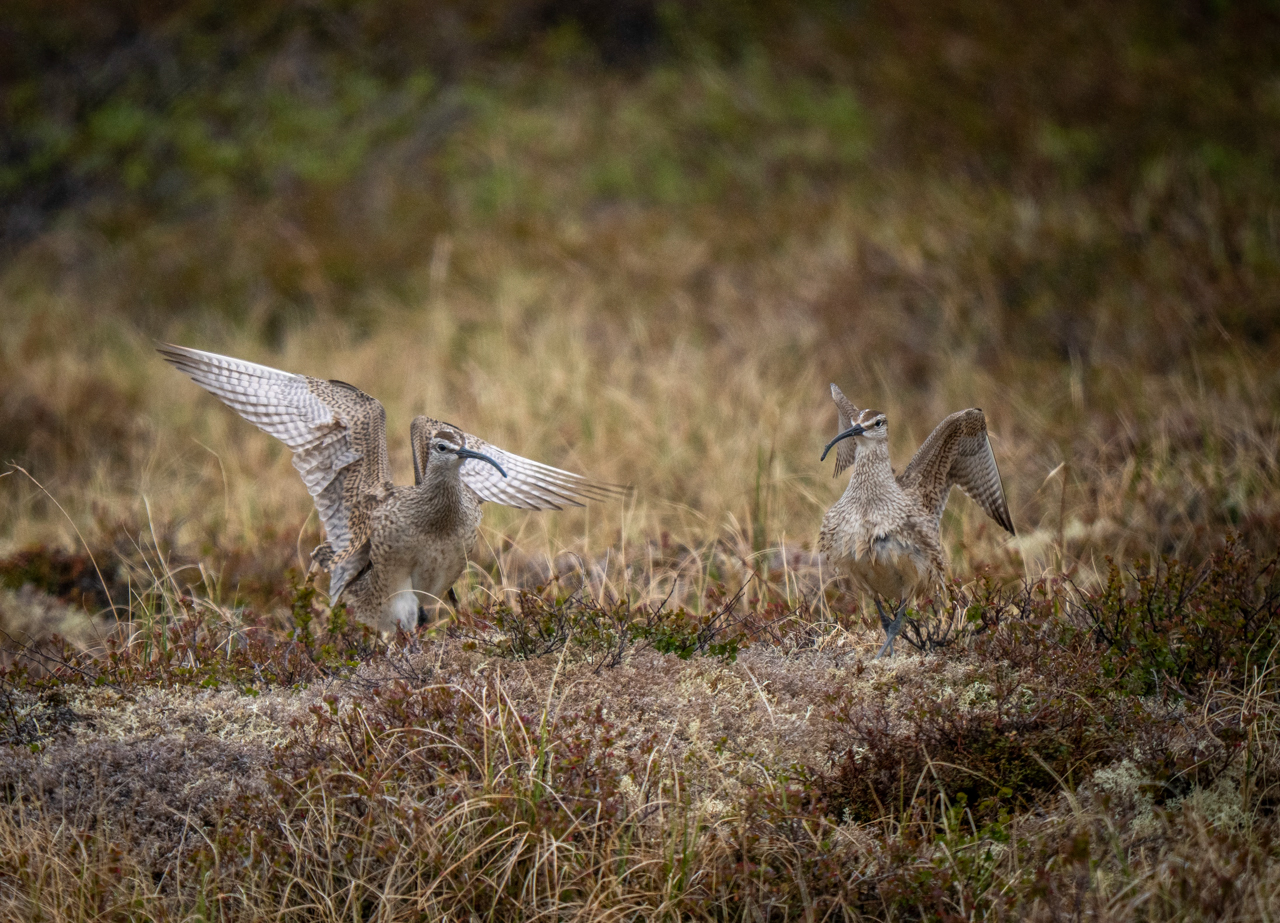
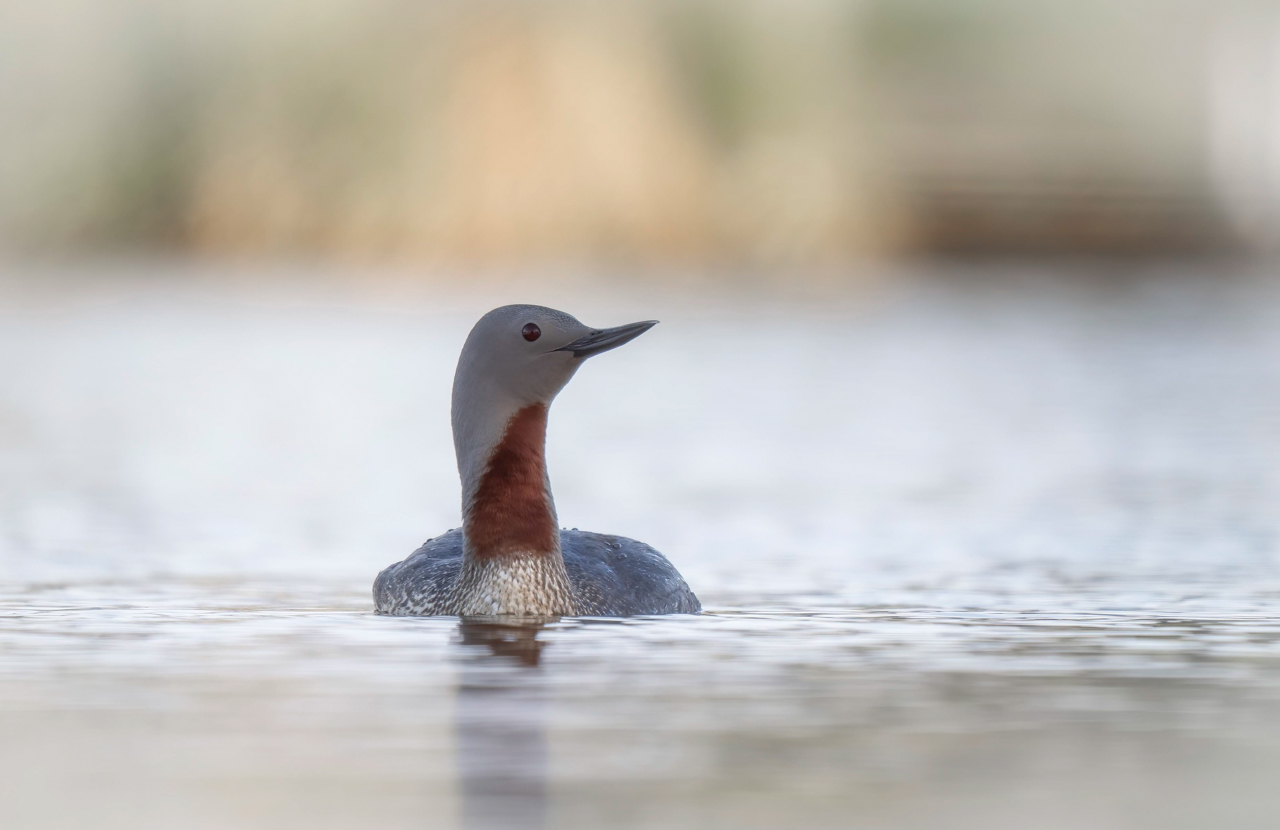
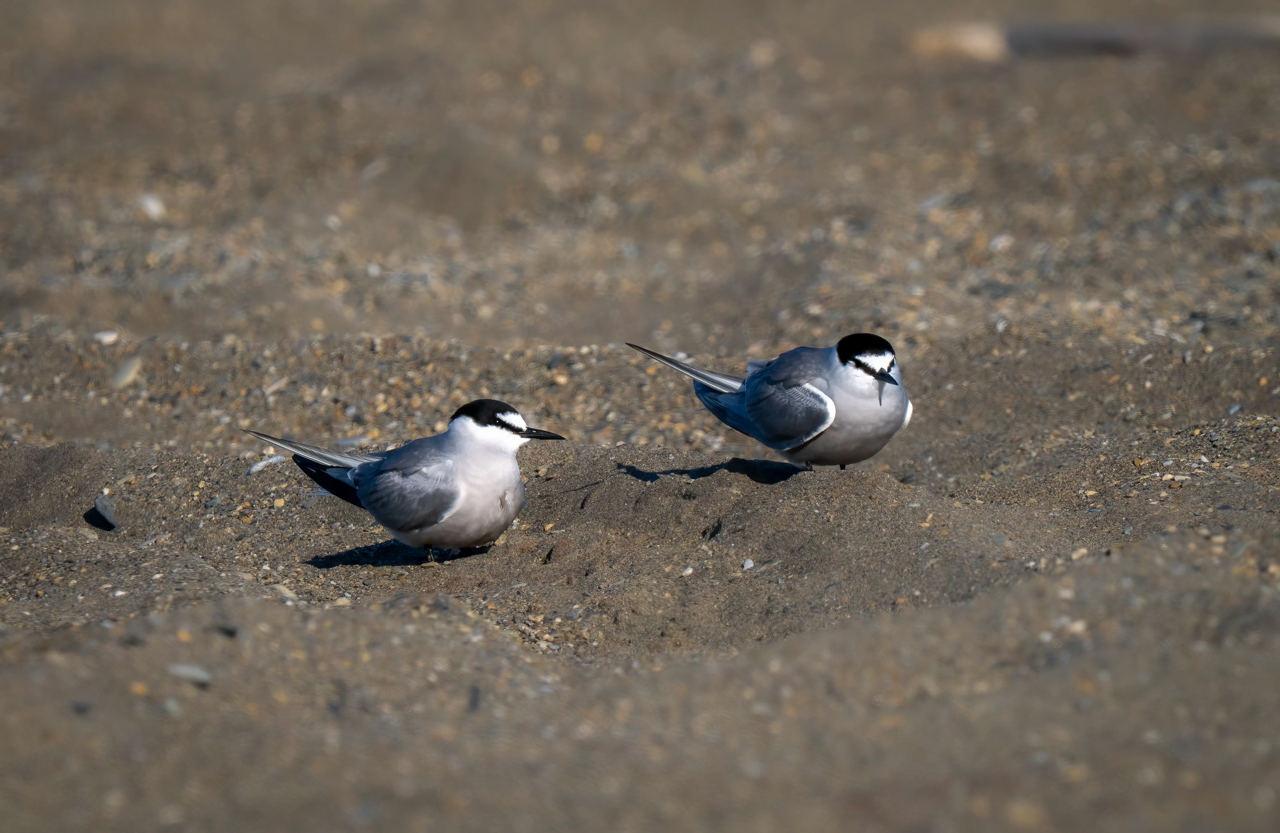
The final days in Nome (June 13–14) focused on coastal and riverine species. The group observed Aleutian Terns, which are currently a species of high conservation concern due to mysterious population declines. Other coastal sightings included the Pacific Loon, Common Eider, and the nomadic Brant (Black).
Phase II: The Kenai Peninsula and Marine Biodiversity (June 15–17)
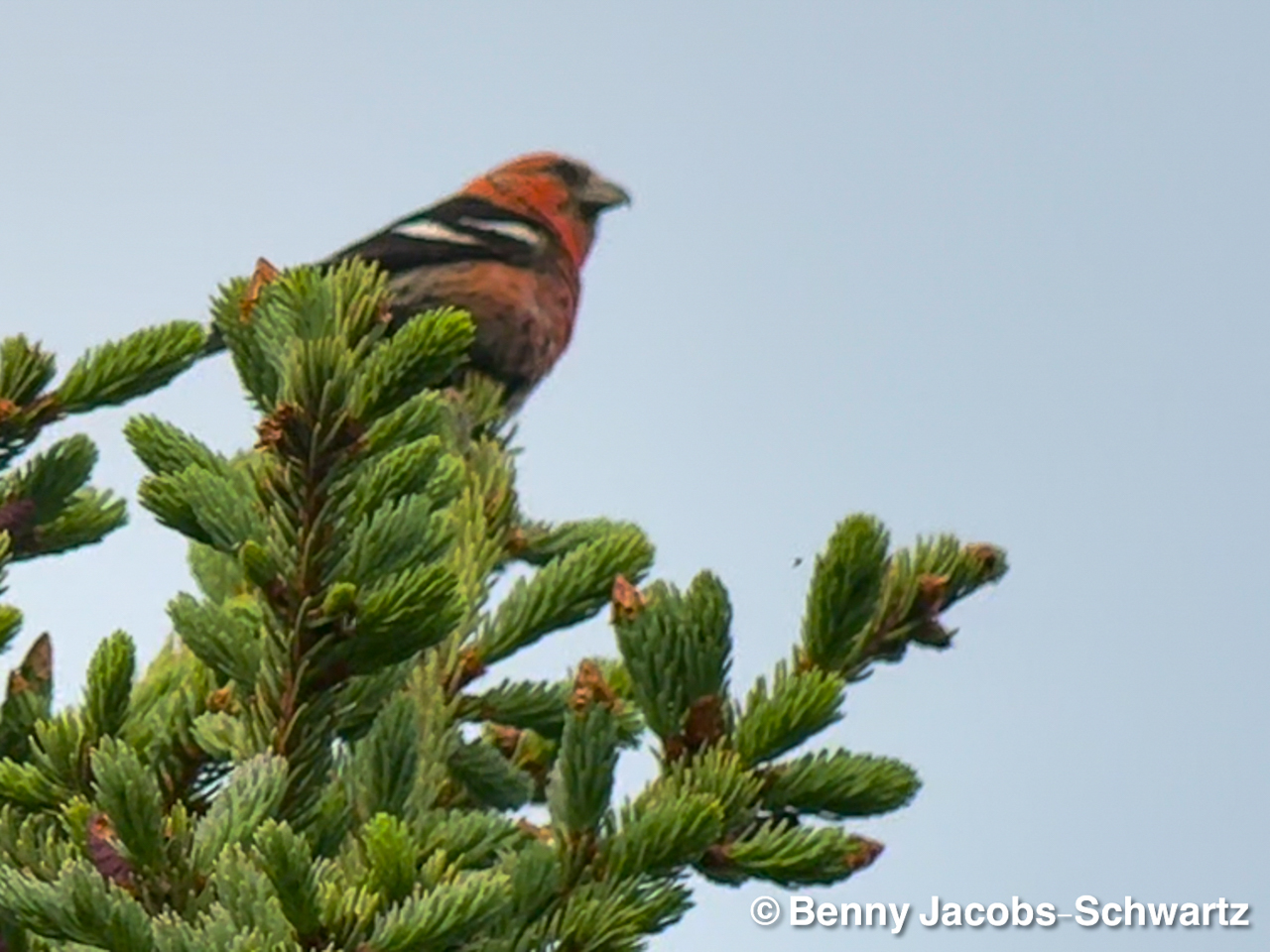
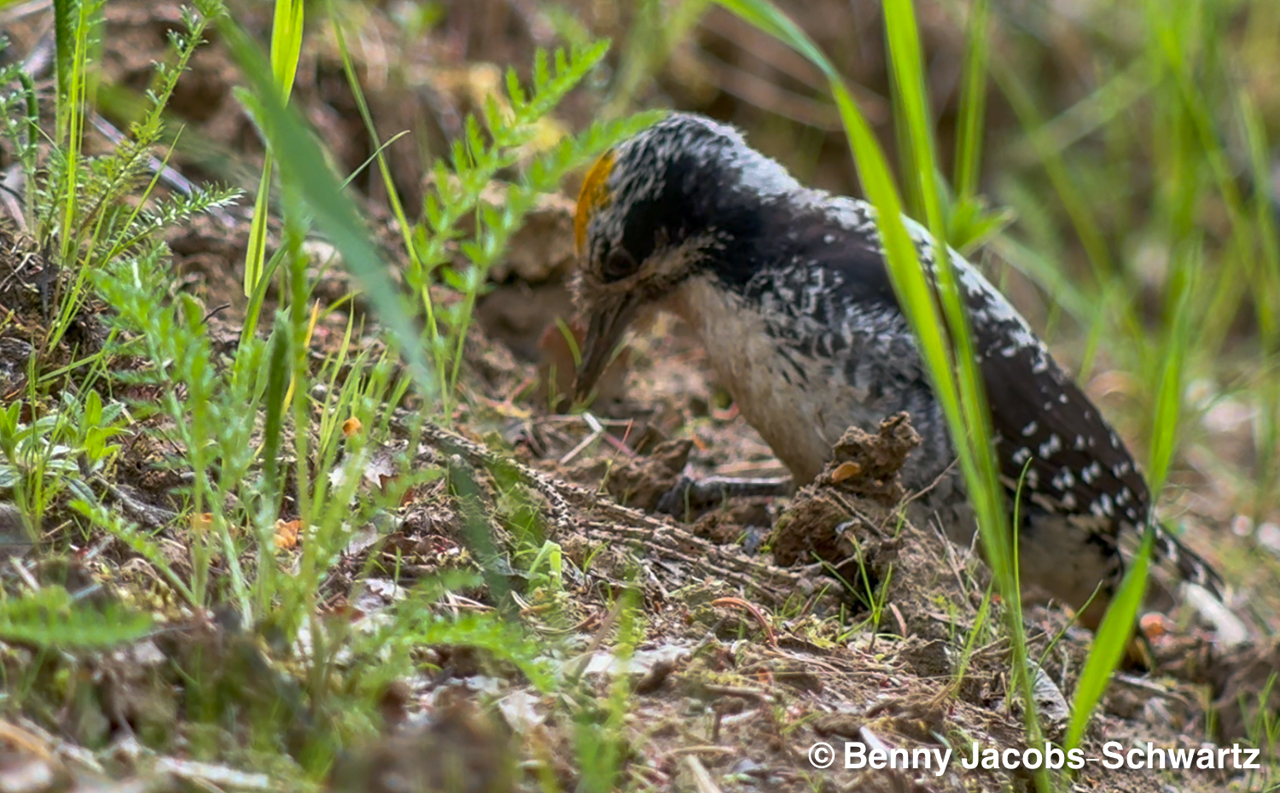
On June 15, the expedition transitioned south to the Kenai Peninsula. This region offers a stark contrast to the Seward Peninsula, characterized by lush Sitka spruce and hemlock forests. Birding in the boreal forests around Anchorage and Seward produced a different suite of species, including the American Three-toed Woodpecker and a nomadic flock of White-winged Crossbills. The group also successfully located the Varied Thrush, known for its haunting, ethereal song, and the Townsend’s Warbler.
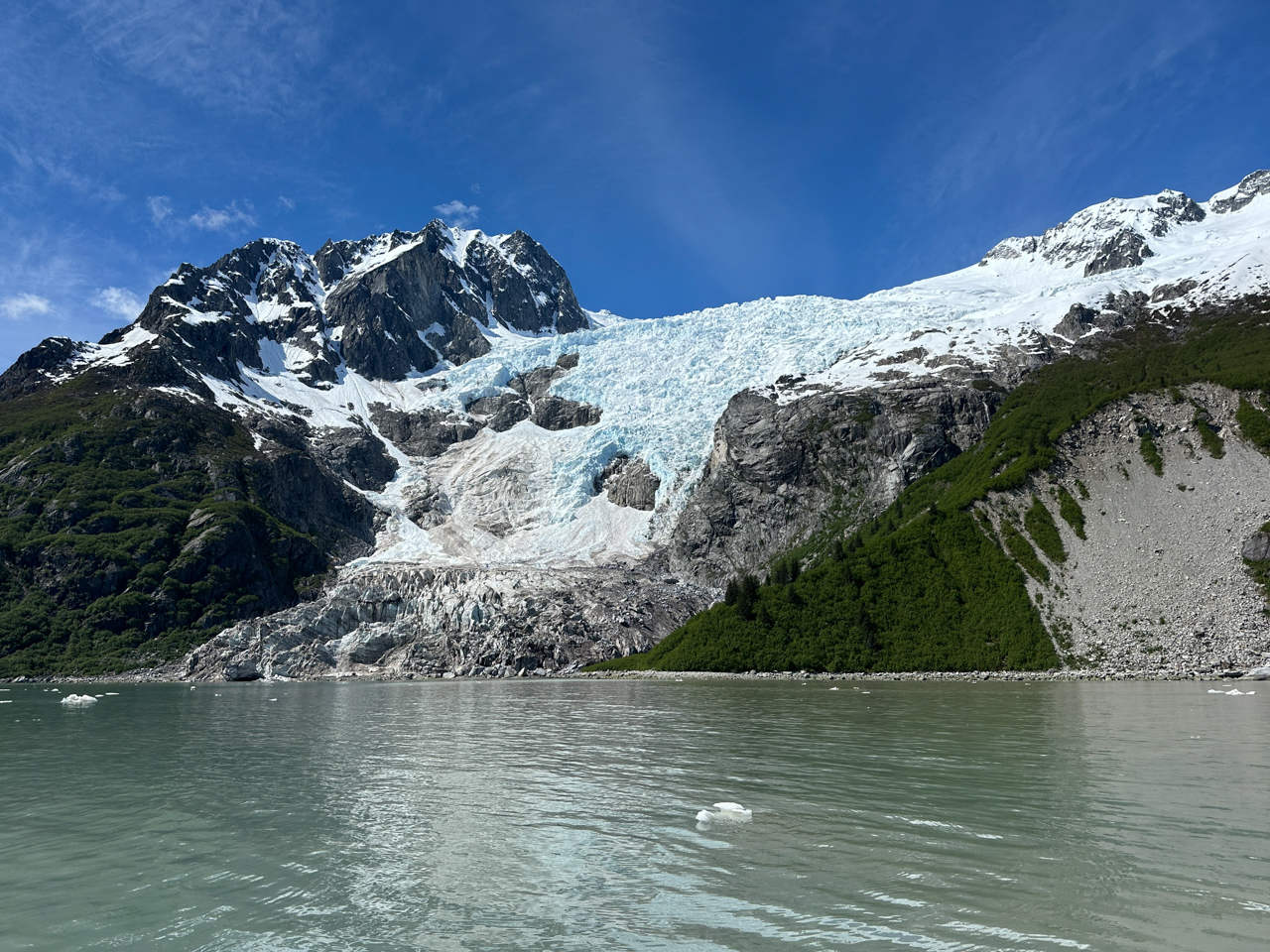
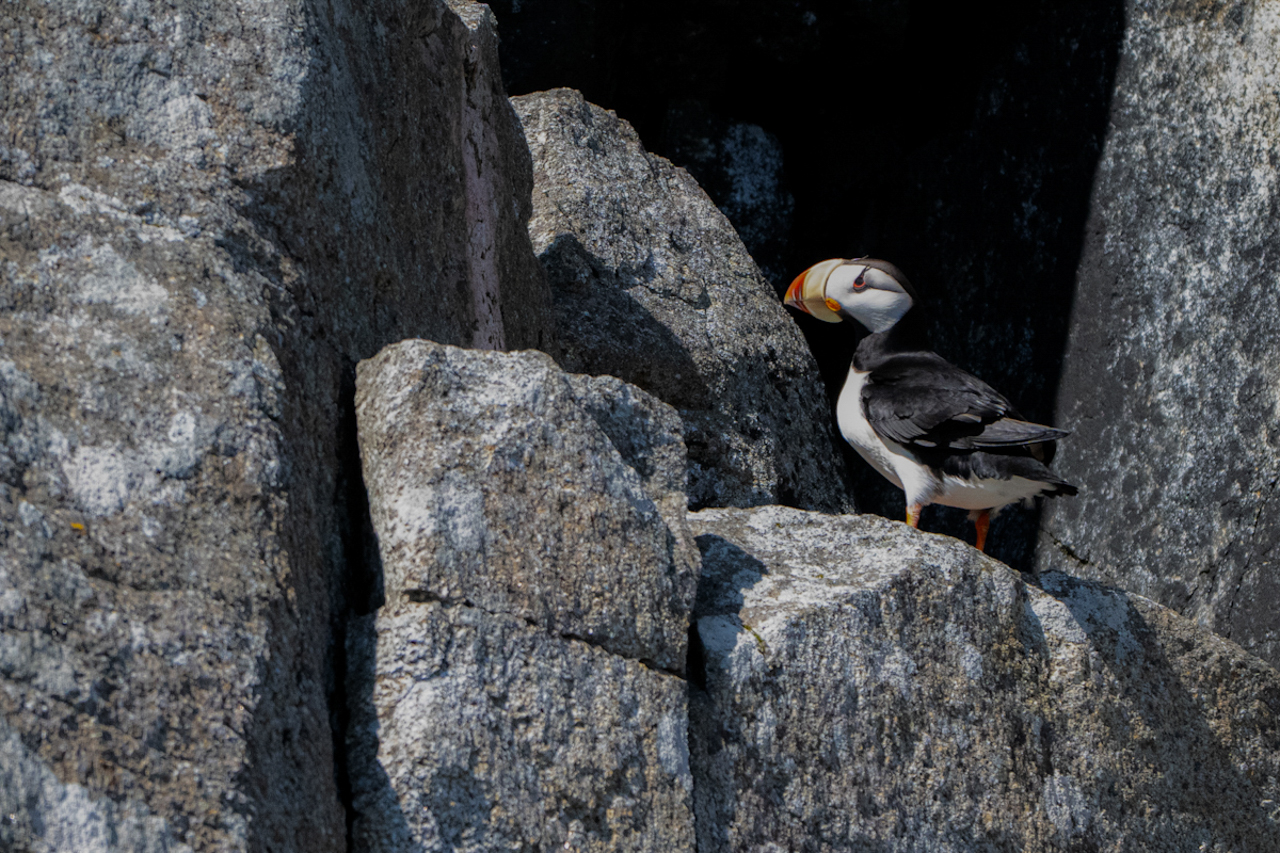
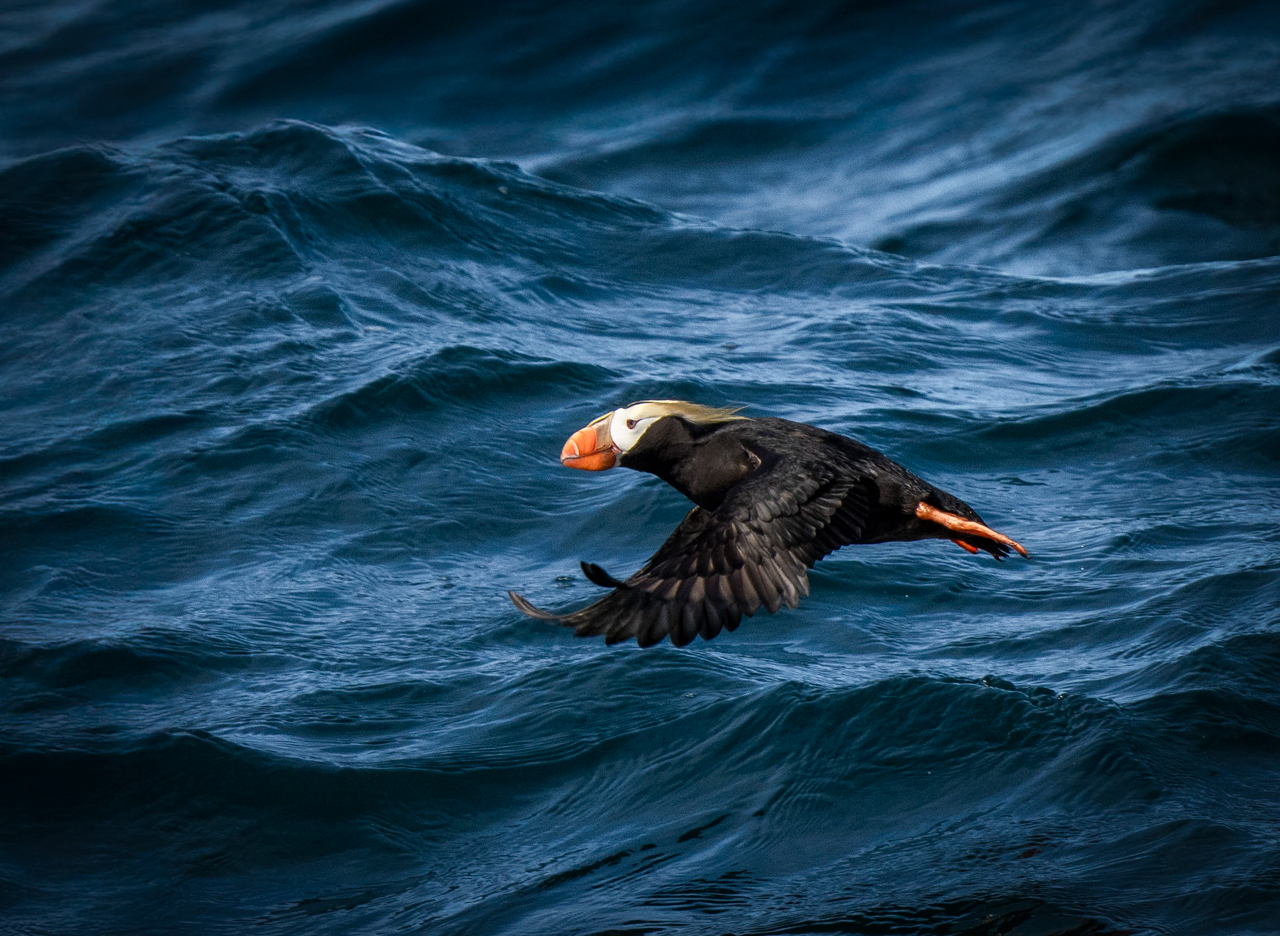
The centerpiece of the Kenai leg was a dedicated wildlife cruise into Kenai Fjords National Park on June 16. Marine conditions were exceptionally calm, allowing for clear observations of "alcids"—a family of wing-propelled diving birds. The group recorded both Horned and Tufted Puffins, as well as several rarer species:
- Kittlitz’s Murrelet: A glacial specialist that nests on scree slopes near retreating glaciers.
- Ancient Murrelet: A small, elusive seabird of the North Pacific.
- Parakeet Auklet: Identified by its unique upward-turned orange bill.
The marine excursion also provided sightings of the "Big Three" of Alaskan marine mammals: Fin Whales, Humpback Whales, and Steller’s Sea Lions, alongside Sea Otters and Harbor Seals. The day concluded with a sighting of a Coastal Mountain Goat on the steep cliffs of the fjords.
Phase III: Utqiaġvik and the High Arctic (June 18–21)
The final phase of the tour took the participants north of the Arctic Circle to Utqiaġvik (formerly Barrow). In this environment, the ground remains permanently frozen (permafrost), and the landscape is dotted with "thaw lakes" that provide essential breeding habitat for rare waterfowl.
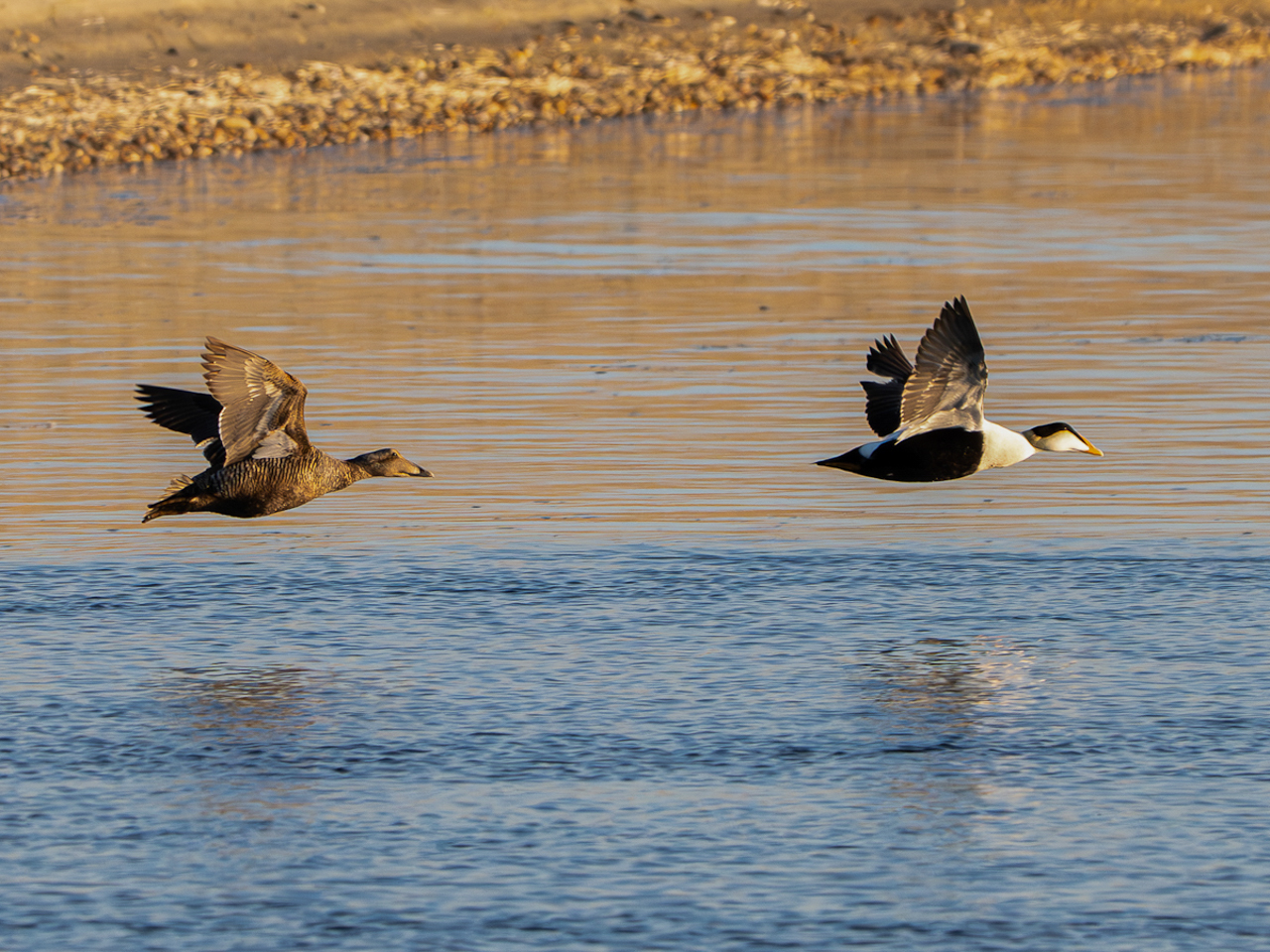
The primary targets in Utqiaġvik were the four species of eiders. The expedition was remarkably successful, securing views of:
- King Eider: Noted for its elaborate multicolored bill.
- Spectacled Eider: A threatened species with distinctive "goggles" around its eyes.
- Steller’s Eider: The smallest and rarest of the four, currently listed as threatened in the U.S.
- Common Eider: The largest of the group, found along the gravel spits.
The tundra surrounding Utqiaġvik also serves as a critical nesting site for shorebirds and predatory jaegers. The group observed Pomarine, Parasitic, and Long-tailed Jaegers, as well as the American Golden-Plover and the Pectoral Sandpiper. A major highlight on June 19 and 20 was the sighting of several Ruffs—a Eurasian shorebird that is a rare but regular visitor to northern Alaska.
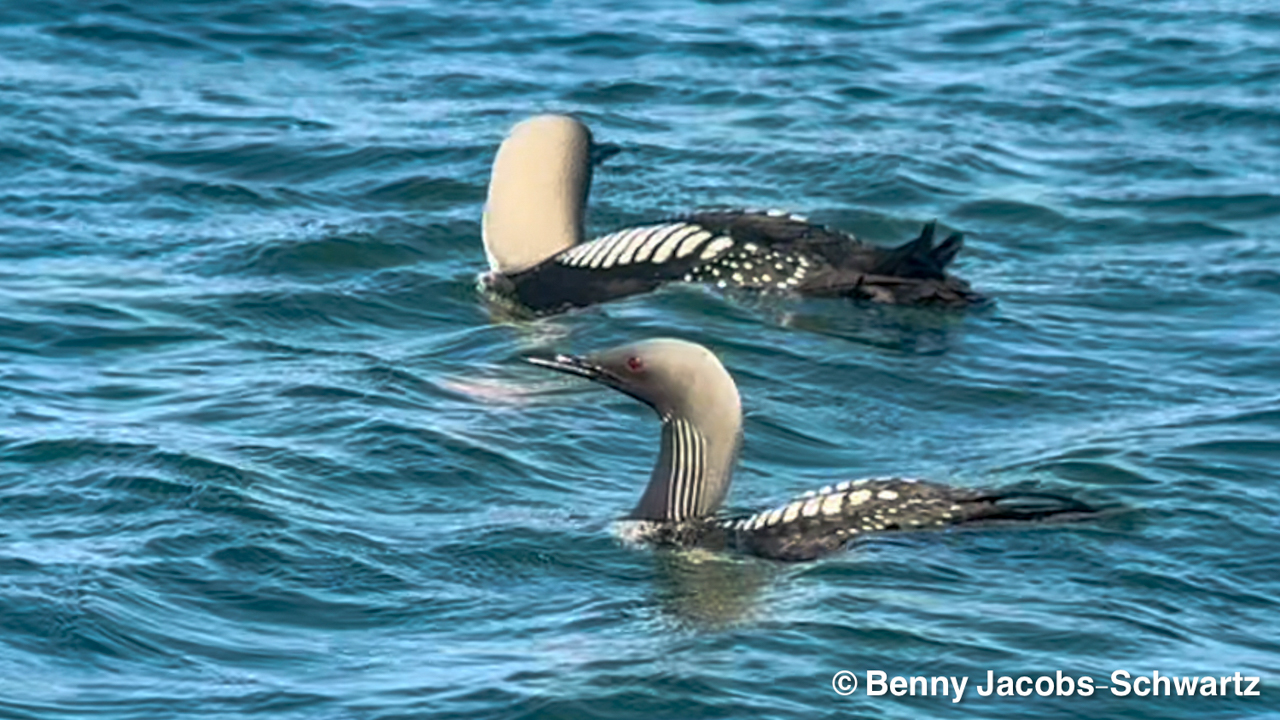
The expedition concluded with a final seawatch on June 21. While the elusive Yellow-billed Loon remained out of sight, the group reflected on a highly successful tally of species before returning to Anchorage for a farewell dinner.
Supporting Data and Population Trends
The species documented during this tour reflect the broader health of the Alaskan ecosystem. For instance, the consistent sightings of Muskoxen near Nome suggest a stable population on the Seward Peninsula, where they have thrived since their reintroduction in 1970. Conversely, the high interest in the Aleutian Tern and Steller’s Eider highlights the ongoing conservation efforts required to protect these vulnerable populations from habitat loss and changes in prey availability due to warming sea temperatures.
The "twitching" of the Ivory Gull is particularly significant for citizen science databases like eBird. Ivory Gulls are highly dependent on sea ice, and their presence in a harbor like Nome is often indicative of shifting ice patterns in the Chukchi Sea. Documentation by expert birding groups provides valuable data points for ornithologists tracking the movement of these "ice-obligate" species.
Expert Perspectives and Economic Impact
Guides Benny Jacobs-Schwartz and Ben Stephens emphasized the educational component of the tour, focusing not just on "listing" birds but on understanding their life histories and the challenges they face in a rapidly changing climate. According to industry reports, ecotourism and birding contribute significantly to the Alaskan economy, particularly in remote areas like Nome and Utqiaġvik, where tourism provides a vital seasonal influx of revenue for local hotels, transport services, and restaurants.
Participants noted the logistical precision required to navigate Alaska’s weather and geography. The success of the "midnight gull" sighting and the calm seas in Kenai Fjords were attributed to both luck and the guides’ ability to adapt the itinerary to real-time conditions.
Broader Implications and Conclusion
The 13-day Alaska Birding Tour serves as a snapshot of the state’s immense biological wealth. From the predatory Gyrfalcon on the rocky outcrops of Nome to the delicate Bluethroat in the willows, each species plays a role in the intricate web of the Arctic and Subarctic.
As the expedition concluded on June 22, the data gathered and the photographs captured by members like Joakim Ed and Jim Rowoth contribute to the ongoing narrative of Alaskan conservation. In an era where many avian populations are in decline globally, the presence of these species in their ancestral breeding grounds remains a beacon of hope for conservationists and nature enthusiasts alike. The tour underscores the necessity of preserving these vast, roadless tracts of wilderness to ensure that the "Last Frontier" continues to be a sanctuary for the world’s most remarkable migratory travelers.
