

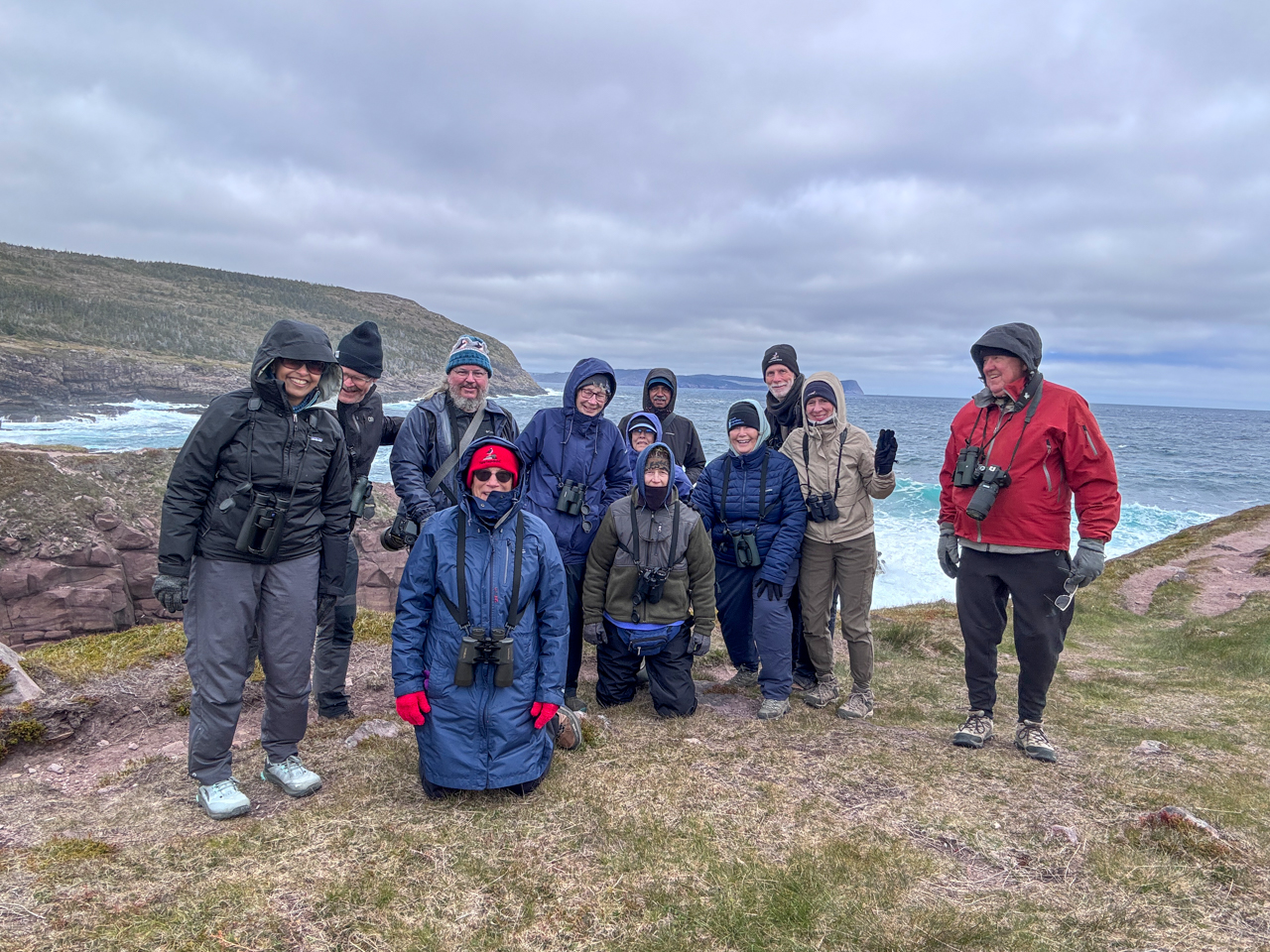
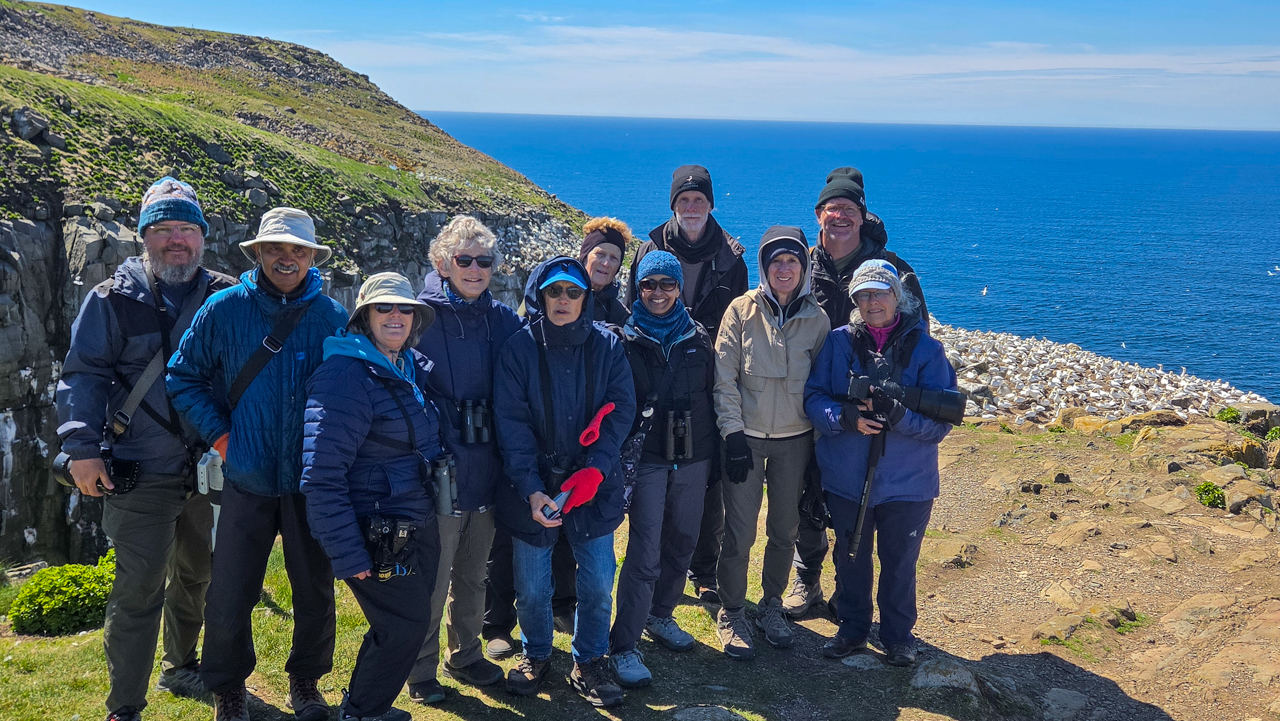
A comprehensive 12-day biological survey and ecotourism expedition across the island of Newfoundland has concluded, documenting an impressive 114 bird species and 10 distinct mammal species. The journey, which spanned from the easternmost point of North America at Cape Spear to the ancient geological formations of Gros Morne National Park in the west, provides a detailed snapshot of the province’s current ecological health and its standing as a premier destination for avian research and nature-based tourism.
Newfoundland and Labrador, often referred to as the "Galapagos of the North" by naturalists, occupies a unique position in the North Atlantic. Its isolation from the mainland has resulted in distinct subspecies and a landscape that serves as a critical nesting ground for millions of pelagic birds. The recent expedition sought to observe these populations while documenting the intersection of the island’s rugged geography with its historical and cultural landmarks.
The Eastern Gateway: St. John’s and the Witless Bay Ecosystem
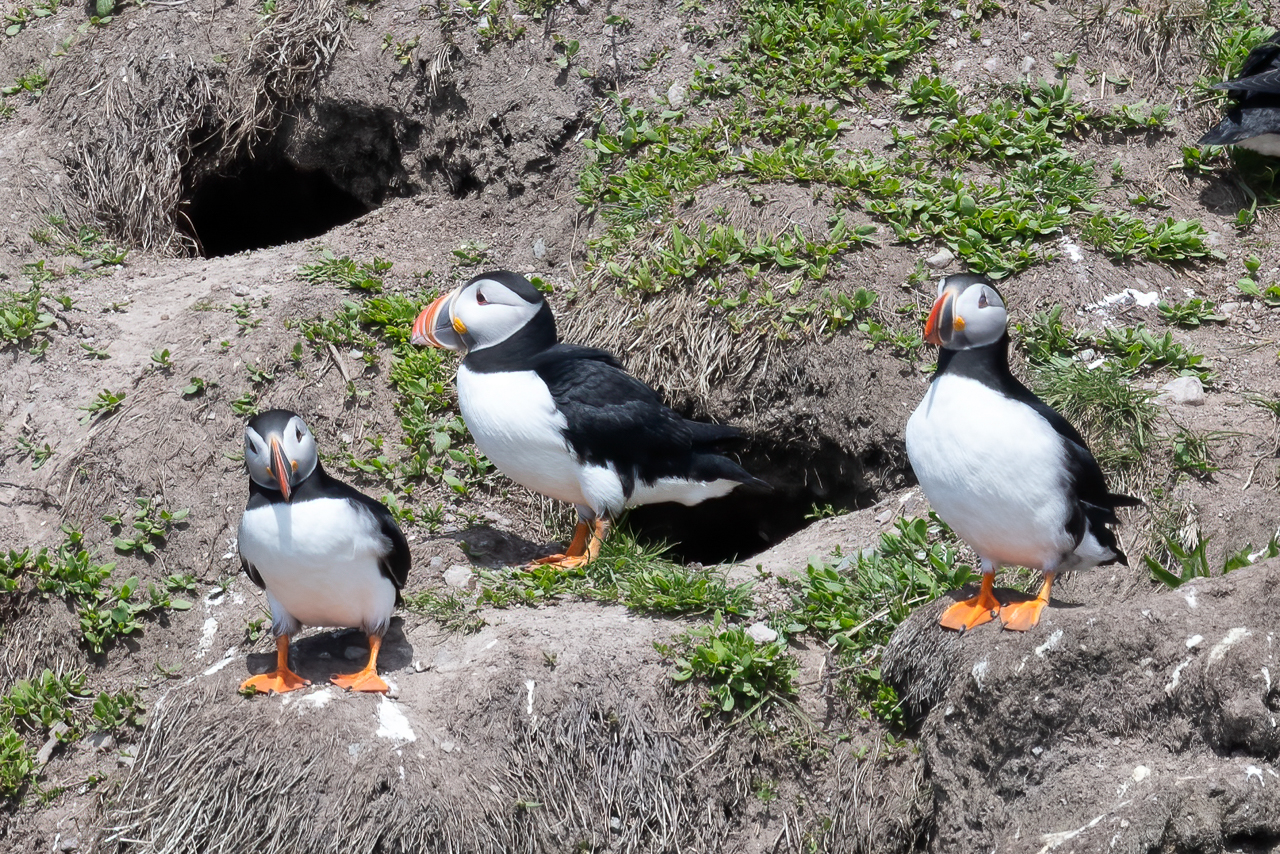
The expedition commenced in St. John’s, North America’s oldest city, which served as the base for exploring the Avalon Peninsula. The initial phase of the survey focused on the Witless Bay Ecological Reserve, a protected marine area comprising four islands: Gull, Green, Great, and Pee Pee. This reserve is home to the largest Atlantic Puffin colony in North America, with over 260,000 pairs nesting there annually.
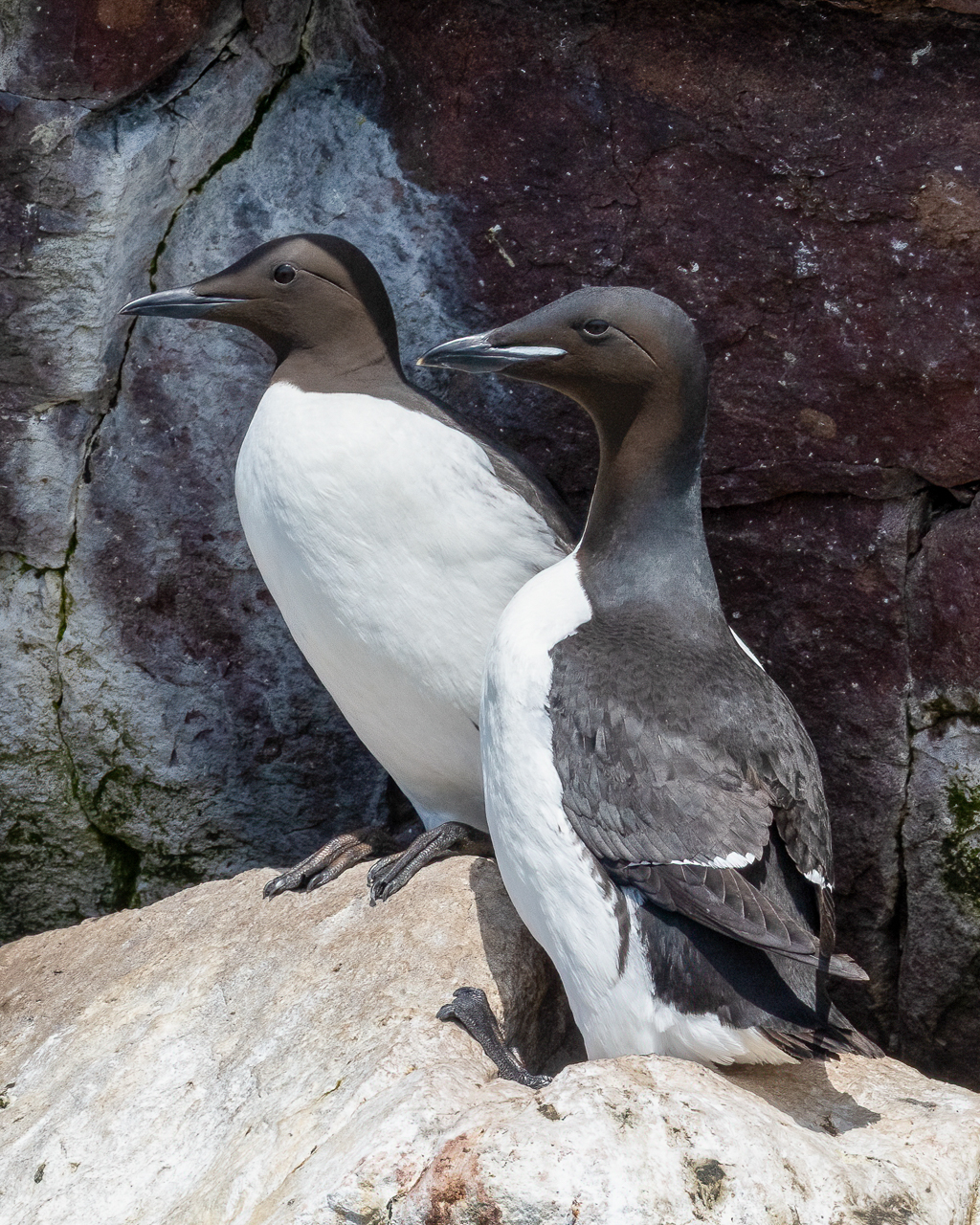
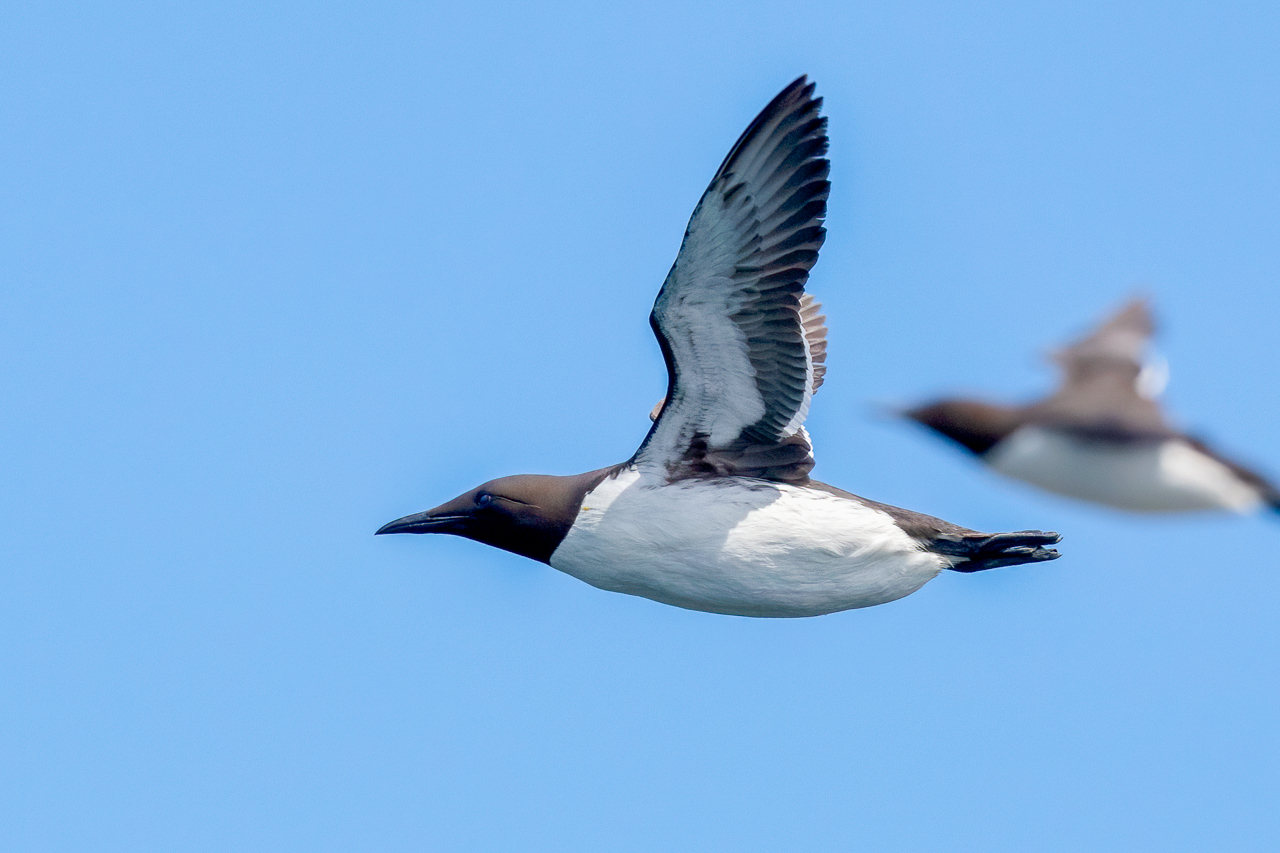
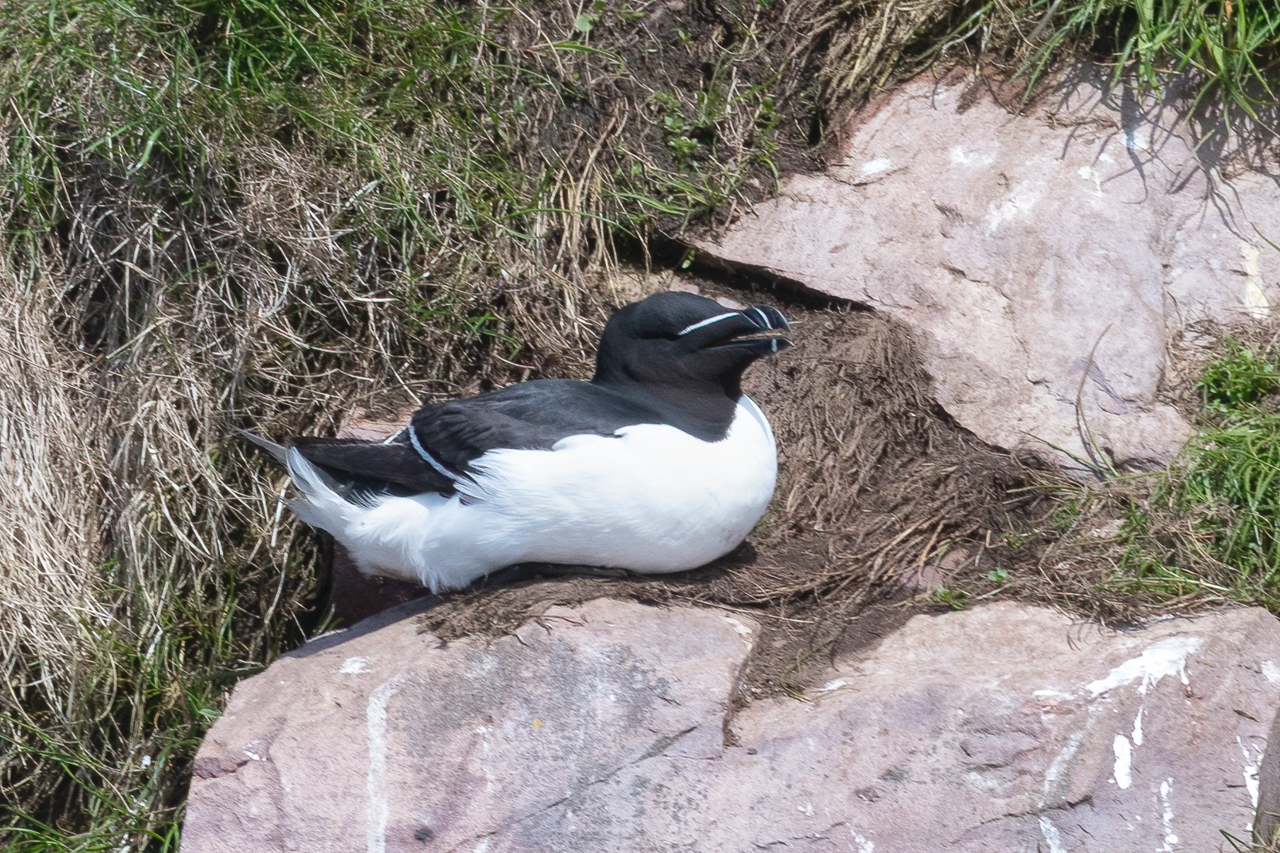
Observers on the expedition recorded over 45,000 individual birds during a single marine transit. This included approximately 10,000 Atlantic Puffins (Fratercula arctica), 10,000 Black-legged Kittiwakes (Rissa tridactyla), and 25,000 Common Murres (Uria aalge). These figures align with historical data provided by the Department of Fisheries and Land Resources, though they underscore the high density of the Witless Bay colony during the peak June breeding season.
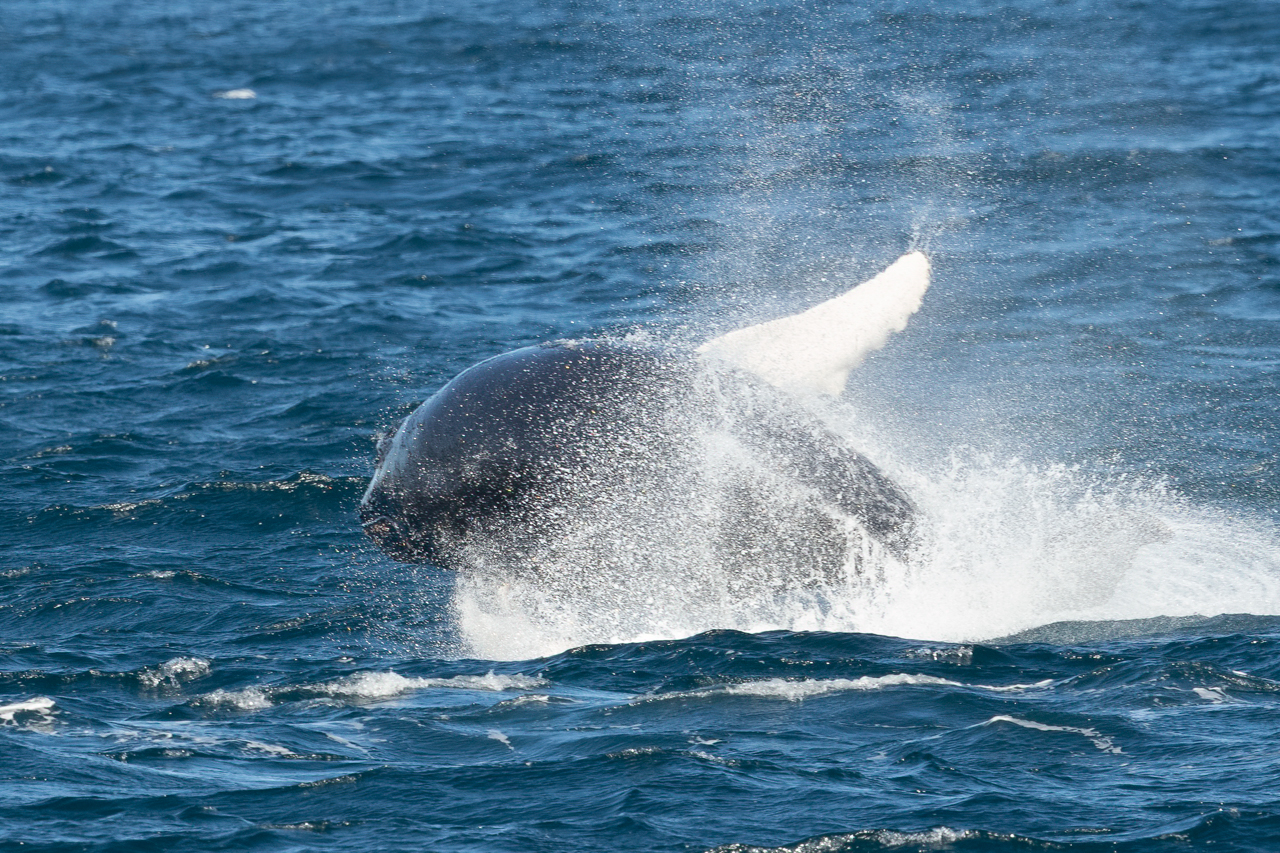
Beyond avian life, the marine survey documented significant megafauna activity. Humpback Whales (Megaptera novaeangliae) were observed breaching in the vicinity of the bird colonies, a behavior often linked to the "capelin run"—the annual arrival of small smelt-like fish that serve as a primary food source for both whales and seabirds.
Historical Context and Avian Vagrancy
The survey extended to Cape Spear and Signal Hill, sites of immense historical significance that also provide vantage points for pelagic observation. Cape Spear, home to the oldest surviving lighthouse in the province (built in 1836), allowed the group to log Great Shearwaters and Sooty Shearwaters.
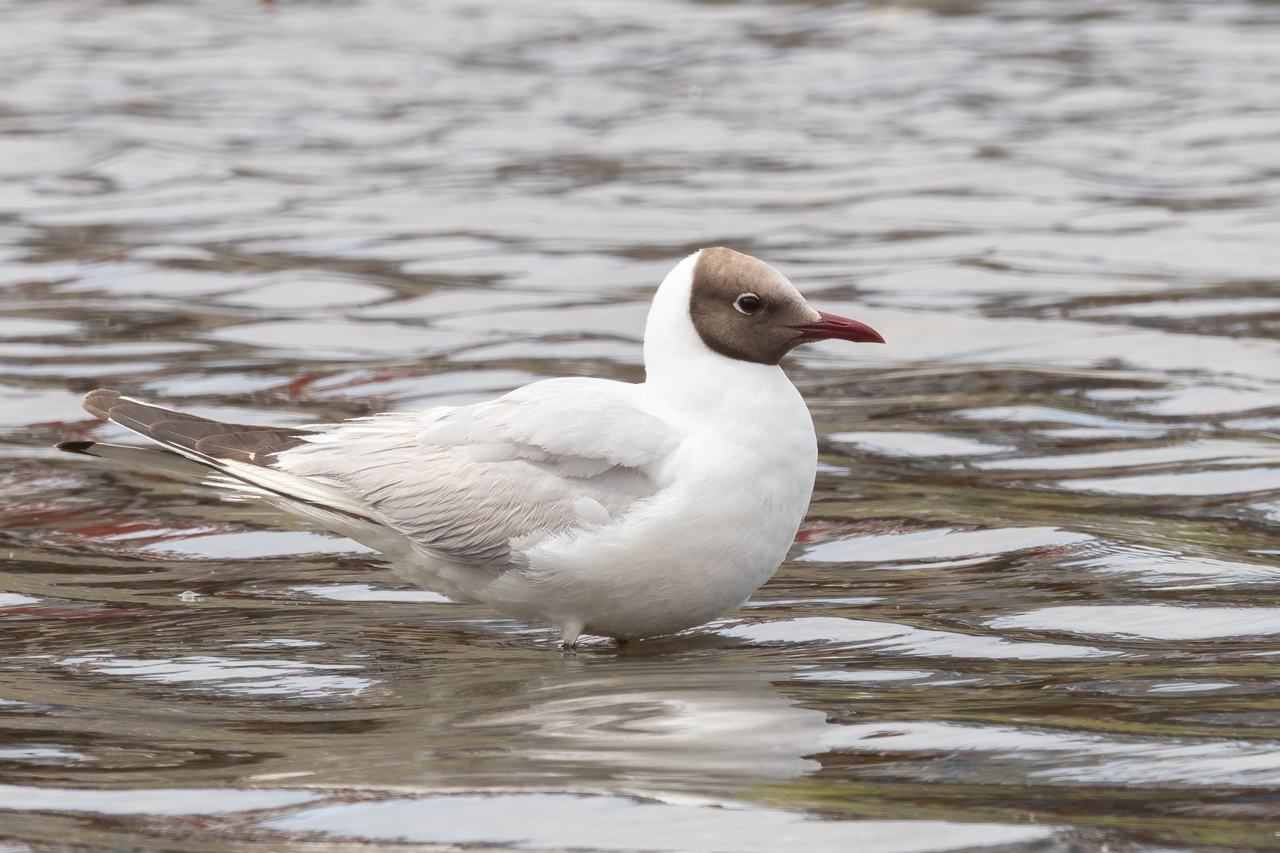
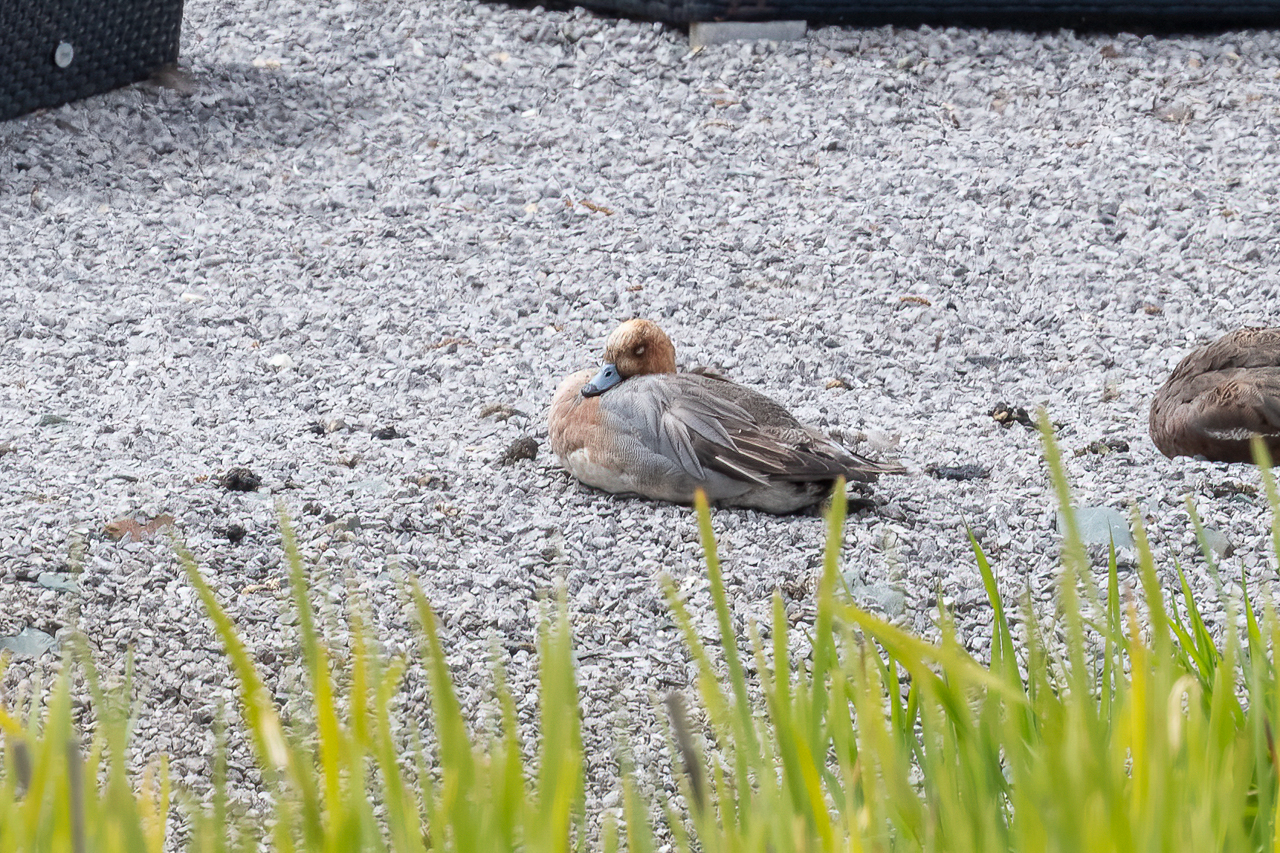
A notable scientific highlight occurred at Virginia Lake, where the group identified a Black-headed Gull (Chroicocephalus ridibundus) and a Eurasian Wigeon (Mareca penelope). These sightings are significant as they represent "vagrants"—birds that have strayed far from their typical European ranges. The presence of these species in St. John’s highlights Newfoundland’s role as a biological bridge between Europe and North America, frequently receiving trans-Atlantic travelers caught in weather systems.
The Avalon Barrens and the Titanic Legacy
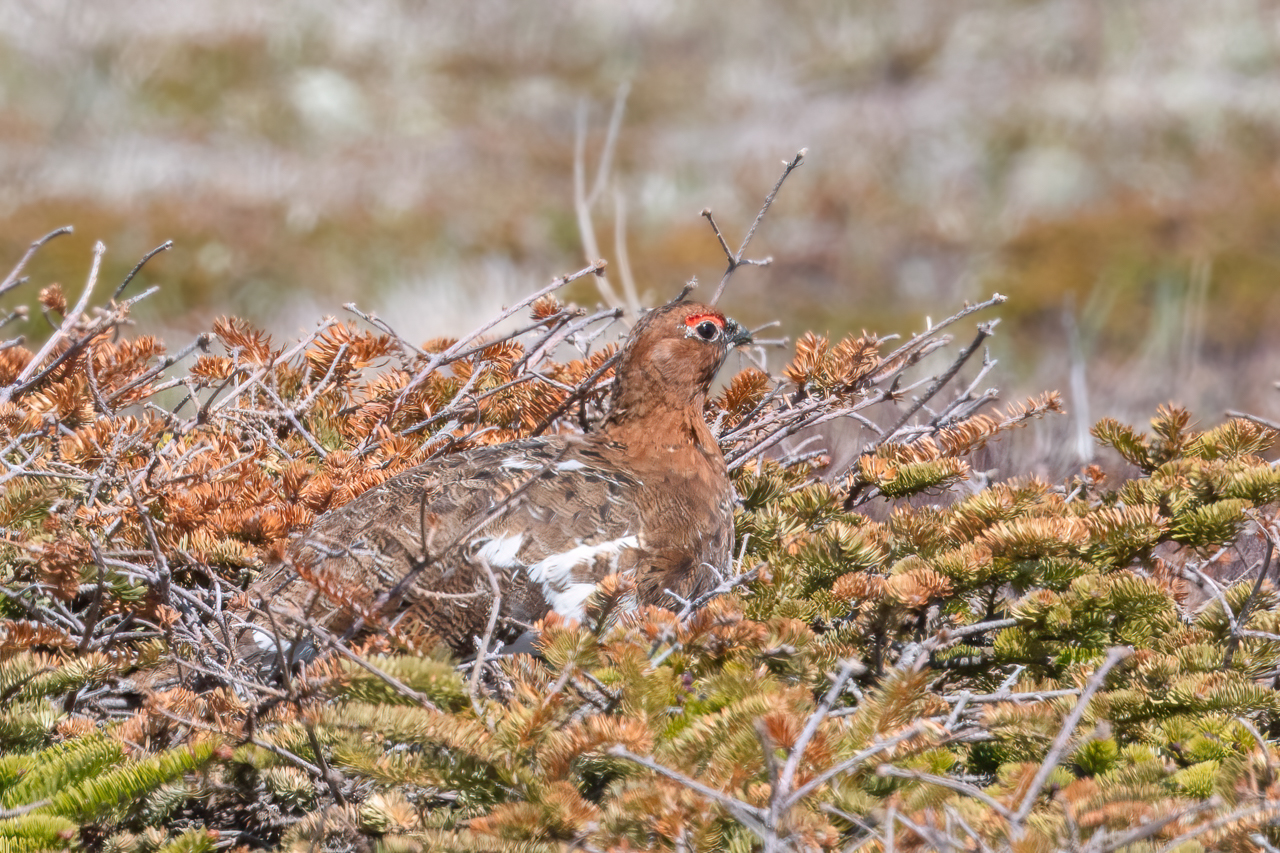
Moving south toward Trepassey, the expedition entered the Avalon Barrens, a unique sub-arctic ecosystem characterized by moss-covered heath and rocky outcrops. This region provided sightings of the Willow Ptarmigan (Lagopus lagopus), a bird known for its distinctive vocalizations and seasonal plumage changes.
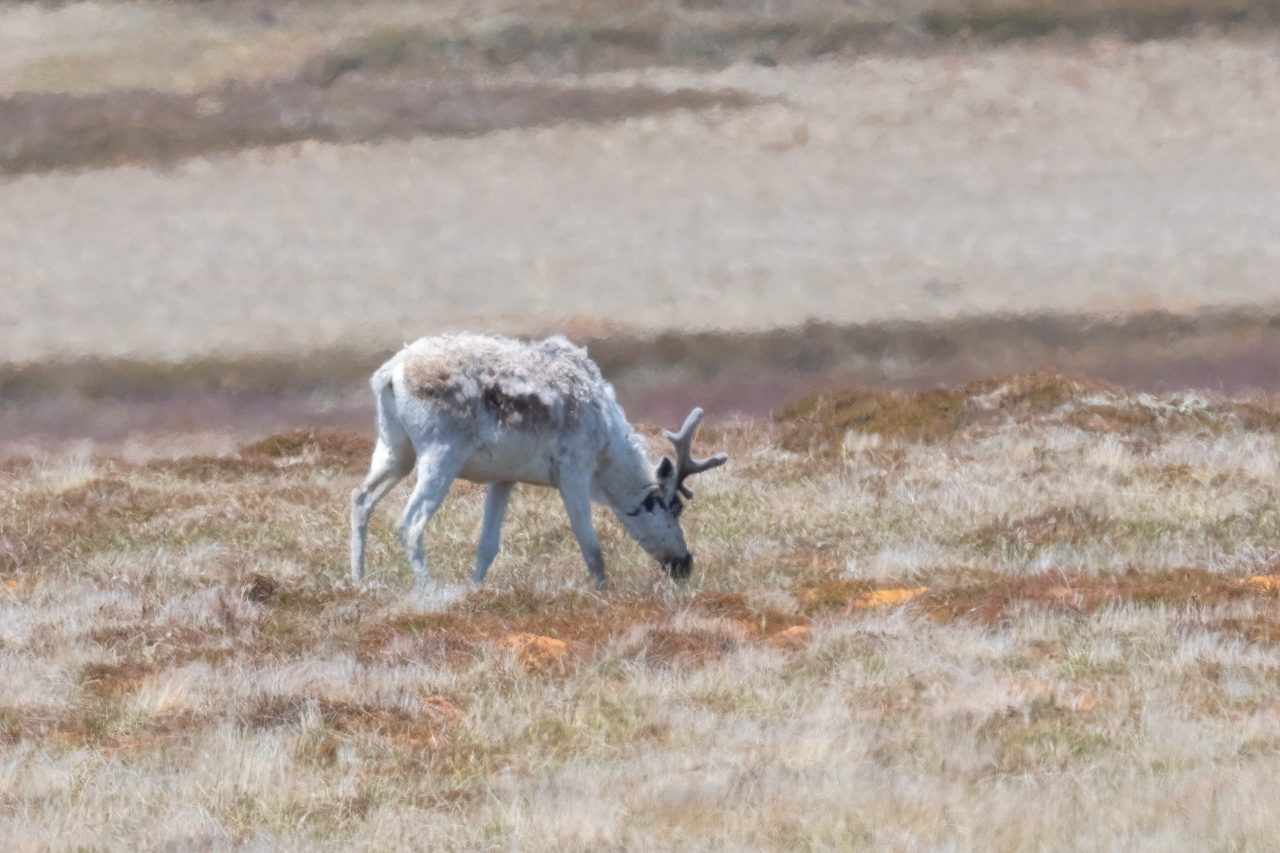
The survey also integrated historical site visits, most notably to the Cape Race Lighthouse. Built in 1907, Cape Race was the first land station to receive the distress signals from the RMS Titanic on the night of April 14, 1912. From a biological perspective, the surrounding waters yielded sightings of Common Eiders and White-winged Scoters, while the inland barrens revealed the presence of the Woodland Caribou (Rangifer tarandus caribou). The Avalon caribou herd is one of the few remaining in the world that is easily accessible for observation, though it remains under careful provincial monitoring due to fluctuating population numbers.
Conservation Spotlight: The Northern Gannets of Cape St. Mary’s
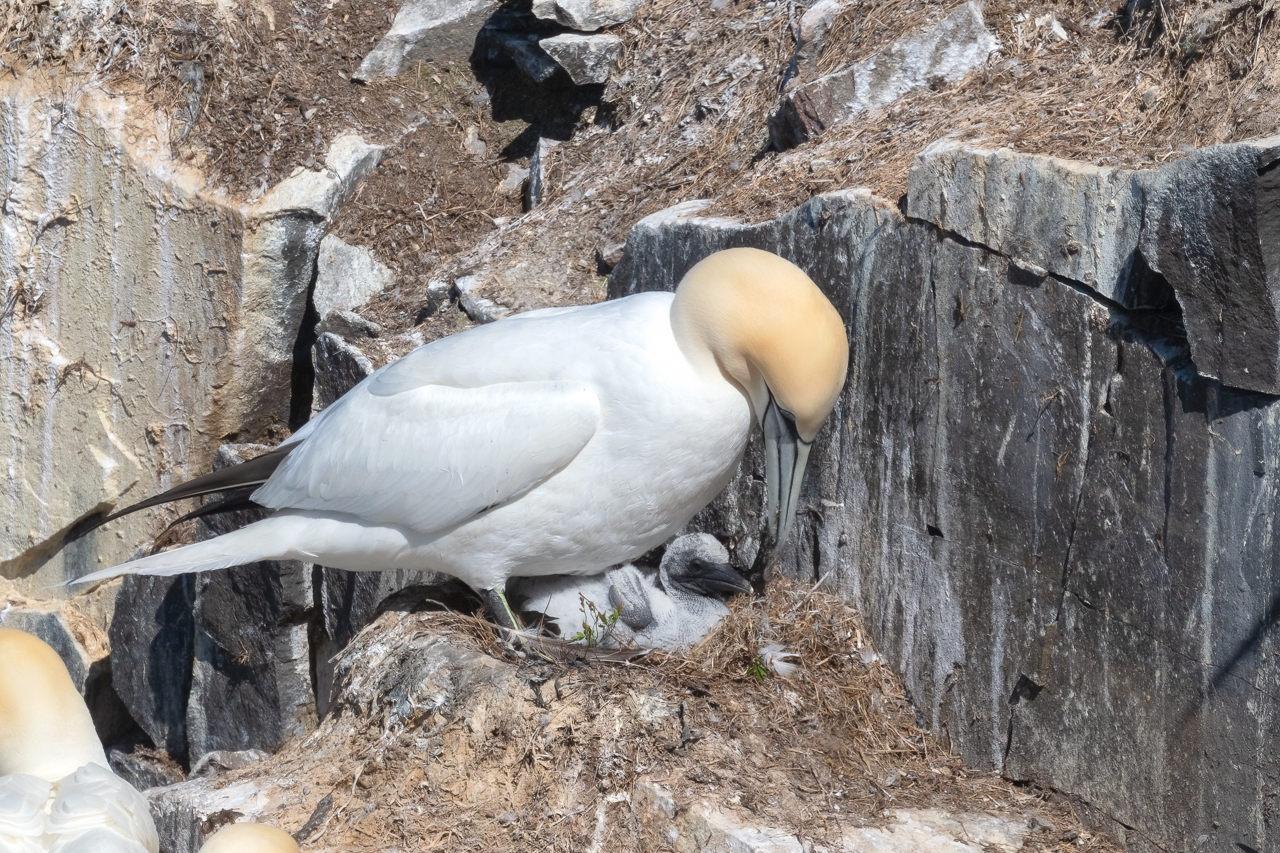
One of the most critical segments of the 12-day journey took place at the Cape St. Mary’s Ecological Reserve. This site is renowned for "Bird Rock," a massive sea stack that serves as one of the world’s most accessible nesting sites for Northern Gannets (Morus bassanus).
The expedition logged a total of 8,069 Northern Gannets during the visit. These birds are remarkable for their hunting techniques, plunge-diving from heights of 40 meters and hitting the water at speeds of up to 100 km/h. However, the data collected also serves as a reminder of recent ecological challenges. Between 2022 and 2023, gannet colonies across the North Atlantic were severely impacted by Highly Pathogenic Avian Influenza (HPAI). While the population observed at Bird Rock remains substantial and breathtaking, conservationists continue to monitor the colony for long-term recovery signs.
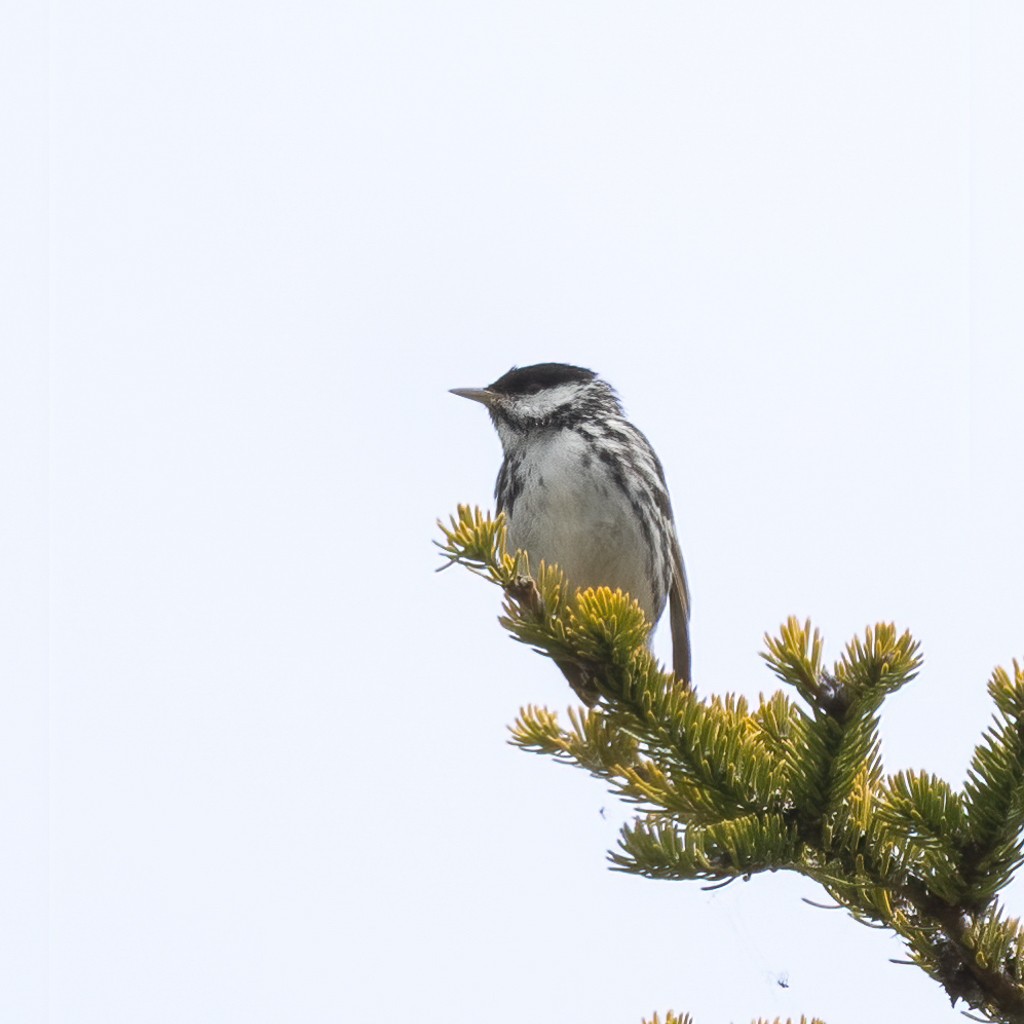
The group also utilized the site for a comparative study of cormorant species, successfully identifying both Great Cormorants and Double-crested Cormorants nesting in close proximity—a rare opportunity for side-by-side field identification.

The Boreal Interior and the Gander Legacy
Transitioning from the coastal cliffs to the interior, the expedition spent two days in Terra Nova National Park. Established in 1957 as the first national park in Atlantic Canada, Terra Nova protects over 400 square kilometers of boreal forest.

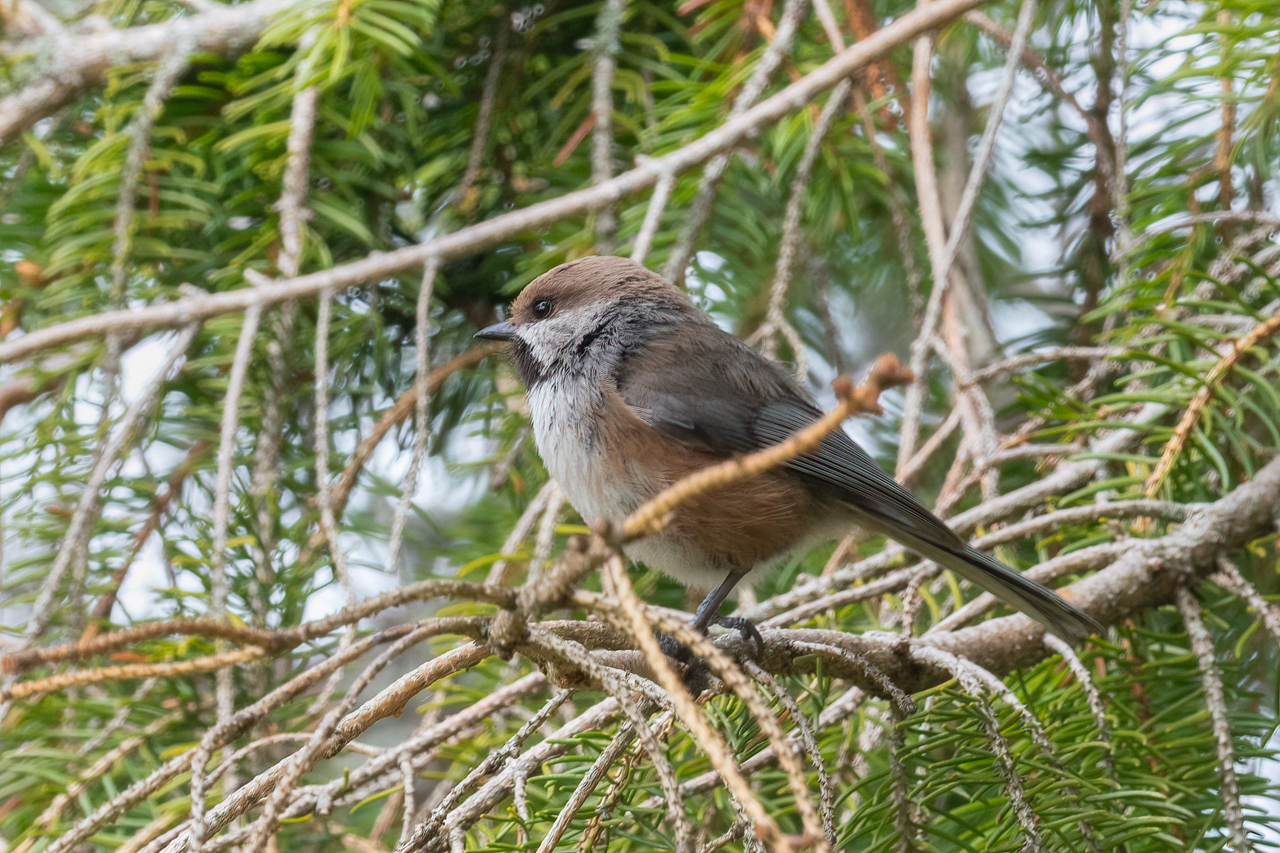
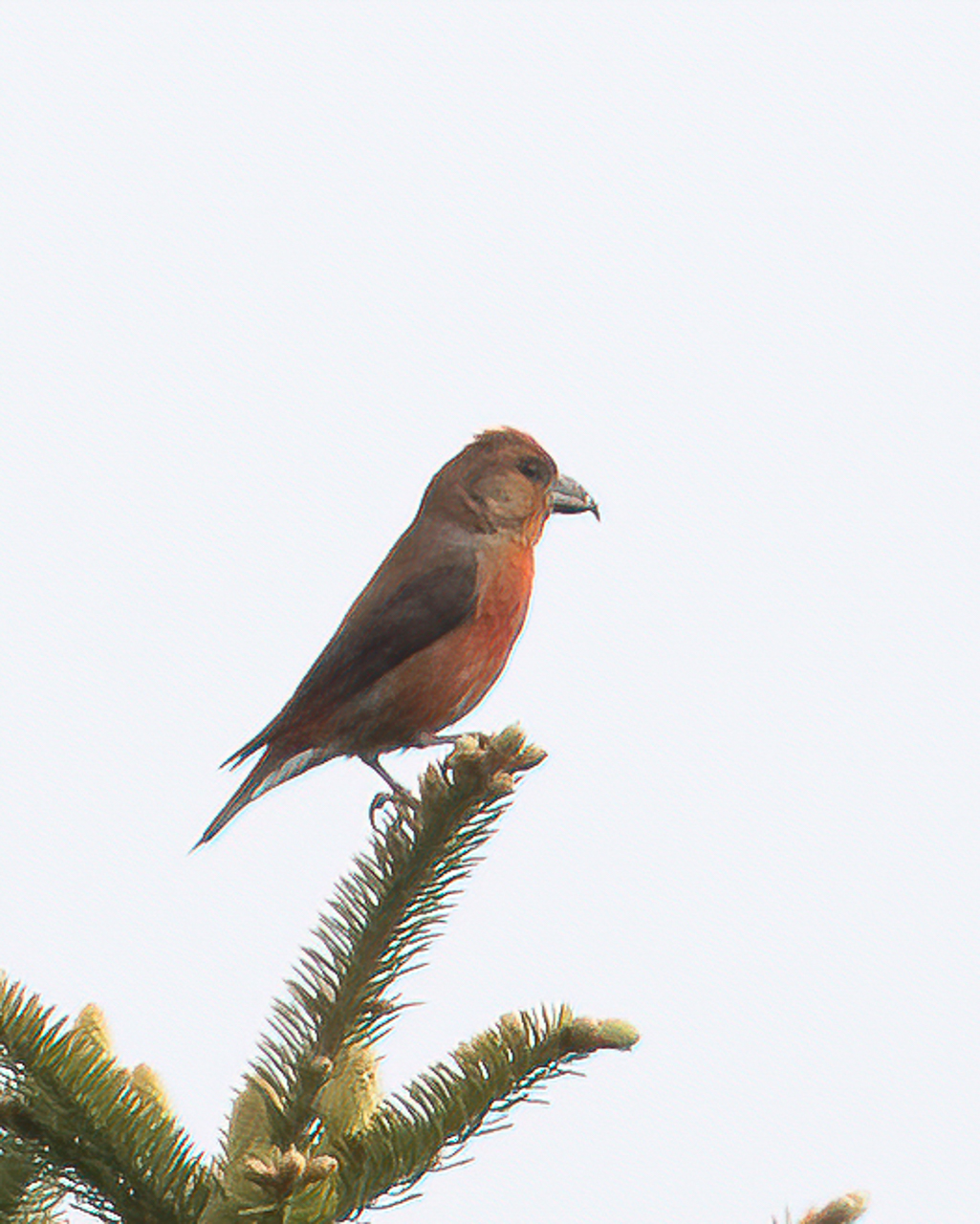
The shift in habitat resulted in a dramatic change in species diversity. The group recorded several boreal specialists, including the Canada Jay (Perisoreus canadensis), Red Crossbill, and Olive-sided Flycatcher. The interior survey also documented terrestrial mammals, including the North American Black Bear and the Snowshoe Hare.

The itinerary included a stop in Gander, a town that gained international fame following the events of September 11, 2001. When U.S. airspace closed, Gander welcomed nearly 7,000 stranded passengers, an event later immortalized in the musical Come From Away. The expedition noted that the town’s trail systems, such as the Townsite Trails, remain vital urban green spaces that support nesting songbirds, including the Red-eyed Vireo.
Geological Significance of Gros Morne National Park
The final leg of the journey took place in western Newfoundland at Gros Morne National Park, a UNESCO World Heritage Site. Gros Morne is a geological marvel, providing some of the world’s best evidence for the theory of plate tectonics.
The expedition focused on the Tablelands, a rust-colored plateau of peridotite. This rock originated in the Earth’s mantle and was thrust to the surface during a plate collision hundreds of millions of years ago. Because peridotite is low in calcium and high in magnesium and toxic heavy metals, the landscape is largely barren of vegetation, creating a stark contrast to the lush boreal forests nearby.

Despite the harsh chemistry of the Tablelands, the group documented Evening Grosbeaks and White-winged Crossbills in the surrounding fringes. A visit to the coastal town of Trout River coincided with the "capelin rolling," where thousands of small fish spawn on the beaches. This event attracts a high density of gulls, allowing the expedition to identify the rare Lesser Black-backed Gull among the more common Great Black-backed Gulls.
Marine Culmination at Western Brook Pond
The expedition concluded with a survey of Western Brook Pond, a landlocked fjord with cliffs rising 600 meters above the water. Once a saltwater fjord connected to the sea, the basin was cut off 10,000 years ago as the land rose following the retreat of the glaciers, eventually turning the water fresh.
While the fjord is not high in bird density, the group successfully identified a Long-tailed Duck, a rare sighting for the region at that time of year. The boat-based survey emphasized the sheer scale of Newfoundland’s glacial history and its impact on modern-day topography.
Analysis of Implications and Ecotourism Trends
The findings of this 12-day expedition underscore several key trends in Atlantic Canadian ecology and tourism. First, the high number of "lifers"—species seen for the first time by participants—highlights the effectiveness of Newfoundland’s protected areas in maintaining visible biodiversity.

Second, the integration of cultural history with biological observation suggests a maturing ecotourism market. Visitors are increasingly seeking "holistic" travel experiences that combine citizen science with local heritage. The expedition’s success in finding rare species like the Harlequin Duck and the Black-headed Gull also points to the value of "slow travel," where groups spend multiple days in a single region to account for weather-dependent sightings.
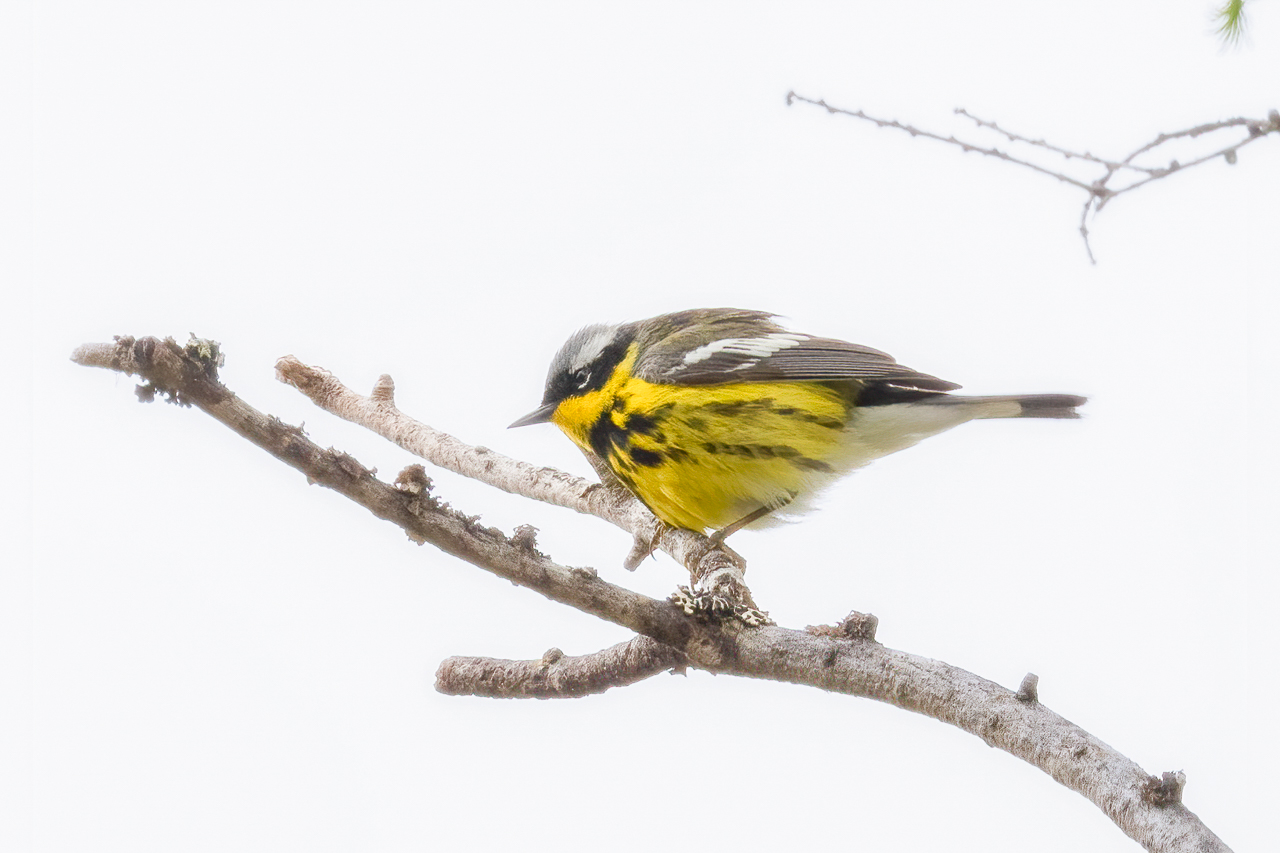
Finally, the expedition serves as a reminder of the fragility of these ecosystems. The impact of HPAI on gannet colonies and the ongoing monitoring of caribou herds demonstrate that while Newfoundland remains a wilderness stronghold, it is not immune to global environmental pressures.
As the province continues to promote its natural assets, the data from such expeditions provides valuable anecdotal and scientific evidence of the island’s enduring appeal as a sanctuary for both wildlife and the researchers who study them. The expedition concluded in Deer Lake, with participants having logged over 100 species, contributing new data points to the global eBird database and reinforcing Newfoundland’s status as a critical node in the North American migratory flyway.
