

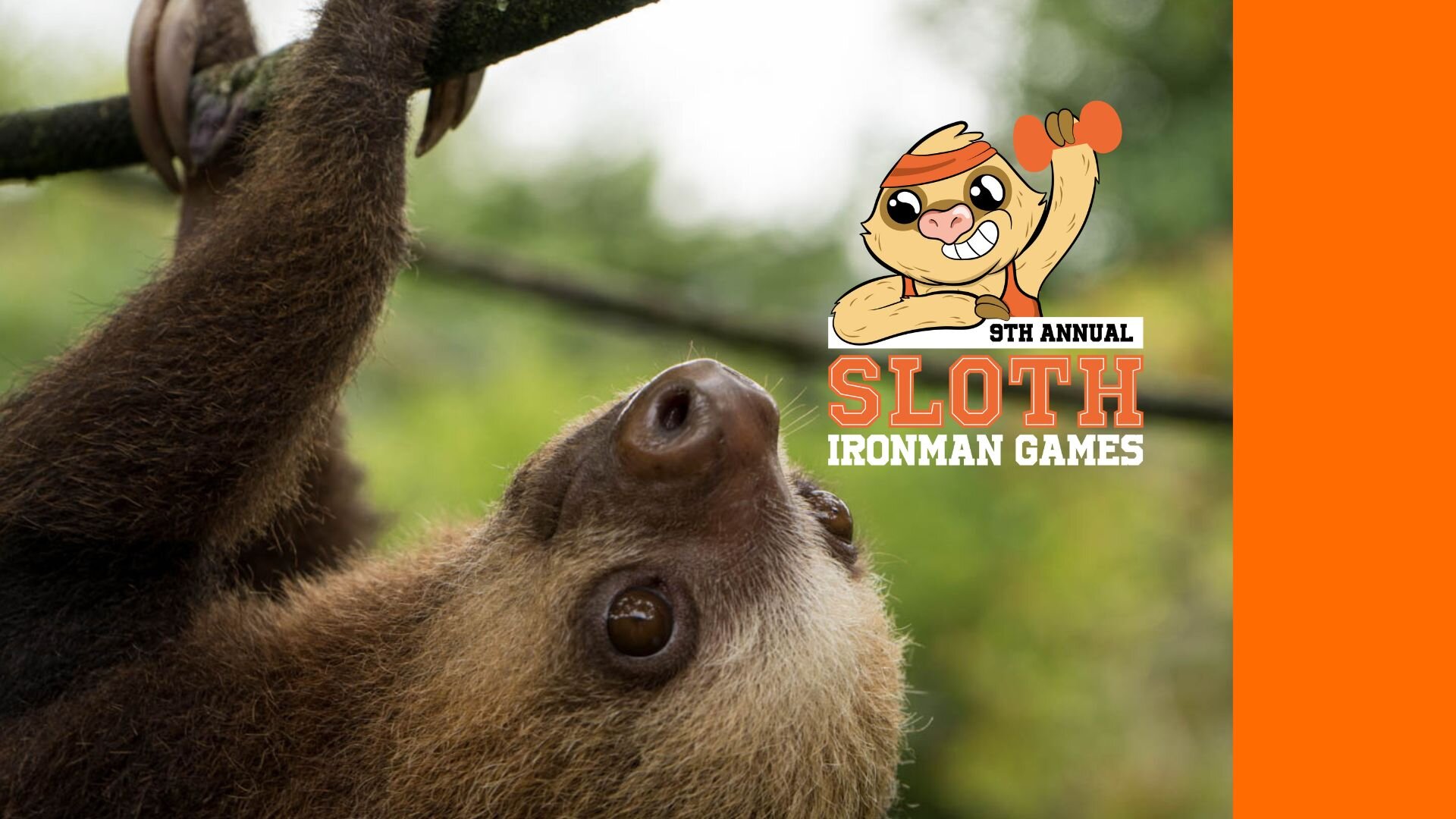
The Toucan Rescue Ranch, a prominent wildlife rescue and rehabilitation center located in San José, Costa Rica, has officially commenced its ninth annual Sloth Ironman Games, a high-profile digital fundraising event designed to support the conservation of one of the region’s most iconic species. This multi-day competition, which blends animal enrichment with global advocacy, serves as the primary funding vehicle for the Saving Sloths Together (SST) program. The initiative is a collaborative effort between the Toucan Rescue Ranch and The Sloth Institute Costa Rica, aimed at addressing the increasing threats faced by sloth populations due to habitat loss, urbanization, and human encroachment.
By utilizing a "gamified" approach to conservation, the Sloth Ironman Games have evolved from a local enrichment exercise into an international phenomenon. This year’s event features four specially selected "slothletes"—rescued sloths currently undergoing rehabilitation—who participate in a series of non-invasive challenges that mirror their natural behaviors in the wild. The proceeds from the event, generated through direct donations, merchandise sales, and corporate sponsorships, are earmarked for the complex medical care and rewilding processes required to return these animals to their natural habitats.
The Mechanics of the Sloth Ironman Games
The Sloth Ironman Games are structured to highlight the biological unique traits of both the Hoffmann’s two-toed sloth (Choloepus hoffmanni) and the brown-throated three-toed sloth (Bradypus variegatus). While the term "Ironman" typically evokes images of high-speed endurance, the sloth version is a celebration of the species’ specialized, slow-motion survival strategies. The competition consists of several key events, each designed to test a specific aspect of sloth physiology and behavior under the supervision of veterinary experts and biologists.
The 1-Meter Dash, for instance, monitors the sloths’ ability to navigate arboreal pathways, a critical skill for avoiding predators and finding food sources in the canopy. The Hibiscus Eat-Off focuses on foraging efficiency, using the hibiscus flower—a natural delicacy and a vital source of hydration and nutrients—as the primary incentive. Other events include the Strong Sloth Challenge, which demonstrates the incredible grip strength that allows sloths to remain suspended from branches even while asleep, and the Poop-Off, a humorous but biologically significant event. In the wild, sloths descend to the forest floor only once a week to defecate, a process during which they can lose up to one-third of their body weight and face their highest risk of predation.
The competition is entirely non-invasive, ensuring that the animals are never forced to perform. Instead, the "games" are integrated into their standard enrichment schedule, which is a mandatory part of the rehabilitation process. Enrichment is vital for rescued wildlife as it prevents stereotypical behaviors associated with captivity and ensures the animals maintain the physical and cognitive skills necessary for survival post-release.
Scoring and Public Participation
The outcome of the Sloth Ironman Games is determined by a dual-point system that combines the physical performance of the slothletes with the financial contributions of their supporters. This model allows the public to play a direct role in the "success" of their favorite sloth. For every dollar donated in a specific sloth’s name, points are added to their tally. This transparency in fundraising ensures that donors understand how their contributions directly influence the visibility of the conservation program.
The points are allocated as follows:
- Event Performance: Sloths earn points based on their speed, agility, or quantity consumed during the challenges.
- Community Donations: Each donation act as a "booster" for the slothlete’s standing in the leaderboard.
- Social Media Engagement: Shares and educational interactions on platforms like Facebook and YouTube further amplify the reach of the fundraiser.
The event is scheduled to conclude on October 25th with a live-streamed Championship Ceremony. During this finale, the 2024 Sloth Ironman Champion will be crowned, and the total funds raised will be announced.
The Saving Sloths Together (SST) Program
The core objective of the Sloth Ironman Games is to provide financial stability for the Saving Sloths Together program. Established in 2017, the SST program was born out of a necessity to standardize the care and release protocols for sloths across Costa Rica. Unlike many other mammals, sloths have a highly specialized metabolism and a fragile digestive system, making their rehabilitation particularly challenging.
The program follows a rigorous multi-stage process known as "rewilding." It begins with the rescue and stabilization of injured or orphaned individuals. Many sloths arrive at the Toucan Rescue Ranch suffering from severe burns due to contact with uninsulated power lines, injuries from dog attacks, or trauma from being hit by vehicles. After receiving emergency medical treatment, the animals enter a "nursery" phase if they are infants, or a specialized rehab enclosure if they are adults.
The final stage of the SST program involves "soft release" at a field site. This process includes placing the sloths in a large, pre-release enclosure in the rainforest, where they can acclimate to the local climate and diet while still being monitored by researchers. Once they demonstrate total independence, they are fitted with radio collars and released into the wild. The funds from the Sloth Ironman Games cover the costs of these expensive radio collars, veterinary supplies, specialized leaf diets, and the salaries of the biologists who track the sloths post-release to ensure the rewilding was successful.
Environmental Context and Threats to Sloth Populations
The urgency of the Sloth Ironman Games is underscored by the mounting environmental pressures facing Costa Rican wildlife. While Costa Rica is globally recognized for its biodiversity and conservation policies, the rapid expansion of infrastructure and agriculture continues to fragment sloth habitats.
One of the most significant threats is electrocution. As forests are cleared for roads and housing, sloths often use uninsulated power lines as "aerial bridges" to move between remaining patches of trees. This frequently results in catastrophic injuries or death. According to data from various Costa Rican wildlife NGOs, hundreds of sloths are electrocuted annually. The Toucan Rescue Ranch has been a vocal advocate for the "Stop the Shocks" movement, which pressures utility companies to insulate power lines in high-biodiversity areas.
Deforestation and habitat fragmentation also lead to increased ground travel for sloths. Because they are evolutionarily designed for life in the canopy, sloths are nearly helpless on the ground, making them easy targets for domestic dogs and vehicles. Furthermore, the illegal pet trade and the "sloth selfie" industry continue to exploit these animals, often removing them from the wild for tourist entertainment, which causes extreme stress and often leads to the death of the animal due to improper diet and handling.
Economic and Educational Implications
The Sloth Ironman Games serve as a case study in modern conservation marketing. By utilizing digital platforms and a competitive narrative, the Toucan Rescue Ranch is able to reach a global audience that might not otherwise engage with wildlife conservation. This international support is crucial for the NGO’s sustainability, as the costs of running a world-class rehabilitation center are substantial.
"The Sloth Ironman Games are about more than just fun and games; they are about the survival of a species that defines the Costa Rican rainforest," stated a representative from the Toucan Rescue Ranch in an inferred communication regarding the event’s mission. "Every dollar raised is a direct investment in the medical technology and field research required to give these animals a second chance. We are turning global curiosity into local action."
Beyond the financial aspect, the games provide a platform for public education. Each broadcast includes segments on sloth biology, the importance of maintaining biological corridors, and how tourists can responsibly view wildlife. By educating the public on why sloths should not be touched or held, the event helps combat the detrimental effects of unregulated wildlife tourism.
Future Outlook for Sloth Conservation
As the ninth edition of the games progresses, the focus remains on the long-term viability of the sloth populations in the Sarapiquí and Caribbean regions of Costa Rica. The success of the SST program has already led to dozens of successful releases, with several tracked sloths even going on to reproduce in the wild—the ultimate indicator of a successful rehabilitation program.
The 2024 Sloth Ironman Games come at a time when global interest in sloths is at an all-time high, but the species’ natural reality remains precarious. Through the continued support of the international community and the innovation of programs like the Sloth Ironman Games, organizations like the Toucan Rescue Ranch hope to ensure that the slow-moving "slothletes" of today become the healthy, wild inhabitants of tomorrow’s rainforests.
For those looking to participate, the event continues through October, with live updates and educational content available via the ranch’s official digital channels. The organization also offers limited-edition merchandise, including apparel featuring the 2024 slothlete roster, with all proceeds supporting the ongoing mission of the Saving Sloths Together program. As the competition heats up, the real victory remains the preservation of Costa Rica’s natural heritage.
