
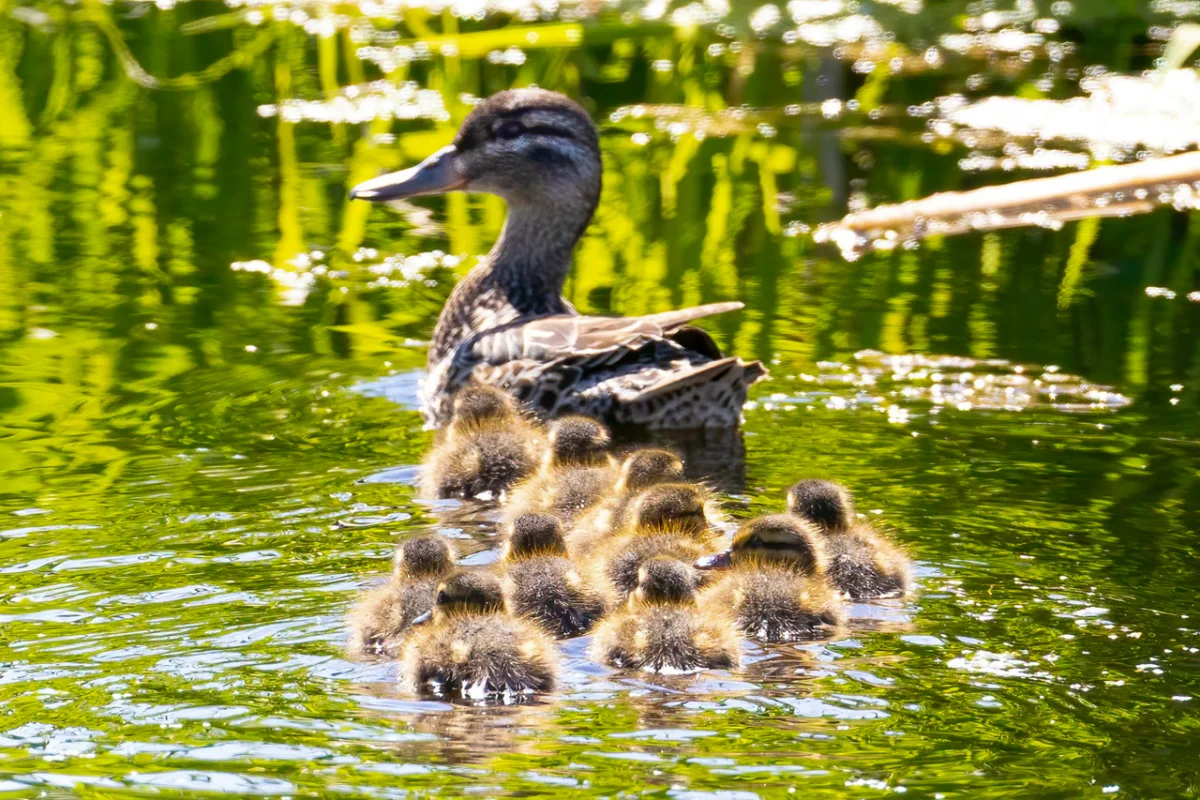
Newfoundland’s unique geography, characterized by its dramatic transition from the boreal forests of the interior to the precipitous, wave-battered cliffs of the Avalon Peninsula, serves as one of North America’s most vital ecological corridors. In a recent 11-day expedition, a dedicated group of birding enthusiasts and researchers traversed the island, documenting a diverse array of avian species and assessing the health of various habitats ranging from UNESCO-designated fjords to isolated coastal barrens. The tour, which spanned from Deer Lake to the provincial capital of St. John’s, provided a longitudinal view of the island’s biodiversity during the height of the breeding season.
An Overview of the Expedition Route
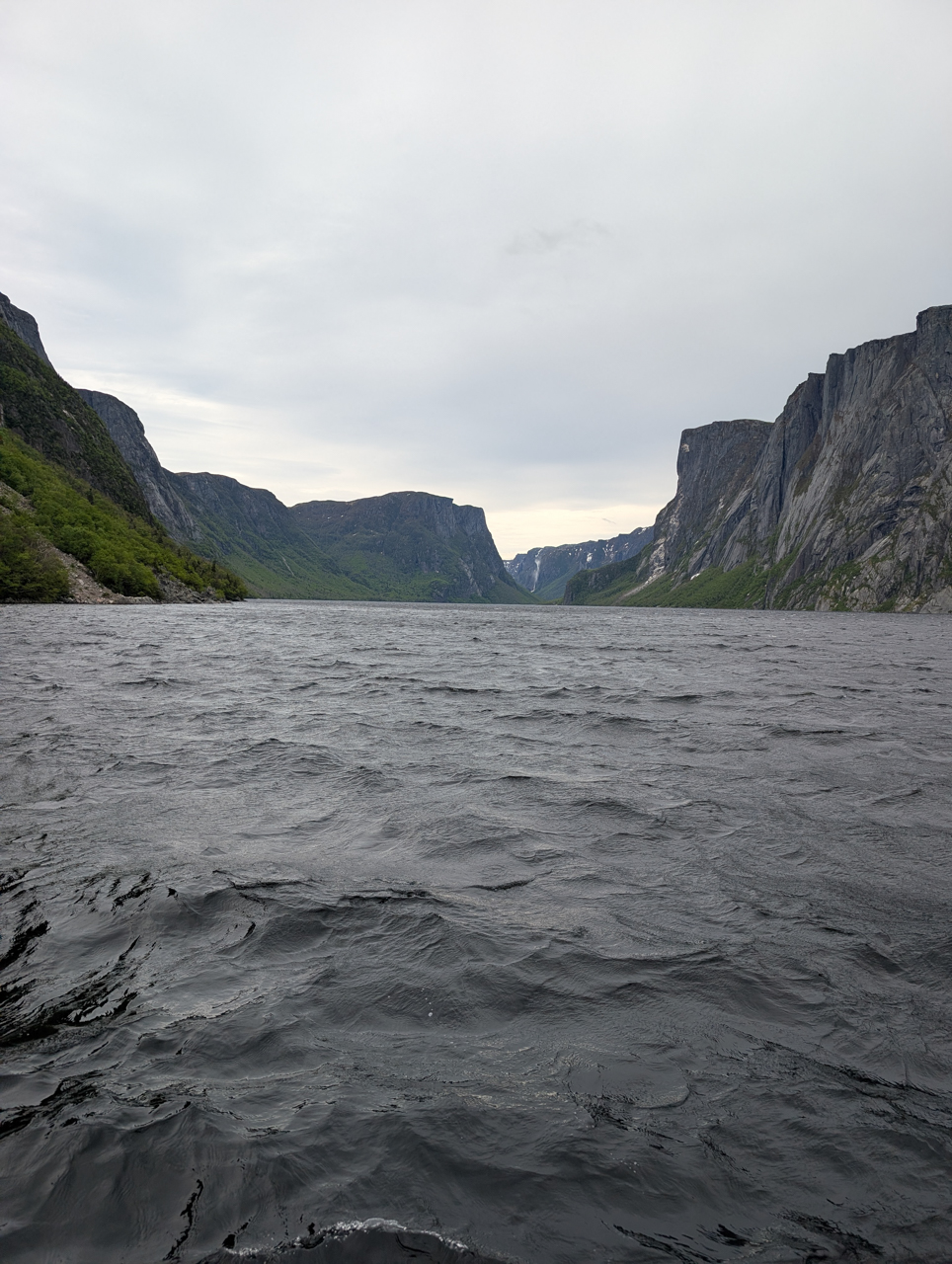
The journey began in the western region of the province, focusing initially on Gros Morne National Park. This UNESCO World Heritage site is renowned for its geological diversity, including the Tablelands—a rare exposure of the Earth’s mantle—and its deep, glacially carved fjords. The expedition then tracked eastward, moving through the boreal forests of central Newfoundland, passing through Grand Falls-Windsor and Gander, before concluding on the southern and eastern Avalon Peninsula. This route allowed for the observation of distinct ecological zones, providing data on the distribution of species across varying elevations and vegetation types.

Chronological Breakdown of Field Observations
Phase I: Western Newfoundland and the Gros Morne Corridor
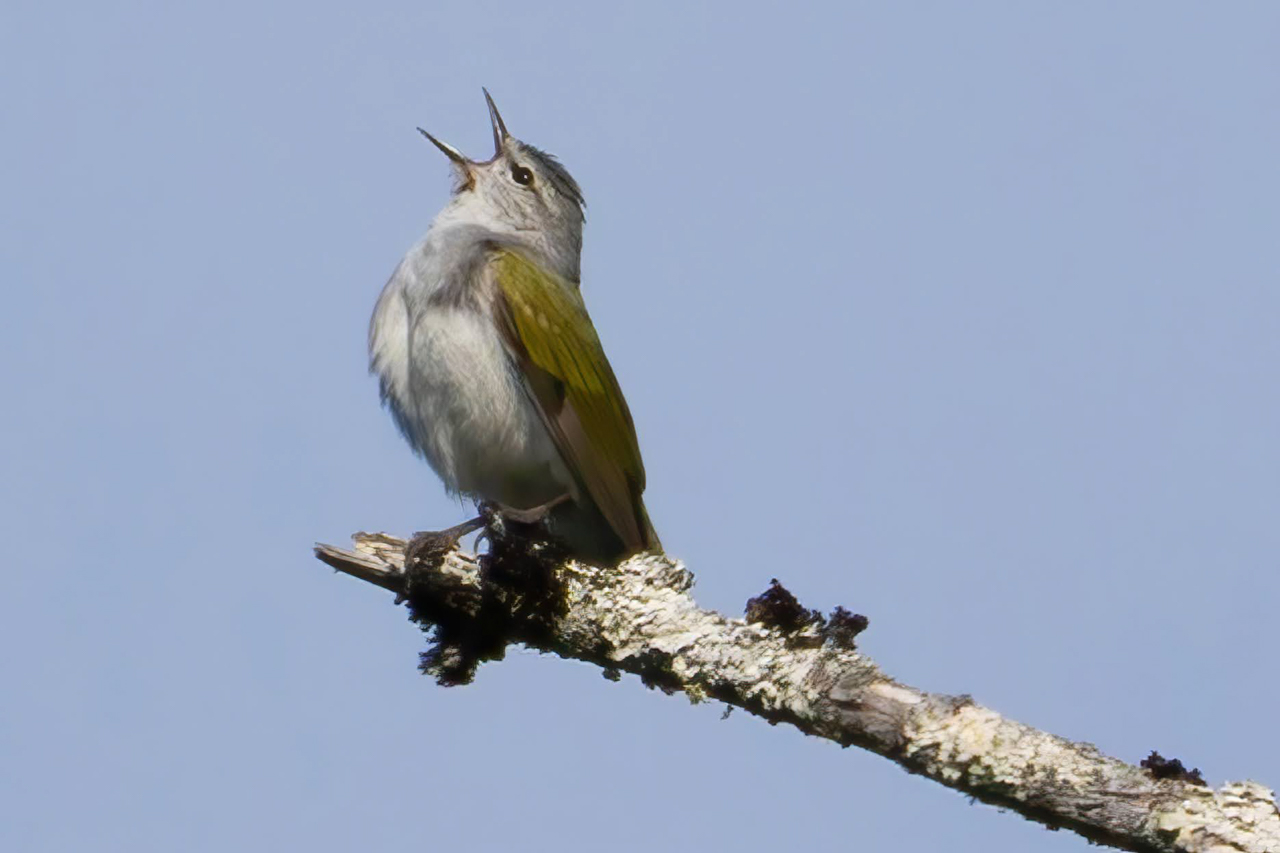
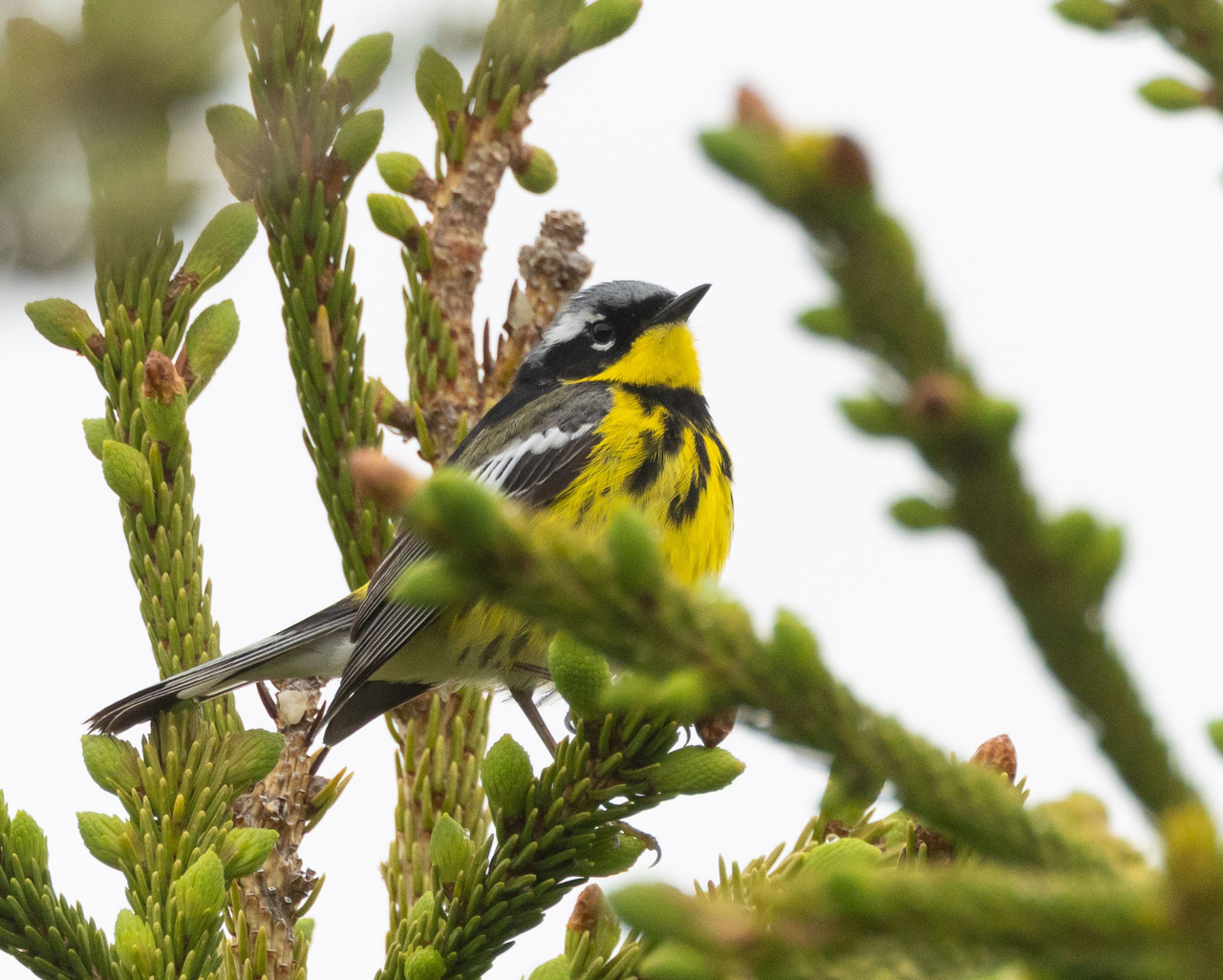
The expedition commenced in Deer Lake on day one, with initial surveys conducted along the Humber River trail system. The early results were promising, yielding 48 distinct species, including the Tennessee Warbler and a rare sighting of a Cape May Warbler. By day two, the group entered Gros Morne National Park. Surveys at Lomond River and the Tablelands revealed a robust presence of boreal indicator species, including the Olive-sided Flycatcher and the Boreal Chickadee.
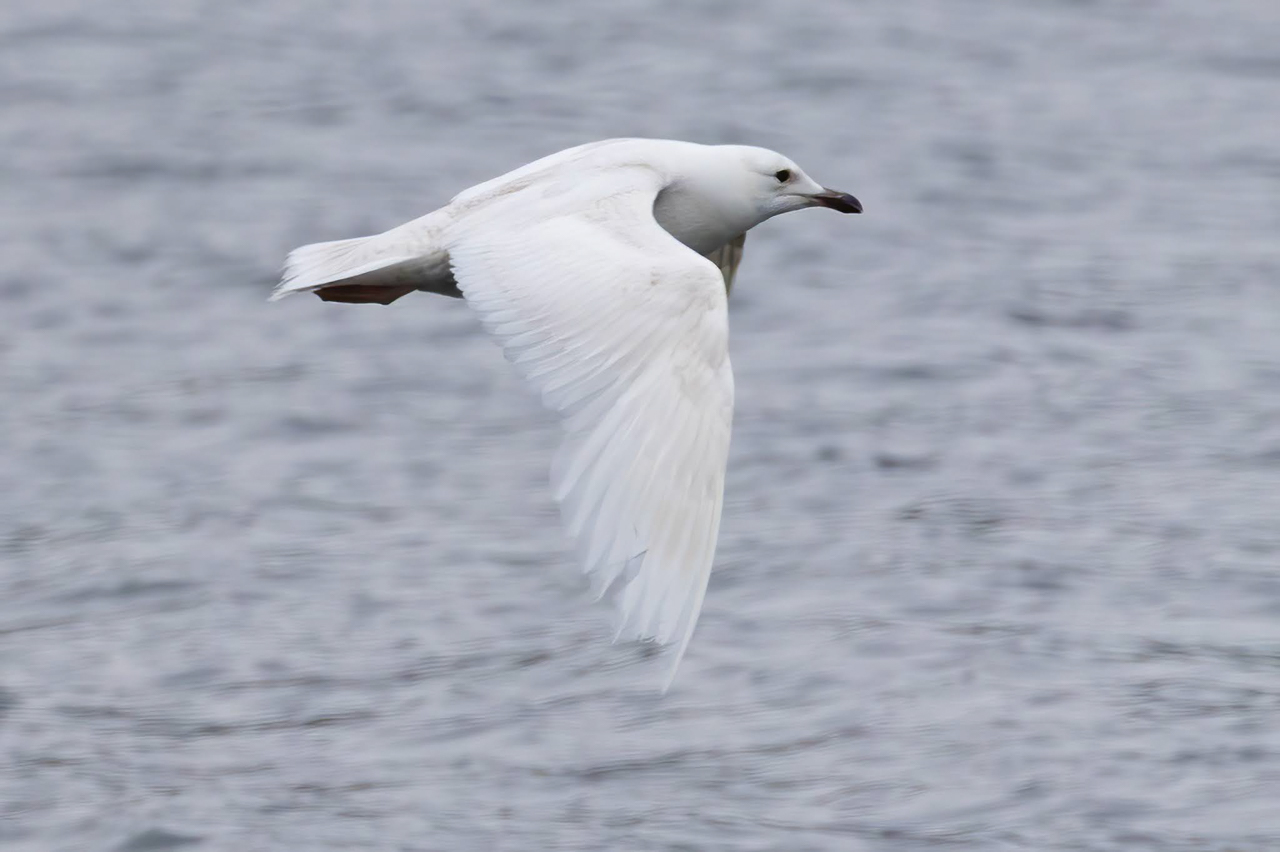
A significant component of the western leg involved maritime observation. At the Western Brook Pond fjord, participants documented Common Goldeneye in the remote reaches of the basin. The coastal survey concluded at Broom Point, where the presence of Harlequin Ducks and Great Cormorants highlighted the importance of these near-shore environments for molting and foraging populations.
Phase II: The Central Boreal Forest and Industrial Ecology
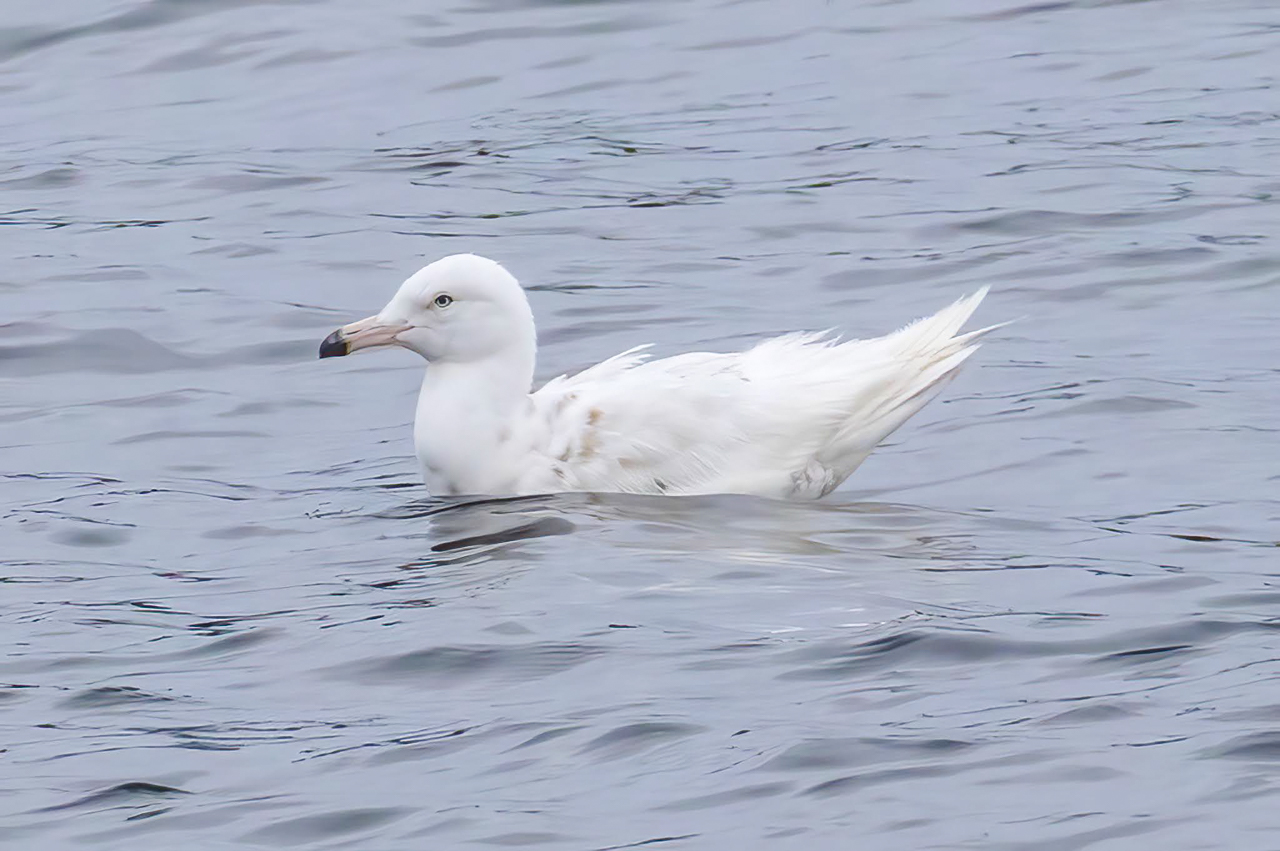
Moving eastward, the team explored the Corduroy Brook area in Grand Falls-Windsor. Observations here shifted toward freshwater marsh species, including Palm Warblers and various waterfowl. An unusual but scientifically productive element of the tour was the survey of local wastewater treatment facilities. While sewage lagoons are often maligned for their odor, they are recognized in ornithological circles as high-nutrient environments that attract a wide variety of migratory and resident waterfowl. Observations at these sites included Wood Ducks, Greater Scaup, and Green-winged Teal, confirming the value of such anthropogenic habitats in the absence of more extensive natural wetlands in the interior.
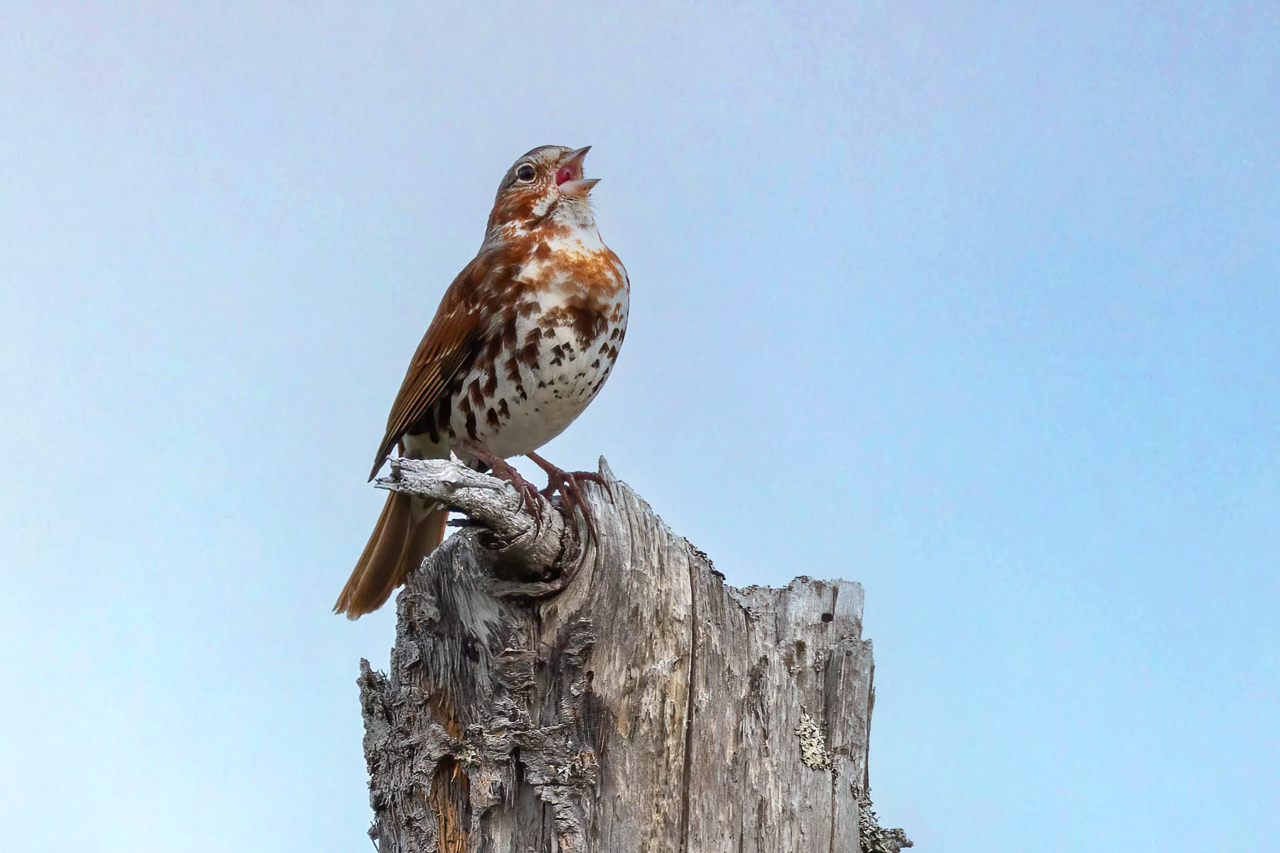
In Gander, the team integrated cultural history with natural science, visiting the town’s heritage trails. This site provided context on the human history of the region—specifically its role in transatlantic aviation and the 9/11 humanitarian response—while offering sightings of American Redstarts and Yellow Warblers in the mature mixedwood forest.
Phase III: The Avalon Peninsula and Maritime Spectacle
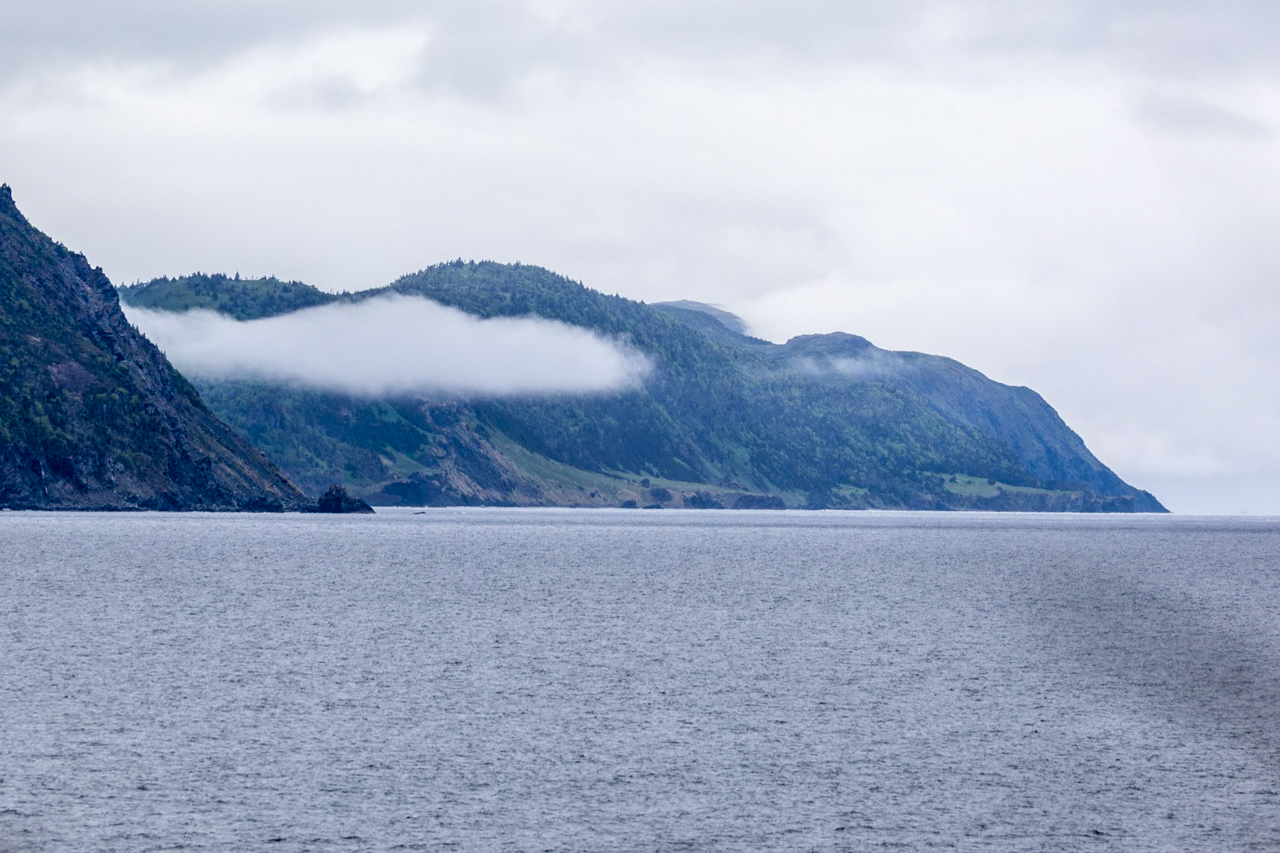
The final phase of the expedition focused on the Avalon Peninsula, a region dominated by bog, tundra, and extreme coastal exposure. The stop at Cape St. Mary’s Ecological Reserve proved to be the most critical ecological highlight of the trip. As one of the most accessible large-scale seabird colonies in North America, the site hosts thousands of Northern Gannets, Common Murres, and Black-legged Kittiwakes.
Data collected at the site confirmed the continued vitality of the colony, with the group noting the presence of Thick-billed Murres—a species typically found in more northerly latitudes—nesting among the Common Murre population. The subsequent journey through the southern Avalon, specifically the areas around St. Vincent’s and Cape Pine, documented the influence of the Capelin roll, a seasonal event where spawning forage fish draw massive numbers of whales and seabirds to the shoreline. Sightings of Short-eared Owls and various shearwater species underscored the ecological richness of the barrens.

Data Analysis and Ecological Implications
The expedition recorded over 100 species of birds, providing a snapshot of the island’s mid-summer avian activity. Several trends were noted by participants:

- Habitat Resilience: The presence of species like the Boreal Chickadee and the Olive-sided Flycatcher suggests that despite environmental pressures, the mature boreal forest remains a stable stronghold for these at-risk birds.
- Marine Interconnectivity: The high density of seabirds observed at the Witless Bay Ecological Reserve and Cape St. Mary’s highlights the essential role of the Grand Banks and surrounding cold-water currents in sustaining North Atlantic biodiversity.
- Anthropogenic Niche Utilization: The successful documentation of waterfowl in managed wastewater lagoons supports the hypothesis that these areas act as vital stopovers in fragmented landscapes.
Official and Historical Context
The inclusion of a visit to "The Rooms" in St. John’s provided the expedition with necessary historical grounding. By examining the skeleton of the extinct Great Auk, participants were reminded of the fragility of island ecosystems. The Great Auk, once abundant in Newfoundland waters, vanished due to over-exploitation in the 19th century. Modern conservation efforts in the province, such as the strict protection of the Witless Bay and Cape St. Mary’s reserves, are direct responses to the lessons learned from such extinctions.
Dr. Aris Thorne, an independent consultant on North Atlantic ecology, noted in a post-expedition review: "Newfoundland acts as a biological lighthouse. The data gathered by groups like these, while anecdotal in nature, contributes to the long-term monitoring of species distribution in an era of rapid climate shifts. The consistent sightings of shearwaters and the successful breeding of gannets are positive indicators, yet we must remain vigilant regarding the health of forage fish populations like capelin."
Broader Impact and Future Outlook
The 11-day tour not only served as a recreational pursuit for its participants but also acted as a form of citizen science. By documenting species in areas that are infrequently surveyed by professional biologists, such groups contribute to the broader understanding of regional population health.

The economic implications of such tourism are also significant. Eco-tourism in Newfoundland has grown as a pillar of the provincial economy, with visitors increasingly prioritizing wildlife observation and environmental education. The integration of local businesses, such as the restaurants and inns that hosted the group, demonstrates the symbiotic relationship between biodiversity conservation and the rural economy.

As the province looks to the future, the findings from this expedition reiterate the necessity of maintaining protected areas. The "unexpected" sightings—whether a rare warbler in the west or a whale surfacing in the east—serve as a reminder that Newfoundland’s wilderness remains a dynamic, living laboratory. The preservation of these lands is not merely a matter of aesthetic value but a requirement for the continued survival of the species that define the North Atlantic coastal identity. The expedition concluded in St. John’s, leaving participants with a comprehensive understanding of the environmental challenges and triumphs of one of Canada’s most distinct provinces.
