
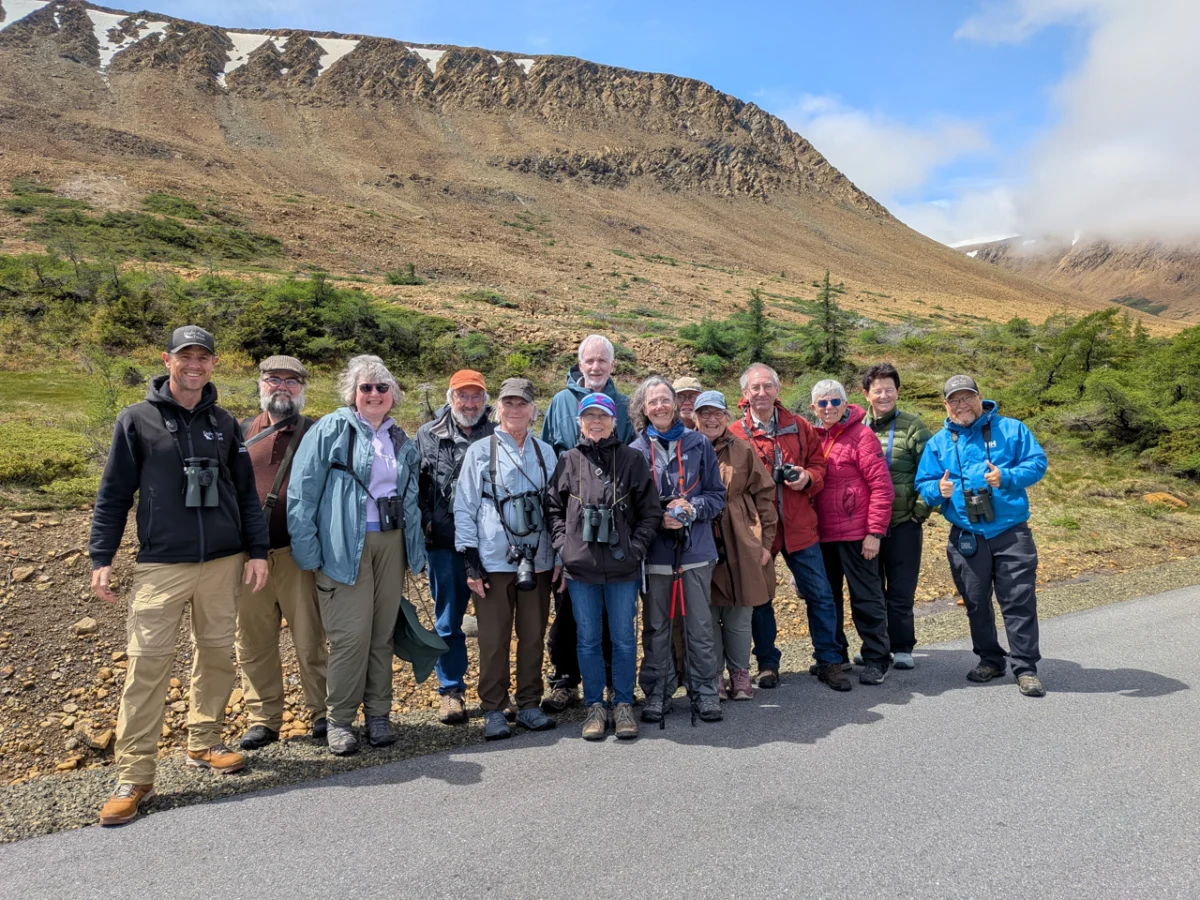
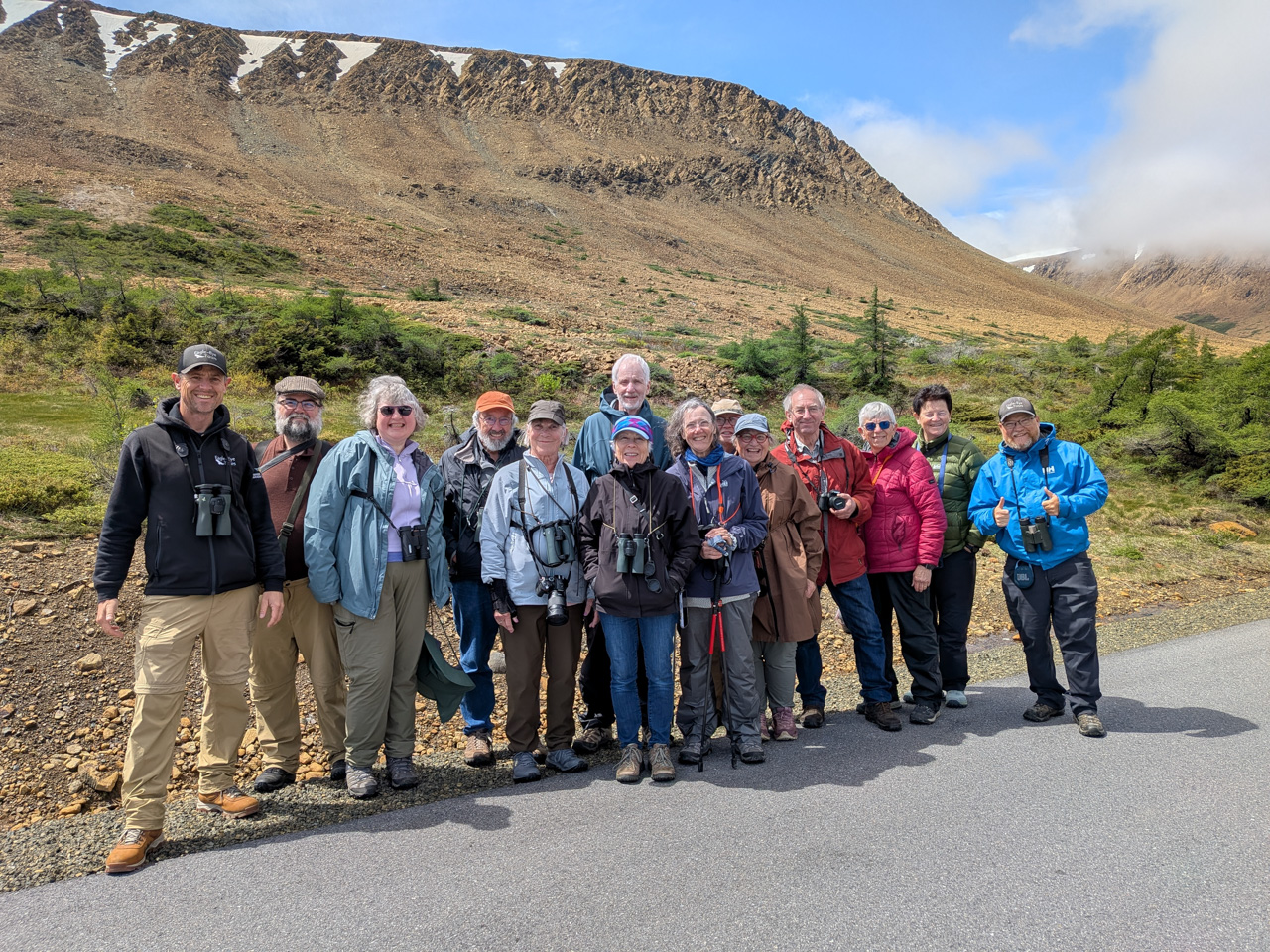
An expedition team consisting of twelve adventurers and two expert guides recently completed an intensive survey of Newfoundland’s diverse ecological landscapes, documenting a remarkable array of avian species, unique geological formations, and marine wildlife. The journey, which spanned from the rugged fjords of the west coast to the subarctic barrens of the Avalon Peninsula, provided a comprehensive look at one of North America’s most distinct natural environments. The tour, conducted between late June and early July, offered significant insights into the region’s boreal ecosystems and its critical importance as a global hub for migratory and resident wildlife.
Chronology of the Expedition
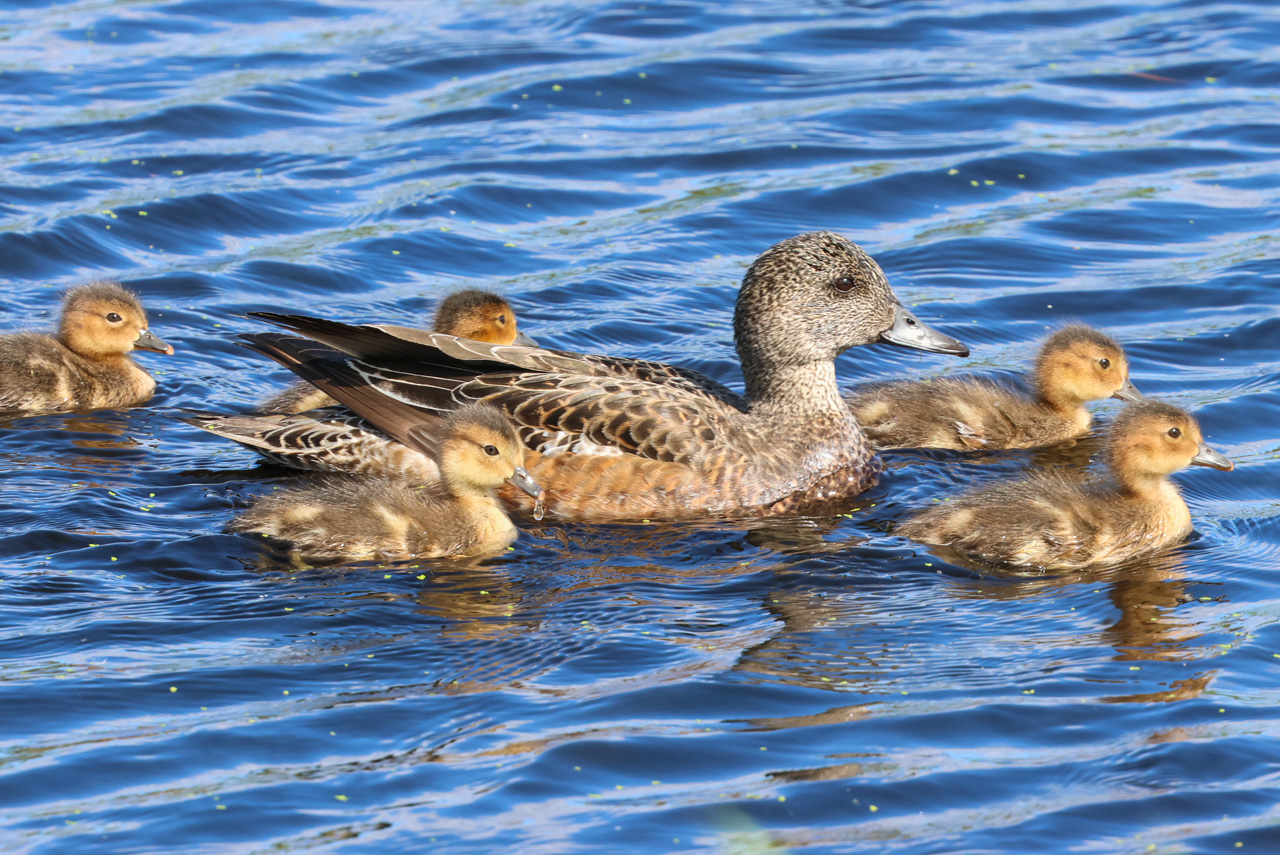
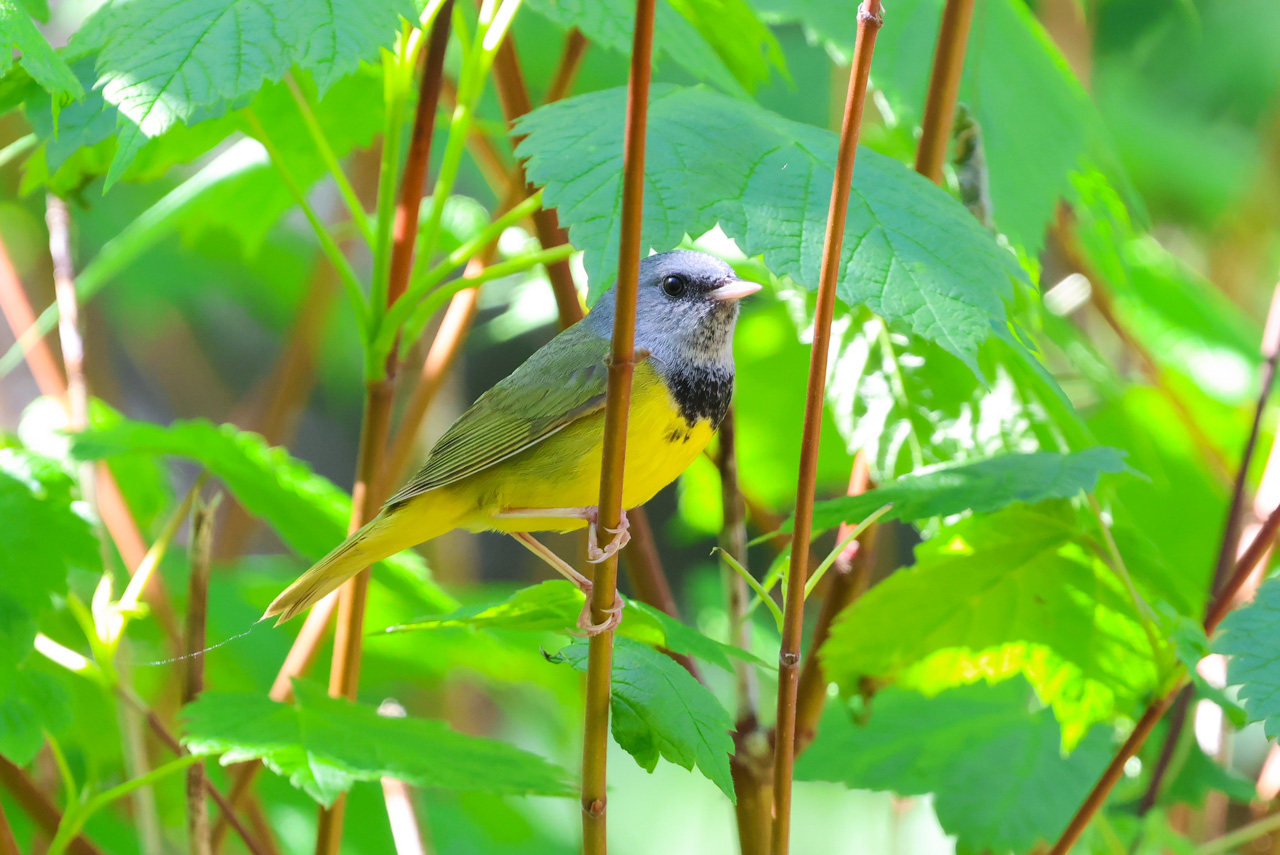
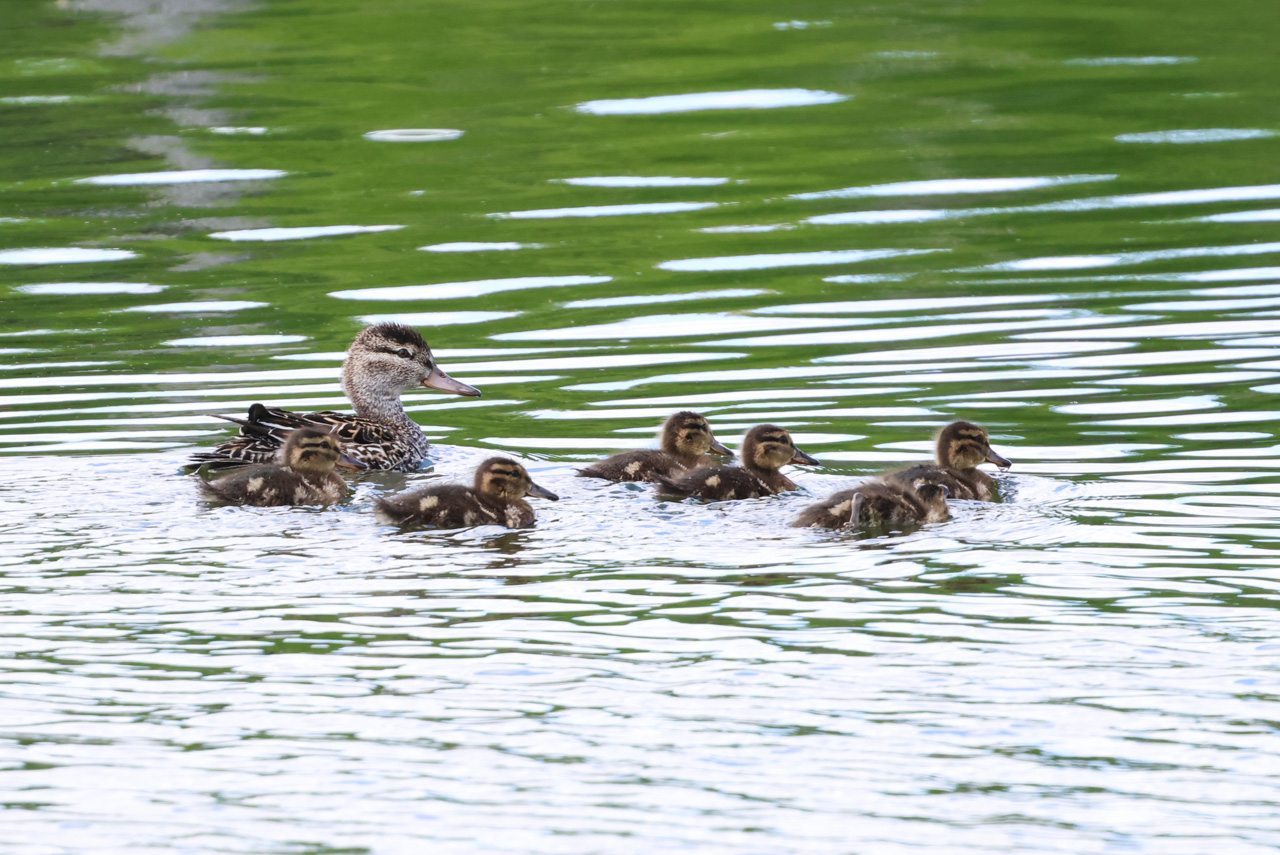
The journey commenced on June 23 in Deer Lake, a strategic hub along the Humber River known for its rich, mixed-forest habitat. The initial phase focused on baseline biological observation along the Humber River trail. Observers documented a high level of reproductive success among local bird populations, noting family groups of American Wigeons and Green-winged Teals. The presence of secretive species such as the Sora, alongside various warbler species—including the Tennessee, Black-throated Green, Mourning, and Bay-breasted Warblers—underscored the area’s high biodiversity density.
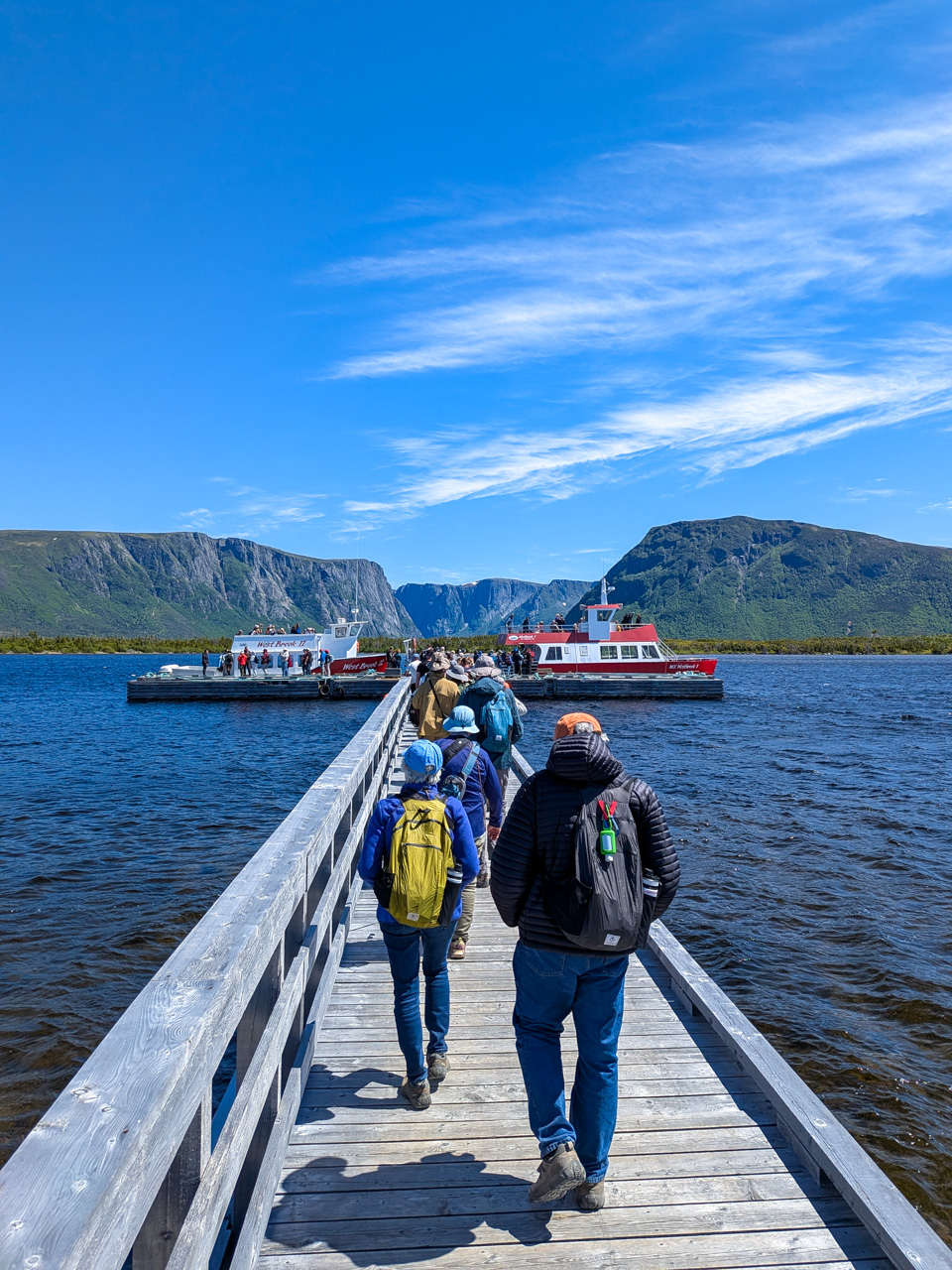
By June 24, the group transitioned to Gros Morne National Park, a UNESCO World Heritage site renowned for its geological significance. Over the course of two days, participants explored the park’s diverse ecosystems, ranging from the dramatic, glacier-carved cliffs of Western Brook Pond to the Tablelands. The latter serves as an exposed section of the Earth’s mantle, a rare geological feature where the ultramafic rock creates a stark, mineral-rich landscape that supports only specialized, hardy flora like the carnivorous Purple Pitcher Plant and Common Butterwort.
On June 26, the expedition relocated to central Newfoundland, specifically the Grand Falls-Windsor area. Fieldwork on the Corduroy Brook Nature Trail revealed active nesting behaviors, with songbirds frequently observed carrying food for fledged young. The team’s visit to the Exploits Valley Salmonid Interpretation Centre coincided with high-water conditions on the Exploits River, offering an opportunity to observe Atlantic salmon navigating the river’s fish ladders—a testament to ongoing conservation efforts to manage and protect this vital species.
The final segments of the tour, held between June 27 and July 3, focused on the Avalon Peninsula. This region, characterized by its "hyperoceanic barrens," represents a rare convergence of subarctic tundra and maritime climate. Notable stops included the Cape St. Mary’s Ecological Reserve, the Witless Bay Ecological Reserve, and the easternmost point of the continent at Cape Spear.
Avian Diversity and Conservation Status
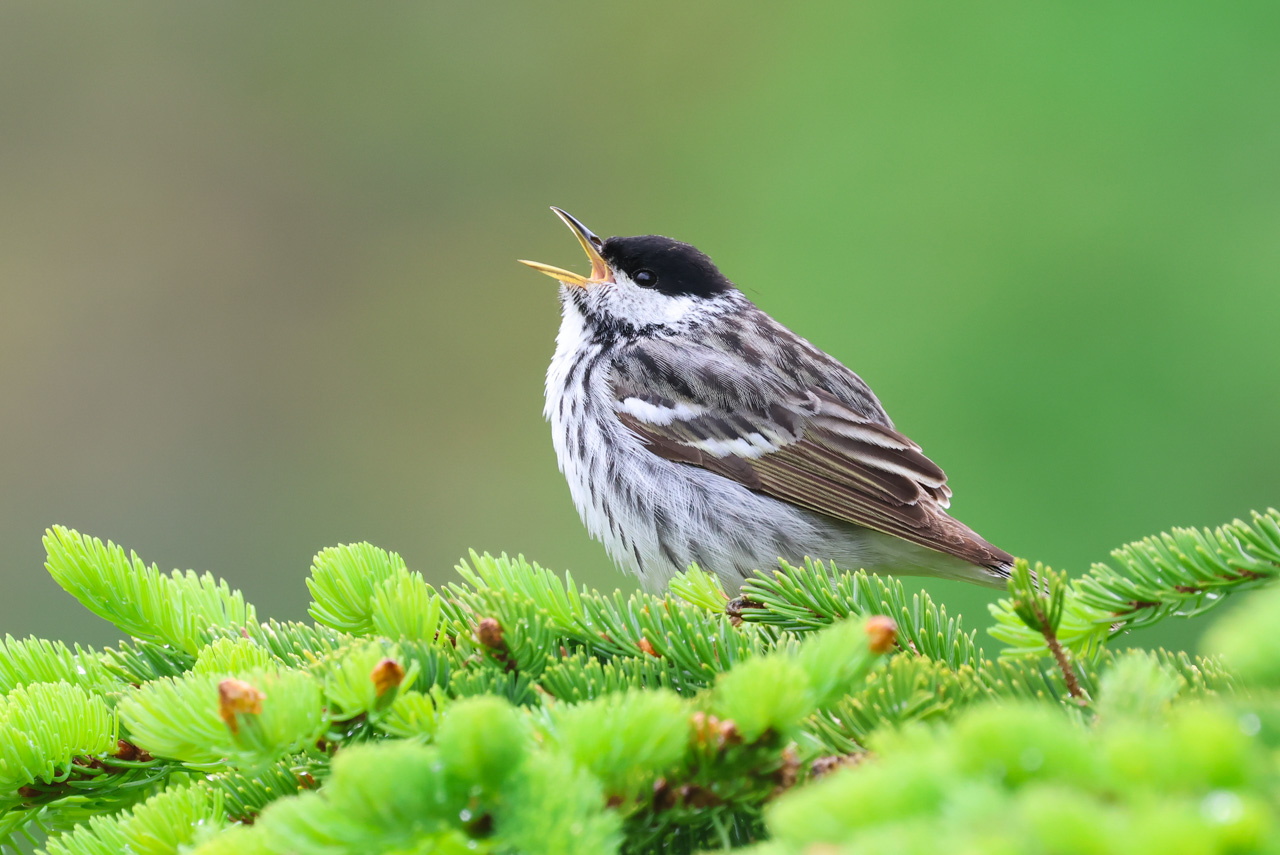
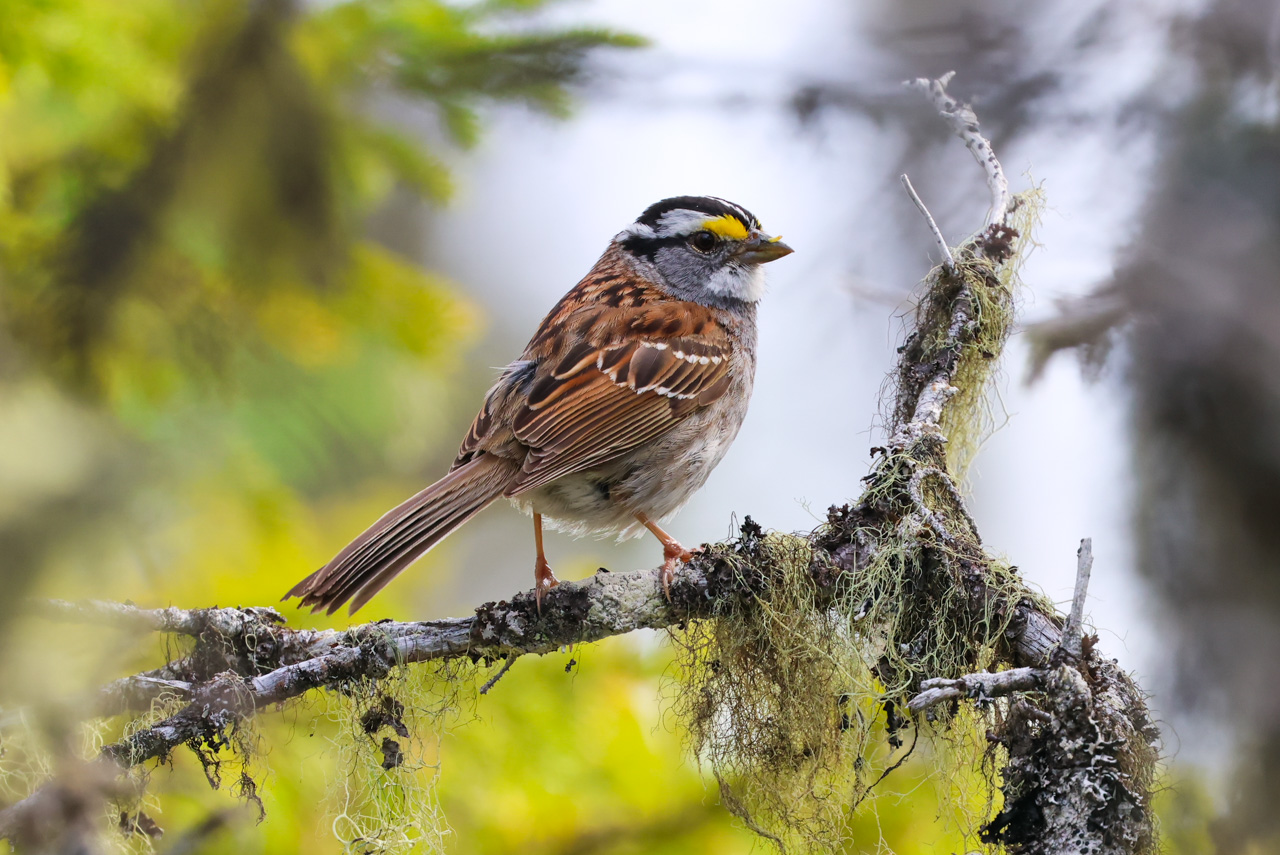
A primary objective of the expedition was the documentation of avian health and population distribution. The team recorded over a dozen species of warblers, including the Northern Waterthrush, Magnolia Warbler, and the globally significant Blackpoll Warbler.
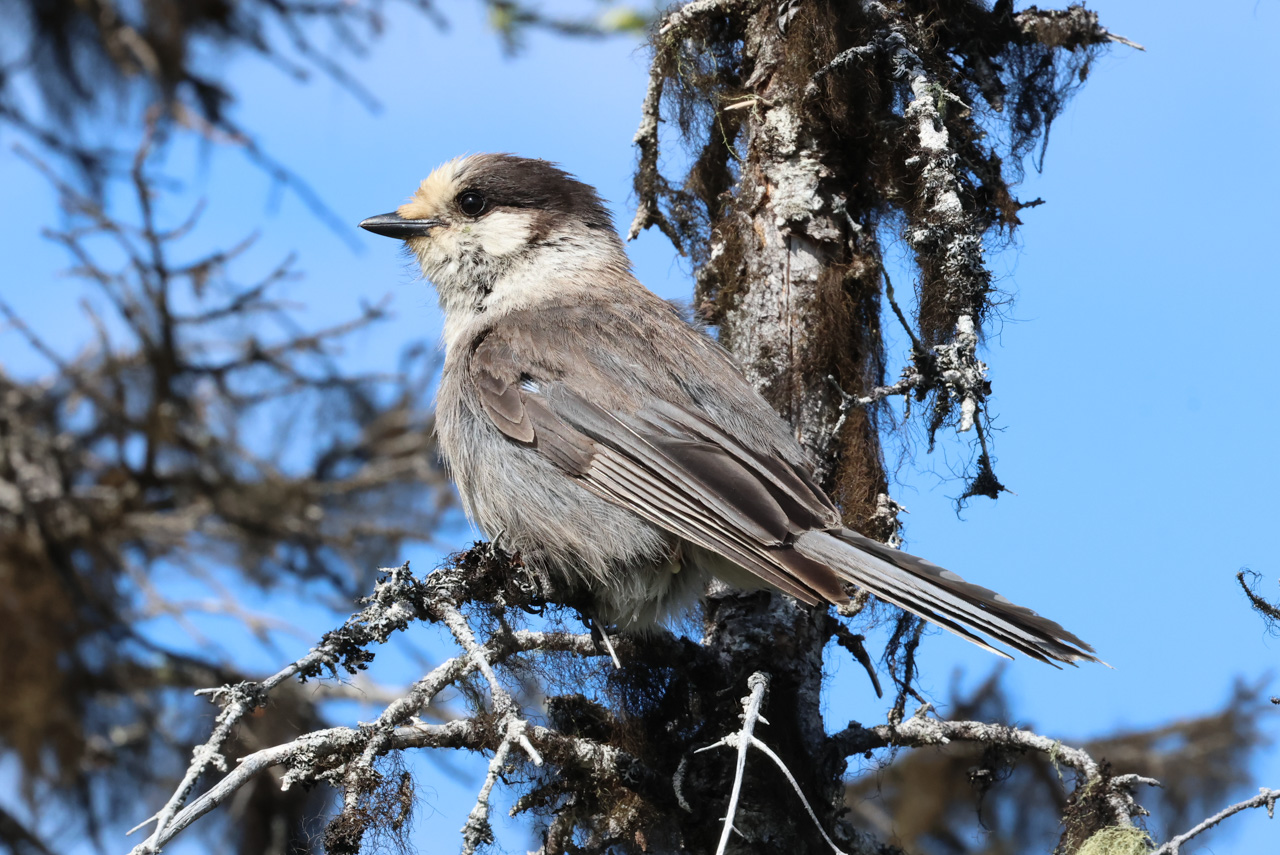
The visit to Cape St. Mary’s—North America’s third-largest Northern Gannet colony—provided essential data regarding colonial nesting birds. Observers noted the presence of Razorbills, Common Murres, and Thick-billed Murres, alongside the more ubiquitous Black-legged Kittiwake. The observation of the Gray-cheeked Thrush near Cape Spear was particularly noteworthy, given that the species is currently classified as a bird of conservation concern due to a significant,, and as-of-yet unexplained, population decline in Newfoundland over recent decades.
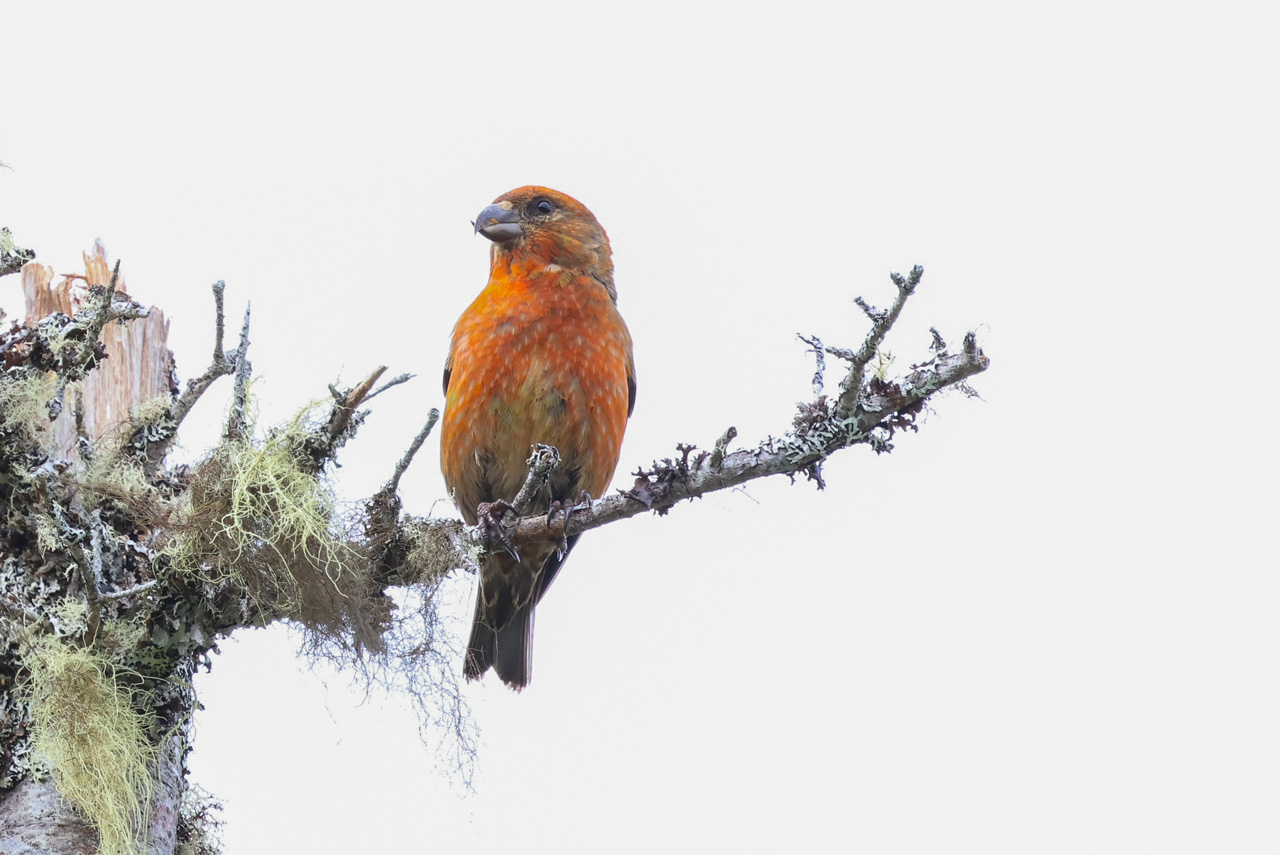
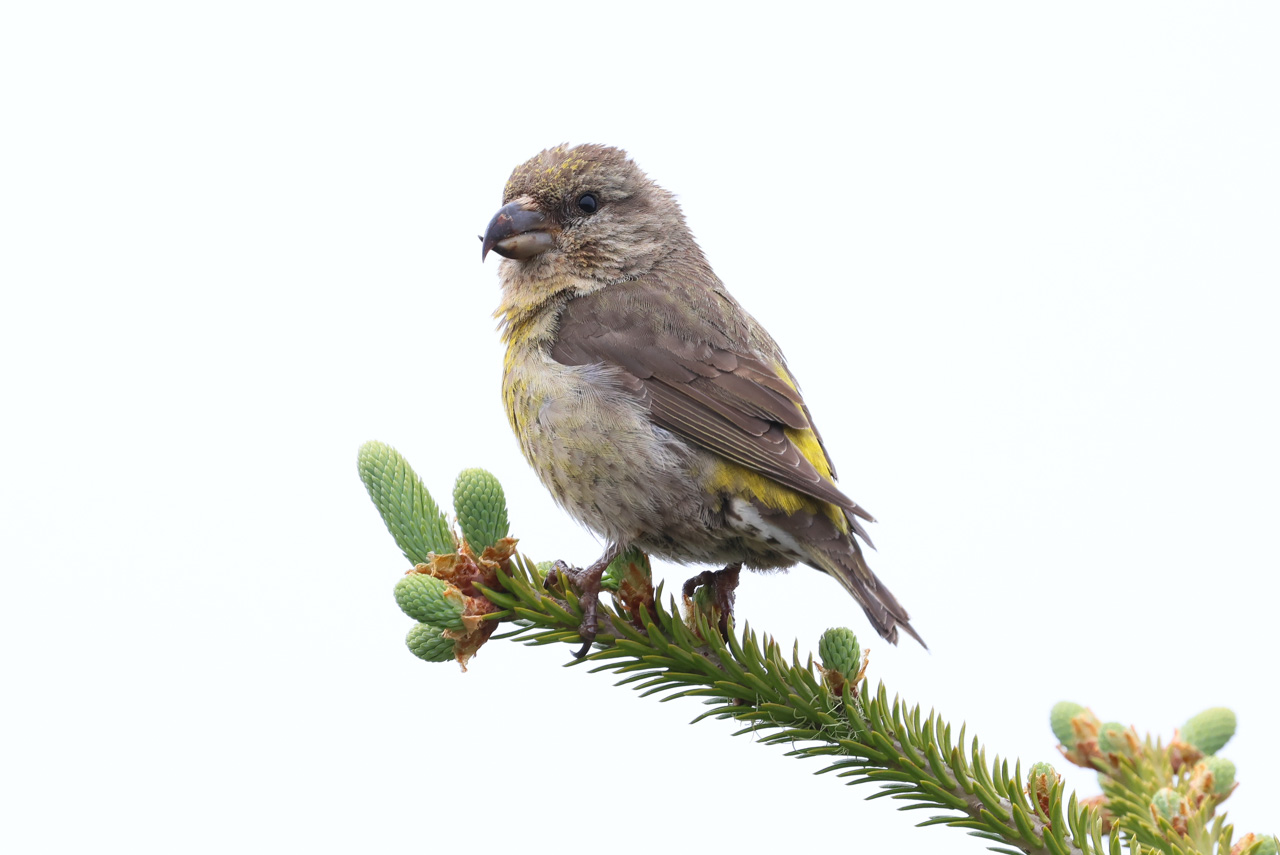
Furthermore, the team identified the "percna" race of the Red Crossbill, an endemic subspecies to Newfoundland. The use of audio recordings to confirm the presence of this specific population highlights the importance of localized conservation management for unique genetic variants that may not be present elsewhere.
Marine Life and Environmental Indicators
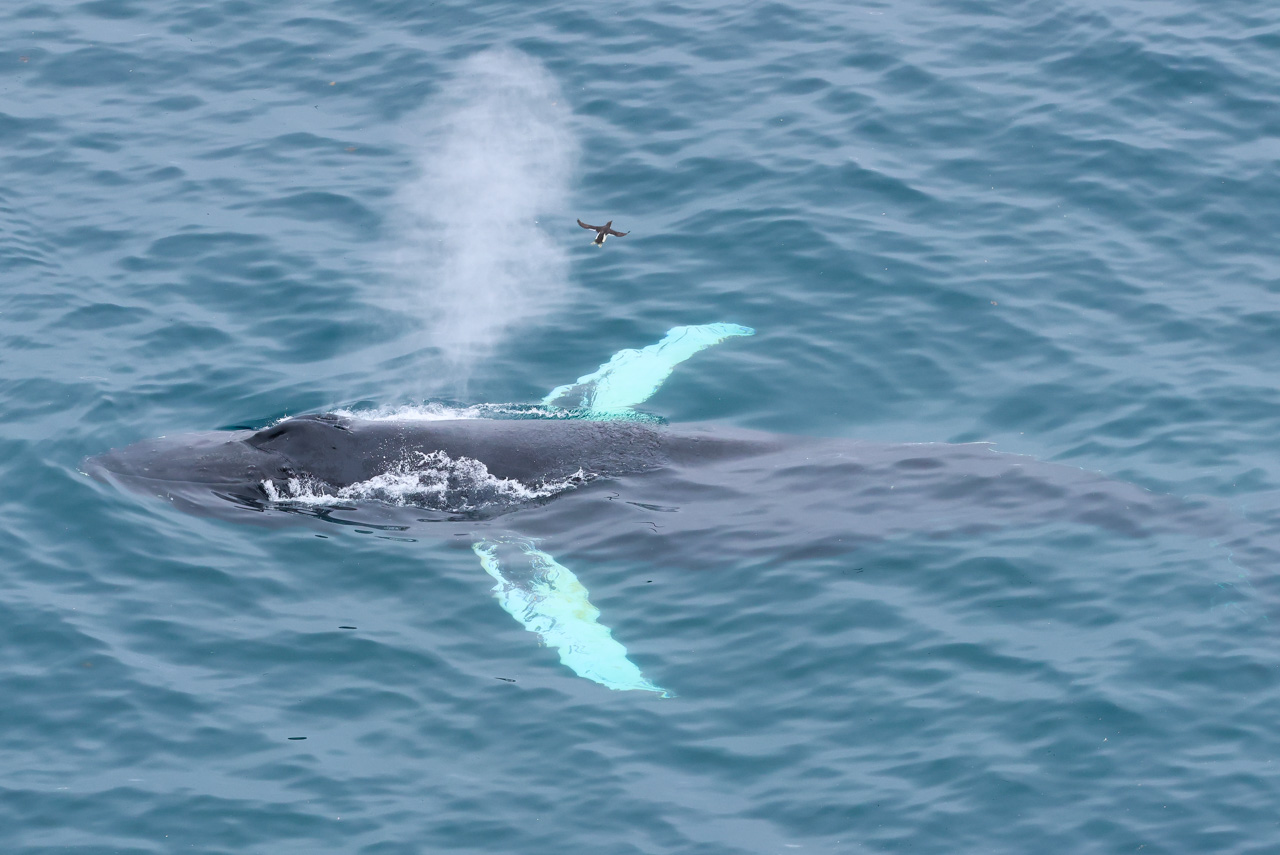
The expedition served as a window into the health of the North Atlantic marine ecosystem. The observation of Humpback Whales, particularly in the waters surrounding Cape St. Mary’s and Witless Bay, provided a clear indicator of the availability of prey species. The team witnessed the "capelin roll" at Portugal Cove South and Witless Bay, a biological phenomenon where capelin spawn on the beaches. These small forage fish are a cornerstone of the marine food web; their presence is essential for the survival of the millions of seabirds, including the 250,000 pairs of Atlantic Puffins found in the Witless Bay Ecological Reserve, and large marine mammals that migrate to the region annually.
Geological and Botanical Significance
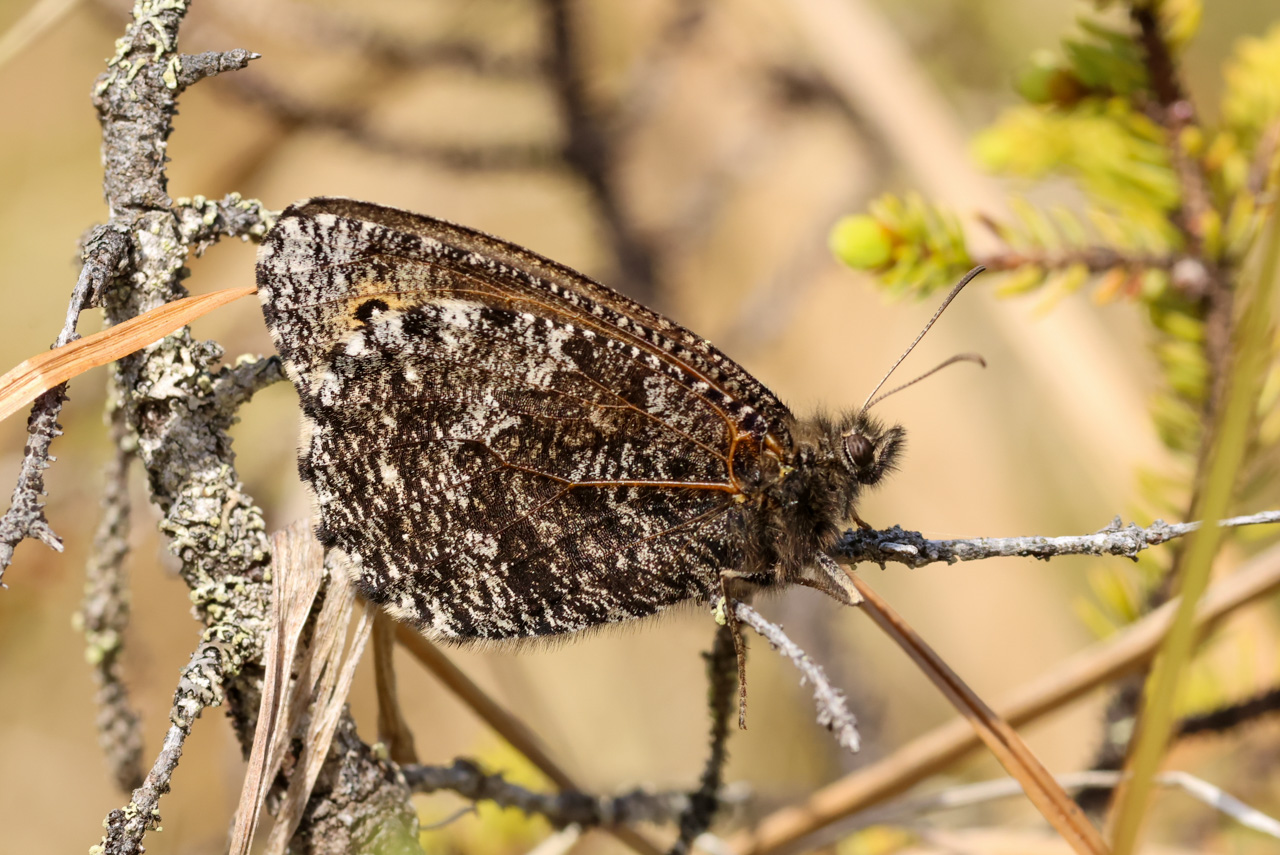
The expedition highlighted the unique geological profile of Newfoundland. The Tablelands in Gros Morne National Park provide a rare window into tectonic processes, where the collision of continents forced mantle rock to the surface. The lack of traditional soil, caused by the heavy metal content of the peridotite rock, has created a distinct habitat for alpine and carnivorous plants. This ecological isolation serves as a living laboratory for botanical research.
Similarly, the "eastern hyperoceanic barrens" of the Avalon Peninsula represent a unique environmental niche. These areas, which are largely devoid of trees due to the harsh, wind-swept maritime conditions, support a variety of flora that would typically be found much further north in the Arctic. The presence of such ecosystems in a relatively southern latitude is a key feature of Newfoundland’s environmental landscape.
Broader Implications and Institutional Engagement
The engagement with local historical sites, such as the Castle Hill National Historic Site, provided necessary context regarding the human element of Newfoundland’s ecology. The history of the cod fishery, which defined the island’s socio-economic development for centuries, remains inextricably linked to the natural environment. The transition from historical reliance on marine resources to modern-day conservation and eco-tourism reflects a shift in regional priorities.
The inclusion of a visit to "The Rooms," the provincial museum and art gallery, allowed for a synthesized understanding of the relationship between Newfoundland’s human history and its natural environment. The expedition’s findings, while anecdotal in nature, align with broader scientific reports suggesting that Newfoundland remains a critical sanctuary for biodiversity in the North Atlantic.
However, the team’s documentation of rare species—such as the Black-headed Gull and the lingering Eurasian Wigeon—underscores the unpredictability and sensitivity of these ecosystems. As climate change continues to impact subarctic and maritime environments, the data collected from such expeditions becomes increasingly valuable to regional ecologists. Ongoing monitoring of seabird colonies and the health of the capelin population is considered vital for the long-term management of Newfoundland’s national parks and ecological reserves.
Conclusion
The successful completion of this expedition underscores the logistical and scientific value of organized biological surveys in Atlantic Canada. By integrating geological study, avian monitoring, and marine observation, the participants gained a holistic view of the forces shaping Newfoundland’s environment. The findings serve to reinforce the importance of the province’s protected areas, which continue to act as essential buffers against broader environmental stressors. As the team concluded their journey in St. John’s, the consensus was clear: Newfoundland remains a premier destination for both ecological study and the appreciation of untamed, northern wilderness. The data gathered during this period will contribute to the collective understanding of the region’s wildlife distribution and the health of its most iconic natural habitats.
