
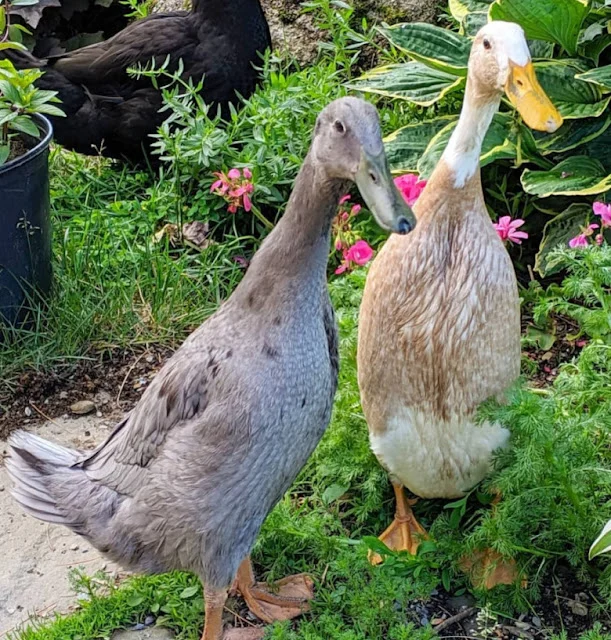
The Indian Runner duck, scientifically known as Anas platyrhynchos domesticus, stands as a distinct anomaly within the avian world. Unlike the horizontal, waddling gait characteristic of most waterfowl, the Indian Runner is distinguished by its upright, vertical posture, which often leads observers to draw comparisons to the silhouette of a bowling pin or a penguin. This physiological divergence is not merely a cosmetic trait; it is the result of centuries of selective breeding aimed at creating an efficient, high-utility agricultural partner. Today, these ducks are celebrated not only for their unique appearance but for their exceptional foraging capabilities, which have made them an integral component of sustainable farming practices across the globe.

A Historical Trajectory: From Ancient Paddies to Modern Agriculture
The lineage of the Indian Runner duck can be traced back to the common Mallard, yet its evolution into a distinct breed occurred over millennia. Archaeological evidence, including stone carvings found in Southeast Asia, indicates that these ducks have been domesticated for at least 2,000 years. Their historical role was centered in the rice paddies of India and Indonesia, where they functioned as a natural, biological pest control system.
During this era, farmers employed a sophisticated rotational management style. Each morning, after the ducks had concluded their egg-laying cycle, they were herded into the flooded rice fields. Throughout the day, the ducks would forage for insects, slugs, snails, frogs, and small lizards—pests that would otherwise threaten the integrity of the rice crop. By nightfall, the birds were returned to their enclosures, a cycle that required both the birds’ natural inclination for foraging and a docile temperament suitable for human herding.

The transition to Western agriculture began in the mid-19th century. In the 1850s, specimens were imported into the United Kingdom, where they caught the attention of Charles Darwin. Darwin’s observation of their unique, upright carriage led him to refer to them as "penguin ducks." Following their introduction to Europe, the breed was imported to the United States, where they gained popularity as a dual-purpose breed, valued for both their pest-control utility and their prolific egg-laying capacity.
Physiological Characteristics and Genetic Adaptations
The Indian Runner is classified as a "light" duck breed, typically weighing between 3 and 5 pounds. Their defining feature is their vertical stance, which typically registers at an angle of 50 to 80 degrees. This posture is facilitated by a unique structural skeletal alignment that allows for rapid, fluid movement on land. Unlike many other breeds that rely on a slow, side-to-side waddle, the Indian Runner possesses the ability to run at high speeds, a trait that directly informs their common name.

Their physical dimensions generally see these birds standing approximately two feet tall, with larger drakes occasionally reaching 30 inches in height. While their wings are present, they are anatomically underdeveloped, rendering the breed incapable of flight—a characteristic common to most domestic ducks that have been bred for terrestrial foraging rather than aerial migration.
The color diversity of the breed is arguably unmatched in the domestic duck category. There are 16 recognized color varieties, including black, blue, chocolate, fawn, apricot, and trout. This extensive color palette is a testament to the breed’s long history of selective breeding, as farmers over the centuries isolated specific phenotypes to suit local preferences and environmental conditions.

Productivity and Biological Metrics
The economic value of the Indian Runner is primarily found in its egg production. A healthy, well-managed hen can lay between 180 and 250 eggs annually. These eggs are typically medium-sized and possess a shell color ranging from white to light blue. Egg production usually commences when the bird reaches five to six months of age.
Despite their high productivity, Indian Runners are noted for a distinct lack of maternal instinct, a trait that is often observed in breeds developed for high-volume agricultural output. They are rarely "broody," meaning they do not naturally gravitate toward sitting on a clutch of eggs for the 28-day incubation period required for hatching. While exceptions exist—where individual ducks exhibit strong maternal behavior—the general standard for the breed is one of high-energy activity rather than stationary nesting.

Modern Agricultural Implications and Conservation
In the contemporary agricultural landscape, the Indian Runner has experienced a resurgence in relevance. As organic farming and sustainable viticulture gain momentum, many vineyard operators have turned to these ducks to manage pests without the use of chemical pesticides. By deploying flocks in vineyards, growers can effectively manage slug and insect populations, thereby protecting vine health while simultaneously fertilizing the soil.
From a conservation perspective, the breed is currently categorized by The Livestock Conservancy as a "recovering" breed. This status indicates that while the population is not in immediate danger of extinction, its numbers had dipped to a point of concern during the mid-20th century. Modern efforts by breeders and agricultural enthusiasts have focused on preserving the breed’s distinct physical characteristics and foraging traits, ensuring that the genetic integrity of the Indian Runner is maintained.

Behavioral Profile and Flock Management
From a behavioral standpoint, the Indian Runner is recognized for its high-energy, inquisitive, and social nature. Unlike more sedentary duck breeds, Runners require significant space to exercise their natural desire to move. Their tendency to roam makes them excellent foragers, but it also necessitates secure, fenced enclosures to protect them from local predators. While they can be somewhat skittish, they are generally docile. Poultry experts suggest that consistent human interaction during the duckling stage can significantly improve their temperament, making them more receptive to handling and socialization.
Their integration into mixed-species flocks is generally successful, as they are not typically aggressive toward other poultry. However, their speed and activity level mean that they are often the first to explore new environments. Owners are advised to provide adequate shelter and to manage their environment to prevent them from wandering too far from their primary water and food sources.

Comparative Analysis: The "Worker" Duck
The distinction between the Indian Runner and other domestic breeds is clearly defined by its role as a "worker" rather than a "meat" bird. Because they carry significantly less body mass than breeds like the Pekin or Muscovy, they are rarely kept for meat production. Instead, their value is found in the labor they perform.
Data from the poultry industry suggests that the Indian Runner’s metabolism is faster than that of heavier breeds, which is a direct consequence of their active lifestyle. This high metabolic rate requires a nutrient-dense diet to sustain both their activity levels and their consistent egg production. When managed correctly, the longevity of the breed is comparable to other domestic ducks, with a life expectancy ranging from 10 to 12 years, provided they are shielded from environmental stressors and predators such as foxes, coyotes, and domestic dogs.

Conclusion
The Indian Runner duck remains a fascinating subject for both the casual enthusiast and the agricultural scientist. Its unique vertical carriage and high-speed movement are not merely biological curiosities; they are the physical manifestations of a long, symbiotic history with human agriculture. As the agricultural industry continues to pivot toward methods that reduce chemical dependency and increase reliance on natural, integrated pest management systems, the role of the Indian Runner appears to be more relevant than ever. By preserving this breed, farmers and conservationists are not only protecting a piece of agricultural history but are also maintaining a viable, effective tool for modern, sustainable land management. Whether viewed as a curious, fast-moving companion or a highly efficient worker in the vineyard, the Indian Runner continues to secure its place as one of the most recognizable and functional breeds in the global poultry population.
