
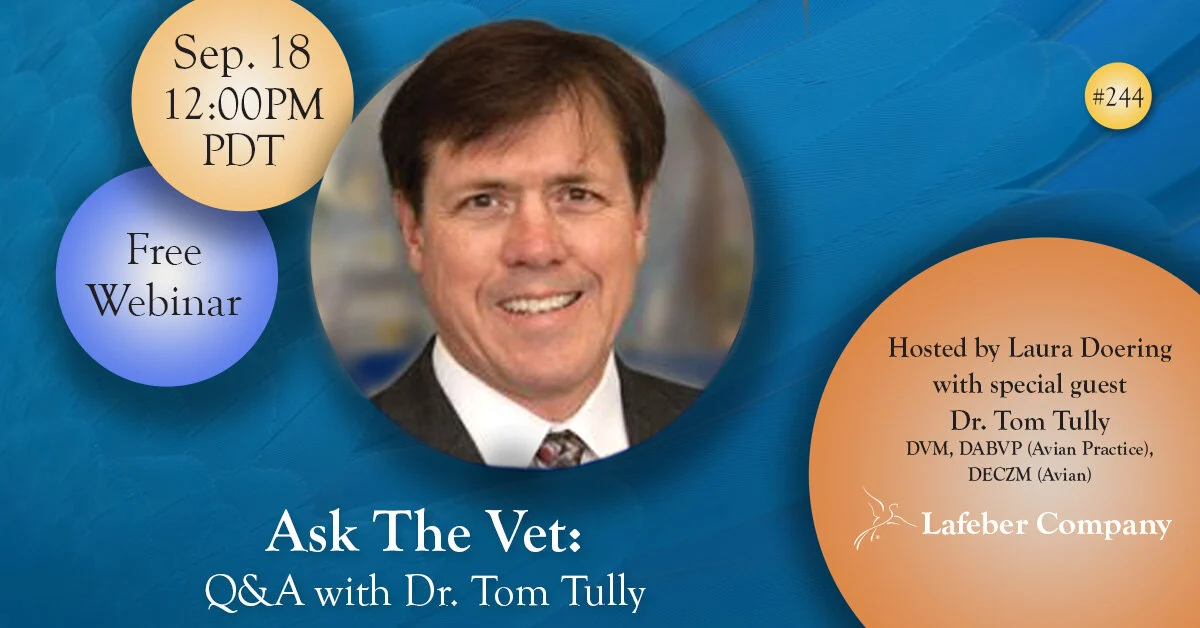
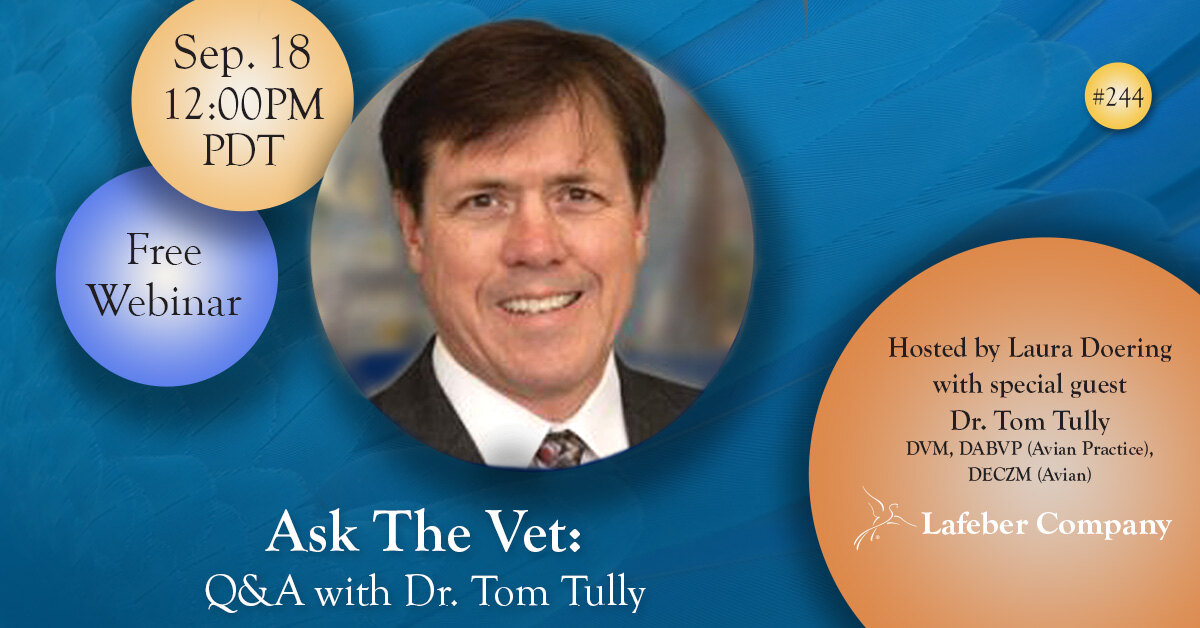
The landscape of avian care is undergoing a significant transformation as digital accessibility bridges the gap between specialized veterinary medicine and the average pet bird owner. On Friday, September 18, 2026, the avian community will have the opportunity to participate in a live, interactive educational session, Ask The Vet With Dr. Tom Tully. Hosted by Laura Doering, the former editor of Bird Talk and Birds USA magazines, this webinar serves as a critical resource for bird stewards seeking evidence-based guidance on the complex health, nutritional, and behavioral needs of parrots and other avian species.
Bridging the Gap in Avian Expertise
Access to board-certified avian specialists remains one of the primary challenges for pet bird owners globally. Unlike common household pets such as dogs or cats, whose veterinary needs are supported by a widespread network of general practitioners, exotic birds require a highly specialized level of diagnostic skill. Dr. Tom Tully, DVM, DABVP (Avian Practice), DECZM (Avian), represents the pinnacle of this field. His participation in this webinar series is predicated on a foundational philosophy: the educated owner is the most effective steward of an avian companion.
The webinar format allows for a democratization of information. By removing the traditional barriers of clinic hours and geographical proximity, Dr. Tully provides a direct line of communication to enthusiasts. The event is scheduled to commence at 12:00 p.m. PDT, and prospective attendees are encouraged to utilize online time zone converters to ensure synchronization with the live broadcast.
The Evolution of Digital Veterinary Education
The rise of digital outreach programs for pet health reflects a broader trend in veterinary medicine. Since the early 2020s, there has been a documented surge in virtual pet care consultations, a shift accelerated by global lockdowns and subsequently normalized as a convenient, efficient method for triage and general advice.
Dr. Tully’s session is not merely a question-and-answer format; it is a clinical overview of the most pressing issues currently facing avian households. Participants are invited to submit queries regarding common health concerns—such as metabolic bone disease, respiratory ailments, and feather-plucking behaviors—as well as inquiries regarding species-specific nutritional requirements.
Nutritional Science and Avian Longevity
A recurring theme in Dr. Tully’s previous sessions, and a cornerstone of this upcoming discussion, is the pivotal role of nutrition in extending avian longevity. Avian health is notoriously sensitive to dietary imbalances. According to clinical data, a significant percentage of avian medical issues can be traced back to improper diet, often characterized by excessive reliance on seed-based rations that lack the necessary vitamins, minerals, and amino acids found in a balanced avian diet.
In the context of this webinar, Dr. Tully is expected to dissect the nutritional requirements of various parrot species, emphasizing that a "one-size-fits-all" approach to feeding is scientifically insufficient. The discussion will likely touch upon the impact of caloric density, the necessity of trace nutrients for molting cycles, and how owners can distinguish between signs of nutritional deficiency and symptoms of underlying disease.
Behavioral vs. Clinical Manifestations
One of the most complex tasks for a bird owner is distinguishing between a clinical health issue and a behavioral response to environmental stressors. Birds are master concealers of illness; by the time they show physical signs of weakness, the condition is often advanced. Dr. Tully’s expertise is frequently utilized to help owners interpret these subtle signals.
During the webinar, the session will address the delicate balance of avian psychology. Many owners misinterpret behavioral issues—such as increased vocalization, territorial aggression, or repetitive motions—as merely "bad behavior," when they may actually be symptomatic of hormonal surges, lack of mental stimulation, or even chronic pain. By providing a clinical perspective, Dr. Tully aims to equip owners with the analytical tools to determine when a visit to a local exotic veterinarian is medically necessary.
The Role of the Informed Steward
The professional consensus among veterinary associations, including the Association of Avian Veterinarians (AAV), is that the quality of life for captive birds is inextricably linked to the owner’s understanding of species-specific needs. Dr. Tully has long advocated for this proactive stance. By fostering an environment where owners feel empowered to ask difficult questions, the barrier between professional veterinary medicine and home care is lowered, potentially preventing common ailments before they become life-threatening.
The collaboration with Laura Doering adds a layer of practical oversight. Having spent years at the helm of industry-leading publications, Doering is uniquely positioned to steer the conversation toward topics that are most relevant to the current challenges faced by the avian community.
Logistics and Participation
To facilitate a high-quality educational experience, the event is hosted on a professional webinar platform. Interested parties must register in advance to gain access to the secure meeting link. The structure of the event includes:
- Moderated Q&A: Participants submit questions that are curated by the host to ensure a diverse range of topics are covered, from medical emergencies to routine husbandry.
- Clinical Insight: Dr. Tully provides detailed, evidence-based responses, often citing current research in avian medicine.
- Interactive Analysis: The sessions often include segments where specific case studies or hypothetical scenarios are analyzed, allowing the audience to understand the veterinary thought process.
Broader Impact and Industry Implications
The success of webinars like Ask The Vet suggests a shift in how specialized veterinary information is disseminated. There is a growing demand for high-level, expert-led educational content that transcends the "advice blog" model often found on the internet. As more owners seek to provide higher standards of care, the appetite for direct access to specialists like Dr. Tully will likely continue to grow.
Furthermore, this model has broader implications for veterinary practices. By addressing common, non-urgent questions through these forums, veterinarians can help reduce the volume of unnecessary clinic visits, allowing for more efficient triage in actual medical facilities. It also highlights the importance of professional public outreach in the veterinary field, showing that the most effective way to improve animal welfare is through the widespread education of the owners themselves.
Preparing for the Webinar
For those planning to attend the September 18 session, preparation is key to maximizing the benefit of the hour. Attendees are advised to:
- Compile observations: If an owner has concerns about their bird’s behavior or health, keeping a log of observations (e.g., changes in appetite, activity level, or droppings) will make for a more productive question.
- Review previous episodes: While not strictly necessary, familiarizing oneself with the themes of past webinars can provide context and help avoid repetitive questions.
- Utilize the resources: The registration page provides a direct link to the Zoom webinar, ensuring that technical issues are minimized on the day of the event.
Conclusion: A Commitment to Avian Welfare
The upcoming session with Dr. Tom Tully stands as a testament to the dedication of the avian community to improve the lives of their feathered companions. In a field where misinformation can circulate rapidly online, having access to a board-certified professional who prioritizes scientific rigor and practical application is an invaluable asset.
As the date approaches, the focus remains on the ultimate goal: a more informed, proactive, and compassionate bird-keeping community. By synthesizing clinical knowledge with the lived experience of bird owners, this webinar series contributes to a standard of care that reflects the complexity and intelligence of the birds in our charge. For those interested in attending, registration remains open via the official event portal, marking a significant opportunity to engage directly with one of the most respected voices in modern avian medicine. Through this dialogue, the path toward healthier, happier birds becomes clearer, one question at a time.
