
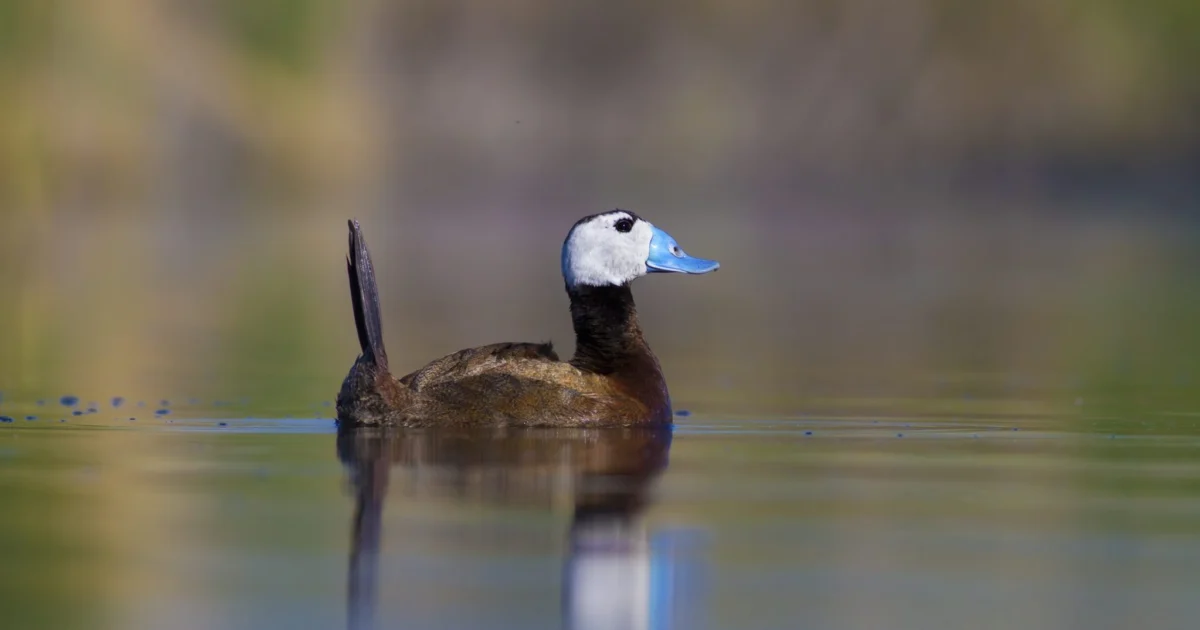
In a landmark move for hemispheric environmental governance, a coalition comprising BirdLife International, the National Audubon Society, and CAF—Development Bank of Latin America and the Caribbean—has officially unveiled the Flyways Nature Bond Framework. Announced in Nairobi, Kenya, on September 11, 2026, this scientific methodology serves as a rigorous, data-driven instrument designed to evaluate the viability and environmental impact of conservation projects. By aligning financial investment with ecological necessity, the partners aim to secure the future of migratory birds while bolstering the resilience of the ecosystems upon which both avian populations and human communities depend.
The Americas Flyways Initiative: A Strategic Imperative
The Flyways Nature Bond Framework represents the operational cornerstone of the Americas Flyways Initiative (AFI). Launched to address the escalating crisis facing migratory species, the AFI functions as a cross-sectoral alliance that bridges the gap between complex conservation science and large-scale sustainable development finance.
The initiative’s primary objective is as ambitious as it is urgent: to protect 10% of the populations of representative migratory bird species by the year 2050. To achieve this, the Framework establishes a standardized set of eligibility criteria that CAF will utilize to screen and select projects for potential future financing. By integrating ornithological data into the project lifecycle, the initiative ensures that capital is deployed toward interventions that provide tangible, measurable benefits to biodiversity.
The Ecological Crisis: A Hemispheric Decline
The urgency behind this partnership is underscored by a sobering reality: the populations of migratory birds across the Americas are in a state of rapid decline. Current data indicates that 289 species—nearly 50% of all migratory birds in the Western Hemisphere—are experiencing population losses.

The decline is particularly pronounced in North America. Since 1970, the populations of migratory breeding birds in the United States and Canada have plummeted by approximately 2.5 billion individuals. This loss is mirrored in Latin America and the Caribbean, where an additional 460 species are currently classified as threatened.
These losses are not isolated incidents but are symptomatic of a broader systemic failure in habitat management. Migratory birds are inherently transcontinental, relying on a chain of critical sites to survive their arduous journeys. A loss in one location—whether due to habitat destruction, pollution, or climate-induced degradation—often results in cascading impacts thousands of miles away. The Flyways Nature Bond Framework seeks to address this by focusing on the protection of entire landscapes, ensuring that the "corridors of life" remain intact from the boreal forests of the north to the southern reaches of the Americas.
Core Components of the Framework
The Framework is designed to be more than a set of environmental guidelines; it is a sophisticated assessment tool. It evaluates projects based on a multi-faceted criteria list, which includes:
- Geographic Strategic Importance: Assessing whether a project site serves as a vital stopover, breeding, or wintering ground for high-priority migratory species.
- Nature-Based Solutions (NbS): Prioritizing projects that use natural processes—such as wetland restoration or forest conservation—to address environmental challenges.
- Bird-Friendly Infrastructure: Mandating that any proposed infrastructure, such as energy projects or transport networks, incorporates design elements that minimize avian collision risks and habitat fragmentation.
- Social and Environmental Safeguards: Ensuring that conservation efforts do not come at the expense of local communities, but rather empower them through sustainable land-use practices.
- Rigorous Monitoring and Evaluation: Implementing a feedback loop that tracks both the health of bird populations and the ecological stability of the habitat over time.
A Multi-Benefit Approach to Finance
One of the most innovative aspects of the Flyways Nature Bond Framework is its recognition that the protection of migratory birds is synonymous with the protection of human infrastructure. The wetlands, coastal mangroves, grasslands, and forests that serve as essential stopovers for migratory birds also provide critical ecosystem services to human populations.
By investing in these habitats, the bonds structured under this framework offer significant collateral benefits:

- Flood and Storm Mitigation: Restored wetlands and coastal habitats act as natural buffers, absorbing storm surges and mitigating flood risks for vulnerable coastal communities.
- Carbon Sequestration: Many of the habitats prioritized under the framework are high-capacity carbon sinks, directly contributing to national and international climate mitigation goals.
- Water Security: Healthy forest and wetland ecosystems are essential for the natural filtration and regulation of water supplies, directly supporting agricultural and urban needs.
- Livelihood Support: By promoting eco-tourism and sustainable resource management, the initiative creates green jobs and stabilizes local economies.
Perspectives from Leadership
The signing of the Memorandum of Understanding (MoU) during the Global Flyways Summit in Nairobi served as a public demonstration of the commitment shared by the three organizations.
Sergio Díaz-Granados, Executive President of CAF, emphasized the importance of mainstreaming biodiversity within the financial sector. "The development of the Flyways Nature Bond Framework marks an important step in CAF’s efforts to integrate biodiversity considerations into development finance across Latin America and the Caribbean," he stated. "The Framework creates a consistent basis for identifying projects that may benefit migratory birds, their habitats, and ecosystems."
Martin Harper, CEO of BirdLife International, highlighted the connectivity of the planet. "Flyways are not just migration routes for birds—they connect critical sites, landscapes, biodiversity, and the people who depend on them across the hemisphere," Harper noted. "As part of BirdLife’s Global Flyways Program, the Americas Flyways Initiative brings BirdLife’s strong science and our network of national partners across the Americas to contribute to the Flyways Nature Bond Framework—mainstreaming migratory bird and biodiversity conservation more systematically within project selection and evaluation."
Dr. Elizabeth Gray, CEO of the National Audubon Society, framed the initiative as a model for the future. "Birds show us where nature needs investment most," Gray remarked. "The Flyways Nature Bond Framework brings Audubon’s science into financing decisions, helping identify projects with the potential to strengthen the ecosystems birds and people share. This is conservation powered by birds and a promising new model for sustainable development across the Americas."
Implications and Future Outlook
The introduction of the Flyways Nature Bond Framework represents a shift in how international development banks approach environmental conservation. Rather than treating biodiversity as an "externality" to be mitigated, this framework treats it as a core asset to be invested in.
If successful, the framework could serve as a template for other global regions facing similar challenges. The integration of bird migration data—which acts as a high-resolution indicator of ecosystem health—provides a objective "barometer" for project success.
However, the efficacy of the Framework will ultimately depend on the scale of its implementation and the willingness of regional governments to incorporate these criteria into their own national infrastructure plans. With 2050 as the long-term target, the next decade will be critical. The AFI is expected to begin identifying pilot projects in the coming months, providing the first real-world test of the Framework’s capacity to turn scientific methodology into lasting environmental and economic security.
As the world continues to grapple with the dual crises of climate change and biodiversity loss, initiatives that demonstrate the tangible link between healthy natural systems and sustainable development are increasingly vital. By ensuring that the skies remain full of life, the Flyways Nature Bond Framework provides a roadmap for a future where both nature and human civilization can thrive in tandem across the Americas.
