
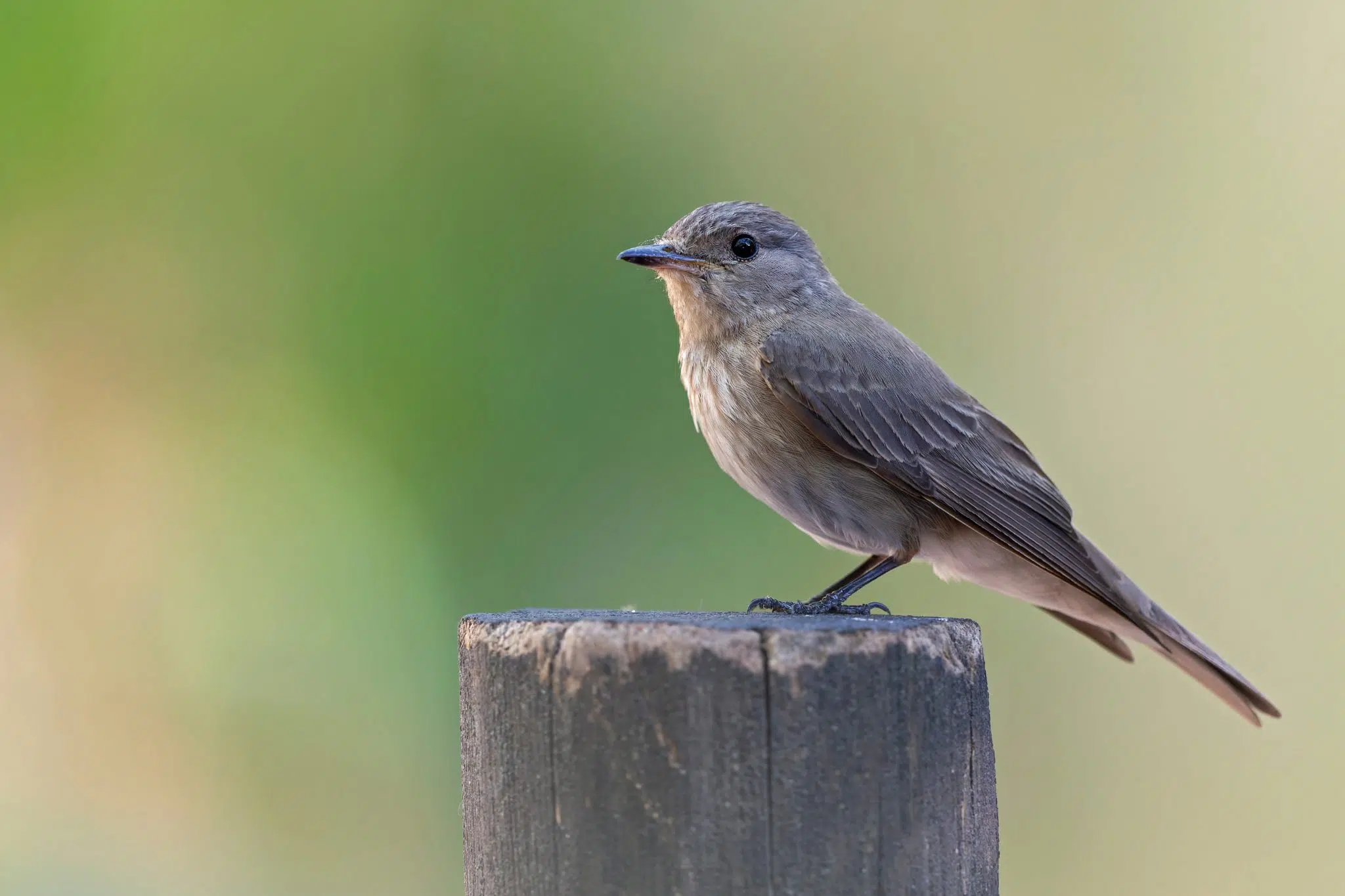
The global ornithological community has reached a significant milestone in data standardization with the release of the AviList v2026 checklist. Building upon the foundational 2025 launch of a unified global taxonomy for avian species, this latest iteration represents the first of what is now established as an annual October update cycle. By providing a single, consensus-driven reference point, AviList seeks to eliminate the historical fragmentation of bird classification, a persistent issue that has long complicated international conservation, research, and public engagement.
The Evolution of Global Avian Taxonomy
For decades, ornithologists and conservationists navigated a complex landscape of competing taxonomic authorities. Lists maintained by the International Ornithological Committee (IOC) and the Clements Checklist—while invaluable—often differed in their treatment of species boundaries. These discrepancies created significant logistical hurdles for organizations such as the International Union for Conservation of Nature (IUCN) and the Cornell Lab of Ornithology.
The launch of AviList in 2025 was designed specifically to bridge these divides. By integrating the rigorous taxonomic standards of major global institutions, the initiative provides a bedrock for databases like eBird, Birds of the World, and the IUCN Red List. The transition to a unified system is not merely an academic exercise; it is a vital necessity for modern conservation. When data sets are misaligned, researchers may inadvertently misinterpret population trends, habitat requirements, or the extinction risk of specific populations. The v2026 update ensures that global scientific discourse is speaking the same language, thereby streamlining the path toward more effective habitat protection and species management.
Key Taxonomic Revisions in the 2026 Update
The v2026 update introduces several notable taxonomic shifts, categorized by the scientific processes of "splitting" (recognizing distinct species) and "lumping" (consolidating entities into a single species). These changes are the result of extensive genetic research and field observations.

One of the most prominent revisions involves the Willet (Tringa semipalmata). Previously treated as a single species with distinct subspecies, the AviList v2026 update elevates these groups to two monotypic species: the Saltmarsh Willet (Tringa semipalmata) and the Prairie Willet (Tringa inornata). This separation acknowledges the distinct ecological and geographic ranges of the two populations, allowing for more precise monitoring of their respective conservation statuses.
Similarly, the Warbling Vireo (Vireo gilvus) has been split into two distinct species: the Eastern Warbling Vireo (Vireo gilvus) and the Western Warbling Vireo (Vireo swainsoni). This reflects emerging evidence regarding their behavioral and vocal differences, as well as their distinct migratory patterns.
In Europe, the Spotted Flycatcher (Muscicapa striata) complex has seen a significant change. The populations located on the Balearic Islands and the adjacent Mediterranean mainland have been reclassified as a full species: the Mediterranean Flycatcher (Muscicapa tyrrhenica). This recognition highlights the evolutionary distinctiveness of Mediterranean island endemics, which are often at higher risk of localized environmental pressures.
Conversely, the update includes a "lumping" event: the House Swift (Apus nipalensis) has been merged into the Little Swift (Apus affinis). Taxonomic authorities have determined that the genetic and morphological differences between these populations do not meet the threshold for independent species status, leading to a consolidation that simplifies global reporting for these aerial insectivores.
Timeline and Implementation: Moving Toward Alignment
The shift toward a unified taxonomy is a multi-year project involving the coordinated efforts of leading global institutions. The timeline for full integration is as follows:

- 2025: Initial launch of the AviList as a collaborative, consensus-formed global checklist.
- October 2026: Release of AviList v2026, marking the beginning of the annual update cycle.
- Late 2026: The Cornell Lab of Ornithology is scheduled to update the eBird checklist to reflect the new taxonomy, achieving a projected 97.7% alignment between eBird and AviList.
- 2027–2028: BirdLife International is expected to finalize the integration of these taxonomic changes into the global Red List, following mandatory public consultation periods for species undergoing status re-evaluation.
The delay in full alignment is a deliberate feature of the process. Because the IUCN Red List carries significant legal and policy implications—influencing government environmental regulations and funding for protected areas—any change to a species’ status must undergo rigorous scientific and public scrutiny. BirdLife International has indicated that while full synchronization is a high-priority goal, the integrity of the Red List depends on this careful, step-by-step evaluation.
Supporting Data and Institutional Impact
The impact of this standardization extends far beyond the scientific community. For field guides, app developers, and citizen science platforms, a stable taxonomy is essential. By reducing the "noise" created by competing taxonomic lists, AviList allows platforms like eBird to provide a cleaner, more reliable experience for millions of users.
Current statistics from the AviList project underscore the scale of this effort:
- Alignment metrics: The current update brings major taxonomic databases into over 97% alignment, a marked improvement from the pre-2025 era.
- Digital accessibility: The 2026 data is available in multiple formats, including extended and short-form Excel spreadsheets and an interactive "Checklist Explorer" that allows for real-time filtering by rank, genus, and conservation status.
- Scientific transparency: The project provides comprehensive bibliographic and nomenclatural data, ensuring that every taxonomic decision is traceable to the underlying peer-reviewed research.
Official Perspectives and Future Implications
While the transition is generally welcomed, it places significant demands on the participating organizations. Representatives from the scientific committees involved in the AviList consensus have emphasized that the goal is to create a living document that reflects the dynamic nature of avian evolution.
"The transition is not just about changing names on a list," notes a senior researcher involved in the BirdLife taxonomic working group. "It is about creating a framework where conservation action can be as precise as possible. When we classify a bird as a unique species, we are identifying a unique unit of biodiversity that requires its own management plan. By standardizing these units, we are ensuring that conservation resources—which are finite—are being applied where they are needed most."

The implications of the v2026 update are profound for both policy and practice. As habitat loss and climate change continue to impact bird populations worldwide, the ability to track species across borders depends entirely on a common taxonomy. The AviList project serves as a crucial infrastructure project for the 21st century, providing the data architecture necessary to sustain global biodiversity monitoring.
How to Access the Data
For researchers, educators, and the general public, the AviList v2026 checklist is publicly available. The project maintains a user-friendly interface at www.avilist.org, which facilitates custom data exports. Users can download CSV files tailored to specific regions or taxonomic groups, making it an indispensable tool for those involved in regional bird surveys or environmental impact assessments.
Furthermore, for those interested in the specific methodology behind these taxonomic decisions, BirdLife International provides extensive documentation on its "DataZone" platform. This transparency is intended to foster trust in the process, ensuring that the global community understands not just the results of the taxonomy, but the scientific rationale driving every "split" and "lump."
As the world looks toward the 2027 update, the success of the AviList initiative serves as a model for other biological fields. By prioritizing consensus over individual institutional preference, the ornithological community has demonstrated how global collaboration can effectively mitigate the confusion caused by conflicting data systems, ultimately providing a more coherent strategy for protecting the world’s avian heritage.
