
From October 19 to 30, 2026, the global conservation community will descend upon Yerevan, Armenia, for the 17th Conference of the Parties (COP17) to the Convention on Biological Diversity (CBD). This gathering represents a critical juncture for the planet’s ecological future, serving as the venue for the first-ever Global Review of the Kunming-Montreal Global Biodiversity Framework (GBF). As the clock ticks toward the 2030 deadline for the world’s ambitious nature restoration goals, the summit is expected to move beyond mere rhetoric and demand substantive, policy-driven commitments from participating nations.
The stakes could not be higher. The Kunming-Montreal Framework, adopted in 2022, established a blueprint for halting and reversing biodiversity loss by 2030. With only four years remaining to fulfill these promises, the Yerevan summit functions as a "report card" for the international community. The primary challenge facing delegates is not a lack of scientific consensus, but a persistent implementation gap that threatens to render the Framework’s 23 targets unreachable.
The Migratory Crisis: A Barometer for Global Health
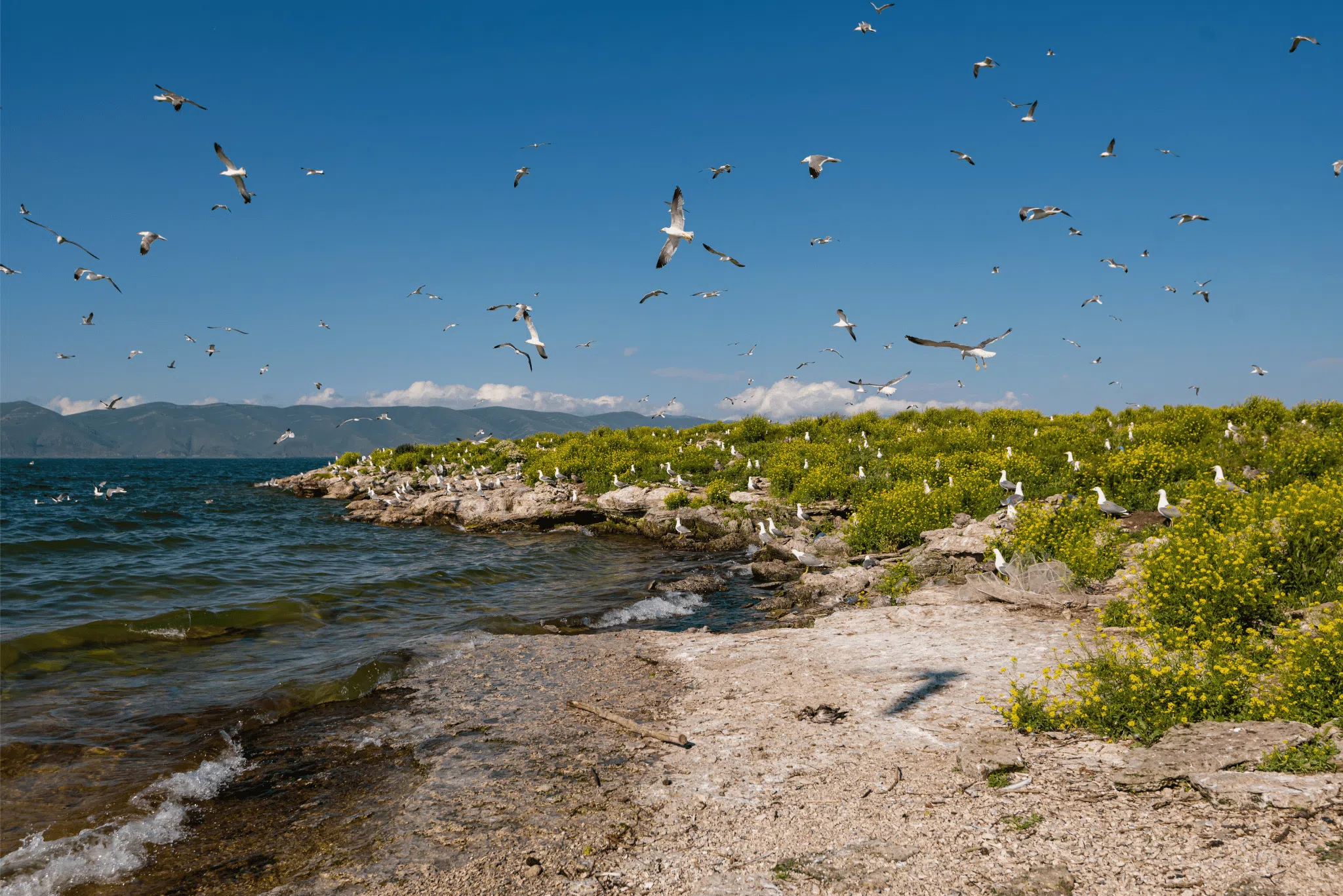
To understand the urgency of the COP17 agenda, one must look to the sky. Migratory birds act as the world’s most visible indicators of ecological connectivity. Their survival is contingent upon a chain of stopover points spanning thousands of kilometers across international borders. When a single wetland is drained in a staging area or a stretch of coastline is developed, the negative ripple effects are felt across entire continents.
Data recently presented at the Global Flyways Summit in Nairobi, Kenya, in September 2026, provides a sobering backdrop for the Yerevan negotiations. The updated State of the World’s Birds report reveals that 45% of the 1,843 species monitored are currently in decline. Furthermore, of the key ecological sites surveyed over the past decade, 58% are categorized as being in poor or very poor condition. These statistics are not merely environmental metrics; they are indicators of systemic failure in landscape-scale conservation.

The Nairobi Flyways Declaration, signed by over 125 organizations, serves as a mandate for the Yerevan delegation. It calls for conservation that transcends national borders, emphasizing that isolated efforts are insufficient when the migratory routes themselves are fracturing. The signatories argue that without a synchronized, transboundary approach to protecting Key Biodiversity Areas (KBAs), the GBF targets will remain aspirational at best.
Chronology and Context: The Path to Yerevan
The journey to COP17 has been marked by a transition from theoretical policy to practical, on-the-ground implementation.
- 2022: Adoption of the Kunming-Montreal Global Biodiversity Framework at COP15, establishing the "30×30" goal (protecting 30% of the world’s land and sea by 2030).
- 2023–2025: National Biodiversity Strategy and Action Plan (NBSAP) updates by member states, identifying funding gaps and legislative hurdles.
- September 2026: The Global Flyways Summit in Nairobi provides the empirical evidence of site degradation, highlighting the disconnect between policy and reality.
- October 19–30, 2026: COP17 in Yerevan, Armenia. The first official Global Review of the GBF, where states must demonstrate accountability for their national progress.
The Yerevan symposium, organized by the Foundation for the Preservation of Wildlife and Cultural Assets (FPWC), aims to bridge the gap between scientific discovery and policy execution. By convening experts, government officials, and private sector representatives, the summit seeks to provide a roadmap for the remaining four years of the decade.
Analysis: Bridging the Implementation Gap
The core dilemma for delegates in Yerevan is how to move from "review" to "response." Current analysis suggests three primary areas where governments are faltering:
- Marine and Freshwater Protection: While terrestrial protected areas have seen growth, aquatic ecosystems—the "connective tissue" of biodiversity—remain severely under-resourced. The failure to secure these areas directly undermines the resilience of migratory species.
- Harmful Subsidies: Despite the GBF’s explicit call to reform subsidies that damage nature, many nations continue to provide significant financial support to industries that degrade biodiversity. Experts at the Nature Positive Pavilion in Yerevan are expected to present evidence on how reallocating these funds could catalyze a transition to sustainable land use.
- Financial Accessibility: The "200 billion dollar question"—the estimated annual funding required to implement the GBF—remains a sticking point. Developing nations argue that the current financial mechanisms are too bureaucratic and inaccessible, while developed nations seek greater transparency in how funds are deployed.
Official Responses and the Role of Partnerships
BirdLife International and its global partners are positioning themselves as a conduit between the high-level negotiations and local action. By highlighting the success of the Conserva Aves initiative in Latin America and the Caribbean, the partnership intends to demonstrate that conservation is most effective when local communities are integrated into the governance structure. Currently, this initiative manages conservation processes across three million hectares, involving at least 500 communities. This model proves that "30×30" is not just about drawing lines on a map; it is about creating sustainable livelihoods that incentivize nature stewardship.

The private sector, often viewed as a contributor to biodiversity loss, is also being brought to the table. Side events such as Nature Restoration is Everyone’s Business aim to explore how businesses can move beyond traditional CSR (Corporate Social Responsibility) to integrate nature-positive outcomes into their core supply chains.
The Broader Implications: A Turning Point for 2030
The outcome of COP17 will likely determine the feasibility of the 2030 agenda. If the Yerevan summit concludes without clear, measurable commitments to accelerate restoration, the credibility of the Convention on Biological Diversity could suffer irreparable damage.
Governments are expected to face intense pressure to produce "Implementation Roadmaps" that detail exactly how they intend to rectify the failures identified in the Global Review. This includes a shift toward "blended finance"—utilizing multilateral development banks and private equity to scale up wetland and ecosystem resilience projects.
The scientific community is clear: nature can recover if given the space and resources to do so. The recovery of certain endangered species, often documented by conservationists, serves as evidence that current strategies can work when properly funded and enforced. However, the window for intervention is closing. The findings in the State of the World’s Birds report suggest that the rate of habitat degradation is currently outpacing the rate of restoration.
Looking Ahead: The Yerevan Mandate
As the delegates convene in Yerevan, they carry the weight of a global commitment. The city, which has seen its own local conservation efforts championed by the FPWC, provides a fitting backdrop for a summit focused on the intersection of cultural assets and biological heritage.

The focus of the next two weeks will be on translating the findings of the Global Review into concrete, actionable policy. The rhetoric of the past will be insufficient to satisfy the demands of the scientific community or the public. Instead, the Yerevan summit must yield a definitive shift toward institutionalizing biodiversity in government budgets, trade agreements, and environmental law.
The question remains whether the political will exists to prioritize the long-term health of global ecosystems over short-term economic gains. Birds have already mapped out the necessary connections; it is now up to the delegates in Yerevan to ensure those connections remain intact for the generations to come. The goal is no longer just to stop the loss—it is to restore the interconnected web of life that sustains the planet, with the 2030 deadline as the non-negotiable target.
The events scheduled throughout the week, from the "30×30 Under Threat" session to discussions on scaling wetland finance, reflect a multifaceted approach to the crisis. By engaging stakeholders from the public, private, and non-profit sectors, the Yerevan summit aims to prove that biodiversity loss is not an inevitable consequence of development, but a management failure that can—and must—be corrected.
