
The African Bird Club (ABC) has officially reached a significant milestone in its three-decade history of environmental stewardship, surpassing £755,241 in total grant funding dedicated to bird conservation initiatives across Africa. Since the inception of its Conservation Awards programme in 1996, the organization has served as a vital financial catalyst for grassroots scientific research, habitat protection, and avian education. This achievement underscores the enduring impact of targeted, small-scale funding in regions where biodiversity is under increasing pressure from anthropogenic activities and climate change.
A Three-Decade Legacy of Support
The journey toward this financial landmark began in the mid-1990s when the ABC recognized a critical gap in international conservation funding. While large-scale global initiatives often focused on charismatic megafauna or high-profile international parks, many local, community-driven bird conservation projects were left without the necessary capital to launch.
From its humble beginnings, the Conservation Awards programme has evolved into a sophisticated mechanism for distributing resources. Today, the club manages an annual budget of approximately £30,000 to £45,000, supported by a diverse ecosystem of individual donors, charitable trusts, and collaborative partnerships. Over the course of 30 years, this support has reached 383 unique projects across 53 African countries and territories, empowering nearly 300 individuals and local organizations to take ownership of their ecological heritage.
The Anatomy of Impact: Species and Habitats
The scope of the ABC’s work is remarkably broad, touching upon at least 120 distinct species or taxonomic groups. Perhaps most significantly, over 60 percent of the projects supported by these grants focus on birds currently categorized as Vulnerable, Endangered, or Critically Endangered on the IUCN Red List.
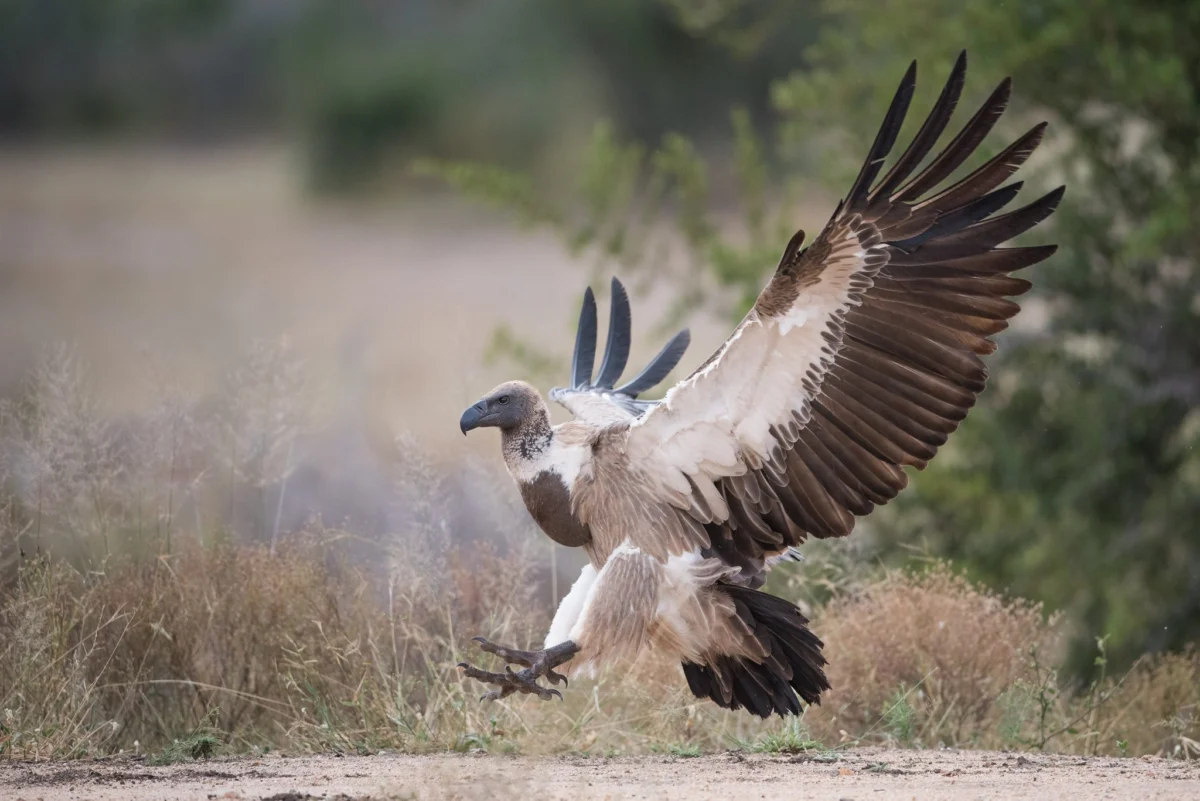
Vultures, in particular, have been a prioritized focus of the organization. As vital ecosystem service providers that mitigate the spread of disease by disposing of animal carcasses, vultures face extreme threats from habitat loss and poisoning. The ABC has directed more than £53,500 into 23 separate vulture-focused initiatives across 17 countries, demonstrating a strategic commitment to protecting keystone avian species.
Chronology of Conservation Success
The history of the ABC’s grant program is punctuated by high-impact interventions that have changed the trajectory for specific sites and species:

- 1996: The inaugural Conservation Awards programme is launched, establishing a framework for small-grant distribution.
- Early 2000s: The program expands its reach, focusing on capacity building for local ornithologists and researchers in Sub-Saharan Africa.
- Mid-2010s: Emphasis shifts toward site-based conservation, leading to significant land-protection efforts in hotspots like the Dakatcha Woodland in Kenya.
- 2020–2025: Increased investment in long-term monitoring and community-based education programs, such as those established in Uganda and Sierra Leone.
- 2026: The organization reaches the £750,000 milestone, confirming its status as a cornerstone of African bird conservation at the Annual General Meeting.
Key Projects and Scientific Discoveries
The efficacy of these grants is best measured by on-the-ground outcomes. In Kenya, for example, ABC funding was instrumental in the protection of 323 hectares of the Dakatcha Woodland. This area is not merely a collection of trees but a crucial habitat for globally threatened species, including the Clarke’s Weaver, the Sokoke Scops-owl, and the Sokoke Pipit.
Similarly, in Zambia, the impact of the grant program extended into large-scale biological surveying. An aerial survey supported by the ABC in the Barotse Floodplain led to the discovery of three major waterbird breeding colonies, including one containing an estimated 68,000 African Openbill nests. This specific project provided the foundational data necessary to identify the site as an area of international importance, subsequently leading to sustained, long-term monitoring efforts.
In West Africa, the focus has shifted toward technological innovation. In Ghana, grants supported the deployment of camera traps to investigate predation at the nests of the White-necked Picathartes—a species whose elusive nature makes it notoriously difficult to study without specialized equipment.
Investing in the Next Generation
A core pillar of the ABC’s strategy is capacity building. Recognizing that long-term conservation requires a local workforce, the club has heavily invested in educational programs that nurture future ornithologists and conservationists.
In Sierra Leone, grants were utilized to establish bird clubs for youth, providing training and educational materials in local languages to ensure that conservation knowledge is accessible and culturally relevant. This model was mirrored in Uganda, where the establishment of Village Bird Clubs around Kibale National Park has engaged over 200 children. These programs do more than teach bird identification; they foster a culture of environmental stewardship, encouraging tree planting and active protection of local biodiversity.
Institutional Responses and Strategic Vision
During the 2026 Annual General Meeting, Keith Betton, Chair of the African Bird Club, emphasized that the financial figure—while impressive—is merely a reflection of the human endeavor behind the projects. "Passing £750,000 in grants is an important milestone, but what matters most is the impact those funds have had," Betton stated. He highlighted the organization’s role in "supporting dedicated people, generating knowledge, protecting habitats, and helping conserve some of Africa’s most threatened bird species."
The sentiment reflects a broader philosophy within the conservation community: that the most effective interventions are often those that empower local actors to manage their own natural resources. By providing "seed money" for projects that might otherwise be overlooked by larger global NGOs, the ABC plays a critical role in the conservation pipeline.

Analysis: The Ongoing Challenge of Funding
Despite the milestone, the ABC faces a persistent challenge: the demand for funding far outstrips supply. The organization receives over 100 applications annually, yet financial constraints permit the funding of only about 15 percent of these requests. This indicates a massive, unmet need for small-scale grants.
Most conventional conservation programs are designed for massive infrastructure or high-level policy intervention, often ignoring the "low-cost, high-impact" fieldwork—such as community engagement and basic ecological monitoring—that the ABC specializes in. The analysis of this gap suggests that if funding were scaled, the potential for further conservation gains in Africa would be exponential.
Broader Implications for African Biodiversity
The cumulative success of the ABC’s 383 projects serves as a blueprint for future conservation efforts. By fostering a network of researchers, educators, and community leaders, the club has created a decentralized system of protection that is more resilient than centralized top-down management.
As the climate shifts and habitat fragmentation continues to accelerate across the continent, the role of such organizations becomes increasingly vital. The data collected through ABC-funded research does not merely inform academic papers; it provides the empirical evidence required to lobby for the legal protection of Key Biodiversity Areas (KBAs) and the establishment of new wildlife corridors.
Looking ahead, the challenge for the African Bird Club will be to continue scaling its funding base to meet the rising demand for grassroots support. The organization’s ability to turn modest investments into significant habitat preservation and scientific breakthroughs suggests that its model remains one of the most efficient tools in the modern conservationist’s kit. As the club moves beyond the £750,000 mark, its ongoing success will depend on its ability to maintain its agility, its focus on local empowerment, and its commitment to the most vulnerable species in the African landscape.
