
Delegates gathered in Ulaanbaatar, Mongolia, for the United Nations Convention to Combat Desertification (UNCCD) Conference of the Parties (COP17) have reached an impasse, ultimately deciding to defer negotiations on a comprehensive international framework to tackle global drought until COP19 in Egypt, scheduled for 2028. The decision has drawn sharp criticism from environmental organizations, civil society groups, and policy analysts who warn that delaying coordinated global action will severely exacerbate water scarcity crises, destabilize regional agricultural economies, and place millions of vulnerable communities at heightened risk.
The outcome of the two-week summit in Mongolia marks a significant setback for multilateral environmental diplomacy. Despite intense lobbying from scientific bodies, indigenous groups, and conservation NGOs highlighting the compounding threats of climate change, erratic weather patterns, and widespread land degradation, member states failed to forge a consensus on binding or actionable strategies specifically tailored to mitigate drought disasters. Instead of establishing immediate targets or financing mechanisms, delegates agreed merely to kick the issue down the road, leaving a critical policy vacuum at a time when hydrological stress is intensifying globally.
Background Context of UNCCD COP17 and the Rising Threat of Drought
The UNCCD, established in 1994, is the sole legally binding international agreement linking environment and development to sustainable land management. Alongside the UN Framework Convention on Climate Change (UNFCCC) and the Convention on Biological Diversity (CBD), it forms the tripartite core of the Rio Conventions. However, while climate change conferences frequently dominate global headlines, desertification, land degradation, and drought (DLDD) have historically struggled to secure equivalent levels of high-level political attention and financial capitalization.
In recent years, the frequency, duration, and severity of droughts have surged dramatically across every continent. Driven by rising global temperatures, altered precipitation regimes, and unsustainable water extraction practices, droughts are no longer isolated meteorological anomalies but systemic threats to global stability. The socioeconomic consequences extend far beyond localized crop failures; they trigger cascading crises, including forced climate migration, escalating food insecurity, localized conflicts over diminishing water resources, and severe economic contractions in agrarian societies.
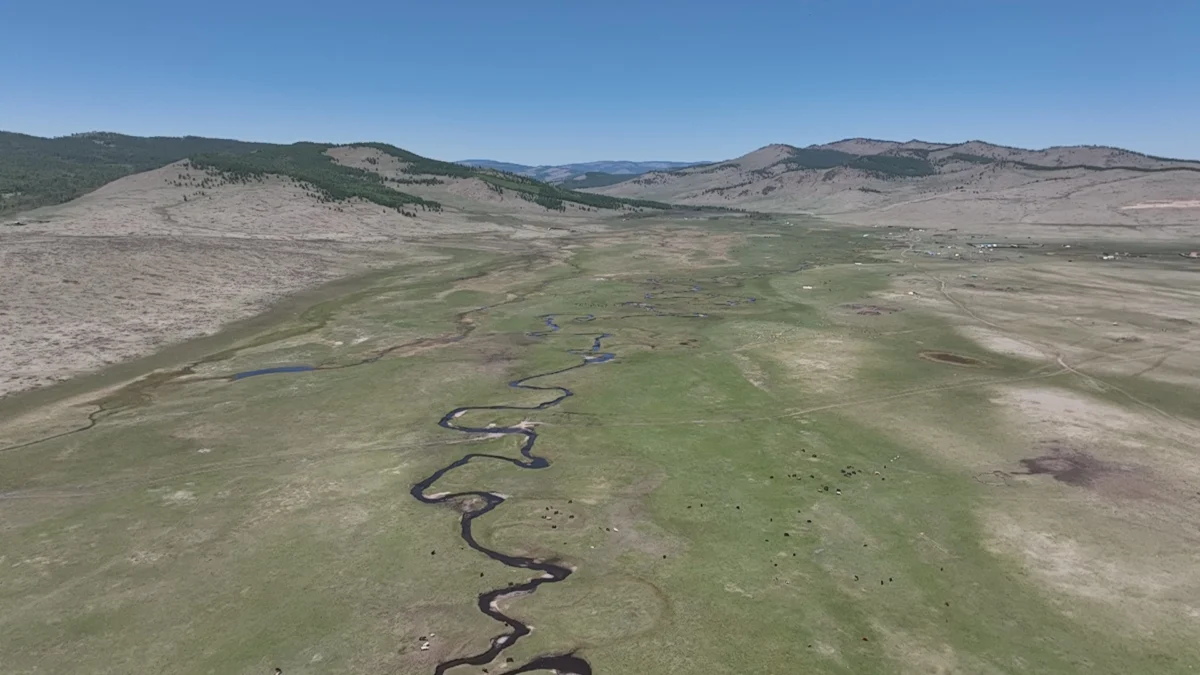
The setting of COP17 in Mongolia—a nation itself facing profound challenges related to desertification, overgrazing, and the degradation of vital steppe ecosystems—was intended to serve as a stark reminder of the realities of land degradation. Yet, despite the symbolic backdrop, diplomatic divisions among member states over financing, legal obligations, and burden-sharing paralyzed progress on the drought agenda.
Chronology of the Impasse and Key Developments
The path toward the postponement in Ulaanbaatar was marked by protracted, behind-closed-doors negotiations that revealed deep fractures between developed and developing nations regarding who should bear the financial and regulatory costs of drought mitigation.
- Pre-Summit Warnings (Early 2026): Leading meteorological agencies and scientific bodies issued joint briefs warning that a strengthening El Niño cycle, combined with long-term anthropogenic warming, would trigger severe hydrological shocks in regions spanning southern Africa, the Amazon basin, and parts of southern Europe.
- Opening Plenary (Mid-August 2026): Representatives from civil society and observer organizations urged delegates to place drought resilience at the absolute center of the COP17 negotiating text, calling for immediate investments in water retention infrastructure and ecosystem restoration.
- Mid-Conference Negotiations (Late August 2026): Disagreements intensified over proposed monitoring mechanisms and adaptation financing frameworks. Several industrialized nations expressed resistance to legally binding commitments that could entail open-ended financial liabilities.
- The Final Decision (August 28, 2026): Formal negotiations on the dedicated drought decision collapsed. Rather than allowing the entire text to fail, delegates adopted a procedural compromise: postponing substantive deliberations and final text adoption until the 2028 COP19 summit in Egypt.
Official Responses and Reactions from Environmental Organizations
The decision to defer action triggered immediate reactions from environmental observers and international agencies, who characterized the outcome as a dereliction of duty in the face of mounting ecological emergencies.
Richard Lee, Head of Communications at Wetlands International, who attended COP17 in Mongolia, expressed profound dismay at the diplomatic failure.
"Incredibly, governments have failed to agree an approach to tackling drought despite the ever-growing list of drought disasters around the world," Lee stated. "Just this year, Europe has suffered a historic drought, while a strengthening El Niño could fuel devastating droughts from southern Africa to Amazonia. We believed that the world’s worsening droughts would force the world’s governments to act. We were wrong."

Lee emphasized that the two-year delay carries a tangible human and economic toll. "Delaying a decision on drought for at least another two years will cost more than time: communities and economies across the world will pay the price. This was an opportunity for governments to signal their commitment to combating drought and highlight the urgent need to scale up solutions—from reining in climate change to improving water infrastructure, from restoring drylands to investing in healthy freshwater wetlands. They failed."
Rather than viewing the diplomatic setback as the end of the road, conservation groups have signaled a strategic shift toward decentralized, cross-sectoral action. Lee noted that the burden now falls squarely on non-state actors, local communities, and international coalitions to drive progress independently.
"This decision also signals that it is now up to others to redouble their efforts to mitigate the risk and impacts of drought," Lee added. "Like Wetlands International. We will expand our work with communities, partners, companies, and governments to protect and restore rivers, lakes, floodplains, peatlands, and other wetlands, including in particularly vulnerable regions like the Sahel and East Africa."
The Role of Freshwater Ecosystems and Nature-Based Solutions
Throughout the Ulaanbaatar summit, numerous delegations and technical experts emphasized that combating drought successfully requires moving away from purely reactive, engineering-heavy emergency responses toward proactive, nature-based interventions.
Ecosystem-based approaches—specifically the protection and restoration of freshwater wetlands, peatlands, floodplains, and river basins—are increasingly recognized as foundational pillars of regional climate resilience. Healthy wetlands function as natural sponges; they absorb excess water during periods of heavy rainfall, mitigate downstream flood risks, recharge underground aquifers, and gradually release stored water during prolonged dry spells.
Despite scientific consensus regarding the utility of these ecosystems, proponents of nature-based solutions expressed frustration that widespread rhetorical support from high-level officials did not translate into formal treaty commitments.
Delegates and ministers from several vulnerable and biodiverse nations, including Mongolia, Brazil, Kenya, and Zimbabwe, actively championed the Freshwater Challenge during the conference. Recognized as the world’s largest freshwater protection and restoration initiative, the challenge aims to accelerate the revitalization of degraded rivers and lakes worldwide. Many participants at COP17 had anticipated that explicit endorsement of the Freshwater Challenge would be integrated into the final conference text as a primary mechanism for drought adaptation. The postponement of the drought decision leaves the formal status of these integration efforts uncertain until 2028.
"Investing in healthy freshwater ecosystems is not a silver bullet for droughts," Lee observed. "Pero it is a central part of the solution since healthy wetlands store more water in nature, not only replenishing aquifers but also releasing water in drier times—helping to alleviate water scarcity and droughts. Many countries here in Ulaanbaatar have highlighted the critical importance of healthy wetlands, with Ministers and other high-level officials from Mongolia, Brazil, Kenya, and Zimbabwe also pointing to the Freshwater Challenge as a key part of the solution. We were hoping this widespread support for investing in healthy freshwater wetland would be included in the final decision."
Fact-Based Analysis of Implications for Global Policy and Economy
The postponement of UNCCD drought negotiations carries several distinct implications for international climate and environmental governance over the next biennium:
- Widening Policy Gaps: With formal global talks frozen until 2028, national governments may lack a unified, standardized framework for assessing drought vulnerability and allocating climate adaptation funds. This fragmentation could lead to uneven preparedness levels between wealthy nations with advanced water management infrastructure and developing nations reliant on rain-fed agriculture.
- Shift to Regional and Bilateral Initiatives: In the absence of a binding global mandate, momentum is expected to shift toward regional coalitions, bilateral agreements, and private-public partnerships. Initiatives like the Freshwater Challenge, regional river basin commissions, and multilateral development bank lending portfolios will likely assume greater importance in financing water security projects.
- Economic Toll on Vulnerable Sectors: Agriculture, livestock rearing, and hydroelectric power generation remain acutely vulnerable to unmitigated hydrological shocks. Without proactive investments in water storage and soil moisture retention, local economies in dryland regions face recurrent productivity losses, potentially driving up global commodity prices and exacerbating food security pressures.
- Increased Pressure on COP19 in Egypt: When member states reconvene in 2028, the stakes will be exceptionally high. The intervening years will provide empirical evidence of the costs associated with the Ulaanbaatar delay, likely intensifying pressure on negotiators to deliver a robust, adequately financed framework that bridges the gap between scientific urgency and political execution.
As the international community digests the outcome of UNCCD COP17, attention must now turn to implementation on the ground. For local communities bracing against the encroaching effects of desertification and water scarcity, the bureaucratic delays in Mongolia underscore a stark reality: building resilience against the droughts of the 21st century will require local innovation, sustained financial commitment, and grassroots environmental stewardship, long before global leaders finally reach consensus at the negotiating table.
