
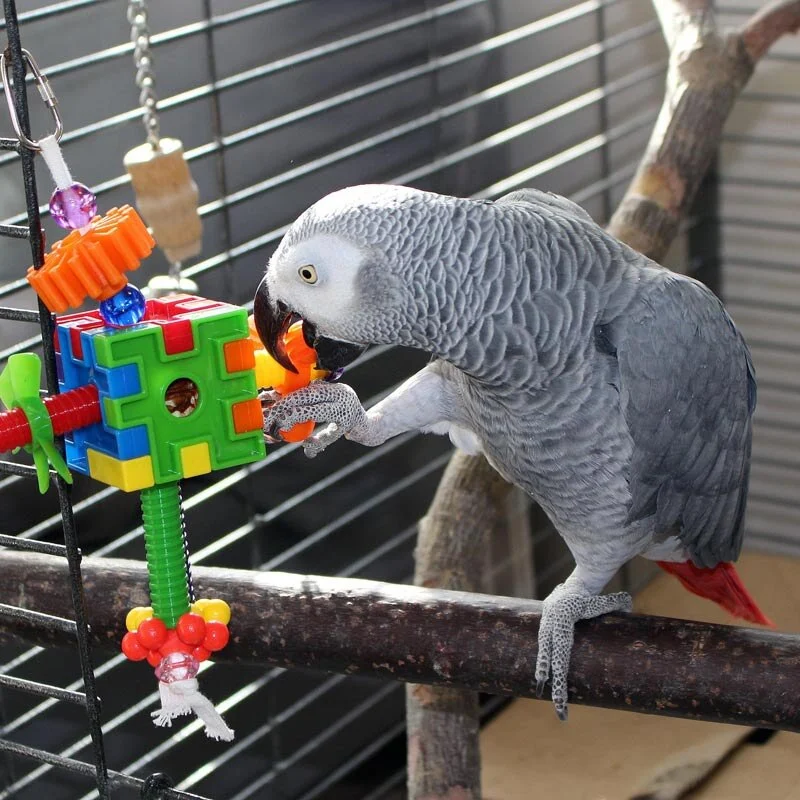
The integration of psittacines into domestic environments has fundamentally altered the structural and operational dynamics of modern households. As avian companionship becomes increasingly prevalent, researchers and behaviorists have documented a shift in power dynamics where the pet, rather than the human, dictates the rhythm of daily life. While the initial commitment to bird ownership centers on companionship and care, long-term stewardship reveals a complex, multi-faceted influence that parrots exert over their human counterparts. This phenomenon transcends simple pet behavior, evolving into a sophisticated form of environmental and social management.
The Chronology of Avian Integration
The transition from a standard household to one managed by a parrot typically follows a predictable progression. Upon the arrival of a bird, the human environment undergoes an immediate audit. Within the first 24 to 48 hours, the parrot establishes its baseline for interaction. By the end of the first week, the "adjustment phase" concludes, and the parrot begins the process of establishing a sensory and auditory schedule.
Data from the American Pet Products Association (APPA) indicates that bird ownership remains a significant segment of the companion animal market, with millions of households participating in the care of psittacines. As these birds are highly intelligent, social creatures with cognitive abilities often compared to those of a human toddler, their ability to influence their surroundings is a biological imperative. In the wild, parrots operate within complex flock hierarchies; when placed in a home, the human family becomes that flock, and the bird instinctively seeks to exert control to ensure its security and stimulation.
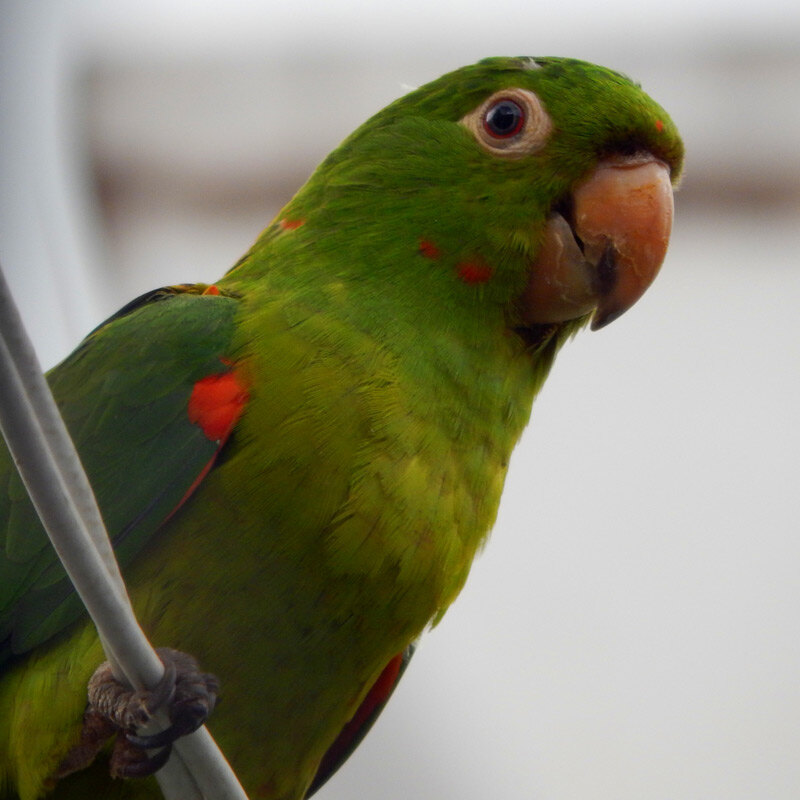
The Temporal Dictatorship: Scheduling and Routine
One of the most profound impacts of parrot ownership is the restructuring of the human biological clock. Unlike dogs or cats, which may adapt to their owner’s sleep-wake cycles, parrots are biologically programmed to mirror the solar cycle. In the wild, the onset of dawn triggers immediate vocalizations to signal the start of the day. In a domestic setting, this translates to an unyielding morning schedule.
Behavioral studies on captive psittacines suggest that these birds utilize vocalizations as a management tool. If a human does not adhere to the expected morning routine, the bird’s persistent signaling functions as a corrective mechanism. This "temporal anchoring" forces owners to prioritize the bird’s needs over personal preferences, such as weekend rest. Failure to comply with these self-imposed schedules often results in increased vocalization or behavioral distress, signaling that the avian "manager" is displeased with the household’s performance.
Environmental Auditing and Quality Control
Parrots are notoriously sensitive to environmental changes, a trait stemming from their natural vigilance against predators. When a human introduces new furniture, changes the layout of a room, or even alters their personal appearance, the parrot initiates a formal "inspection."
This behavior is categorized by ethologists as investigative curiosity combined with territorial concern. From an objective standpoint, the parrot is verifying that the environment remains safe. If the bird deems an item "unauthorized" or "unpleasant," it may display signs of agitation or intense scrutiny. This effectively forces the human to consider the bird’s approval before making any aesthetic changes to the home. In essence, the parrot acts as a de facto interior design critic, with the power to veto changes through vocal protests or physical avoidance of the modified area.
Economic Shifts: The Redefinition of Value
Perhaps the most peculiar aspect of the parrot-human dynamic is the revaluation of household waste. Owners often report a psychological shift in their perception of consumer goods. Items that would typically be relegated to the recycling bin—such as cardboard boxes, shipping paper, or paper towel rolls—are suddenly classified as high-value assets.
This shift in resource management is driven by the bird’s need for enrichment and destructive play. Because chewing and shredding are vital to a parrot’s psychological health, owners prioritize the acquisition of these "trash" items. Market analysts in the pet industry have noted that while the toy industry for birds is lucrative, many owners find that store-bought items are often outclassed by simple, household materials. This forces a shift in supply-chain logic within the home, where the "treasure" is no longer the expensive, pre-packaged item, but the cardboard box it was shipped in.
The "Group Project" Mandate
Parrots are non-solitary actors. Their inherent social structure dictates that activities are best performed in groups. When a human attempts to work, read, or perform household chores, the parrot perceives these as communal tasks.
Psychological observation of these interactions reveals that the bird is not merely being "naughty" or "distracting"; it is engaging in social facilitation. By attempting to assist with a laptop keyboard or standing on a book being read by its owner, the parrot is fulfilling a social obligation to participate. For the human owner, this results in a loss of autonomy. Tasks that would normally take a set amount of time are extended by the necessity of managing the bird’s "assistance." This behavior is a cornerstone of the bird’s influence, as it demands the human’s total presence and attention.
Institutional Perspectives on Avian Stewardship
Experts in avian medicine and behavior stress that these "management" behaviors are indicative of a healthy, bonded bird. Dr. Elena Rossi, an avian behaviorist, notes: "When a parrot begins to assert control over the schedule or the environment, it is demonstrating a high level of engagement with its human flock. It is, in many ways, the bird’s version of building a stable, predictable home. The challenge for the human is to provide structure while acknowledging that, in the bird’s mind, they are equals in a collaborative project."
The implications of this are significant for prospective owners. The "ruling the roost" phenomenon implies that the traditional master-pet relationship is inverted. The human becomes a provider, a facilitator, and a member of the bird’s social hierarchy, rather than a master of the environment.
Broader Impact and Future Implications
The long-term impact of this power dynamic on human-animal welfare is generally positive. By yielding to the bird’s requirements—whether for specific light cycles, constant engagement, or access to varied enrichment materials—the owner inadvertently provides the environment necessary for the bird to thrive.
As we look toward the future of domestic avian keeping, the trend toward "human-centric" parrot care is likely to continue. We are seeing a move away from seeing birds as caged exhibits and toward viewing them as active participants in the household. This shift requires a high level of patience, but it also fosters a deeper, more intellectual bond between species.
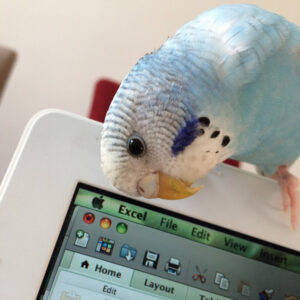
Ultimately, the reality of living with a parrot is defined by the recognition that the household is a shared space. While we may pay the mortgage and purchase the supplies, the psychological "ownership" of the home often rests with the avian inhabitant. Their ability to organize our time, inspect our décor, and influence our purchasing habits confirms their status as not just pets, but as the true, albeit feathered, managers of the modern household. Recognizing and respecting this balance is the hallmark of a successful, long-term stewardship between humans and their parrots.
