
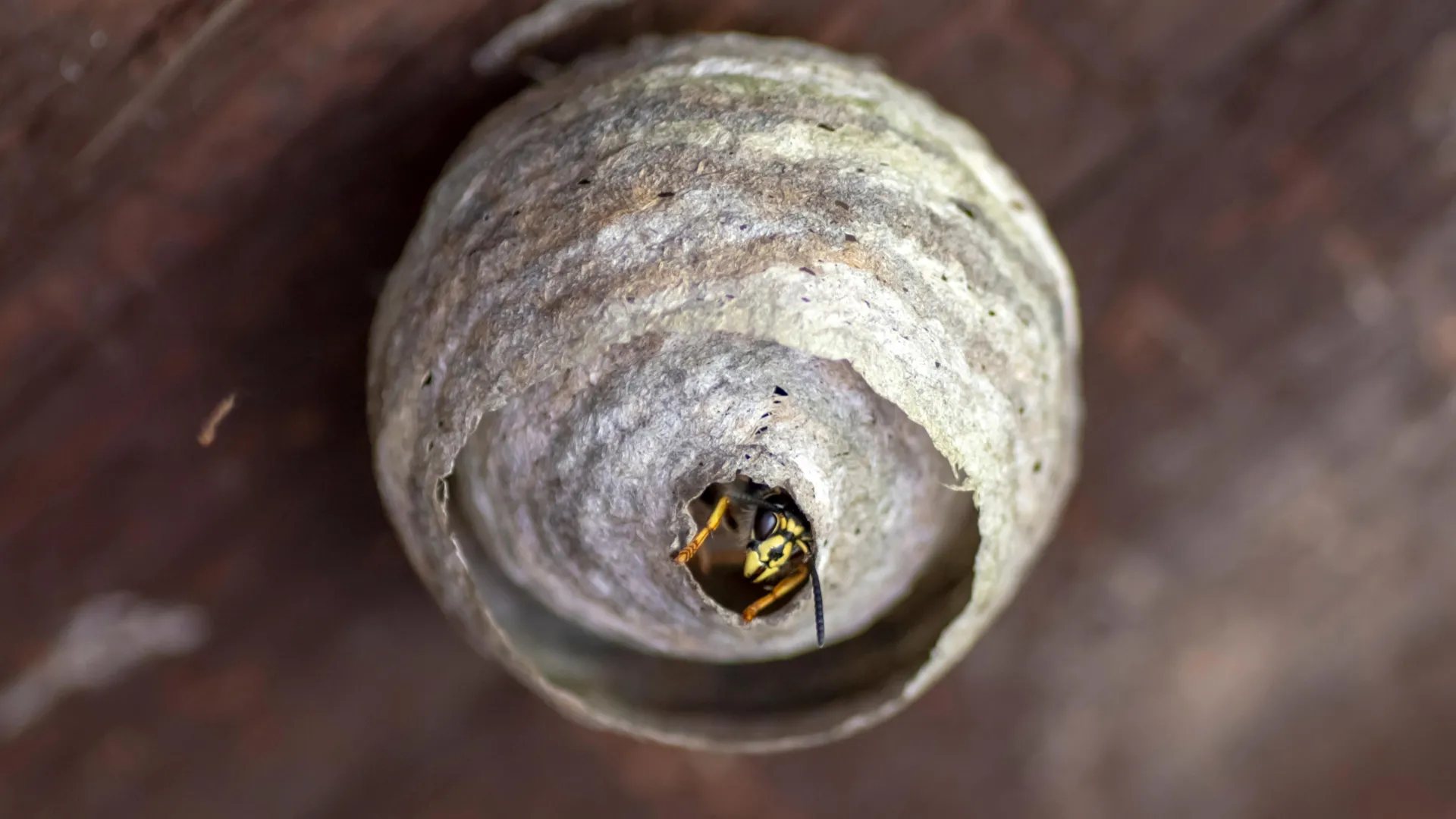
The iconic yellow-and-black social wasp, long considered an unwelcome yet inevitable fixture of the warm-weather months, has experienced a profound and unexpected population crash across the Northern Hemisphere during the summer of 2026. While butterflies and certain other winged insects have thrived amid prolonged sunshine, the common social wasp—a vital ecological agent functioning as a predator, pollinator, and scavenger—has become conspicuously scarce. Pest control operators, entomologists, and academic researchers report a sharp downward trajectory in nest creation calls, field sightings, and colony growth. This sudden demographic shift has triggered urgent scientific inquiry into how accelerating climate volatility, unprecedented ground temperatures, and meteorological extremes are fundamentally altering the life cycles of eusocial insects.
The Chronology of an Anomalous Season
The unfolding crisis began during the early months of the year, tracking a climate pattern that initially appeared advantageous for foundational insect survival. As winter transitioned into spring, an unseasonably warm and dry period coaxed a high volume of new queens—known as foundresses—out of their subterranean and sheltered hibernations. Biologically programmed to establish colonies single-handedly, these queens immediately embarked on the high-risk endeavor of building initial nest structures, foraging for scarce protein, laying eggs, and rearing their first broods of sterile worker wasps.
Historically, a mild, dry spring provides optimal conditions for these pioneering monarchs, offering plentiful nectar supplies to mature their ovaries and robust prey populations to nourish early larvae. However, the spring of 2026 quickly deviated from historical baselines. Unprecedented premature heat spikes were abruptly interrupted by erratic cold snaps, damp downpours, and unexpectedly frigid nocturnal temperatures.
As the calendar turned toward mid-summer, the regional climate locked into a relentless succession of severe heatwaves. While organizations like Butterfly Conservation celebrated the prolonged warmth as a potential catalyst for a bumper butterfly season—characterized by uninterrupted foraging and rapid reproduction—it presented a severe ecological stress test for ground-nesting and cavity-dwelling social insects. By August, when colonies should typically reach peak foraging capacity and produce large cohorts of robust workers, field researchers noticed an alarming vacuum: nests remained small, populations were remarkably sparse, and the few adult workers observed in the wild possessed the stunted dimensions normally associated with early-spring emergences.
Empirical Observations and Professional Consensus
Scientific awareness of this phenomenon initially materialized through academic field requirements and commercial pest management data. Researchers attempting to source specimens for behavioral and physiological experiments reported severe difficulties locating viable colonies. Simultaneously, professional pest-control networks noted a stark year-over-year decline in public requests for nest removals and exterminations, contrasting sharply with the previous summer’s media saturation surrounding localized "wasp plagues."
Although formal citizen-science initiatives—such as the Big Wasp Survey—traditionally require late-season sampling windows to quantify absolute population shifts, preliminary indicators strongly suggest a widespread demographic contraction. Pest mitigation specialists and agricultural extension offices have echoed these observations, confirming that public complaints regarding aggressive foraging behavior around outdoor dining areas have dropped significantly.
This drop in human-wasp friction, while superficially welcomed by the public, signals an underlying ecological imbalance. Entomologists emphasize that public aversion to wasps often overshadows their critical functional contributions to natural and agricultural landscapes.

Physiological Vulnerabilities and Thermal Tolerance
To understand the mechanics of the 2026 population slump, researchers are examining the physiological thresholds of social wasps, focusing heavily on thermal tolerance limits and developmental biology. Insects possess a specific critical thermal maximum (CTmax), beyond which their physiological systems fail, leading to desiccation, uncontrolled muscle spasms, and metabolic collapse.
While honeybees possess a CTmax of approximately 49°C, and various bumblebee species experience cognitive and foraging deficits when ambient temperatures exceed 32°C, the thermal ceiling for common social wasps hovers around 45°C (113°F). During the severe heatwaves of 2026, ground surface temperatures across affected regions frequently surpassed 50°C.
Social wasps employ sophisticated thermoregulation techniques, including wing-fanning to cool developing larvae and constructing multi-layered, insulating paper envelopes around their brood combs. Furthermore, their cuticular hydrocarbons—waxy surface molecules on their exoskeletons—undergo structural adaptations to prevent moisture loss during periods of extreme heat. Despite these evolutionary defenses, the compounding frequency and intensity of consecutive heatwaves appear to have overwhelmed the physiological buffering capacity of many colonies.
The intense heat has also exerted a direct influence on morphological development. Insect larvae forced to mature under elevated thermal stress accelerate their developmental timelines, resulting in premature pupation and distinctly smaller adult body sizes. This phenomenon aligns with historical century-long data trends indicating a gradual reduction in the average size of social wasps, a shift increasingly attributed to incremental global temperature increases.
Broader Ecological Implications
The potential long-term depletion of social wasp populations carries profound consequences for wider ecosystem stability and pest management frameworks. As opportunistic generalist predators, social wasps consume immense quantities of agricultural and garden pests, including aphids, caterpillars, and flies, naturally regulating populations that might otherwise devastate crop yields. Furthermore, by foraging on floral resources to meet their own high-energy carbohydrate needs, they act as secondary pollinators for a wide variety of wild flora.
The absence of these organisms disrupts natural decomposition processes and alters predator-prey dynamics across diverse habitats. Conservation biologists warn that if climate volatility continues to push vulnerable insect cohorts past their physiological tipping points, cascading disruptions will inevitably affect insectivorous bird populations, small mammals, and overall biodiversity.
Conservation Strategies and Public Engagement
As the scientific community races to collect empirical data to measure the full extent of the 2026 population anomaly, researchers are advocating for a shift in public perception regarding the remaining wasps. Rather than employing immediate eradication methods or reactive defensive behaviors, biologists suggest that citizens adopt a more tolerant approach toward foraging wasps encountered during outdoor meals.
In a period marked by depleted natural prey and withered floral resources, individual wasps observed visiting picnic spaces are frequently engaged in desperate foraging expeditions to secure essential protein for developing broods or accessible sugars for personal nutrition. To assist ongoing research efforts, academic institutions have launched targeted public engagement campaigns, such as the Wasp Picnic Survey, encouraging individuals to photograph and document wasp behavior during meals. By contributing observational data to these monitoring frameworks, the public can directly aid entomologists in mapping the survival strategies and geographic distribution of these resilient yet heavily stressed insects through the remainder of the summer season.
