
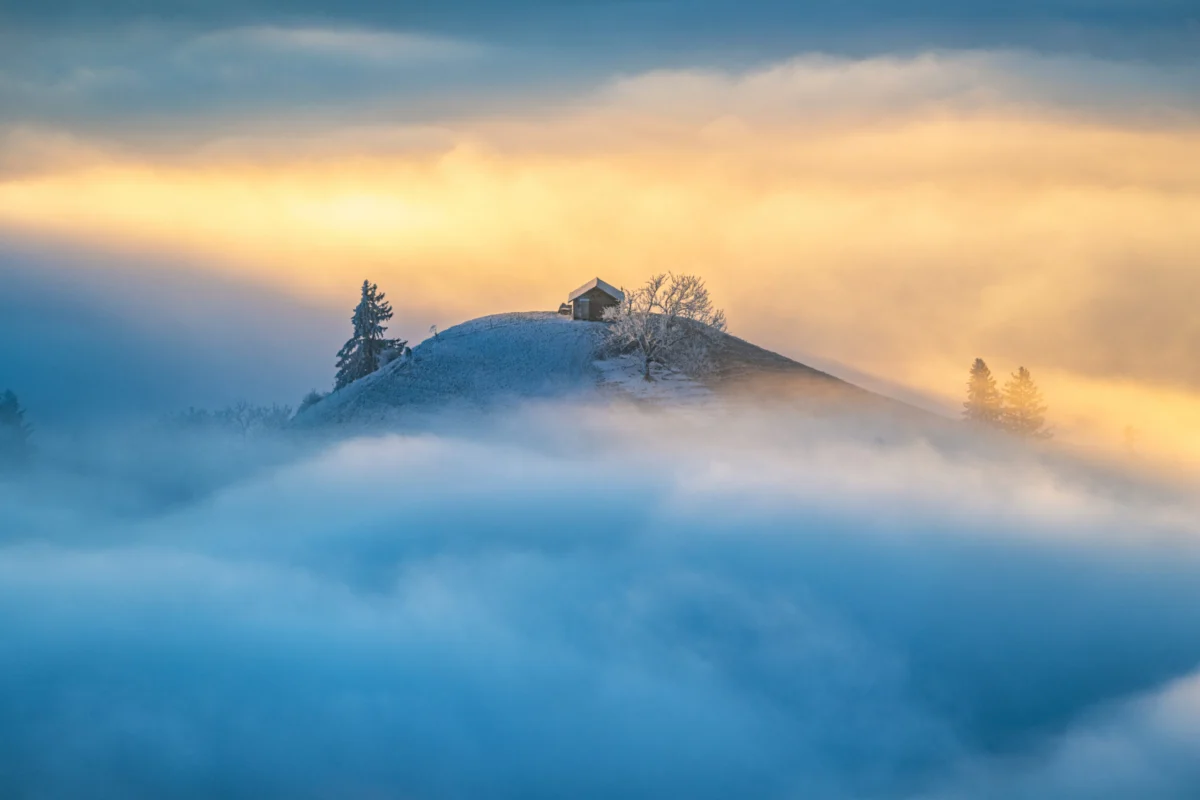
The modern discipline of landscape photography has undergone a profound structural and artistic transformation over the past decade, shifting away from rigid aesthetic formulas toward a more holistic, documentary-style interpretation of the natural world. Industry analyses and veteran professionals indicate that the contemporary landscape photographer no longer relies exclusively on the predictable palette of the golden hour—the fleeting minutes immediately following sunrise and preceding sunset. Instead, a growing segment of the visual arts community is embracing dynamic daylight, erratic weather systems, micro-details, and aerial perspectives. This shift reflects broader changes in outdoor recreation, equipment accessibility, and environmental consciousness, redefining how wilderness areas are documented and consumed in the digital age.

Background Context and the Shift in Photographic Methodology
Historically, commercial landscape photography has been anchored by strict temporal boundaries. Throughout the late 20th and early 20th-first centuries, instructional manuals and masterclasses heavily emphasized the golden hour as the sole viable window for capturing compelling natural light. During this period, low-angle sunlight, soft shadows, and warm color temperatures were considered mandatory for creating high-impact imagery, particularly in alpine and coastal environments.

However, advancements in digital sensor dynamic range, post-processing software, and portable gear have dismantled these traditional constraints. Modern mirrorless camera bodies and multi-exposure blending techniques allow photographers to retain highlight and shadow detail even under harsh, direct midday sunlight. Consequently, practitioners are increasingly willing to hike into remote locations—such as the central Swiss Alps or rugged Scandinavian fjords—bearing significant weight loads, often exceeding 20 kilograms of camera bodies, telephoto lenses, and stabilization equipment, well before or long after conventional optimal lighting windows.

Chronology of Artistic Evolution: From Postcard Aesthetics to Environmental Intimacy
The trajectory of this modern movement can be broadly mapped through the changing habits of practitioners who entered the field during the late 2010s.

- 2019—The Sunrise and Sunset Era: Early-stage practitioners predominantly focused on iconic vantage points during peak twilight hours. The primary objective was replicating high-saturation, idealized vistas popularized by early digital platforms and travel blogs.
- 2020 to 2021—Embracing Adverse and Midday Conditions: As photographers gained technical proficiency and physical endurance, expeditions began extending deep into mid-morning and early afternoon hours. A notable turning point occurred across European alpine regions in 2021, when sudden weather shifts—characterized by rapid cloud dissipation and stark chiaroscuro lighting—forced practitioners to abandon rigid scheduling in favor of opportunistic image-making.
- 2022 to Present—Diversification of Focal Lengths and Perspectives: The democratization of consumer drone technology and high-performance telephoto zoom lenses fundamentally altered field methodologies. Photographers expanded their toolkits to include aerial top-down compositions and compressed distant details, moving away from the ubiquitous wide-angle foreground-flower framing that previously dominated social media channels.
Compositional Strategies: Leading Lines, Framing, and Foreground Balance
The structural anatomy of a successful landscape photograph relies heavily on deliberate composition to guide the human eye through a three-dimensional space onto a two-dimensional plane. Industry standards emphasize several core techniques:

- Natural Leading Lines: Utilizing geological formations, alpine streams, glacial cracks, or ridgelines to create an inherent visual pathway from the frame’s edge toward a primary subject, such as an isolated peak or distant forest.
- Contextual Framing: Employing environmental elements—including rock arches, tree branches, ice formations, or cave openings—to frame a scene. Unlike the overused convention of placing saturated wildflowers directly in the immediate foreground, contemporary practitioners advocate for contextual elements that bear direct relevance to the specific ecosystem being photographed.
- Contrast Management: Achieving depth through a dual approach involving both luminance (interplay of harsh sunlight and deep shadow) and chromatic theory (utilizing complementary color pairs like blue and orange, or analogous palettes of earthy tones).
Technological Integration: The Rise of Telephoto and Aerial Imaging
Data compiled from specialty photographic equipment manufacturers indicate a steady upward trend in the sales of medium-to-long telephoto zoom lenses (such as 100-400mm and 200-600mm focal ranges) and lightweight consumer unmanned aerial vehicles (UAVs). This hardware shift underpins the modern photographer’s desire to isolate distant landscape fragments rather than relying exclusively on sweeping panoramas.

A geographical survey from an elevation of 100 meters above ground level reveals entirely different topographical patterns, shadows, and sedimentary layers that remain completely obscured from a ground-level perspective. By incorporating aerial perspectives alongside micro-telephoto studies of ice textures, forest canopies, and mineral deposits, visual artists are able to present a more comprehensive and scientifically accurate portrayal of fragile ecosystems.

Ethical Implications and Environmental Impact
The transition toward all-day shooting schedules and off-trail exploration carries significant implications for land management and ecological preservation. Conservation groups and park rangers in sensitive alpine zones have raised concerns regarding increased foot traffic, soil erosion, and wildlife disturbance driven by photographers seeking unique angles or trending locations.

Industry leaders and environmental ethicists emphasize that modern landscape photography must be rooted in strict adherence to Leave No Trace principles. As cameras become more accessible and wilderness areas face unprecedented anthropogenic pressures, the responsibility of the photographer extends beyond mere aesthetic creation. Ethical image-making requires patience, quiet contemplation, and a deep respect for natural habitats, ensuring that the pursuit of a compelling contrast or a novel perspective does not compromise the integrity of the environment being documented.
