
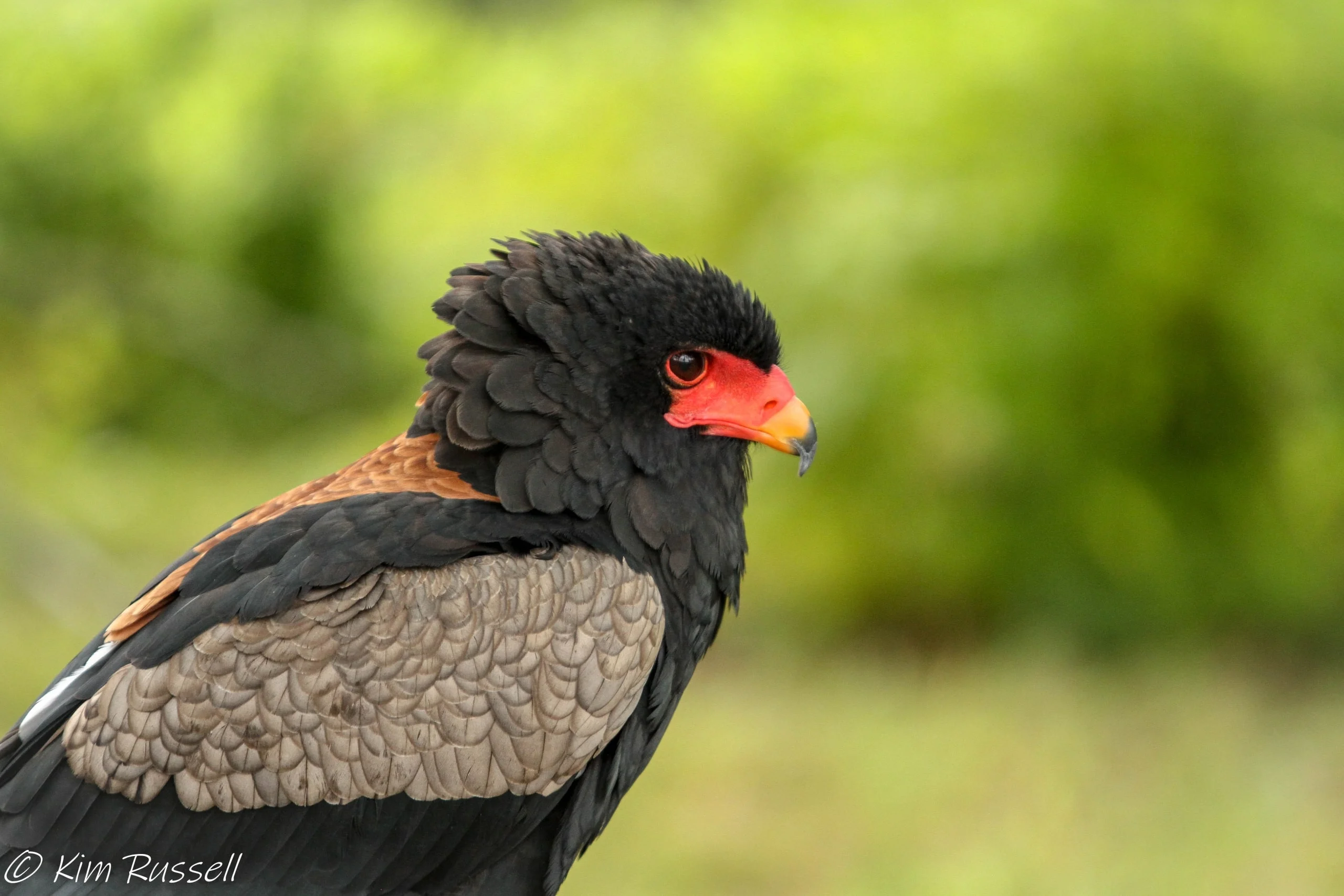
For over four decades, Waha Thuweeka—known in the broader scientific community as William "Two-Raven" Voelker—has occupied a singular intersection between traditional indigenous knowledge and modern avian science. As a member of the Ohnononuh band of the Numunuh (Comanche Nation) and the son of a Comanche mother and a professional raptor researcher, Voelker has dedicated his life to the preservation of the eagle, an animal of profound spiritual and cultural significance to Native American peoples. His work, formalized through Sia: The Comanche Nation Ethno-Ornithological Initiative, represents a pioneering effort to marry the rigorous demands of captive propagation with the historic imperatives of tribal sovereignty and cultural preservation.
A Chronology of Innovation and Advocacy
The trajectory of Voelker’s work began long before the formal incorporation of his initiative in 1999. Since 1974, Voelker has been at the forefront of raptor husbandry, achieving milestones that have challenged existing biological paradigms. In the mid-1970s, as the Bald Eagle faced critical population declines due to the lingering effects of DDT and habitat encroachment, Voelker began his work in captive propagation.
His career is marked by several historic "firsts." He stands as the first Native American to hold U.S. Fish & Wildlife Service (USFWS) permits for the care and breeding of Bald and Golden Eagles in captivity. Perhaps more significantly, he is the only individual in the United States to have successfully propagated both species using artificial insemination. The world’s first artificially produced Bald Eagle was a product of his laboratory, contributing to a total of over 400 native eagles produced in his facilities since the mid-70s, the vast majority of which were released back into the wild to bolster declining populations.
The timeline of his advocacy is equally notable for its persistence. In 1973, Voelker initiated the proposal for a tribal feather repository—a mechanism intended to allow Native Americans to legally and ethically acquire feathers for religious and cultural ceremonies. It would take decades of bureaucratic negotiation, legal drafting, and tribal partnership before this vision was fully realized under the umbrella of the Comanche Nation.
The Evolution of Sia: The Comanche Nation Ethno-Ornithological Initiative
In 1999, the transition of Voelker’s private research into a formal program of the Comanche Nation marked a pivotal shift in how tribal entities interact with federal conservation agencies. Sia: The Comanche Nation Ethno-Ornithological Initiative was established not merely as a research facility, but as a political and cultural arm of the Tribe.
The initiative serves a dual purpose: conducting high-level scientific research and protecting the intellectual and material heritage of the Numunuh. Under the leadership of Voelker, who previously served as the chairman of the Comanche Nation NAGPRA (Native American Graves Protection and Repatriation Act) & Historic Preservation Board, the initiative has bridged the gap between federal conservation mandates and the traditional rights of tribal members.
The most prominent output of this initiative is The Sia Essential Species Repository. This program represents a landmark agreement between the Comanche Nation and the U.S. Fish & Wildlife Service. For decades, the legal acquisition of migratory bird feathers for ceremonial use was a complex, often prohibitive process for many tribes. The Sia Repository provides a streamlined, legal, and ethical framework for the acquisition and dispersal of non-eagle migratory bird feathers, ensuring that tribal members can exercise their cultural rights while adhering to the stringent conservation protocols dictated by the Migratory Bird Treaty Act.
Scientific Scope and Global Impact
While Voelker’s work is deeply rooted in the preservation of North American raptors, the scope of his research is global. His facilities have served as a hub for behavioral research, captive propagation, and field study for sixty-eight species of eagles and other raptors, spanning five continents.
This global perspective provides a unique comparative data set. By studying the behavioral patterns of diverse raptor species in captivity, Voelker’s team has gained insights into stress factors, reproductive health, and dietary requirements that are often missed in purely wild-based field studies. This data is not only vital for the captive propagation of endangered species but also offers valuable intelligence for habitat management and the mitigation of human-raptor conflict in the wild.
Preserving the Numunuh Narrative
The mission of Sia extends beyond the biological to the archival. As the designated historian of bird knowledge for the Numunuh, Voelker has overseen the curation of an extensive repository of material culture. This archive is maintained in an environmentally controlled facility, ensuring the longevity of artifacts and documents that might otherwise be lost to time or decay.
The archival collection is immense and historically significant, containing:
- A Research Library: Over 28,000 volumes focused on ornithology, ethnology, and tribal history.
- Photographic Archives: More than 4,600 historical images of the Numunuh, capturing life, social structures, and cultural practices dating back to the period before the tribe’s forced confinement.
- Documentary Records: An archive exceeding 500,000 pages of unpublished material, including diaries, field notes, letters, and administrative documents that provide an unfiltered look into the history of the Comanche people and their interaction with the natural world.
These archives serve as a cornerstone for cultural continuity, providing younger generations of the Comanche Nation with access to their own history, while simultaneously serving as a resource for scholars studying the intersection of indigenous history and environmental policy.
Analysis: Implications for Tribal Sovereignty
The work performed by Waha Thuweeka and the Sia Initiative carries profound implications for the future of indigenous conservation efforts. Historically, the relationship between federal agencies like the USFWS and tribal nations regarding natural resources has been characterized by tension and restrictive regulation. The establishment of the Sia Essential Species Repository suggests a new model of "co-management" or "tribal-led administration" of federal mandates.
By successfully navigating the bureaucracy to establish a tribal repository, Voelker has demonstrated that tribes can act as both stewards of the land and administrators of legal frameworks. This model minimizes the friction between cultural expression—which often requires the use of natural materials—and the ecological imperative to protect migratory species. It shifts the burden of regulation from the individual tribal member to the tribal government, a move that aligns with the principles of self-determination and sovereign authority.
Furthermore, the integration of 400+ captive-bred eagles into the wild ecosystem serves as a testament to the efficacy of this approach. It highlights that traditional ecological knowledge, when combined with modern veterinary and biological science, can produce tangible conservation results that exceed the capabilities of isolated academic or government programs.
Challenges and Future Outlook
Despite the successes of the Sia Initiative, the challenges of maintaining such a complex operation are considerable. The ongoing care of raptors, the maintenance of a state-of-the-art archive, and the navigation of shifting federal wildlife laws require constant funding and institutional support.
The long-term viability of the program relies heavily on the continued partnership between the Comanche Nation and federal entities. As climate change continues to alter migratory patterns and habitat viability for the sixty-eight species studied at the Sia facilities, the initiative will likely need to pivot toward more aggressive climate adaptation strategies.
However, the foundation laid by Voelker provides a robust template for other indigenous nations. The success of the Sia Initiative serves as a blueprint for how other federally recognized tribes might establish their own cultural repositories and conservation programs, effectively reclaiming a role in the management of the natural resources that have defined their cultures for centuries.
In summary, the life work of Waha Thuweeka represents a synthesis of science and spirit. By transforming the study of raptors into an act of cultural preservation, he has ensured that the Eagle—a figure of central importance to the Numunuh—remains a vibrant part of the landscape and the tribal consciousness. As the Sia Initiative continues to evolve, its impact on both the biological health of raptor populations and the legal recognition of tribal sovereignty will undoubtedly remain a subject of interest for conservationists and historians alike.
