
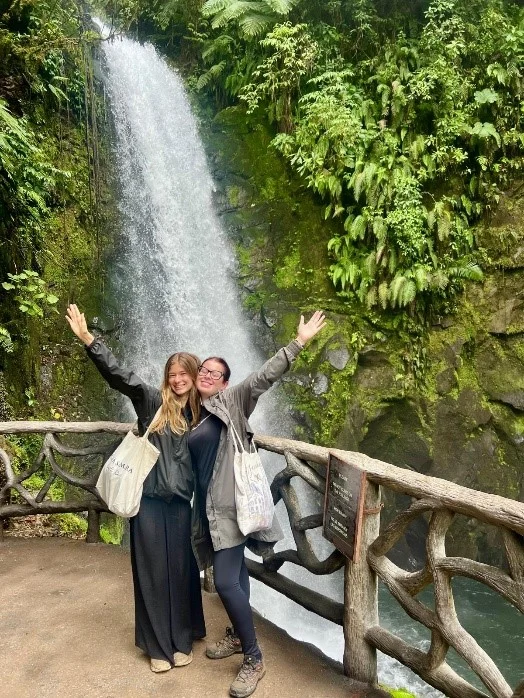
The Toucan Rescue Ranch, situated in the lush central highlands of Costa Rica, has long served as a vital institution for the rescue, rehabilitation, and eventual release of native fauna. For two months, international volunteer Kim Schafroth immersed herself in the demanding daily operations of this renowned sanctuary, dividing her tenure between the rigorous demands of the Animal Care Team and the strategic outreach efforts of the Marketing Team. Schafroth’s experience offers a detailed lens into the multifaceted reality of wildlife management in a biodiversity hotspot, illustrating the intricate balance between hands-on zoological care and public conservation education.
Institutional Background and the Mandate of Wildlife Rescue
Costa Rica is globally celebrated for its rich biodiversity, housing roughly five percent of the world’s species within a mere 0.03 percent of the planet’s surface. However, this ecological wealth faces continuous pressure from habitat fragmentation, illegal wildlife trafficking, and urban encroachment. Founded to mitigate these pressures, the Toucan Rescue Ranch operates as a specialized sanctuary and rehabilitation center. The facility takes in injured, displaced, or illegally kept wild animals—ranging from resplendent toucans and inquisitive monkeys to elusive nocturnal mammals—with the primary objective of returning them to their natural habitats whenever clinically and behaviorally feasible.
For volunteers like Schafroth, participating in this ecosystem requires an immediate transition from academic or professional theory to the physical realities of conservation work. Working alongside the ranch’s dedicated veterinary staff and permanent handlers, volunteers gain critical fieldwork experience that underpins modern wildlife management strategies.
A Structured Chronology of Daily Operations
The operational day at the Toucan Rescue Ranch begins well before sunrise, governed by the strict physiological needs of the resident and recovering animals. At 7:00 AM, the multidisciplinary team convenes for a morning briefing. This meeting serves as an operational hub to review clinical updates from the previous twenty-four hours, evaluate animal behavioral changes, and delegate daily tasks across departments.
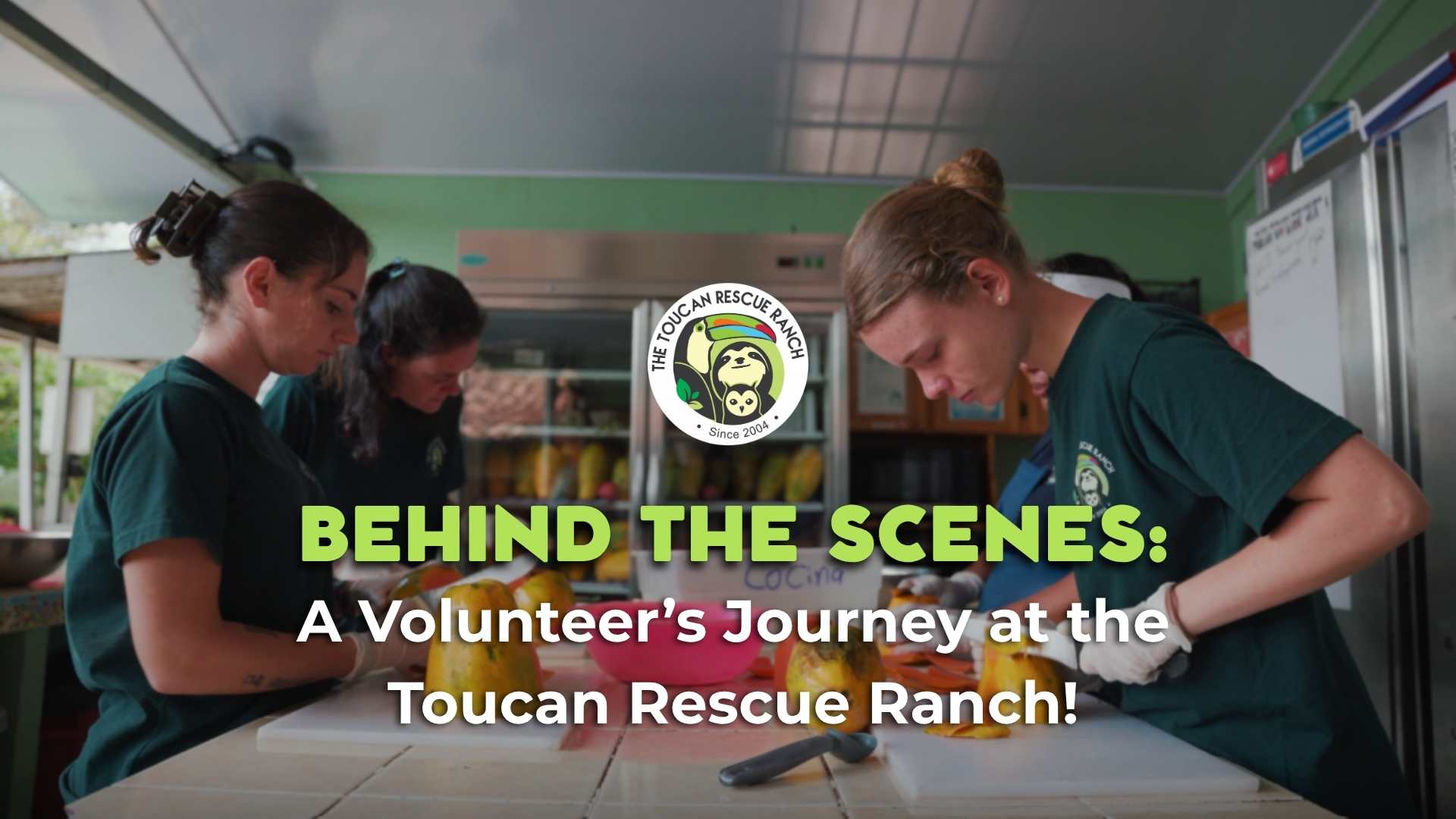
Following the briefing, the workforce bifurcates. One contingent remains in the central kitchen to execute the precise culinary preparations required for the avian population. This task demands meticulous attention to nutritional science, ensuring that each bird species receives an appropriate balance of vitamins, minerals, and caloric intake. Concurrently, the second team deploys into the sanctuary grounds to sanitize enclosures, replace fresh water trays, and monitor the welfare of permanent residents—animals deemed non-releasable due to permanent physical or psychological impairments.
Mid-morning routines pivot toward mammalian care. For instance, Emma, a resident neotropical otter, receives specialized feeding regimens that highlight her natural foraging behaviors, such as transporting trout to her pool to be consumed in water. Diet preparation for omnivores and frugivores—including various monkey species and grisons—involves the artistic and functional arrangement of vibrant, nutrient-dense fruits and vegetables to stimulate natural foraging instincts.
A crucial component of the afternoon schedule is environmental enrichment. Sanctuary staff design complex cognitive and physical challenges to prevent stereotypic behaviors in captive animals. These initiatives include constructing artificial fruit trees for birds, wrapping specialized diets in banana leaves for mammals to mimic natural uncovering behaviors, and preparing frozen fruit juice blocks to provide thermal relief during peak solar hours.
The afternoon progresses with "top-ups"—secondary feeding cycles featuring high-energy seeds for parrots and fresh papaya for toucans, accompanied by the distinct auditory backdrop of an active avian population. Midday offers a brief respite during the traditional Costa Rican lunch, known as a casado, fostering camaraderie among the international contingent of volunteers, interns, and permanent staff.
As daylight wanes, operations shift to accommodate nocturnal species. Kinkajous, porcupines, and pacas—animals whose circadian rhythms dictate afternoon and evening wakefulness—receive their primary rations, providing handlers a brief window to assess their mobility and general health before nightfall. The workday concludes with a final sweep of raptor feeding stations, enclosure sanitization, and the sterilization of feeding equipment in the central kitchen.
Accommodation and Community Infrastructure
The sustainability of intensive volunteer programs relies heavily on residential infrastructure designed to foster community and operational readiness. Located a short two-minute walk from the ranch’s primary headquarters, the dedicated volunteer house functions as the communal heart for international participants.
The facility utilizes a dual-level architectural layout. The ground floor houses a communal dormitory featuring three bunk beds, alongside a private single-room option, two bathrooms, a central living area, and a shared kitchen. The upper level provides extended accommodations for long-term interns, divided into multi-bed quarters with dedicated sanitary facilities.
This living arrangement is deliberately structured to support the mental and emotional demands of wildlife care. By integrating communal spaces for collaborative cooking and evening dialogue with quieter zones designated for journaling and rest, the facility mitigates compassion fatigue and burnout among participants. The supportive domestic environment mirrors the collaborative ethos of the wider sanctuary, facilitating rapid cultural adaptation for international volunteers.
Communications, Interdisciplinary Application, and Professional Growth
Transitioning from animal husbandry to institutional communication highlights the interdisciplinary nature of modern conservation organizations. During her second month, Schafroth transitioned to the Marketing Team, leveraging her academic background in communications to bridge the gap between field operations and public engagement.
In the contemporary conservation landscape, operational success is inextricably linked to public awareness, financial support, and educational outreach. Volunteers with communications expertise play a pivotal role in translating complex veterinary procedures, rescue narratives, and ecological data into accessible digital content. This public-facing strategy not only drives fundraising efforts necessary for medical supplies and infrastructure maintenance but also educates the global community on the perils of the illegal pet trade and habitat destruction.
Schafroth’s dual-department tenure underscores the evolving profile of the modern conservationist. Successful wildlife management requires not only empirical competencies in zoology and veterinary support but also proficiency in public relations, digital media, and community outreach.
Broader Implications for Global Wildlife Conservation
The operational model demonstrated at the Toucan Rescue Ranch reflects broader global trends in rescue and rehabilitation science. As anthropogenic pressures on natural habitats accelerate, the frequency of human-wildlife conflicts and wildlife displacement is projected to rise. Consequently, the reliance on structured, scientifically rigorous sanctuaries will intensify.
Programs that integrate international volunteers provide essential human capital, enabling under-resourced facilities to maintain high standards of animal welfare and environmental enrichment. Simultaneously, these initiatives serve an educational purpose with long-term macroeconomic and geopolitical implications. Volunteers return to their home countries—spanning Europe, North America, and beyond—equipped with firsthand insights into tropical ecology, conservation ethics, and the socio-economic drivers of biodiversity loss. This grassroots advocacy fosters a globally informed constituency capable of influencing international policy and consumer behavior regarding wildlife products.
Ultimately, the empirical value of such programs extends beyond the immediate rehabilitation of individual animals. By fostering patience, interdisciplinary teamwork, and rigorous ethical standards regarding the boundary between human handlers and wild species, institutions like the Toucan Rescue Ranch cultivate the next generation of environmental leaders. Schafroth’s tenure illustrates that successful wildlife conservation is a collective endeavor—one that demands the synchronization of veterinary science, daily operational discipline, and effective global communication.
