
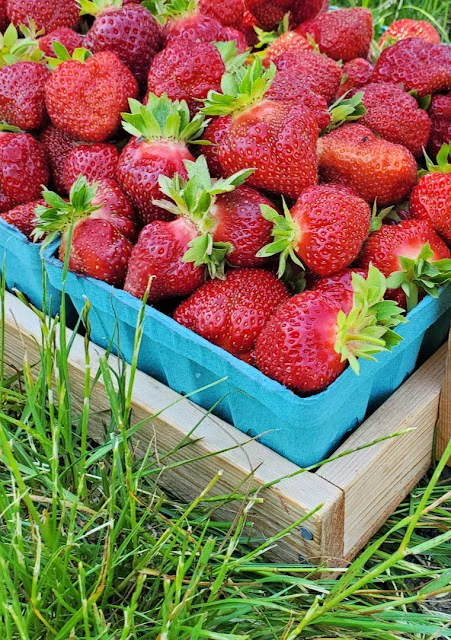
The inclusion of supplemental fruits in the diet of backyard poultry has long been a subject of interest for both small-scale farmers and hobbyist chicken keepers. Among the most popular additions to a flock’s dietary regimen are strawberries, a fruit widely accessible and highly palatable to Gallus gallus domesticus. While anecdotal evidence has long suggested that chickens find these berries highly desirable, recent nutritional assessments confirm that strawberries provide a viable source of vitamins and minerals. However, agricultural experts emphasize that these fruits must be integrated with strict adherence to dietary balance, specifically regarding the "10% rule" of poultry nutrition.
Nutritional Profile and Physiological Benefits
Strawberries (Fragaria × ananassa) are biologically dense in essential micronutrients that contribute to the overall physiological well-being of avian species. From a nutritional standpoint, the fruit serves as a significant source of antioxidants, which help mitigate oxidative stress within the bird’s system. Key nutrients found in strawberries include Vitamin C, which is critical for immune function, particularly during periods of environmental heat stress; Vitamin K, essential for blood clotting and bone density; and a variety of minerals including potassium, manganese, and folate.

Furthermore, the dietary fiber content in strawberries supports gastrointestinal transit. The entire plant—including the fruit, the leafy caps (calyx), the stems, and the leaves—is considered safe for consumption. In many cases, the calyx and stems are particularly beneficial; they contain tannins, which function as natural astringents that can aid in digestive regulation. Unlike some other members of the nightshade family, such as potato or tomato leaves, which contain solanine and are toxic to poultry, the strawberry plant is free of such compounds, making the whole plant a safe forage item.
The 10% Rule: A Standard for Supplemental Feeding
In the context of modern poultry husbandry, the "10% rule" is the gold standard for supplemental feeding. Nutritionists and avian veterinarians advise that treats—which include any food outside of a nutritionally balanced, complete layer pellet or mash—should not exceed 10% of a chicken’s daily caloric intake. For the average laying hen, this equates to approximately one to two tablespoons of fruit per day.
The rationale for this limitation is twofold. First, poultry feeds are formulated to contain a specific ratio of proteins, fats, carbohydrates, and amino acids designed to maximize egg production and maintain optimal feather condition. Over-supplementation with fruits, which are primarily composed of water and simple sugars, leads to a "dilution effect." The hen consumes the sugar-rich treat, becomes satiated, and consequently neglects her primary feed, leading to nutritional deficiencies over time. Second, the high water and sugar content in strawberries can lead to osmotic imbalances in the gut if consumed in excess, manifesting as diarrhea. While not typically life-threatening, such digestive disturbances can cause dehydration and disrupt the flock’s hygiene, potentially leading to soiled nesting boxes and increased exposure to bacteria.

Historical Context and Evolution of Poultry Foraging
Historically, domestic chickens were left to forage freely, consuming insects, seeds, and wild vegetation. The transition to intensive backyard management in the 21st century has necessitated a more calculated approach to nutrition. As more households have turned to urban and suburban farming, the demand for "treats" has surged. Data from the American Poultry Association and various agricultural extension offices indicate that the trend of feeding kitchen scraps to chickens has grown in tandem with the rise of the backyard movement.
Initially, many keepers operated on a trial-and-error basis. Over the last two decades, however, research into the physiological needs of the modern, high-production layer has become more rigorous. The shift from seeing chickens as mere waste-disposal units to recognizing them as sensitive animals requiring specific nutrient profiles has changed the way farmers view fruits like strawberries. The consensus today is that while treats are beneficial for psychological enrichment and bonding between keeper and flock, they must not supersede the baseline diet.
Safety Protocols and Best Practices
The primary concern regarding the safety of store-bought strawberries relates to pesticide and herbicide residue. Strawberries are consistently ranked by the Environmental Working Group (EWG) as being among the most chemically treated crops. Chickens, having relatively small body masses compared to mammals, are more susceptible to the cumulative effects of synthetic pesticide ingestion.

To mitigate this risk, three primary strategies are recommended:
- Organic Sourcing: Utilizing certified organic strawberries reduces the risk of chemical exposure.
- Sanitization: Thoroughly washing non-organic berries is mandatory. While rinsing with water removes surface-level residues, it may not eliminate systemic chemicals absorbed by the plant.
- Cultivation: Growing strawberries in a home garden or greenhouse allows the keeper to control the input of fertilizers and pest-control agents. Strawberries are relatively easy to propagate in raised beds, which also serves to keep the fruit off the ground and away from ground-dwelling pests and soil-borne pathogens.
Scientific Implications for Flock Management
From a broader perspective, the role of antioxidants like those found in strawberries is an area of ongoing study in poultry science. Oxidative stress is a major factor in reduced egg production and poor shell quality, especially as hens age. By providing a diet rich in fruits that are high in anthocyanins—the pigments responsible for the red color of strawberries—keepers may provide a mild, natural boost to the birds’ antioxidant capacity.
However, there is no evidence to suggest that strawberries can act as a replacement for medicated or fortified feeds. The implications for the industry are clear: treats are a tool for management, not a replacement for science-based feed formulation. For those managing flocks for egg production, the use of strawberries should be viewed as a seasonal luxury rather than a dietary staple.

Economic and Environmental Impact
The integration of garden surplus into a chicken’s diet creates a circular economy within the backyard ecosystem. Feeding "seconds"—strawberries that are bruised, slightly over-ripe, or misshapen and thus unsellable or unappealing to humans—prevents food waste. This practice reduces the amount of organic matter entering the waste stream and transforms it into high-quality protein (eggs).
From an economic standpoint, while organic strawberries are more expensive than conventional, the cost is offset by the longevity and health of the flock. A bird that is healthy and free from metabolic stress caused by poor nutrition is less likely to require veterinary intervention, which is often costly and difficult to source for poultry.
Conclusion: A Balanced Approach
In summary, chickens can and will consume strawberries with great enthusiasm. The fruit provides a rich, albeit limited, profile of vitamins and minerals that can support overall health when provided as part of a varied, balanced diet. The keys to success are moderation, scrupulous attention to the 10% threshold, and a focus on sourcing clean, uncontaminated produce. By treating strawberries as a supplemental enrichment activity rather than a dietary necessity, poultry keepers can ensure their flocks remain healthy, productive, and satisfied without compromising their long-term physiological requirements. As the backyard poultry movement continues to mature, the adoption of these evidence-based feeding practices will remain essential for the continued welfare of domestic flocks.
