
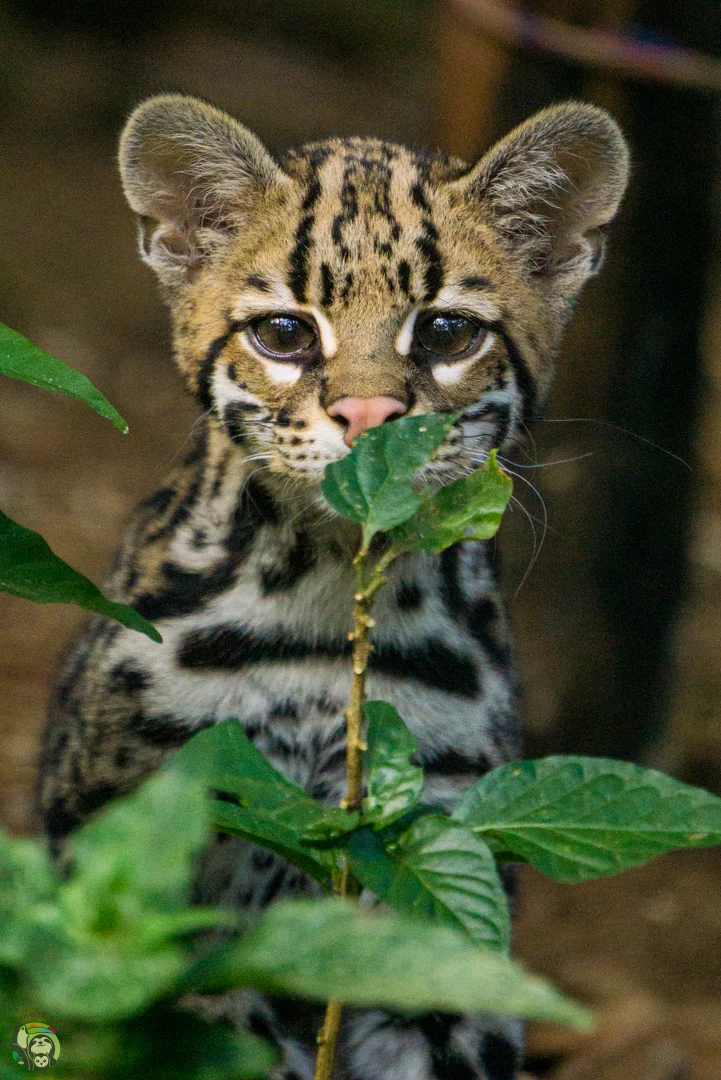
When visitors observe animals pacing back and forth along an invisible boundary in a zoo, sanctuary, or wildlife rescue center, the motion is frequently misinterpreted. To the untrained eye, a jaguar tracing the perimeter of its habitat or a bear endlessly repeating the same route might appear restless, bored, or simply full of energy. However, animal behaviorists and zoological specialists recognize this repetitive locomotion as a critical indicator of psychological distress. Known as pacing, this phenomenon is a primary form of stereotypic behavior—a repetitive, unvarying movement with no apparent goal or function—that signals a deep-seated disconnect between a captive animal’s environment and its evolutionary needs.
At organizations like the Toucan Rescue Ranch, decoding animal behavior is foundational to daily operations. Every vocalization, posture, resting pattern, and movement serves as a vital data point reflecting an animal’s internal state. Because wild animals cannot verbally express anxiety, frustration, or trauma, their physical actions become the primary language through which caregivers assess their mental health. Understanding why pacing occurs, distinguishing it from normal behaviors, and implementing preventative design strategies are essential responsibilities for modern wildlife sanctuaries striving to provide optimal rehabilitation and lifelong care.
Defining Pacing and Stereotypic Behaviors in Captivity
Pacing falls under the broader scientific classification of stereotypic behaviors, which encompass a wide array of repetitive actions. Alongside linear pacing, captive wildlife may exhibit route-tracing, head-swaving, swaying from side to side, bar-biting, over-grooming, or endless spinning. These behaviors are rarely observed in healthy wild populations living in their native ranges. Instead, they manifest almost exclusively in captive environments where the spatial, sensory, and social complexity of the natural habitat cannot be fully replicated.
From apex predators like jaguars, pumas, and ocelots to smaller mammals and birds, captive environments inherently present architectural limitations. Even the most meticulously designed enclosures struggle to provide the vast territories, diverse topography, and unpredictable challenges that wild animals are biologically wired to navigate. When an animal’s evolutionary drives—such as hunting, foraging, territorial patrolling, and mate-seeking—are persistently thwarted by physical boundaries, the animal must find an outlet for its suppressed energy and neurological tension.
Scientific research indicates that stereotypic pacing shares neural pathways with anxiety and obsessive-compulsive disorders in humans. While the repetitive movement may initially offer a minor degree of neurochemical self-soothing by releasing endorphins and momentarily lowering stress hormones, it ultimately serves as a red flag. It demonstrates that the animal’s fundamental psychological and behavioral requirements are not being met by its current surroundings.
The Chronology of Stress: How Pacing Develops Over Time
Pacing is not an innate trait that animals are born with; rather, it is an acquired condition that develops progressively over time. The chronology of its onset typically begins with acute environmental frustration. When a young or newly rescued animal is placed in an enclosure that lacks adequate stimulation, hiding spots, vertical climbing structures, or sensory enrichment, it initially attempts to interact with or escape its confines.
Over weeks and months, if these attempts consistently fail and the animal cannot exercise natural behavioral repertoires, chronic stress sets in. The animal’s nervous system adapts to the persistent confinement by channeling unexpressed adrenaline and neurological drive into repetitive motor patterns. Over time, these pathways become entrenched in the brain’s basal ganglia, transforming a coping mechanism into an ingrained habit.
One of the most significant challenges in captive wildlife management is the reversibility of stereotypic behaviors. Longitudinal studies in zoological medicine show that once pacing becomes established, it can persist for years—even if the animal is subsequently transferred to a significantly larger, highly enriched, state-of-the-art enclosure. Because the neural pathways for the behavior have been repeatedly reinforced, the animal may continue to trace old paths out of sheer habit or muscle memory. This neurological permanence underscores why modern wildlife management places a heavy emphasis on early intervention, proactive enrichment programs, and preventative enclosure design. Stopping pacing before it starts is exponentially more effective than attempting to extinguish it once it has become habitual.
Diagnostic Indicators: What Pacing Communicates to Caregivers
When animal care specialists evaluate a pacing animal, they look at several underlying stressors that typically trigger the behavior:
- Spatial and Structural Deprivation: Enclosures that are too small, lack vertical complexity, or offer minimal visual barriers prevent animals from exercising choice and control over their environment. Wildlife species require varied terrain, water sources, elevated perches, and secluded zones to maintain mental equilibrium.
- Social Isolation or Abnormal Groupings: Many species rely on complex social structures for security and psychological stability. Removing an individual from its natural social dynamic or housing it in isolation can induce chronic anxiety.
- Thwarted Behavioral Drives: Highly specialized predators cannot simply deactivate their predatory instincts because prey is absent. A feline that would naturally spend hours stalking and hunting must find an outlet for that physiological drive, often resulting in stereotypic route-tracing along fence lines.
The Crucial Distinction: Differentiating Pathology from Anticipatory Excitement
A critical competency for wildlife professionals is distinguishing between chronic, stress-induced stereotypic pacing and healthy, goal-directed behavioral anticipation. Not all repetitive movement is a sign of poor welfare.
In many species—ranging from big cats and raptors to primates—individuals will display excited, repetitive movements immediately prior to feeding time or scheduled enrichment sessions. This phenomenon, known as anticipatory behavior, is biologically normal and functionally comparable to a domestic dog spinning in circles upon hearing the rattle of its food bowl.
Caretakers differentiate healthy anticipation from pathological pacing by evaluating context, duration, and accompanying physical cues. Anticipatory pacing is brief, tied directly to a predictable environmental event (such as the arrival of keepers with food), and ceases immediately once the goal is achieved. Furthermore, it is typically accompanied by positive arousal markers: bright eyes, alert posture, vocalizations, and relaxed body language.
In contrast, chronic stereotypic pacing is context-independent. It occurs continuously throughout the day, persists regardless of external stimuli, and tends to intensify over time. Recognizing this distinction ensures that sanctuaries do not misinterpret normal, healthy excitement as a welfare crisis, nor overlook genuine psychological distress.
Mitigation Strategies and Institutional Response
Mitigating and preventing stereotypic pacing requires a multi-faceted approach centered on environmental enrichment, structural innovation, and attentive husbandry. Organizations like the Toucan Rescue Ranch prioritize continuous assessment of animal welfare, pairing behavioral observation with adaptive habitat management.
Environmental enrichment involves altering an animal’s captive environment in ways that stimulate natural behaviors. This can range from introducing novel scents, puzzle feeders that simulate the challenge of acquiring prey, and dynamic structural changes within enclosures to private educational enrichment workshops for staff and volunteers. Furthermore, maintaining appropriate social groupings and ensuring that caretakers are trained to recognize subtle shifts in animal demeanor are vital components of maintaining behavioral health.
Modern sanctuary design increasingly relies on science-backed architectural frameworks. Through collaborative partnerships—such as corporate volunteering programs that assist in constructing complex habitats—sanctuaries can build expansive, naturalistic enclosures tailored to the specific biomechanical and psychological needs of resident species. For instance, specialized habitats equipped with varied vertical terrain, natural foliage, and sophisticated enrichment installations provide rescued animals with the stimulation necessary to keep both mind and body at peace.
Ultimately, the goal of wildlife rehabilitation and sanctuary management extends beyond physical survival. A rescued animal cannot truly thrive until its psychological wellbeing aligns with its new environment. Through rigorous behavioral monitoring, proactive enclosure design, and community-backed support systems, wildlife professionals continue to refine the standards of captive care, ensuring that animals recovering from trauma are given the tools they need to live balanced, stress-free lives.
