
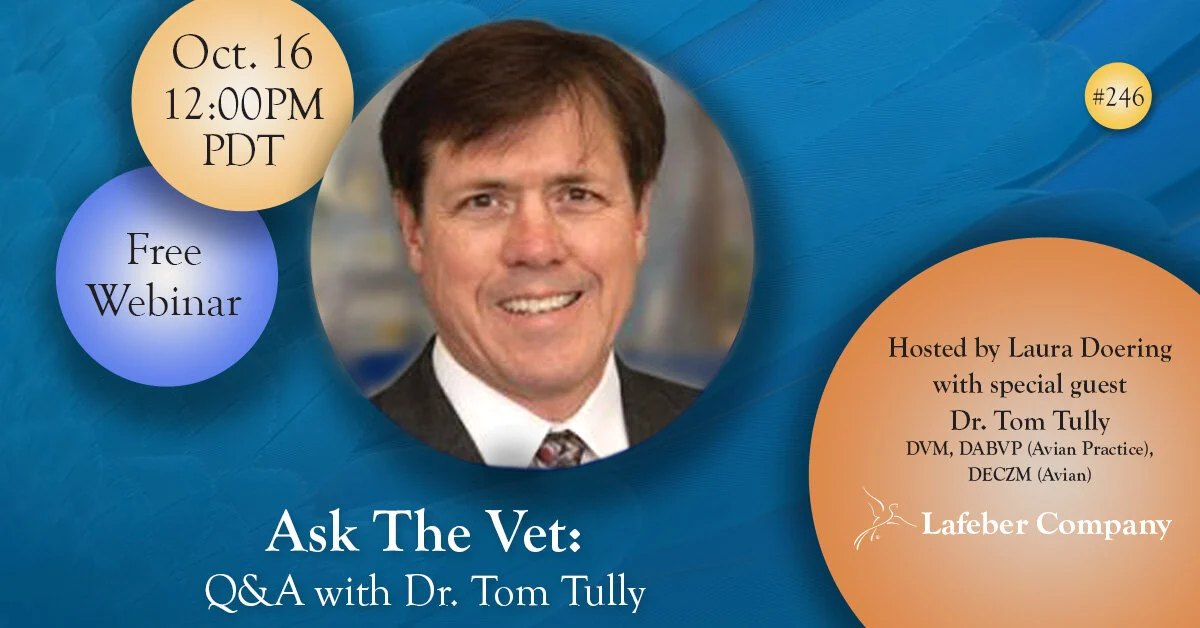
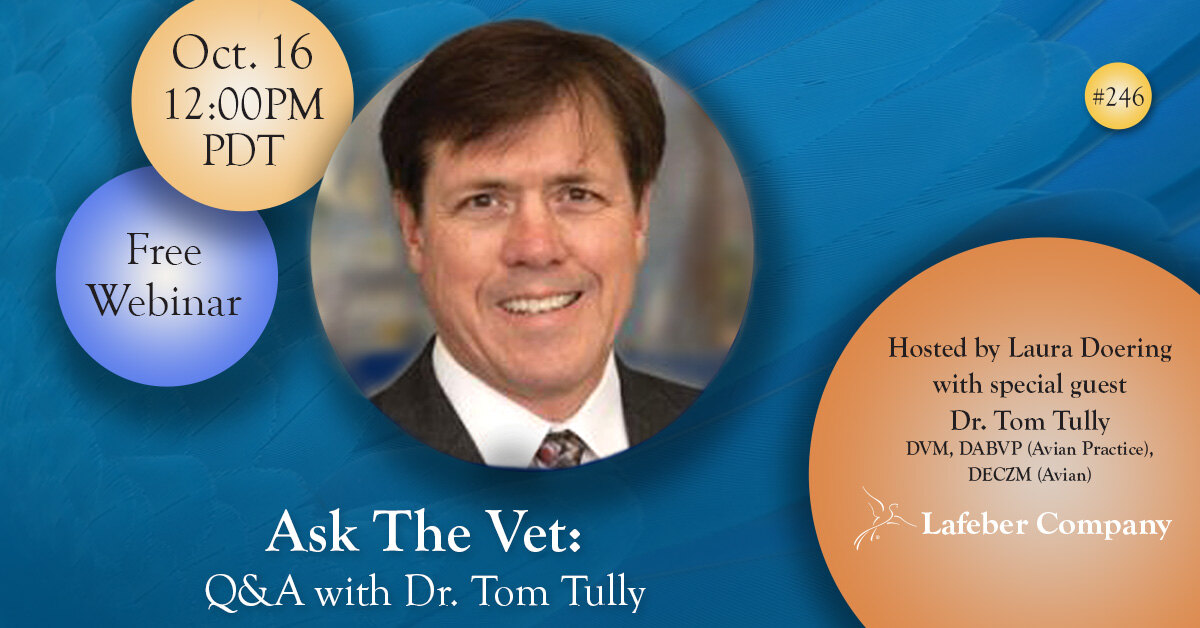
The landscape of avian veterinary medicine is undergoing a significant shift as digital platforms increasingly bridge the gap between specialized clinical expertise and the average pet owner. On Friday, October 16, 2026, at 12:00 p.m. PDT, the pet bird community will have an opportunity to engage directly with one of the field’s most distinguished practitioners, Dr. Tom Tully, DVM, DABVP (Avian Practice), DECZM (Avian), during a live, interactive webinar. Moderated by Laura Doering, a seasoned industry figure and former editor of Bird Talk and Birds USA magazines, the event is designed to provide actionable health and nutritional guidance for parrot owners who often face difficulties in accessing board-certified avian specialists in their local geographic areas.
The Evolution of Tele-Education in Veterinary Science
The upcoming webinar represents the latest development in a broader movement toward virtual veterinary consultations, a sector that accelerated rapidly following the global health crises of the early 2020s. For avian owners, this shift has been particularly beneficial. Unlike canine or feline medicine, which is readily available in almost every suburban community, avian-specialized veterinary care is geographically sparse. According to the Association of Avian Veterinarians (AAV), the ratio of board-certified avian specialists to the estimated population of pet birds in the United States remains significantly skewed, often necessitating long-distance travel for routine, non-emergency care.
Dr. Tully’s participation in this webinar series is predicated on the philosophy that informed stewardship is the primary defense against common avian illnesses. By leveraging live, interactive platforms, practitioners can disseminate evidence-based care protocols to a global audience, effectively democratizing access to high-level clinical knowledge.
Clinical Background and Expert Profile
Dr. Tom Tully’s credentials place him among the elite tier of avian medicine practitioners. His dual board certification—as a Diplomate of the American Board of Veterinary Practitioners (Avian Practice) and a Diplomate of the European College of Zoological Medicine (Avian)—indicates a level of clinical proficiency and research experience that few veterinarians possess. His career has focused heavily on the physiological nuances of psittacines, covering a spectrum that ranges from nutritional metabolic diseases to complex orthopedic and soft-tissue surgeries.
The format of the webinar allows for a structured Q&A session, which serves as a triage mechanism for pet owners. Often, owners struggle to distinguish between behavioral issues—such as feather destructive behavior or vocalization patterns—and underlying physiological ailments. Dr. Tully’s approach involves analyzing these symptoms through a clinical lens, guiding owners on when a situation warrants immediate in-person intervention and when it can be managed through environmental and nutritional adjustments.
Nutritional Science and Avian Welfare
A central pillar of the discussion during the October 16 session will be the role of nutrition in avian health. Data from the Journal of Avian Medicine and Surgery consistently indicates that the majority of morbidity cases in captive psittacines are linked, directly or indirectly, to improper dietary intake. Common issues such as hypovitaminosis A, obesity, and metabolic bone disease are frequently documented in domestic parrots fed exclusively seed-based diets.
The webinar aims to address these widespread misconceptions. By focusing on the nutritional requirements of various species, Dr. Tully aims to provide attendees with the scientific framework necessary to evaluate their birds’ diets. The implication is a transition from a reactive model of veterinary care, where the owner visits the clinic only when the bird is visibly failing, to a proactive model where preventative nutrition and husbandry are prioritized to extend the lifespans of captive birds.
Chronology of the Webinar Series
The series, hosted by industry veterans and experts, has evolved over several years. Initially conceived as a response to the isolation felt by hobbyists during periods of limited travel, the platform has grown into a repository of educational content.
- 2023–2024: Initial pilot programs focused on general bird care, gathering baseline data on the most frequently asked questions regarding avian behavior.
- 2025: The introduction of specialists, such as Dr. Tully, marked a transition toward clinical-grade information, increasing the attendance rates and the complexity of the inquiries submitted.
- October 2026: The current iteration represents a refined effort to provide consistent, real-time feedback to a global audience, utilizing Zoom as the primary broadcast infrastructure to facilitate high-definition interaction.
Broader Implications for Avian Care
The implications of such webinars extend beyond individual bird health. As pet bird ownership continues to rise, the burden on the veterinary system increases. By providing a platform where owners can receive preliminary expert advice, these webinars may reduce the number of unnecessary clinic visits for minor concerns, while simultaneously ensuring that critical cases are identified and referred to local clinics more efficiently.
Furthermore, this format encourages "educated stewardship." An informed owner is more likely to implement annual wellness examinations, blood panels, and quarantine procedures for new additions to their flock. This systematic approach to pet care mirrors the standards seen in other fields of exotic animal medicine, fostering a culture of higher expectations regarding the quality of life provided to captive birds.
Expert Statements and Theoretical Framework
While specific individual statements from the host organization are rarely released ahead of such events, the consistent messaging from experts like Dr. Tully emphasizes that the "best bird steward" is one who understands the biological constraints of their pet. Avian species are often prey animals with highly evolved survival instincts, which means they frequently mask illness until the condition has reached a critical stage.
Dr. Tully’s clinical methodology encourages owners to observe subtle changes in behavior—such as shifts in appetite, sleep patterns, or stool quality—rather than waiting for overt signs of clinical distress. This observational approach is a recurring theme in his academic publications and lectures, and it serves as the foundational teaching point for this interactive session.
Technical and Accessibility Considerations
For participants, the logistical aspect of the webinar is straightforward but requires technical preparation. The use of the Zoom webinar platform allows for a structured Q&A feature, where questions can be submitted and upvoted by the audience. This ensures that the most pressing topics—those affecting the largest portion of the audience—are addressed by Dr. Tully.
To accommodate the global nature of the bird-owning community, the organizers have provided tools for time zone conversion. Given the complexity of international scheduling, attendees are encouraged to verify their local time against the 12:00 p.m. PDT start time to avoid missing the live session. While recordings are sometimes made available post-event, the live format is essential for the interactive component, which provides the most value to attendees with specific, case-based questions.
Conclusion and Future Outlook
The webinar on October 16, 2026, is more than a simple informational session; it is a manifestation of the modern veterinary paradigm, where technology enables a seamless flow of information between leading specialists and the public. As avian medicine continues to advance, the role of these educational initiatives will likely become even more prominent. By bridging the gap between professional expertise and daily home care, programs like this contribute to a broader industry trend of prioritizing animal welfare through education, prevention, and evidence-based medicine.
For those interested in participating, registration is handled through the provided digital portal. The event underscores the necessity of professional engagement in the maintenance of avian health and serves as a vital resource for both novice bird keepers and experienced aviculturists looking to refine their care practices in light of the latest veterinary standards. Through continued access to experts like Dr. Tully, the community can look forward to a future of improved health outcomes and more robust standards of care for companion birds worldwide.
