
The Bureau of Land Management (BLM) has initiated a pivotal regulatory shift that could fundamentally alter the landscape of the National Petroleum Reserve-Alaska (NPR-A). On September 4, 2026, the agency unveiled a proposed rule titled “National Petroleum Reserve in Alaska Production Site Development,” designed to streamline the permitting process for oil and gas infrastructure across the 23-million-acre expanse. By allowing the agency to utilize broad, programmatic environmental impact statements in lieu of project-specific reviews for individual developments, the proposal aims to accelerate the pace of extraction. However, the move has triggered alarm among environmental advocacy groups, climate scientists, and representatives of Indigenous communities, who argue that the rapid pace of development threatens to undermine both ecological integrity and the long-term viability of subsistence traditions.
A Chronology of Changing Policy in the NPR-A
The National Petroleum Reserve-Alaska has long been a focal point of federal policy oscillation, reflecting the tension between domestic energy security and conservation mandates. Originally established in 1923 as the Naval Petroleum Reserve No. 4, the region was intended as an emergency oil supply for the U.S. Navy. Over the last several decades, however, its management has evolved into a complex balancing act between resource extraction and the protection of biological resources.
The current proposal is the latest in a series of dramatic policy shifts that began to gain momentum in 2025. That year, federal land managers moved to roll back several long-standing protections for the region’s most sensitive ecosystems. Following these regulatory adjustments, a new land management plan was enacted, opening roughly 82% of the NPR-A to oil and gas leasing. The momentum continued into the spring of 2026, when a major lease sale saw successful bids on 187 distinct tracts, totaling 3.7 million acres of active leases. This latest proposed rule represents an attempt to build upon this infrastructure by reducing the "red tape" associated with the physical construction of production sites, pipelines, and access roads.
The Mechanism of Streamlining
At the heart of the controversy is the transition from granular environmental oversight to a generalized model. Under current federal environmental law, large-scale industrial projects typically undergo rigorous, site-specific environmental impact assessments. These reviews are designed to identify potential harms to local wildlife, water quality, and human health.
The BLM’s proposal seeks to replace this granular review process with a reliance on broader environmental impact statements. Critics of the plan note that this approach would require the agency to issue final decisions on infrastructure applications within just 60 days of their completion. Opponents argue that such a tight timeline effectively curtails the opportunity for meaningful public comment and scientific review. Furthermore, by forgoing site-specific studies, the government may fail to account for the rapidly shifting conditions of the Arctic environment, which is currently warming at four times the global average. As permafrost thaws and wildlife migration corridors shift in response to climate change, a "one-size-fits-all" regulatory approach may lack the nuance required to mitigate ecological damage.
Ecological Stakes in the Western Arctic
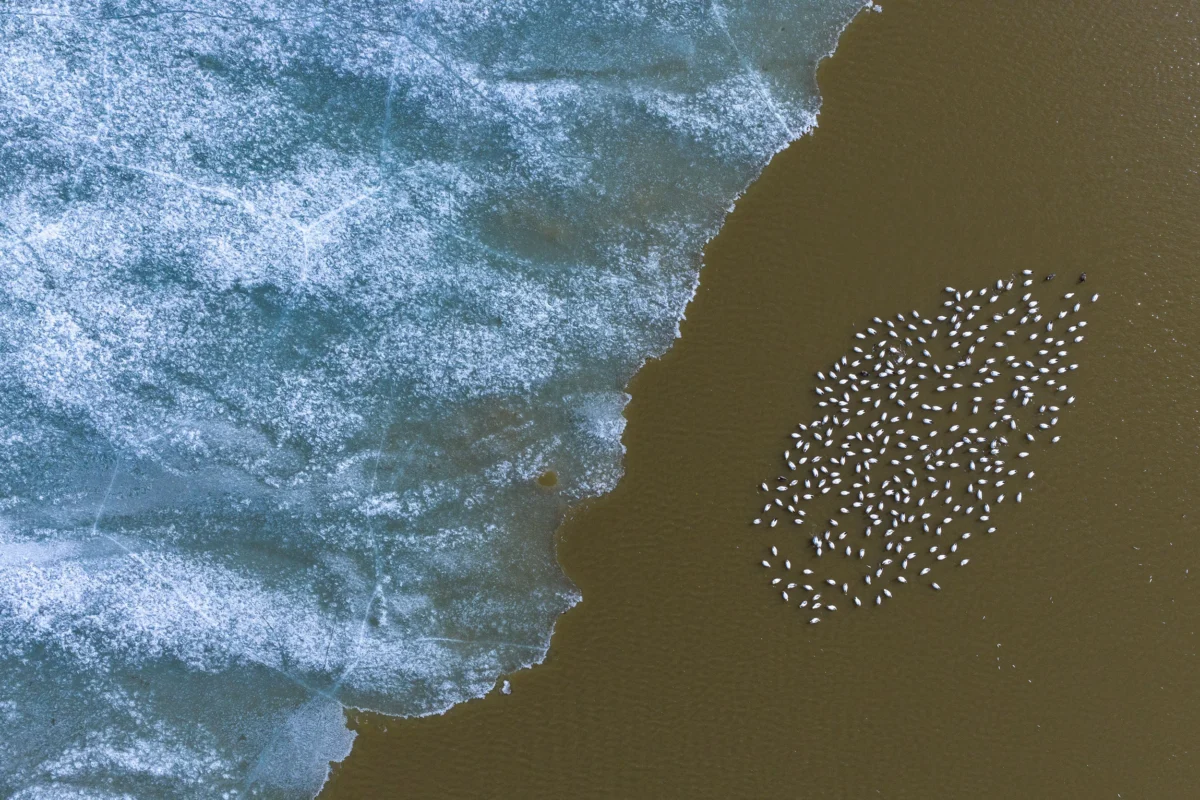
The NPR-A serves as one of the most critical wildlife corridors on the planet. Its sprawling network of wetlands, tundra, and glacial-fed lakes acts as a nursery and refueling station for millions of migratory birds. The Teshekpuk Lake Special Area is of particular biological significance. As the largest lake in the Arctic, it provides a sanctuary for roughly 100,000 geese—including Brant, Greater White-fronted, Cackling, and Snow Geese—that congregate there annually to molt.
In addition to avian populations, the region is essential for the survival of the Teshekpuk Lake Caribou Herd. For generations, the movement of this herd has dictated the subsistence cycles of Indigenous communities in the region. The encroachment of industrial infrastructure, including the noise, light pollution, and physical barriers posed by roads and pipelines, can disrupt these migration patterns, pushing caribou away from traditional hunting grounds. The BLM’s own internal analysis under Section 810 of the Alaska National Interest Lands Conservation Act (ANILCA) has acknowledged that the proposed rule could significantly restrict subsistence use. The report indicates that increased industrial activity would likely lead to reduced access to traditional food sources and force hunters to take longer, more dangerous routes to reach their quarry.
The Carbon Sink and Climate Implications
Beyond the immediate wildlife impact, the Arctic landscape functions as a global carbon reservoir. The permafrost and peatlands of the Western Arctic hold vast quantities of sequestered carbon, much of which has been trapped for millennia. The construction of oil and gas infrastructure—specifically the physical disturbance of the tundra for gravel roads and well pads—can trigger localized permafrost thaw.
When permafrost melts, the organic matter trapped within it begins to decompose, releasing carbon dioxide and methane into the atmosphere. This creates a feedback loop: industrial activity causes localized warming and thaw, which in turn releases greenhouse gases that contribute to further global warming. Analysts point out that by accelerating the pace of development without the brake of intensive, project-specific reviews, the federal government may be ignoring the cumulative carbon impact of expanding industrial footprints across these fragile landscapes.
Official Responses and Public Engagement
The Bureau of Land Management maintains that the proposed rule is intended to create administrative efficiency and support the nation’s energy infrastructure needs. Proponents of the policy argue that because the region is already designated for development, the government should facilitate that process as smoothly as possible to keep costs low and energy production high.
However, the scientific and conservation communities have reacted with significant concern. Many conservationists argue that "streamlining" is a euphemism for "weakening" protections. They emphasize that the rapid pace of change in the Arctic requires more, not less, scientific oversight. Indigenous leaders have also raised concerns about the consultation process, noting that the 60-day window for decisions does not allow enough time for tribal governments to engage in the necessary traditional ecological knowledge assessments or to voice their concerns effectively.
As the November 9 deadline for public comments approaches, the debate has intensified. The BLM is currently accepting input through its official portal, and the volume of public responses is expected to be substantial. For many, this is not merely a debate over administrative procedure, but a fundamental question about the future of one of the last remaining wilderness areas in the United States.
Broader Implications for Federal Land Management
The outcome of this proposed rule will set a precedent for how federal agencies manage public lands in the face of competing national interests. If the "streamlining" approach is adopted, it could be applied to other regions or industries, potentially signaling a move toward a more pro-development, high-speed permitting culture in the federal government.
Conversely, should the public outcry lead to significant modifications, it would reflect a continued commitment to the rigorous environmental standards established in the late 20th century. The NPR-A serves as a laboratory for these tensions. Whether the government prioritizes the immediate demand for energy or the long-term health of an interconnected, climate-sensitive ecosystem will likely determine the fate of the Western Arctic for decades to come.
The integration of industrial-scale energy production into such a remote and vital ecological zone remains one of the most complex policy challenges currently facing the United States. With the deadline for public commentary drawing near, the decision rests on whether the government views the NPR-A primarily as a warehouse for hydrocarbons or as a critical, irreplaceable asset for global biodiversity and cultural heritage. The final rule will be a landmark indicator of the current administration’s stance on the intersection of energy policy and environmental stewardship.
