
The growing trend of backyard poultry farming has led to a significant increase in the practice of feeding kitchen scraps to chickens as a means of reducing waste and supplementing nutritional intake. However, veterinary experts and avian specialists are issuing warnings regarding the inclusion of onions and other members of the Allium genus in poultry diets. While many vegetables are beneficial for avian health, onions contain a specific organosulfur compound known as thiosulphate, which is toxic to chickens, ducks, and geese. This chemical can induce a condition known as Heinz body anemia, leading to systemic health failure and, in severe cases, the death of the bird. Understanding the biological mechanisms of this toxicity, the specific symptoms to monitor, and the safe alternatives available is essential for maintaining a healthy and productive flock.
The Biological Mechanism of Thiosulphate Toxicity
The primary danger associated with feeding onions to chickens lies in the chemical composition of the vegetable. Onions, along with shallots, leeks, chives, and scallions, contain various sulfoxides and disulfides. When these compounds are ingested and metabolized, they are converted into highly reactive oxidants. In the avian bloodstream, these oxidants target the red blood cells (erythrocytes).

Unlike mammals, birds possess nucleated red blood cells, which are particularly susceptible to oxidative stress. The thiosulphate interferes with the function of glucose-6-phosphate dehydrogenase, an enzyme responsible for protecting red blood cells from oxidative damage. When this protection fails, the hemoglobin within the cell denatures and precipitates into small, insoluble inclusions called Heinz bodies. These inclusions damage the cell membrane, making the red blood cells fragile and prone to premature destruction.
As the rate of red blood cell destruction exceeds the bone marrow’s ability to regenerate them, the bird enters a state of hemolytic anemia. This condition severely impairs the blood’s capacity to transport oxygen to vital organs, leading to a cascade of physiological failures. Furthermore, the breakdown of hemoglobin releases large amounts of bilirubin into the system, which can result in jaundice and secondary liver damage.
Identifying the Symptoms and Progression of Illness
The onset of onion poisoning in chickens is rarely instantaneous; rather, it follows a progressive chronology based on the amount ingested and the frequency of exposure. Identifying these symptoms early is critical for intervention, though the damage to red blood cells is often internal and well-advanced by the time outward signs appear.

- Initial Phase (12–24 hours post-ingestion): In the early stages, there may be no visible symptoms. However, internally, the oxidative process has begun, and the formation of Heinz bodies is underway.
- Intermediate Phase (24–48 hours post-ingestion): Birds may begin to show signs of lethargy. Because their oxygen-carrying capacity is reduced, they will appear less active and may withdraw from the rest of the flock. Digestive upset, including diarrhea, is common during this stage as the body attempts to process the toxins.
- Advanced Phase (3–5 days post-ingestion): If a significant quantity of onions was consumed, the bird will exhibit rapid, labored breathing (tachypnea) as it struggles to oxygenate its tissues. Physical weakness becomes pronounced, and the comb and wattles may appear pale or jaundiced (yellowish) due to the loss of healthy red blood cells.
- Critical Phase: In cases of acute toxicity, the bird may collapse. Systemic organ failure follows, leading to death.
Veterinary data suggests that even small, consistent doses of onions can lead to chronic anemia, which weakens the immune system and makes the flock more susceptible to other pathogens, such as coccidiosis or respiratory infections.
The Allium Family: Differentiating Between Onions and Garlic
A common point of confusion among poultry keepers is the distinction between onions and garlic, both of which belong to the Allium genus. While onions are strictly discouraged, garlic is often touted for its medicinal properties. The difference lies in the concentration of thiosulphate and the presence of other beneficial compounds.
Garlic contains significantly lower levels of thiosulphate compared to onions. Furthermore, garlic is rich in allicin, a compound known for its antimicrobial, antifungal, and immune-boosting properties. When administered in controlled, moderate amounts—such as garlic powder mixed into feed or crushed cloves added to water—garlic can enhance the respiratory health of chickens and act as a mild natural dewormer.

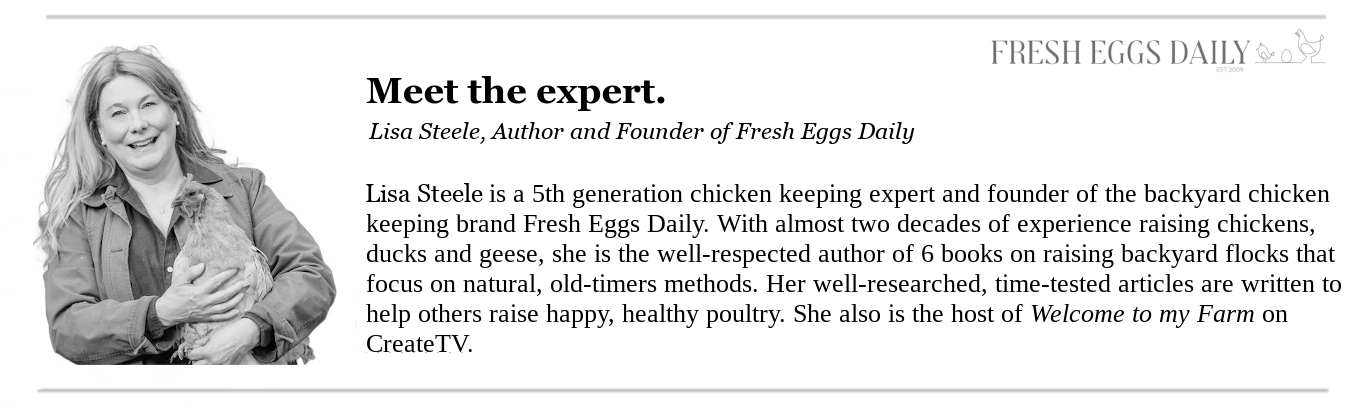
Expert consensus, including recommendations from prominent poultry authors like Lisa Steele, suggests that garlic is safe because a chicken would need to consume an improbable volume of fresh garlic to reach toxic levels. In contrast, even a single moderate serving of cooked or raw onions can trigger a toxic response. Therefore, while garlic is a staple in holistic poultry management, onions remain a prohibited food item.
Supporting Data and Dietary Analysis
The nutritional requirements of chickens are highly specific, particularly for high-production laying hens. A standard layer pellet typically contains 16% to 18% protein, along with balanced calcium and phosphorus levels. When kitchen scraps are introduced, they should never exceed 10% of the total daily diet to avoid diluting these essential nutrients.
Data from avian diagnostic laboratories indicates that dietary indiscretion—eating things they shouldn’t—is a leading cause of non-infectious illness in backyard flocks. Onions are particularly insidious because they are often hidden in leftovers, such as pizza crusts, pasta sauces, or salads. Even if the onions are cooked, the thiosulphate remains stable and toxic; heat does not neutralize the compound.

Furthermore, studies have shown that feeding onions to poultry can have a secondary "tainting" effect on egg quality. The sulfur compounds in onions can be transferred to the egg yolk, resulting in an off-flavor or "oniony" taste that renders the eggs unpalatable for human consumption. This economic impact, combined with the health risks to the bird, underscores the importance of strict dietary management.
Expert Responses and Best Practices for Flock Management
Veterinarians specializing in livestock and exotic pets emphasize that prevention is the only effective cure for thiosulphate poisoning. Because there is no specific "antidote" for onion toxicity in birds, treatment is limited to supportive care, such as providing a stress-free environment, high-quality nutrition, and hydration, while the bird’s body attempts to regenerate its red blood cell count.
To mitigate risks, poultry experts recommend the following management strategies:

- Source Separation: Maintain a dedicated "chicken scrap" bucket in the kitchen where only safe items (such as kale, watermelon rinds, or squash) are placed.
- Education of Household Members: Ensure that everyone involved in the care of the birds understands the "no onion" rule, including avoiding leeks, shallots, and chives.
- Foraging Control: If chickens are allowed to free-range, owners should inspect the area for wild alliums or decorative chives that may be growing in the garden.
- Processed Food Caution: Avoid feeding scraps from restaurant meals or processed human foods, as these frequently contain onion powder or dehydrated onions, which are highly concentrated sources of thiosulphate.
Broader Implications for the Backyard Poultry Industry
The prohibition of onions in poultry diets reflects a broader shift toward more scientific and health-conscious backyard farming. As more families rely on their flocks for food security and companionship, the demand for accurate nutritional information has surged. The "trial and error" method of feeding chickens is being replaced by evidence-based practices that prioritize longevity and egg productivity.
The impact of dietary toxins like thiosulphate extends beyond the individual bird. The loss of a hen represents a loss of investment in time, feed, and potential egg production. For small-scale egg producers, a sudden drop in flock health due to preventable poisoning can result in significant financial setbacks.
In conclusion, while the allure of using chickens as "living compost bins" is strong, the biological reality of avian physiology necessitates caution. Onions represent a clear and present danger to poultry health due to the destructive nature of thiosulphate on red blood cells. By adhering to expert guidelines and focusing on safe, nutrient-dense treats, poultry keepers can ensure their flocks remain vibrant, healthy, and productive for years to come. The distinction between onions and garlic serves as a vital reminder that even within the same plant family, the chemical nuances can mean the difference between a health supplement and a fatal toxin.
