
An extensive field survey conducted across South Florida’s most critical avian habitats has underscored the region’s status as a vital corridor for migratory species and a stronghold for North American endemics. From the mangrove forests of the Gulf Coast to the remote coral keys of the Dry Tortugas, a multi-day ornithological expedition recently documented a vast array of species, providing a real-time assessment of the health and biodiversity of Florida’s unique ecosystems. The expedition, which spanned from early to mid-March 2026, utilized a combination of wildlife drives, boardwalk surveys, and maritime travel to observe nearly 100 distinct species, including several federally threatened and endangered birds.

Initial Surveys of the Gulf Coast Mangrove Ecosystems
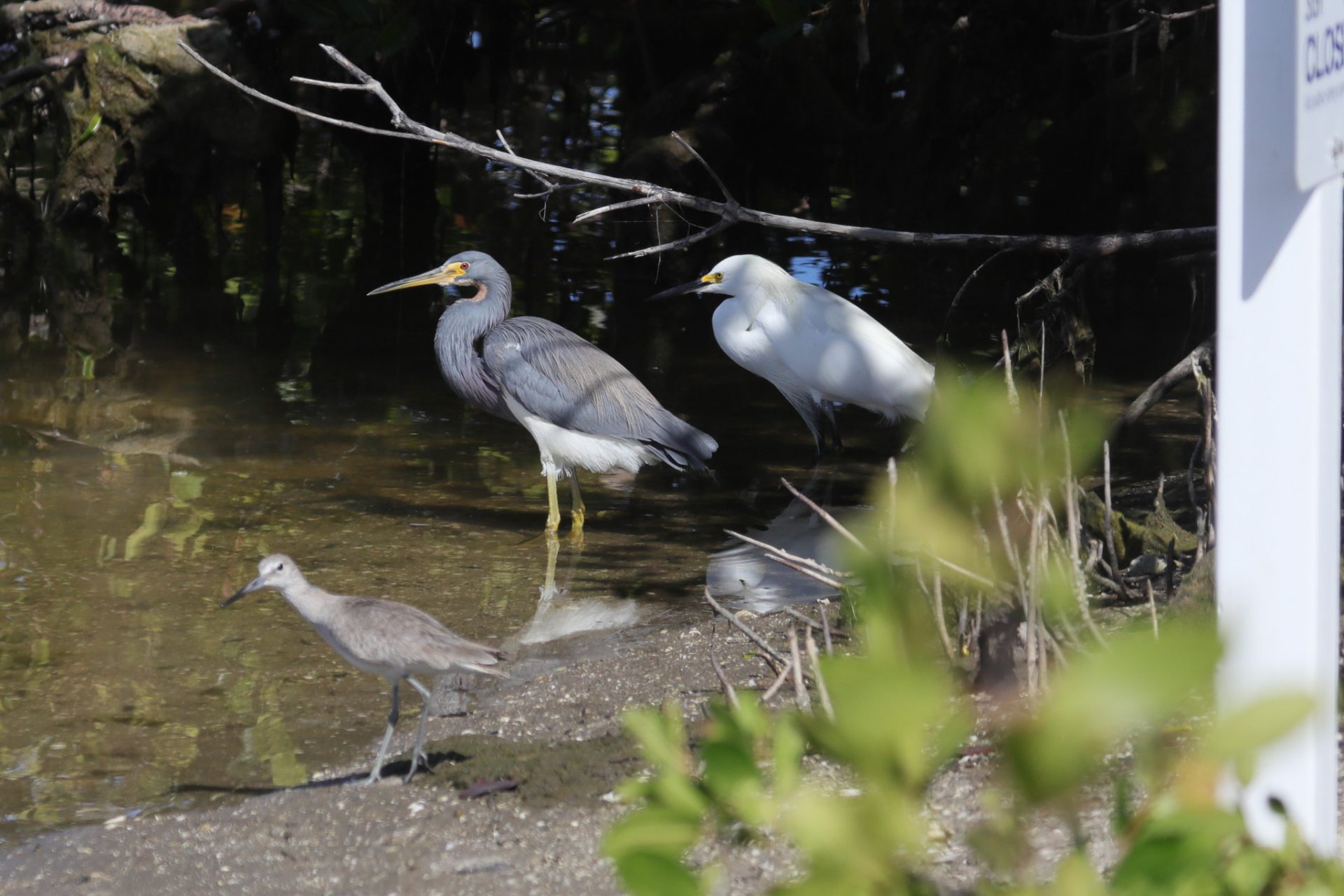
The expedition commenced in Fort Myers with an intensive survey of the J.N. "Ding" Darling National Wildlife Refuge. Spanning over 6,000 acres, this refuge constitutes a significant portion of the largest undeveloped mangrove ecosystem in the United States. Mangroves serve as essential nurseries for marine life and critical stopover points for migratory birds. During the initial phase of the survey, researchers and observers identified 47 distinct species within the refuge boundaries.
Key observations at "Ding" Darling included the Reddish Egret (Egretta rufescens), North America’s rarest heron, and the American White Pelican (Pelecanus erythrorhynchos). The presence of the Reddish Egret is particularly noteworthy to conservationists, as the species is highly dependent on specific shallow-water foraging habitats that are increasingly threatened by coastal development and sea-level rise.
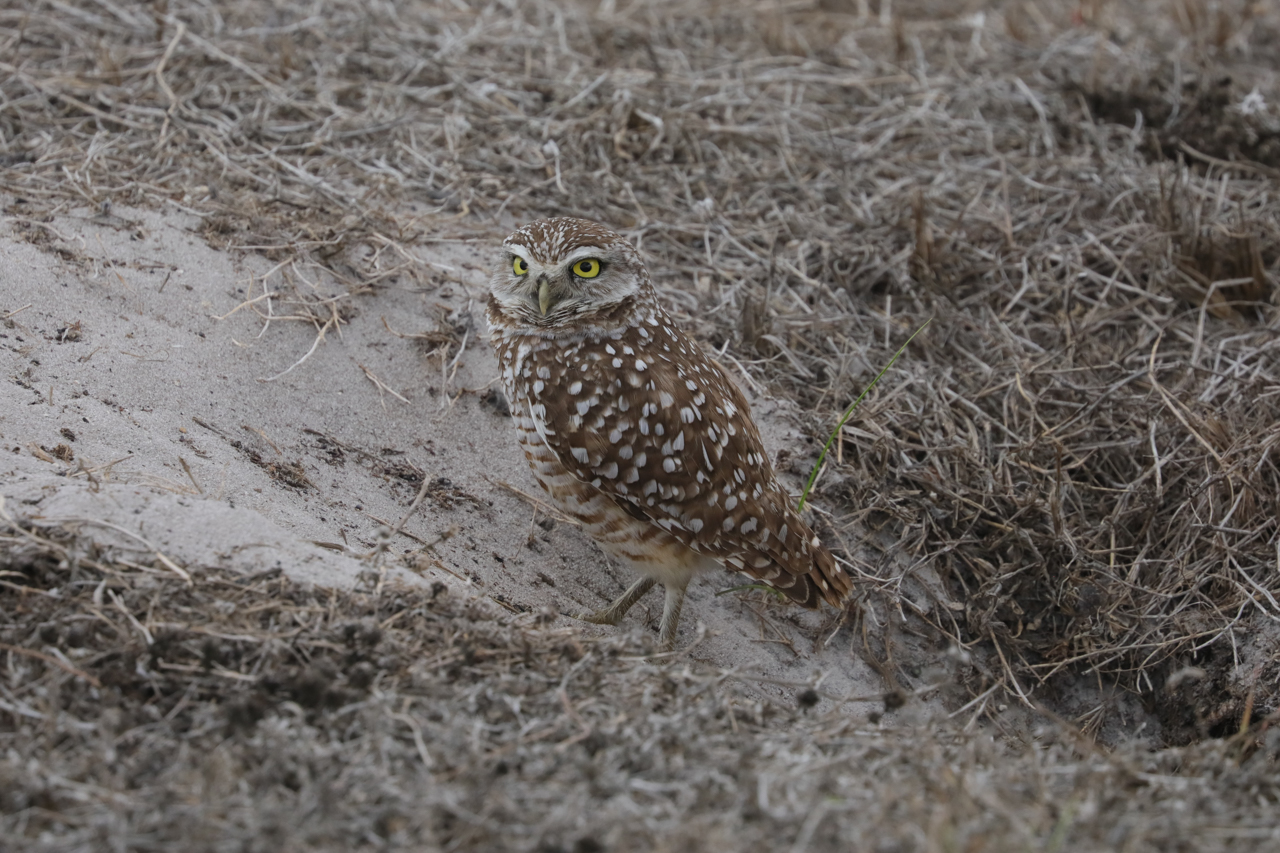
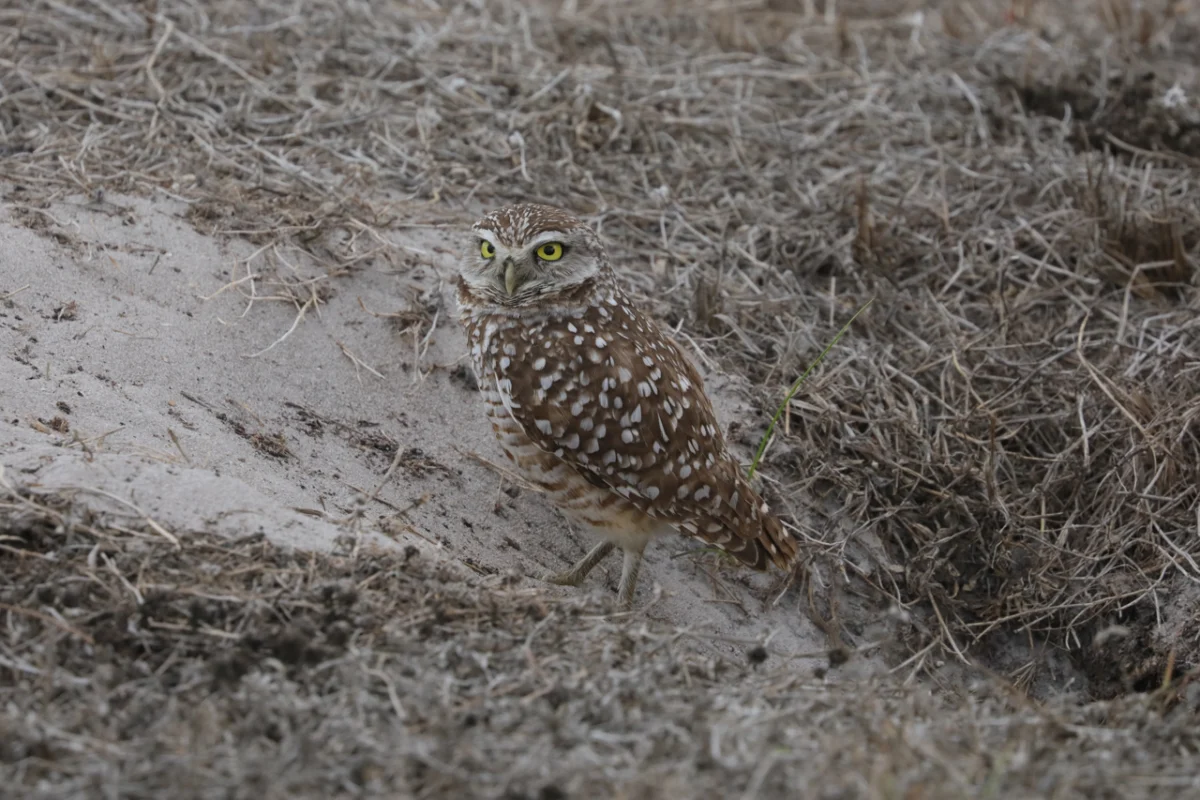
Following the refuge survey, the expedition moved to urban and suburban interfaces in the Fort Myers area to observe specialized raptors. At the Pelican Boulevard baseball fields, the group documented a stable population of Burrowing Owls (Athene cunicularia). These small, ground-dwelling raptors have adapted to nesting in open, man-modified landscapes, though they remain a species of special concern in Florida due to habitat loss. Additionally, the team recorded sightings of the Short-tailed Hawk (Buteo brachyurus) in both its light and dark morphs. The Short-tailed Hawk is one of the rarest breeding raptors in the United States, with a population largely restricted to the Florida peninsula.
Specialized Habitats: Pine Flatwoods and Scrub Endemics
On the second day, the focus shifted toward the interior ecosystems of Southwest Florida, specifically the Babcock-Webb Wildlife Management Area (WMA) and the scrublands of Lehigh Acres. The Babcock WMA provides the necessary "old-growth" pine flatwoods required by the Red-cockaded Woodpecker (Dryobates borealis). This species is a habitat specialist, excavating cavities exclusively in living pine trees afflicted with red heart rot. The documentation of this woodpecker indicates the success of ongoing prescribed burn programs and forest management strategies within the WMA.
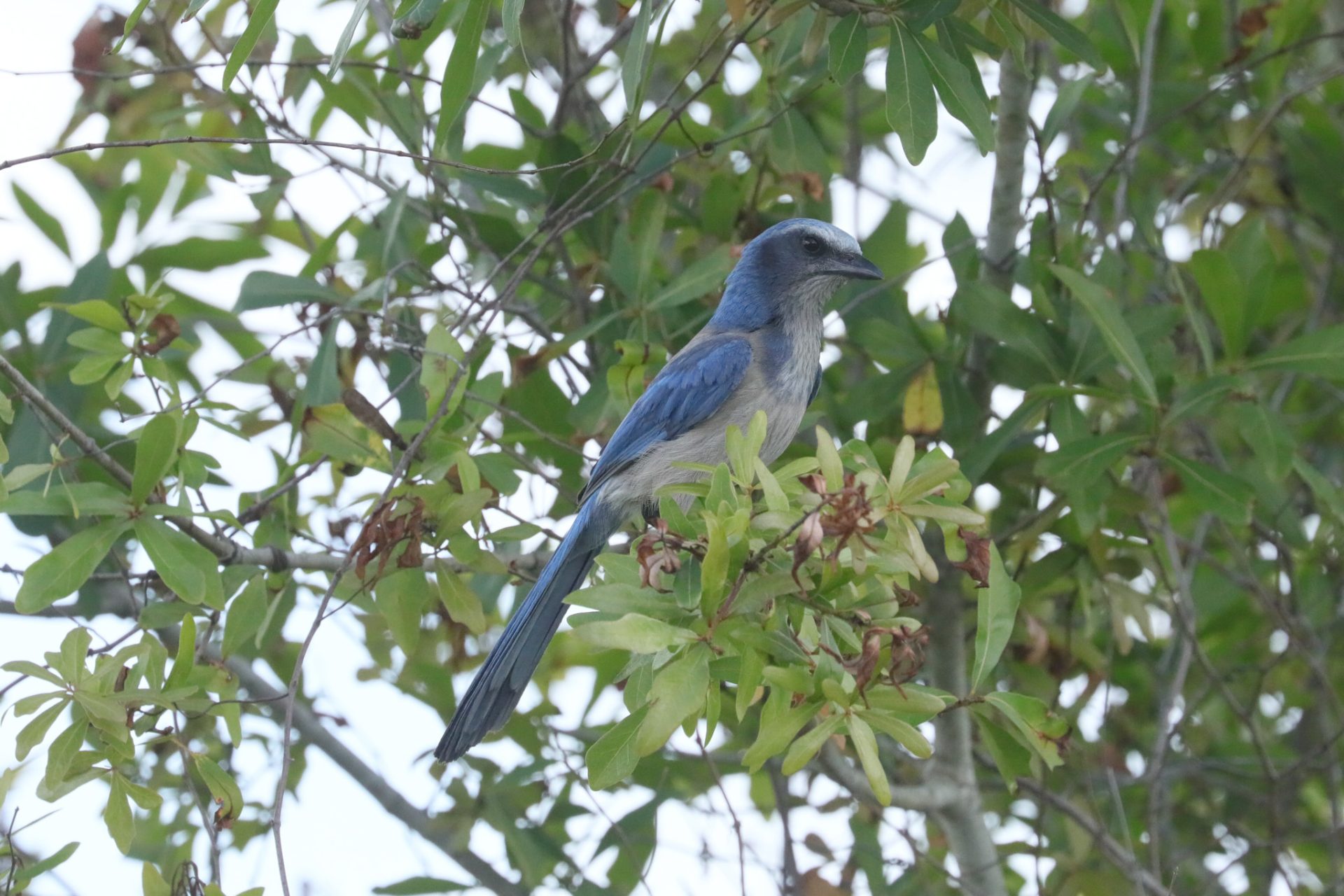
The expedition subsequently visited Lehigh Acres to locate the Florida Scrub-Jay (Aphelocoma coerulescens), the only avian species entirely endemic to the state of Florida. Scrub-jays are restricted to oak scrub habitats—a fire-dependent ecosystem that has been decimated by agricultural conversion and residential development. The observation of a family group in an undeveloped patch of scrubby oak-pine forest highlights the fragmented nature of their remaining habitat and the critical need for corridor preservation.
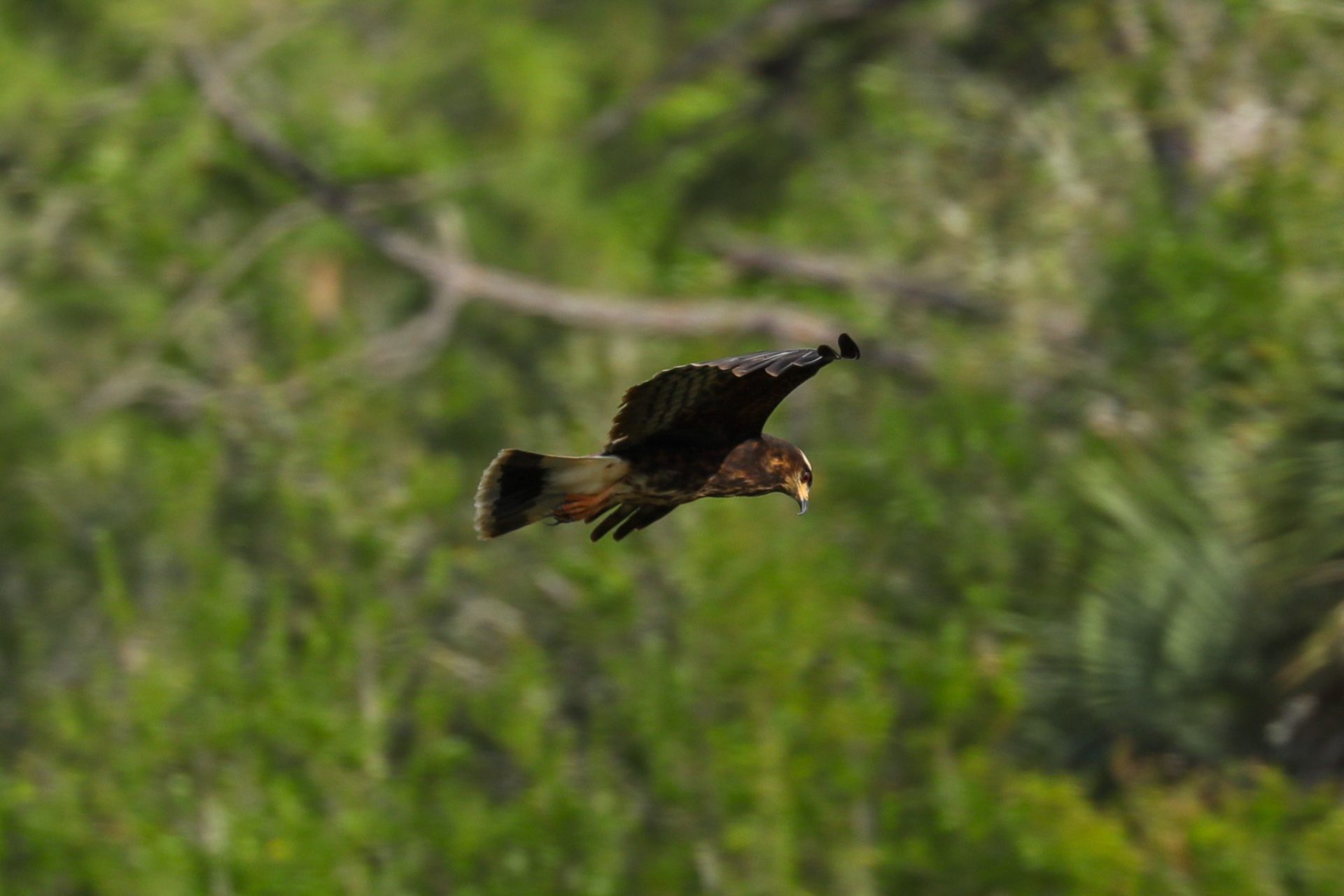
Later that day, a survey of Harns Marsh yielded sightings of the Snail Kite (Rostrhamus sociabilis), a federally endangered raptor. The Snail Kite’s survival is inextricably linked to the hydrology of Florida’s wetlands, as it feeds almost exclusively on apple snails. The presence of a female Snail Kite at Harns Marsh, alongside species such as the Limpkin and Mottled Duck, suggests that the local wetland health is sufficient to support specialized predators.

The Central Everglades and Inland Sanctuary Observations
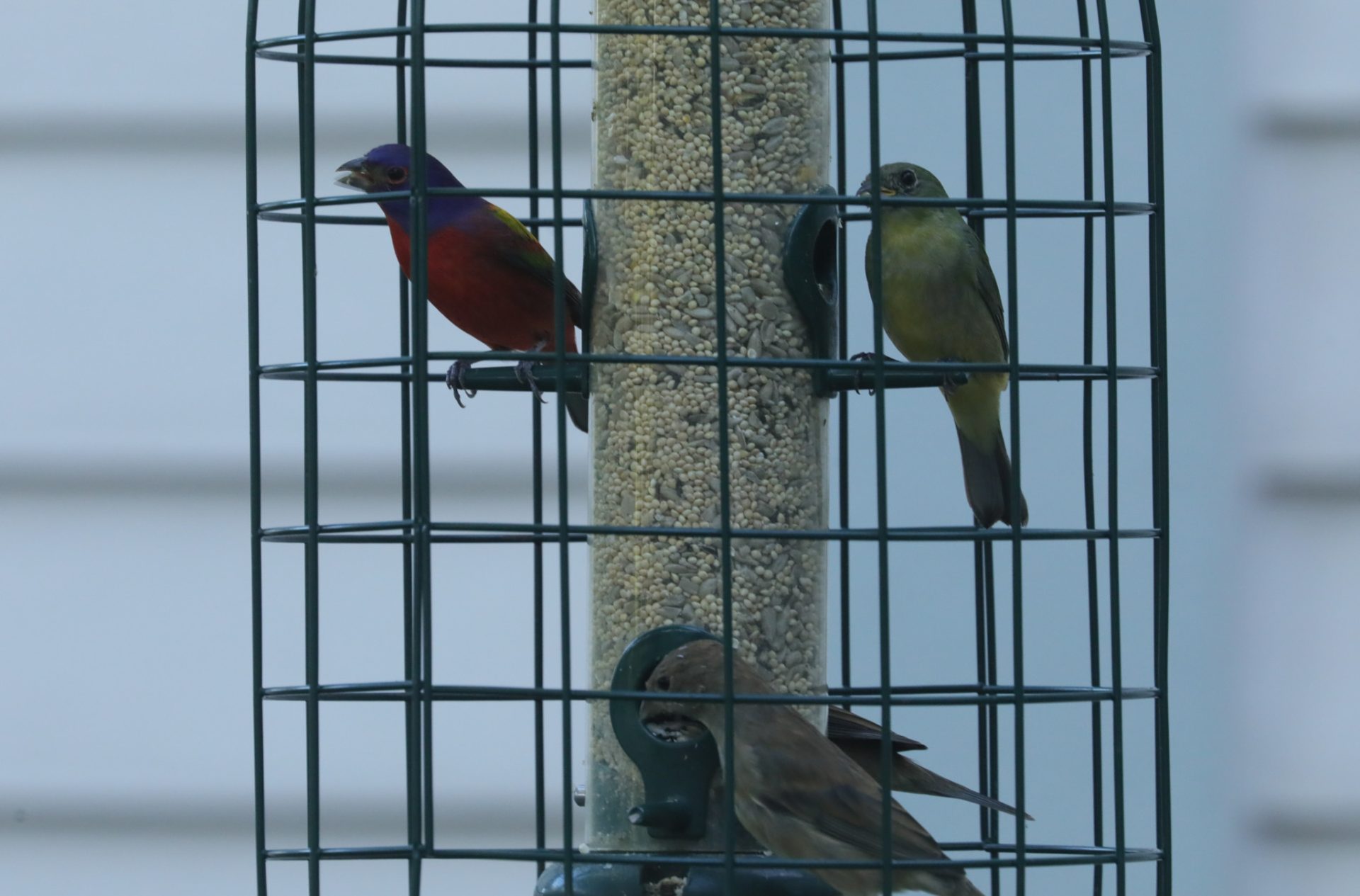
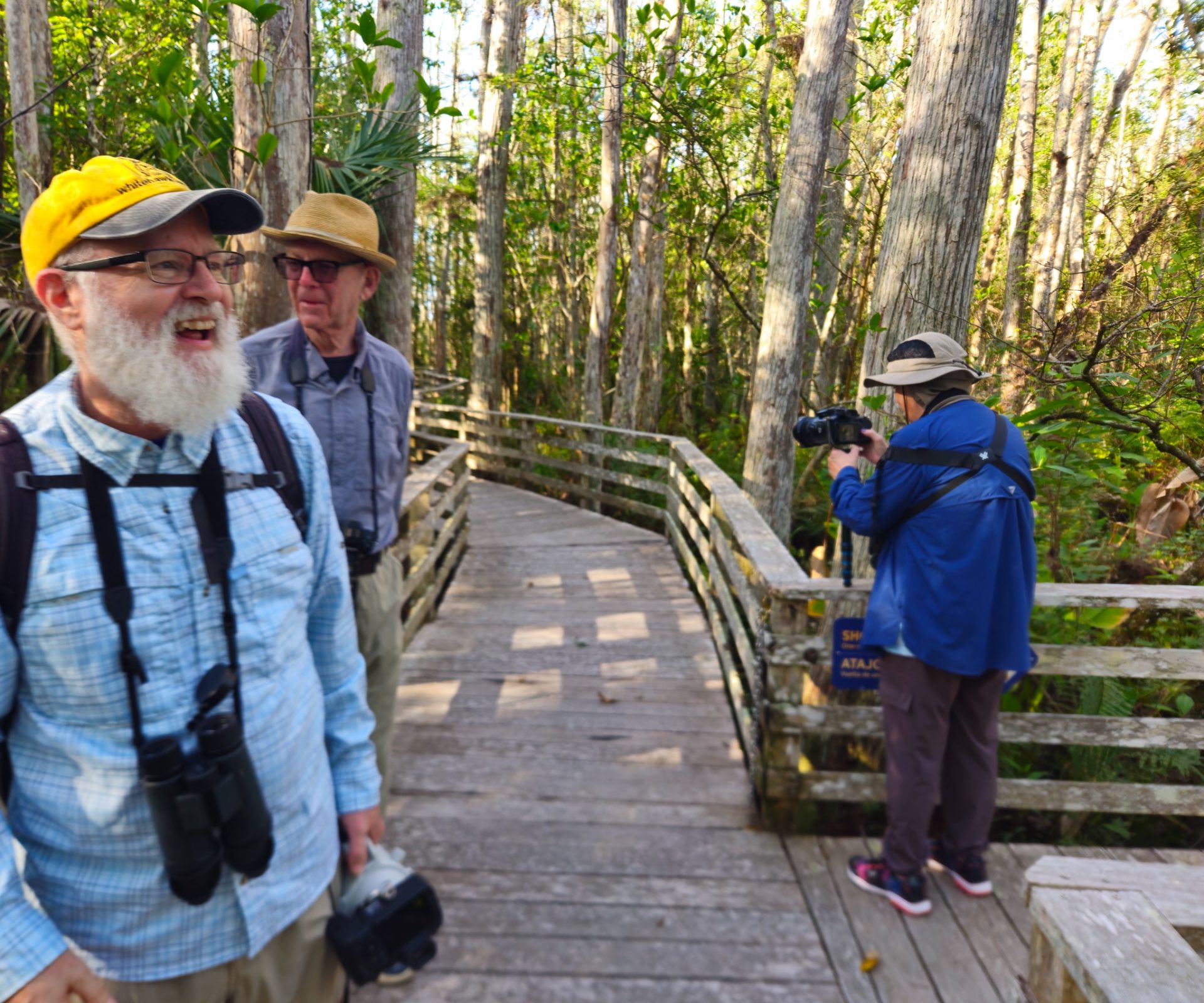
The third day of the expedition was centered on the Audubon Corkscrew Swamp Sanctuary, an essential lowland and upland forest maintained by the National Audubon Society. The sanctuary is home to the largest remaining stand of virgin bald cypress in North America. The survey at Corkscrew Swamp recorded 45 species, most notably a pair of Painted Buntings (Passerina ciris). The Painted Bunting is often cited as a flagship species for conservation due to its striking plumage and its vulnerability to habitat fragmentation in its wintering grounds.
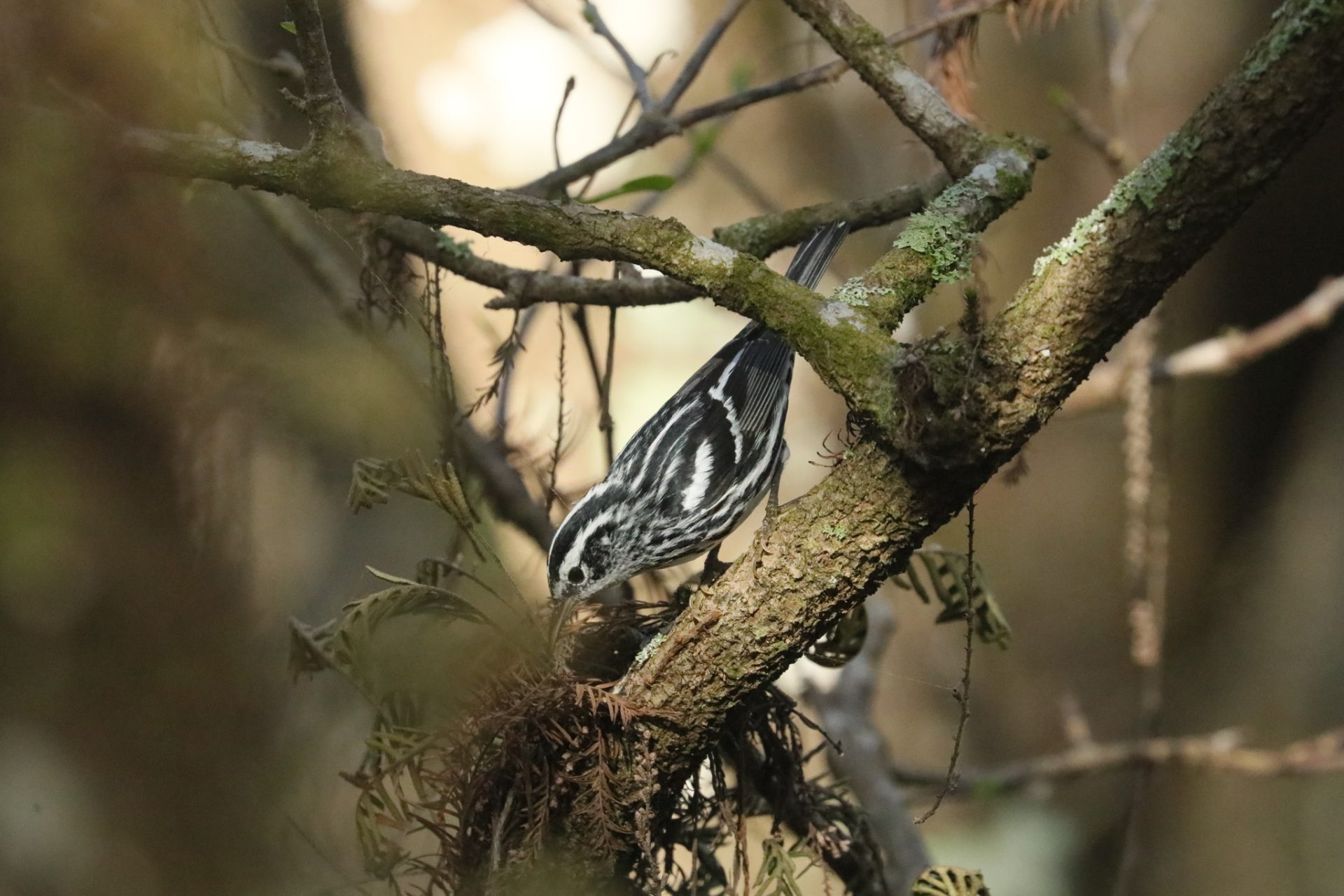
The team also noted a high density of parulids (wood-warblers), including the Black-and-white Warbler, Northern Parula, and the Prothonotary Warbler. The latter is often referred to as the "swamp warbler" due to its preference for wooded wetlands, and its presence at the north end of the sanctuary’s boardwalk confirms the area’s suitability as a breeding or high-quality migratory stopover site.
As the expedition moved south toward the Everglades, roadside observations added the Crested Caracara (Caracara plancus) to the record. This falcon-like raptor is a distinctive resident of Florida’s dry prairies and cattle ranches, further illustrating the diversity of avian life across the state’s varied landscapes.
Hydrological Challenges and Raptor Success in the Everglades
The fourth day was dedicated to the Everglades National Park, a 1.5-million-acre World Heritage site. At the time of the expedition, Florida was experiencing a notable drought, which had altered the park’s traditional water levels. While drought can stress certain aquatic species, it often concentrates fish and amphibians into smaller pools, providing a temporary foraging boon for wading birds and raptors.
At Lucky Hammock, the group observed White-tailed Kites (Elanus leucurus), a species that has seen fluctuating population numbers in Florida over the last century. Moving deeper into the park toward Flamingo, the expedition documented a Barred Owl at Mahogany Hammock and a "Wurdemann’s" Heron—a rare intergrade between the Great Blue Heron and the Great White Heron—at East Pond.
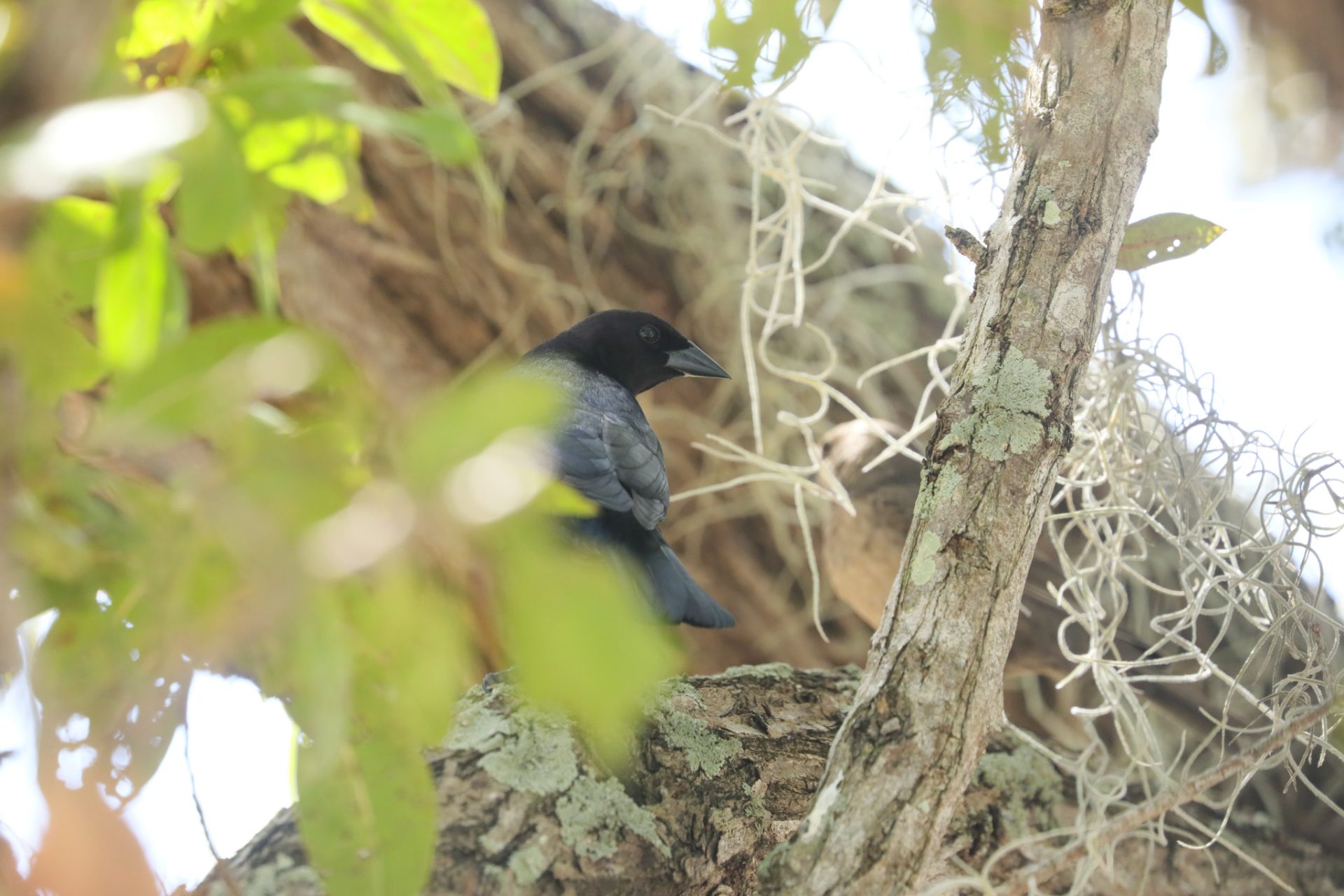
The Flamingo area, located at the southernmost tip of the Florida mainland, provided sightings of the American Crocodile (Crocodylus acutus), a species that has successfully recovered from the brink of extinction. Avian sightings in this saline-to-brackish environment included Caspian Terns and Shiny Cowbirds, the latter being an avian brood parasite that has expanded its range into Florida from the Caribbean.
The Florida Keys and the Remote Dry Tortugas
The final phase of the expedition involved a transit through the Florida Keys to Key West, followed by a maritime journey to the Dry Tortugas National Park. The Keys serve as a vital geographical bridge for Caribbean species. Observations included the White-crowned Pigeon (Patagioenas leucocephala), which is almost entirely dependent on the fruit of native tropical hardwoods like the poisonwood and the seagrape.
In Key West, the team documented the "Great White Heron," a distinct white morph of the Great Blue Heron found primarily in the Florida Keys and the Caribbean. Migratory warblers, such as the Cape May and Magnolia Warblers, were also recorded, signaling the peak of the spring migration.
The expedition’s most remote segment was a 70-mile ferry journey to the Dry Tortugas. This archipelago of seven coral islands is a critical nesting site for pelagic birds that are rarely seen from the mainland. At Fort Jefferson, the group witnessed a massive nesting colony of thousands of Sooty Terns (Onychoprion fuscatus) and Brown Noddies (Anous stolidus). A significant highlight was the return of the Black Noddy (Anous minutus), an extremely rare visitor to the United States.
Furthermore, the team observed the Magnificent Frigatebird (Fregata magnificens) colony. During the visit, males were observed inflating their red gular (throat) pouches as part of their complex courtship and dominance displays. On the return voyage, the expedition passed East Key, home to the only nesting colony of Masked Boobies (Sula dactylatra) in the continental United States, marking a successful conclusion to the pelagic portion of the survey.
Urban Wetland Management and Conclusion
The expedition concluded with a visit to the Wakodahatchee Wetlands in Palm Beach County. This site is a premier example of successful anthropocentric environmental engineering. The wetlands are composed of 50 acres of created marshland that utilize reclaimed, treated wastewater. Daily, approximately two million gallons of highly treated water are pumped into the system, which naturally filters the water while providing a high-quality habitat for Wood Storks, Anhingas, and various waterfowl.
The documentation of Wood Storks (Mycteria americana) nesting at Wakodahatchee is a testament to the viability of man-made wetlands. Once listed as endangered, the Wood Stork has seen its status upgraded to threatened as it has expanded its nesting range in response to better water management practices.
In summary, the eight-day expedition provided a comprehensive snapshot of Florida’s avian biodiversity in the spring of 2026. The data collected suggests that while many species remain vulnerable to habitat loss and hydrological shifts, the network of state parks, federal refuges, and private sanctuaries continues to play a fundamental role in the survival of both resident and migratory birds. The success of the expedition underscores the importance of continued environmental monitoring and the preservation of the unique ecological corridors that define the Florida peninsula.
