
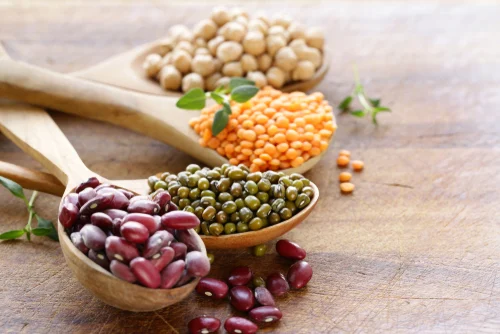
Agricultural experts and avian veterinarians are issuing urgent warnings to the growing community of backyard chicken keepers regarding the severe toxicity of raw, dried beans. While legumes are a staple of human diets and a potent source of protein, their raw form contains a naturally occurring toxin known as phytohaemagglutinin (PHA), a type of lectin that serves as a plant’s defense mechanism against insects. For poultry, the consumption of even a minute quantity of these untreated beans can lead to rapid physiological distress and, in many cases, sudden death. As the trend toward self-sufficiency and domestic egg production continues to rise globally, the dissemination of accurate nutritional safety information has become a critical priority for animal welfare organizations and agricultural extensions.
The primary culprit in these cases of accidental poisoning is the biochemical structure of the bean itself. Phytohaemagglutinin is classified as a hemagglutinin, a substance that causes red blood cells to clump together. In the wild, this toxin functions as a natural insecticide, deterring pests from consuming the seeds of the plant. However, when ingested by vertebrates—particularly birds with high metabolic rates and sensitive digestive systems—the toxin interferes with cellular metabolism and nutrient absorption. The severity of the reaction is often disproportionate to the amount consumed; documented cases suggest that as few as three or four raw kidney beans can be lethal to a mature hen within a matter of hours.

The Biological Mechanism of Lectin Toxicity
To understand why raw beans are so hazardous, one must examine the interaction between lectins and the avian digestive tract. Lectins are carbohydrate-binding proteins that are highly resistant to the acidic environment of the stomach. When a chicken consumes a raw dried bean, the phytohaemagglutinin passes through the initial stages of digestion largely intact. Once it reaches the small intestine, the toxin binds to the carbohydrate moieties of the epithelial cells lining the intestinal wall.
This binding process causes significant structural damage to the intestinal mucosa. The microvilli, which are responsible for nutrient absorption, become stunted or destroyed. This leads to a catastrophic breakdown in the gut barrier, allowing bacteria and other toxins to enter the bloodstream. In chickens, the symptoms of PHA poisoning manifest rapidly. Owners often report acute digestive upset, including severe diarrhea and lethargy. Unlike mammals, chickens do not possess a gag reflex in the traditional sense, but the internal distress caused by the toxin results in a total loss of appetite and a rapid decline in physical condition. If the dosage is high enough, the clumping of red blood cells—agglutination—can lead to organ failure and death.
Chronology of a Poisoning Event
The timeline of phytohaemagglutinin poisoning is notably brief, which often leaves poultry owners with little time for medical intervention.

- Ingestion (0–1 Hours): The chicken consumes the raw dried beans, often mistaking them for pebbles or high-protein treats.
- Initial Reaction (1–3 Hours): The lectins begin binding to the intestinal lining. The bird may show signs of discomfort, such as fluffing feathers or withdrawing from the flock.
- Acute Phase (3–6 Hours): Symptoms of gastrointestinal distress become visible. Diarrhea is common, and the bird may experience a drop in body temperature.
- Critical Threshold (6–12 Hours): If a lethal dose (3–4 beans) was consumed, the bird often enters a state of shock. The damage to the intestinal wall facilitates systemic toxicity.
- Fatality or Recovery: Without immediate supportive care—which is often ineffective once the toxin has bound to the gut—the bird typically expires within 24 hours.
Comparative Risk Levels Among Bean Varieties
While all raw dried beans contain some level of lectins, the concentration varies significantly across different species of legumes. Red kidney beans are widely recognized as having the highest concentration of phytohaemagglutinin. Measured in Hemagglutinating Units (hau), raw kidney beans can contain between 20,000 and 70,000 hau. In stark contrast, fully cooked beans contain only 200 to 400 hau, a level that is generally considered safe for consumption.
Other varieties, such as white kidney beans (cannellini beans), contain about one-third the toxin levels of the red variety, but they remain sufficiently toxic to kill poultry if consumed raw. Soybeans, pinto beans, and navy beans also harbor these proteins. It is a common misconception among novice keepers that "natural" or "organic" raw beans are safer; in reality, the toxin is an inherent biological component of the plant’s survival strategy and is present regardless of farming practices.
The Science of Detoxification: Heat and Hydration
The danger of dried beans is entirely dependent on their preparation. The process of rendering beans safe for poultry involves a specific sequence of hydration and thermal treatment. Experts emphasize that "slow cooking" or undercooking beans can actually increase their toxicity. If beans are heated to only 80°C (176°F), the toxicity can increase fivefold compared to their raw state.

To ensure safety, a rigorous preparation protocol must be followed:
- Soaking: Beans must be soaked in water for a minimum of 12 hours. This begins the process of leaching out some of the water-soluble toxins.
- Rinsing: The soaking water must be discarded, and the beans must be rinsed thoroughly under fresh running water.
- Boiling: The beans must be boiled at a minimum of 100°C (212°F) for at least 10 to 30 minutes. This high heat is necessary to denature the phytohaemagglutinin proteins, effectively "unfolding" them so they can no longer bind to intestinal cells.
Once the beans have been boiled and then simmered until soft, they become a safe, high-protein supplement for chickens. However, many veteran poultry experts, such as Lisa Steele of Fresh Eggs Daily, suggest that the risk of error in preparation is high enough that avoiding dried beans altogether is the safest course of action for most hobbyists.
Canned and Fresh Alternatives
For keepers who wish to provide the nutritional benefits of legumes without the associated risks of raw dried beans, canned beans and fresh legumes offer a safer alternative. Canned beans are pre-cooked under high pressure and heat, which neutralizes the lectins. However, they present a different health challenge: high sodium content. Excessive salt intake in chickens can lead to salt poisoning, kidney dysfunction, and shell quality issues. Therefore, canned beans must be thoroughly rinsed to remove the brine before being fed to the flock in moderation.

Furthermore, fresh legumes such as green beans, snap peas, and lima beans are generally considered safe in their fresh state. These "green" versions of the plant have significantly lower concentrations of PHA compared to the mature, dried seeds. Chickens can safely forage on green bean plants in a garden setting, provided the plants have not been treated with chemical pesticides.
Broader Implications for the Backyard Poultry Movement
The warning regarding raw beans arrives at a time when the backyard poultry movement is seeing unprecedented growth. According to data from various agricultural census reports, millions of households in the United States and Europe have adopted chickens over the last decade. This shift has led to a "knowledge gap" where new keepers, motivated by a desire to reduce food waste, may inadvertently feed their birds kitchen scraps that are toxic.
The implication of this trend is a rising demand for clearer labeling on animal feed and more robust education from poultry hatcheries. Veterinary associations have noted that "dietary indiscretion"—the consumption of inappropriate or toxic foods—is one of the leading causes of preventable mortality in domestic flocks. The case of the raw dried bean serves as a primary example of how a healthy human food can be a "silent killer" in the avian world.

Expert Analysis and Conclusion
The consensus among avian experts is clear: the risk-to-reward ratio of feeding dried beans to chickens is unfavorable. While legumes are nutritionally dense, the margin for error in neutralizing phytohaemagglutinin is slim. A failure to reach the boiling point or an insufficient soaking period can turn a nutritious snack into a lethal meal.
For the modern homesteader, the focus should remain on a balanced commercial feed supplemented by known safe treats such as leafy greens, mealworms, and certain fruits. By understanding the biochemical hazards present in common pantry items like dried beans, keepers can better protect their flocks from avoidable tragedies. The toxicity of the raw bean is a potent reminder that avian physiology differs vastly from human biology, and what is "natural" is not always synonymous with "safe." Proper education and cautious feeding practices remain the cornerstone of healthy, productive backyard poultry management.
