
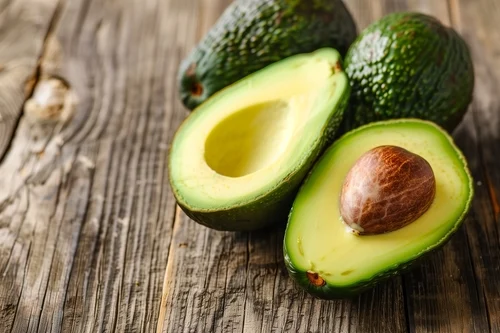
The rising popularity of backyard poultry farming and sustainable homesteading has led to an increased focus on the nutritional safety of supplemental feed, specifically regarding the potential lethality of common household produce. Among the most significant dietary hazards identified by veterinary experts is the avocado (Persea americana). While celebrated as a "superfood" for human consumption due to its high concentration of healthy fats and vitamins, the avocado plant contains a fungicidal toxin known as persin, which poses a severe, often fatal, threat to various animal species, particularly birds. According to the Merck Veterinary Manual, all components of the avocado plant—including the fruit’s flesh, the pit, the skin, and the leaves—are toxic to chickens and turkeys. This chemical compound, which serves as a natural defense mechanism for the plant against fungal pathogens, can induce rapid-onset cardiac distress, respiratory failure, and sudden death in avian populations and several mammalian species.
The Chemical Profile of Persin: A Biological Defense Mechanism
Persin is a fat-soluble, oil-like compound structurally similar to a fatty acid. It is synthesized within the avocado plant to provide resistance against fungal attacks, particularly from species such as Colletotrichum gloeosporioides. While the human digestive system is capable of processing this compound without adverse effects, many domestic animals lack the metabolic pathways to safely neutralize it. The concentration of persin varies significantly across the different parts of the plant and across different varieties of avocado. Historically, Guatemalan varieties of avocado (Persea americana var. guatemalensis) have been documented to contain significantly higher levels of the toxin compared to Mexican varieties, though veterinary experts caution that all varieties should be treated as equally hazardous to ensure animal safety.

The highest concentration of persin is typically found in the leaves of the avocado tree. For homesteaders who live in tropical or subtropical climates where avocado trees are grown, the risk is not limited to the kitchen scraps provided to the flock; fallen leaves or bark within the foraging area can be just as deadly. Ingestion of these materials leads to a condition known as avocado toxicosis, a systemic failure that primarily targets the cardiovascular and respiratory systems.
Physiological Impact and Mechanism of Toxicity
The mechanism by which persin affects the body is through the destruction of myocardial cells (heart muscle) and the impairment of the mammary glands in lactating mammals. In birds, the heart is the primary target. Once ingested, the toxin causes damage to the cells of the heart, leading to myocardial necrosis—the premature death of heart tissue. As the heart muscle weakens, it becomes unable to pump blood efficiently, leading to a cascade of physiological failures.
One of the most common clinical signs in birds is the development of hydropericardium, a condition where fluid accumulates in the sac surrounding the heart. This pressure prevents the heart from expanding and contracting properly. Simultaneously, the bird may suffer from pulmonary edema, where fluid collects in the lungs, making it increasingly difficult for the animal to absorb oxygen. This lack of oxygen, combined with a failing heart, typically results in a heart attack. Veterinary data indicates that the window for intervention is narrow; in small birds, consuming as little as 5% of an avocado can lead to death within 12 to 48 hours of ingestion.

Chronology of Symptoms and Clinical Presentation
The onset of symptoms following avocado ingestion is often rapid, leaving little time for veterinary intervention. The timeline of avocado toxicosis generally follows a predictable, albeit tragic, path:
- The Initial Ingestion (0–3 Hours): Immediately after consuming toxic parts of the avocado, the animal may appear normal. There are no immediate digestive upsets like vomiting in birds, which makes the ingestion difficult to detect if the owner did not witness the event.
- Early Onset Symptoms (3–12 Hours): The bird begins to exhibit signs of lethargy and depression. It may stop foraging and remain stationary with its feathers ruffled. This is the stage where myocardial damage begins to manifest.
- Respiratory Distress (12–24 Hours): As fluid begins to accumulate in the chest cavity and lungs, the bird will show signs of "heavy breathing" or dyspnea. Owners may observe the bird stretching its neck out to breathe or "tail bobbing," a common sign of respiratory effort in poultry.
- Acute Crisis (24–48 Hours): The bird becomes unable to stand and may suffer from ataxia (loss of coordination). Heart rate becomes irregular. In most documented cases, the bird is found dead in the coop or run shortly after reaching this stage due to total cardiac collapse.
A Spectrum of Susceptibility: At-Risk Species
While chickens and turkeys are frequently highlighted due to their prominence in backyard farming, they are not the only animals susceptible to persin poisoning. The biological threat extends across a wide range of taxa:
- Avian Species: In addition to poultry, pet birds such as parrots, canaries, and ostriches are highly sensitive. Even minute amounts of avocado in a pet bird’s diet can be fatal.
- Small Mammals: Mice, rats, and guinea pigs are susceptible. In laboratory settings, persin has been shown to cause significant damage to the heart and mammary tissue in these rodents.
- Livestock: Sheep and goats have shown vulnerability to avocado toxicosis, particularly when grazing near avocado orchards. In these ruminants, the toxin often causes mastitis (inflammation of the mammary gland) in addition to heart damage.
- Aquatic Life: Certain species of fish are also affected by persin if avocado waste is introduced into their water supply, leading to respiratory failure through gill impairment.
Conversely, dogs and cats are generally considered more resistant to the lethal effects of persin compared to birds, though they can still suffer from gastrointestinal upset or, more dangerously, an intestinal blockage if they swallow the large avocado pit.

The "Superfood" Fallacy and the Rise of Urban Farming
The danger of avocado ingestion in poultry is exacerbated by the "humanization" of pet diets. As more individuals move toward "clean eating" and organic lifestyles, there is a natural tendency to share these healthy foods with pets and livestock. This phenomenon, often referred to as the "superfood fallacy," assumes that if a food is nutritionally dense and beneficial for a human, it must be equally beneficial for an animal.
However, the evolutionary biology of chickens is vastly different from that of primates. Chickens are opportunistic omnivores with a digestive system designed to process seeds, insects, and specific vegetation. Their high metabolic rate and unique cardiovascular structure make them far more sensitive to chemical toxins that a human liver would easily filter. This necessitates a rigorous approach to flock management where "kitchen scraps" are screened with the same level of scrutiny as commercial feed.
Expert Analysis of Broader Implications
The agricultural and veterinary communities have expressed growing concern over the lack of public awareness regarding common food toxins. While most chicken owners are aware that moldy feed is dangerous, the toxicity of fresh, high-quality produce like avocados is less intuitive.

"The challenge with avocado toxicosis is that there is no specific antidote," notes the general consensus among avian veterinarians. "Treatment is purely supportive, involving oxygen therapy and diuretics to reduce fluid buildup, but the success rate is remarkably low once clinical signs appear."
From a broader perspective, the risk of avocado poisoning highlights the need for better integration between urban planning and agricultural education. As suburban neighborhoods allow for more backyard coops, the proximity of ornamental avocado trees to animal enclosures becomes a significant risk factor. Experts suggest that any homesteader or poultry enthusiast should conduct a "botanical audit" of their property to ensure that toxic plants, including avocados, nightshades, and certain ornamental lilies, are not within reach of their animals.
Safe Alternatives and Nutritional Best Practices
To avoid the risks associated with avocado and other toxic foods, poultry owners are encouraged to focus on a diet consisting of 90% high-quality commercial layer pellets and 10% safe, healthy treats. Safe alternatives that provide hydration and vitamins without the risk of persin include:

- Watermelon and Berries: Excellent for hydration and antioxidants.
- Leafy Greens: Kale, spinach, and Swiss chard (in moderation) provide essential minerals.
- Grains and Seeds: Scratches consisting of cracked corn, oats, and sunflower seeds support natural foraging behavior.
- Insects: Mealworms and black soldier fly larvae are excellent protein sources that mimic a chicken’s natural diet.
By strictly adhering to a list of "safe" treats and educating all household members—especially children—on the dangers of sharing avocados, owners can prevent the accidental loss of their flock.
Conclusion: The Imperative of Informed Husbandry
The documented lethality of the avocado plant serves as a critical reminder of the complexities of animal nutrition. In the context of backyard poultry, what is a luxury fruit for the owner is a potent poison for the bird. The data provided by the Merck Veterinary Manual and other toxicological studies underscore a clear directive: chickens should never be fed any part of an avocado.
As the trend of domestic animal keeping continues to grow, the responsibility falls on the owner to bridge the gap between human dietary trends and animal biological realities. Protecting a flock requires more than just protection from predators; it requires a vigilant defense against the invisible chemical threats found in the very foods we consider most healthy. The prevention of avocado toxicosis is entirely within the owner’s control, requiring only the simple, disciplined decision to keep this specific fruit—and its parent plant—entirely out of the reach of susceptible animals.
