
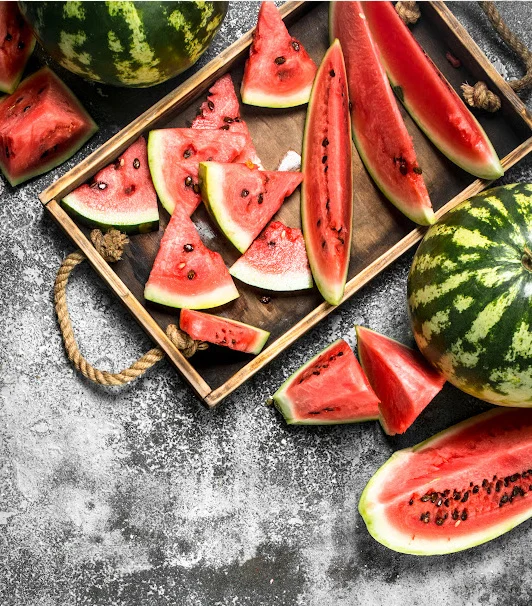
The integration of specific fruit supplements into the diets of backyard poultry has emerged as a critical strategy for maintaining flock health during the peak summer months. As global temperatures continue to fluctuate, poultry keepers are increasingly turning to moisture-rich produce to combat heat stress, a physiological condition that can lead to decreased egg production, respiratory distress, and significant mortality rates in domestic birds. Among the various supplemental options available, watermelon (Citrullus lanatus) has been identified by agricultural experts and seasoned poultry specialists as a premier resource for hydration and nutrient delivery. This fruit, often viewed as a seasonal treat, serves a functional role in avian husbandry by providing a complex matrix of vitamins, minerals, and antioxidants that support the biological demands of chickens under environmental pressure.
The Physiological Importance of Hydration in Avian Species
Domestic chickens (Gallus gallus domesticus) possess a unique physiological structure that makes them particularly vulnerable to high temperatures. Unlike mammals, birds do not have sweat glands; instead, they rely on respiratory evaporation, or panting, to dissipate heat. This process, while effective for cooling, leads to rapid moisture loss and can cause a disruption in the bird’s electrolyte balance. When ambient temperatures exceed 85 degrees Fahrenheit, the risk of heat exhaustion increases exponentially.
Watermelon is composed of approximately 92 percent water, making it an ideal delivery mechanism for fluids. Beyond simple hydration, the consumption of watermelon allows birds to ingest moisture alongside essential sugars and electrolytes, which can be more effective than plain water in restoring energy levels during lethargic periods. Professional poultry keepers, including Lisa Steele, a fifth-generation expert and author, emphasize that the high water content is the primary defense against the deleterious effects of summer heatwaves.
.jpg)
Comprehensive Nutritional Profile and Egg Quality
While hydration is the immediate benefit, the nutritional density of watermelon provides long-term health advantages for a laying flock. The fruit is a significant source of Vitamin A, Vitamin B6, and Vitamin C. Vitamin A is crucial for the maintenance of epithelial tissues and the health of the respiratory and digestive tracts. Vitamin B6 plays a vital role in protein metabolism and the development of the nervous system, while Vitamin C acts as a powerful stress reducer. Although chickens can synthesize their own Vitamin C, supplemental intake during periods of extreme heat or illness can bolster the immune system.
Furthermore, watermelon contains high concentrations of magnesium and potassium. These minerals are essential for muscle function and the prevention of dehydration-related cramping or weakness. One of the most notable components of watermelon is its carotenoid content. Carotenoids are organic pigments that are transferred from the bird’s diet into the yolk of the egg. A diet rich in carotenoids results in the deep, vibrant orange yolks that are often associated with high-quality, pasture-raised eggs. By providing watermelon, poultry keepers are not only supporting the bird’s health but also enhancing the aesthetic and nutritional value of the food products they produce.
Antioxidant Properties and Disease Prevention
The presence of lycopene in watermelon places it at the forefront of antioxidant-rich supplements for livestock. Research indicates that watermelon contains higher levels of lycopene than even raw tomatoes. Lycopene is a powerful phytonutrient that helps neutralize free radicals, thereby protecting cellular structures from oxidative damage. In poultry, this can translate to a lower incidence of chronic diseases and a more robust response to environmental stressors.
The antioxidant properties of the fruit are complemented by the presence of cucurbitacin. This compound is found in various members of the Cucurbitaceae family, including cucumbers and squash. In the context of natural animal husbandry, cucurbitacin is widely regarded as a natural anthelmintic, or dewormer. While it is not a replacement for professional veterinary intervention in cases of severe parasitic infection, the regular inclusion of cucurbitacin-rich foods in a chicken’s diet is believed to create an internal environment that is less hospitable to intestinal parasites. This "old-timer’s" method of natural preventative care has gained renewed interest among modern homesteaders seeking to reduce their reliance on synthetic medications.
.jpg)
Chronology of Dietary Evolution in Backyard Poultry
The practice of feeding fruit supplements to poultry has evolved significantly over the last century. In the early 20th century, farm flocks were largely self-sufficient, foraging for insects, seeds, and fallen fruit. As poultry keeping shifted toward industrial models in the mid-1900s, diets became standardized into pelleted grain rations, often neglecting the benefits of fresh produce.
However, the resurgence of backyard poultry keeping over the last two decades has led to a re-evaluation of avian nutrition. Between 2000 and 2020, the "companion livestock" movement encouraged owners to view chickens not just as production units, but as animals requiring environmental enrichment and dietary variety. The timeline of this shift shows a marked increase in the use of garden produce as a management tool. By 2010, influential poultry experts began documenting the specific benefits of "superfoods" like watermelon, leading to the current standard where fresh fruit is considered a staple of summer flock management rather than an occasional luxury.
Strategic Feeding Methods and Safety Considerations
Agricultural specialists recommend a "zero-waste" approach to feeding watermelon, as chickens are capable of consuming the entire fruit. The flesh provides the bulk of the hydration and sugar, while the seeds offer small amounts of protein and fats. The rind, often discarded by humans, is a valuable source of dietary fiber and provides a "pecking activity" that serves as mental enrichment for the birds.
There are several methods for serving watermelon to a flock:

- The Halved Approach: Slicing the melon in half and placing it in the run allows multiple birds to peck at the flesh simultaneously, reducing competition and bullying.
- Frozen Treats: For extreme heat, many keepers freeze chunks of watermelon or create "slushies" by blending the fruit with ice. This provides an immediate cooling effect on the bird’s core temperature.
- Hanging Melons: Some keepers place a whole watermelon in a suet cage or mesh bag. This encourages the birds to jump and peck, providing exercise and preventing boredom-induced feather picking.
It is important to note that while watermelon is safe, it should be fed as a supplement and not a replacement for a balanced layer feed. Most experts suggest that treats and supplements should not exceed 10 percent of a chicken’s total daily caloric intake to ensure they receive the necessary calcium and protein for egg production.
Expert Analysis of Implications for Small-Scale Farmers
The use of watermelon in poultry diets reflects a broader trend toward sustainable and holistic farming. By utilizing overripe or "ugly" fruit that might otherwise be wasted, farmers can lower their feed costs while improving the resilience of their animals. This circular economy within the backyard farm—where garden waste feeds the birds and the birds provide fertilizer for the garden—is a cornerstone of modern permaculture.
From a market perspective, the impact of such dietary supplements is evident in the consumer demand for "pasture-raised" and "naturally fed" eggs. As consumers become more educated about the link between a bird’s diet and the nutritional quality of the egg, the ability of a farmer to demonstrate a diverse, nutrient-rich feeding regimen becomes a significant competitive advantage.
Broader Impact on Animal Welfare and Climate Adaptation
As heatwaves become more frequent and intense, the ability to manage livestock through nutritional intervention is becoming a vital skill for farmers of all scales. The broader implication of using watermelon as a heat-management tool is the improvement of animal welfare standards. Providing chickens with the means to regulate their temperature and maintain their health through natural foods reduces the need for energy-intensive cooling systems, such as industrial fans or misting arrays, in small-scale setups.

In conclusion, the practice of feeding watermelon to chickens is supported by a combination of historical wisdom and modern nutritional science. By providing essential hydration, vitamins, and antioxidants, watermelon serves as a critical component of a comprehensive summer care strategy. As the backyard poultry industry continues to grow, the emphasis on such natural, effective interventions will likely remain a key focus for those dedicated to raising healthy, productive flocks in a changing climate. The synergy between avian physiology and the nutritional profile of the watermelon underscores the importance of dietary diversity in the pursuit of optimal animal health.
