
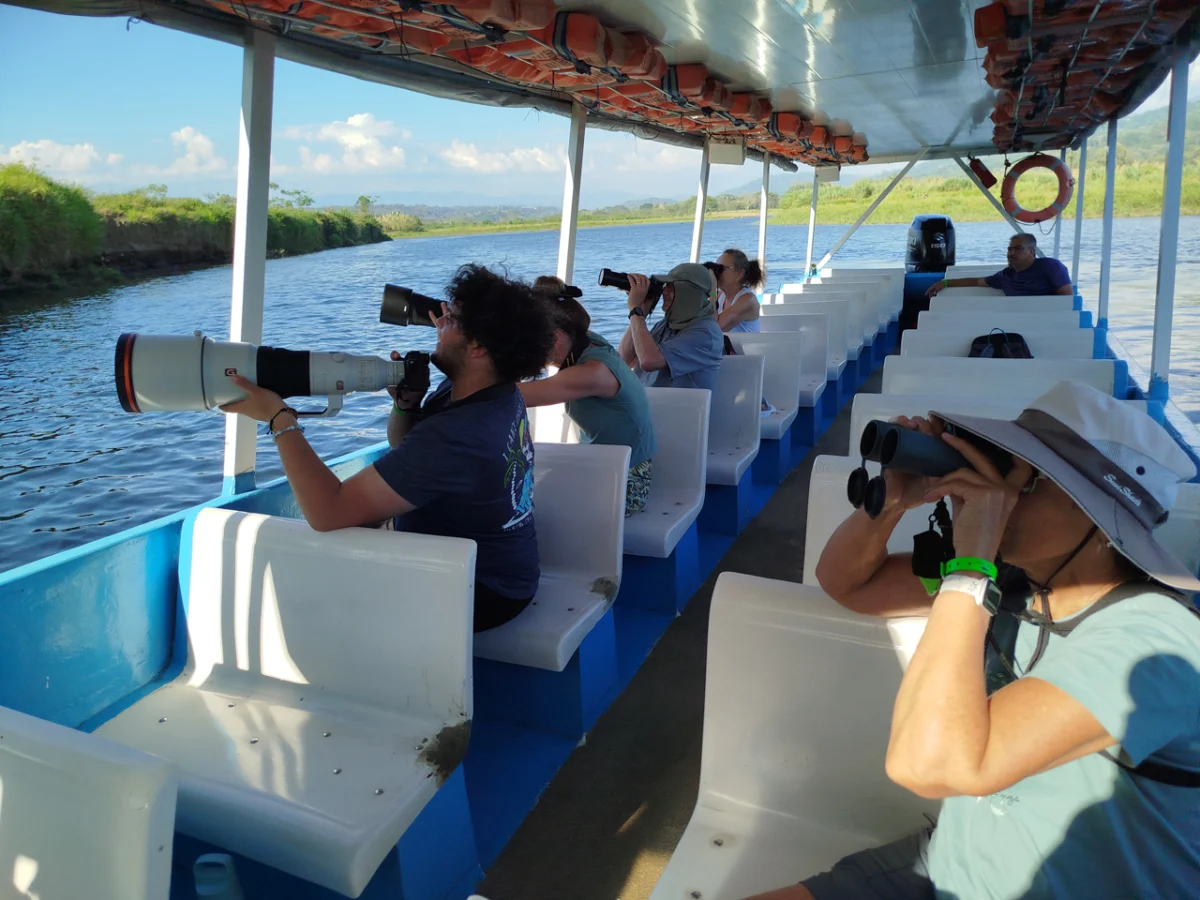
The 11-day Costa Rica Sampler expedition recently concluded its annual survey of the nation’s most critical avian habitats, documenting a vast array of species that underscore the country’s status as a global leader in biodiversity and ecotourism. From the Pacific lowlands and the mangrove-fringed estuaries of the Tárcoles River to the misty oak forests of the Talamanca highlands and the Caribbean-slope rainforests of La Selva, the tour traversed a comprehensive cross-section of the Mesoamerican biological corridor. This year’s findings confirmed the presence of several globally threatened species and provided evidence of robust populations in key protected areas, reinforcing the success of Costa Rica’s long-term environmental conservation strategies.
Costa Rica, despite occupying only 0.03% of the Earth’s landmass, is home to nearly 6% of the world’s total biodiversity. For the birding community, this translates to over 900 recorded species, many of which are endemic to the region’s unique microclimates. The Sampler tour serves not only as a premiere birding experience but also as a periodic assessment of species visibility and habitat health across different altitudinal zones. The 2024 itinerary focused on four primary ecological regions: the Central Valley, the Pacific Lowlands, the High-Altitude Cloud Forests, and the Northern Caribbean Slopes.
Phase One: The Central Valley and the Pacific Lowlands
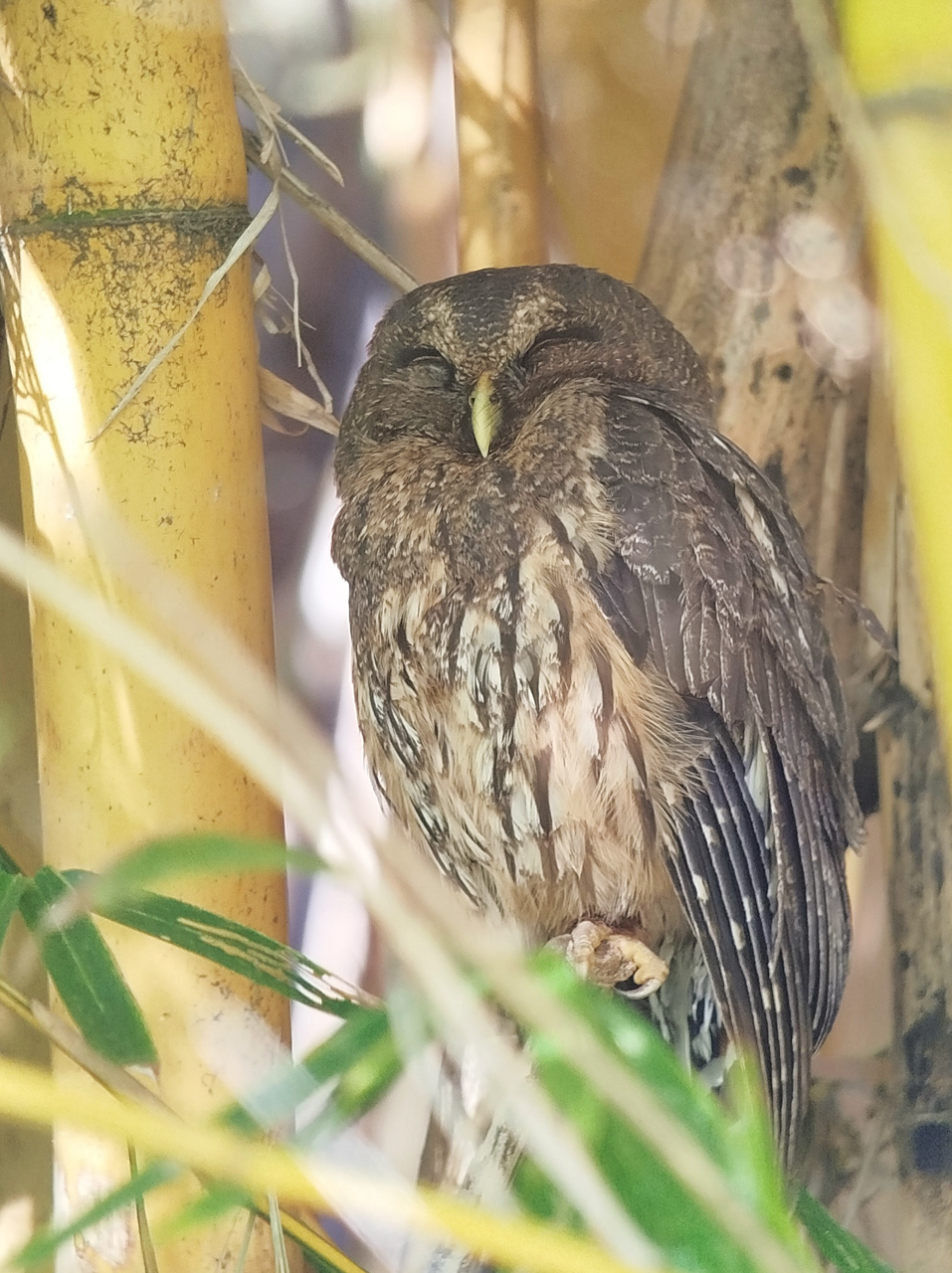
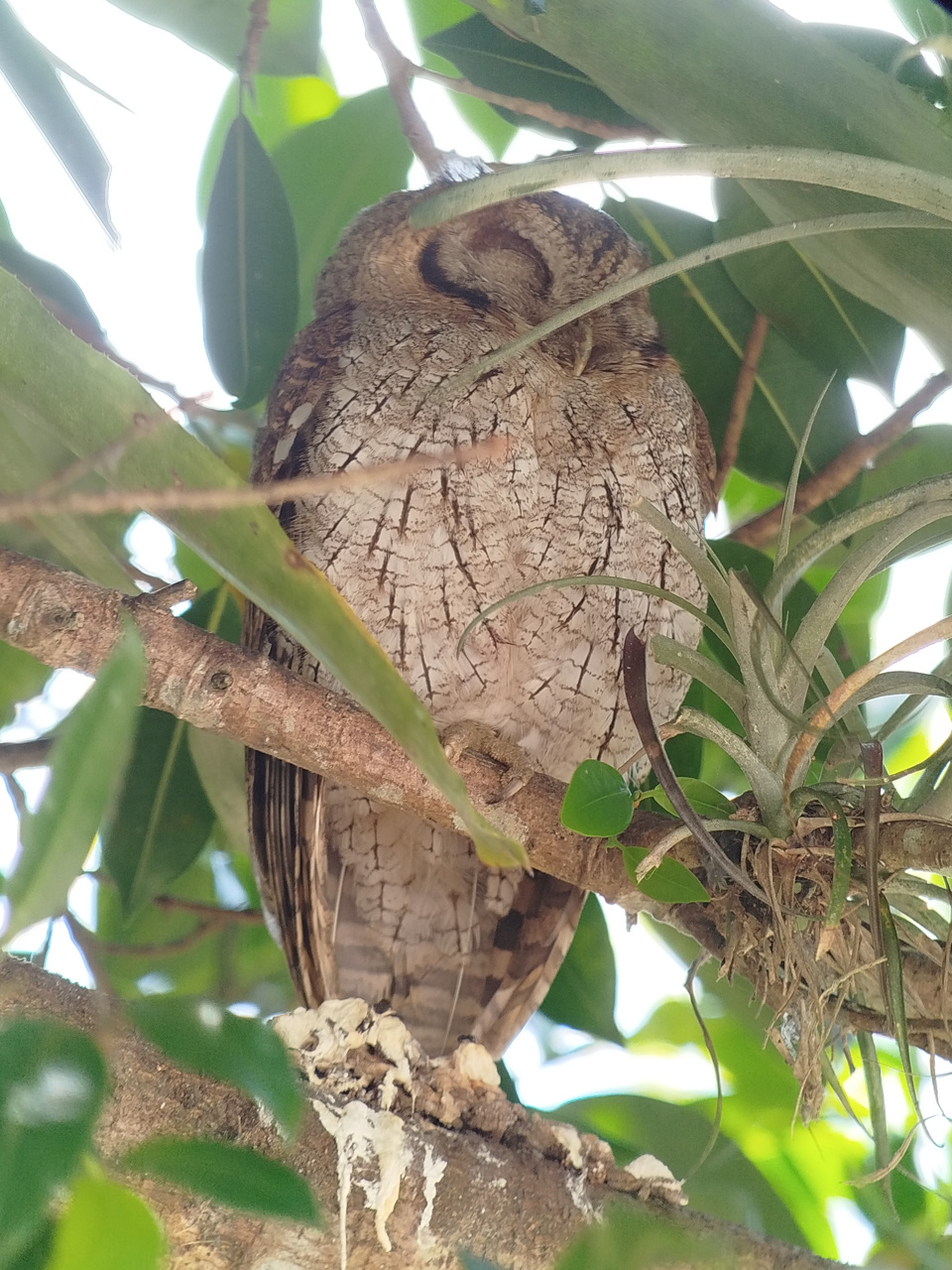
The expedition commenced in San José, situated in the Central Valley, where initial observations focused on urban-adapted species and garden-dwelling birds. At the Hotel Bougainvillea, the group documented the Clay-colored Thrush—Costa Rica’s national bird—alongside Crimson-fronted Parakeets and White-fronted Amazons. A notable first-night discovery was a roosting Mottled Owl, an indicator of the healthy nocturnal ecosystem even within the suburban sprawl of the capital.
As the group descended toward the Pacific coast, the transition in habitat from temperate valley to tropical dry forest was marked by stops in Orotina and the Caldera Mangrove area. The latter provided a sighting of the Mangrove Hummingbird, a species classified as "Near Threatened" by the IUCN and endemic to the Pacific mangroves of Costa Rica. The presence of this specialist species is a critical indicator of the health of the mangrove estuaries, which face ongoing threats from coastal development and climate change.
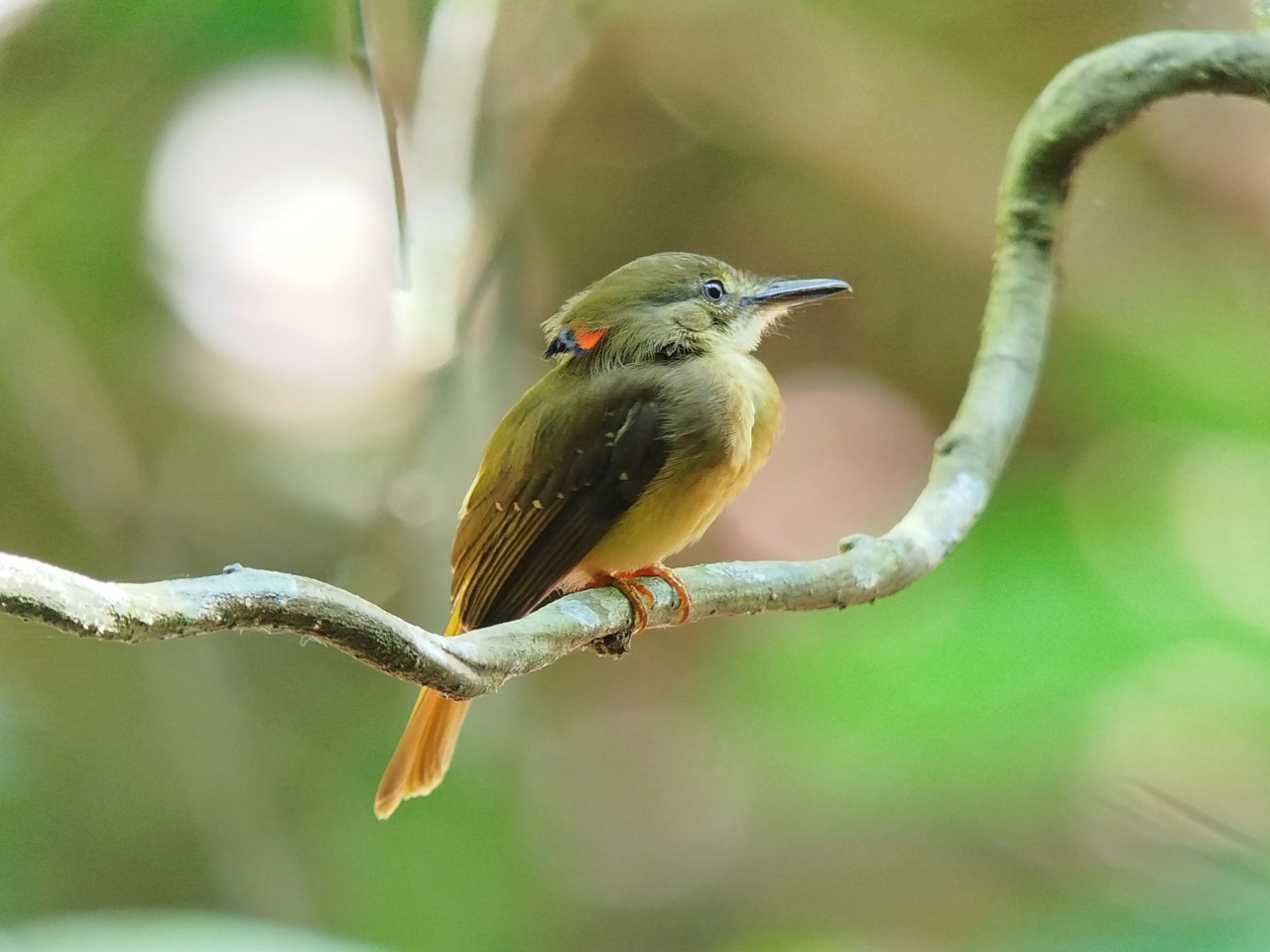
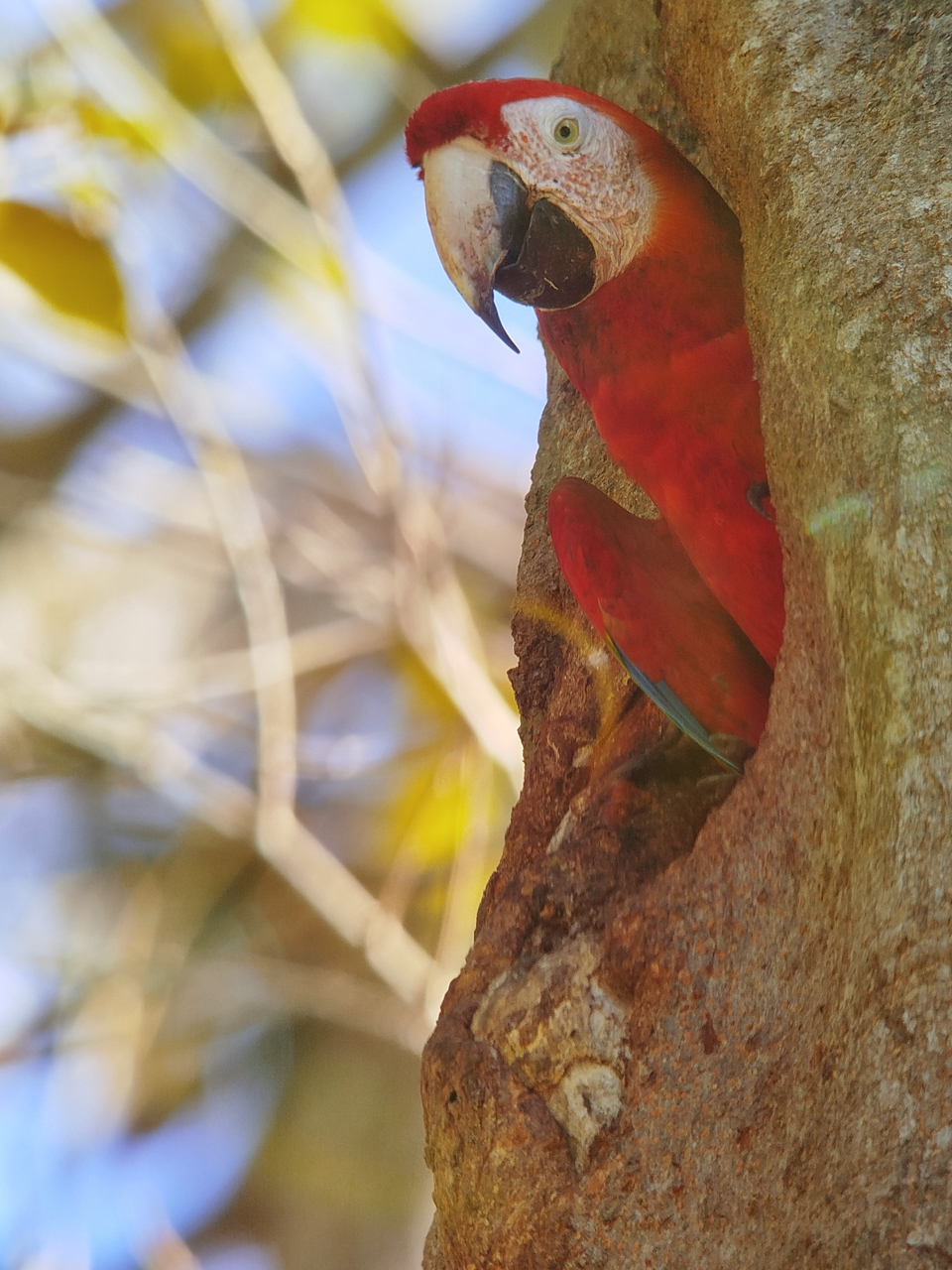
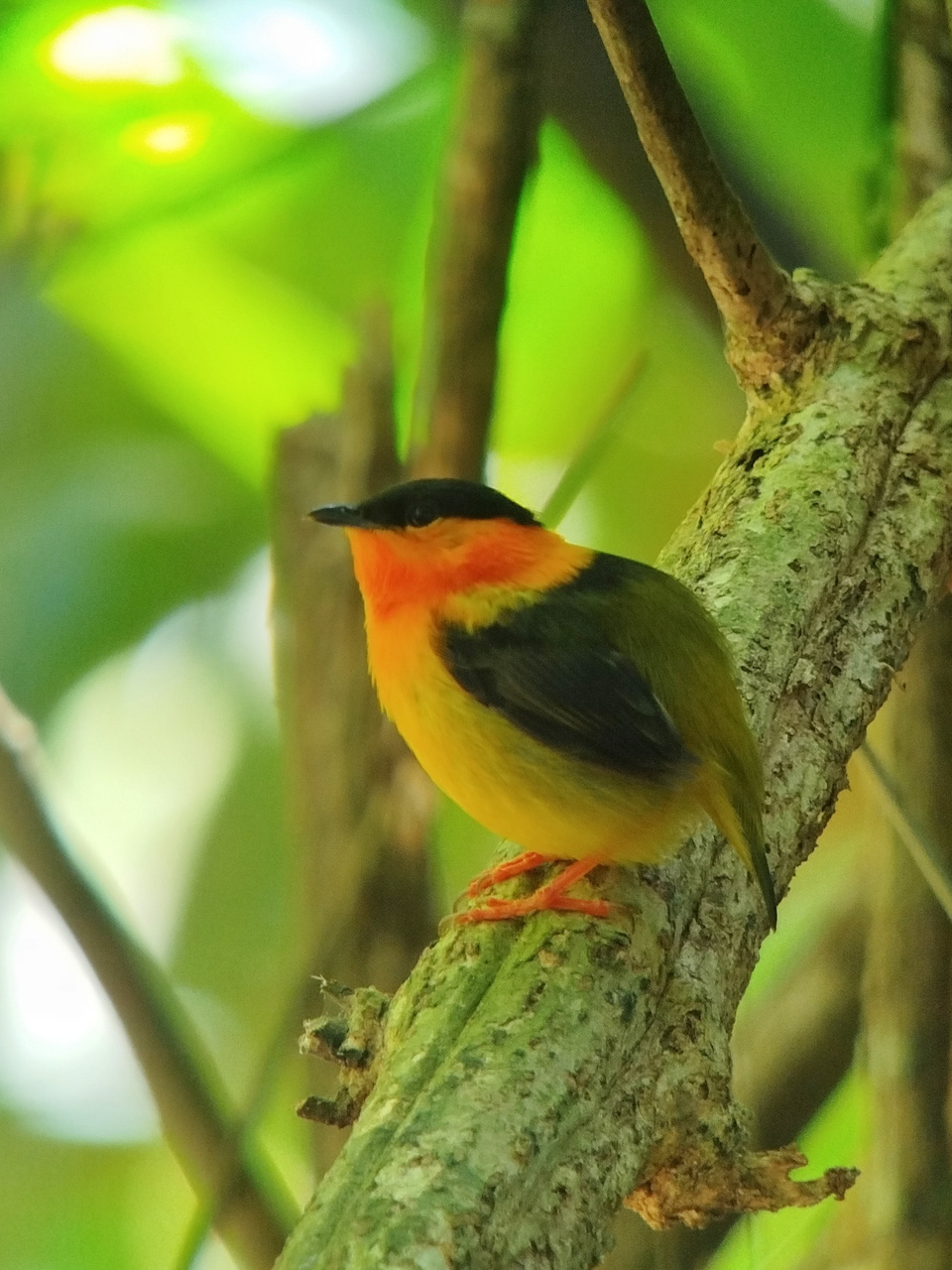
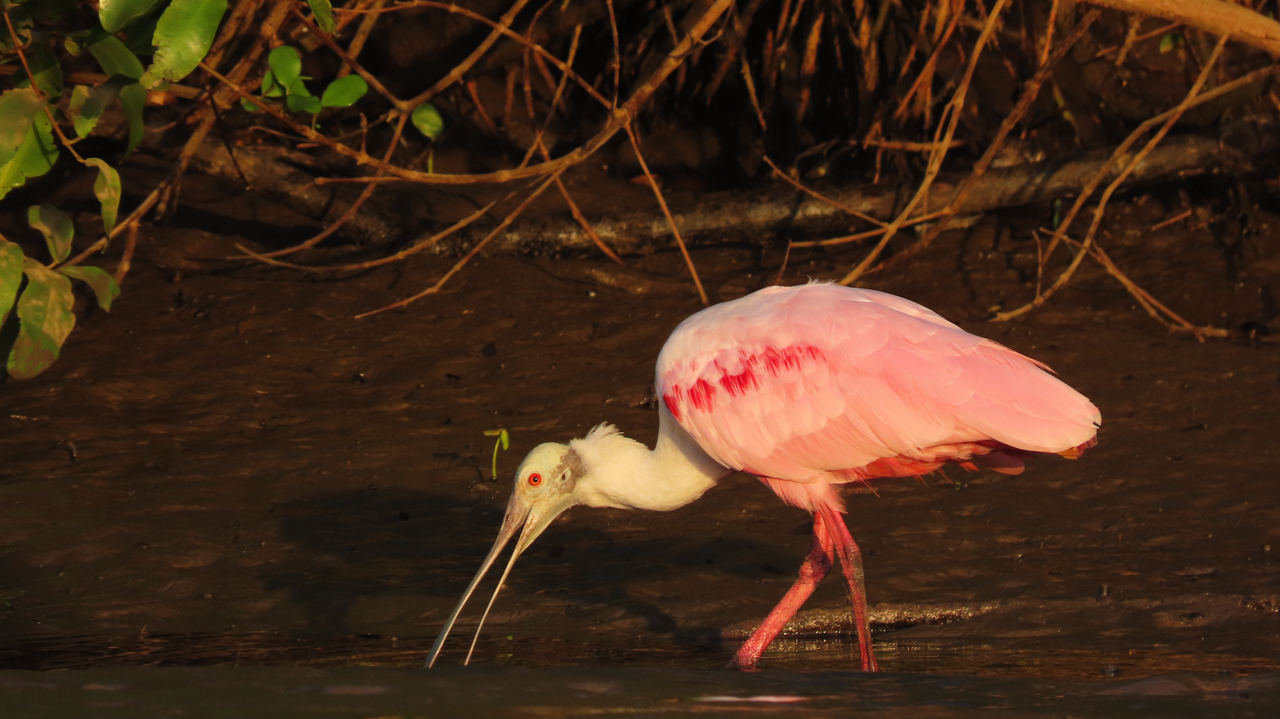
The Tárcoles River region served as the centerpiece for the Pacific leg of the tour. In Carara National Park, which sits at the transition zone between the dry forests of the north and the humid forests of the south, the group recorded the Orange-collared Manakin performing in a lek—a complex social display essential for reproduction. The park also remains a stronghold for the Scarlet Macaw. Once nearly extirpated from the Pacific coast, the population has rebounded due to decades of community-led conservation and legal protection. The group counted a single flock of 32 birds, a testament to the efficacy of the Carara-Tárcoles conservation corridor.
Phase Two: The High-Altitude Talamanca Highlands
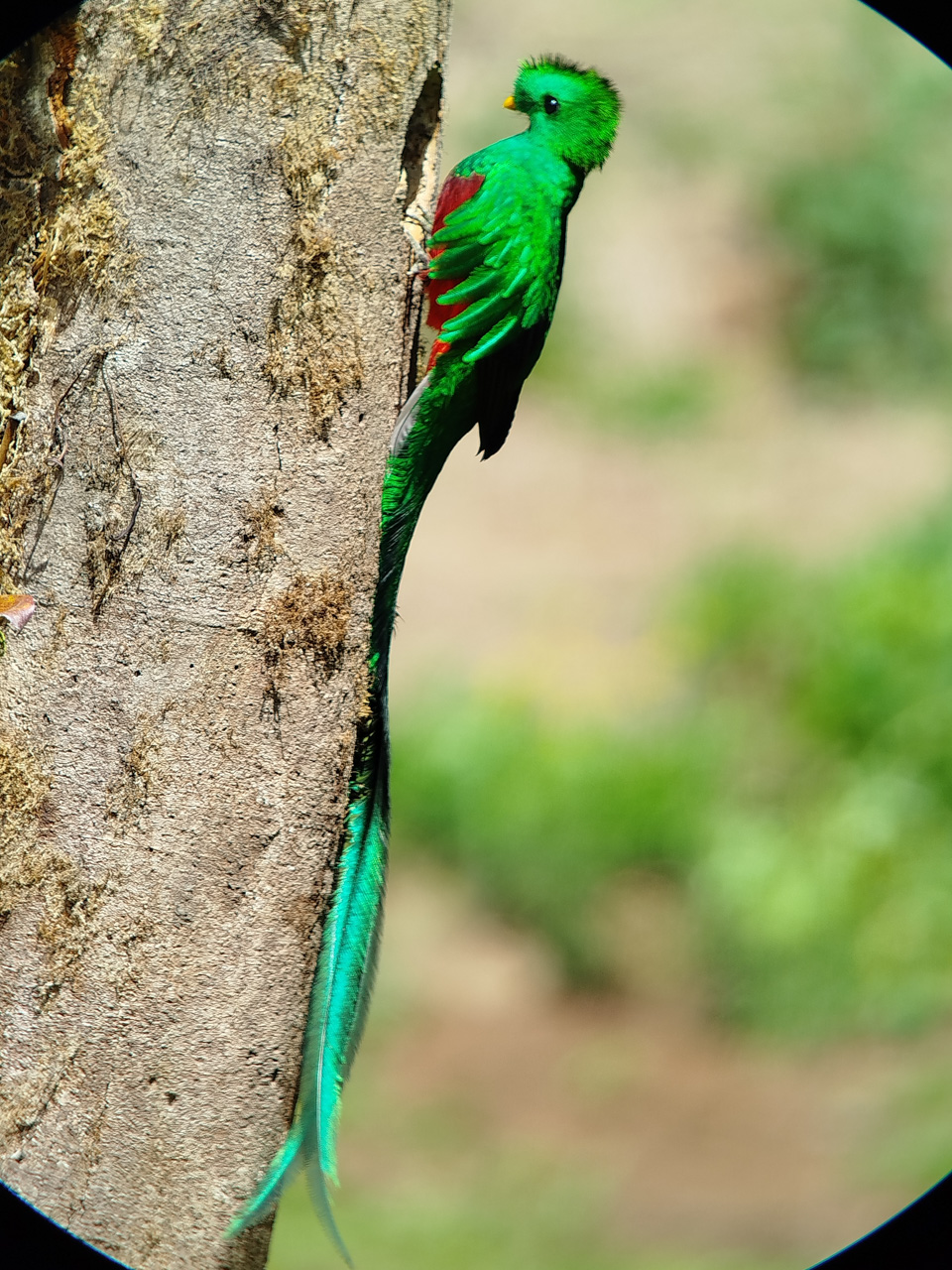
The middle phase of the expedition involved a dramatic altitudinal shift to the Talamanca Mountain Range, where the ecology is dominated by oak forests and alpine páramo. This region is a "sky island" habitat, hosting species that are evolutionarily distinct from their lowland counterparts. The primary target for this segment was the Resplendent Quetzal, often cited as the most iconic bird of the Neotropics. The group successfully located a male quetzal near a nesting site, observing its iridescent plumage and elongated tail coverts, which are essential for its courtship displays.
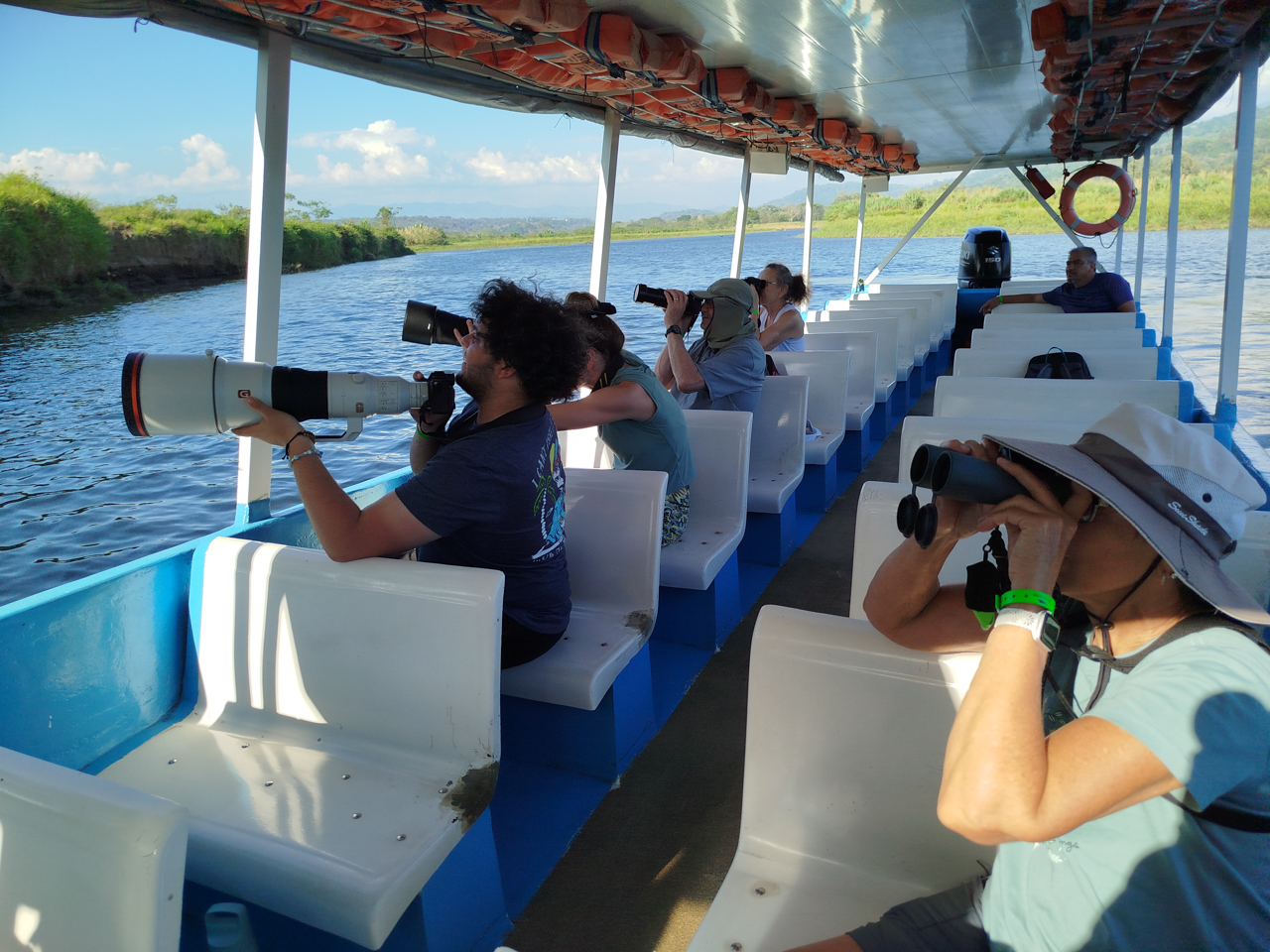
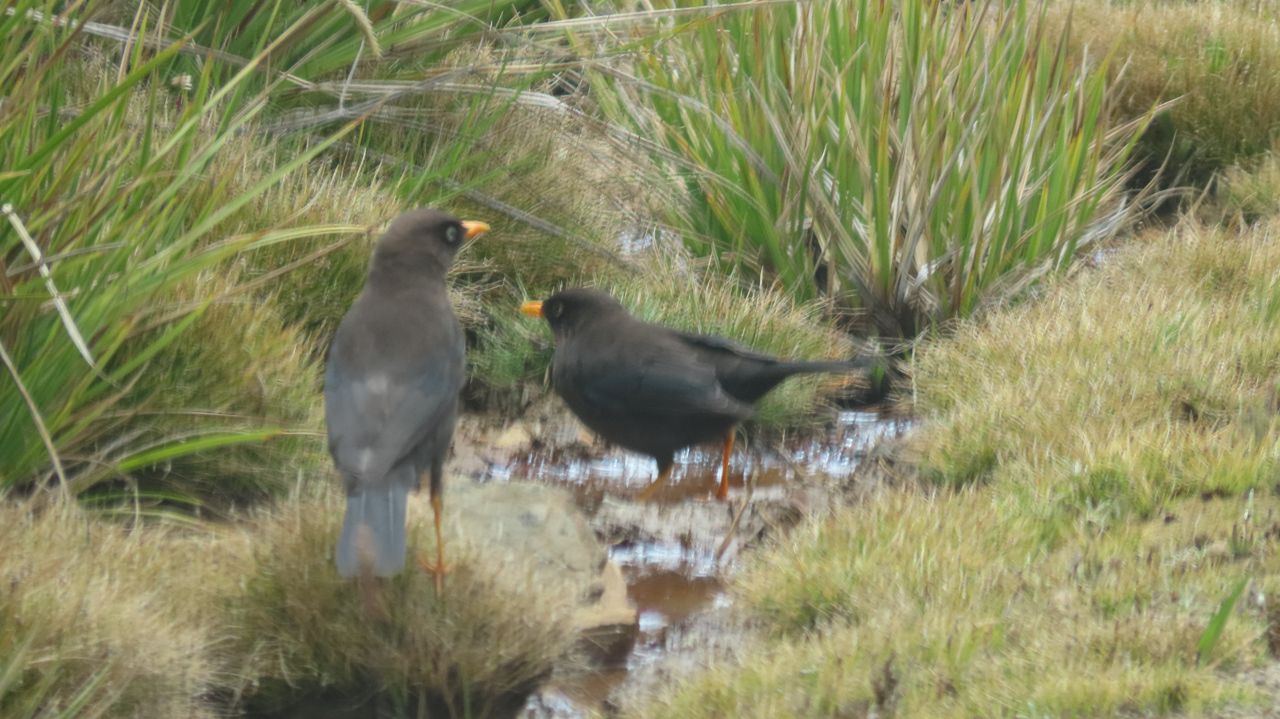
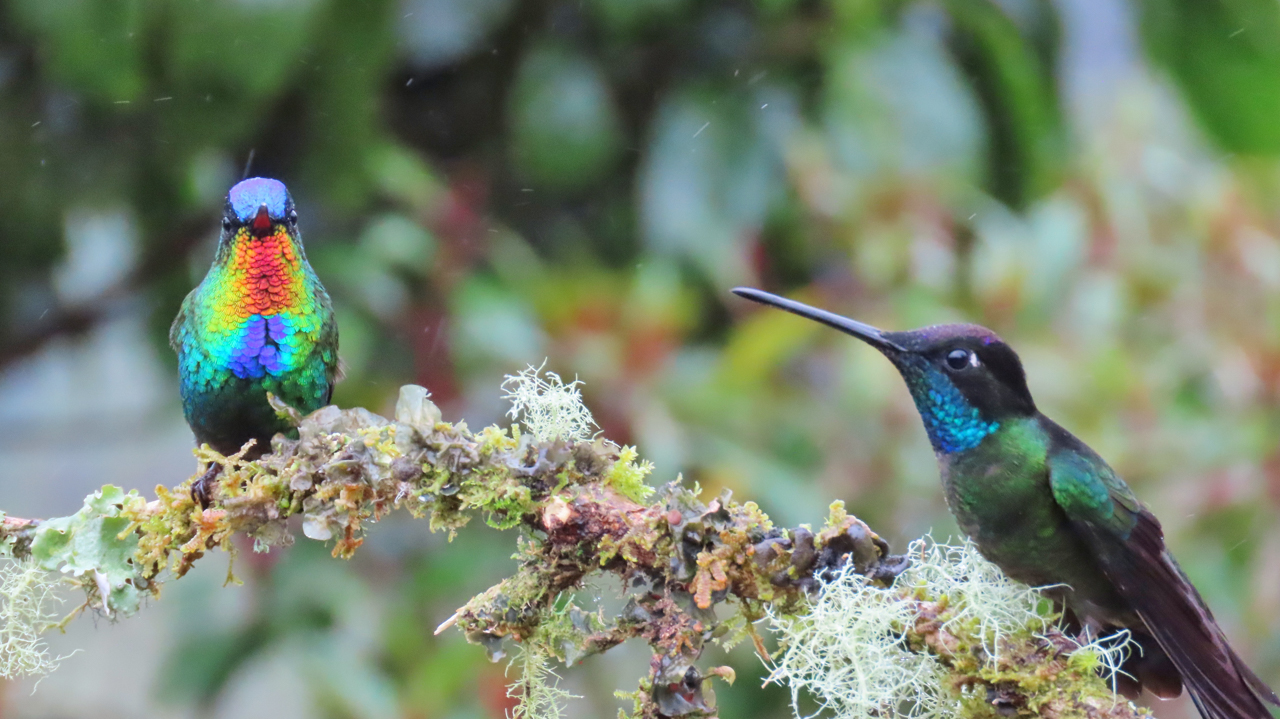
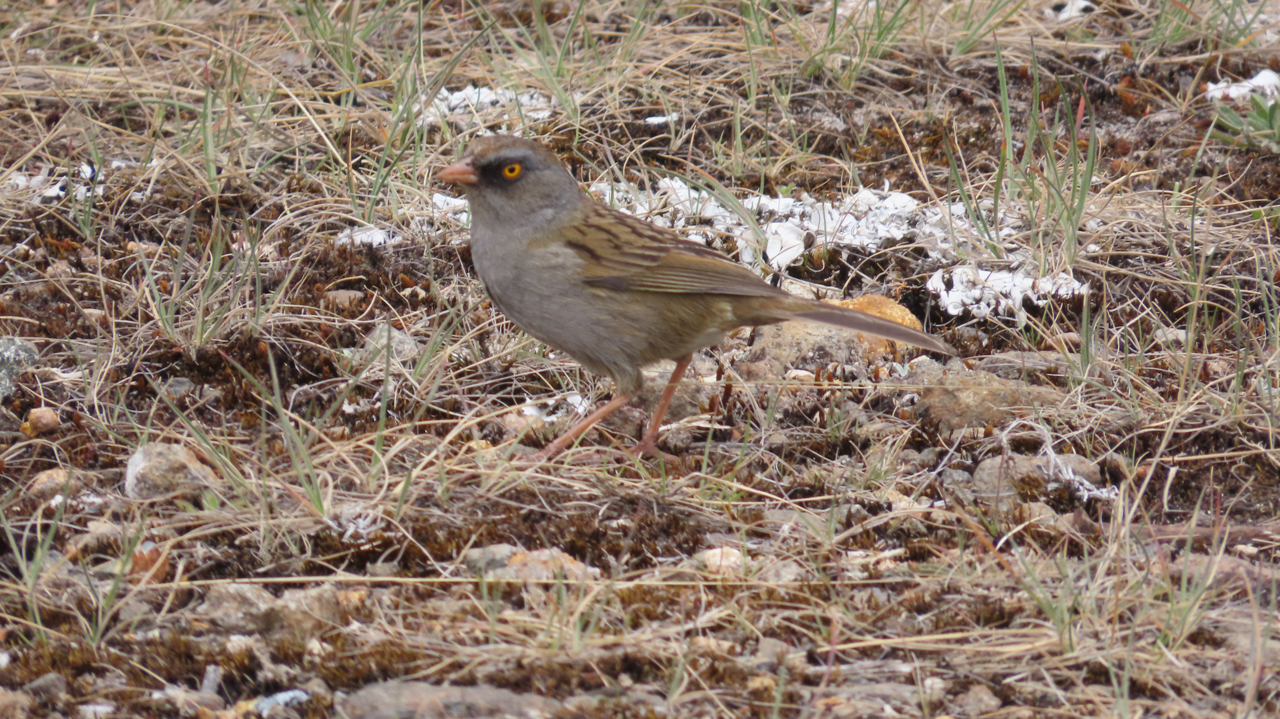
The high-altitude survey continued at Cerro Buenavista, reaching elevations above 3,000 meters. Here, the expedition documented the Volcano Junco, a species restricted to the high-altitude volcanic peaks of Costa Rica and western Panama. The presence of other specialists, such as the Fiery-throated Hummingbird and the Sooty Thrush, highlighted the importance of protecting high-altitude ecosystems, which are particularly vulnerable to rising temperatures that force species to migrate further upward into shrinking habitat zones.
In the foothills above Cartago, based at Hotel Quelitales, the group observed a rare hybrid: a cross between a Black-cheeked and a Hoffmann’s Woodpecker. This individual has been documented by researchers in previous years, providing unique data on inter-species breeding within the region. Furthermore, a sighting of 18 Hook-billed Kites circling in a single thermal was described by experts as an extraordinary spectacle, as this raptor is typically seen in much smaller numbers or as solitary individuals.
Phase Three: Arenal Volcano and the Caribbean Lowlands
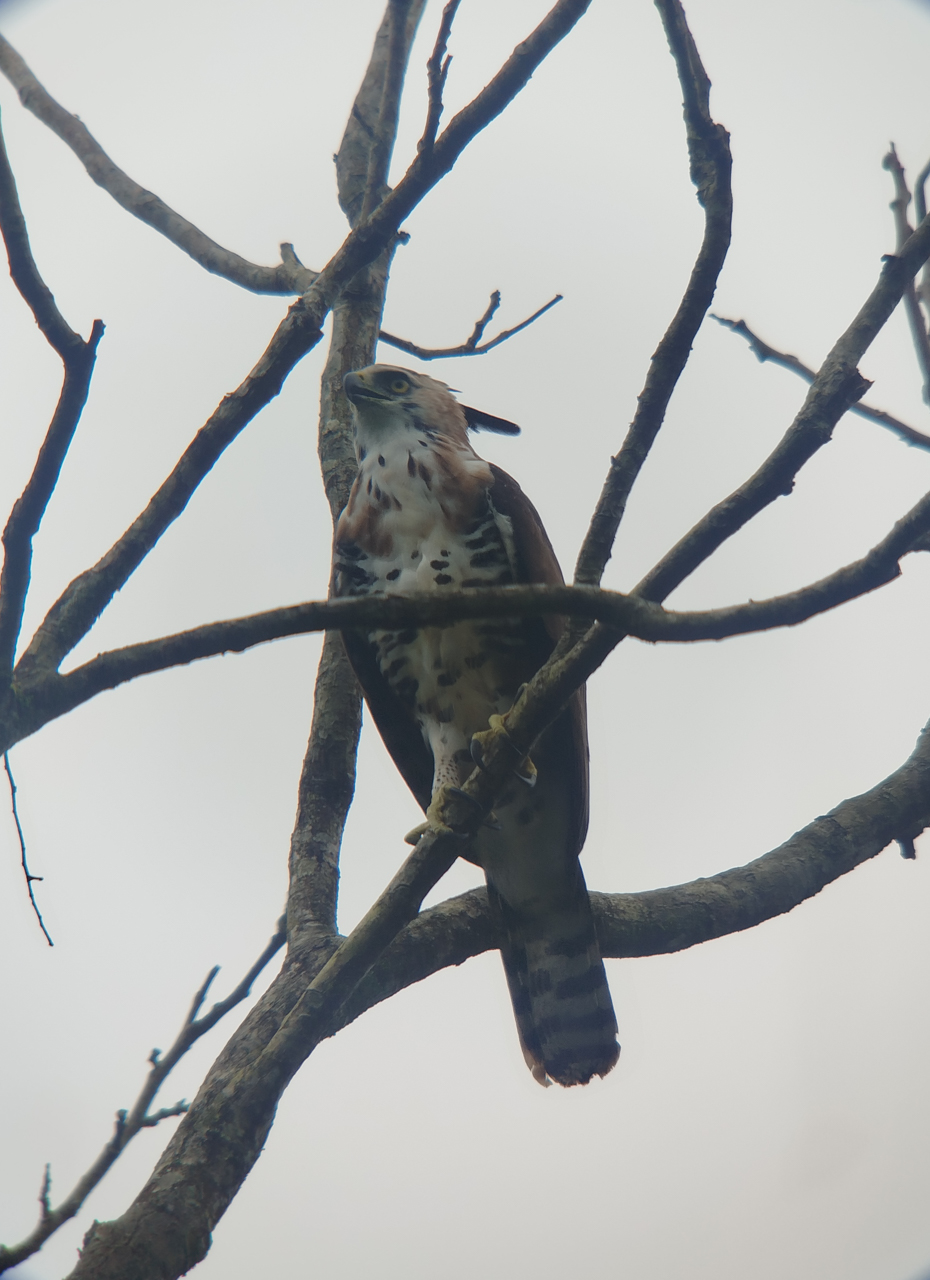
The final leg of the tour focused on the northern volcanic slopes of Arenal and the Caribbean-slope rainforests of La Selva Biological Station. The Arenal Observatory Lodge, situated on the edge of the active volcano, provided a platform to observe forest-edge raptors and canopy-dwelling species. A significant find was the Ornate Hawk-Eagle, a powerful predator that requires large tracts of primary forest to survive. Its presence at Arenal suggests that the surrounding protected areas maintain the necessary biomass and prey density to support top-tier avian predators.
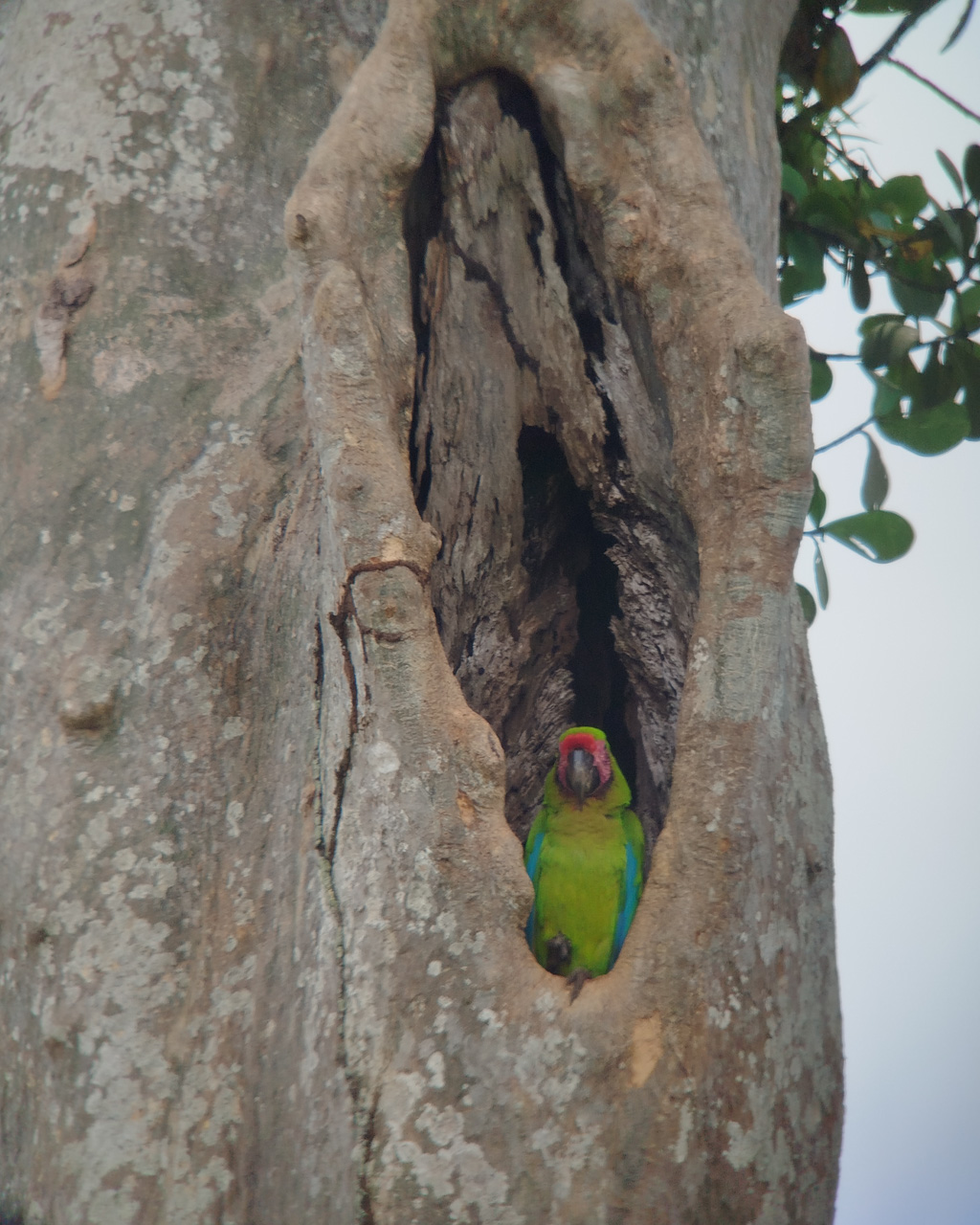
The expedition concluded at La Selva Biological Station, a world-renowned site for tropical research managed by the Organization for Tropical Studies (OTS). The station’s primary rainforest delivered sightings of the Agami Heron, a secretive species that is notoriously difficult to observe due to its preference for shaded, swampy forest interiors. The group also confirmed the presence of the Great Green Macaw, a species listed as "Critically Endangered" by the IUCN. The Great Green Macaw depends heavily on the Almendro tree (Dipteryx oleifera) for nesting and food; the continued presence of these birds at La Selva is a direct result of reforestation efforts and a national ban on the logging of Almendro trees.
Biodiversity Data and Conservation Analysis
The data gathered during the 11-day tour provides a snapshot of the current state of Costa Rican avian populations. The total species count for the journey reflects a high level of ecological stability within the visited corridors.
Key data points include:
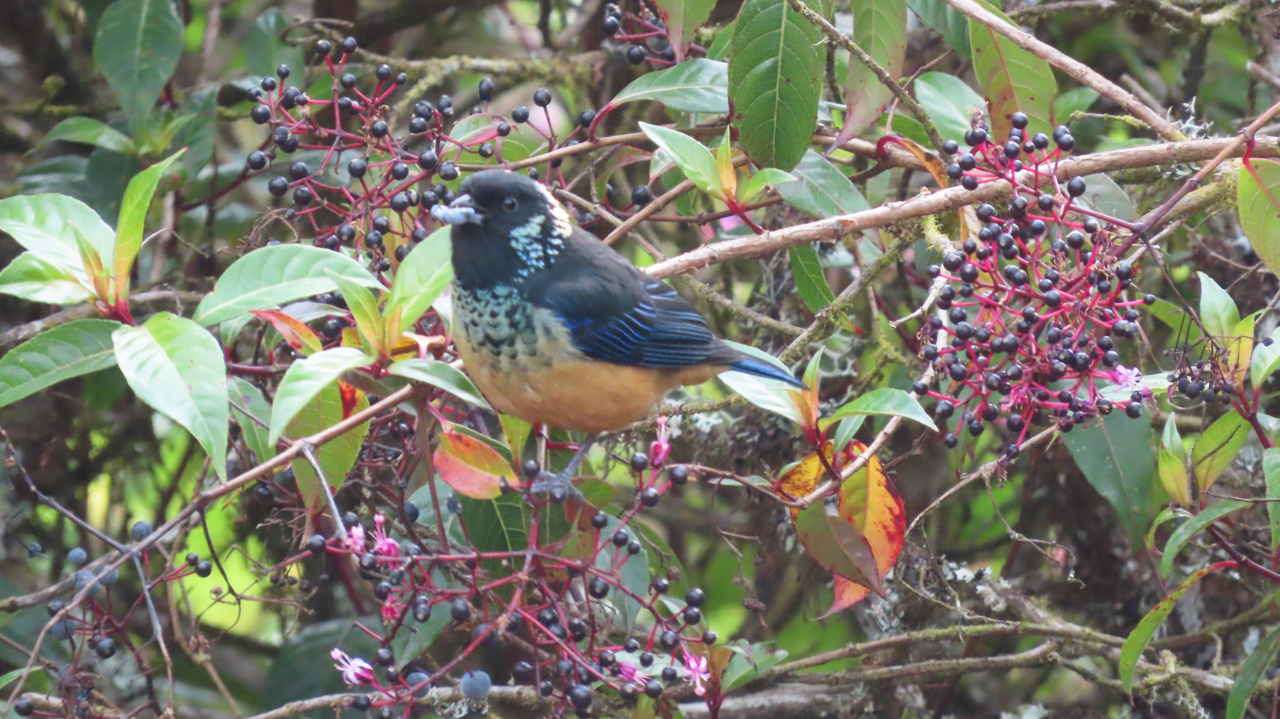
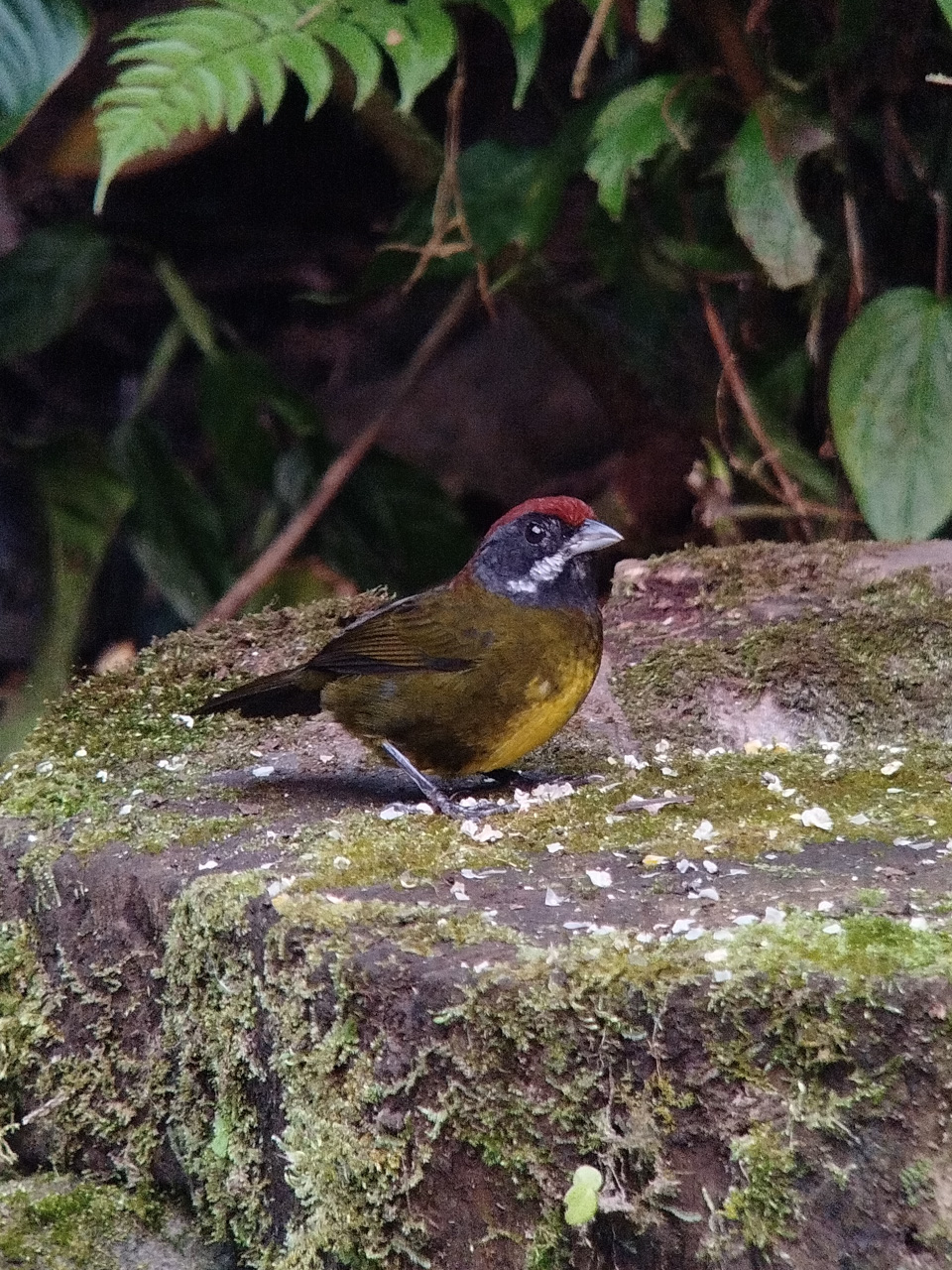
- Endemism: The tour recorded multiple species belonging to the Chiriquí Endemic Bird Area, including the Volcano Hummingbird and the Black-and-yellow Silky-flycatcher.
- Migratory Patterns: The presence of species like the Painted Bunting, Rose-breasted Grosbeak, and various North American warblers indicates that Costa Rica remains a vital overwintering ground for Neotropical migrants.
- Rarity and Specialist Status: Sightings of the Keel-billed Motmot and the White-tipped Sicklebill highlight the necessity of micro-habitat preservation, as these birds have very specific foraging and nesting requirements.
Environmental analysts suggest that the success of birding expeditions in Costa Rica is inextricably linked to the country’s "Payment for Environmental Services" (PSA) program. This initiative compensates landowners for preserving forest cover, which in turn maintains the corridors used by birds moving between different elevations throughout the year.
Economic Impact and Local Implications
Ecotourism, and birding in particular, is a cornerstone of the Costa Rican economy. According to the Costa Rican Tourism Institute (ICT), birdwatchers are among the highest-spending tourists, often staying longer and visiting more remote areas than traditional sun-and-sand travelers. This economic influx supports local lodges, guides, and transportation services, creating a financial incentive for rural communities to protect their local environments rather than engage in extractive industries.
The Sampler tour exemplifies this economic model, utilizing locally-owned lodges like Paraíso Quetzal and Quelitales, which have integrated bird conservation into their business models. By installing hummingbird feeders and planting native fruiting trees, these establishments have created "mini-refuges" that supplement the larger national park system.
Conclusion and Future Outlook
The 11-day Costa Rica Sampler tour serves as a reminder of the intricate balance required to maintain one of the world’s most diverse avian populations. While the sightings of the Resplendent Quetzal and the Great Green Macaw are cause for celebration, they also highlight the ongoing need for vigilant habitat protection. The primary threats remain habitat fragmentation and the potential impacts of climate change on altitudinal migration.
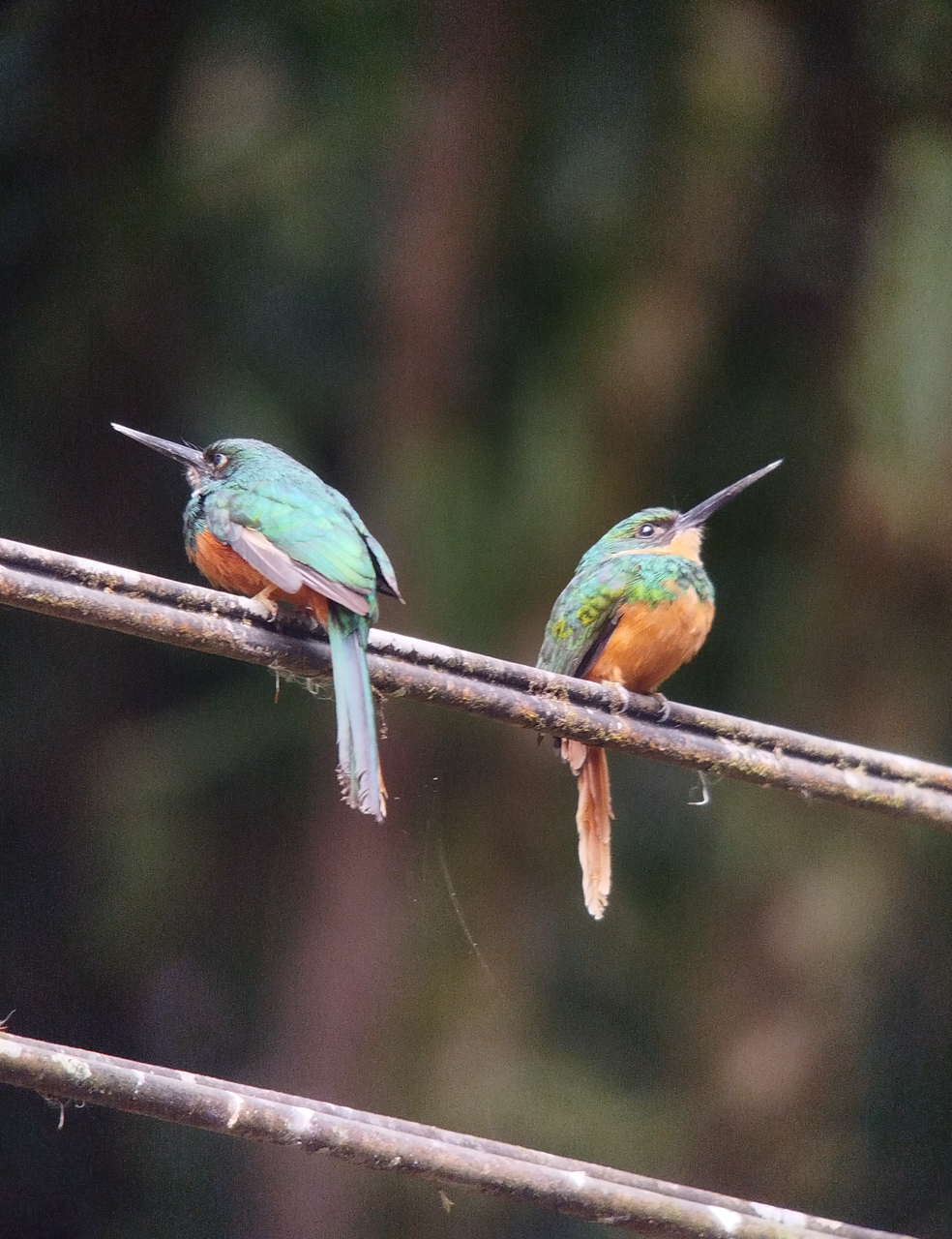
As Costa Rica continues to refine its conservation strategies, the role of organized birding tours remains vital. These expeditions provide "eyes on the ground," documenting species distribution and contributing to citizen science databases like eBird, which researchers use to track long-term population trends. The 2024 tour concludes with the realization that while Costa Rica has made monumental strides in conservation, the preservation of its legendary avian diversity requires a continuous, multi-generational commitment to environmental stewardship.
