
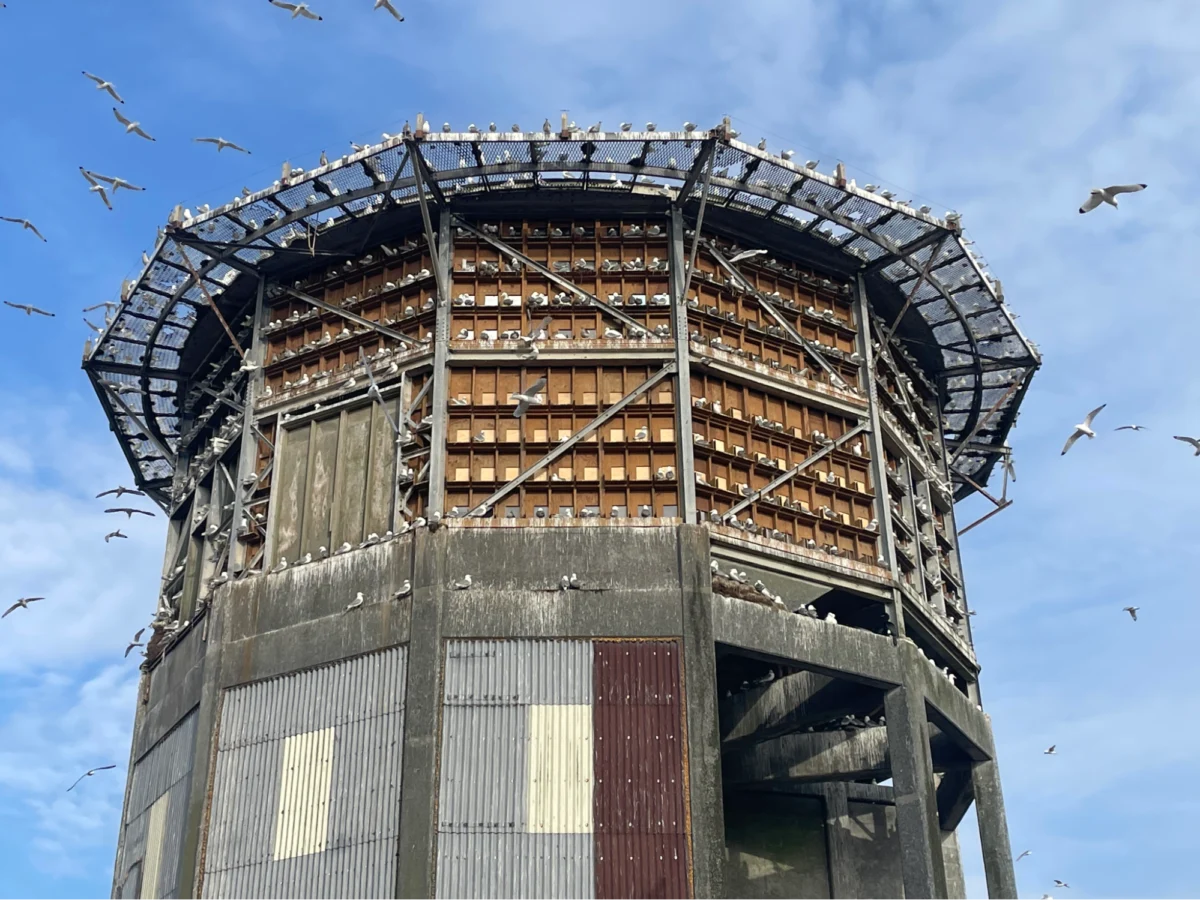
Middleton Island, a solitary landmass positioned strategically in the Gulf of Alaska, serves as the initial terrestrial barrier against the powerful winds sweeping across the vast expanse between Hawaii and Alaska. This remote outpost transforms each summer into a vibrant epicenter for tens of thousands of seabirds, collectively forming one of the most vital natural observatories for gauging the ecological health of the North Pacific Ocean. The island’s significance extends far beyond its natural beauty; it functions as a critical scientific laboratory where the very lives of its avian inhabitants provide real-time data on oceanic conditions. These seabirds do not merely exist on Middleton Island; they act as biological emissaries, reporting back on the profound and often rapid changes occurring within their marine environment.
Seabirds as Sentinels: Unveiling Ocean Dynamics
The island’s Black-legged Kittiwakes (Rissa tridactyla), in particular, have offered unparalleled insights into the fluctuating health of the North Pacific. These highly adaptable seabirds, whose lives are intimately linked to the productivity of the surrounding waters, have vividly demonstrated how swiftly marine conditions can shift. A poignant example of this came during the unprecedented marine heatwave that gripped the North Pacific from 2014 to 2016, an event colloquially known as "The Blob." This massive expanse of unusually warm water, which persisted for an extended period, wreaked havoc across marine ecosystems from the Bering Sea to Baja California.
During this period, GPS-tracked kittiwakes nesting on Middleton Island revealed drastic behavioral changes indicative of severe environmental stress. Typically, these birds would forage on abundant capelin (Mallotus villosus) — a small, oily forage fish crucial to the North Pacific food web — within a few kilometers of the island. Capelin are a cornerstone species, supporting everything from larger fish like cod and salmon to marine mammals and seabirds. However, as the heatwave intensified and ocean temperatures rose, the availability of these cold-water preferring prey species plummeted. The kittiwakes were forced to abandon their usual hunting grounds, embarking on arduous, energy-intensive journeys to coastal waters located up to 576 kilometers away in search of sustenance.
Researchers, observing from behind one-way mirrored windows in the island’s unique research tower, documented a stark and concerning trend: despite a dramatic increase in foraging effort by the parent birds, their chick production plummeted. This inverse relationship—soaring effort yielding crashing reproductive success—underscored the immense energetic cost imposed by the heatwave and the resulting scarcity of food. The parents were expending more energy to find less food, leaving insufficient resources to nourish their offspring. When ocean temperatures eventually began to cool, the ecosystem did not simply revert to its previous state. Instead, the seabirds’ continued behavior and reproductive patterns signaled what scientists now believe may be a new ecological regime, characterized by altered food web dynamics, shifted species distributions, and persistent changes in prey availability. The data gleaned from Middleton Island’s seabirds has become so critical that fisheries managers across the region now integrate this information into their stock assessments, using the birds as invaluable bio-indicators for the health and abundance of commercially important fish populations.
The Research Tower: A Pillar of Scientific Observation
At the core of this indispensable research lies a seemingly simple yet profoundly critical piece of infrastructure: the research tower. This purpose-built facility stands on what was once a U.S. Air Force installation, a relic of the Cold War era. Today, the site is owned and meticulously managed by the Institute for Seabird Research and Conservation (ISRC), transforming a former military outpost into a cutting-edge, remote seabird laboratory. The tower’s design is ingeniously crafted to allow scientists to observe seabirds up close, often just centimeters away, without disturbing their natural behaviors. The one-way mirrored windows provide an unparalleled vantage point for collecting long-term behavioral and demographic data that would otherwise be impossible to acquire in such detail.
The ISRC team stationed on Middleton Island intensively monitors seven species of seabirds, including the ubiquitous Black-legged Kittiwakes, various species of cormorants, and the charismatic puffins. Of these, five species critically rely on the artificial nesting habitat meticulously maintained by the ISRC team within and around the tower. These human-made structures have become increasingly vital due to significant natural erosion of traditional cliff nesting sites, a problem exacerbated by historical ecological changes on the island. The tower, with its sheltered nesting ledges and strategic location, represents the very heart of the entire research operation, providing both shelter for the scientists and crucial nesting space for the birds.
A Storm’s Fury and the Race Against Time
The invaluable work conducted from this unique facility was abruptly jeopardized last fall when a severe storm, characteristic of the notoriously turbulent Gulf of Alaska, swept across Middleton Island. Dave Baxter, a long-time friend of the project and an employee at the island’s Federal Aviation Administration (FAA) station, discovered the damage and promptly sent a photograph that underscored the gravity of the situation. One of the tower’s walls had been violently blown in, leaving a gaping hole in the structure. Shattered glass littered the interior, and the exposed research facility became vulnerable to the relentless elements. In a region where powerful storms routinely batter the island, including the 60 mph winds that caused this particular blow-in, even seemingly minor damage can rapidly escalate into a catastrophic structural failure. For a small nonprofit like ISRC, the sheer scale and immediate urgency of the necessary repairs presented a formidable logistical and financial challenge. The remote location, coupled with the specialized nature of the repair work and the harsh weather conditions, compounded the difficulty of the task.
Recognizing the critical importance of the Middleton Island research station, support quickly materialized from key conservation and philanthropic organizations. Audubon Alaska, a leading voice for bird conservation in the state, and the Rasmuson Foundation, known for its significant contributions to Alaskan communities and non-profits, stepped forward with crucial funding. This immediate and generous support was instrumental in enabling the ISRC to plan and execute the much-needed repairs, transforming a potentially devastating setback into an opportunity for resilience and even expansion.
The Repair Mission: Battling Elements and Embracing Opportunity
With the necessary funding secured, a dedicated team of four ISRC researchers and technicians embarked on the challenging repair mission. On March 20, they arrived on Middleton Island, greeted not by spring sunshine but by deep snowdrifts and the ominous promise of an incoming blizzard. The conditions were severe, yet the urgency was palpable. As the team approached the damaged tower, Black-legged Kittiwakes were already beginning to return to the colony, wheeling through the turbulent air. A few even attempted brief landings before being swept back into the wind, a poignant reminder of the narrow window of opportunity available to complete the repairs before the birds needed to settle onto their nest sites for the breeding season.
The breeding cycle of seabirds is meticulously timed with the availability of food resources, making any delay in nesting habitat readiness a significant threat to reproductive success. The team immediately sprang into action, working tirelessly to replace the three wind-damaged walls. They battled freezing temperatures, persistent winds, and the constant threat of worsening weather. Their efforts were a testament to their dedication to both the birds and the critical science the tower facilitates. After weeks of arduous labor, often contending with the unforgiving Alaskan elements, the repairs were successfully completed on April 9, just in time for the peak of the nesting season.
Beyond Repair: A Strategic Expansion for Future Resilience
The completion of the repairs marked not just a return to functionality but also a significant enhancement of the tower’s capacity. During the reconstruction, the ISRC team was able to strategically increase the number of nesting sites available on the rebuilt walls, expanding from 81 to an impressive 192. This substantial expansion has already proven successful, with the newly created nesting ledges rapidly filling with returning birds.
This increase in nesting habitat is profoundly significant, addressing a long-standing ecological challenge on Middleton Island. Historically, the island supported a thriving population of over 80,000 breeding pairs of Black-legged Kittiwakes, many of which nested on natural cliffs. However, these natural cliffs have undergone significant erosion over time, drastically reducing available nesting real estate. This erosion was dramatically accelerated in the mid-20th century by the introduction of European rabbits (Oryctolagus cuniculus) to the island. The rabbits’ voracious grazing habits denuded the island of much of its protective vegetation, destabilizing the soil and leading to increased rates of cliff erosion. This ecological cascade had further unforeseen consequences, contributing to the establishment of resident Bald Eagles (Haliaeetus leucocephalus) on the island. These apex predators, drawn to the island, now exert heavy predatory pressure on the vulnerable seabird colonies.
Today, with natural nesting sites diminished and predator presence increased, most kittiwakes and other cliff-nesting seabirds on Middleton Island have become reliant on human-made structures like the research tower. These artificial habitats, with their steep walls and enclosed nesting spaces, offer crucial protection from aerial predators like eagles. Given the limited availability of safe nesting habitat, competition among the returning seabirds is intense, making each newly constructed site immediately valuable for the long-term survival and reproductive success of the colony. The expansion of the tower’s nesting capacity is therefore not just an upgrade, but a vital conservation measure.
Broader Implications: Sustaining a Sentinel in a Changing Ocean
As the breeding season commences, the Middleton Island research tower is once again alive with the cacophony of thousands of seabirds, a vibrant testament to resilience and scientific dedication. The facility is now better equipped than ever to support both the diverse seabird populations that call it home and the critical scientific endeavors that depend on them. Projects like this, driven by the unwavering commitment of the Institute for Seabird Research and Conservation and its partners, ensure that Middleton Island remains an indispensable observation point in an era of rapid and profound oceanic change.
The data collected from these avian sentinels provides an early warning system for the broader marine ecosystem, offering crucial insights into the impacts of climate change, marine heatwaves, and shifts in prey availability. With the continued support of organizations like Audubon Alaska and other philanthropic partners, ISRC can persist in tracking the vital signals that seabirds transmit to us. This knowledge is not merely academic; it is directly applied to the conservation and sustainable management of Alaska’s invaluable marine ecosystems, informing policy decisions that protect both wildlife and the livelihoods of communities dependent on these rich waters. The story of the Middleton Island research tower is one of challenge and triumph, highlighting the critical role of dedicated research and conservation efforts in understanding and safeguarding our planet’s rapidly evolving natural world.
For more information about the Middleton Island seabird work and to support ongoing research, please visit isrcmiddleton.org.
—Shannon Whelan is the Science Director of the Institute for Seabird Research and Conservation (ISRC). She leads the Core Research Program at ISRC, overseeing logistics and monitoring efforts at the Middleton Island research station.
