
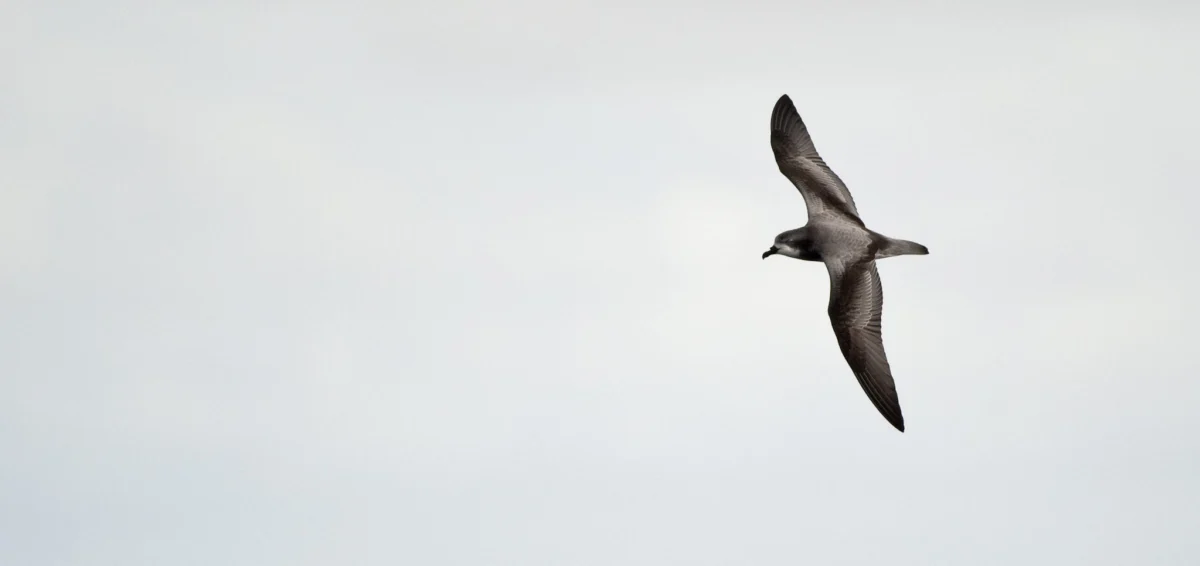
Gau Island, the fifth-largest island in the Fiji archipelago and a vital part of the Lomaiviti group situated east of the main island Viti Levu, stands as a beacon of hope and a testament to enduring cultural reverence for some of the world’s most imperiled seabirds. Home to no fewer than 16 villages, this island is a stronghold for two designated Important Bird and Biodiversity Areas (IBAs), where local communities are deeply engaged in protecting the precious avian life that graces their shores and skies. Among these, the Critically Endangered Fiji Petrel, known locally as Kacau ni Gau, holds a particularly profound spiritual and ecological significance, alongside its more commonly sighted relative, the Collared Petrel.
The Enigmatic Fiji Petrel: A Century of Mystery and Rediscovery
The story of the Fiji Petrel (scientific name: Pseudobulweria macgillivrayi) is one steeped in mystery and remarkable resilience. First discovered in the 1850s, this elusive seabird vanished from scientific records for over a century, leading many to believe it had gone extinct. Its rediscovery in the 1980s sent ripples of excitement through the ornithological world, yet its extreme rarity continued to pose immense challenges for researchers. It wasn’t until 2009 that the species was finally photographed at sea, a landmark event that provided concrete evidence of its continued existence and offered a fleeting glimpse into its pelagic life.

The Fiji Petrel is officially listed as Critically Endangered on the IUCN Red List, a stark indicator of its precarious status. Conservationists suspect the global population could be alarmingly low, potentially numbering fewer than 50 individual birds. This makes it one of the rarest and least-known seabirds on Earth. Gau Island is currently believed to be the only place where these enigmatic birds breed, nesting high in the island’s mountains, often thought to reside underground in deep burrows, further compounding the difficulty of studying them. The cultural importance of the Kacau ni Gau has been passed down through generations of Gau residents, forging a powerful, spiritual connection between the islanders and their unique avian heritage. This deep-seated respect is a crucial element in the ongoing efforts to ensure the species’ survival.
Collared Petrel: A Surrogate for Conservation
While the Fiji Petrel remains incredibly difficult to locate on land, its close relative, the Collared Petrel (Pterodroma brevipes), provides a vital proxy for conservation efforts. Collared Petrels are known to nest in the dense forests and hills at the heart of Gau Island, utilizing burrows in the ground for breeding. This shared habitat and similar nesting behavior mean that protective measures implemented for Collared Petrels often directly benefit the more elusive Fiji Petrel. By safeguarding the colonies of Collared Petrels, conservationists and local communities are simultaneously enhancing the chances of breeding success for both species. The Collared Petrel effectively serves as a "surrogate species," allowing for the development and refinement of conservation strategies that can be broadly applied across the island’s seabird populations. This approach is particularly critical given the ongoing uncertainty surrounding the exact terrestrial nesting sites of the Fiji Petrel.
Battling Invasive Species: The Primary Threat

The greatest threats to Gau Island’s seabirds, particularly those that nest in burrows on the ground, come from invasive mammalian predators. Rats, feral cats, and pigs pose a significant danger, preying on eggs, vulnerable chicks, and even adult birds. These invasive species, introduced to island ecosystems over centuries, have wreaked havoc on native wildlife, especially birds that evolved in environments free from ground-dwelling predators. Their nesting strategies, which involve incubating eggs and raising young in burrows, make them exceptionally vulnerable to these introduced predators.
In response to these identified threats, a comprehensive trapping and monitoring programme has been established on Gau. This ambitious initiative spans over 1,000 hectares and actively involves communities from three villages. The programme aims to control and reduce the populations of these invasive mammals, thereby creating safer breeding grounds for both Collared and Fiji Petrels. Beyond direct eradication efforts, stringent biosecurity measures are also in place to prevent the introduction of new invasive species, such as mongooses. Mongooses have devastated bird populations elsewhere in Fiji and preventing their arrival on Gau is a top priority, showcasing a proactive approach to island conservation.
Community-Led Conservation: A Model for Success
The success of conservation efforts on Gau Island is intrinsically linked to the profound commitment and active participation of its local communities. The islanders, immensely proud of their cultural connection to the Kacau ni Gau, have been enthusiastic partners from the very beginning. This strong collaboration, primarily spearheaded by the local organization NatureFiji-MareqetiViti, underscores the critical role of indigenous knowledge and community engagement in effective conservation.

NatureFiji-MareqetiViti, a non-governmental organization dedicated to the conservation of Fiji’s natural heritage, has been instrumental in facilitating these efforts. Their partnership with the Gau islanders has enabled the identification of specific threats, the implementation of practical solutions, and the fostering of a sense of collective responsibility. Through workshops and on-the-ground training, local people are equipped with the skills and knowledge necessary to monitor bird populations, manage trapping programmes, and care for lost, disoriented, or injured birds. This capacity building not only enhances the immediate impact of conservation activities but also ensures the long-term sustainability of these initiatives, allowing future generations of Gau residents to continue their vital role as custodians of their unique natural environment.
This community-centric approach reinforces the long-standing connections between the people and the birds of Gau Island. It recognizes that effective conservation is not merely about scientific intervention but also about cultural preservation and empowering local stewards. The ability of islanders to safeguard colonies and respond to avian emergencies directly benefits both the Collared Petrel and the Fiji Petrel, strengthening the ecological integrity of the island’s ecosystems.
Important Bird and Biodiversity Areas (IBAs): Global Recognition and Local Action
The designation of two Important Bird and Biodiversity Areas on Gau Island by BirdLife International (of which NatureFiji-MareqetiViti is a partner) provides global recognition of the island’s immense ecological value. IBAs are sites identified as globally important for the conservation of bird populations. This designation highlights Gau’s critical role as a sanctuary for a suite of seabirds, including the globally significant Fiji Petrel. These areas are characterized by specific criteria, such as supporting threatened species, hosting significant congregations of birds, or containing representative biomes.

The presence of IBAs on Gau provides a framework for conservation priorities and helps to attract international support and funding for local initiatives. It underscores that the efforts undertaken by the Gau communities and NatureFiji-MareqetiViti are not just locally significant, but contribute to global biodiversity conservation goals. The forested highlands at the centre of Gau Island, where the Collared Petrel colony is found and where the Fiji Petrel is believed to breed, represent one such critical IBA.
Looking Ahead: Hope for a Rare Future
The ongoing conservation work on Gau Island represents a beacon of hope for one of the world’s most endangered seabirds. The collaborative efforts between the Gau islanders and conservation organizations provide a compelling model for community-led biodiversity protection, particularly in vulnerable island ecosystems. While the Fiji Petrel remains incredibly rare and challenging to study, the dedication of the local communities offers its best chance for survival.
The implications of this work extend beyond the survival of two bird species. It demonstrates the power of integrating traditional knowledge with scientific approaches, fostering local empowerment, and building resilient communities capable of protecting their natural heritage. The continued monitoring, trapping, and biosecurity measures are not just tactical interventions; they are part of a long-term commitment to preserving a unique ecological and cultural legacy. Every successful breeding season for the Collared Petrel, every invasive predator removed, and every villager trained brings the elusive Fiji Petrel one step closer to a more secure future, ensuring that the Kacau ni Gau continues to soar over the waters and nest in the mountains of its ancestral home. The global conservation community watches with keen interest, hopeful that Gau Island will continue to be a sanctuary where one of Earth’s rarest birds can thrive once more.
