
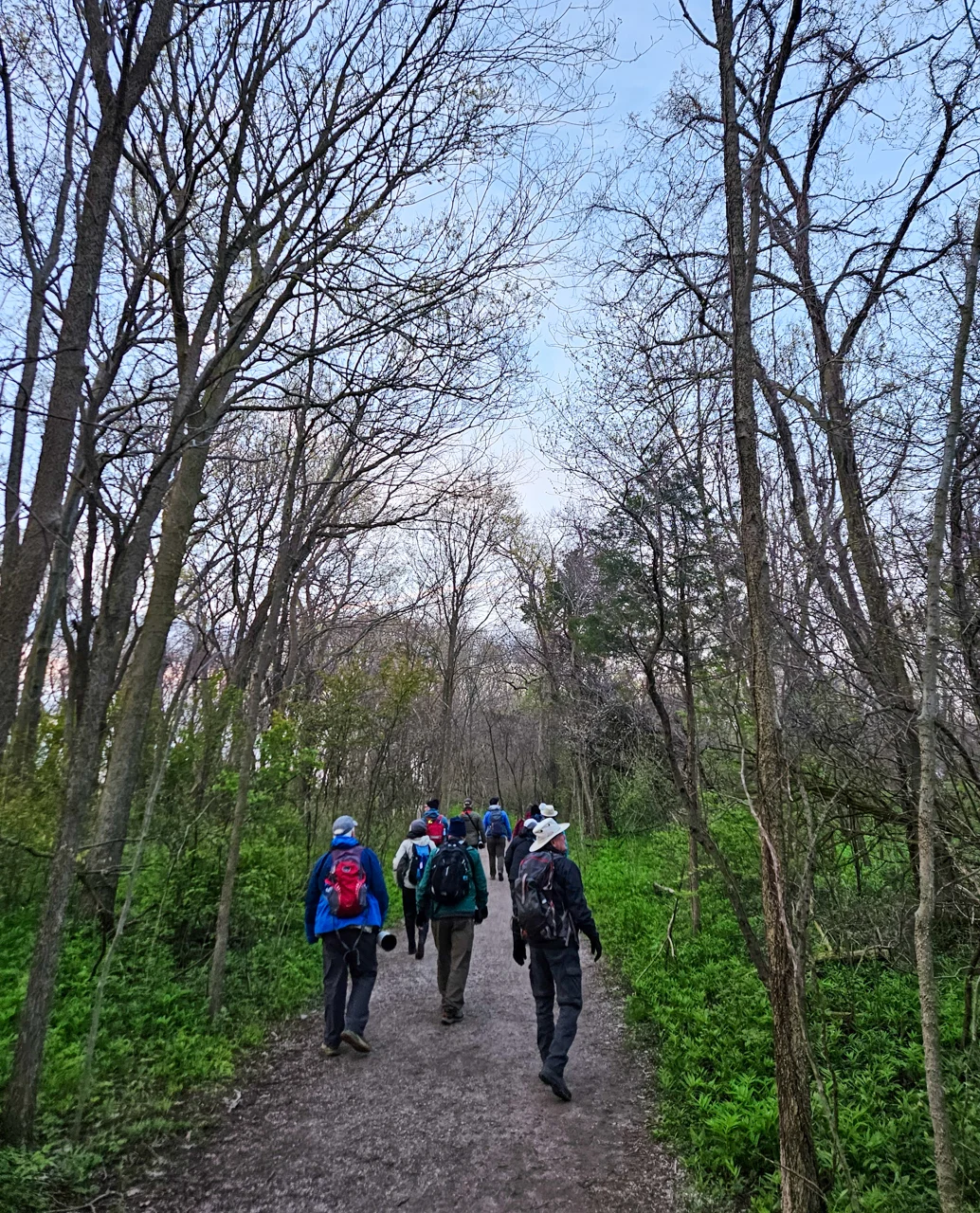
The annual Lake Erie Spring Migration tour recently concluded its nine-day expedition across Southwestern Ontario, marking a significant period of avian observation and ecological study. The tour, which traversed the renowned migration hotspots of Point Pelee National Park, Rondeau Provincial Park, and the Long Point region, resulted in the documentation of 156 bird species. Beyond the raw numbers, the excursion provided participants with a deep dive into the complex ecosystems of the Carolinian forest zone and the critical role these peninsulas play in the life cycles of Neotropical migrants. From the sighting of rare European vagrants to the hands-on demonstration of vital conservation research, the 2024 tour underscored the biological importance of the Lake Erie shoreline as one of North America’s most critical migratory corridors.
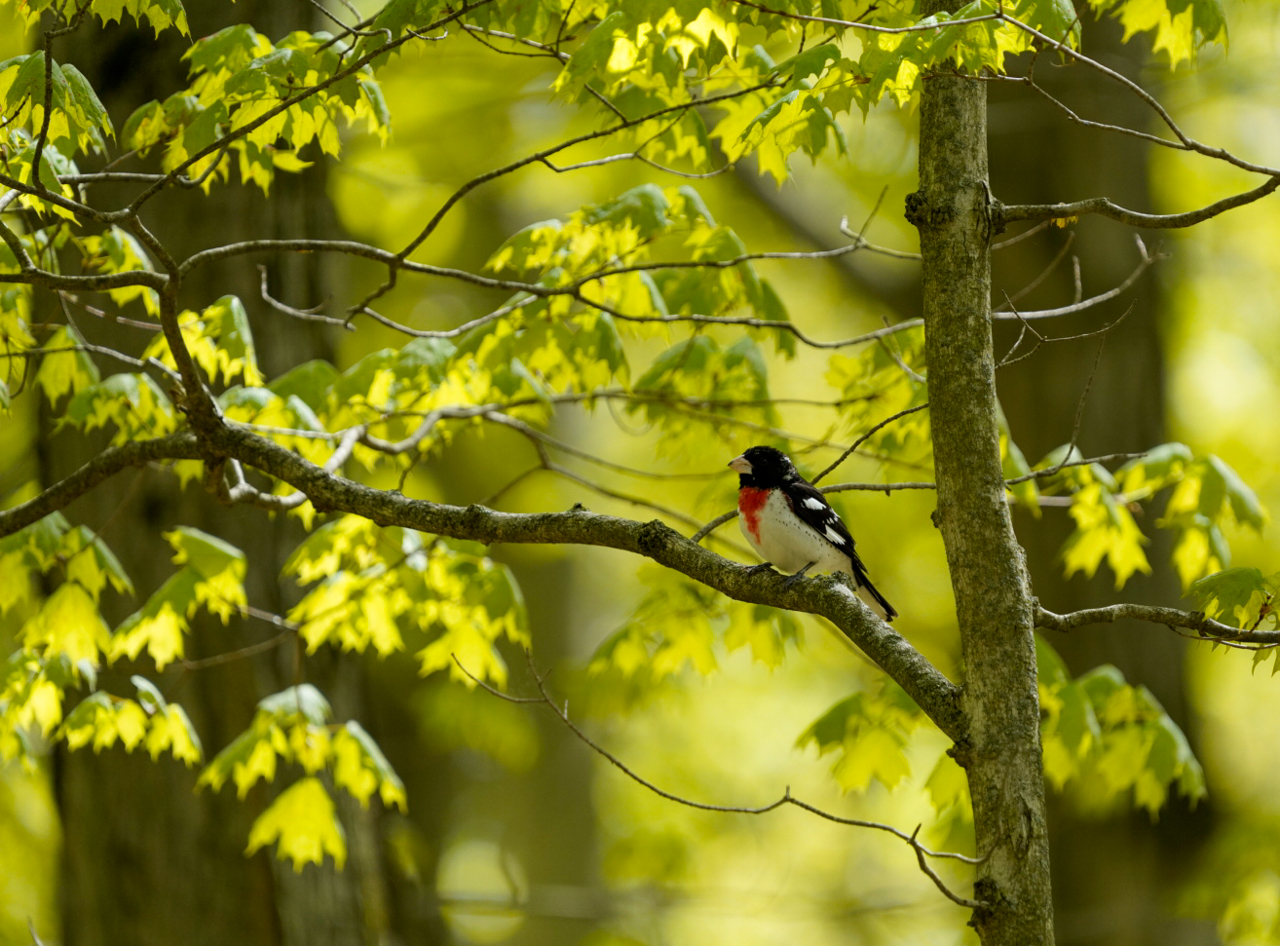
The Strategic Importance of the Lake Erie Flyway
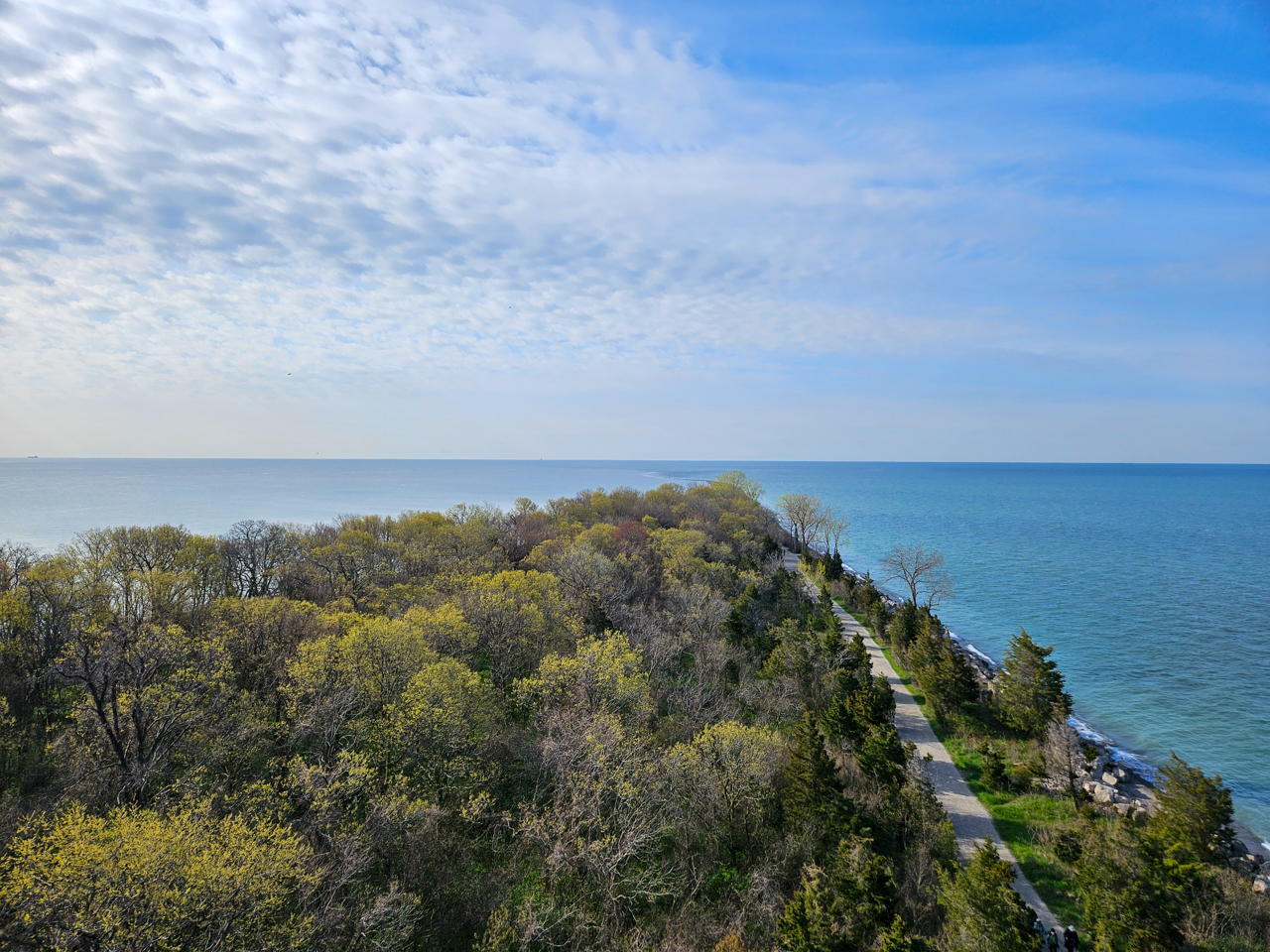
To understand the success of the tour, one must look at the unique geography of the region. Lake Erie acts as a formidable barrier for small songbirds migrating north from Central and South America. As these birds reach the northern shore of the lake, they often congregate in massive numbers on peninsulas like Point Pelee and Long Point, seeking rest and refueling after a long over-water flight. This phenomenon, often referred to by birders and ornithologists as a "fallout," occurs when weather patterns—typically a combination of warm southern winds followed by rain or cold fronts—force birds to land in the first available habitat.
The tour was timed to coincide with the peak of this movement, focusing on the "Big Three" of Ontario birding. Point Pelee National Park, often called the "Warbler Capital of Canada," serves as the southernmost point of mainland Canada. Rondeau Provincial Park offers the largest remaining tract of Carolinian forest in the province, while Long Point is a designated UNESCO World Biosphere Reserve, home to one of the oldest bird observatories in the Western Hemisphere.
Chronology of the Expedition: From Urban Lakeshores to Remote Tips
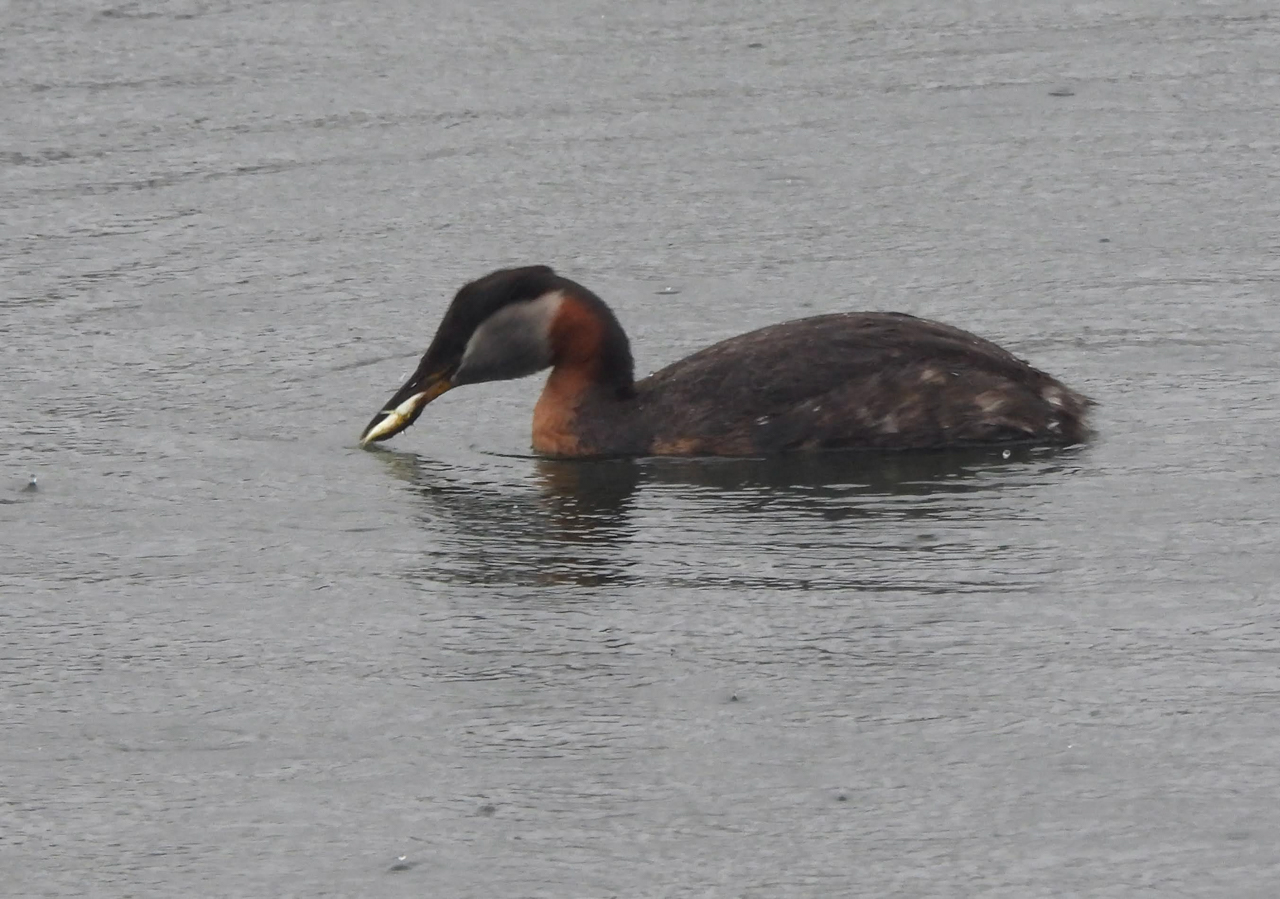
The journey commenced in Toronto, where the group initially gathered to establish objectives for the tour. The first field observations took place at Colonel Samuel Smith Park on the city’s western waterfront. This location served as a vital introductory site, offering views of Red-necked Grebes in their vocal breeding displays and a thriving colony of Tree Swallows. The presence of a significant number of Long-tailed Ducks, still lingering in various stages of plumage, provided an early highlight, alongside early-season warblers such as the Palm and Magnolia varieties.
As the group moved toward Leamington, the gateway to Point Pelee, a stop at Hillman Marsh yielded immediate dividends. A flock of 15 American Avocets was observed, a species whose striking recurved bills and elegant stature make them a prized sighting in Ontario. This shorebird "cell" also hosted a diverse assembly of Lesser and Greater Yellowlegs and Dunlin, illustrating the high productivity of managed wetland habitats.
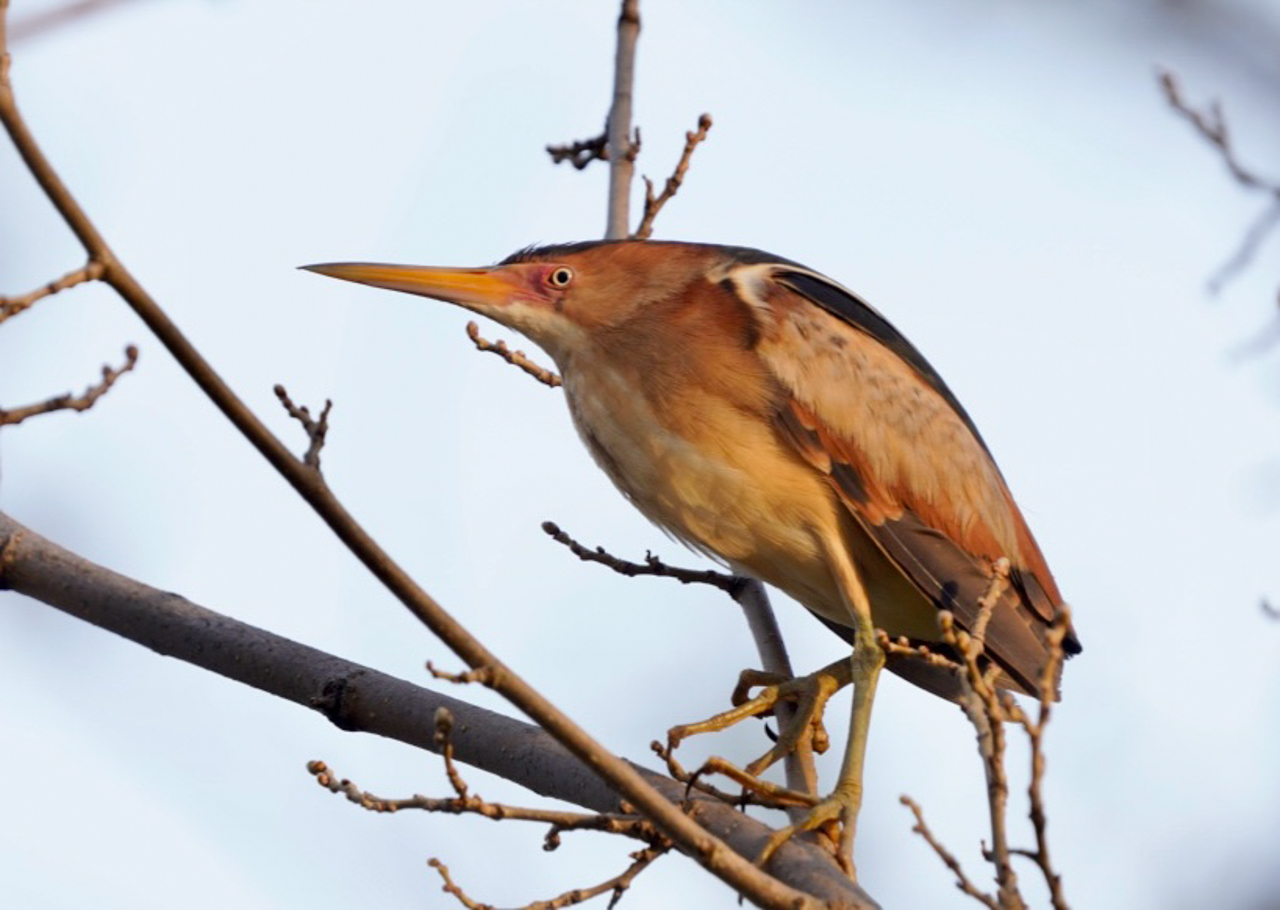
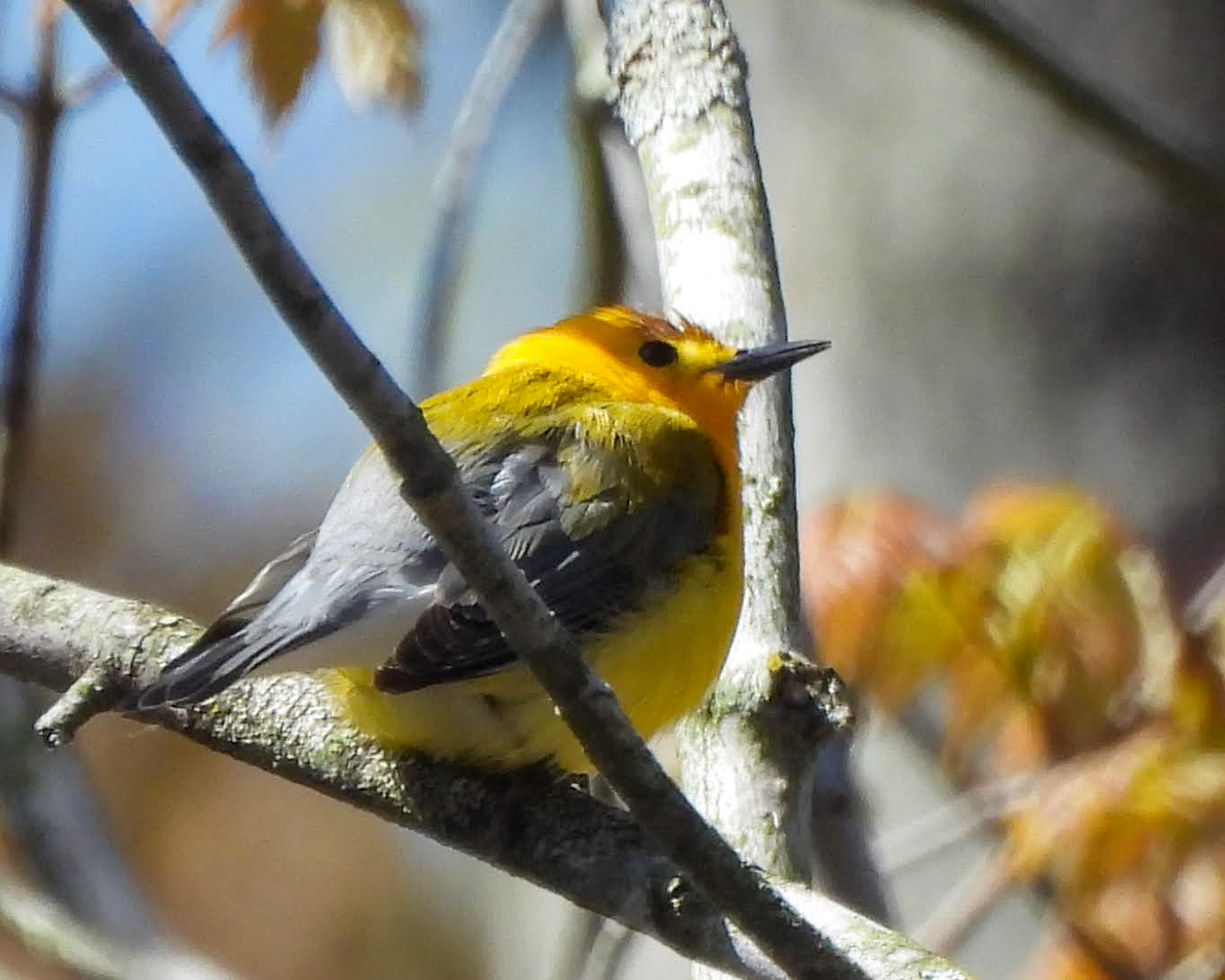
The third and fourth days were dedicated to Point Pelee National Park. Utilizing the park’s shuttle system to reach "The Tip," the group witnessed the spectacle of "reverse migration"—a behavior where birds that have reached the end of the peninsula fly back inland to find better foraging grounds. Notable sightings included an American White Pelican and a Least Bittern. The latter, typically a highly secretive marsh dweller, was observed perched in plain view in a tree, a rare behavioral anomaly that provided exceptional photographic opportunities. The park also delivered on its reputation for warblers, with Prothonotary Warblers—a species at risk in Canada—singing prominently along the Woodland Trail.
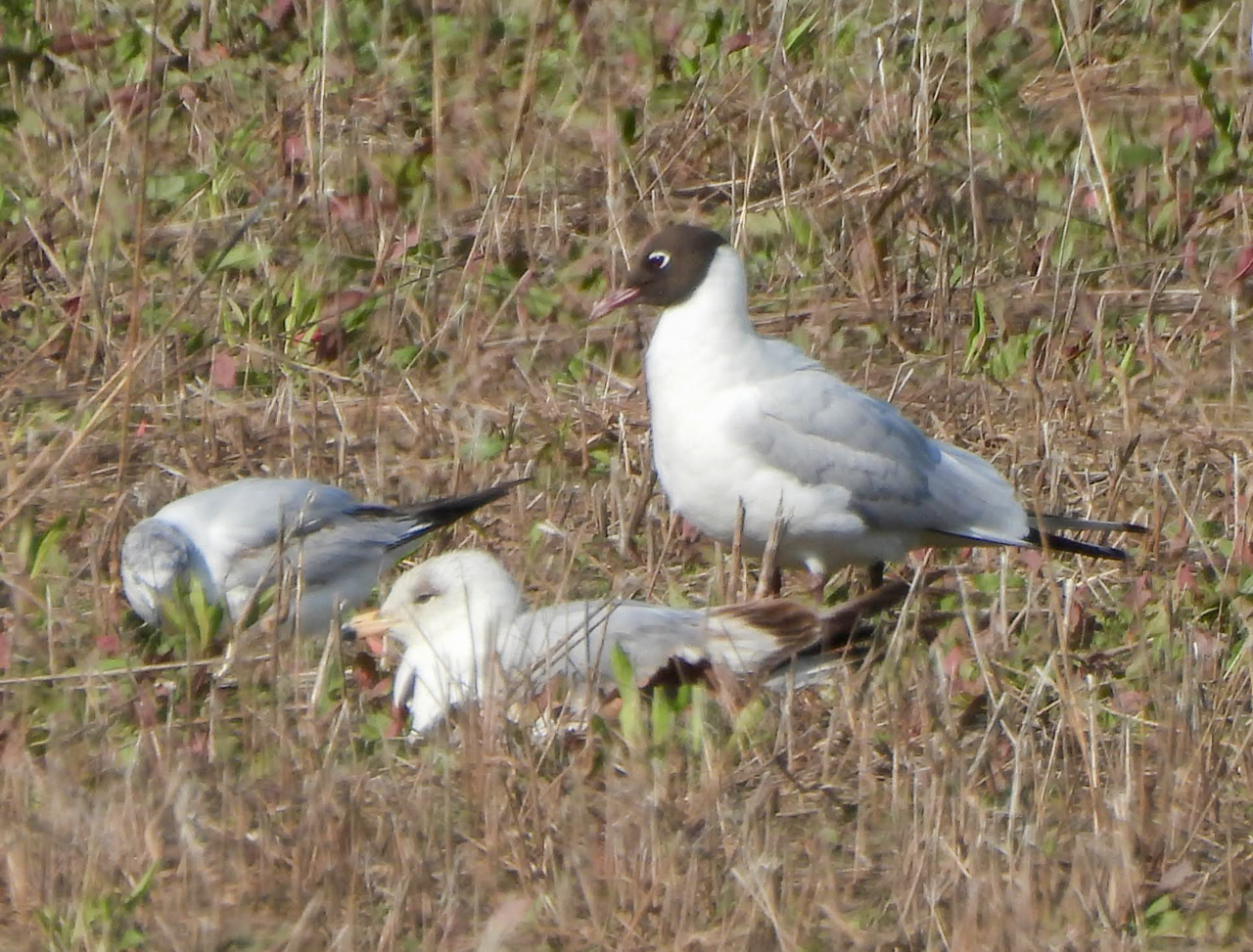
A major highlight occurred at Hillman Marsh during the "golden hour" of the fourth day. The discovery of a Black-headed Gull, a rare vagrant from Europe, drew over 100 local birders to the site. This sighting highlighted the unpredictable nature of migration and the role of citizen science in tracking unusual avian movements.
Deepening the Ecological Context: Rondeau and Long Point
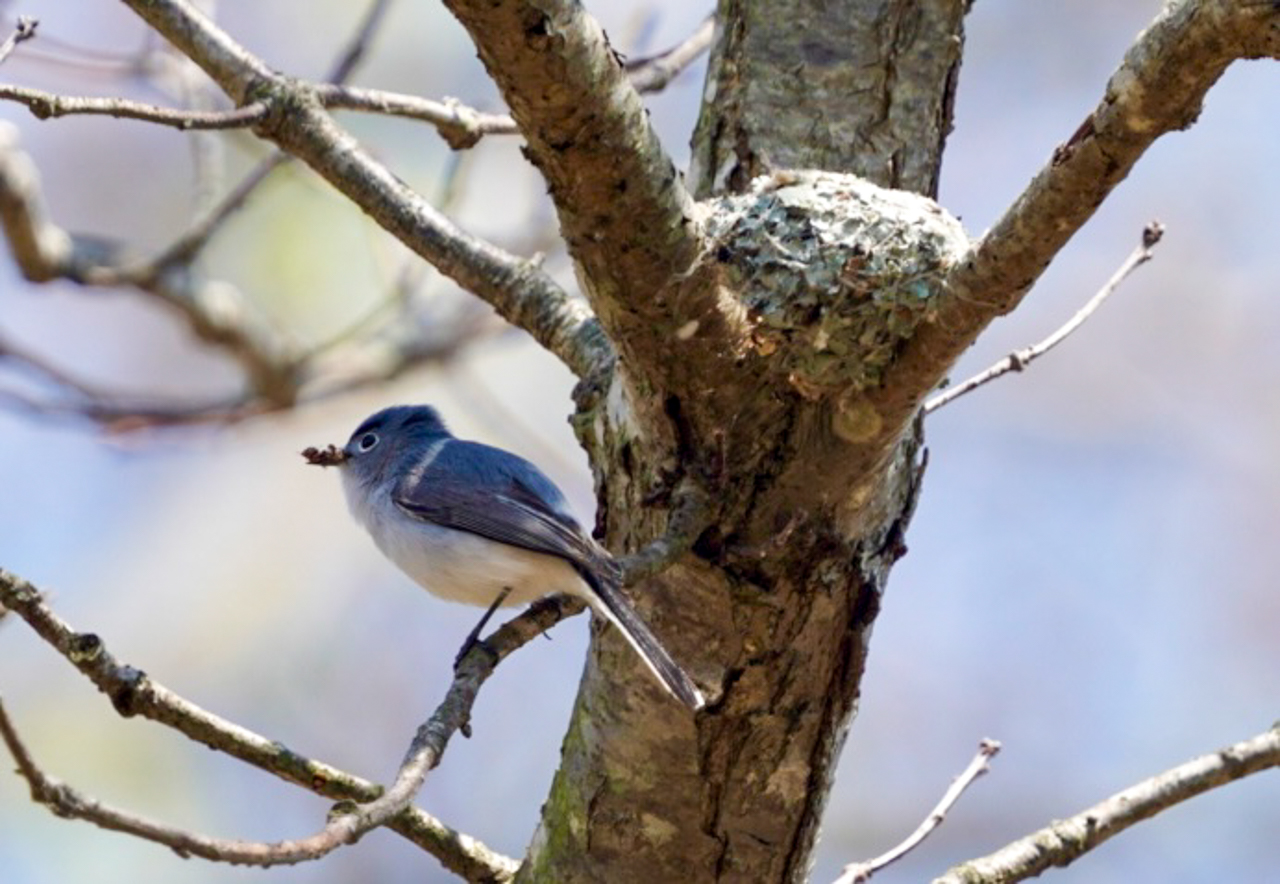
Day five shifted the focus to Rondeau Provincial Park. The park’s ancient forest structure provided a different atmosphere, characterized by the songs of Wood Thrushes and the industrious drumming of Pileated Woodpeckers. Observations of Blue-gray Gnatcatchers building nests using cobwebs and lichen offered an intimate look at avian reproductive strategies. The group also successfully located a Yellow-throated Warbler and the elusive Cerulean Warbler, a species whose preference for high-canopy habitats makes it notoriously difficult to observe.
The final leg of the tour centered on the Long Point region, where the focus transitioned from observation to active conservation research. At the Long Point Bird Observatory’s (LPBO) Old Cut research station, participants were given a demonstration of bird banding. This process involves the careful capture, measurement, and marking of birds with unique aluminum bands. Guide Samuel Perfect, a coordinator for the LPBO, explained how biometrics—such as wing chord length, fat deposits, and moult limits—provide researchers with data on population health and migratory timing.
One of the most profound experiences of the tour occurred at night, as the group joined the Birds Canada aerial insectivore team. Guided by biologist Natasha Barlow, the group observed the capture and banding of an Eastern Whip-poor-will. This species is part of a guild of birds known as aerial insectivores, which have seen dramatic population declines across North America. Seeing the bird’s cryptic plumage and specialized "preening comb" on its claw provided a rare perspective on a species more often heard than seen.
The expedition culminated in a boat trip to the remote tip of Long Point. Reaching this isolated environment, dominated by shifting sands and the vast expanse of Lake Erie, allowed the group to see migration in its rawest form. The trip ended with a final surprise: a roosting Long-eared Owl, perched silently in a pine canopy, a fitting conclusion to a journey defined by discovery.
Supporting Data and Biodiversity Analysis
The documentation of 156 species is a testament to the health of the Lake Erie ecosystems during the spring of 2024. The data collected by the tour group contributes to a broader understanding of arrival dates and species diversity.
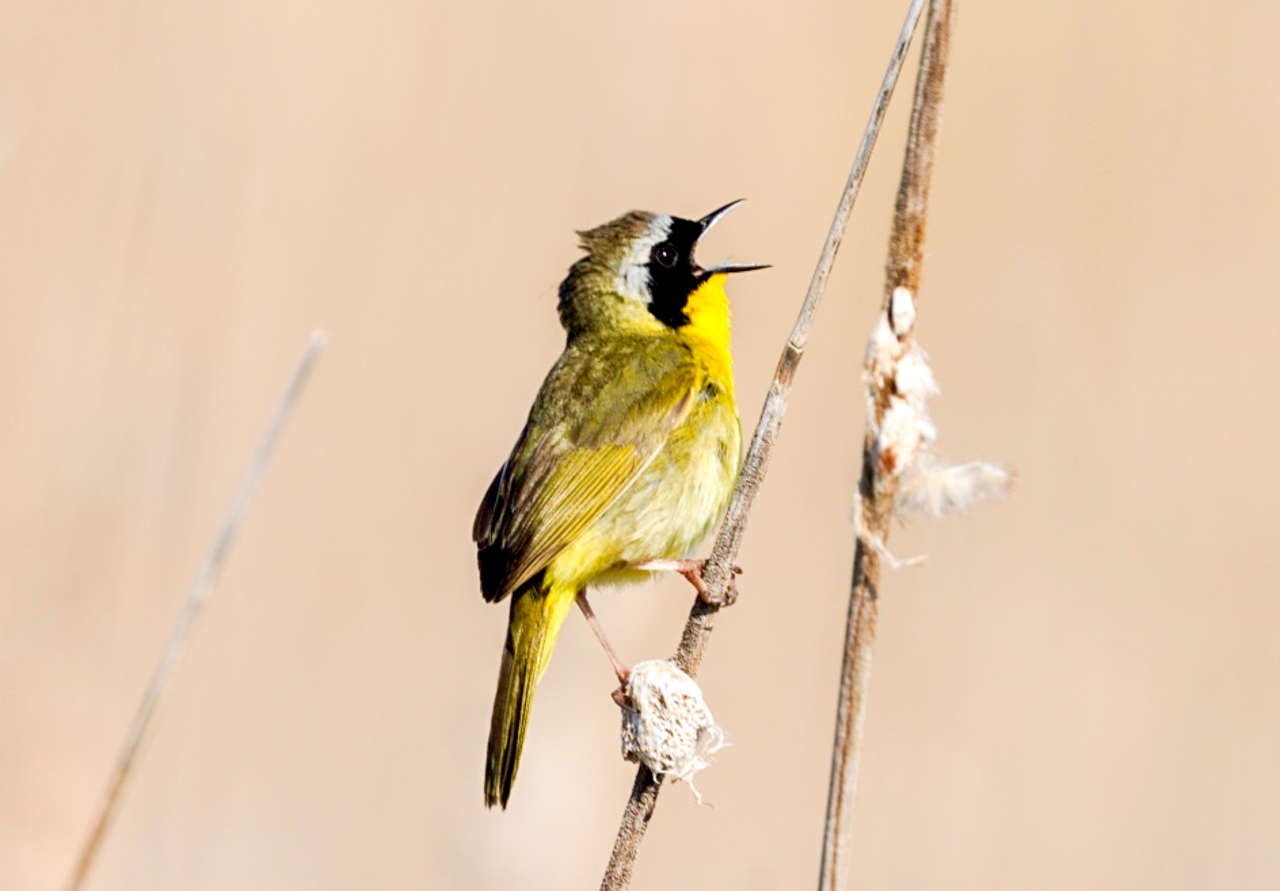
Warbler Diversity: The tour recorded over 20 species of warblers, including Cape May, Blackburnian, Chestnut-sided, and Black-throated Blue. These "gems of the forest" are the primary draw for birding tourism in Ontario, and their presence in high numbers suggests a successful migration window.
Species at Risk: Several species documented during the tour are listed under the Species at Risk Act (SARA), including the Prothonotary Warbler, Cerulean Warbler, and Eastern Whip-poor-will. Observations of these birds in protected habitats like Point Pelee and Backus Woods highlight the necessity of large-scale land conservation.
Herpetofauna and Flora: While birds were the primary focus, the tour also noted significant sightings of a dark-morph Red-backed Salamander and various reptiles. The botanical diversity of the Carolinian zone, featuring species like the Eastern Prickly Pear Cactus (found on Point Pelee’s Cactus Trail), adds another layer of ecological richness to the region.
The Role of Citizen Science and Professional Oversight
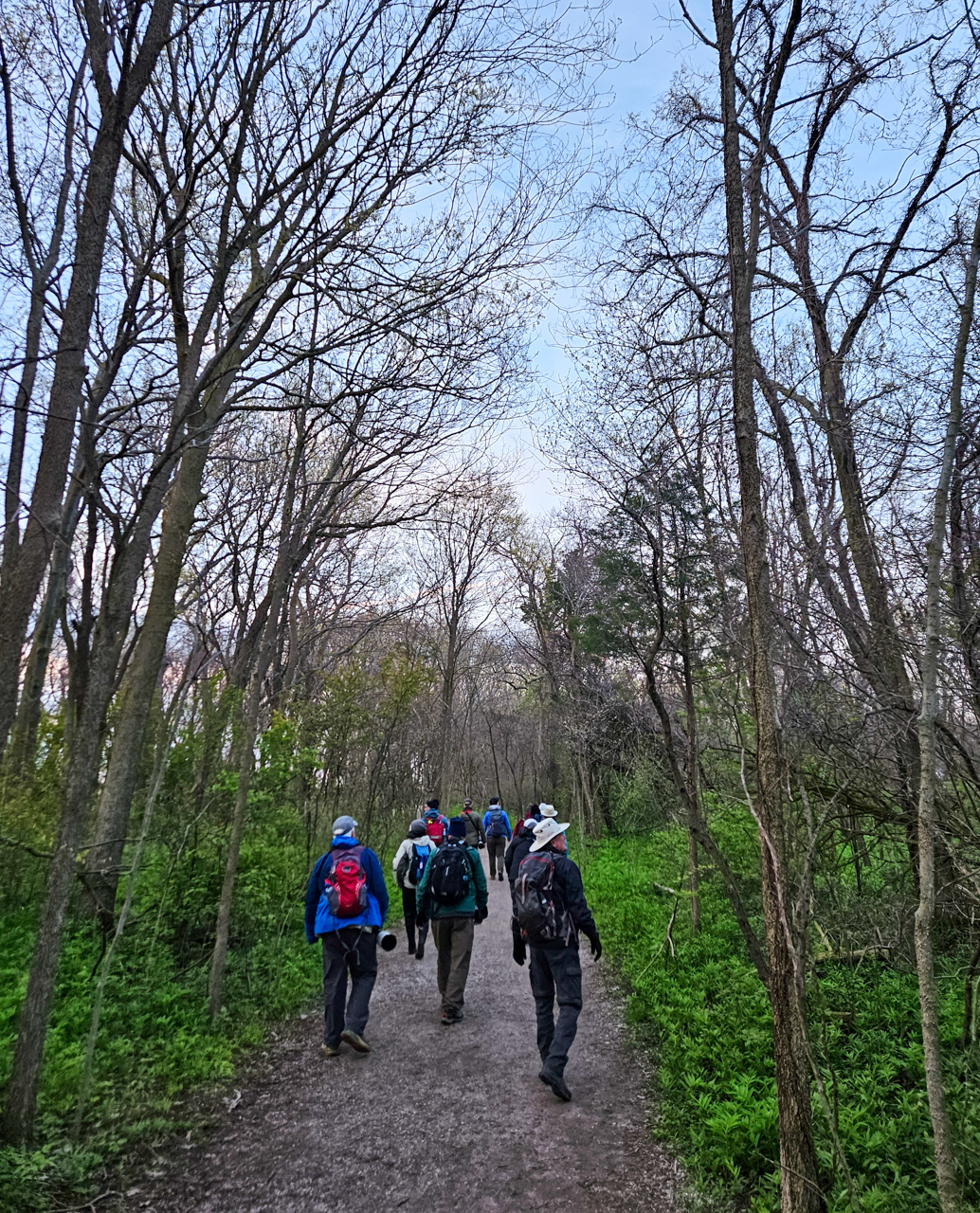
The success of the Lake Erie Spring Migration tour is inextricably linked to the work of organizations like Birds Canada and the staff of the various provincial and national parks. The integration of professional guides who are also active researchers allows for a more nuanced educational experience. By explaining the "why" behind bird behaviors and the "how" of conservation data, the tour transforms from a simple sightseeing trip into a mobile classroom.
Inferred reactions from the participants and guides suggest a high level of satisfaction with the "slow birding" approach, which emphasizes quality time with individual species rather than just checking names off a list. "The altruistic nature of fellow birders," as noted during the Great Horned Owl sighting at Point Pelee, demonstrates the community aspect of birding that supports local conservation efforts.
Broader Implications and Future Outlook
The data gathered during such tours is increasingly important in the context of climate change. As spring temperatures fluctuate, the timing of insect emergence—the primary food source for migrating songbirds—can become decoupled from the birds’ arrival. Long-term monitoring through bird banding and organized tours helps scientists track these shifts and advocate for the protection of "stopover" habitats.
Furthermore, the economic impact of birding in Southwestern Ontario cannot be overlooked. Thousands of visitors descend upon Leamington, Port Rowan, and Chatham-Kent every May, providing a significant seasonal boost to the local hospitality and tourism sectors. This economic incentive further bolsters the case for maintaining and expanding protected areas.
As the 2024 Lake Erie Spring Migration tour concludes, the focus shifts to the breeding season. The birds observed during these nine days are now fanning out across the boreal forests of Northern Canada to raise the next generation. The success of this tour serves as a reminder of the interconnectedness of the Western Hemisphere and the vital role that a few small points of land in Ontario play in the survival of millions of birds. The 156 species recorded are not just a list; they are a snapshot of a massive, ongoing biological miracle that continues to captivate scientists and enthusiasts alike.
