
Surging global demand for sand, fueled by relentless population growth, rapid economic expansion, and accelerating urbanization, is now outpacing the planet’s capacity to replenish this fundamental resource sustainably. This critical imbalance poses grave threats to global water and food security, undermines climate resilience, jeopardizes biodiversity, and hinders sustainable development. The stark warning comes from a comprehensive new United Nations Environment Programme (UNEP) report, "Sand and Sustainability: An Essential Resource for Nature and Development." The report implores governments and industries worldwide to acknowledge the profound and multifaceted value of sand, not only for human societies and economies but also for the health of natural ecosystems and our ability to adapt to a changing climate. It calls for these diverse values to be fully integrated into sand governance frameworks.
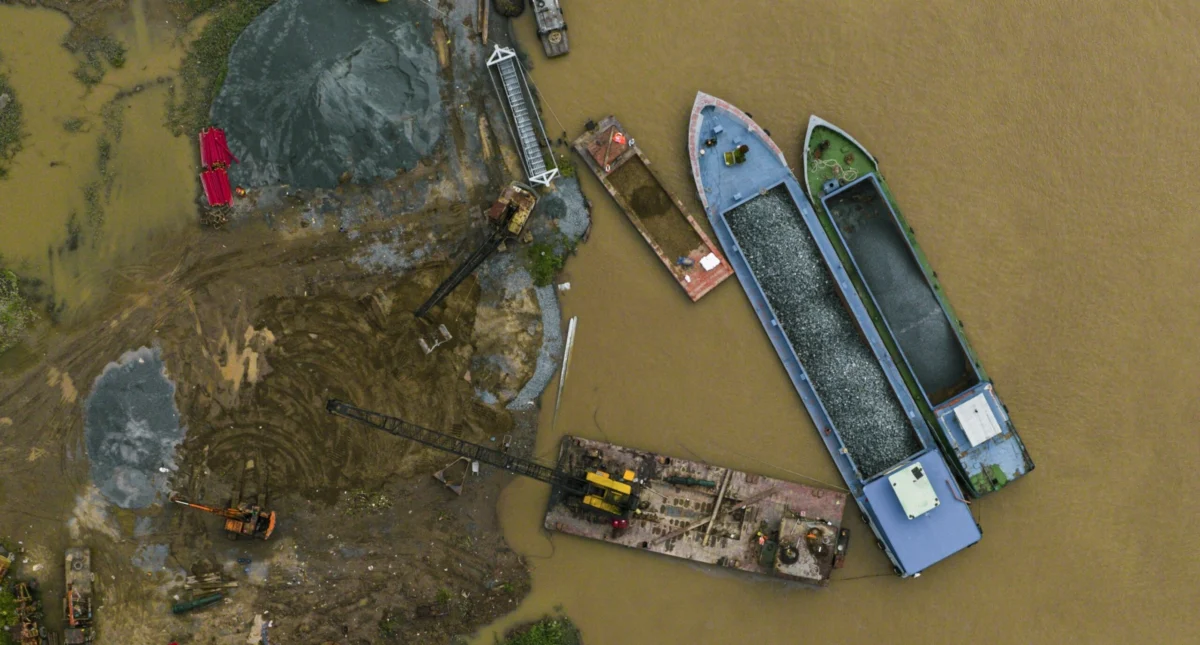
Sand represents by far the largest extractive industry on Earth. Annually, an astonishing 50 billion tonnes of sand are mined, predominantly from the world’s freshwater and coastal wetland ecosystems. This colossal extraction is primarily driven by the insatiable demand for materials essential to critical infrastructure projects – from the concrete that builds our cities and homes to the asphalt that paves our roads, the very foundations of modern societies, economies, and development initiatives.
The geological processes that create sand are exceptionally slow, occurring over vast timescales through gradual erosion. Humanity’s current rate of consumption far exceeds nature’s ability to regenerate this resource. Projections indicate that the gargantuan extraction of sand is set to escalate further. The demand for sand solely for construction purposes is anticipated to rise by as much as 45 percent by 2060, underscoring the urgency of addressing this escalating crisis.
"Sand is often lauded as the unsung hero of development, yet its equally vital role in sustaining the natural services upon which we depend is even more frequently overlooked," stated Pascal Peduzzi, Director of the UNEP Global Resource Information Database in Geneva (GRID-Geneva). "Sand serves as our primary bulwark against rising sea levels, storm surges, and the salinization of coastal aquifers – all hazards that are being exacerbated by the escalating impacts of climate change."
The Dual Nature of Sand: A Resource in Peril
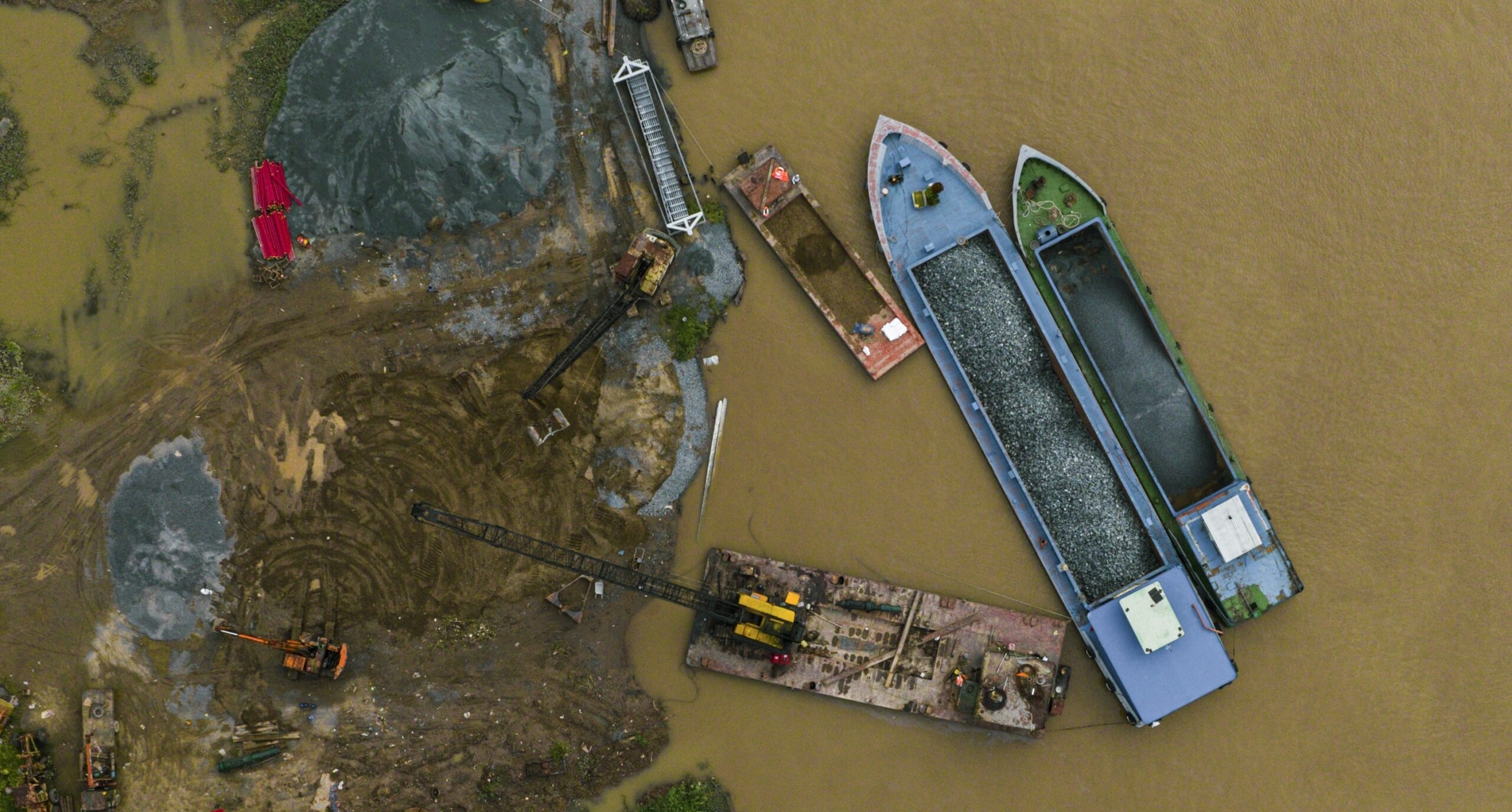
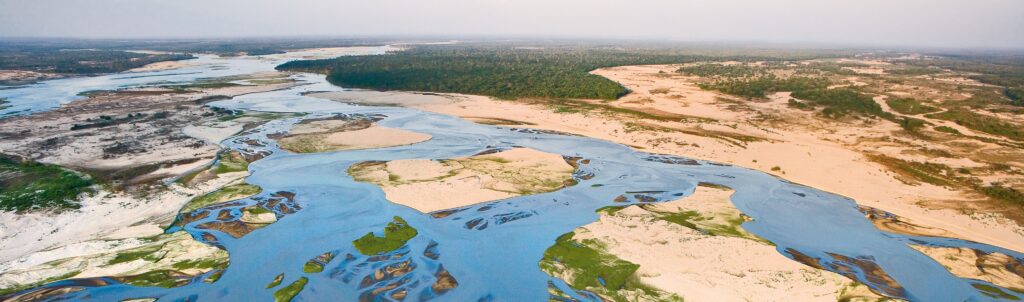
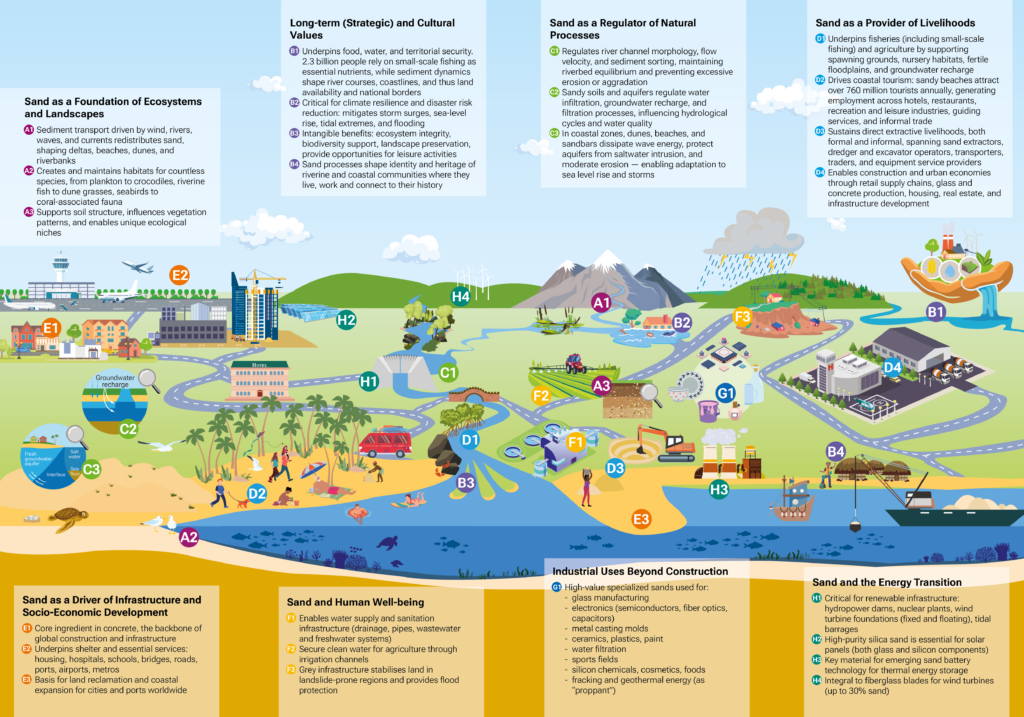
The UNEP report meticulously details a fundamental tension inherent in sand’s utility. When sand is extracted and processed into materials like concrete, asphalt, or glass, it is effectively removed from natural systems, becoming what the report terms "dead" sand. In stark contrast, sand found within rivers, deltas, and coastal zones – "alive" sand – continues to play a crucial role in maintaining landscape stability and supporting essential ecosystem functions. These functions include filtering water, regulating river flows, protecting shorelines from erosion, maintaining the integrity of deltas, preventing the salinization of coastal groundwater reserves, and sustaining biodiversity.
Richard Lee, Global Head of Communications at Wetlands International, who reviewed the report, emphasized this duality. "Sand is not only a cornerstone of our societies and economies, but also a critical component of the very fabric of the ecosystems that our societies and economies are built on – in many cases, literally," Lee commented. "Sand helps shape the structure of rivers, floodplains, beaches, and deltas, maintaining the land beneath hundreds of millions of people’s homes, fields, and feet."
Lee further elaborated on the ecological implications: "Sand also provides critical habitats for fish, birds, crabs, and countless other species, and helps maintain ecological balance. Extracting too much – as we are currently doing – can lead to disastrous consequences: lives and livelihoods lost as river and coastal erosion undermine buildings and infrastructure; families forced to migrate as deltas sink and shrink; water insecurity rising as the water table falls and saltwater intrudes further inland; and food security worsening as fields flood and fisheries decline."
A Growing Crisis: Unsustainable Extraction and its Consequences
The report’s findings paint a concerning picture of unsustainable sand extraction practices, particularly in regions experiencing rapid development and high demand. Evidence from parts of Africa and Southeast Asia highlights instances where rampant sand extraction has not only led to critical supply shortages but has also resulted in severe environmental degradation. Concurrently, these practices are fueling growing opposition from affected communities whose livelihoods are directly threatened by the ecological damage.

Data from UNEP’s Marine Sand Watch initiative provides a stark illustration of the problem. It reveals that approximately half of all dredging companies are operating within Marine Protected Areas (MPAs), accounting for a significant 15% of the total volume of sand dredged. This alarming statistic suggests that these vital conservation zones are increasingly being exploited for sand extraction, undermining their intended ecological purpose. Ensuring that the designation of MPAs translates into meaningful ecological outcomes necessitates robust impact assessments, transparent decision-making processes, and effective long-term monitoring to prevent these areas from becoming de facto extraction zones.
Towards Sustainable Sand Governance: A Call for Action
UNEP’s "Sand and Sustainability" report, now in its third iteration, issues a compelling call to action for governments and industries. It urges them to recognize the intrinsic and essential values of sand – for people, for nature, and for climate resilience. The report advocates for sand to be treated as a strategic resource, one that underpins our built environment and economic development while simultaneously sustaining vital biodiversity and ecosystem services.
The report stresses that addressing the demand for sand in both its "dead" (extracted) and "alive" (natural) forms requires a delicate balancing act. These two categories of use are in direct competition. Making informed decisions about whether to extract or leave sand in its natural state necessitates improved data collection, sophisticated mapping techniques, and continuous monitoring to identify areas of high ecological value and to assess the cumulative impact of extraction activities. Furthermore, it demands greater transparency in the granting of extraction permits, the approval of development projects, and the flow of financing for such endeavors.
Recognizing sand as an integral component of nature and an indispensable asset for human well-being requires coordinated governance across multiple sectors and at all scales of administration. This must be supported by long-term strategic planning that aims to balance the demand for sand with the imperative of ecosystem protection.
Recommendations and Tools for a Sustainable Future
The report concludes with a set of actionable policy measures and introduces an innovative assessment tool designed to facilitate more sustainable sand management practices at local, national, and regional levels. These recommendations emphasize the need for enhanced regional coordination and, potentially, the development of global governance mechanisms, given the transboundary nature of sand resources and trade.
Key recommendations include:
- Integrated Sand Governance: Establishing frameworks that coordinate policies and regulations across sectors such as construction, infrastructure, environment, and water management.
- Strategic Resource Management: Treating sand as a strategic resource with defined policies for extraction, use, and protection, akin to other critical natural resources.
- Improved Data and Monitoring: Investing in comprehensive data collection, mapping, and monitoring systems to understand sand reserves, extraction impacts, and ecological vulnerabilities.
- Enhanced Transparency: Implementing transparent processes for permit applications, project approvals, and financial flows related to sand extraction.
- Community Engagement: Actively involving local communities in decision-making processes that affect their environments and livelihoods.
- National and Sectoral Roadmaps: Encouraging countries to develop tailored roadmaps for responsible sand management, building upon existing tools and best practices.
- Valorization of Ecosystem Services: Quantifying and valuing the critical ecosystem services provided by "alive" sand, such as coastal protection, water filtration, and habitat provision, to inform decision-making.
The report underscores that early and coordinated intervention in managing sand sustainability is not only possible but also highly cost-effective in the long run. As a globally traded commodity essential for development, addressing sand sustainability requires a concerted effort. Whether destined for construction or for the preservation of vital ecosystems, sand is an indispensable resource for our collective future. The challenge ahead lies in making wise choices and utilizing this precious resource with the utmost care and foresight. The future of our planet’s infrastructure, our food and water security, and the health of our natural world depends on it.
Timeline of the Sand Crisis and UNEP’s Engagement
The current global awareness of the sand crisis has been building over the past decade, with scientific reports and environmental organizations increasingly highlighting the unsustainable rates of extraction. UNEP has been at the forefront of this advocacy and research.
- Pre-2010s: Sand extraction was largely viewed as a localized issue with limited global impact, often overlooked in broader environmental discussions.
- Early 2010s: Growing anecdotal evidence and localized studies began to emerge, particularly from rapidly developing regions in Asia and Africa, pointing to significant environmental damage caused by sand mining. Concerns were raised about riverbed degradation, coastal erosion, and impacts on aquatic ecosystems.
- 2014: The first major UNEP report on sand, "Sand: a rapidly depleting resource," was published, bringing the issue to a wider international audience and highlighting the scale of global sand consumption. This report marked a turning point in recognizing sand as a critical global resource under threat.
- 2019: The subsequent UNEP report, "Sand and Sustainability: Challenges and Outlook," further elaborated on the environmental, social, and economic consequences of unsustainable sand extraction. It emphasized the need for better governance and management strategies.
- May 12, 2026: The release of the latest UNEP report, "Sand and Sustainability: An Essential Resource for Nature and Development," signals a continued and intensified focus on the issue. This report builds upon previous findings, offering more detailed analysis, updated data, and a stronger call for integrated governance and strategic resource management. The report’s timing coincides with escalating global challenges related to climate change, resource scarcity, and sustainable development goals, underscoring the interconnectedness of these issues with sand management.
This ongoing engagement by UNEP and its partners reflects a growing understanding of sand’s pivotal role and the urgent need for a paradigm shift in how it is extracted, managed, and valued globally. The progression from identifying the problem to providing actionable solutions demonstrates a commitment to fostering sustainable practices for this essential resource.
