
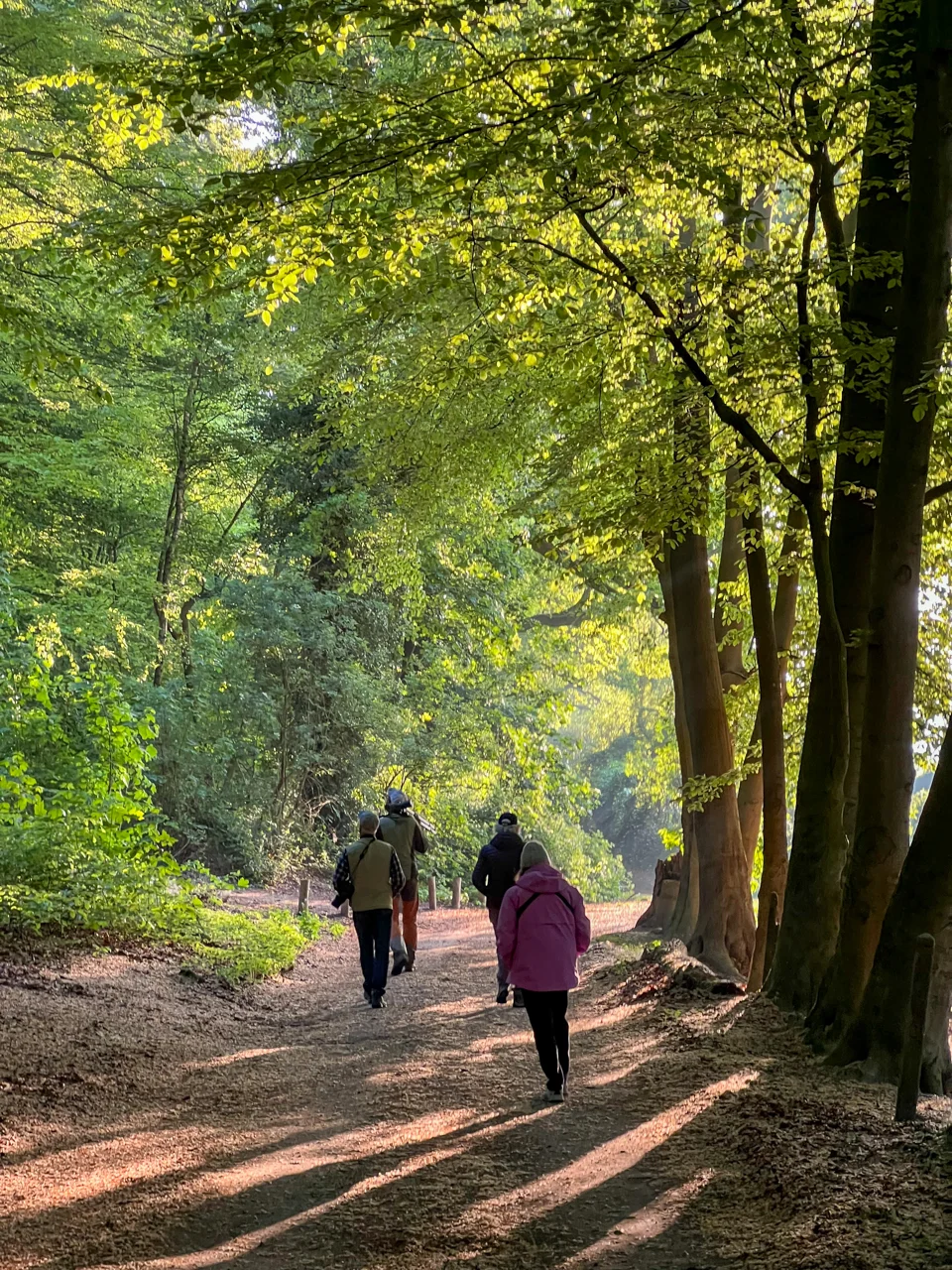
The Netherlands, a nation defined by its intricate relationship with water and land reclamation, serves as one of Europe’s most critical ecological corridors for migratory and resident bird species. An intensive 11-day field expedition recently concluded a survey across the country’s diverse habitats, ranging from the reclaimed polders of Flevoland to the ancient heathlands of the Hoge Veluwe and the tidal flats of the Wadden Sea. This survey provided a snapshot of the current state of Dutch avian biodiversity, the success of large-scale rewilding projects, and the ongoing challenges posed by climate change and habitat fragmentation. The findings underscore the importance of the Netherlands as a cornerstone of the East Atlantic Flyway, a migratory route used by millions of birds annually.
The Riverine and Meadow Ecosystems of Central Netherlands
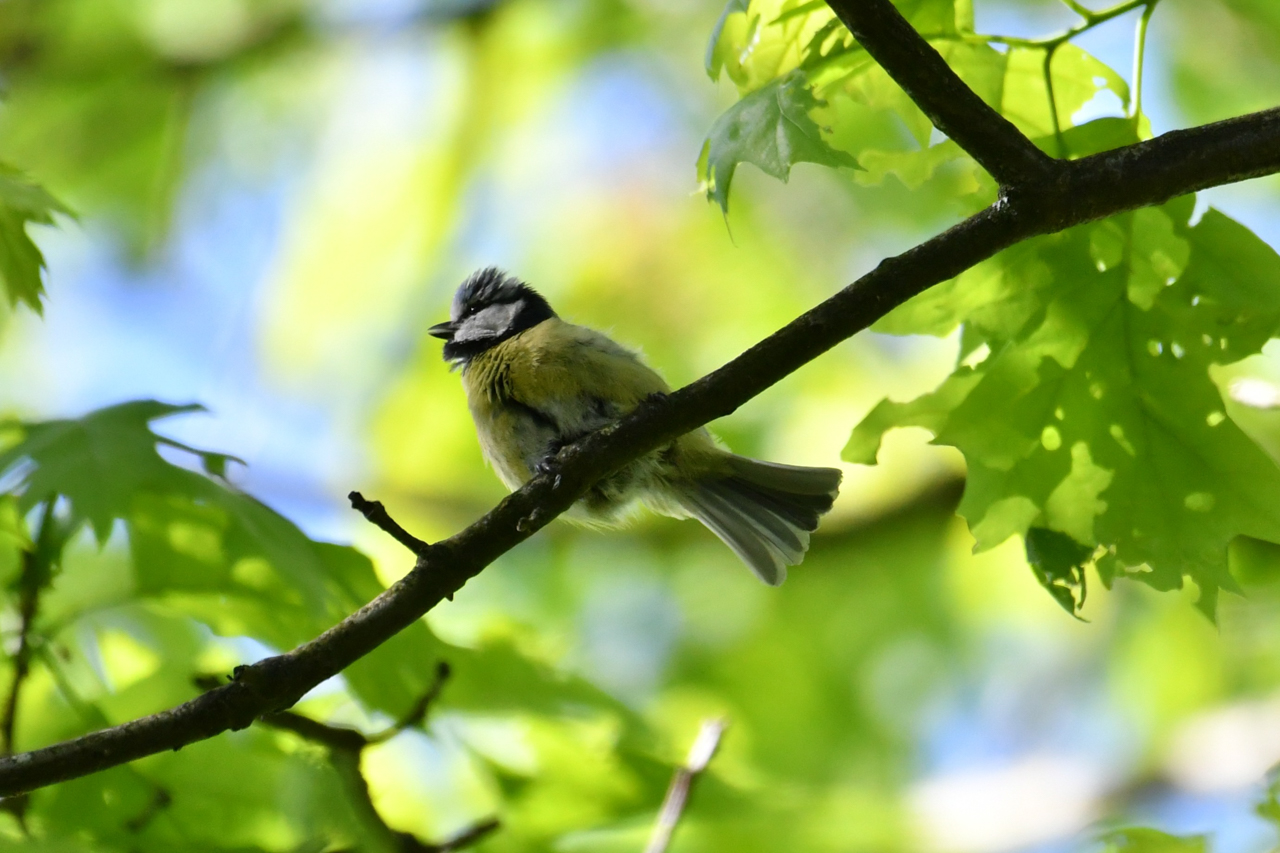
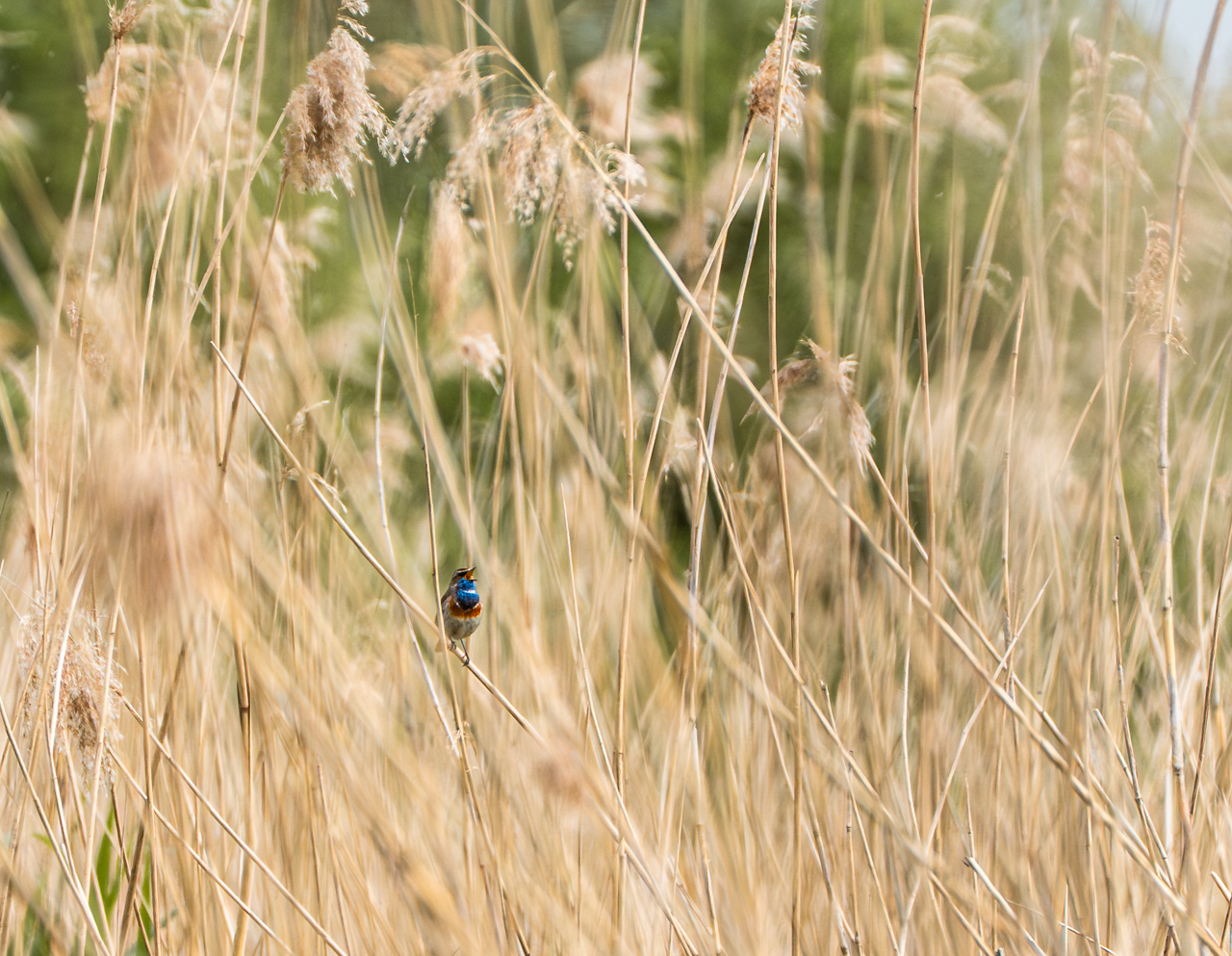
The expedition commenced in the Schinkelbos, an area of the Amsterdam Bos that exemplifies the integration of semi-wild spaces within urban peripheries. Early observations noted the presence of the Common Cuckoo (Cuculus canorus) and the Bluethroat (Luscinia svecica), the latter being a flagship species for the restoration of reedbeds and moist shrublands. These sightings confirm the continued utility of small, managed forest patches in supporting specialized insectivores during the spring breeding season.
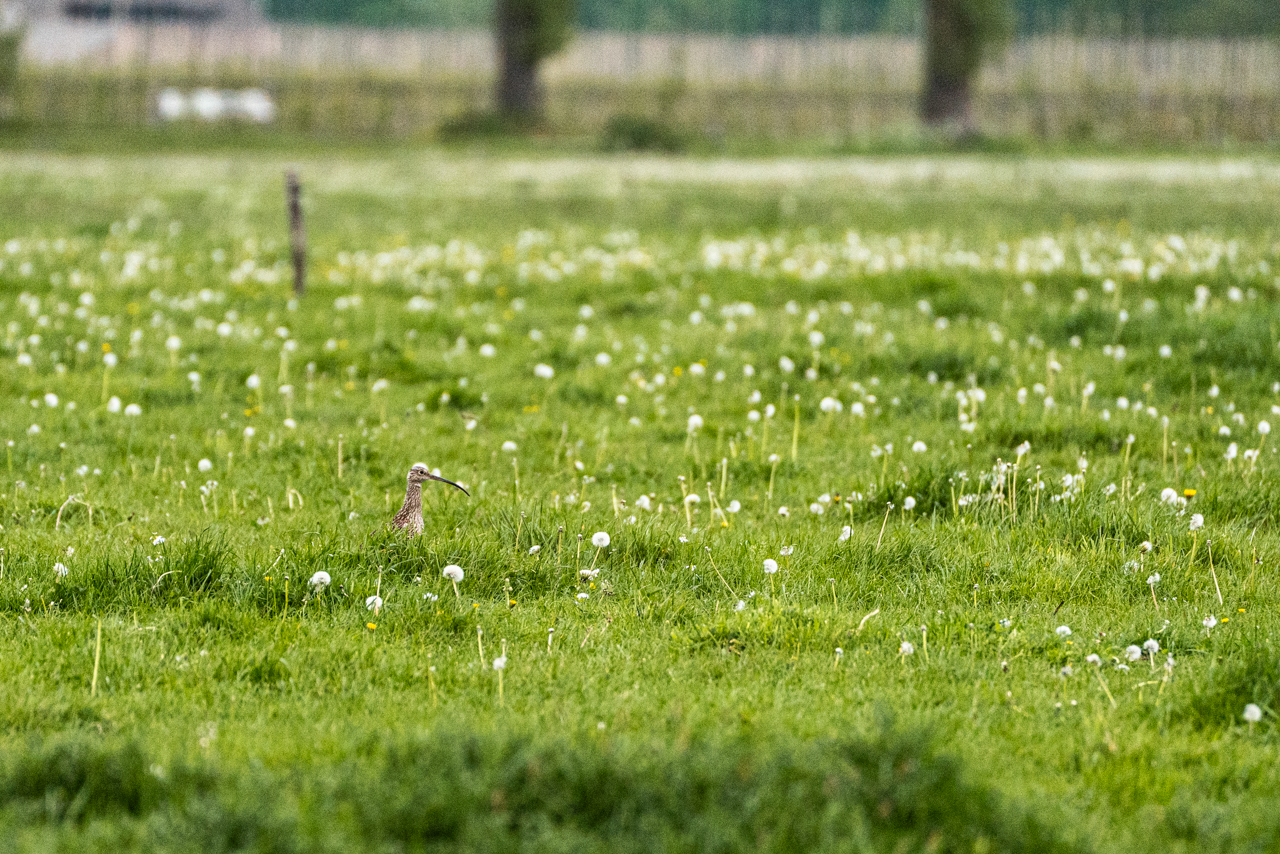
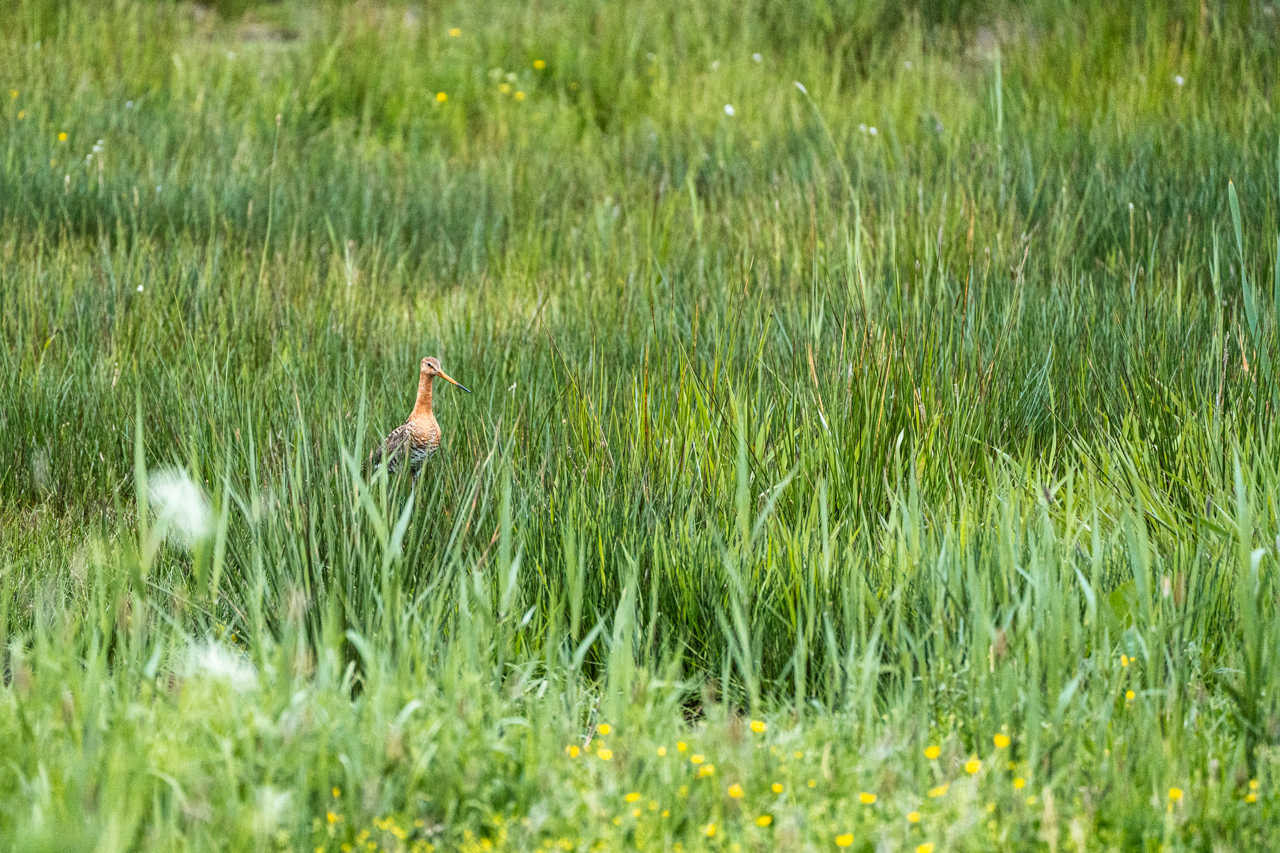
Moving eastward toward Arnhem, the survey focused on the Landje van Geijsel, a meadow specifically managed through controlled flooding to support migratory shorebirds. This site is a critical stopover for the Black-tailed Godwit (Limosa limosa), the national bird of the Netherlands. The Godwit, which has faced significant population declines due to intensive agricultural practices, relies on these "wet meadows" for foraging. Observations at Landje van Geijsel and the Binnenveldse Hooilanden revealed robust numbers of Godwits, Redshanks, and Curlews, suggesting that localized hydrological management is effective in mitigating the loss of traditional nesting grounds.
In the Zouweboezem reserve, the presence of apex predators such as the White-tailed Eagle (Haliaeetus albicilla) and the Western Marsh Harrier (Circus aeruginosus) indicated a healthy trophic structure. The White-tailed Eagle, once extinct in the Netherlands, has seen a remarkable recovery since its return as a breeding species in 2006, a success story often cited by Dutch conservationists as evidence of the benefits of large-scale wetland restoration.
Inland Heathlands and the Rewilding of Flevoland
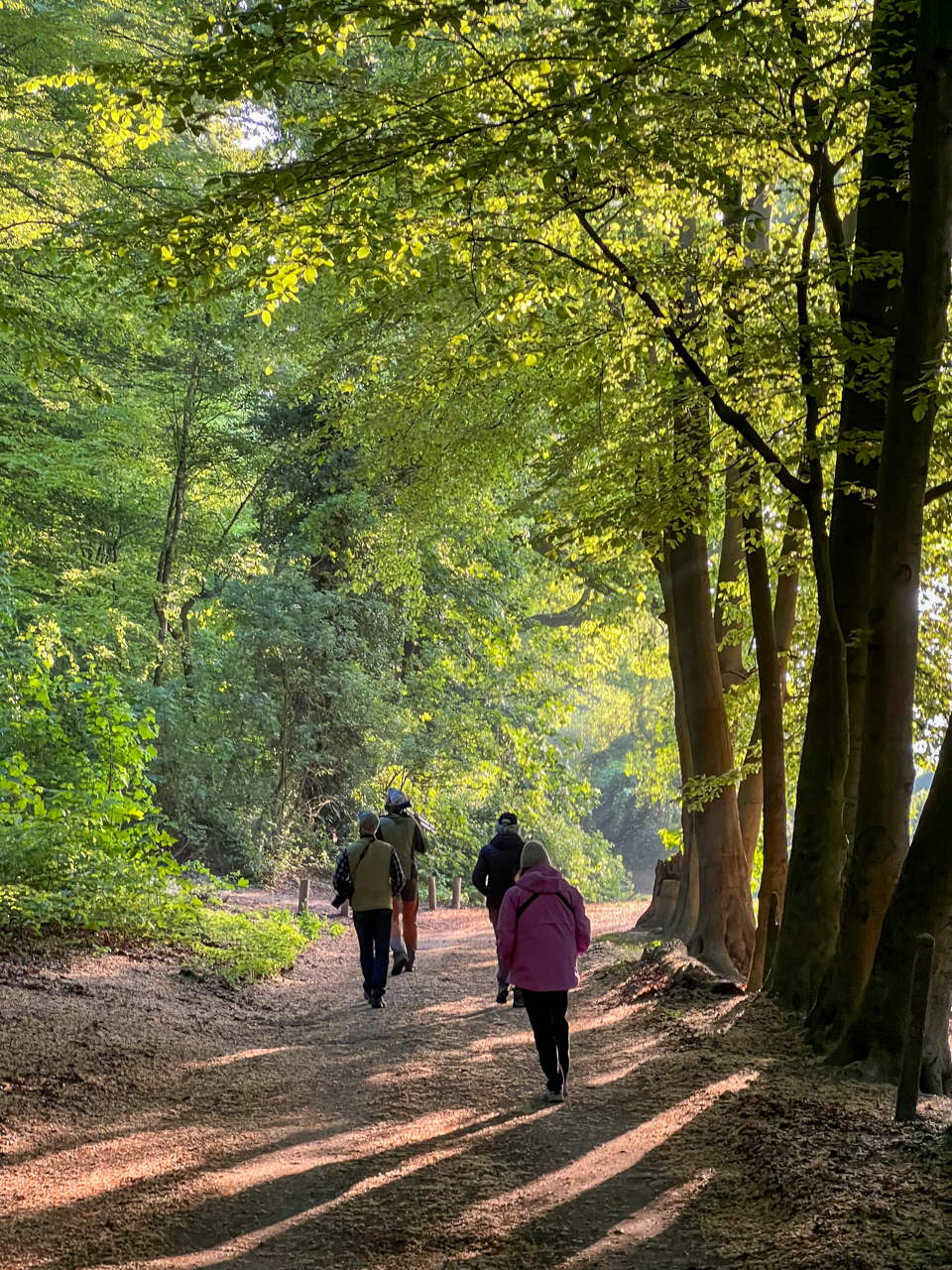
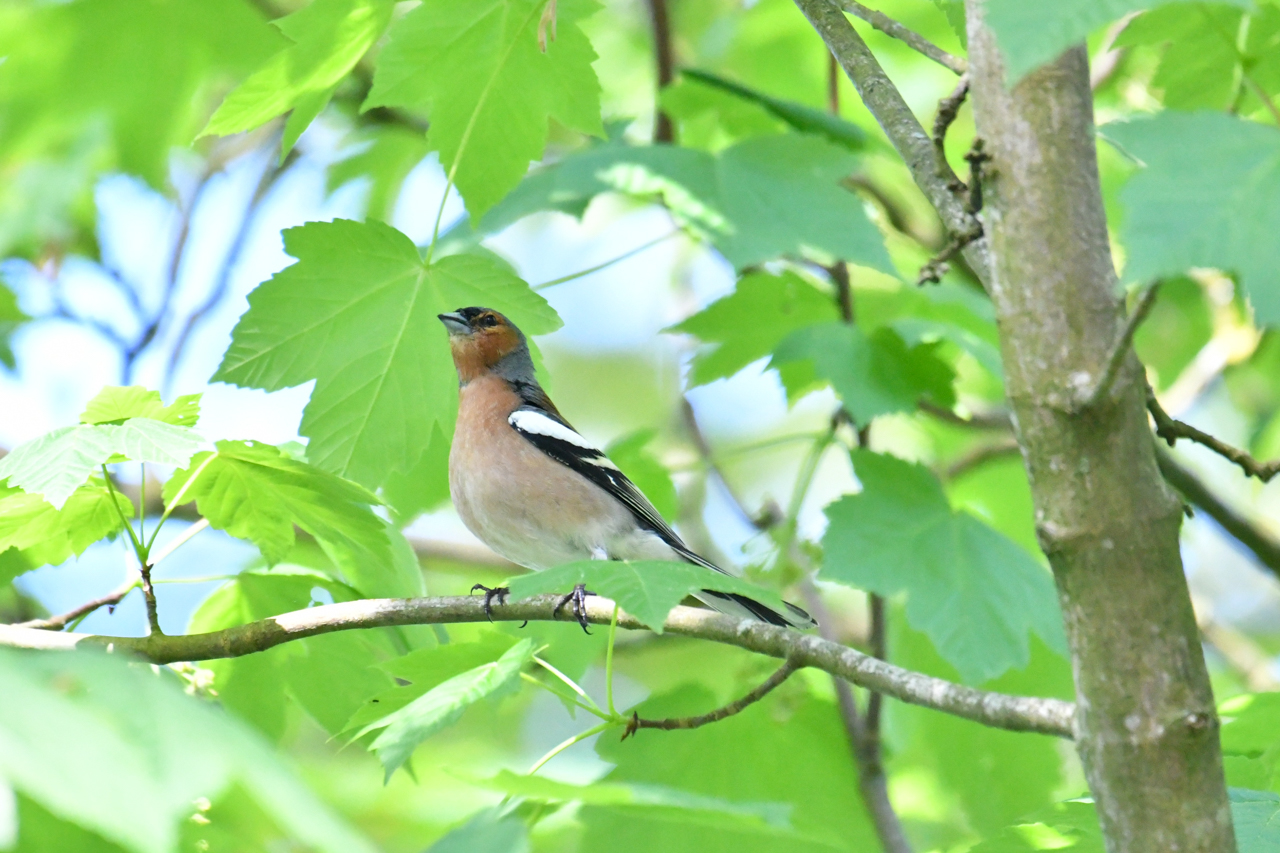
The Hoge Veluwe National Park, one of the largest continuous nature reserves in the Netherlands, offered a distinct contrast to the coastal wetlands. Comprising a mosaic of woodland, heathland, and drifting sands, the park supports species adapted to drier, more acidic environments. The survey recorded the European Pied Flycatcher (Ficedula hypoleuca) and the Crested Tit (Lophophanes cristatus), species that are highly dependent on mature coniferous and mixed forests. However, the elusive Black Woodpecker (Dryocopus martius), Europe’s largest woodpecker, proved difficult to observe, highlighting the challenges of monitoring low-density, wide-ranging forest specialists even in protected areas.
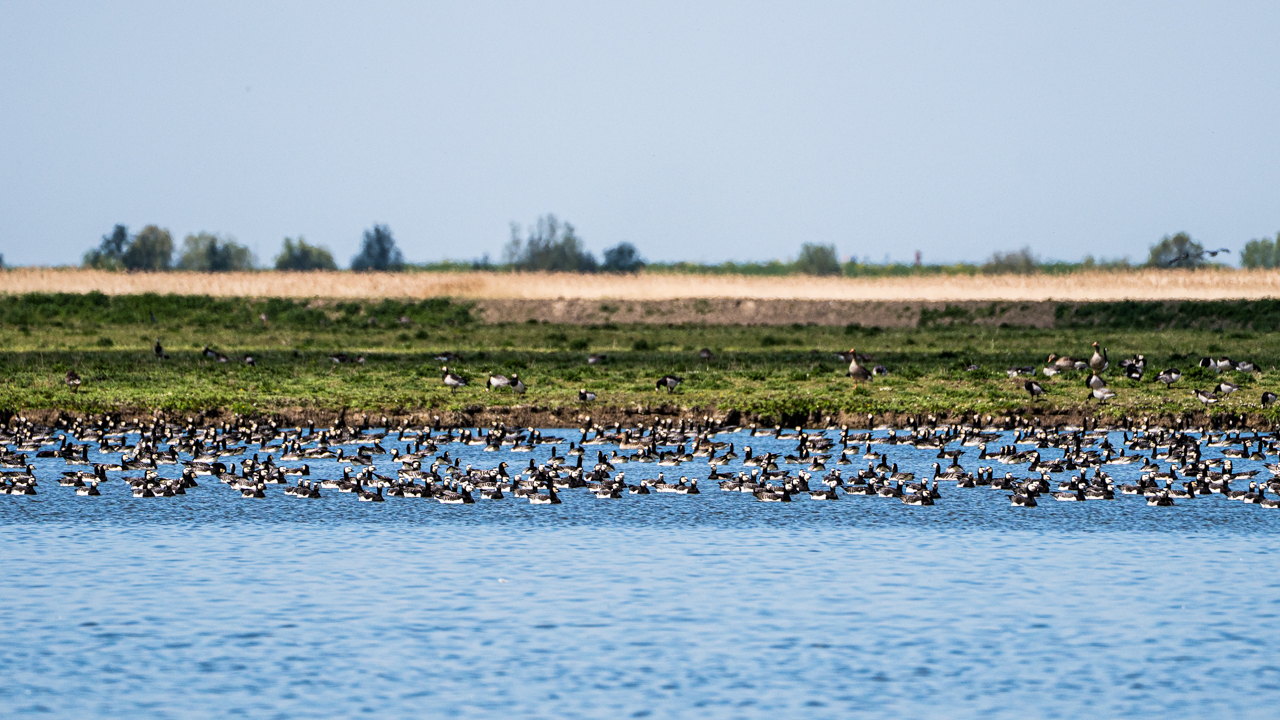
A significant portion of the field study was dedicated to the Oostvaardersplassen in Flevoland. This reserve is the site of one of Europe’s most famous—and controversial—rewilding experiments. Created on land reclaimed from the sea in the 1960s, the area was left to develop naturally, eventually becoming a haven for birdlife. The expedition observed thousands of Barnacle Geese (Branta leucopsis) and frequent flybys of White-tailed Eagles, which utilize the area’s abundant waterfowl as a primary food source. The presence of large herbivores, such as Red Deer (Cervus elaphus), plays a crucial role in maintaining the open grassland habitat required by many bird species, though the management of these populations remains a subject of intense public and scientific debate in the Netherlands.
Wetland Restoration and the Return of Apex Species in the North
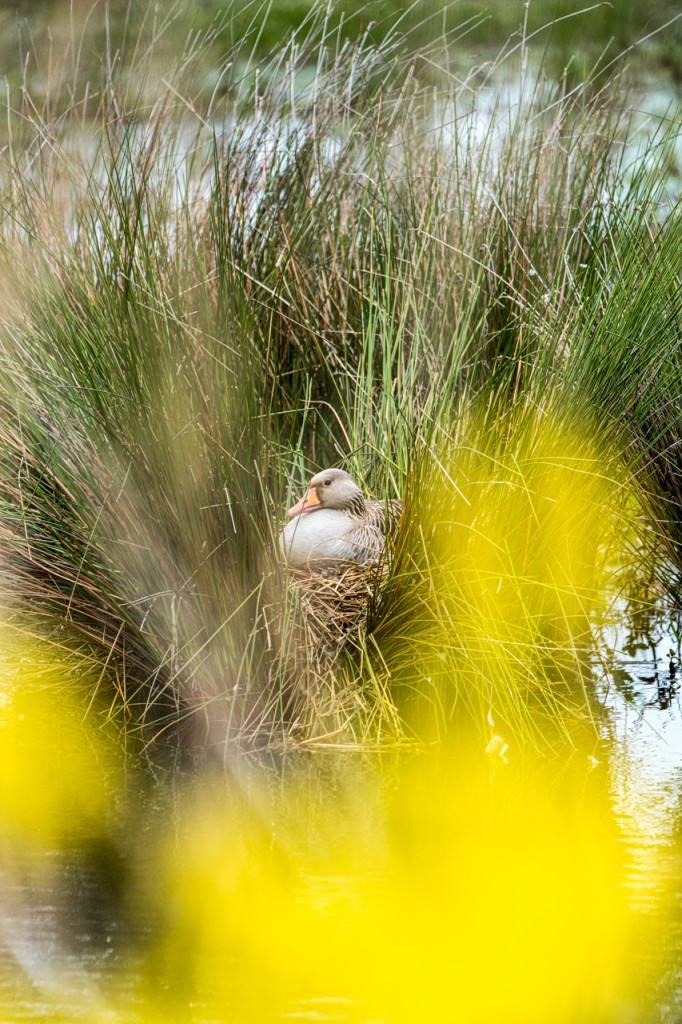
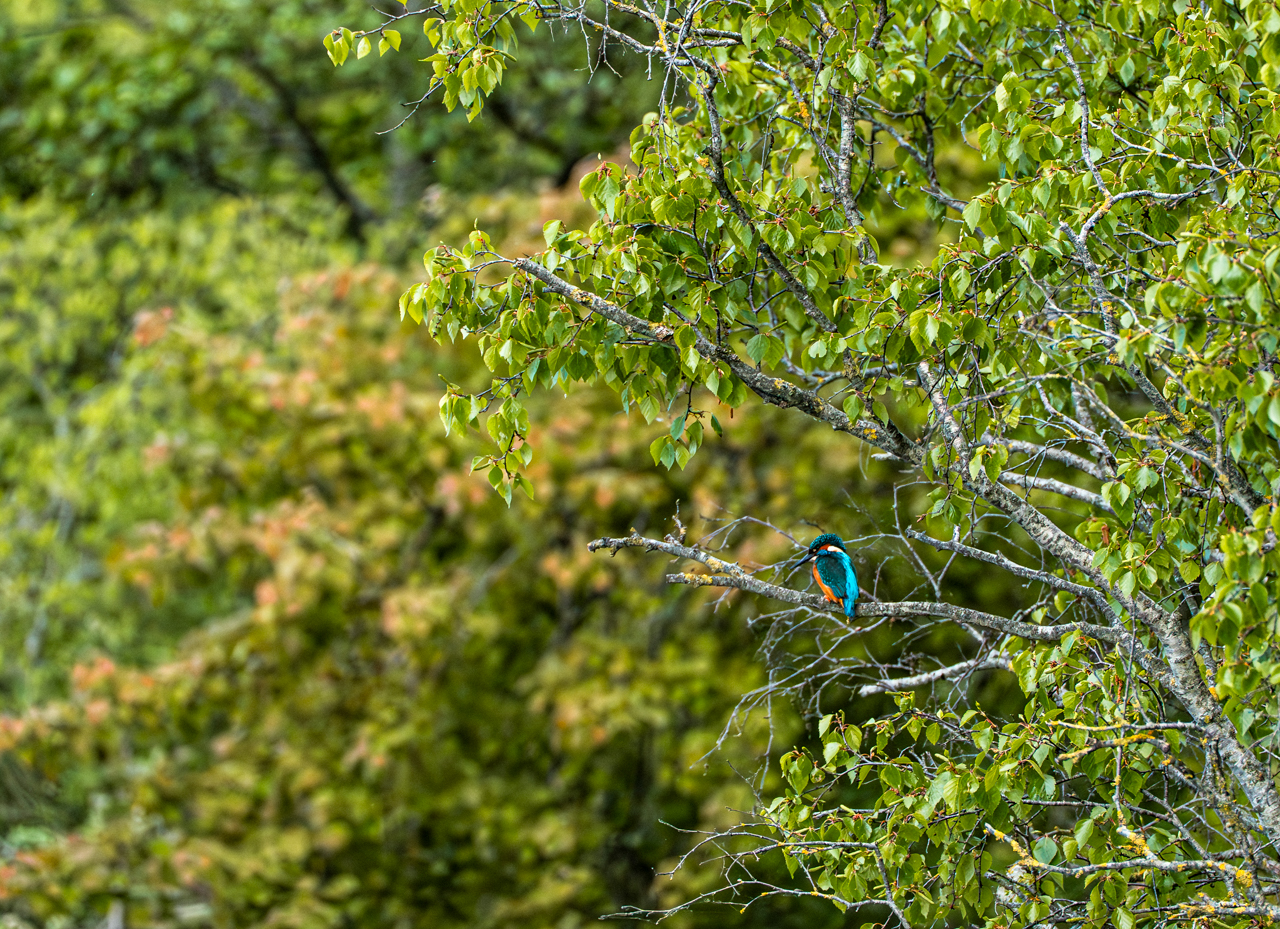
The survey moved to the Weerribben-Wieden National Park, a landscape shaped by historical peat extraction. Today, it represents one of the most important fen mires in Western Europe. The reintroduction of the Eurasian Otter (Lutra lutra) in the early 2000s marked a turning point for the park’s ecological health. While the otters themselves are nocturnal and difficult to track, the presence of the Common Kingfisher (Alcedo atthis) and the Eurasian Bittern (Botaurus stellaris)—the latter identified by its distinctive booming call—indicates that the reedbed ecosystems are sufficiently intact to support high-level predators.
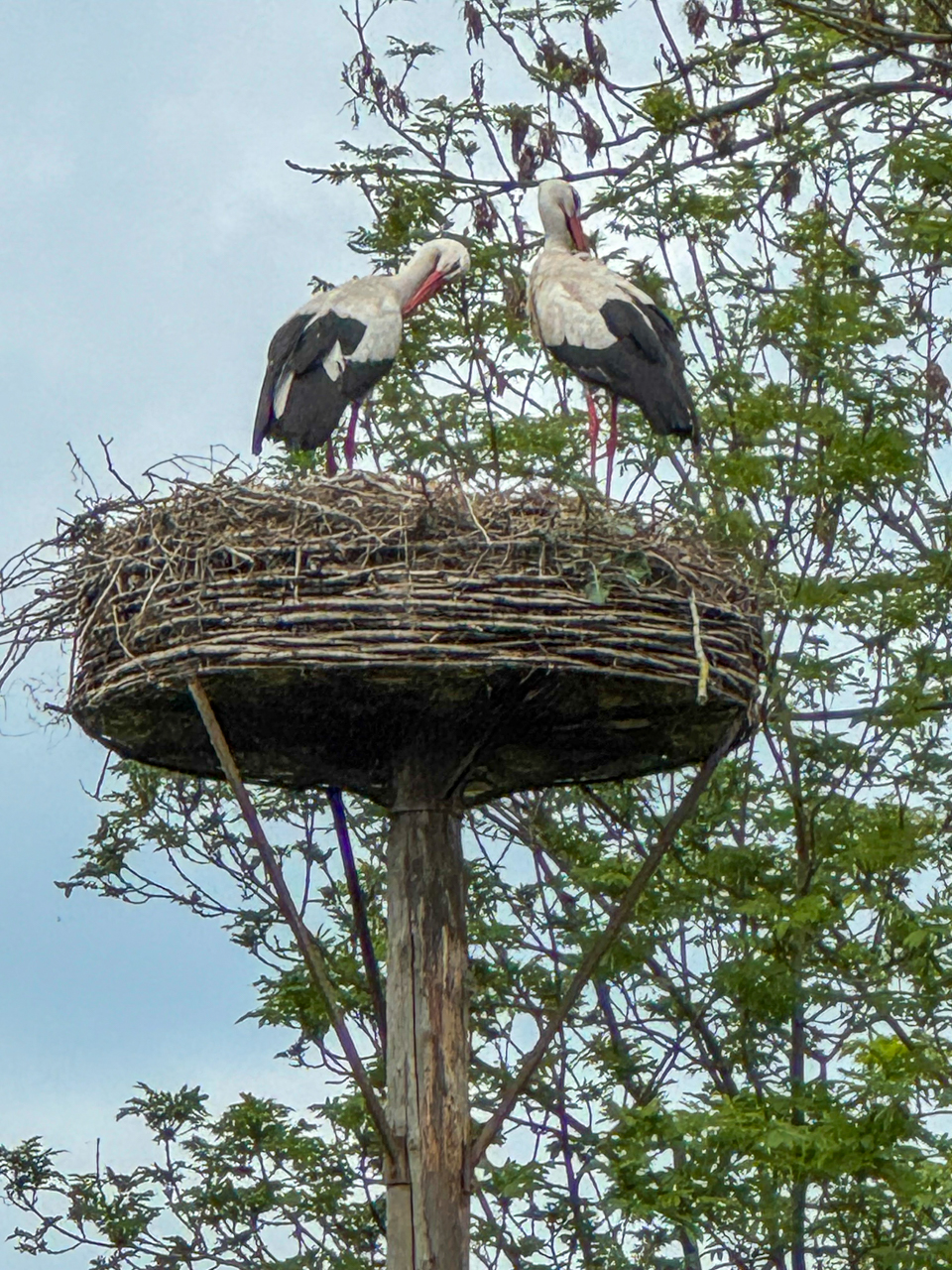
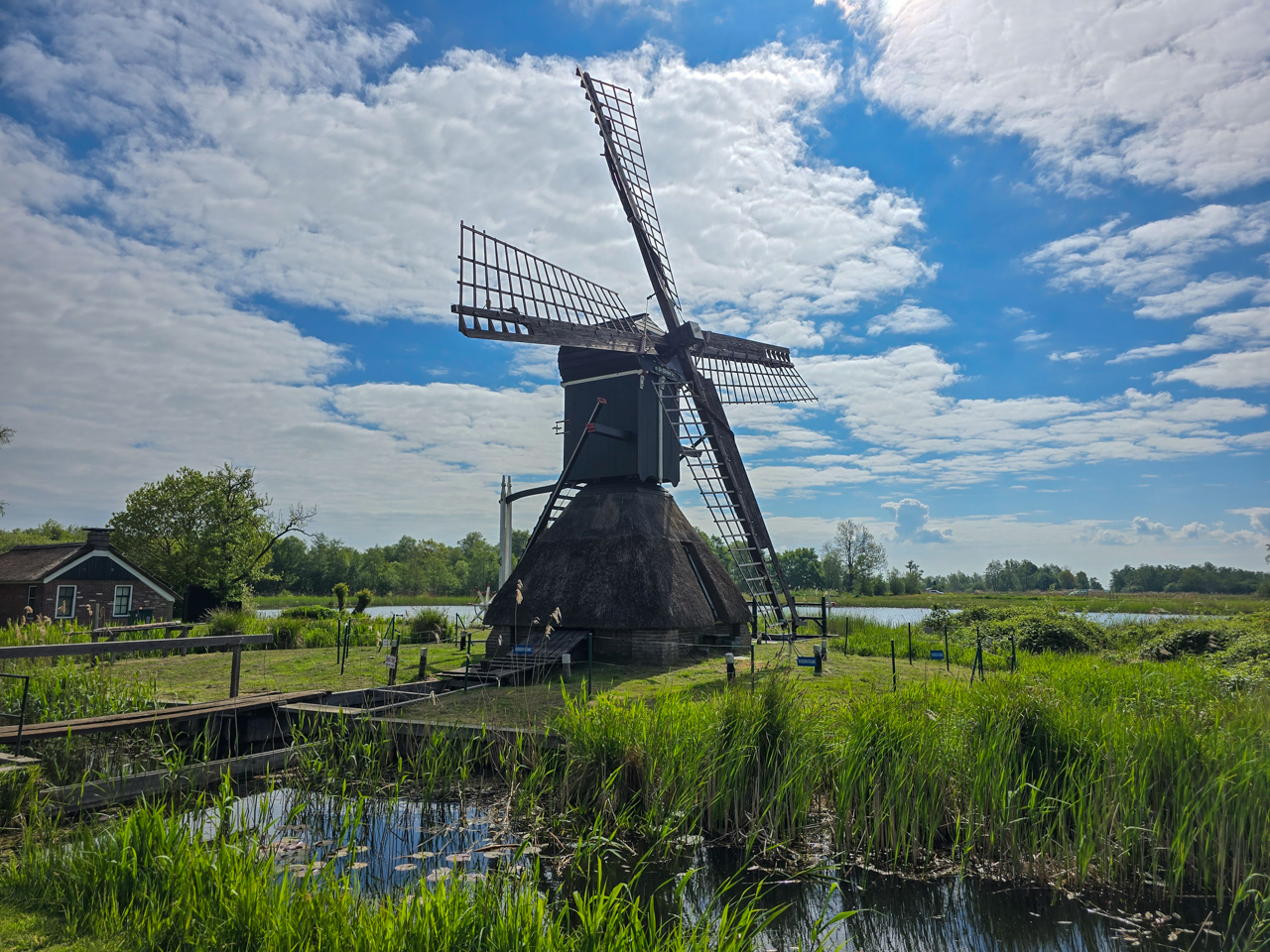
Near the village of Giethoorn, known as the "Venice of the North," the expedition noted the intersection of high-density tourism and wildlife. Despite the influx of visitors, White Storks (Ciconia ciconia) were observed nesting on man-made platforms, a testament to the species’ adaptability and the success of long-term recovery programs that began in the 1970s. The presence of the Common Redstart (Phoenicurus phoenicurus) in the same vicinity further suggests that traditional Dutch village architecture and gardens provide valuable micro-habitats for migratory passerines.
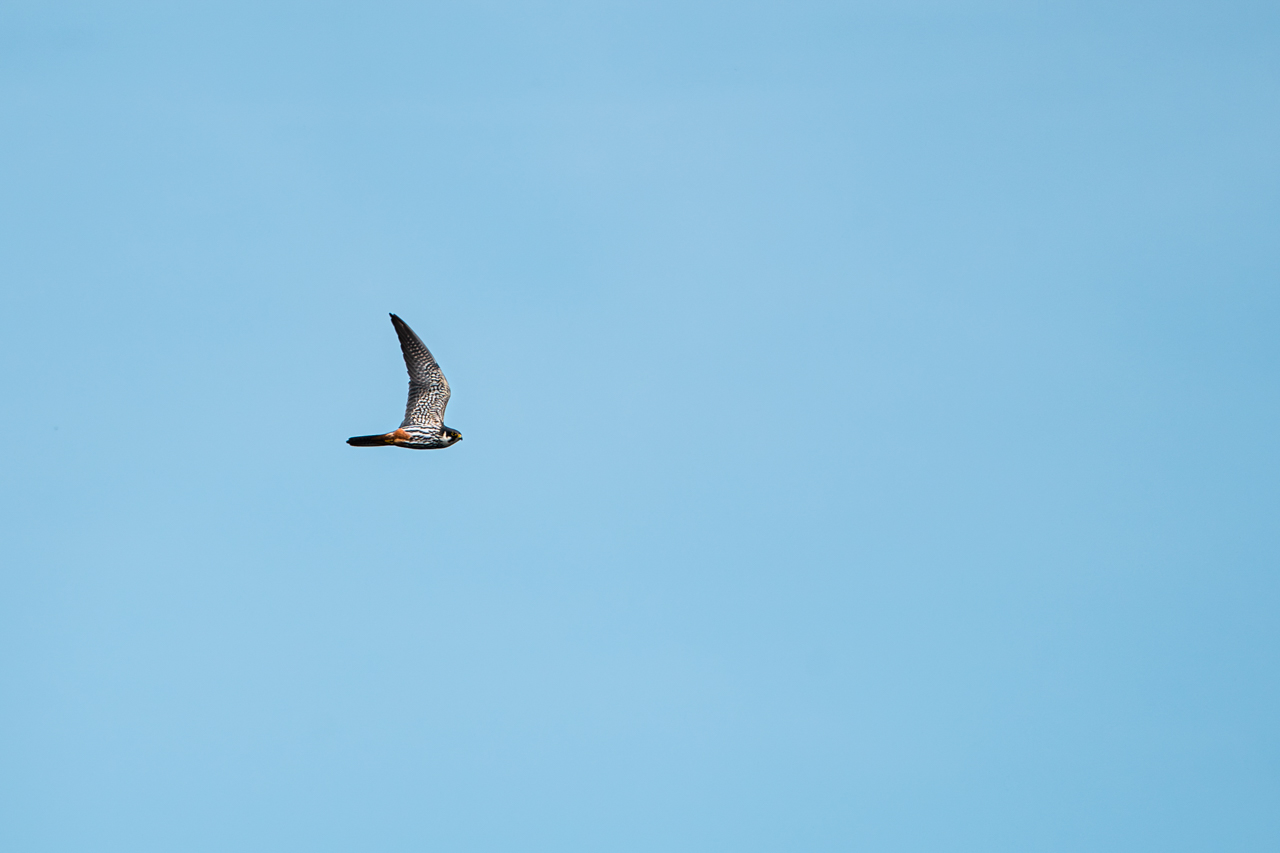
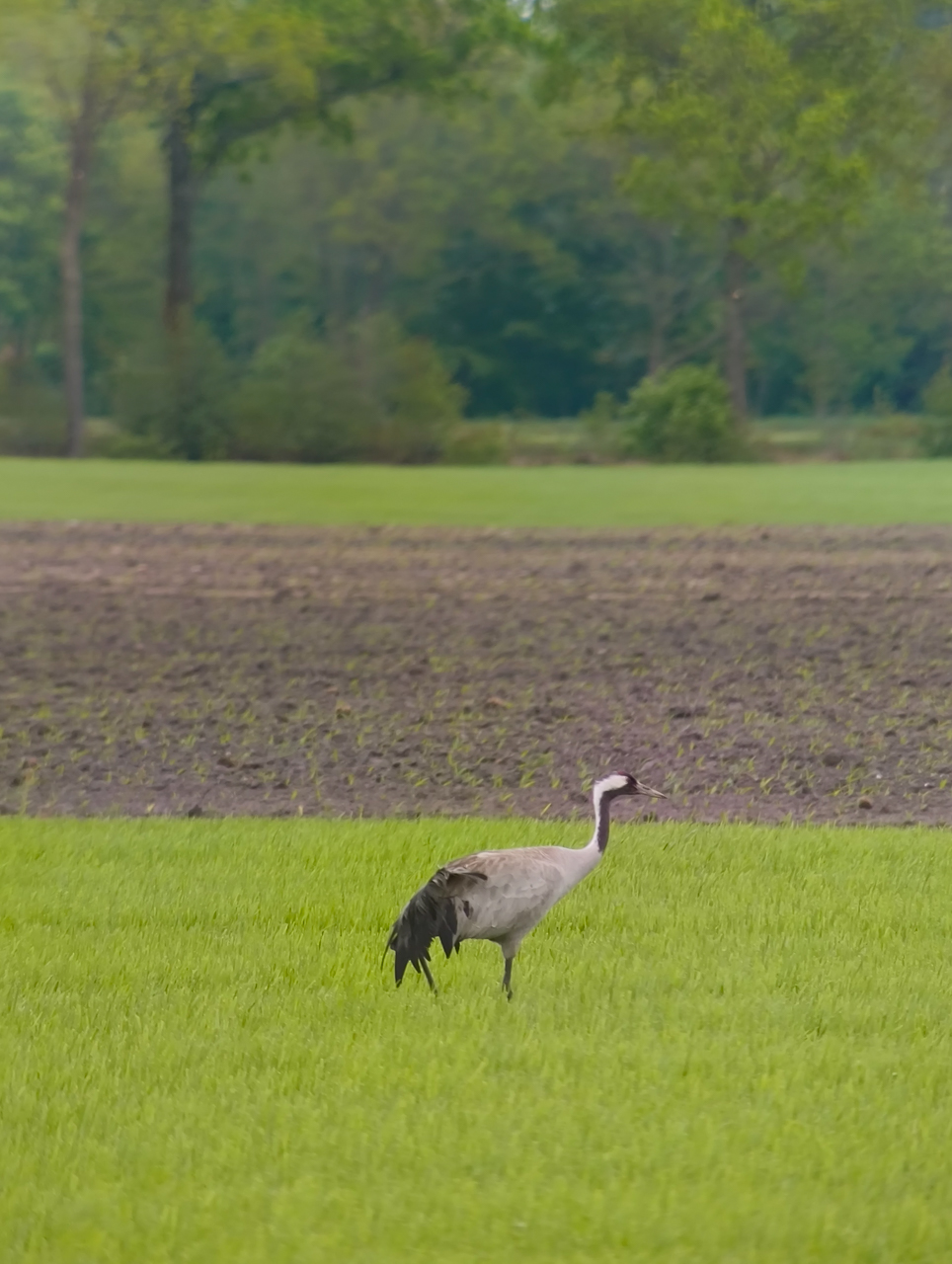
In the Drents-Friese Wold and Dwingelderveld National Parks, the focus shifted to wet heathlands. Dwingelderveld is recognized as the largest wet heathland in Western Europe, and its management involves a combination of sheep grazing and sod-cutting to prevent forest encroachment. Observations of the European Hobby (Falco subbuteo) hunting dragonflies over the moors provided evidence of the high insect biomass supported by these habitats. Furthermore, the survey successfully located Common Cranes (Grus grus) in the Fochteloërveen. The return of the Crane as a breeding species in 2001, after an absence of 250 years, is considered a milestone in Dutch conservation, signifying the successful restoration of large, undisturbed mire systems.
The Wadden Sea: A UNESCO World Heritage Site in Flux
The final phase of the expedition centered on the Lauwersmeer National Park and the island of Texel, both integral parts of the Wadden Sea ecosystem. The Lauwersmeer, formerly a saltwater estuary before being dammed in 1969, has transitioned into a freshwater wetland of international importance. The survey recorded large groups of Ruff (Calidris pugnax) and Eurasian Dotterel (Charadrius morinellus), species that rely on the area’s mudflats and surrounding agricultural fields during their northward migration.
Texel, the largest of the Dutch Wadden Isles, serves as a vital breeding ground for colonial waterbirds. The expedition visited the Sandwich Tern (Thalasseus sandvicensis) colonies near Wagejot. These colonies have recently faced significant threats from Highly Pathogenic Avian Influenza (HPAI), which caused mass mortality in 2022. Observations during this survey, however, suggest a degree of stabilization, with thousands of breeding pairs active. The interaction between Common Eiders (Somateria mollissima) and Herring Gulls (Larus argentatus) was also documented, illustrating the high-pressure environment of coastal breeding colonies where predation is a constant factor.
On the tidal flats of Mokbaai, the influx of Bar-tailed Godwits (Limosa lapponica) in breeding plumage highlighted the global connectivity of Dutch wetlands. These birds, having traveled from wintering grounds in Africa, use the Wadden Sea to build the fat reserves necessary for their non-stop flight to Arctic breeding grounds.
Implications for Conservation and Habitat Management
The 11-day survey concluded with observations at Zwanewater and the water catchment dunes near Amsterdam. The recording of the Common Firecrest (Regulus ignicapilla), one of Europe’s smallest birds, and the Eurasian Goshawk (Accipiter gentilis) provided a final look at the diversity of the Dutch dune forests.
The data gathered during this expedition highlight several key trends in Dutch ecology. First, the success of "niche" restoration—such as wet meadows for Godwits and peat bogs for Cranes—is evident, but these populations remain vulnerable to broader environmental changes. Second, the return of large raptors and storks demonstrates that targeted conservation legalities and habitat protection can reverse decades of decline.
However, the survey also noted the impact of human activity. From the "overrun" canals of Giethoorn to the artificial dikes of the Afsluitdijk, the Dutch landscape is a highly engineered environment. The persistence of avian diversity in such a densely populated country requires a delicate balance between water management, agricultural policy, and nature conservation. The continued monitoring of these sites is essential, as the Netherlands remains a primary indicator for the health of European bird populations and the effectiveness of international conservation treaties like the Ramsar Convention.
As climate change shifts migratory timing and habitat availability, the Netherlands’ role as a managed sanctuary will only increase in significance. The findings of this field analysis suggest that while many species are thriving due to proactive intervention, the maintenance of these ecological gains requires constant vigilance and an adaptive approach to land management.
