
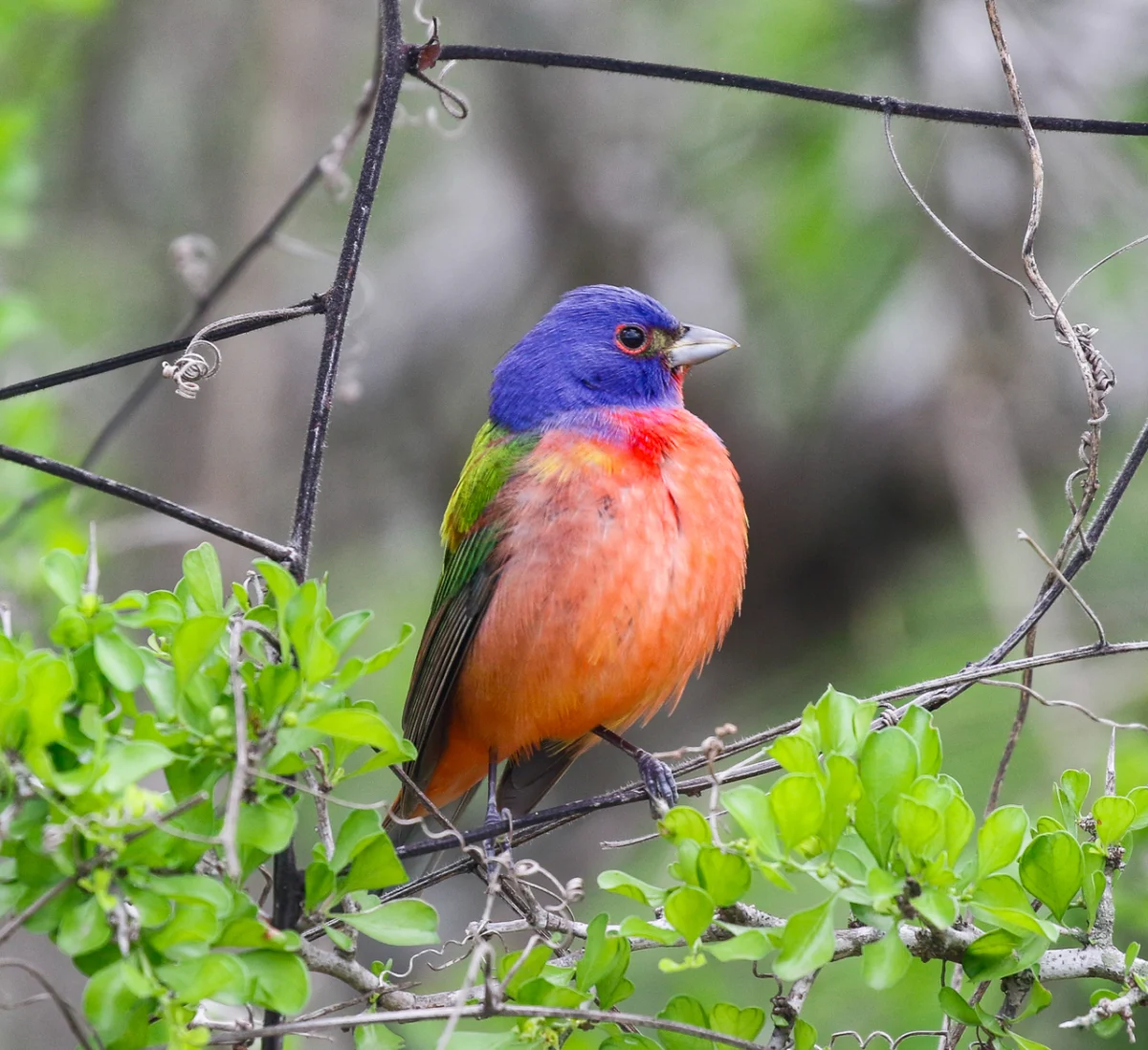
The annual Texas spring migration tour has concluded with a remarkable tally of 247 bird species, marking one of the most successful seasons for avian observation in recent years. Spanning a diverse geographical transect from the arid fringes of the Chihuahuan Desert to the lush Pineywoods of East Texas, the expedition provided a comprehensive overview of the state’s critical role in the Central Flyway. Participants documented a wide array of rarities and high-volume "fallouts," including a rare Sutton’s Warbler hybrid and a wandering Eurasian Ruff, highlighting the ecological dynamism of the Gulf Coast region during the peak of the migratory window.
Geographical Scope and Habitat Diversity
The expedition followed a strategic route designed to capture the transition of habitats that defines the Texan landscape. Starting at the edge of the Chihuahuan Desert, the group ascended into the juniper-clad limestone hills of the Edwards Plateau. This region serves as a vital breeding ground for several endemic and range-restricted species. From the central highlands, the tour moved to the upper Texas coast, focusing on the "migrant traps"—isolated groves of oak mottes that provide the first available refuge for songbirds crossing the Gulf of Mexico.
The journey concluded in the Texas Pineywoods north of Houston, an ecosystem characterized by towering loblolly pines and hardwood bottomlands. This sequence allowed for the observation of 28 species of warblers, a significant increase compared to recent years. The diversity of the recorded species—ranging from the Limpkin and Short-tailed Hawk to the Black-capped Vireo and Tropical Parula—underscores the health of these varied ecosystems and their continued importance to North American biodiversity.
Initial Stages: The Edwards Plateau and the Hill Country
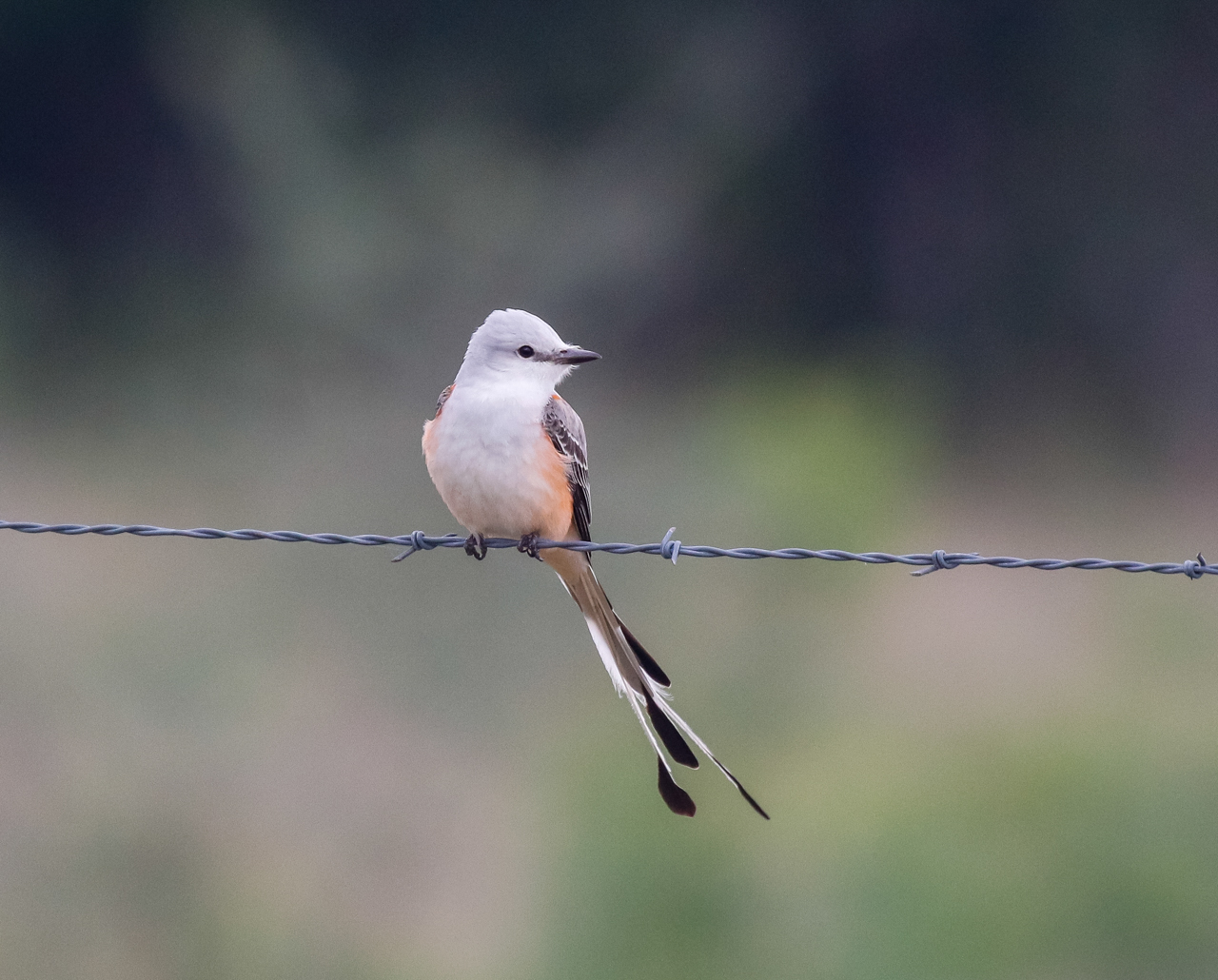
The first leg of the tour, originating in San Antonio, immediately yielded high-quality sightings. Even during transit to the Hill Country, participants noted iconic Texas species such as the Scissor-tailed Flycatcher, Crested Caracara, and Chihuahuan Raven. The early stages of the trip focused on riparian zones that act as northern outposts for Rio Grande Valley specialties. In these lush corridors, the group identified Audubon’s Oriole, Great Kiskadee, and Couch’s Kingbird, while the adjacent mesquite woodlands provided sightings of arid-adapted species like the Verdin and Ladder-backed Woodpecker.
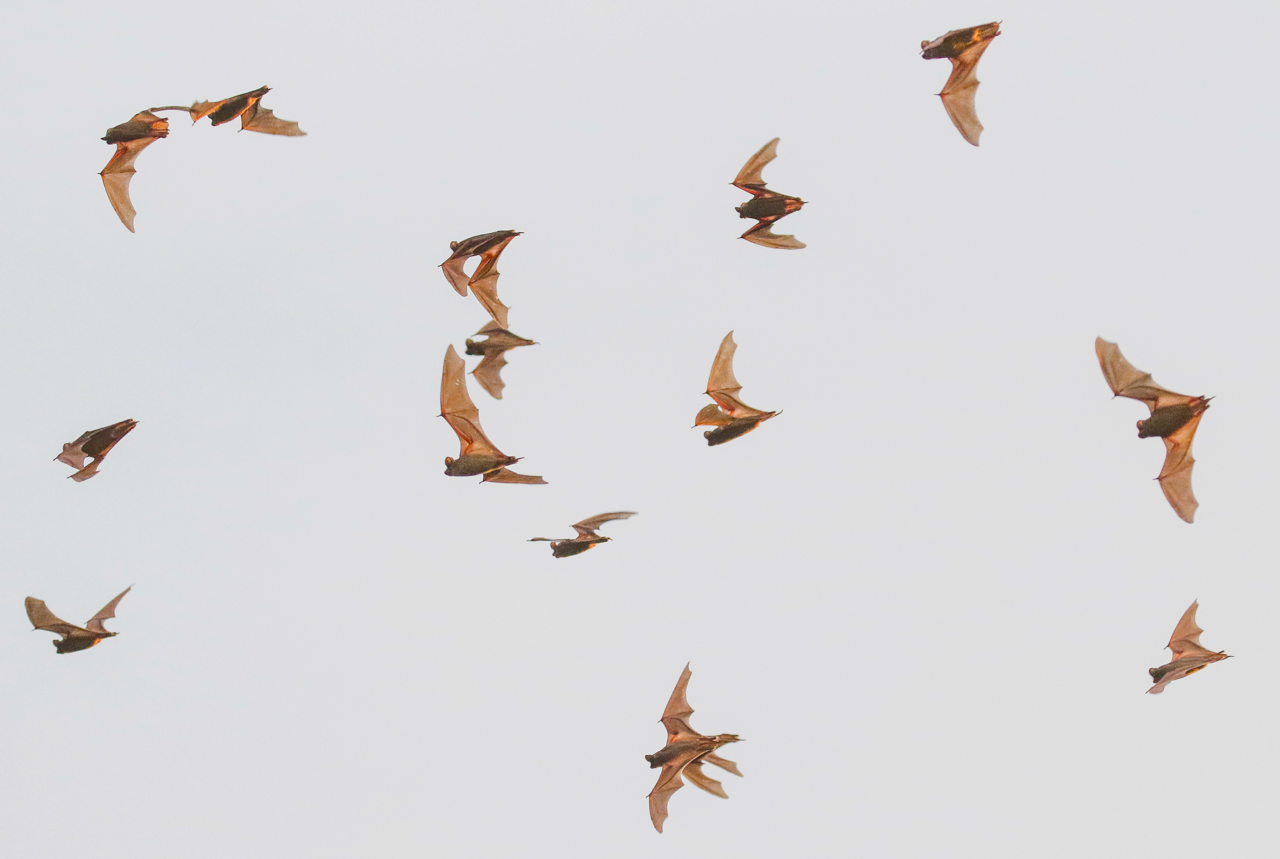
A major highlight of the Hill Country segment occurred at dusk near a limestone cave system. The group witnessed the emergence of thousands of Mexican Free-tailed Bats, a biological spectacle that attracted several species of hawks. This "aerial river" of bats provided a dramatic display of predator-prey dynamics as raptors swooped into the colony to secure evening meals. Concurrently, Cave Swallows were observed nesting in the vicinity, adding to the evening’s high species count.
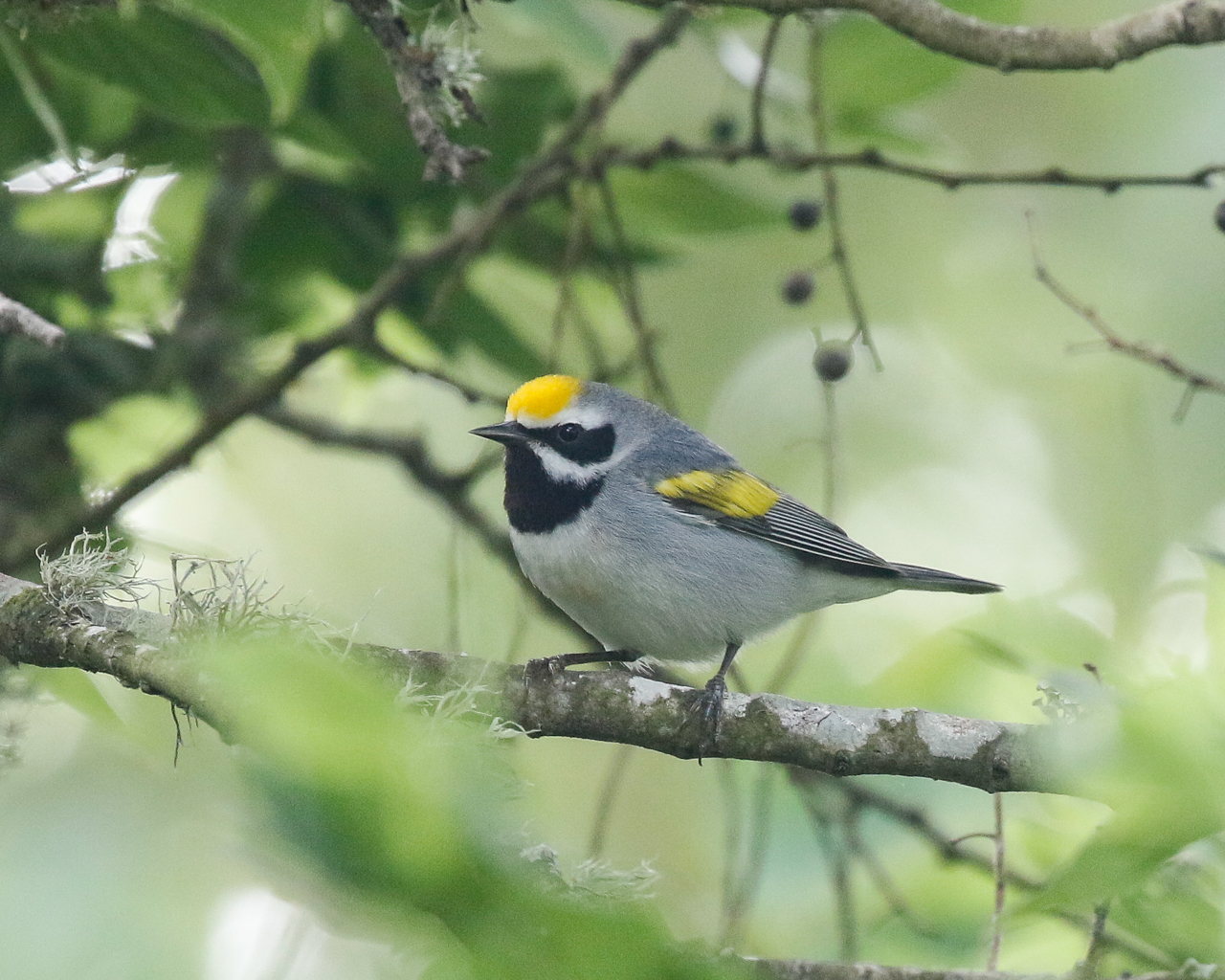
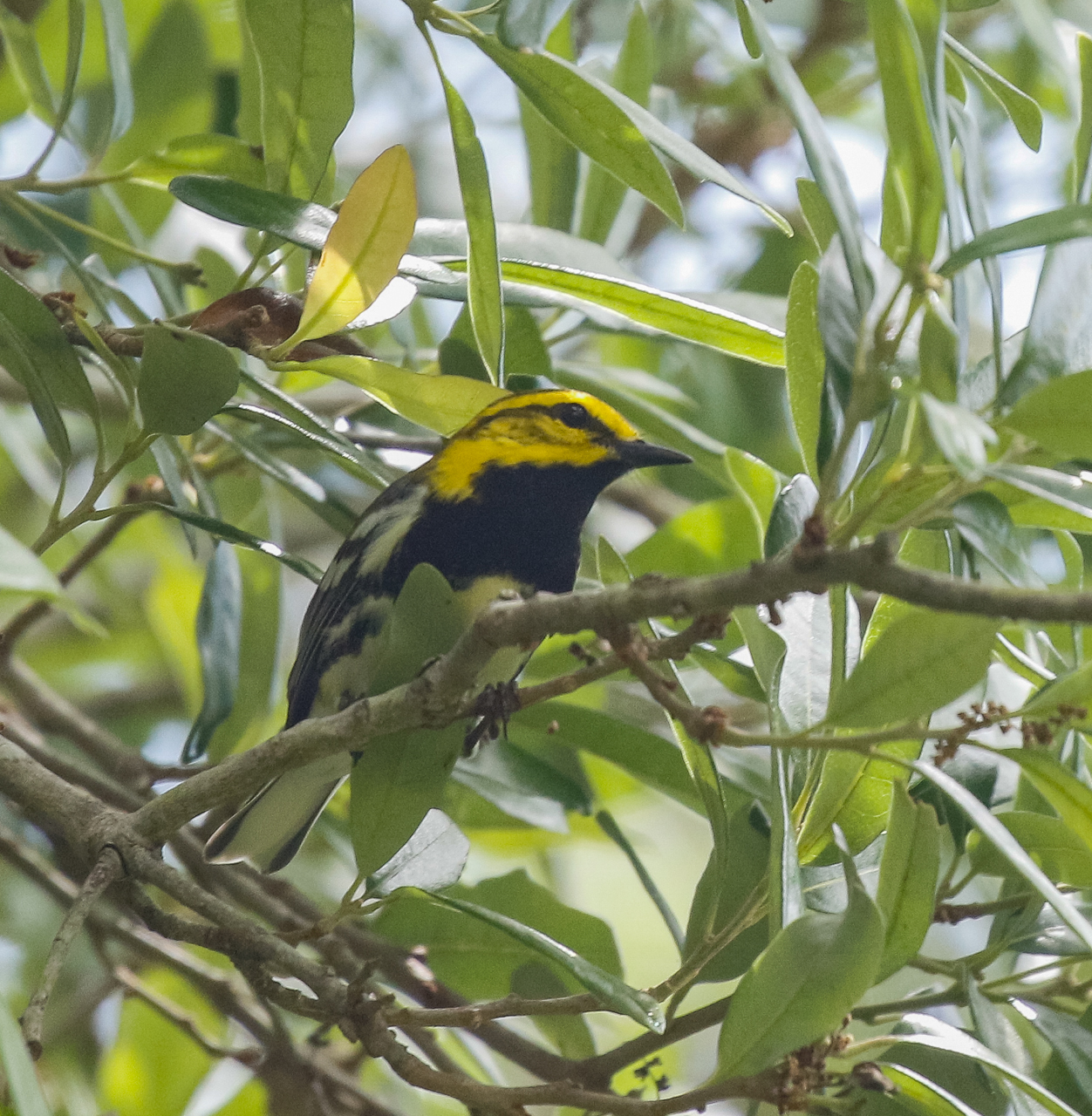
The following morning at the Lost Maples State Natural Area presented challenges as a passing cold front suppressed bird song. Despite the quiet conditions, the group successfully located the Golden-cheeked Warbler, a species that breeds exclusively in the juniper-oak woodlands of central Texas. Prolonged views of several males were supplemented by the unexpected sighting of a rare Short-tailed Hawk soaring overhead, a species more commonly associated with the Florida peninsula or the tropical regions of Mexico.
Scientific Rarity: The Sutton’s Warbler Hybrid
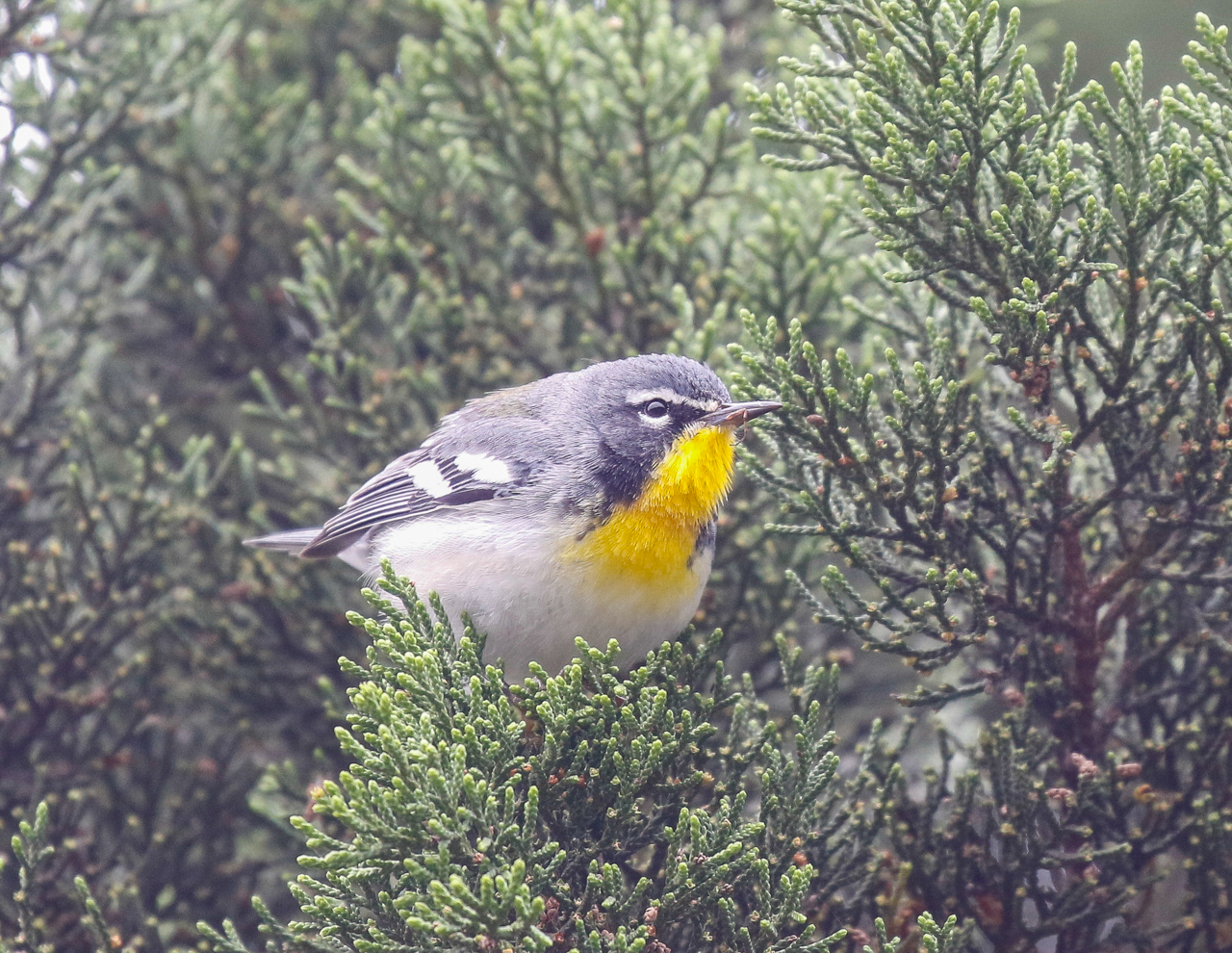
Perhaps the most scientifically significant event of the tour occurred during a picnic lunch at a local bird feeding station. Amidst common residents like the Black-crested Titmouse and Carolina Chickadee, participants discovered a hybrid Northern Parula x Yellow-throated Warbler. This specific hybrid, historically known as "Sutton’s Warbler," is an exceptionally rare find, with national records often occurring less than once per year.
The bird remained in a nearby juniper for several minutes, allowing for detailed photographic documentation and observation of its unique song—a blend of its parent species’ vocalizations. For birders and ornithologists alike, the Sutton’s Warbler represents a rare window into the complexities of avian genetics and the overlapping breeding ranges found within the Texas ecological crossroads.
Coastal Migration: The High Island Fallout
As the tour transitioned to the upper Texas coast, the timing coincided with a major meteorological event. On the first day in High Island, the group experienced a "fallout"—a phenomenon where migrating songbirds, exhausted by head winds or rain during their trans-Gulf flight, descend in massive numbers into the first available coastal woodland.
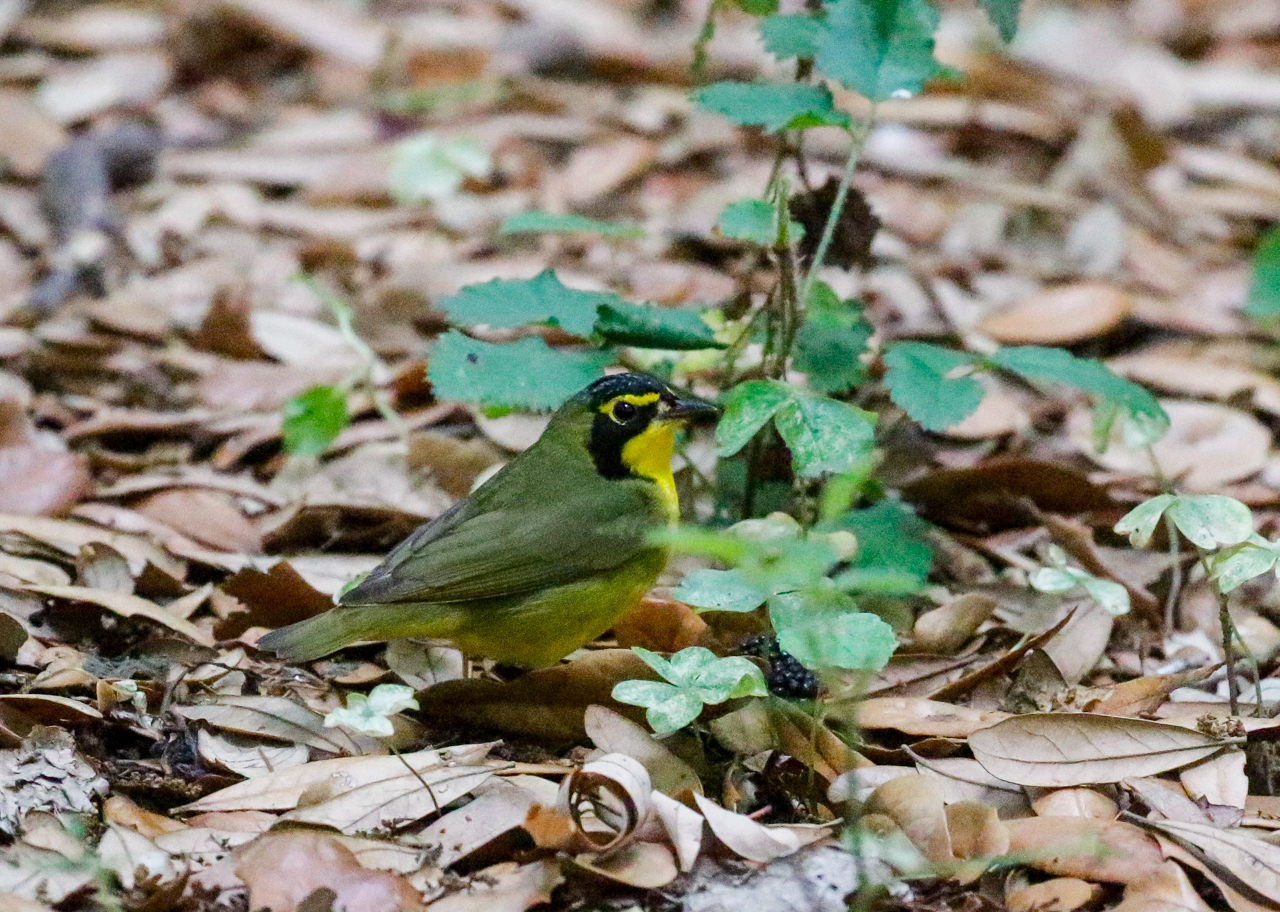
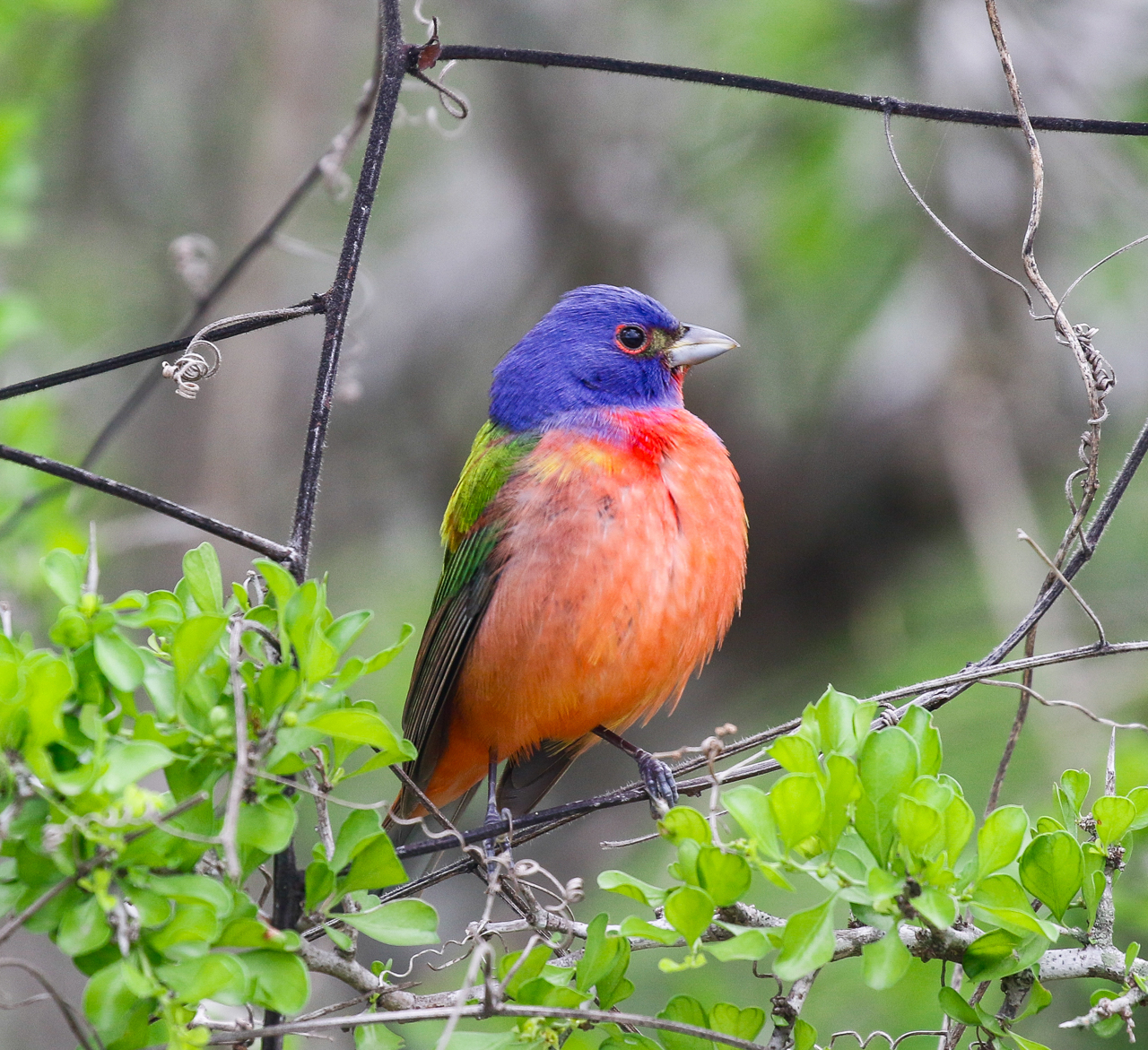
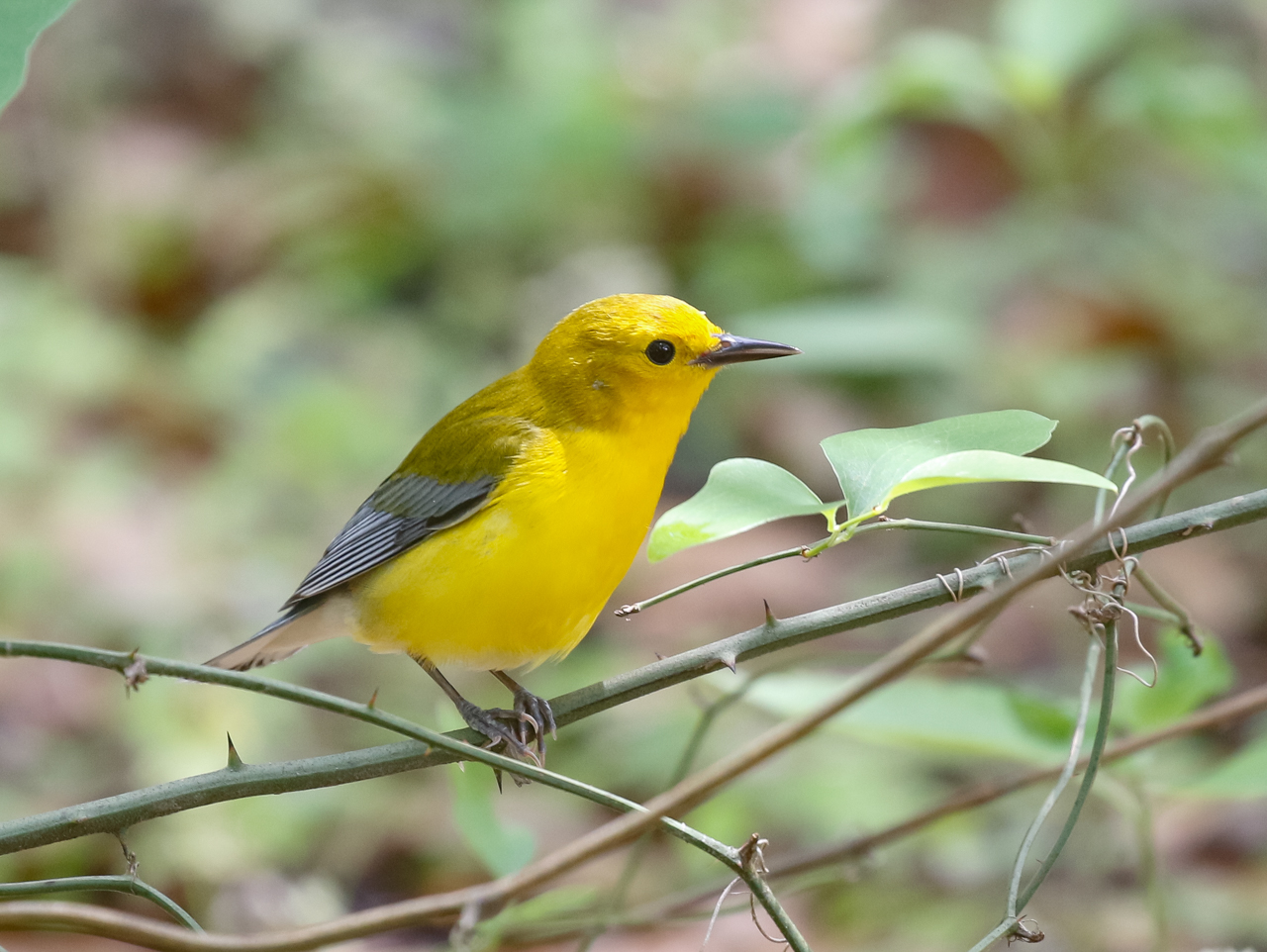
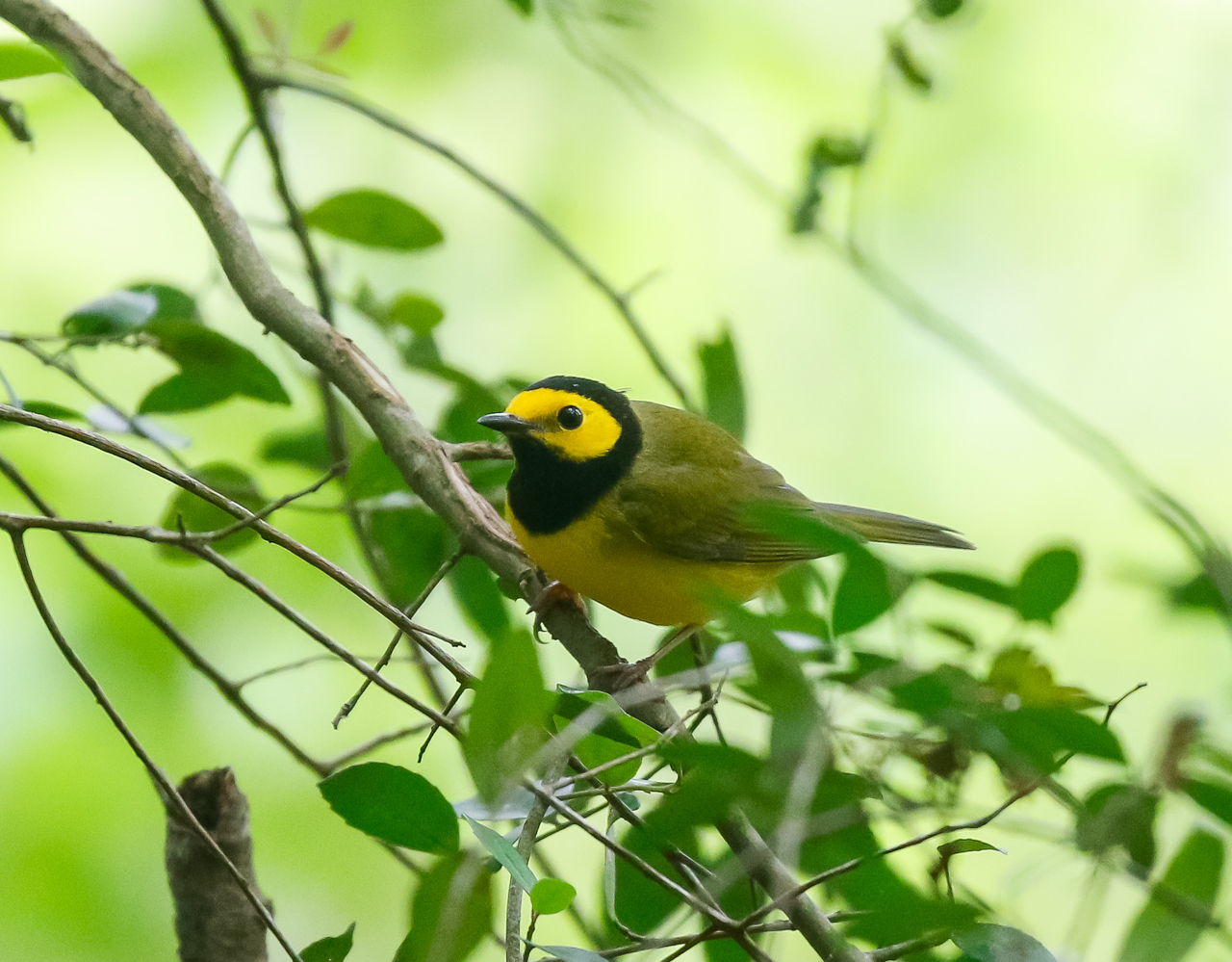
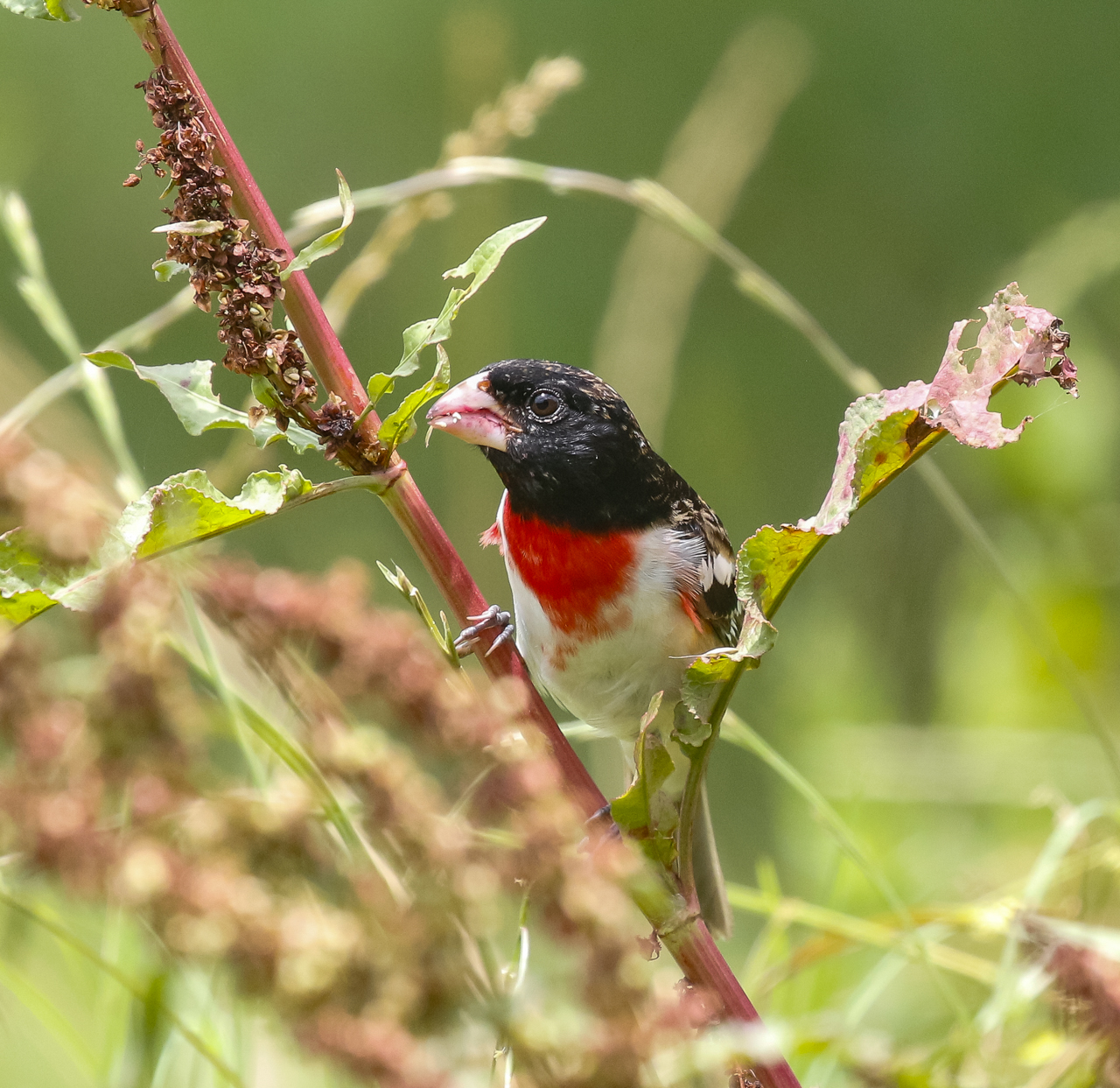
Based in the town of Winnie, the group spent four days navigating the wooded preserves of High Island. The fallout resulted in high concentrations of colorful migrants, including Summer and Scarlet Tanagers, Rose-breasted Grosbeaks, and an impressive array of warblers. Notable sightings included the Prothonotary, Hooded, Cerulean, Golden-winged, and Kentucky Warblers. The presence of both Northern and Louisiana Waterthrushes provided a rare opportunity for side-by-side comparison of these similar-looking species.
Further inland, the Smith Oaks Sanctuary rookery offered a different perspective on coastal life. Nesting waterbirds, including Neotropic Cormorants, Roseate Spoonbills, and various egret species, were observed in peak breeding plumage. The vibrant pink of the spoonbills and the deep purples of the Purple Gallinules provided a stark contrast to the subtle plumage of the woodland migrants.
Wetland Dynamics and Eurasian Vagrants
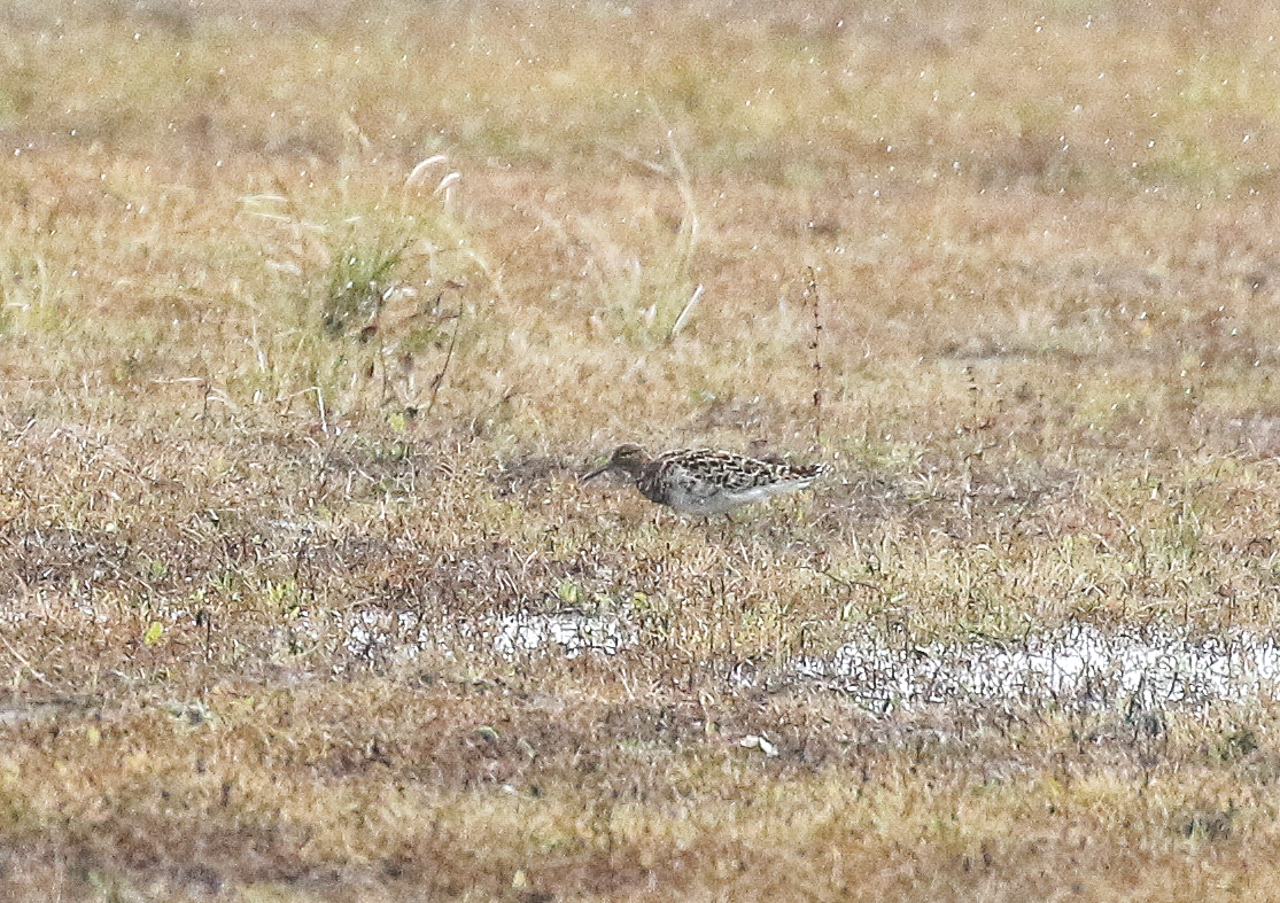
The expedition’s exploration of the agricultural fields between Winnie and High Island revealed the presence of the Ruff, an immature male Eurasian shorebird. The Ruff is a rare wanderer in North America, and its presence in a Texas rice field served as a major draw for the group. This sighting was complemented by a diverse array of shorebirds, including Wilson’s Phalarope, Hudsonian Whimbrel, and both American Golden- and Black-bellied Plovers.
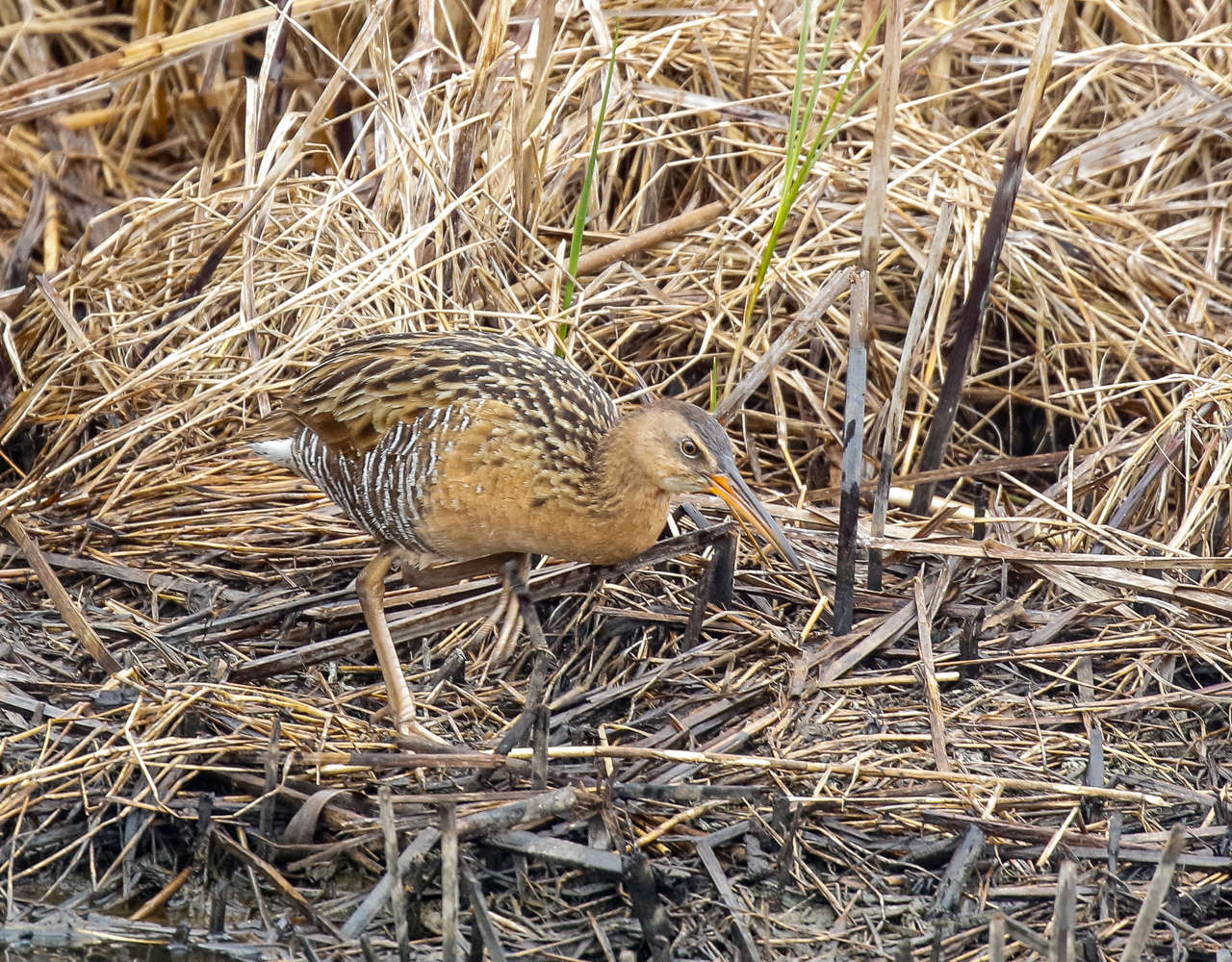
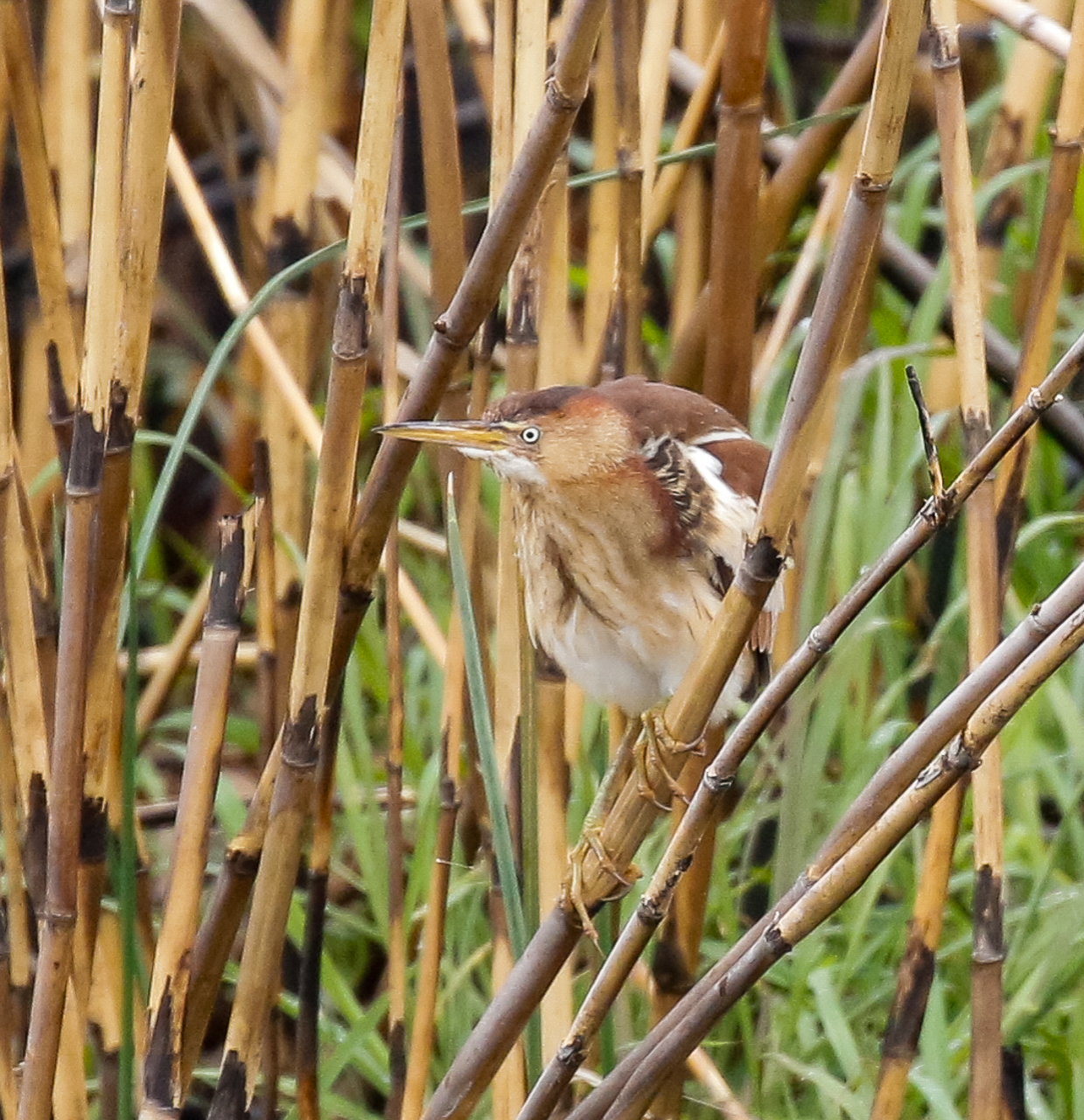
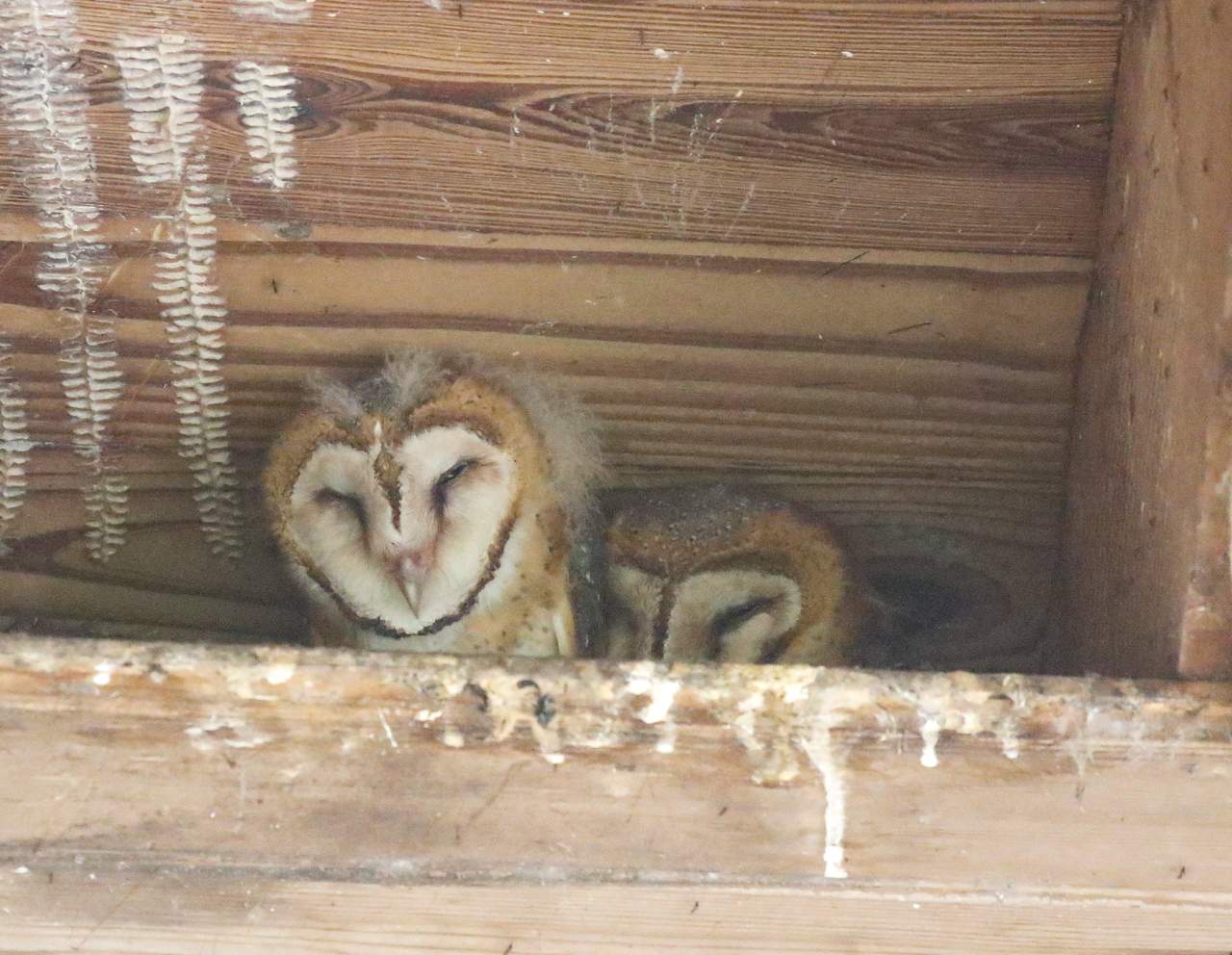
At the Anahuac National Wildlife Refuge, the group recorded a "shocking number" of Least Bitterns, along with King Rails and Soras. The refuge also provided a view of a resident family of American Barn-Owls nesting within a man-made structure. These sightings, combined with the presence of Fulvous Whistling Ducks and an edge-of-range White-tailed Hawk, highlighted the refuge’s status as a premier wetland habitat.
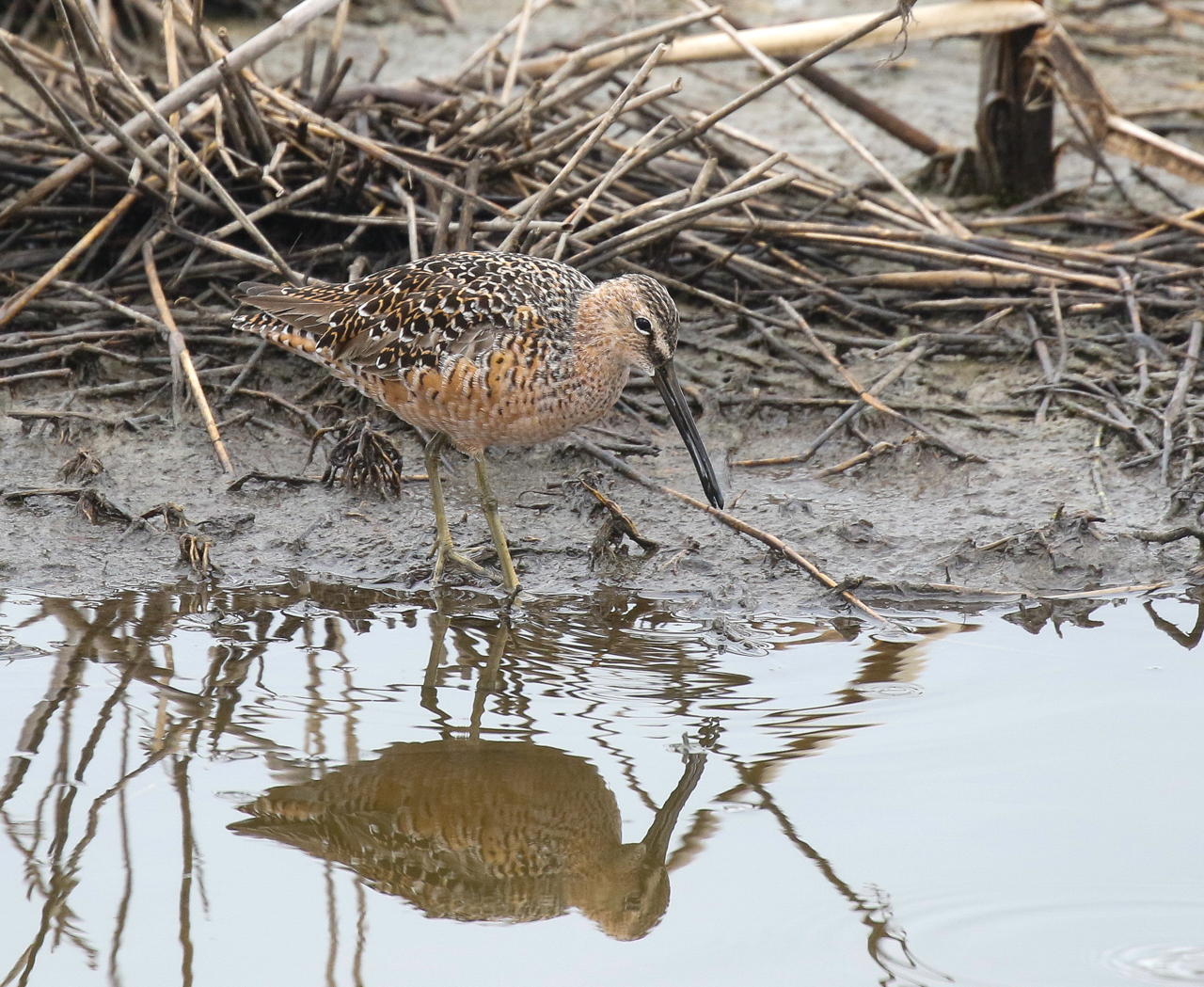
Coastal observations continued at Bolivar Flats, where the group added Piping, Snowy, and Wilson’s Plovers to the trip list. The flats also hosted seven species of terns and the American Oystercatcher, providing a comprehensive look at the state’s shorebird diversity.
The Pineywoods and Range Expansions
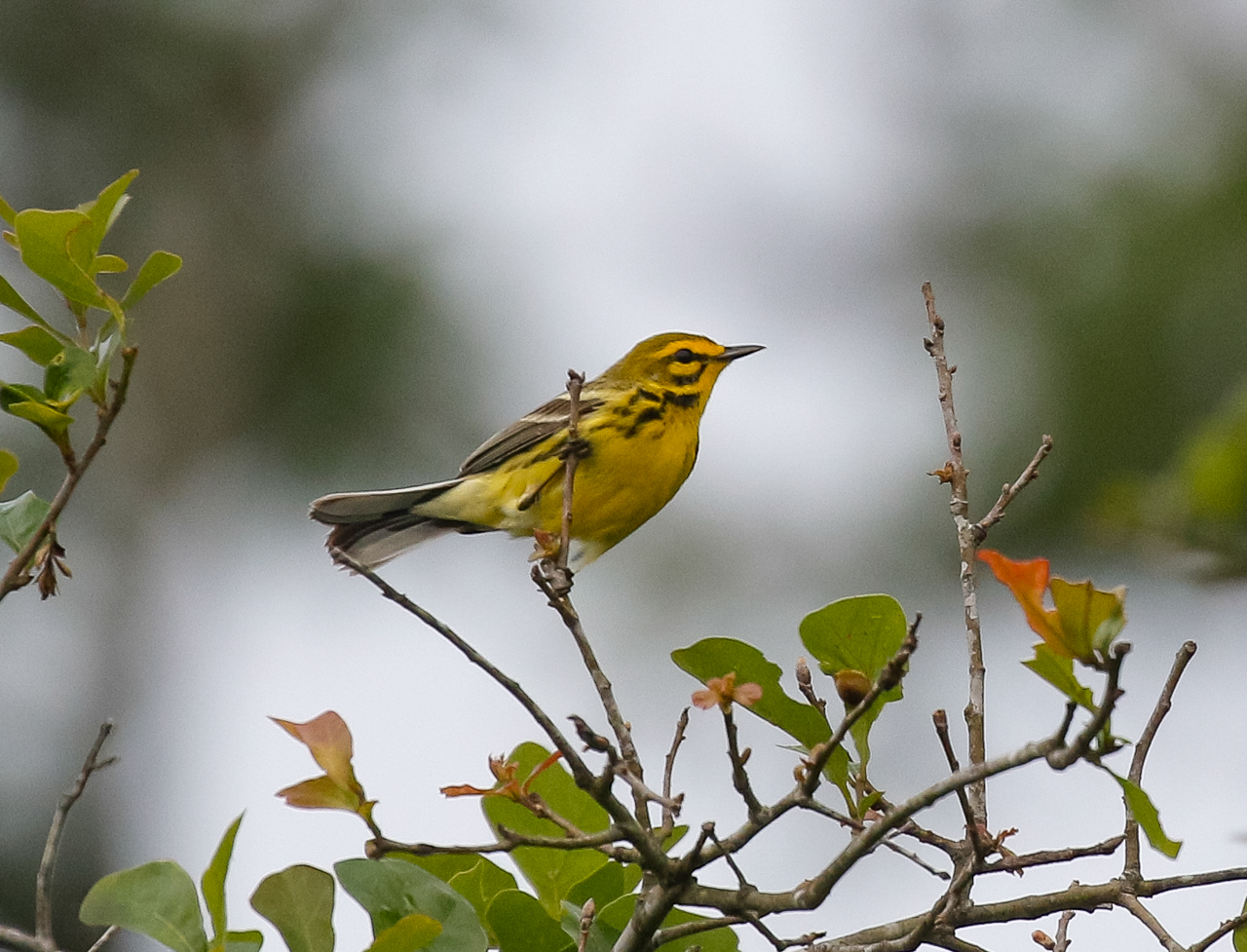
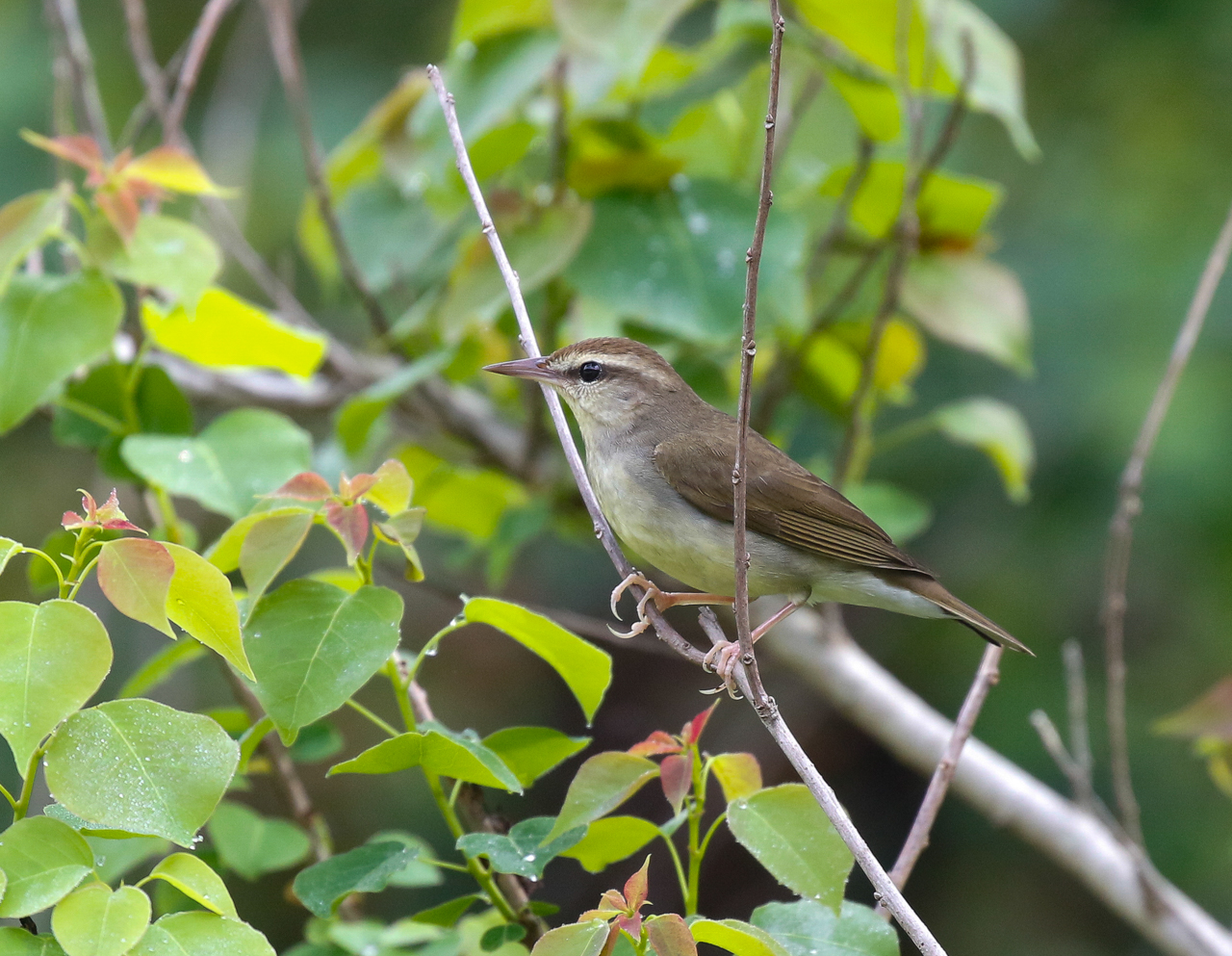
The final leg of the journey took the group into the Big Thicket and the Pineywoods. In the Big Thicket, breeding species such as Swainson’s and Prairie Warblers were the primary focus. A hike through Sabine Woods added Gray-cheeked and Swainson’s Thrushes, further bolstering the expedition’s passerine count.
One of the most notable observations in the swampy regions was the abundance of Limpkins. Historically a Florida specialty, the Limpkin has recently expanded its range into Texas, fueled by the proliferation of invasive apple snails. Their presence signifies a shift in the regional avifauna, likely influenced by changing climate patterns and habitat availability.
The tour concluded in the pine forests with successful sightings of the Red-cockaded Woodpecker and the Brown-headed Nuthatch. The Red-cockaded Woodpecker is a federally protected species that requires mature pine forests with specific heart-rot conditions for nesting. Finding this secretive bird, followed by the social Brown-headed Nuthatch, provided a fitting end to a tour defined by both high-volume migration and the observation of specialized residents.
Analysis and Broader Implications
The recording of 247 species over the course of a single tour is a testament to the biological richness of the Texas coast and interior. From a conservation perspective, the successful sightings of the Golden-cheeked Warbler and Red-cockaded Woodpecker indicate that managed habitats within State Natural Areas and National Forests remain viable for these sensitive species.
Furthermore, the data collected regarding the Sutton’s Warbler and the Ruff contribute to a broader understanding of avian vagrancy and hybridization. The "fallout" event at High Island serves as a reminder of the vulnerability of migratory birds; without the preservation of coastal "islands" of vegetation, these birds would have no place to recover after their arduous journey across the Gulf.
The economic impact of such tours is also significant. Birding tourism is a multi-million dollar industry in Texas, particularly in coastal counties. The presence of rare species like the Ruff often triggers an influx of "twitchers" or bird-watchers from across the country, providing a seasonal boost to local economies in towns like Winnie and High Island.
As the spring migration draws to a close, the results of this tour reinforce Texas’s reputation as one of the premier birding destinations in the world. The combination of rare hybrids, Eurasian wanderers, and the sheer volume of neo-tropical migrants ensures that the state remains a critical focal point for ornithological study and conservation efforts in North America.
