
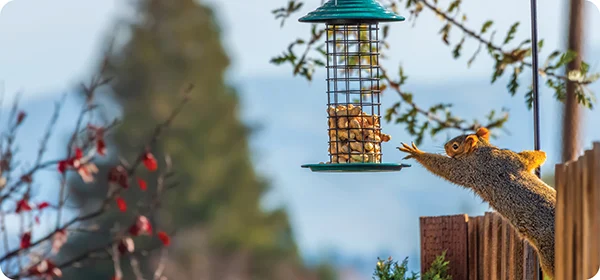
The persistent quest for sustenance drives wildlife, and for many backyard birds, feeders represent a vital and convenient source of nutrition. However, this readily available bounty often attracts a broader spectrum of visitors, including squirrels and certain bird species, whose enthusiastic appetites can quickly deplete supplies and disrupt the intended avian dining experience. For dedicated bird enthusiasts, managing these "critter solutions" is a common challenge, requiring a strategic approach to ensure their feathered friends receive their rightful share. Wild Birds Unlimited, a prominent retailer specializing in backyard bird feeding, offers a comprehensive guide to navigating these common backyard dilemmas, emphasizing practical, humane, and effective methods to protect feeders and maintain a harmonious ecosystem.
The core of the issue lies in the inherent nature of wildlife. Squirrels, known for their remarkable agility and problem-solving abilities, view bird feeders as an open invitation to a readily available food source. Their ability to leap considerable distances and scale various surfaces makes them formidable adversaries for even the most well-intentioned feeder setups. Similarly, certain bird species, often labeled as "nuisance birds" by frustrated observers, can congregate in large numbers, consuming vast quantities of seed and effectively monopolizing the feeders, leaving less dominant species without access. This scenario not only leads to increased costs for seed replenishment but also diminishes the joy and intended purpose of providing a feeding station for a diverse array of birds.
Understanding the Challenges: Squirrels and "Nuisance" Birds
Squirrels, members of the rodent family, are particularly adept at exploiting any perceived weakness in feeder defenses. Their strong claws and dexterous paws allow them to grip and maneuver on a variety of surfaces, and their keen intelligence enables them to learn and adapt to human attempts at deterrence. Beyond simply consuming seed, their persistent efforts to access feeders can lead to damage of the feeders themselves, which can often be costly investments for hobbyists. The agile nature of squirrels means that many standard feeder designs are easily overcome, necessitating specialized solutions.
The term "nuisance birds" is a subjective descriptor, typically applied to species that, by their sheer numbers or aggressive feeding habits, overshadow or exclude other, more desired bird species. While these birds are a natural part of the ecosystem, their overwhelming presence at feeders can be disheartening for those who aim to attract a wider variety of avian visitors. Species like starlings and grackles, for instance, can descend upon feeders in large flocks, quickly emptying them and discouraging smaller, more timid birds from even approaching. This creates an imbalance, where the intended beneficiaries of the feeders are left underserved.
Strategic Defenses: Baffling and Exclusion for Squirrels
Wild Birds Unlimited highlights several key strategies for effectively deterring squirrels from bird feeders, focusing on physical barriers and placement. One of the most widely recommended solutions is the use of stovepipe baffles. These smooth, metal cylinders are designed to be installed on the pole of a feeder system. When positioned correctly, they create an insurmountable obstacle for squirrels. The critical factor for effectiveness is placement: the baffle should be at least five feet above the ground. Furthermore, the entire pole system, including the feeder, must be situated at least ten feet away from any potential launching points such as trees, bushes, or fences. This distance prevents squirrels from executing leaps onto the feeder or baffle, effectively turning a pole-mounted feeder into a squirrel-proof sanctuary.
For feeders that are hung from trees or other overhead structures, a different approach is necessary. In these cases, the use of a domed squirrel baffle is recommended. This type of baffle is placed directly above the feeder, typically on the hanging wire or chain. The dome acts as a physical barrier, preventing squirrels from climbing down from above to reach the feeder. When combined with feeders designed for smaller birds, such as tube or hopper feeders, this setup offers robust protection.
Another effective method involves enclosing the feeder within a wire cage. These cages are designed with openings large enough for small to medium-sized birds to pass through, but too small for squirrels or larger "nuisance" birds to access the seed. These exclusion cages can be retrofitted to a wide variety of existing feeders, offering a versatile solution for many backyard setups. The dimensions of the cage openings are crucial, ensuring that the target birds can feed comfortably while the unwanted visitors are kept at bay.
Tailoring Food and Feeders for Desired Avian Visitors
Beyond physical deterrents for squirrels, the choice of birdseed and feeder design plays a pivotal role in managing "nuisance" birds and attracting specific species. The principle is to make the offerings less appealing to the unwanted visitors while remaining attractive to the preferred birds.
Certain types of birdseed are particularly favored by species that tend to dominate feeders. Cracked corn and millet, for example, are often consumed rapidly by larger flocks, including grackles and pigeons. By avoiding these seeds, or using them in very limited quantities, enthusiasts can reduce the appeal of their feeders to these particular groups.

In their place, safflower seed is often recommended. While it may not be universally loved by all desirable birds, many common feeder birds, such as cardinals, finches, and chickadees, readily consume it. Crucially, many "nuisance" birds, like blackbirds and starlings, tend to avoid safflower. This selective appeal makes it a valuable tool for redirecting feeding patterns.
Pure suet cakes, as opposed to blends that may contain fillers or added ingredients, are another excellent choice. While starlings, known for their aggressive feeding, often ignore pure suet, it remains a highly attractive food source for woodpeckers, nuthatches, and other cavity-nesting birds. Offering pure suet in a specialized suet feeder can provide a dedicated dining experience for these specific avian species.
Feeder design also contributes significantly to controlling which birds can access the food. Weight-sensitive feeders are engineered with a mechanism that closes off feeding ports when a bird exceeding a certain weight lands on the perch. This effectively excludes larger, heavier birds, allowing smaller birds to feed undisturbed. Similarly, feeders equipped with mesh cages or limited perch lengths can physically prevent larger birds from landing and feeding, while smaller birds can navigate the openings and perches with ease. Some feeders are designed with very short perches or no perches at all, specifically to favor smaller, perching birds and deter larger ones.
The Role of Expert Advice and Educational Resources
The complexities of backyard bird feeding and critter management often benefit from expert guidance. Wild Birds Unlimited emphasizes the value of consulting with their Certified Bird Feeding Specialists®. These trained professionals, available at their retail locations, can offer personalized advice based on local wildlife, common feeder challenges, and the specific goals of the individual birdwatcher. They can assess a customer’s current setup, recommend appropriate products, and provide insights into bird behavior and seed preferences. This hands-on expertise is crucial for troubleshooting persistent issues and optimizing backyard feeding environments.
Furthermore, educational resources play a vital role in empowering bird enthusiasts. Wild Birds Unlimited extends its outreach through platforms like the Nature Centered Podcast. Episode 76, specifically titled "Critter Solutions," delves deeper into the strategies and products discussed for managing squirrels and nuisance birds. Such resources provide accessible, in-depth information that complements in-store advice, allowing individuals to become more informed and effective stewards of their backyard ecosystems.
Broader Implications for Wildlife Management and Conservation
The challenges presented by critter solutions at backyard feeders, while seemingly localized, reflect broader themes in human-wildlife interaction. As urban and suburban landscapes expand, the natural habitats of many species are reduced, leading to increased reliance on human-provided resources. Understanding and managing these interactions is not merely about protecting birdseed; it’s about fostering a balanced coexistence between humans and wildlife.
Effective critter management, as advocated by organizations like Wild Birds Unlimited, contributes to the health and well-being of bird populations. By ensuring that feeders provide a reliable and accessible food source for intended species, these efforts can support bird populations, especially during challenging seasons. Moreover, by employing humane and non-lethal deterrents, enthusiasts contribute to a more ethical approach to wildlife management. The focus on providing appropriate food and feeders for specific species also encourages a greater appreciation for avian biodiversity, fostering a deeper connection with nature.
The strategies employed—baffles, exclusion cages, selective feeding—are practical applications of ecological principles. They acknowledge that wildlife is driven by instinct and resource availability. By understanding these drivers, humans can create environments that are beneficial for both themselves and the creatures they wish to observe and support. This proactive approach to managing human-wildlife interfaces in residential areas can have a positive ripple effect, contributing to the overall health of local ecosystems and promoting responsible environmental stewardship. The ongoing dialogue and sharing of information through resources like podcasts and expert consultations are essential for evolving best practices and ensuring that backyard bird feeding remains a sustainable and enjoyable hobby for generations to come.
