
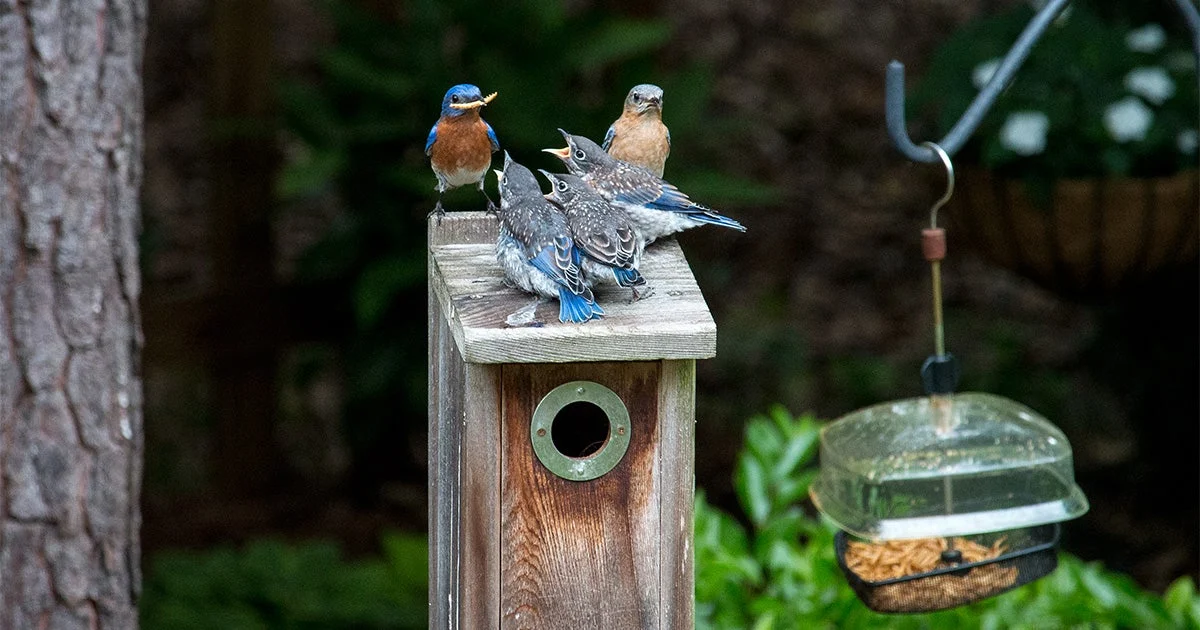
The vibrant flash of an Eastern Bluebird is a welcome sight in any landscape, a symbol of natural beauty and a testament to successful conservation efforts. For Ben Haywood, Audubon’s director of community science, this vision became a daily reality when he moved to South Carolina. In the spring of 2022, a pair of Eastern Bluebirds adopted the nest box he installed, marking the beginning of a remarkable five-year tenancy by the same female, now with a new mate. Haywood’s experience underscores a fundamental truth: with the right approach, homeowners can transform their outdoor spaces into year-round sanctuaries for these cherished songbirds. His success, driven by a holistic approach encompassing food, water, habitat, and native plants, demonstrates that even after the breeding season, these loyal birds will remain close, drawn by consistent provision and a welcoming environment.
North America is home to three distinct species of bluebirds, each with specific habitat preferences and geographic ranges. The Eastern Bluebird (Sialia sialis), renowned for its brilliant azure plumage and rusty breast, is predominantly found east of the Rocky Mountains. Its range extends from southern Canada down to the southeastern United States, and further south from southern Arizona to Nicaragua, thriving in open, tree-scattered lands, orchards, and suburban areas with ample edge habitat. To the west, the Western Bluebird (Sialia mexicana) graces landscapes from British Columbia down through northern Baja California, extending inland to Colorado and south into Mexico. While sharing the Eastern Bluebird’s characteristic rusty breast, its blue tones can appear deeper and often extend further down its back. Finally, the Mountain Bluebird (Sialia currucoides), a truly cerulean bird without the rusty markings, largely overlaps with the Western Bluebird’s range but prefers higher elevations, open meadows, and prairies, often nesting in cliffs or old woodpecker holes.
A History of Resilience: Bluebirds and Conservation
The story of North American bluebirds is one of both challenge and remarkable recovery, illustrating the critical impact of human activity and concerted conservation efforts. In the mid-20th century, bluebird populations, particularly the Eastern Bluebird, faced significant declines. This downturn was primarily attributed to several converging factors: widespread habitat loss due to expanding agriculture and urbanization, intense competition for nesting cavities from invasive species like the European Starling (Sturnus vulgaris) and House Sparrow (Passer domesticus), and the detrimental effects of widespread pesticide use, particularly DDT, which decimated insect populations vital to their diet and directly impacted their reproductive success.
The alarming decline spurred a grassroots conservation movement. Organizations like the North American Bluebird Society (NABS), founded in 1978, played a pivotal role in educating the public and coordinating conservation initiatives. A cornerstone of these efforts was the promotion of species-specific nest boxes, designed to mimic natural cavities while providing protection from predators and competitors. Thousands of "bluebird trails" – networks of monitored nest boxes – were established by dedicated volunteers across the continent. This citizen science approach, coupled with a greater understanding of bluebird ecology and the eventual ban of DDT, gradually reversed the species’ fortunes. Today, Eastern and Western Bluebird populations are considered stable or increasing in many areas, a testament to what focused conservation, driven by community involvement, can achieve. Mountain Bluebird populations have also seen recovery, though they remain vulnerable to habitat changes in their specialized environments.
Despite these successes, bluebirds continue to face ongoing threats, primarily from continued habitat fragmentation, climate change, and localized pesticide use. This underscores the ongoing importance of individual actions, such as those championed by Ben Haywood, in creating and maintaining welcoming habitats. If your property offers the requisite blend of open space and scattered trees, adopting the following strategies can significantly contribute to local bluebird populations and bring their serene beauty to your backyard.
Strategies for Attracting Bluebirds: A Comprehensive Guide
Attracting bluebirds requires a multi-faceted approach that caters to their fundamental needs: food, water, and safe nesting sites. By systematically addressing these elements, homeowners can create an irresistible haven for these stunning thrushes.
1. The Irresistible Lure of Mealworms and Supplemental Feeders
Bluebirds are primarily insectivorous, especially during the breeding season when protein-rich insects are crucial for chick development. Their diet consists of a variety of ground-dwelling insects, including crickets, grasshoppers, beetles, and caterpillars. Among these, mealworms are a particular favorite and serve as an excellent bait to draw bluebirds to your yard. Mealworms are actually the larval stage of darkling beetles and can be offered in two primary forms:
- Live Mealworms: These are essential during the breeding season. Bluebird nestlings require the moisture content found in live mealworms to stay hydrated, a critical factor for their survival and growth. Parents will readily carry live mealworms back to the nest box to feed their demanding broods. Live mealworms can often be purchased in bulk from local pet stores, bird supply stores, or online retailers.
- Freeze-Dried Mealworms: While convenient and easy to store, freeze-dried mealworms lack the crucial moisture content of their live counterparts. They can be offered outside of the breeding season as a supplemental food source but should not be the sole offering for nesting bluebirds.
To prevent larger, more aggressive birds from quickly depleting your mealworm supply, specialized feeders are highly recommended:
- Hopper-Style Feeders: These feeders dispense freeze-dried worms through small holes, accessible only to smaller birds like bluebirds.
- Cage-Style Feeders: These feeders enclose the mealworms (live or dried) within a wire cage, featuring openings just large enough for bluebirds to enter but too small for larger species such as jays, grackles, or starlings. Mealworms are typically placed on a platform or in a cup within the cage.
It is important to note that while mealworms are a high-protein treat, they are not nutritionally complete, particularly lacking in calcium. Therefore, bluebirds benefit from a diverse diet. As Ben Haywood observes, "I have seed out for other types of birds, and they will eat sunflower seeds that are hulled." Offering hulled sunflower seeds or suet (especially during colder months) can provide additional nutrients and fat, supplementing their insect and berry diet. Always ensure feeders are clean to prevent disease transmission.
2. Erecting and Protecting the Perfect Nest Box
While supplemental feeding can attract bluebirds, a properly designed and protected nest box is often the ultimate incentive for them to establish residence and raise families. Bluebirds are secondary cavity nesters, meaning they rely on existing holes in trees or structures, rather than excavating their own. Natural cavities are increasingly scarce, making nest boxes vital for their reproductive success.
-
Nest Box Specifications:
- Design: Bluebird-specific nest boxes, whether commercially bought or handmade, should adhere to certain dimensions. For Eastern Bluebirds, the entrance hole should be 1.5 inches in diameter, placed about 6 inches above the floor. Western and Mountain Bluebirds may prefer a slightly larger hole, up to 1 9/16 inches. The floor dimensions should be approximately 4×4 or 5×5 inches, with a box depth of 8-12 inches.
- Materials: Untreated wood (cedar, pine, or redwood) is preferred for insulation and durability. Avoid pressure-treated wood due to potential chemical leaching.
- Features: Good ventilation (small gaps at the top or drilled holes) and drainage holes (drilled in the floor or corners) are crucial to prevent overheating and water accumulation. A side or front panel that opens facilitates easy monitoring and cleaning. A lack of an internal perch is desirable, as bluebirds do not require one, and it can deter House Sparrows.
-
Placement and Orientation:
- Height: Nest boxes should be mounted on a sturdy pole or post at a height of four to six feet from the ground.
- Direction: The entrance hole should ideally face east or southeast, away from the prevailing winds and direct afternoon sun, which can overheat the box.
- Visibility: Placing the nest box within view of a window offers the homeowner the joy of observing the birds and the advantage of easily monitoring for potential issues. As Haywood notes, "Fortunately, I can see my nest box from one of my main windows in my front room, and so I’m always kind of keeping an eye on it."
-
Managing Competition and Predators:
- Invasive Species: House Sparrows are aggressive competitors for nest boxes and will often evict bluebirds, destroy eggs, or kill nestlings. To deter them, avoid boxes with perches. Regular monitoring and removing sparrow nests promptly can help. Some advanced strategies involve using slot-entrance boxes or modifying standard boxes to be less appealing to sparrows.
- Predators: Raccoons, snakes, and even house cats pose significant threats to nesting bluebirds.
- Baffles: A wobbling stovepipe or cone-shaped plastic baffle, installed on the pole below the nest box, is highly effective at preventing climbing predators like raccoons and snakes from reaching the nest. These should be at least 24 inches long and mounted 4-5 feet off the ground.
- Entrance Hole Protection: Squirrels can chew through the wooden entrance hole to enlarge it or access the nest. A rectangular piece of sheet metal with an identical hole cut out can be placed over the existing entrance to prevent this.
- Territoriality: Bluebirds are territorial during breeding season. If placing multiple boxes, maintain a distance of at least 300 feet between them to prevent disputes. However, if Tree Swallows (Tachycineta bicolor) are also present in your area, they too will utilize bluebird nest boxes. To mitigate direct competition, place boxes in pairs, with 5 to 10 feet between each box. This strategy often allows both species to nest successfully, with Tree Swallows occupying one box and bluebirds the other, as they defend separate territories.
-
Monitoring and Maintenance: Regular, non-intrusive monitoring of nest boxes is a cornerstone of responsible bluebird stewardship and contributes valuable data to community science projects. Check boxes weekly during the breeding season, noting progress and addressing any issues. After each brood fledges, or at the end of the nesting season (typically late fall), clean out old nesting material to prepare for future occupants and prevent parasite buildup.
3. The Vital Role of Native Plants and Pesticide Avoidance
Beyond providing supplemental food, creating a natural food source through native plant landscaping is crucial for year-round bluebird support. While insects are primary during spring and summer, bluebirds shift their diet to berries in the fall and winter months when insects become scarce.
-
Berry-Producing Native Plants: Incorporating native berry-producing shrubs and trees into your garden provides essential winter sustenance. Excellent choices include:
- Hollies (Ilex spp.): American Holly, Winterberry Holly.
- Dogwoods (Cornus spp.): Flowering Dogwood, Silky Dogwood.
- Serviceberries (Amelanchier spp.): Often called Juneberries or Saskatoon berries.
- Viburnums (Viburnum spp.): Many native species offer berries.
- Sumacs (Rhus spp.): Especially the fruit of Smooth Sumac or Winged Sumac.
- Eastern Red Cedar (Juniperus virginiana): Its berries are a vital winter food source.
These plants not only offer food but also provide shelter and perching sites.
-
Supporting Insect Populations: Native plants are the foundation of healthy insect ecosystems. They host a greater diversity of caterpillars and other insects compared to non-native species, thereby ensuring a robust food supply for bluebirds and their young. By planting native flora, you are indirectly feeding bluebirds.
-
Eliminating Pesticides: The use of lawn and garden pesticides is highly detrimental to bluebirds. Pesticides directly reduce the insect populations that bluebirds depend on for food. Furthermore, bluebirds can ingest harmful chemicals directly by consuming contaminated insects, leading to illness, reproductive failure, or death. Adopting organic gardening practices, tolerating some insect damage, and using integrated pest management strategies are crucial steps in creating a safe environment.
4. Providing Accessible Water Sources
Like all birds, bluebirds require fresh, clean water for drinking and bathing. A reliable water source can significantly increase your yard’s appeal, especially during dry spells or extreme temperatures.
-
Bird Bath Design:
- Shallow Depth: Bluebirds prefer shallow water, typically no more than 1-2 inches deep. A gently sloping basin or a bath with varying depths is ideal.
- Textured Surface: A rough or textured surface provides better grip for birds, making them feel more secure.
- Placement: Place the bird bath in an open area, but near shrubs or trees, allowing bluebirds easy access while providing cover from predators.
-
Enhancements for Attraction:
- Drippers or Fountains: Bluebirds are particularly attracted to the sight and sound of moving water. A dripper, mister, or a small fountain creates ripples and draws their attention, signaling a fresh water source.
- Regular Cleaning: To prevent the buildup of algae, bacteria, and potential disease, clean the bird bath frequently, ideally every few days, with a stiff brush and water. Avoid harsh chemicals.
Broader Impact and Community Engagement
The efforts of individual homeowners like Ben Haywood extend far beyond their property lines, contributing significantly to broader conservation goals. Backyard habitats act as crucial stepping stones and corridors for wildlife, mitigating the effects of habitat fragmentation across suburban and rural landscapes. By supporting bluebirds, homeowners become active participants in community science initiatives, contributing valuable data on nesting success, population trends, and migratory patterns through platforms like eBird or local bluebird trail programs. This data is vital for scientists and conservationists to understand and protect bird populations.
Furthermore, fostering a bluebird-friendly yard provides immense educational value. Observing these beautiful birds through their life cycle – from courtship and nest building to raising their young and foraging – offers a profound connection to nature, inspiring future generations of conservationists. It teaches patience, responsibility, and the intricate balance of local ecosystems.
Conclusion: A Friendship for Life
The journey to attract and retain bluebirds may require initial effort and ongoing commitment, but the rewards are immeasurable. Bluebirds, in their inherent loyalty, will often return to a space that consistently meets their needs. "Bluebirds, in my experience, are incredibly loyal, in that once they find a space that they’re excited about, they’ll continue to come back," Haywood affirms. He encourages perseverance: "Maybe you don’t get them originally, right off the bat, but just continue to tweak here and there, and once they do discover it, you will have a friend for life."
By thoughtfully providing appropriate nesting structures, reliable food sources, clean water, and a landscape rich in native plants free from harmful pesticides, homeowners can play a direct and impactful role in the conservation of these magnificent songbirds. The flash of azure across your lawn is more than just a beautiful sight; it is a living testament to successful human-wildlife coexistence and the enduring spirit of nature in our backyards.
