
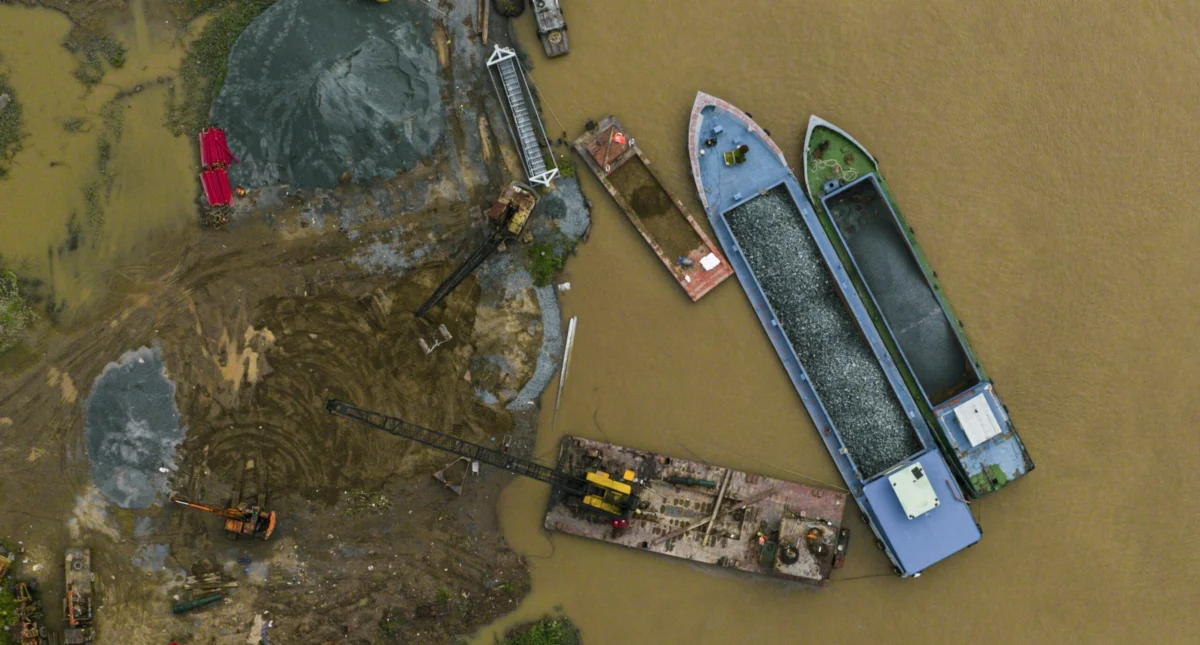
The relentless global appetite for sand, fueled by an ever-expanding population, burgeoning economies, and rapid urbanization, is now critically outpacing its sustainable replenishment. This alarming imbalance poses a profound threat to global water and food security, undermines climate resilience, jeopardizes biodiversity, and jeopardizes the very foundations of sustainable development, according to a stark new report from the United Nations Environment Programme (UNEP). The comprehensive study, titled "Sand and Sustainability: An Essential Resource for Nature and Development," urges governments and industries worldwide to acknowledge the intrinsic and multifaceted value of sand – not merely as a building material, but as a vital component of natural systems and a linchpin for climate resilience. It calls for these diverse values to be fully integrated into the governance of sand extraction and utilization.
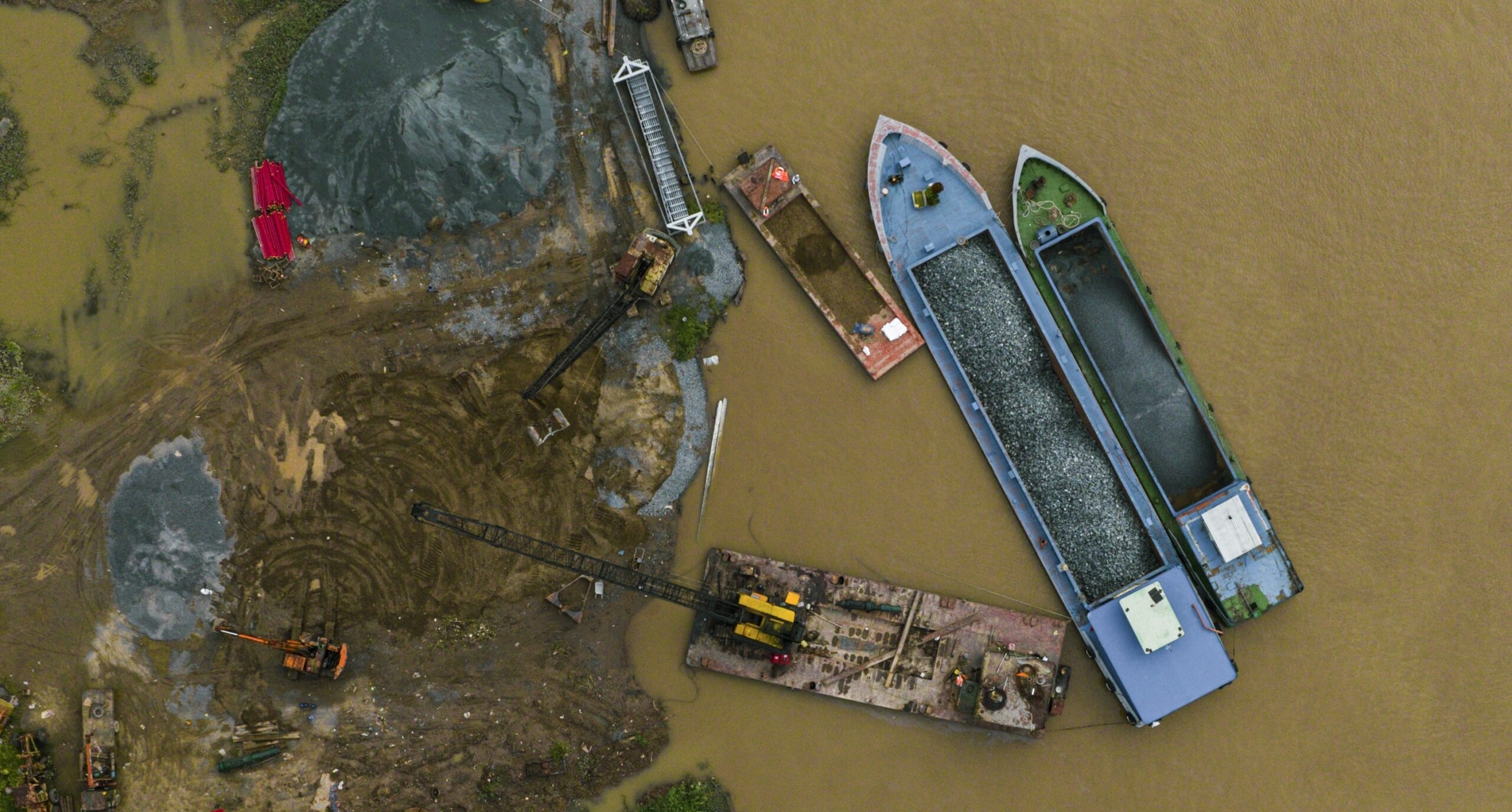
Sand, often overlooked in its ubiquity, is the largest extractive industry on Earth. Annually, an astonishing 50 billion tonnes of sand are mined globally, predominantly from the planet’s freshwater and coastal wetland ecosystems. This immense volume is indispensable for the construction of critical infrastructure, forming the bedrock of modern societies, economies, and development projects, from the concrete that builds our cities to the asphalt that paves our roads.
The natural processes that create sand are geological in scale, occurring over vast stretches of time through gradual erosion. Humanity’s current rate of consumption far exceeds this natural regeneration capacity. Projections indicate that the demand for sand will continue to escalate dramatically, with the need for buildings alone expected to surge by up to 45 percent by 2060. This trajectory signals an unsustainable depletion of a finite resource.
Pascal Peduzzi, Director of the UNEP Global Resource Information Database Geneva (GRID-Geneva), articulated the gravity of the situation: "Sand is sometimes referred to as the unrecognized hero of development, but its essential role in sustaining natural services that we depend on is even more overlooked. Sand is our first line of defense against sea level rise, storm surges, and salination of coastal aquifers, all hazards exacerbated by climate change."
The Dual Nature of Sand: Dead vs. Alive
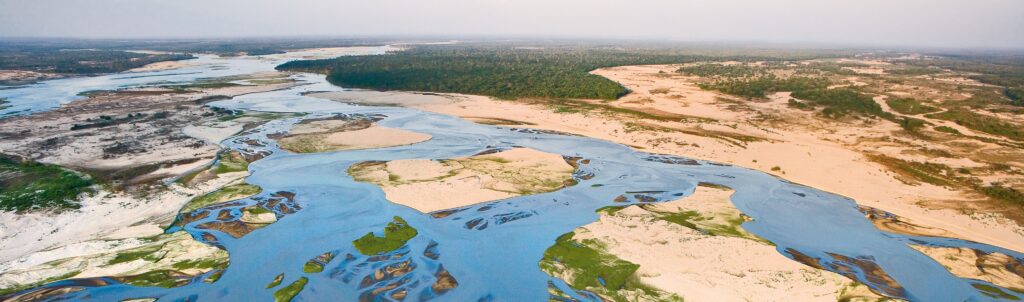
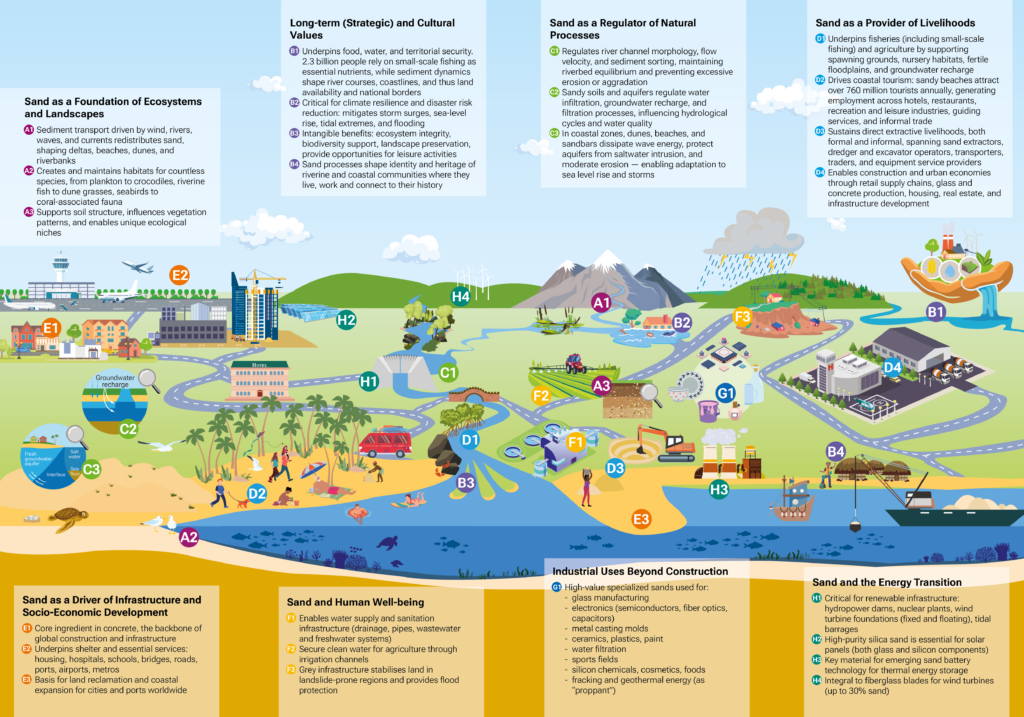
The UNEP report meticulously details a fundamental tension: sand extracted and transformed into products like concrete, asphalt, and glass is effectively removed from natural systems, becoming "dead" sand. Conversely, sand that remains in rivers, deltas, and coastal zones, referred to as "alive" sand, continues to play a crucial role in maintaining landscape stability and essential ecosystem functions. These functions include filtering water, regulating river flows, protecting shorelines from erosion, sustaining deltas, preventing the intrusion of saltwater into coastal aquifers, and supporting biodiversity.
Richard Lee, Global Head of Communications at Wetlands International, who reviewed the report, emphasized this critical distinction: "Sand is not only a cornerstone of our societies and economies, but also a critical component of the very fabric of the ecosystems that our societies and economies are built on – in many cases, literally. Sand helps shape the structure of rivers, floodplains, beaches, and deltas, maintaining the land beneath hundreds of millions of people’s homes, fields, and feet."
Ecological and Socioeconomic Catastrophes
The consequences of excessive sand extraction are far-reaching and potentially catastrophic. "Sand also provides critical habitats for fish, birds, crabs, and countless other species, and helps maintain ecological balance," Lee added. "Extract too much – as we are doing – and the results can be disastrous: lives and livelihoods lost as river and coastal erosion undermines buildings and infrastructure; families forced to migrate as deltas sink and shrink; water insecurity rises as the water table falls and salt water intrudes further inland; and food security worsens as fields flood and fisheries decline."
The report underscores that the demand for sand exists in both its "dead" and "alive" forms, but these uses are in direct competition. Effectively managing this competition necessitates improved data collection, comprehensive mapping, and continuous monitoring to identify areas of high ecological value and to assess the cumulative impacts of extraction. Transparency in sand extraction permits, project approvals, and financial flows is also paramount.
A Call for Coordinated Governance and Strategic Resource Management
The UNEP’s "Sand and Sustainability" report, now in its third iteration, issues a resounding call to action for governments and industries to recognize sand’s indispensable value to both humanity and nature. It advocates for sand to be treated as a strategic resource, underpinning not only our built environment and economic development but also the health of biodiversity and the efficacy of ecosystem services.

Achieving this requires coordinated governance across multiple sectors and scales, supported by long-term planning that carefully balances supply needs with the imperative of ecosystem protection. The report highlights concerning evidence from regions in Africa and Southeast Asia, where unsustainable sand extraction has already led to critical supply shortages, severe environmental degradation, and growing opposition from affected communities whose livelihoods are directly threatened.
Data from the Marine Sand Watch initiative reveals a disturbing trend: approximately half of all dredging companies operate within Marine Protected Areas (MPAs), accounting for a significant 15% of the total dredged volume. This raises serious questions about the effectiveness of existing conservation measures and the potential for MPAs to be exploited as de facto extraction zones. Ensuring that MPA designations translate into meaningful ecological outcomes will necessitate robust environmental impact assessments, transparent decision-making processes, and diligent long-term monitoring.
Addressing the Sand Crisis: A Path Forward
The report emphasizes that early and coordinated intervention in sand sustainability is not only possible but also cost-effective. Given sand’s status as a globally utilized resource, effectively addressing its sustainability will require enhanced regional cooperation and potentially the development of global governance mechanisms. The report urges countries to develop national and sectorial roadmaps for responsible sand management, leveraging existing tools and best practices.
Co-authored by 27 international experts, the report concludes with a suite of actionable policy recommendations and introduces an assessment tool designed to support more sustainable sand management at local, national, and regional levels. The overarching message is clear: whether for development or for the preservation of nature, sand is an essential resource for our collective future. The choices we make today regarding its extraction and utilization will determine the health of our planet and the prosperity of future generations. It is imperative that we choose wisely and use this vital resource with the utmost care.
Supporting Data and Broader Implications
The sheer scale of sand extraction can be illustrated by comparing it to other major material flows. For instance, global annual cement production, a primary consumer of sand, exceeds 4 billion tonnes. The construction sector, heavily reliant on sand, is a significant contributor to global GDP, making the economic implications of sand scarcity particularly acute.
The ecological implications are equally stark. Riverbed and coastal erosion, exacerbated by sand mining, can lead to the loss of critical habitats for numerous species, disrupting food webs and reducing biodiversity. The inundation of coastal areas and the salinization of freshwater sources pose direct threats to agricultural productivity and human settlements, potentially triggering widespread displacement and resource conflicts.
The report’s call for greater transparency and accountability in sand governance is crucial. Without clear visibility into extraction activities, permit allocations, and the environmental impacts, it becomes exceedingly difficult to implement effective regulations and hold stakeholders accountable. The involvement of local communities in decision-making processes is also vital, as they are often the first and most severely impacted by unsustainable sand extraction practices.
Timeline of Concern and Emerging Solutions
While the specific UNEP report was published in May 2026, the concerns surrounding sand extraction have been mounting for years. Scientific studies and reports from environmental organizations have consistently highlighted the unsustainable nature of current practices.
- Early 2000s onwards: Growing awareness of the environmental impacts of large-scale coastal and riverbed dredging, particularly in rapidly developing regions.
- 2014: Publication of a seminal report by the UN Environment Programme titled "Sand: The Missing Link," which first brought global attention to the scale of sand consumption and its environmental consequences.
- Mid-2010s: Increased focus on the "dead" versus "alive" sand concept, emphasizing the ecological functions of sand in natural systems.
- Late 2010s – Early 2020s: Mounting evidence of localized sand shortages, increased environmental degradation, and growing community opposition in various parts of the world, including Southeast Asia and parts of Africa.
- 2021: The first "Sand and Sustainability" report from UNEP, building on previous work and providing further analysis and recommendations.
- 2024: The second "Sand and Sustainability" report, likely detailing further trends and impacts.
- May 12, 2026: Publication of the third "Sand and Sustainability" report, reinforcing the urgency and outlining advanced solutions and assessment tools.
The development of tools like the UNEP’s Sand Assessment Tool, mentioned in the report, signifies a proactive approach to addressing the crisis. These tools aim to provide policymakers and practitioners with the data and analytical capabilities needed to make informed decisions about sand resource management.
Official Responses and International Cooperation
The UNEP report serves as a critical piece of evidence and a strong advocacy tool for international bodies and national governments. While direct "official responses" to this specific report will emerge over time, the underlying calls for action are consistent with ongoing global efforts to promote sustainable resource management.
Key international bodies, including the UN Framework Convention on Climate Change (UNFCCC) and the Convention on Biological Diversity (CBD), are increasingly recognizing the interconnectedness of resource extraction, climate change, and biodiversity loss. The findings of the sand report will likely inform discussions and policy development within these frameworks.
At the national level, governments are being urged to:
- Develop National Sand Management Policies: Creating comprehensive legal and regulatory frameworks for sand extraction, including licensing, environmental impact assessments, and revenue management.
- Strengthen Enforcement Mechanisms: Ensuring that existing regulations are effectively enforced to prevent illegal sand mining and mitigate environmental damage.
- Promote Sustainable Alternatives: Encouraging the use of alternative construction materials and innovative building techniques that reduce reliance on virgin sand.
- Invest in Research and Monitoring: Supporting ongoing research into sand resources, extraction impacts, and the development of more sustainable practices.
- Foster Public-Private Partnerships: Engaging industry stakeholders in the development and implementation of sustainable sand management strategies.
The call for enhanced regional coordination and potentially global governance mechanisms suggests a recognition that the sand crisis transcends national borders. Collaborative efforts are needed to address transboundary river basin issues, monitor global sand trade, and establish common standards for sustainable extraction.
Conclusion: A Resource for Resilience
The future of sand management hinges on a paradigm shift in how we perceive and value this fundamental resource. It is not merely a commodity to be extracted and consumed but a vital element of the Earth’s systems that provides essential ecological services and underpins human development. The UNEP’s latest report offers a critical roadmap, emphasizing that by recognizing sand’s diverse values and implementing robust governance frameworks, we can move towards a more sustainable future, ensuring both the continuity of our built environment and the health of our planet. The challenge is significant, but the necessity for action is undeniable, for the sake of our present needs and the resilience of future generations.
