
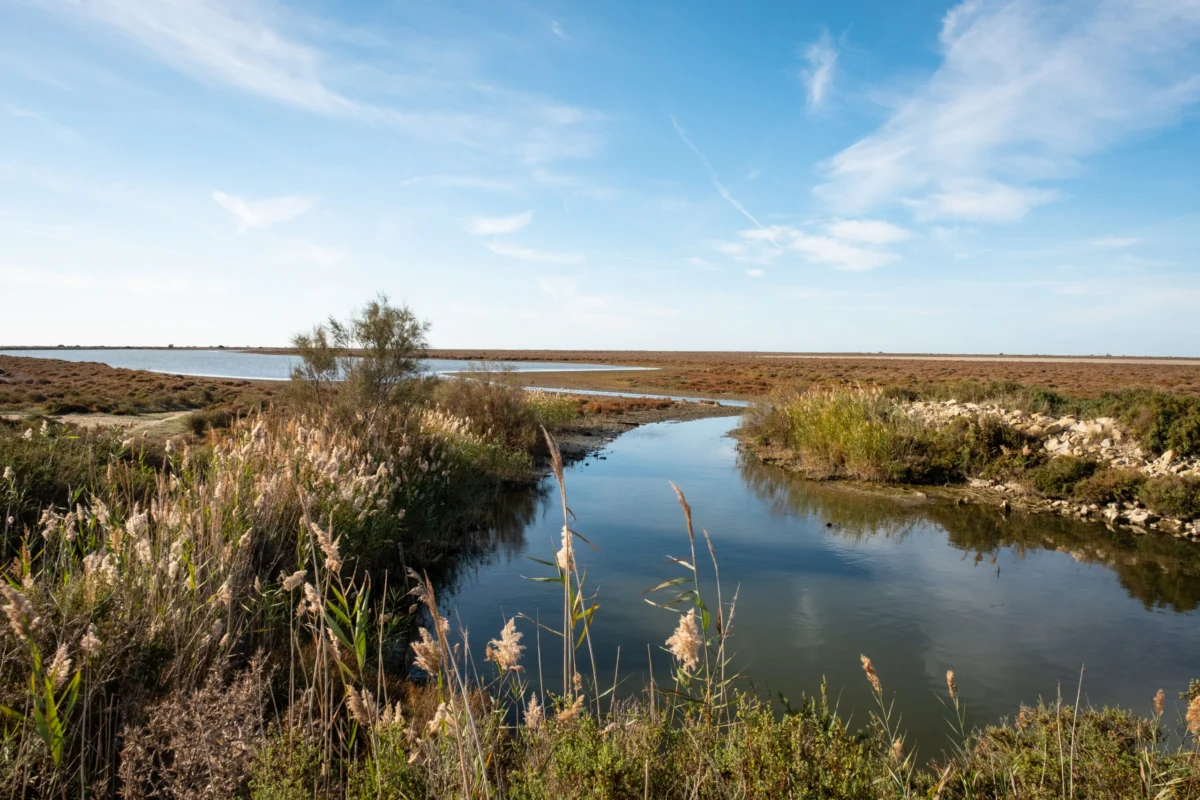
As the vibrant hues of spring paint the Camargue region of southern France, a familiar spectacle unfolds: tens of thousands of migratory birds, having journeyed from Africa, grace the landscape. This annual resurgence, a symphony of colors, sounds, and scents, is a testament to the delicate equilibrium of this unique wetland, a product of powerful natural forces intertwined with centuries of human stewardship. Yet, beneath this picturesque facade, a growing storm of infrastructure projects and a concerning erosion of democratic dialogue threaten to unravel the very fabric of this internationally recognized natural heritage.
A Global Treasure Under Siege
The Rhône delta, encompassing the Camargue, stands as one of Europe’s and the Mediterranean’s largest and most biodiverse wetland systems. Strategically situated along critical migratory flyways, this iconic landscape is a vital sanctuary for approximately 400 bird species, including 103 species listed on the European Red List of the IUCN as threatened. Its ecological significance is further amplified by its inclusion in a biodiverse "golden triangle" with the Crau and the Alpilles. This exceptional natural value was recognized early by the French State, which, from the 1970s onwards, prioritized the Camargue’s environmental role, a stark contrast to the industrial development of the Fos-Berre area to the east and the tourism-focused expansion in Languedoc-Roussillon to the west.
The commitment to the Camargue’s environmental preservation was solidified in 1986 when it became the first French site designated as a Wetland of International Importance under the Ramsar Convention. Today, its ecological significance is underscored by a comprehensive suite of protection statuses and labels, including its designation as a UNESCO Biosphere Reserve, a Regional Natural Park, numerous nature reserves, and areas managed by the Conservatoire du Littoral. One might assume such a protected area would be immune to external pressures, but the reality paints a far more alarming picture.
Mounting Infrastructure Pressures
The Camargue is currently grappling with a confluence of infrastructure projects that pose significant risks to its ecological integrity. Chief among these is a proposed very high-voltage power line (THT) that would traverse both the Camargue and the adjacent Crau region. This project, intended to bolster energy capacity, has raised serious alarms regarding its potential impact on avian populations, particularly migratory birds that utilize these areas as crucial stopover points. The visual intrusion of such a line also threatens the pristine landscapes that define the Camargue’s cultural and natural appeal.
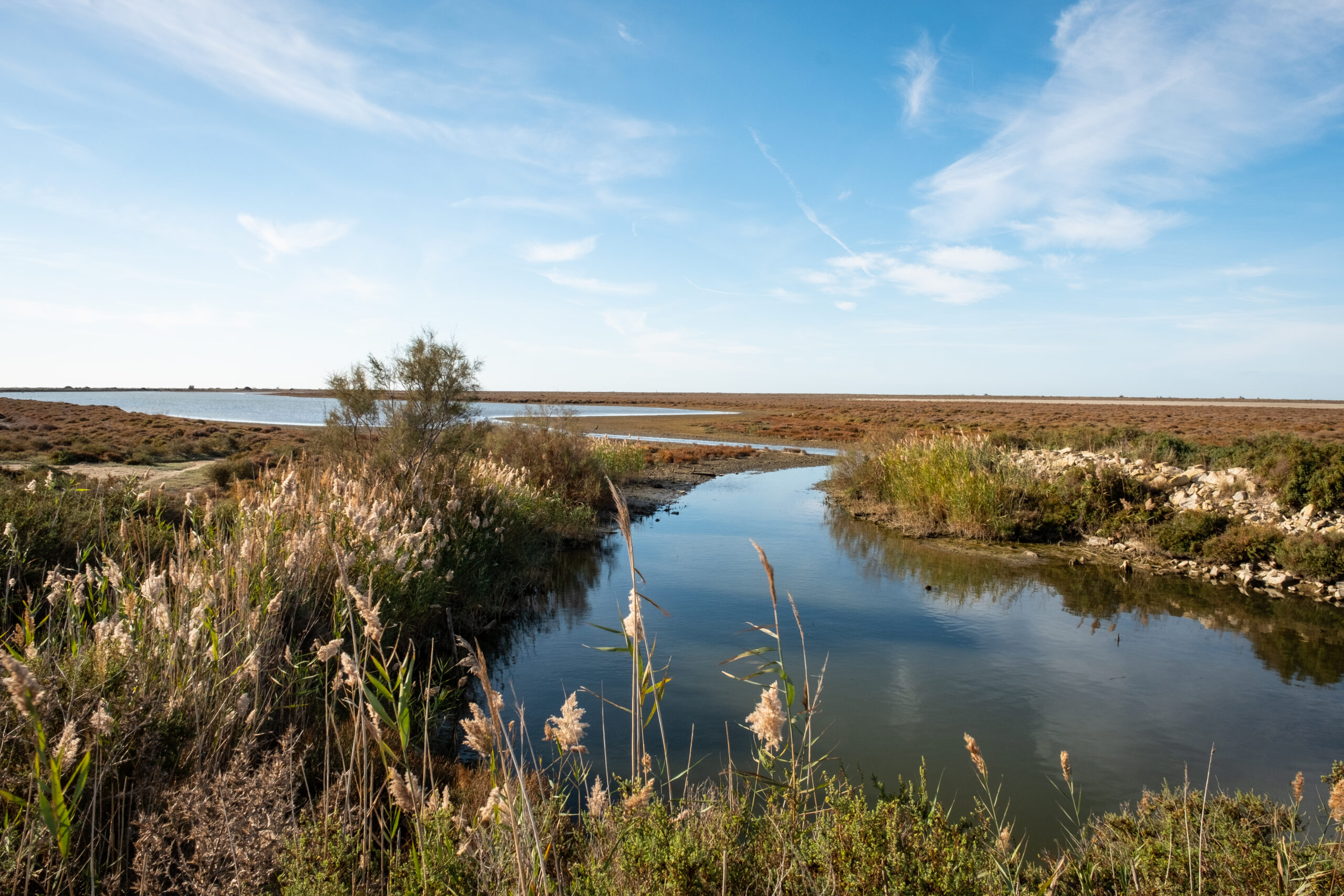
Adding to these concerns is a superhighway project slated to cut through a portion of the Camargue. This development carries the grave risk of impacting some of the delta’s rarest and most ecologically sensitive peatlands. These unique ecosystems are vital carbon sinks and host specialized flora and fauna, and their disturbance could have cascading negative effects on the region’s biodiversity and hydrological balance. Furthermore, the construction of a new bridge, intended to facilitate heavy lorry traffic, is poised to bisect the heart of the delta. While proponents argue for improved logistical flow, critics fear the increased noise, pollution, and habitat fragmentation that will inevitably accompany such a development through this delicate environment.
Individually, each of these projects presents substantial environmental challenges. When viewed collectively, their cumulative impact could be devastating, leading to fragmentation of critical habitats, disruption of vital hydrological flows, increased risks for local communities, and a significant reduction in the ecological and economic benefits derived from a healthy and intact Camargue.
A Growing Democratic Deficit
Beyond the tangible ecological threats, a more insidious problem is emerging: a profound fracture in democratic dialogue and public participation. While consultation processes have been initiated for these projects, their effectiveness has been demonstrably limited. Despite clear and persistent opposition from a broad spectrum of stakeholders – including citizens, protected area managers, farmers, and local communities – the State has largely maintained its original positions, showing a marked reluctance to seriously consider alternative solutions proposed by these concerned parties.
A prime example of this disconnect occurred during the public debate organized in 2025 by the National Commission for Public Debate (CNDP) concerning reindustrialization and decarbonization projects in Fos-Berre. During this extensive discussion, strong opposition was voiced against the overhead THT line, citing its potential adverse impacts on the environment, the aesthetic integrity of the landscapes, and the local economy. A viable alternative solution was presented, detailed in the official public debate report.
However, in the aftermath of this public engagement, the State reaffirmed its initial stance, emphasizing the urgent need to secure an additional 4 GW of power capacity by 2030, a target it deemed achievable within the timeframe only through an overhead line. Crucially, the CNDP’s recommendations, including the initiation of a conciliation process to find a balanced solution, were not heeded. Furthermore, responses to questions regarding the industrial rationale underpinning these projects remained vague, conspicuously overlooking critical considerations such as the principle of sufficiency and the multifaceted roles these territories play beyond mere industrial zones.
A similar pattern of disregard for public input is evident in the Arles superhighway project. Following a public inquiry held in December 2025, the Commission’s opinion was unequivocally critical. It issued an unfavorable ruling on the project’s declaration of public utility and a strongly unfavorable assessment of its socio-economic, environmental, and health impacts. Despite these clear conclusions and the concerns raised by independent expert bodies, the regional prefect has recently confirmed the State’s unwavering intention to proceed with the project as planned.

This consistent pattern of ignoring the outcomes of consultation processes undermines public trust in democratic institutions and contravenes fundamental rights. It stands in direct opposition to the right to public participation in environmental decision-making, as enshrined in Article 7 of the French Environmental Charter and further reinforced by the international framework of the Aarhus Convention. This situation aligns with the grave warnings issued by the United Nations Special Rapporteur on Environmental Defenders, Michel Forst. In his 2024 report, Forst denounced a worrying erosion of democratic safeguards and a progressively weakened public participation, with particular concern noted for France.
Rethinking Development for a Sustainable Future
The challenges confronting the Camargue are undeniable, but the solutions proposed must not create a false dichotomy between economic progress and environmental preservation, nor pit the urgent need for energy transition against the imperative of safeguarding natural heritage. Instead, future development strategies must be firmly rooted in the principles of energy, land, and water sufficiency. It is time to definitively cease treating biodiversity as a mere variable to be adjusted in the pursuit of other goals.
The Camargue, situated at the confluence of one of Europe’s most powerful rivers and the Mediterranean Sea, lies at the epicenter of the critical challenges facing the 21st century. Its extensive wetlands are not merely the bedrock of the region’s ecological, agricultural, and cultural wealth. They also function as indispensable climate buffers, acting as significant carbon reservoirs and providing a vital form of "life insurance" against the escalating impacts of future environmental change.
It was within this very landscape, at the Tour du Valat research center in the Camargue, that the international movement for wetland conservation was first ignited in the late 1950s, under the visionary impetus of Luc Hoffmann. This pioneering effort ultimately led to the establishment of the Ramsar Convention, the world’s first multilateral environmental agreement dedicated to the conservation and sustainable use of wetlands.
As the 67th Standing Committee of the Ramsar Convention convenes this week, a critical question looms large: Will France uphold its international commitments and provide the robust protection this invaluable natural jewel so desperately requires? The decisions made now will resonate far beyond the borders of the Camargue, shaping the future of wetland conservation and democratic participation in environmental governance for years to come.
