
An international delegation of naturalists and ornithologists recently concluded an intensive six-day survey of Alberta’s diverse ecosystems, documenting a total of 123 avian species alongside a significant variety of montane and prairie mammals. The expedition, which spanned from the metropolitan outskirts of Calgary through the Kananaskis Valley and into the UNESCO-protected landscapes of Waterton Lakes National Park, provided critical observations on regional biodiversity, migratory patterns, and the ongoing ecological recovery of fire-affected subalpine forests. The group, comprised of 11 participants from Canada, the United States, and Australia, navigated a range of weather conditions to record rare sightings, including the Sabine’s Gull and the Great Gray Owl, highlighting the province’s status as a premier destination for North American wildlife observation.
Chronological Summary of the Expedition
The journey commenced on June 6 in Calgary, where participants gathered to synthesize goals for a route designed to showcase the transition from the Canadian prairies to the rugged peaks of the Rocky Mountains. The initial phase focused on the "foothills transition zone," an area of high ecological productivity where grassland species overlap with those of the coniferous forests.
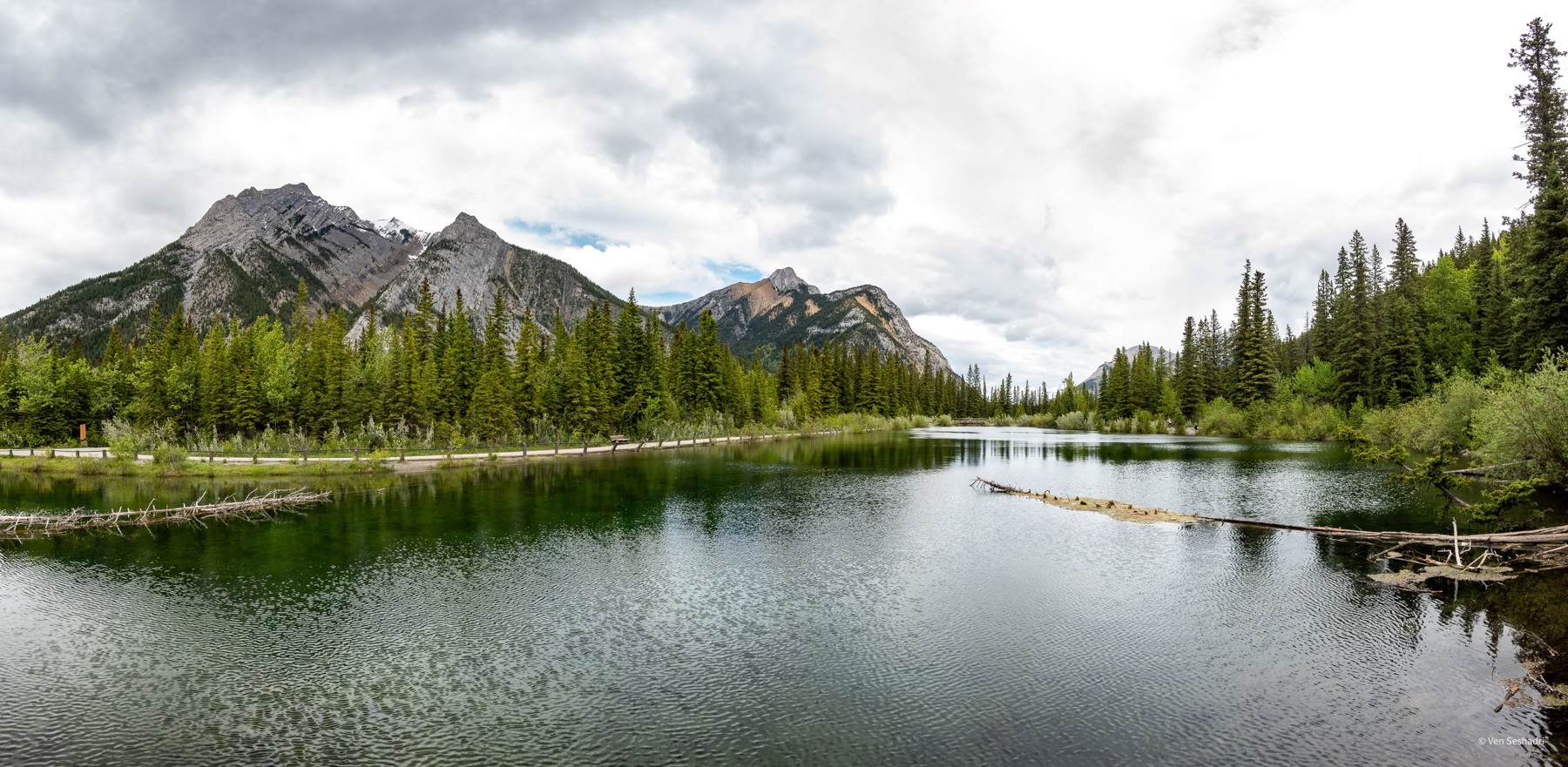
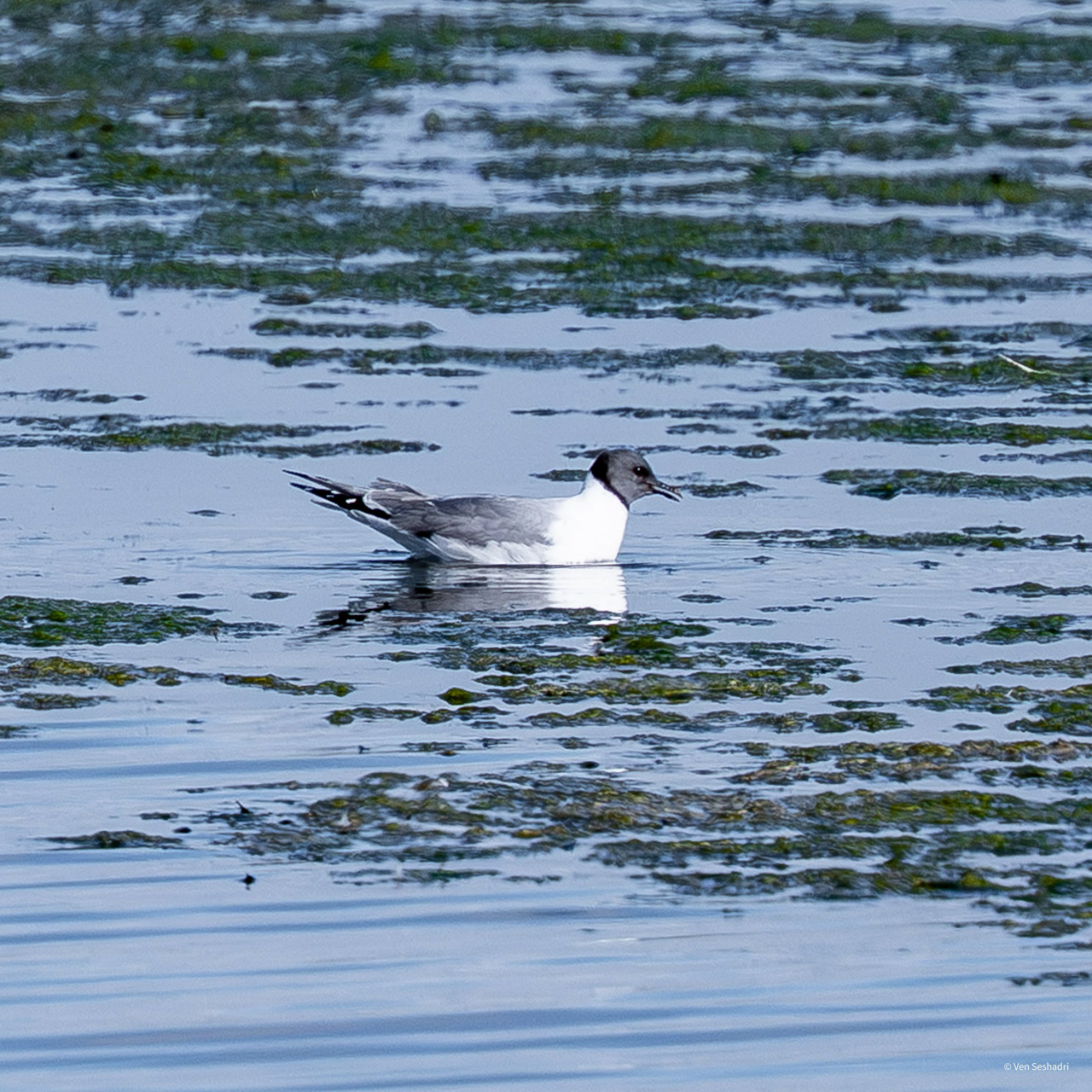
On June 7, the expedition focused on the outskirts of Calgary and the Sibbald Creek Trail. The highlight of the morning was the identification of a Sabine’s Gull at Rocky Pond. This sighting was of particular note to the scientific community due to the species’ unique migratory path. Typically, Sabine’s Gulls breed in the high Arctic and winter in the nutrient-rich waters off the coasts of South Africa and South America. Their presence in inland Alberta is usually a consequence of severe weather systems—such as the high winds recorded a week prior—forcing these trans-continental migrants to seek temporary refuge in prairie wetlands.
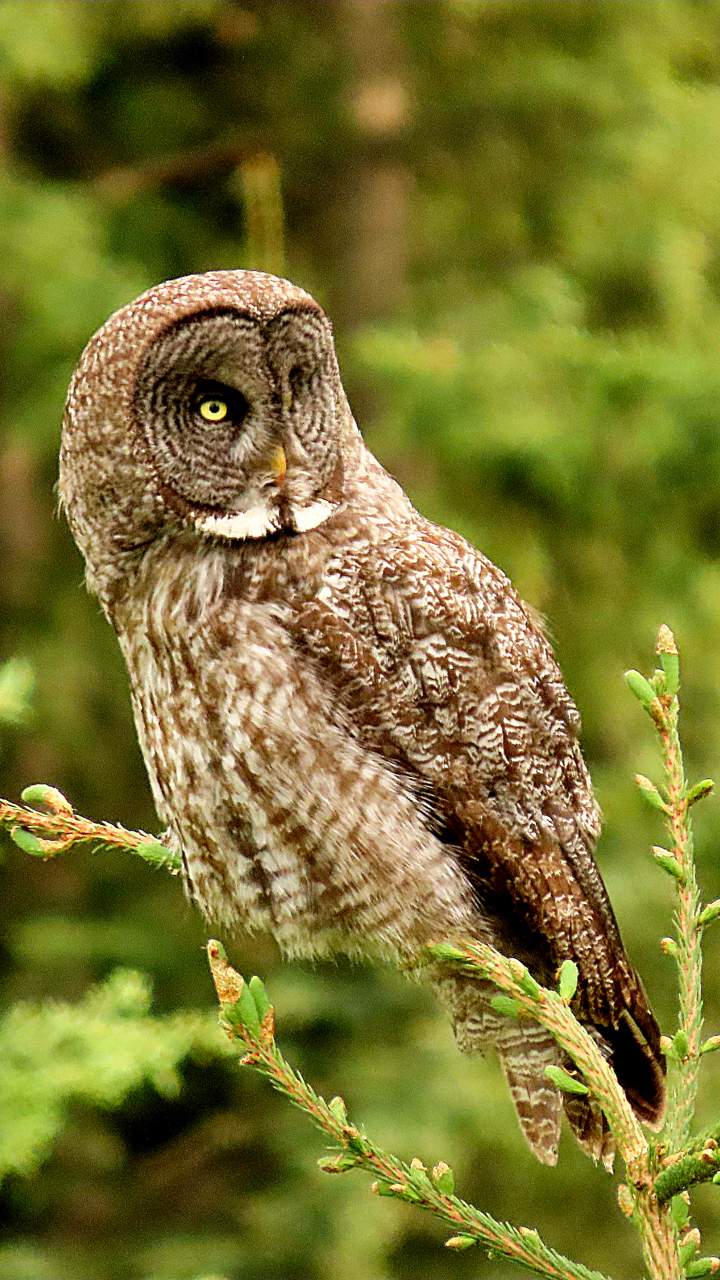
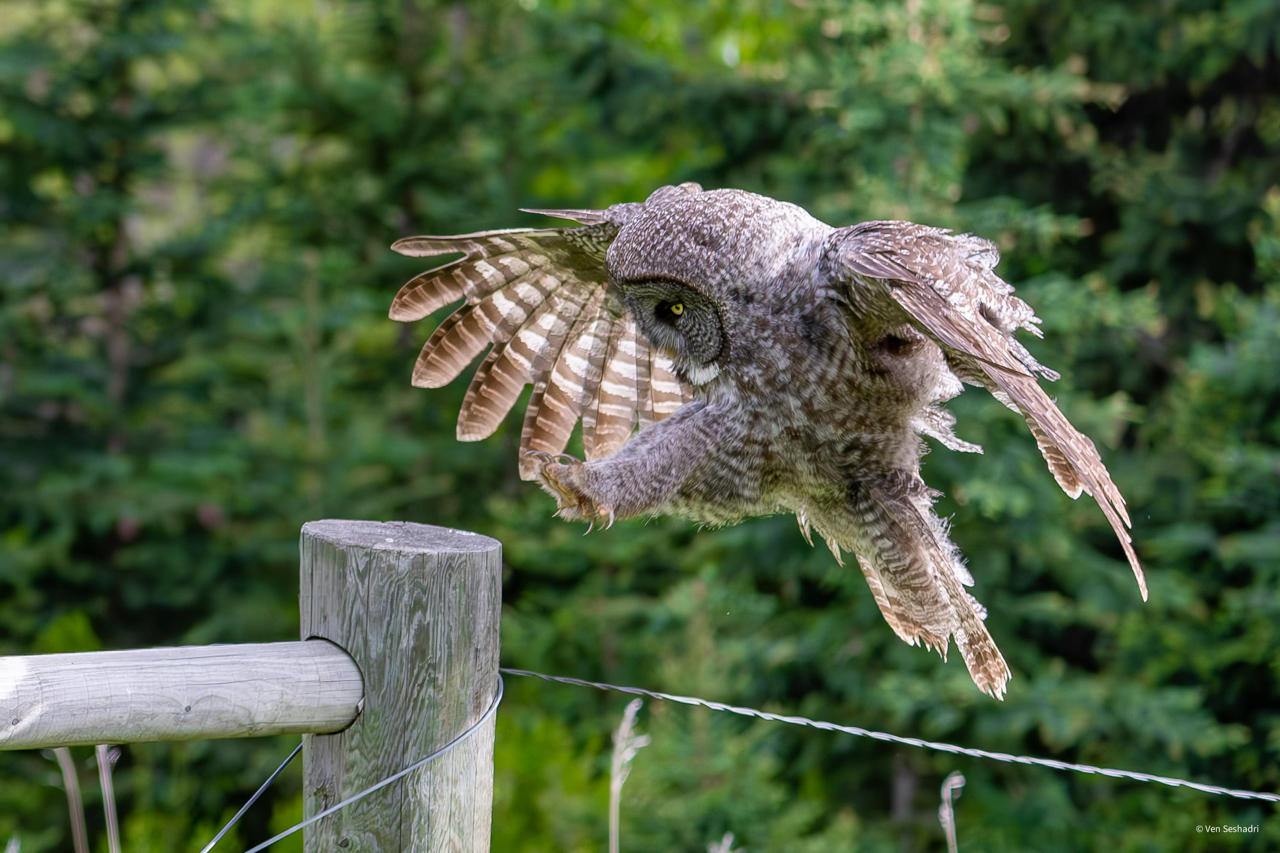
The transition into the Kananaskis Valley later that day shifted the focus to montane species. Despite inclement weather, the group documented Bighorn Sheep utilizing highway infrastructure as an artificial mineral lick, a common behavioral adaptation in the region. The day concluded with a high-value observation of a Great Gray Owl along Plummers Road. The owl, Alberta’s largest by length, demonstrated its characteristic lack of fear toward human observers, allowing for a detailed study of its foraging posture before it retreated into the spruce canopy.
Wetland Ecology and the Porcupine Hills
The third day of the expedition, June 8, was dedicated to the aquatic ecosystems of Frank Lake, a vital staging area for waterfowl. This location yielded 14 species of ducks, including the Canvasback and the Ruddy Duck. Observations at the lake provided insights into the breeding displays of Western Grebes and the communal nesting habits of American White Pelicans. The pelicans, notable for the fibrous "nuptial horns" that grow on their upper mandibles during the breeding season, were seen in significant numbers, underscoring the importance of Frank Lake as a regional stronghold for the species.
Moving south through the Porcupine Hills via the Williams Coulee Road, the team observed the interaction between raptors and their environment. The sandstone outcrops of the coulee provided nesting sites for Prairie Falcons, one of which was observed in an aerial skirmish with a Northern Harrier. This region also provided sightings of the Ferruginous Hawk, a species of special concern in many parts of its range. The presence of downy nestlings in a roadside nest indicated a successful breeding year, likely supported by the abundant Richardson’s and Columbia ground squirrel populations in the surrounding ranchlands.
Ecological Resilience in Waterton Lakes National Park
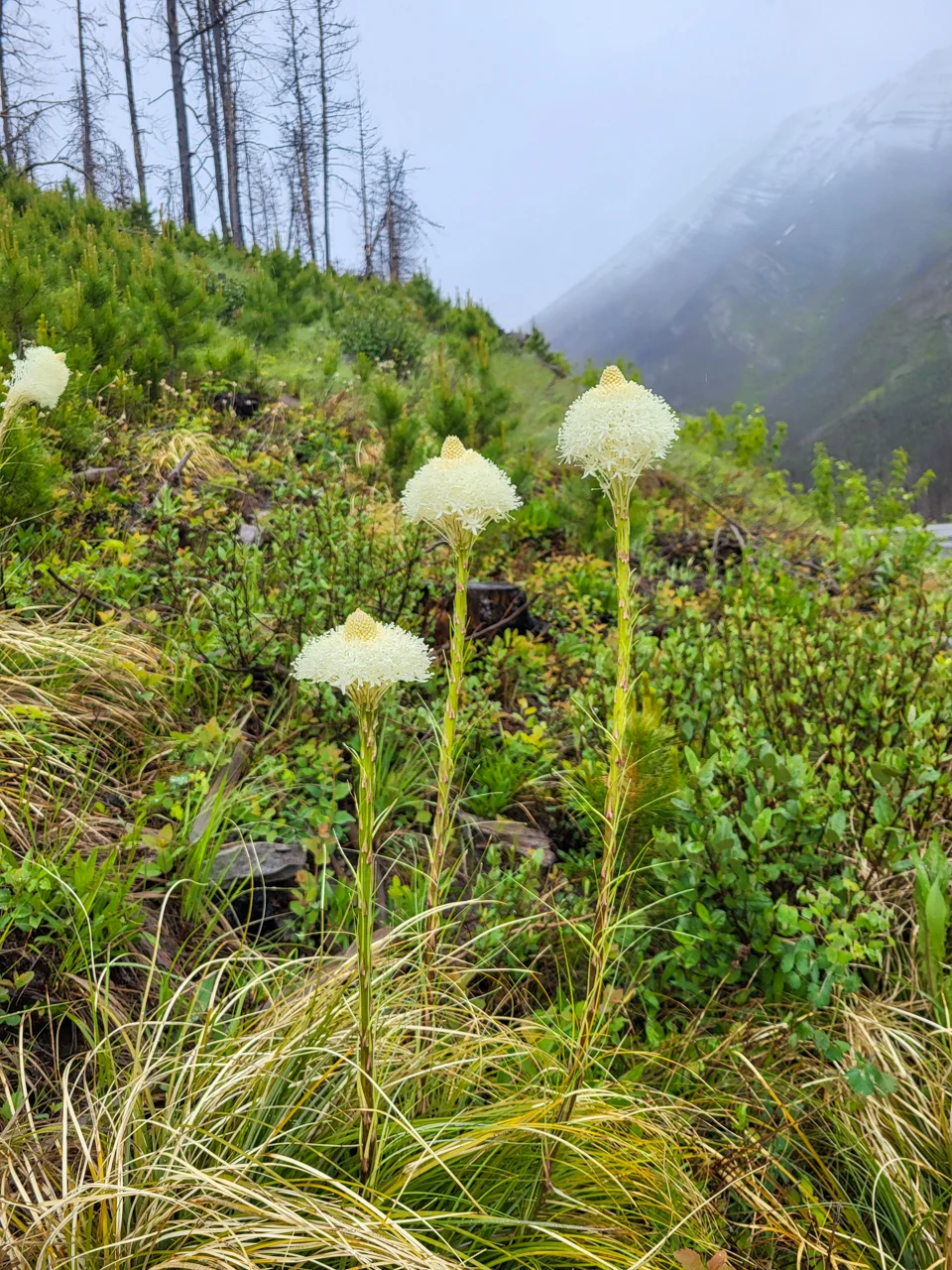
The expedition reached Waterton Lakes National Park on the evening of June 8, where the focus shifted to the intersection of wildlife management and post-wildfire recovery. In 2017, the Kenow wildfire consumed approximately 35,000 hectares, or 40% of the park’s total area. Observations on June 9 highlighted the "burn-mosaic" effect, where charred remains of old-growth forests now stand amidst a vibrant understory of Common Bear-Grass and other pioneering flora.
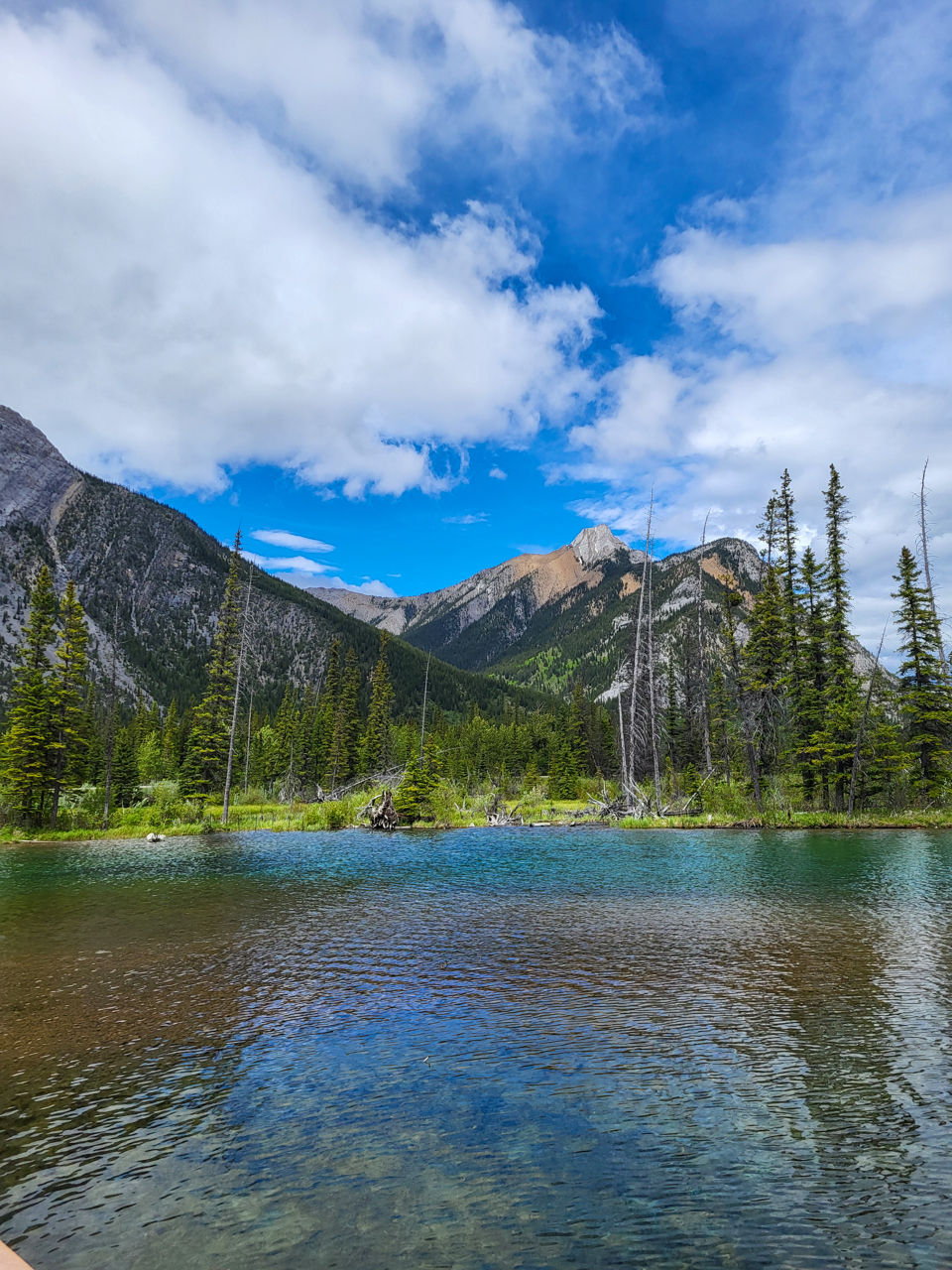
Despite the devastation of the 2017 fire, the avian and mammalian populations showed remarkable resilience. The group documented a Grizzly Bear and a cinnamon-phase American Black Bear with a cub along the Akamina Parkway. In terms of ornithology, the burned forests have created ideal habitats for species like the Olive-sided Flycatcher and the American Redstart. A particularly significant find was a male Calliope Hummingbird. As the smallest bird species in North America, weighing roughly 2.5 to 3 grams, the Calliope’s presence in the subalpine willows provided a stark contrast to the massive Grizzly Bears inhabiting the same corridors.
The day concluded with a sighting of a male Harlequin Duck in Blakiston Creek. Harlequins are unique among ducks for their preference for fast-moving, turbulent mountain streams. Their presence is often used by ecologists as an indicator of high water quality and a healthy macroinvertebrate population.
Cultural Landscapes and Grassland Mammals
The final leg of the tour, on June 10, integrated cultural history with biological observation at Head-Smashed-In Buffalo Jump. This UNESCO World Heritage site serves as a testament to the sophisticated hunting practices of Indigenous peoples who utilized the natural topography to harvest bison for over 6,000 years.
The environmental conditions at the site—high winds and open fescue grasslands—provided a different suite of species. The team recorded an American Badger, a fossorial carnivore essential for maintaining the health of prairie ecosystems by controlling rodent populations and creating burrows used by other species, such as the Burrowing Owl. Additionally, the rock faces of the buffalo jump provided habitat for the Rock Wren and the Yellow-bellied Marmot, species specifically adapted to the arid, rocky microclimates of the coulees.
Scientific Context: Structural Coloration and Migration
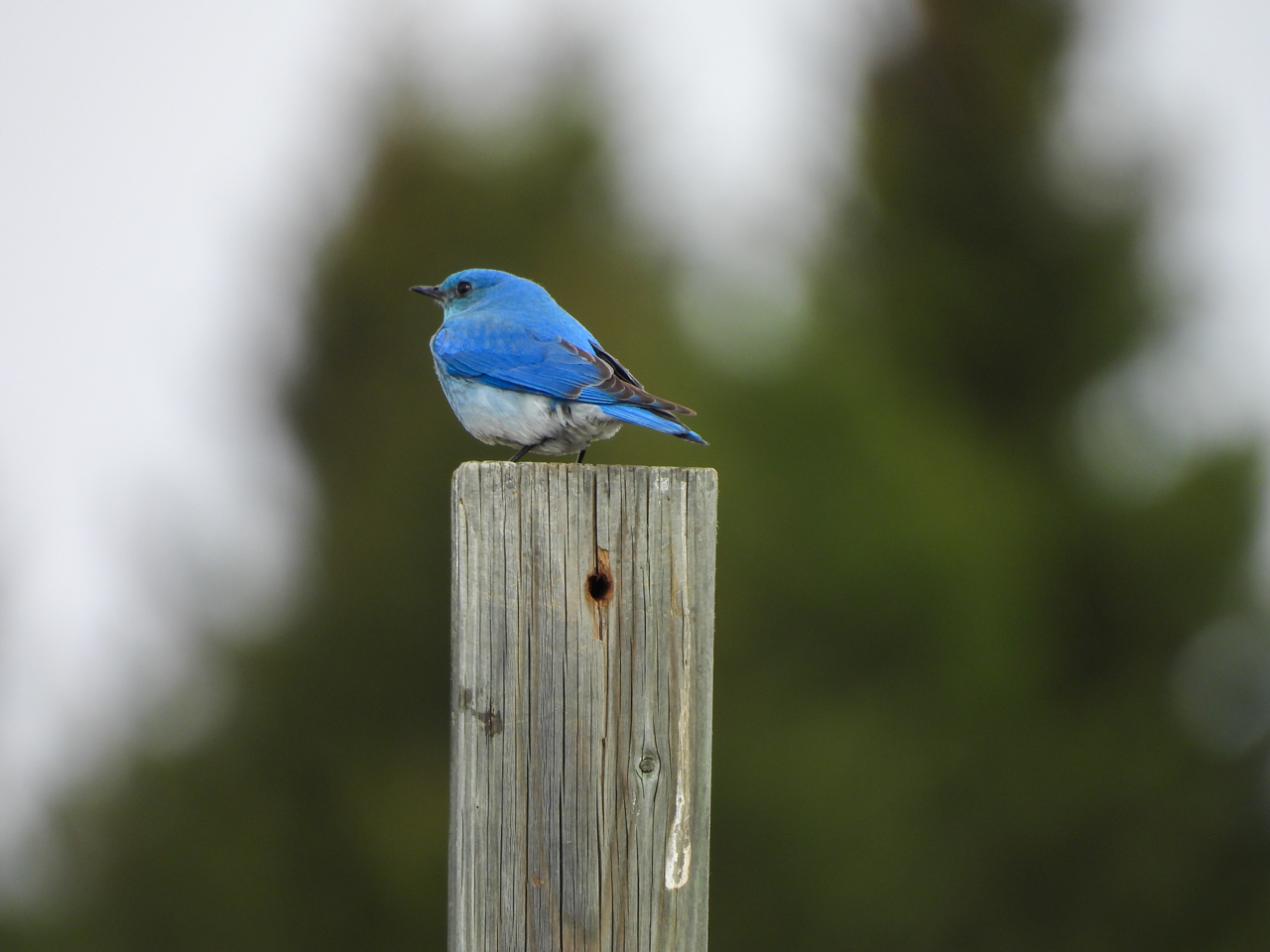
Throughout the expedition, guides provided technical commentary on the biological mechanisms behind the sightings. A notable example was the discussion regarding the Mountain Bluebird. The vibrant azure hue of the male is not the result of chemical pigments, which are rare for the color blue in nature. Instead, it is a result of structural coloration. Microscopic structures within the feathers scatter light in a process known as Tyndall scattering, which reflects only the blue wavelengths to the observer’s eye. This phenomenon explains why the bird’s color can appear to shift in intensity depending on the angle of the sun and the presence of clouds.
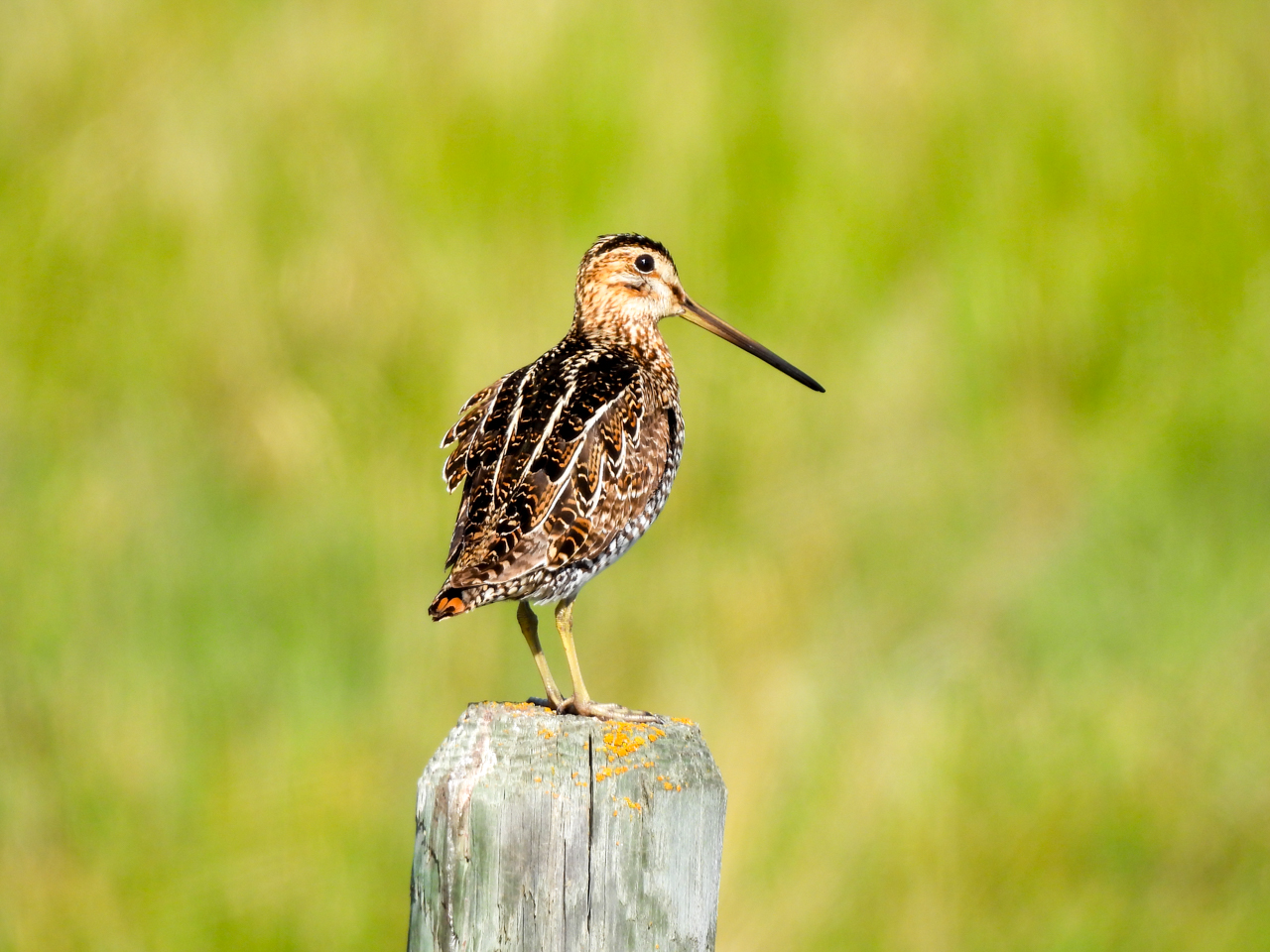
The expedition also served as a data-gathering exercise regarding the timing of spring migration. The presence of Tennessee Warblers and Wilson’s Snipes in high numbers suggested that the 2024 migration was proceeding on schedule, despite the fluctuating temperatures and moisture levels recorded throughout the week.
Analysis of Implications for Regional Conservation
The documented presence of 123 species over just five days of active searching underscores the critical importance of the "Crown of the Continent" ecosystem. This region, where the Rocky Mountains meet the Great Plains, represents one of the most intact ecological corridors in North America.
- Climate and Migration: The sighting of the Sabine’s Gull highlights how extreme weather events in the interior can provide rare opportunities for monitoring trans-equatorial migrants. Continued tracking of these "accidental" sightings is vital for understanding how changing weather patterns may alter traditional migratory flyways.
- Wildfire Management: The observations in Waterton Lakes National Park provide a case study in ecological succession. The abundance of woodpeckers, flycatchers, and bears in the burn zones suggests that while the Kenow fire was a catastrophic event in human terms, it has reset the successional clock of the forest, creating a "pulse" of biodiversity that will shape the park’s ecology for decades.
- Sustainable Tourism: The participation of international guests from three different countries emphasizes the economic and educational value of nature-based tourism in Alberta. By fostering a global appreciation for the province’s wildlife, such expeditions contribute to the broader support for conservation initiatives and the protection of critical habitats like Frank Lake and the Porcupine Hills.
The expedition concluded on June 11 with the group’s return to Calgary. The final tally of 123 bird species and numerous high-profile mammals stands as a successful benchmark for the 2024 season, confirming that despite the challenges of weather and past environmental disturbances, the biodiversity of the Canadian Rockies remains robust and scientifically significant. The data collected during this period will contribute to the ongoing efforts of citizen scientists and professional naturalists to map the shifting dynamics of Alberta’s wilderness.
