
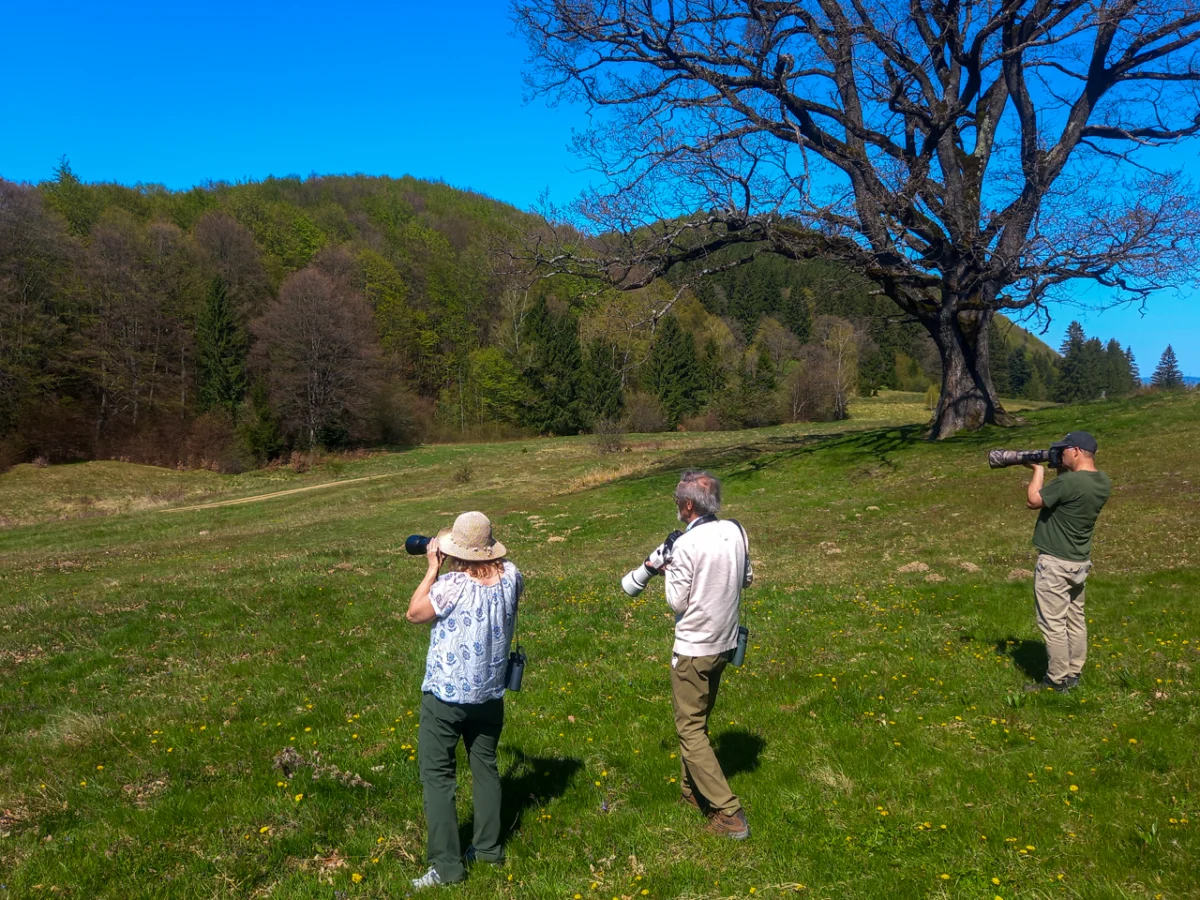
An intensive 13-day ornithological survey spanning the diverse topographical landscapes of Romania has concluded, documenting a total of 203 bird species and providing critical insights into the spring migration patterns of the East European Flyway. The expedition, which commenced in early May, traversed the high-altitude reaches of the Southern Carpathians, the arid steppes of the Dobruja region, and the intricate aquatic networks of the Danube Delta, a UNESCO World Heritage site. Led by expert field biologists and attended by international observers, the mission combined biodiversity monitoring with ecological assessment, highlighting the importance of Romania’s protected areas in maintaining European avian populations.
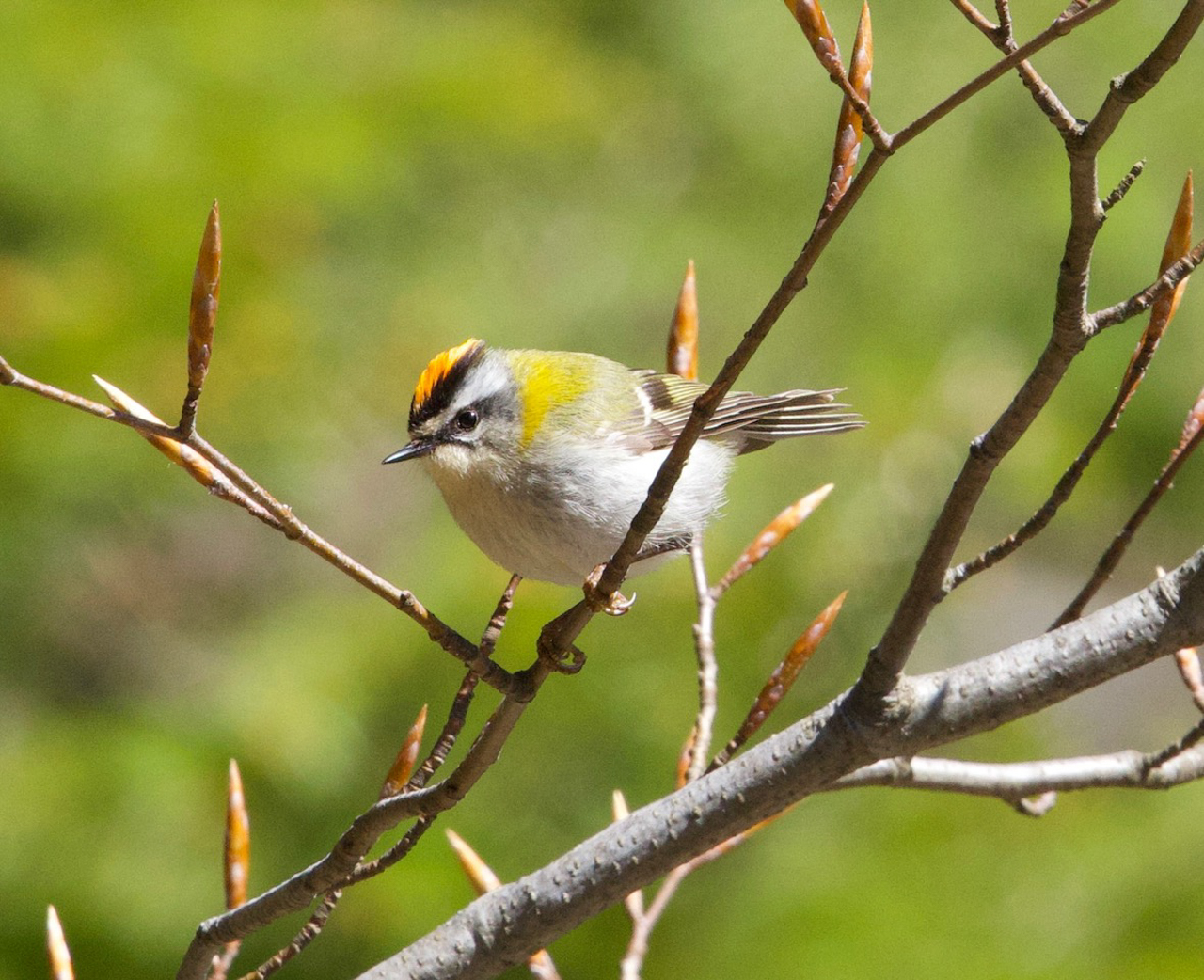
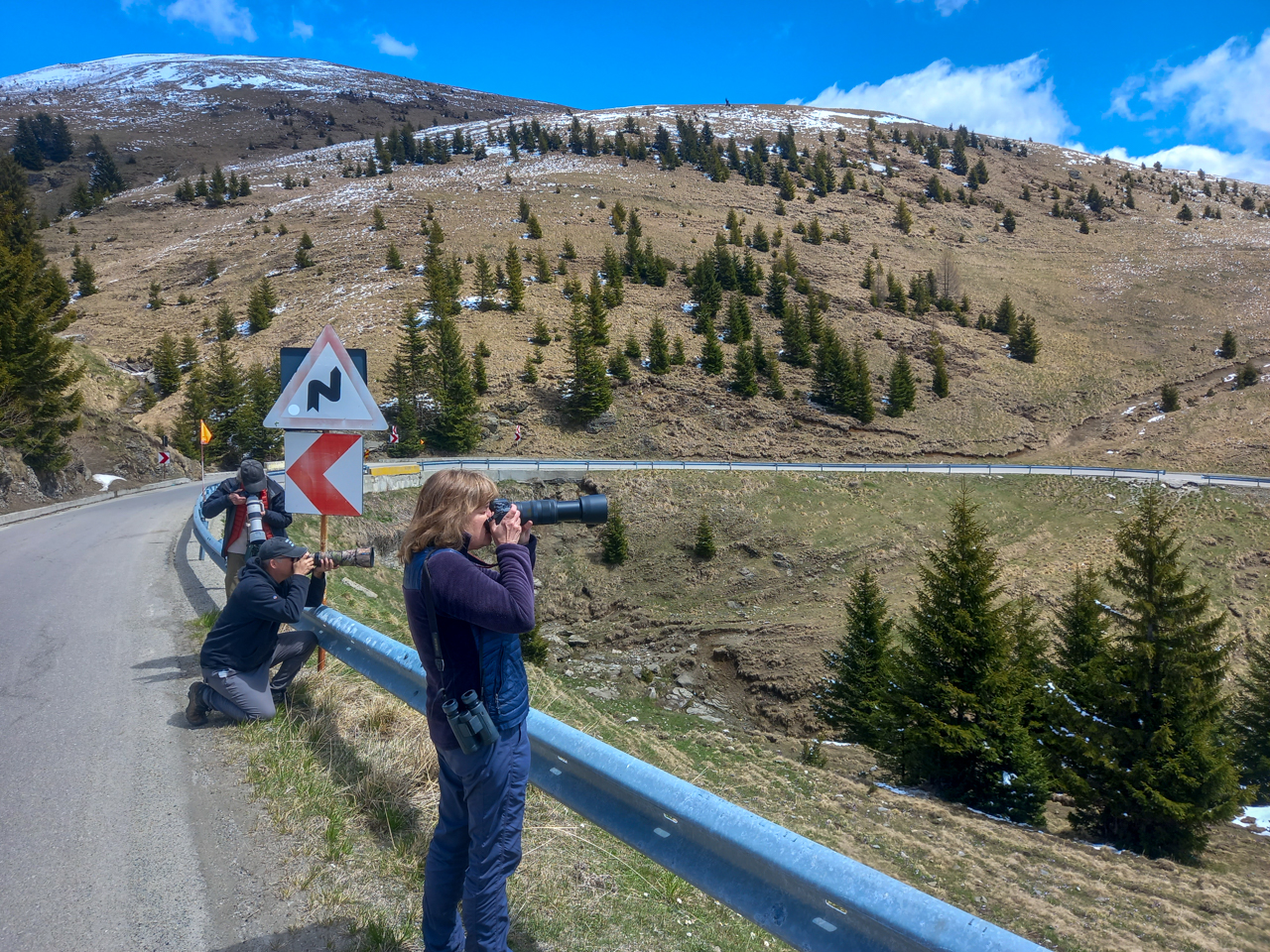
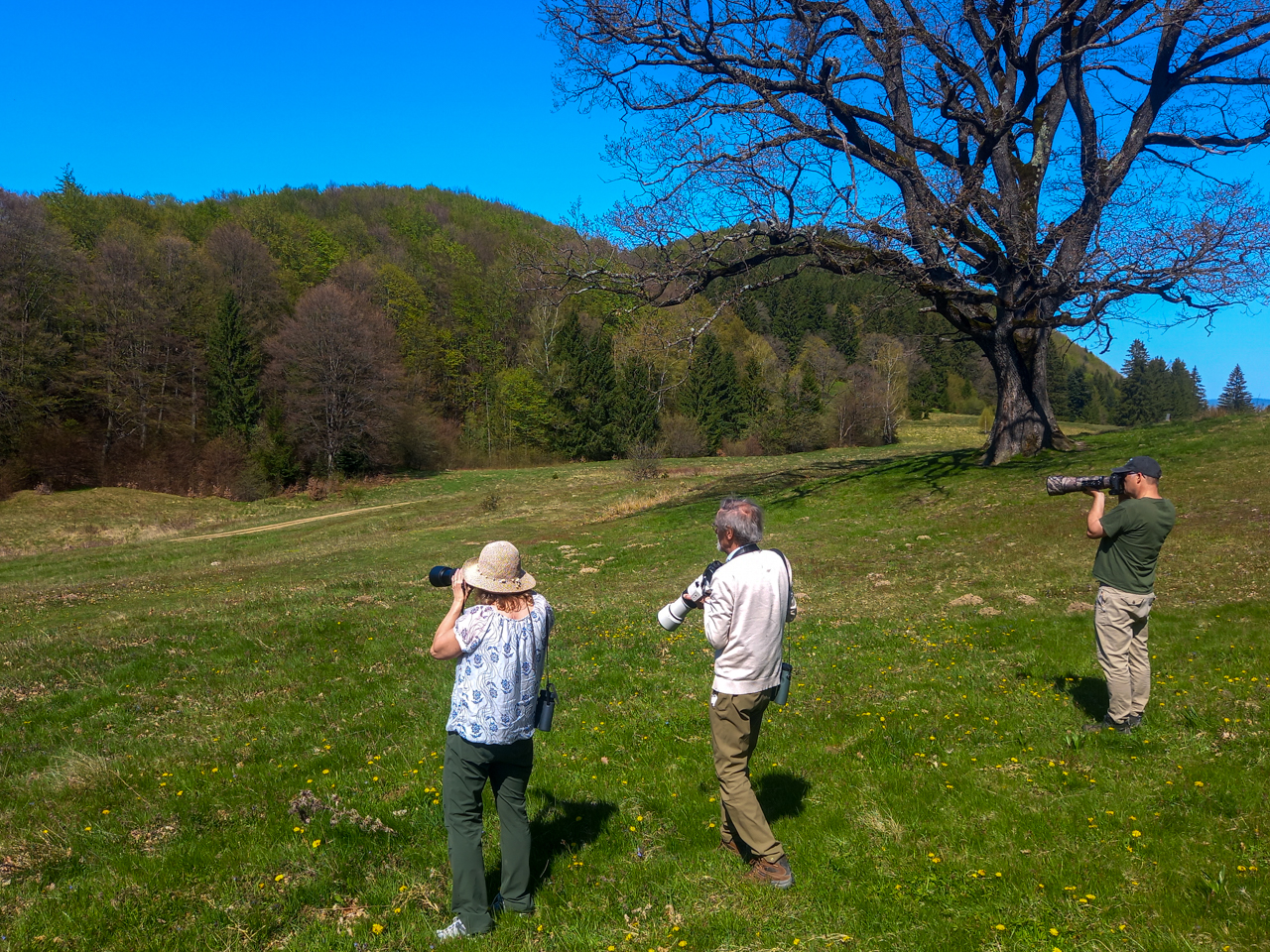
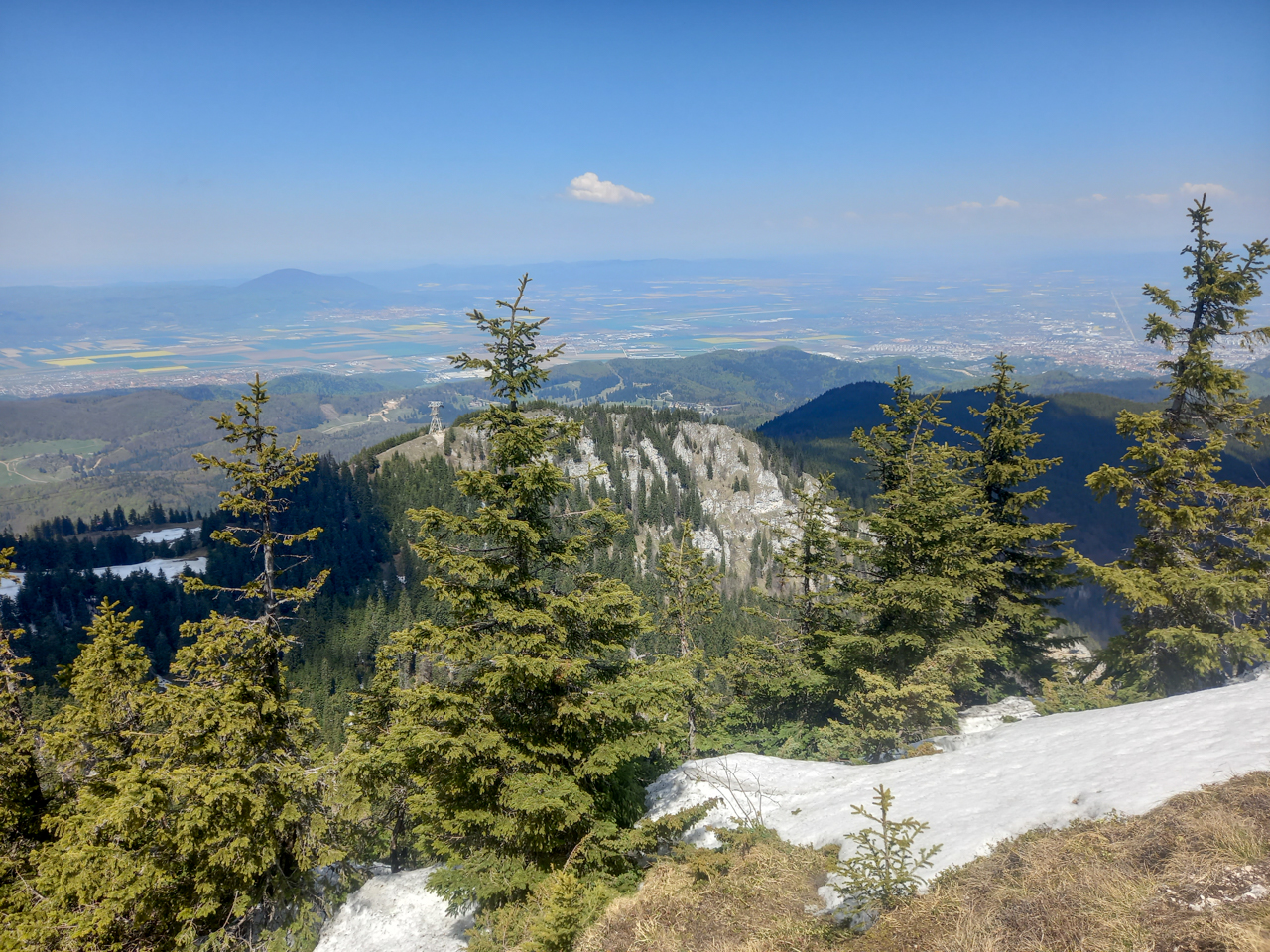
The survey began in the Southern Carpathians, where the transition from agricultural lowlands to alpine pastures provided a vertical transect of species distribution. Early observations near Sinaia and the Bucegi Natural Park identified key forest residents and early-season migrants. The presence of the Common Firecrest (Regulus ignicapilla), Europe’s smallest bird, alongside the Eurasian Wren and various tit species, indicated a healthy, well-structured forest ecosystem. As the team ascended into the dwarf pine zones of the Bucegi Mountain, the focus shifted to high-altitude specialists, including the Water Pipit and the Ring Ouzel, the latter of which was observed feeding among the melting snow patches of the alpine meadows.
The Carpathian Highlands and High-Altitude Biodiversity
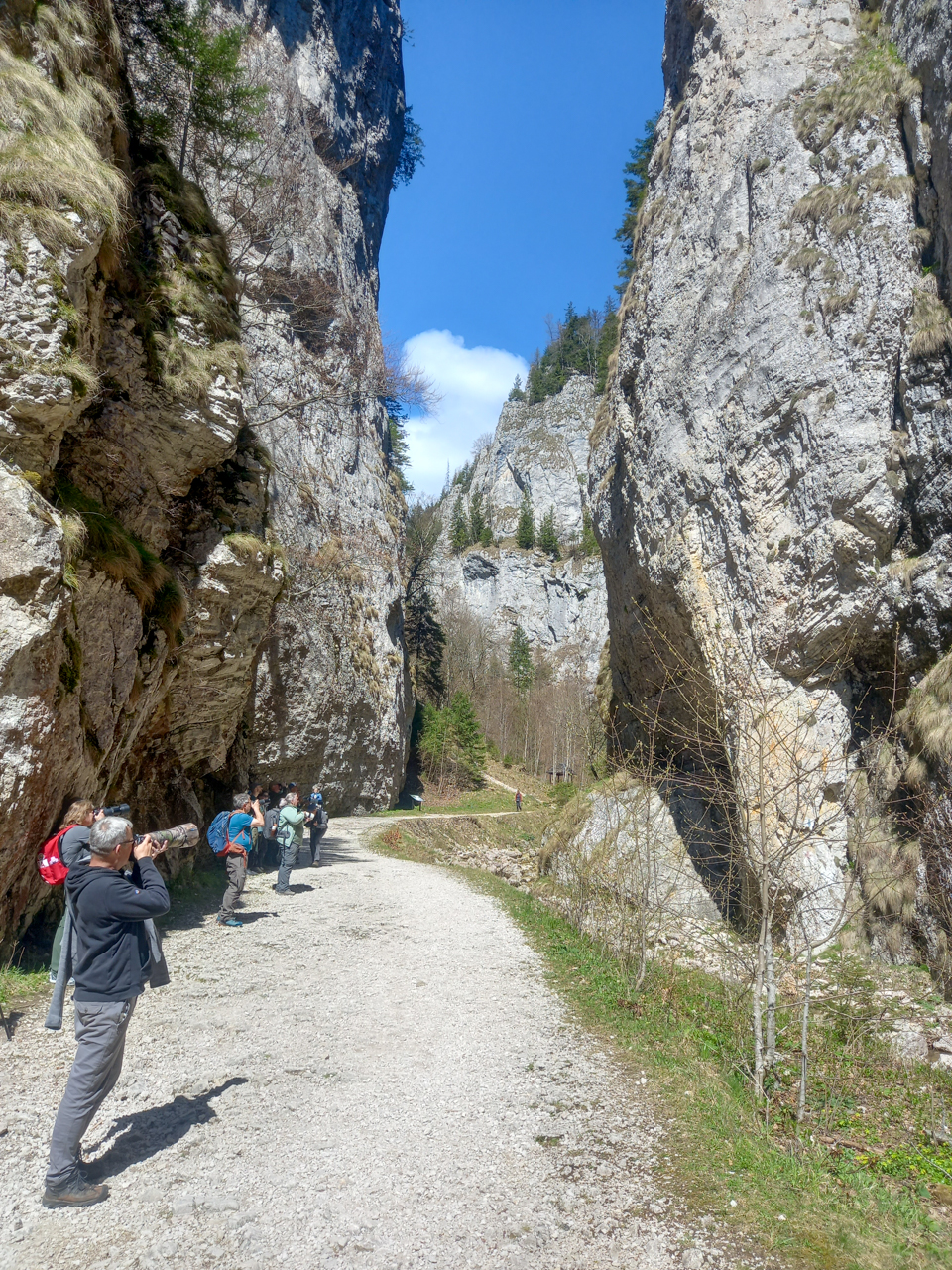
The Southern Carpathians serve as a vital breeding ground for numerous species that require undisturbed old-growth deciduous and coniferous forests. In the Zarnesti Gorge, a significant limestone formation, the expedition recorded the presence of the Wallcreeper (Tichodroma muraria), a highly sought-after species among ornithologists. Observations of a pair drinking and bathing in the creek provided rare data on the species’ behavior during the early breeding season. The gorge also supported a high density of parids, including Marsh, Willow, Coal, and Crested Tits, as well as Eurasian Crag Martins.

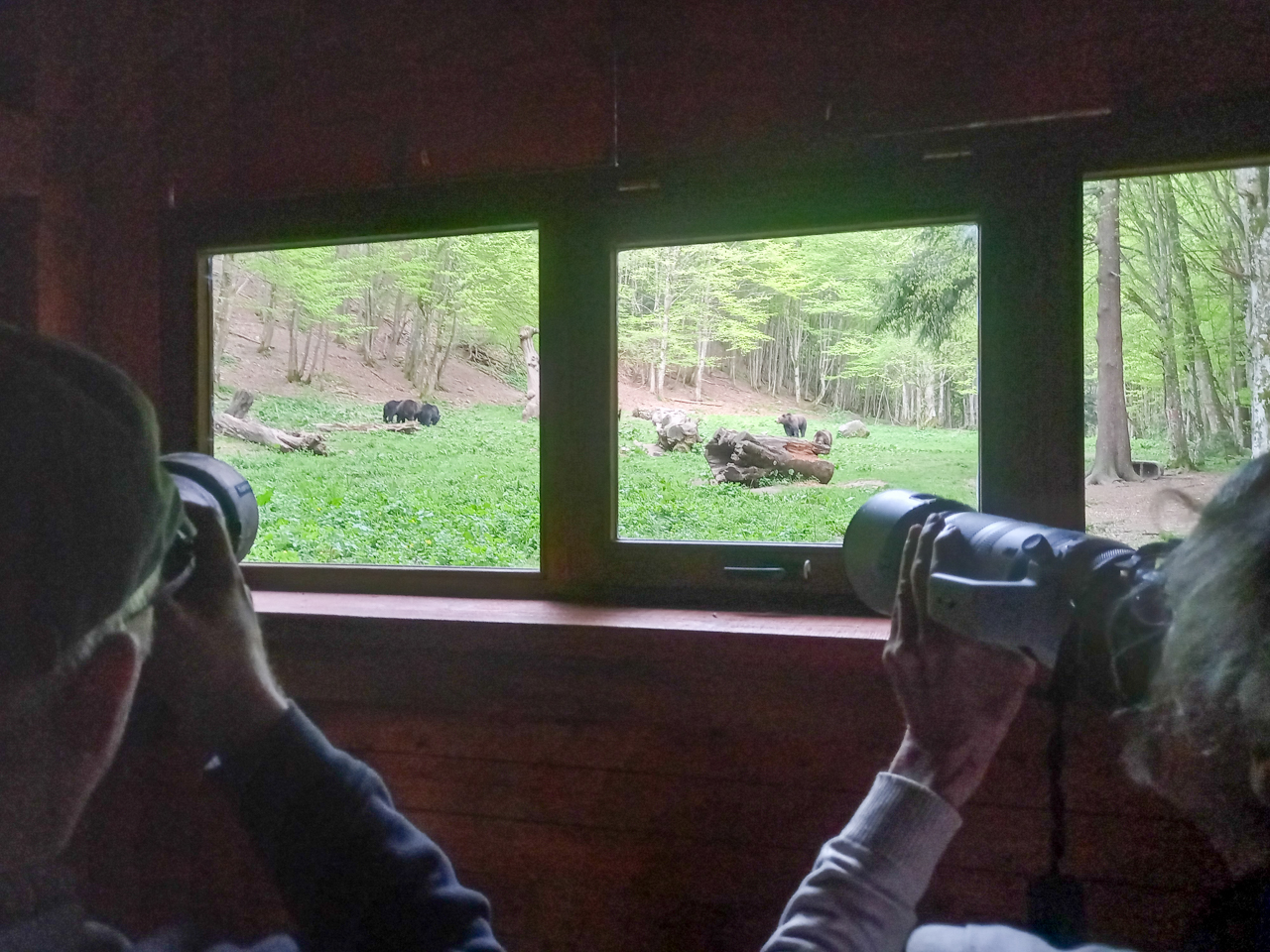
Further monitoring in the Stramba Valley integrated avian surveys with large mammal observations. The area is notable for its predator-prey dynamics, evidenced by the sighting of Lesser-spotted Eagles (Clanga pomarina) and Eurasian Sparrowhawks. The team utilized a specialized bear hide to observe ten Brown Bears (Ursus arctos) simultaneously, a testament to the region’s robust carrying capacity for large carnivores. Such sightings underscore the ecological integrity of the Carpathian wilderness, where apex predators and diverse bird populations coexist within a managed conservation framework.
Ecological Transitions in the Transylvanian Foothills
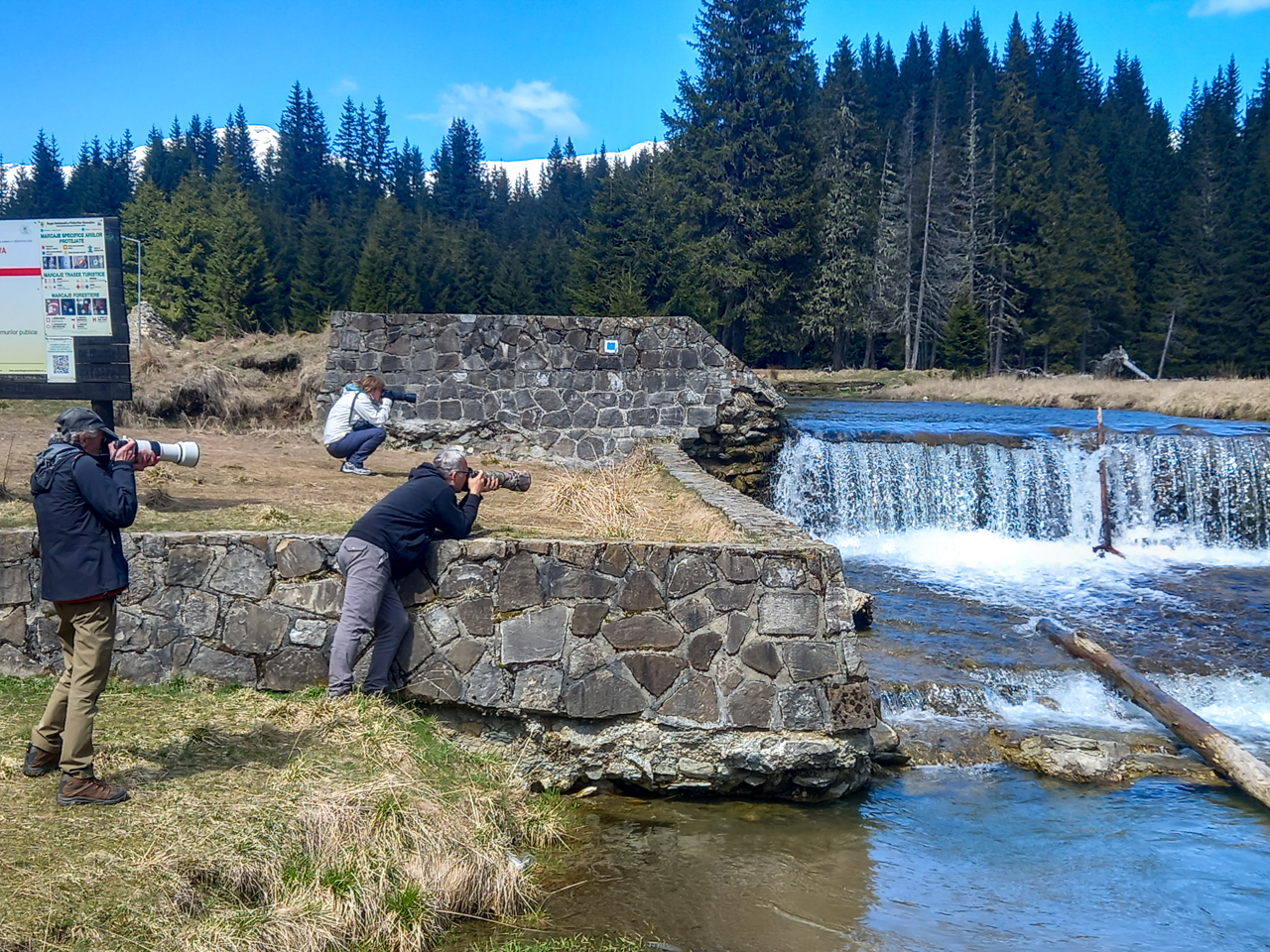
The mid-section of the expedition focused on the foothills and fishponds of Transylvania, specifically the Dumbravita region. This area acts as a crucial "stepping stone" for migratory birds moving between the Mediterranean and Northern Europe. The survey documented the arrival of several Wood Warblers and Willow Warblers, alongside the European Honey Buzzard (Pernis apivorus). The timing of these sightings suggests a slight delay in the arrival of late-season migrants, likely influenced by fluctuating spring temperatures across the continent.
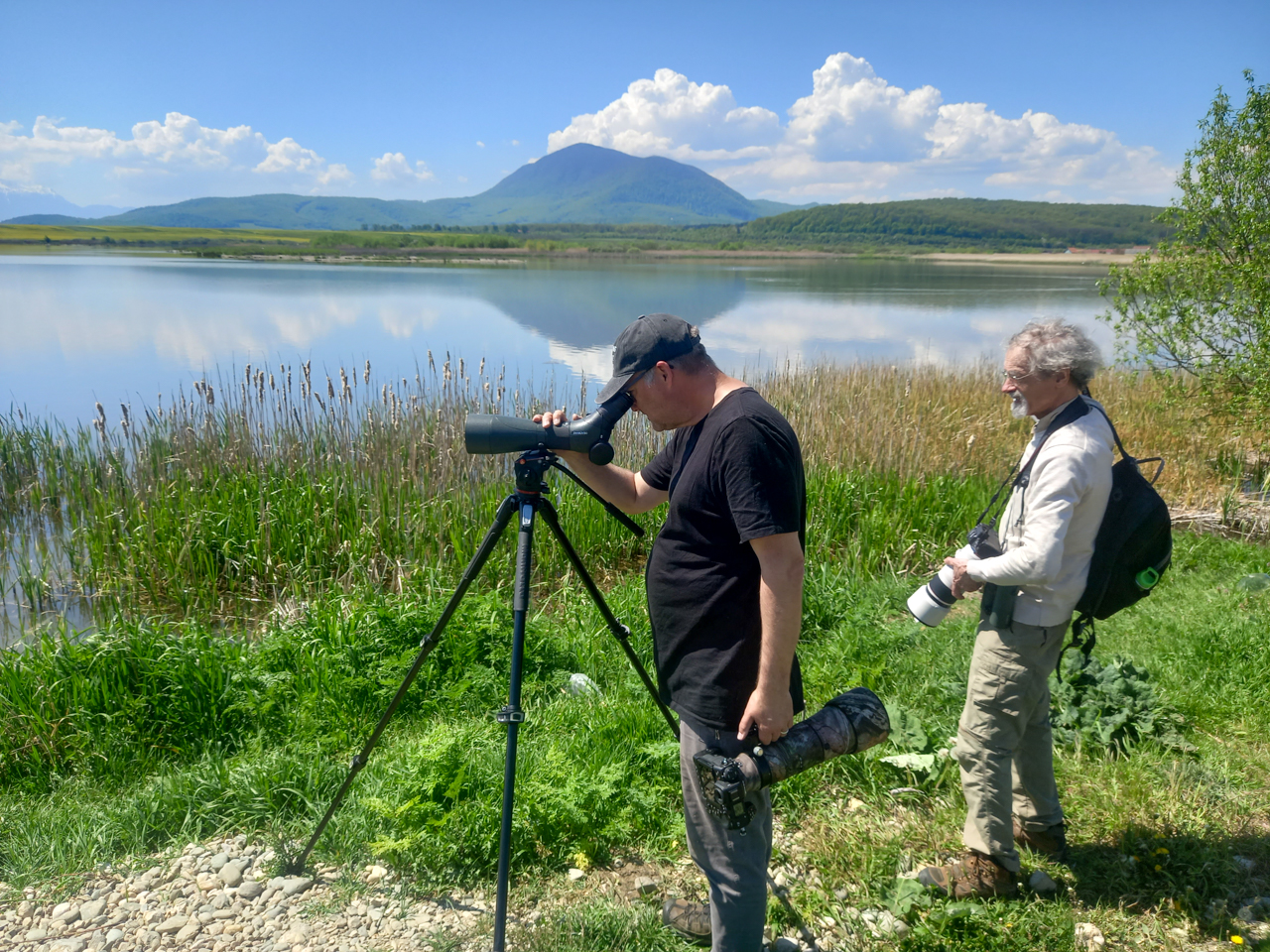
At the Dumbravita fishponds, the team recorded 64 species in a single three-hour window. This high species richness is attributed to the variety of available niches, including reedbeds, open water, and mudflats. Notable sightings included Great Reed Warblers, Savi’s Warblers, and Black Terns. The presence of Caspian Gulls and Common Terns nesting on artificial islands within the ponds highlights the success of targeted habitat management initiatives designed to support colonial waterbirds.
The Dobruja Steppe: A Crossroads of Migration
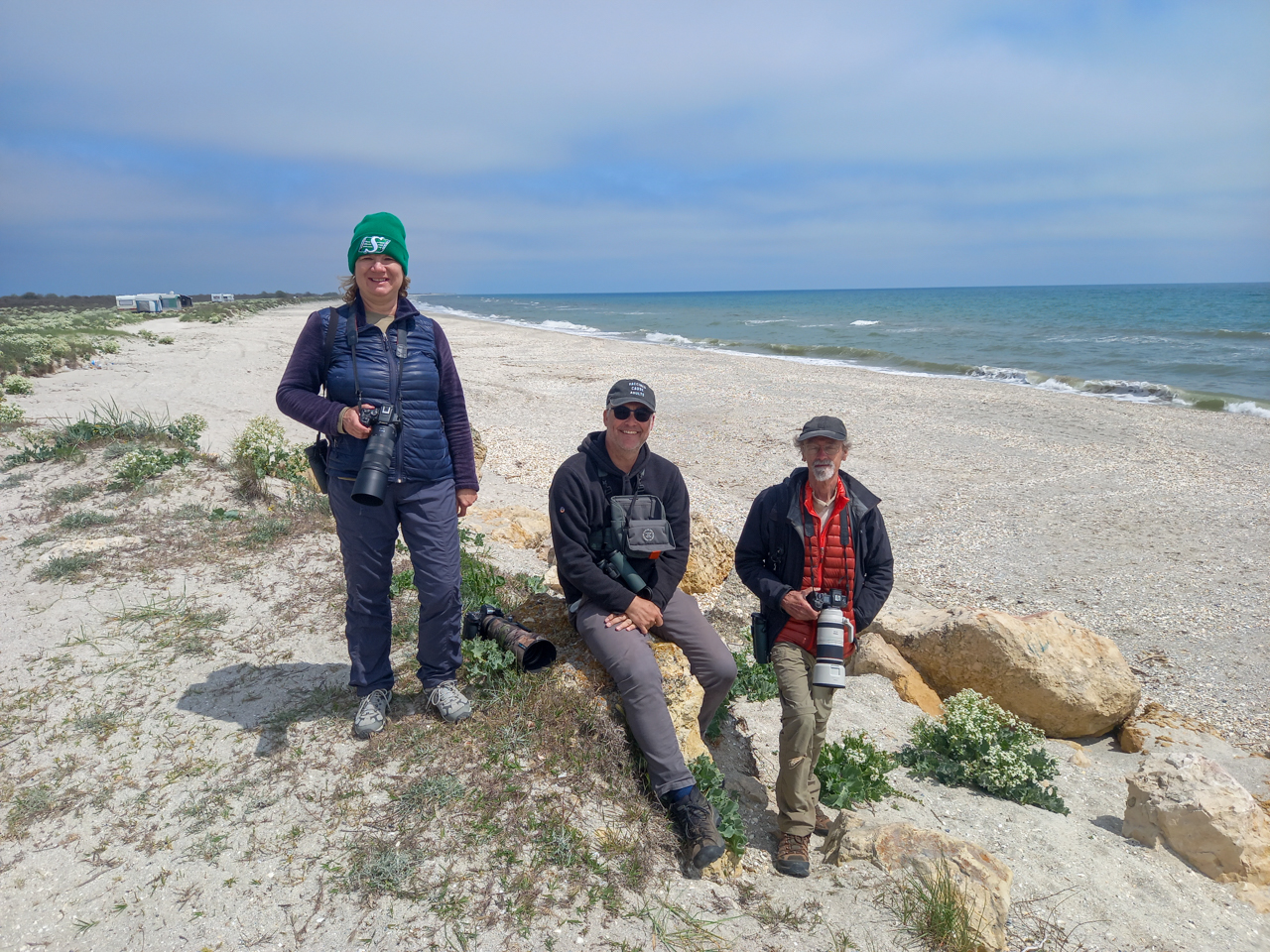
Moving southeast toward the Black Sea, the expedition entered the Dobruja region, a territory characterized by arid steppes, limestone quarries, and saline lagoons. This region is a critical corridor for the East European Flyway. In Vadu and the surrounding wetlands, the team observed a massive influx of hirundines, including Red-rumped Swallows and hundreds of Sand Martins, battling strong coastal winds.
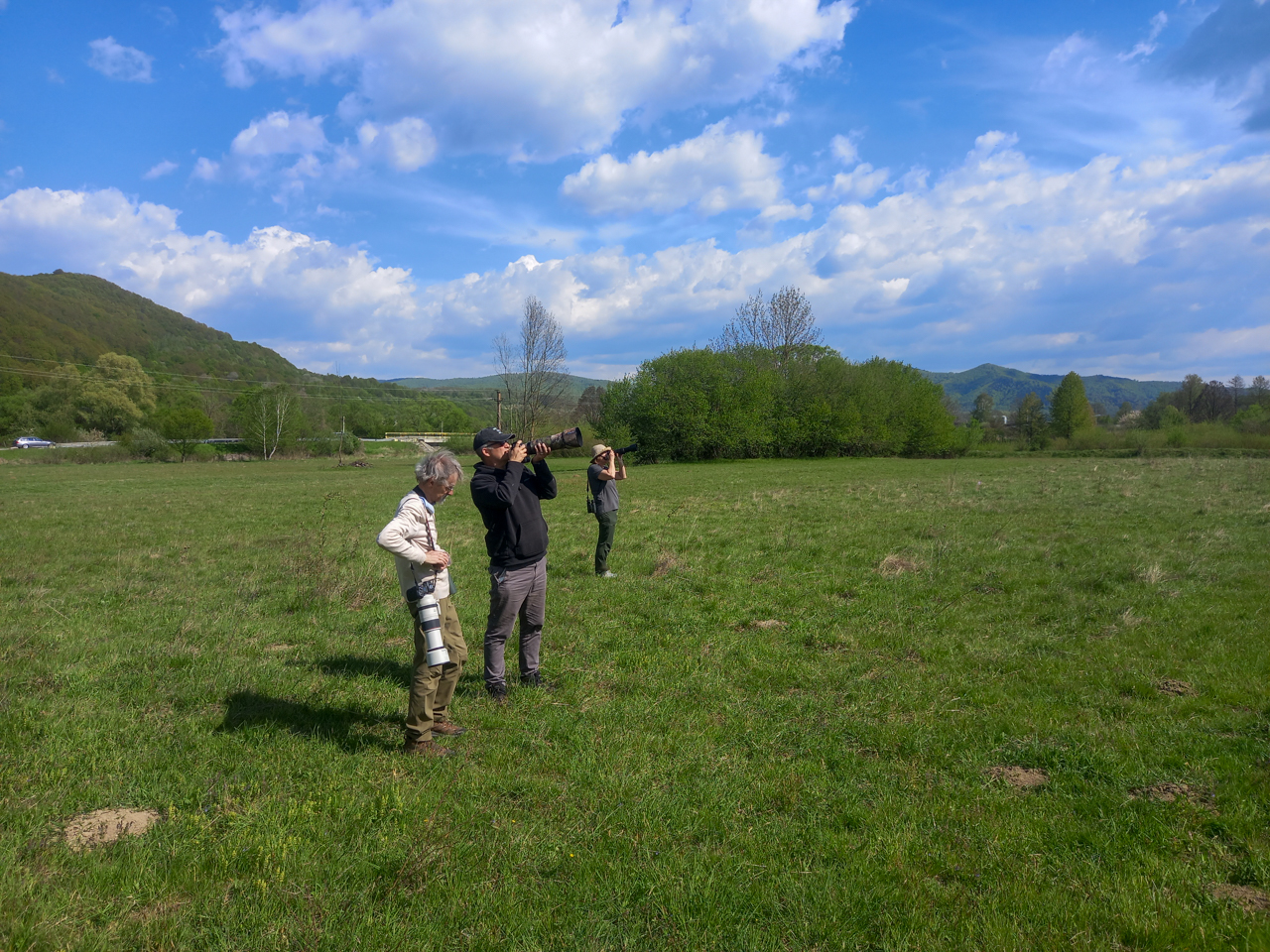
The saline marshes of Vadu and Histria provided a contrast to the freshwater ecosystems of the interior. Here, the survey documented a significant diversity of shorebirds, such as Black-winged Stilts, Pied Avocets, and Curlew Sandpipers. A highlight of the coastal survey was the identification of a White-tailed Lapwing (Vanellus leucurus), a national rarity in Romania. The bird was observed in full summer plumage, attracting attention from local birders and providing valuable documentation of rare vagrancy or potential range expansion.
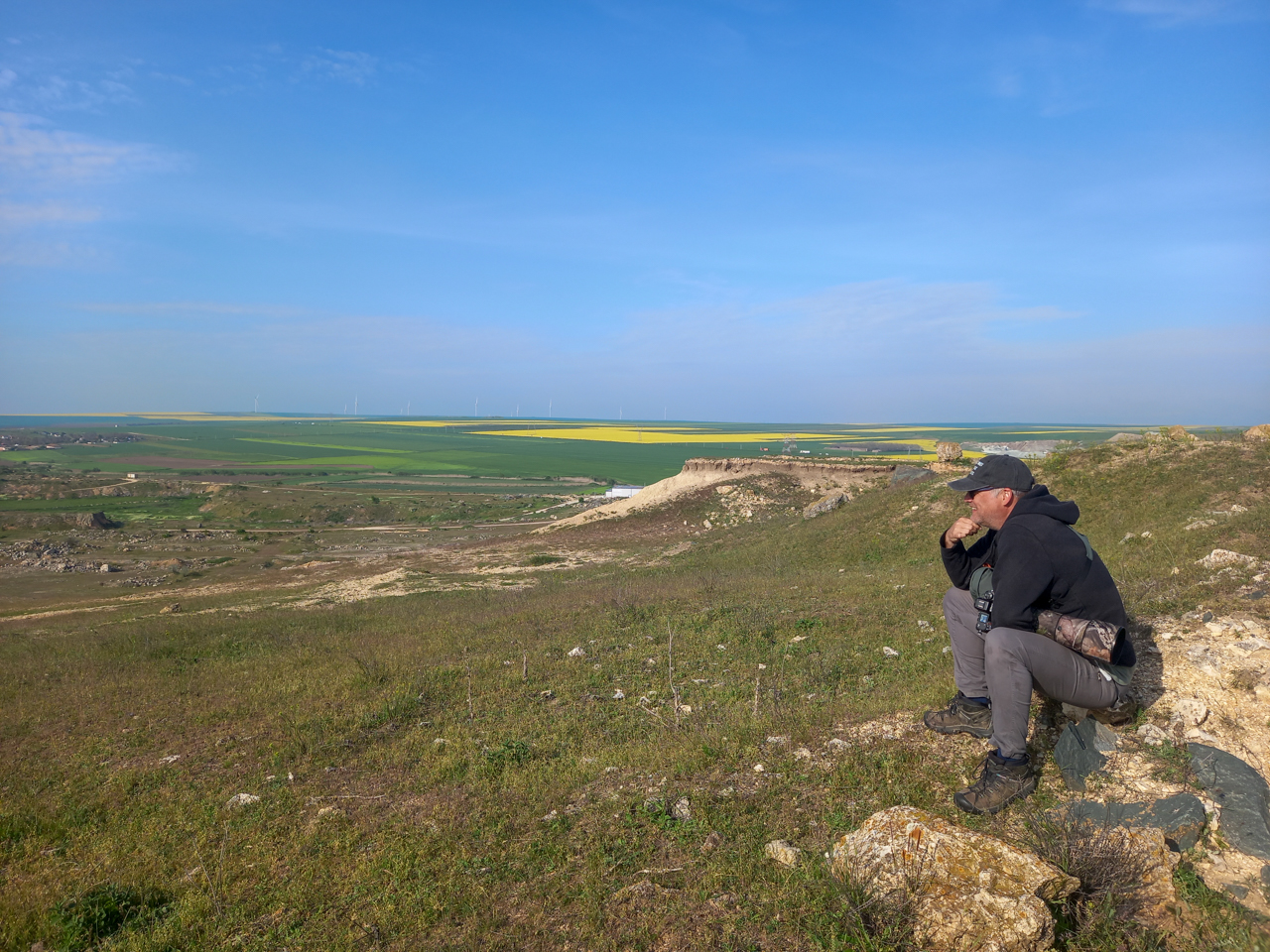
In the steppelands of Gura Dobrogei and the Sitorman Quarry, the team focused on lark and wheatear species. Four distinct lark species—Greater Short-toed, Calandra, Skylark, and Crested Lark—were recorded, alongside Isabelline and Pied Wheatears. These species are highly adapted to the open, rocky landscapes of Dobruja, which are increasingly threatened by agricultural intensification and wind farm development.
The Danube Delta: Europe’s Premier Wetland Sanctuary
The final phase of the mission took place in the heart of the Danube Delta, a 4,200-square-kilometer wetland system that represents one of the best-preserved river deltas in Europe. Staying in the village of Crisan, the team utilized specialized boats to navigate the extensive canal networks and lakes, including the Caraorman region. The delta’s importance as a breeding and nursery ground was evident in the massive colonies of Great White Pelicans and Dalmatian Pelicans.
The survey in the delta revealed a high density of woodpeckers, with the Grey-headed Woodpecker being the most prevalent. The team also documented the successful nesting of the Eurasian Penduline Tit, observing the intricate construction of its hanging nests. Raptors remained a constant presence, with White-tailed Eagles (Haliaeetus albicilla) and Eurasian Hobbies frequently sighted patrolling the willow-lined canals.
Despite a significant storm during the delta phase, the team continued to monitor avian activity. They noted that many songbirds, including the Thrush Nightingale and the Icterine Warbler, increased their vocal activity immediately following the rain, a common behavioral response to the cooling of the environment and the emergence of insects.

Scientific Analysis and Conservation Implications
The 203 species recorded during this 13-day period provide a comprehensive snapshot of Romania’s spring biodiversity. Several key findings emerge from the data collected:
- Migration Timing: The late arrival of certain species, such as the European Honey Buzzard and the Red-backed Shrike, suggests that climate variability continues to influence the phenology of migration along the eastern route.
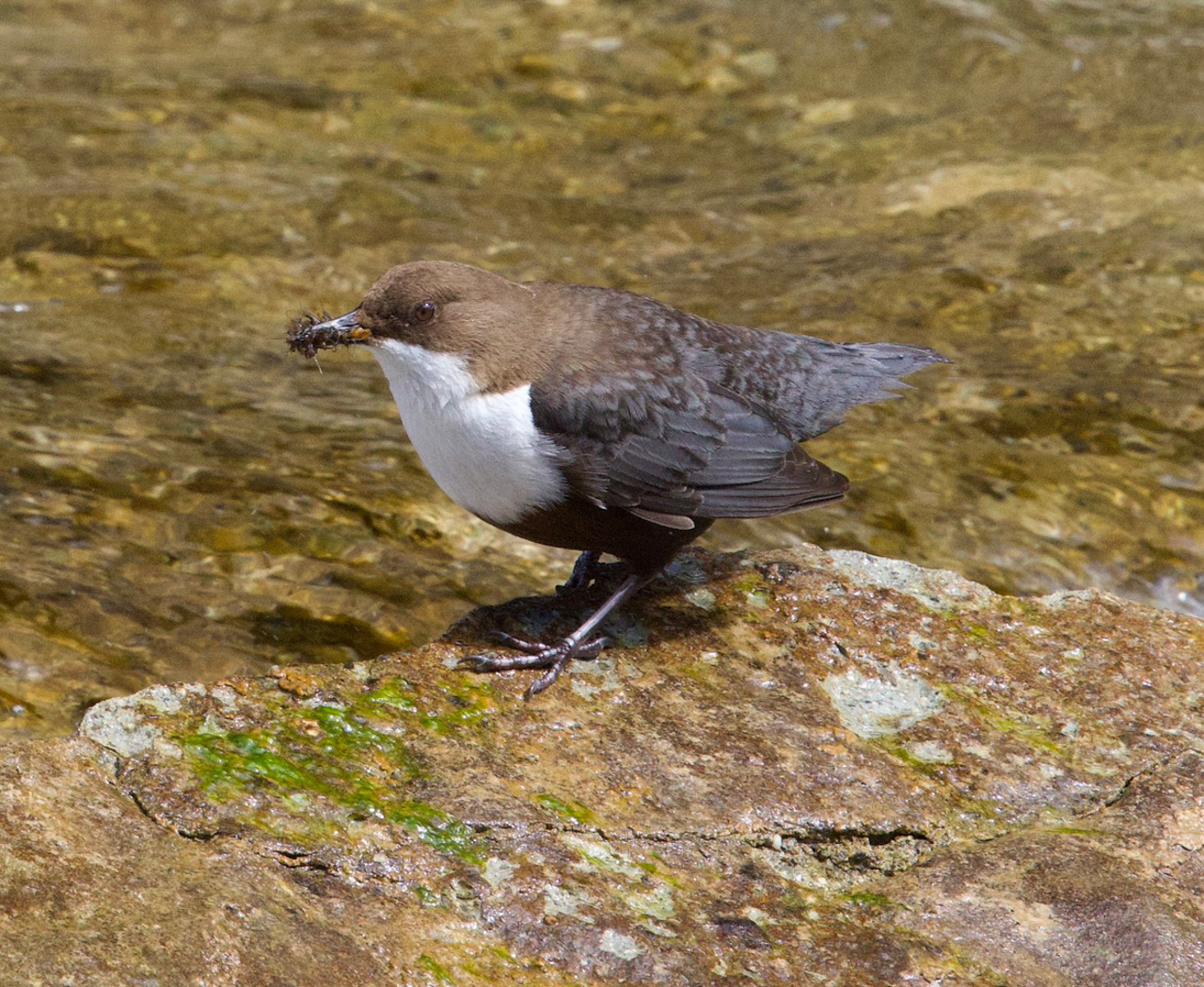
- Habitat Health: The presence of indicator species like the White-throated Dipper in the Carpathians and the European Kingfisher in the Danube Delta suggests that water quality in these specific protected zones remains high.
- Rarity Documentation: The sighting of the White-tailed Lapwing and the Pallid Harrier highlights Romania’s role as a critical junction for rare species moving between Central Asia, Africa, and Europe.
- Conservation Success: The abundance of colonial waterbirds in managed fishponds and the Danube Delta underscores the necessity of maintaining UNESCO-protected status and implementing sustainable fishing and tourism practices.
Broader Impact on European Ornithology
The results of this expedition contribute to the broader understanding of European bird populations. Romania’s unique position at the intersection of several geographical zones—alpine, continental, and steppe—makes it a barometer for the health of the continent’s avian life. The data gathered will be shared with international conservation databases to assist in the monitoring of population trends and the development of cross-border protection strategies.
As the expedition concluded in Bucharest, participants noted the dual importance of the region’s natural and cultural heritage. The integration of visits to historic sites like the Black Church in Brasov and Bran Castle served to contextualize the landscapes through which the birds migrate. The mission participants agreed that the preservation of Romania’s "wild heart"—the Carpathians and the Delta—is not only a national priority but a global one, essential for the survival of the millions of birds that rely on these corridors twice every year.
The 13-day survey ended with the successful documentation of 203 species, leaving a legacy of enriching data and a renewed call for the protection of Europe’s most vital ecological sanctuaries. The findings reaffirm that while some species remain secretive, such as the Corncrake or the Scops Owl, the overall vibrancy of Romania’s ecosystems remains a beacon for biodiversity in an increasingly fragmented European landscape.
